Author: Anne Hilty PhD

Bahrain

66417300_453502231873980_3694109939749355520_o

The small island nation of Bahrain, weekend playland of wealthy Saudis, is a well-developed society with ultra-modern architecture. Originally known for its pearl industry, it was the first in the region to move away from an oil-based economy and is today focused on banking and tourism. This former British protectorate has been independent since 1971, and in 2011 experienced its own ‘Arab Spring’.

66374777_453506308540239_6025219760529080320_o

The island today known as Bahrain was the first area to adopt Islam as its official religion, in the 10th century. The nation takes a moderate stance on religion today, and other faiths are also permitted — including the appointment of a Jewish woman as ambassador to US, and a Christian female ambassador to UK. However, journalists are known to exercise great caution when writing about religious topics — in order to avoid prosecution.
66478239_453509598539910_7027903395021193216_o

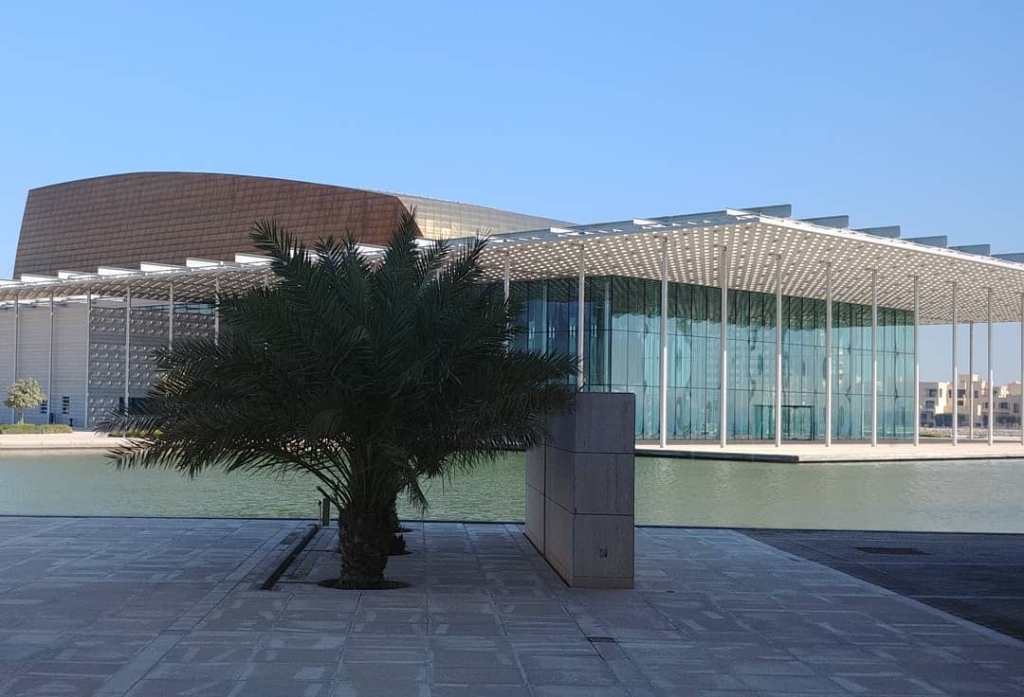
The National Theatre of Bahrain, in the capital city of Manama, sits on the water adjacent to the equally impressive National Museum, both a testament to this small nation’s dedication to the arts — the theatre the third-largest of its kind in the region.

66300150_453513261872877_4227316716364890112_o

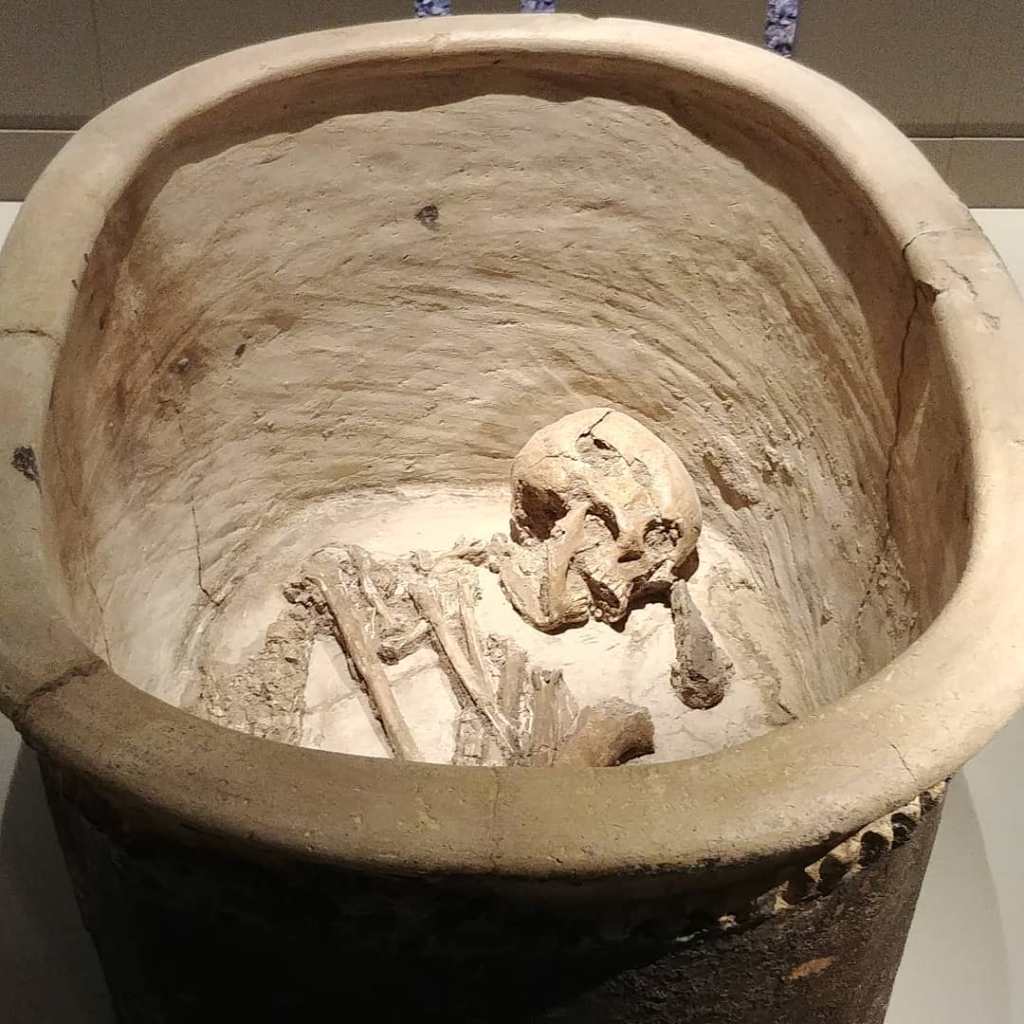
Samples of exquisite glasswork in the National Museum of Bahrain at Manama. The museum focuses on the ancient Dilmun people of the island as well as the ensuing civilisation, displayed in archaeological, ethnographic, and religious artifacts — even a genuine burial mound relocated to the site. Along with decorative arts, it is a testament to the Bahraini people.
66431788_453517125205824_1671625160211300352_o

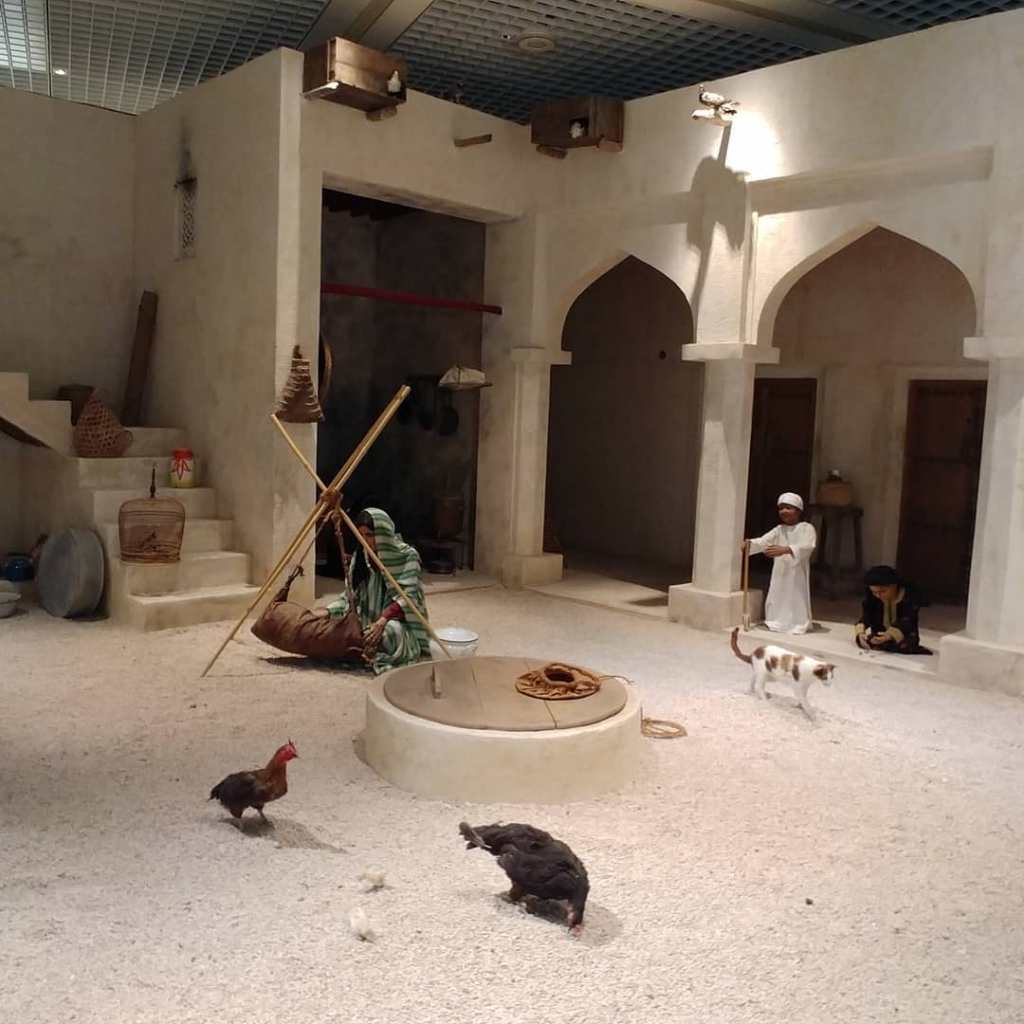
This model of a traditional Bahraini home, built to actual size, can be seen in the National Museum of Bahrain at Manama. Extended families shared a home of multiple rooms built in a square around an open courtyard. Homes today typically adhere to similar principles, with exceptionally large common spaces around which smaller rooms can be found.
66329458_453518021872401_5195809211430207488_o

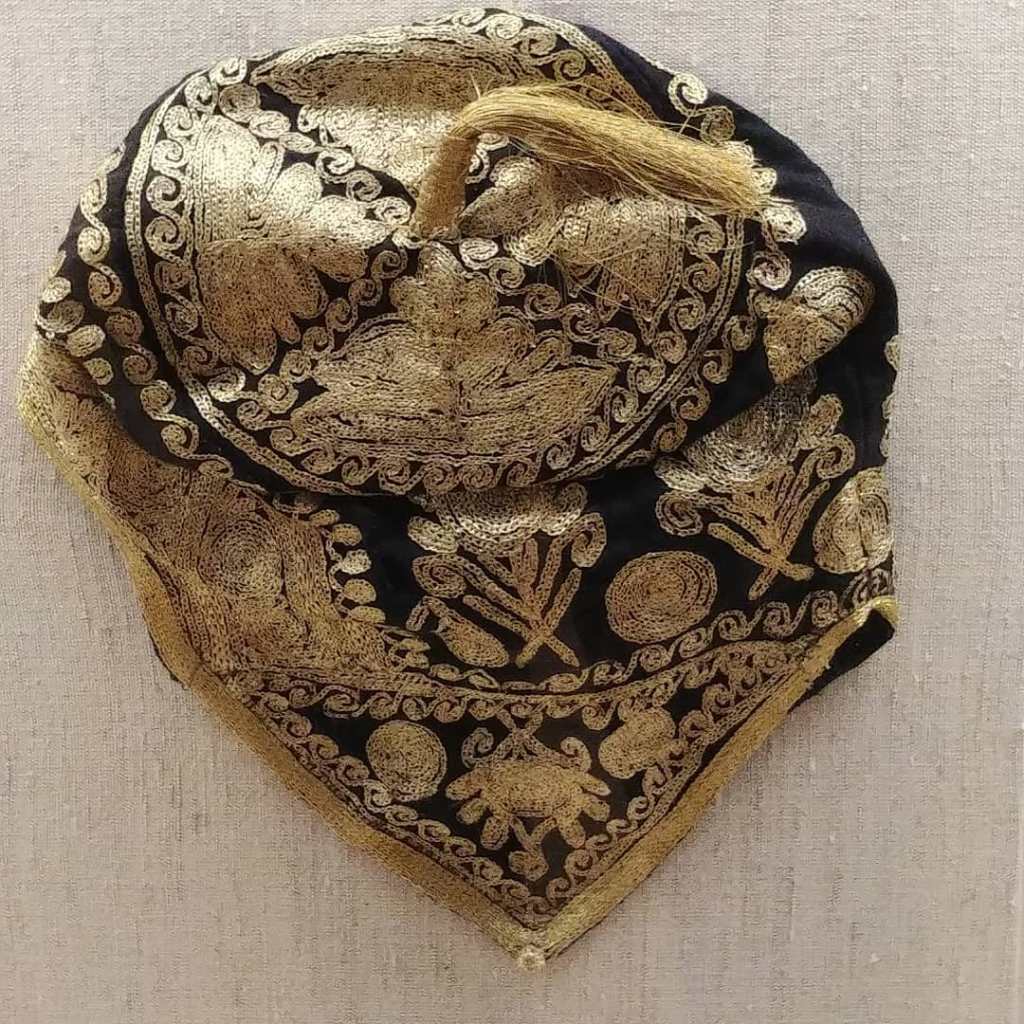
This embroidered baby’s cap provides another example of the highly detailed traditional Bahraini handcraft.
66480211_453521961872007_5188423504063627264_o

Bahrain represents one of the world’s oldest civilisations, the Dilmun people; their unique burial customs included the use of clay jars or small coffins to enclose the bodies, and an estimated 170,000 ancient burial mounds have been found throughout the island — resulting in UNESCO inscription as world cultural heritage.

~EWP
Austria

66725143_453235785233958_1760267121922670592_o

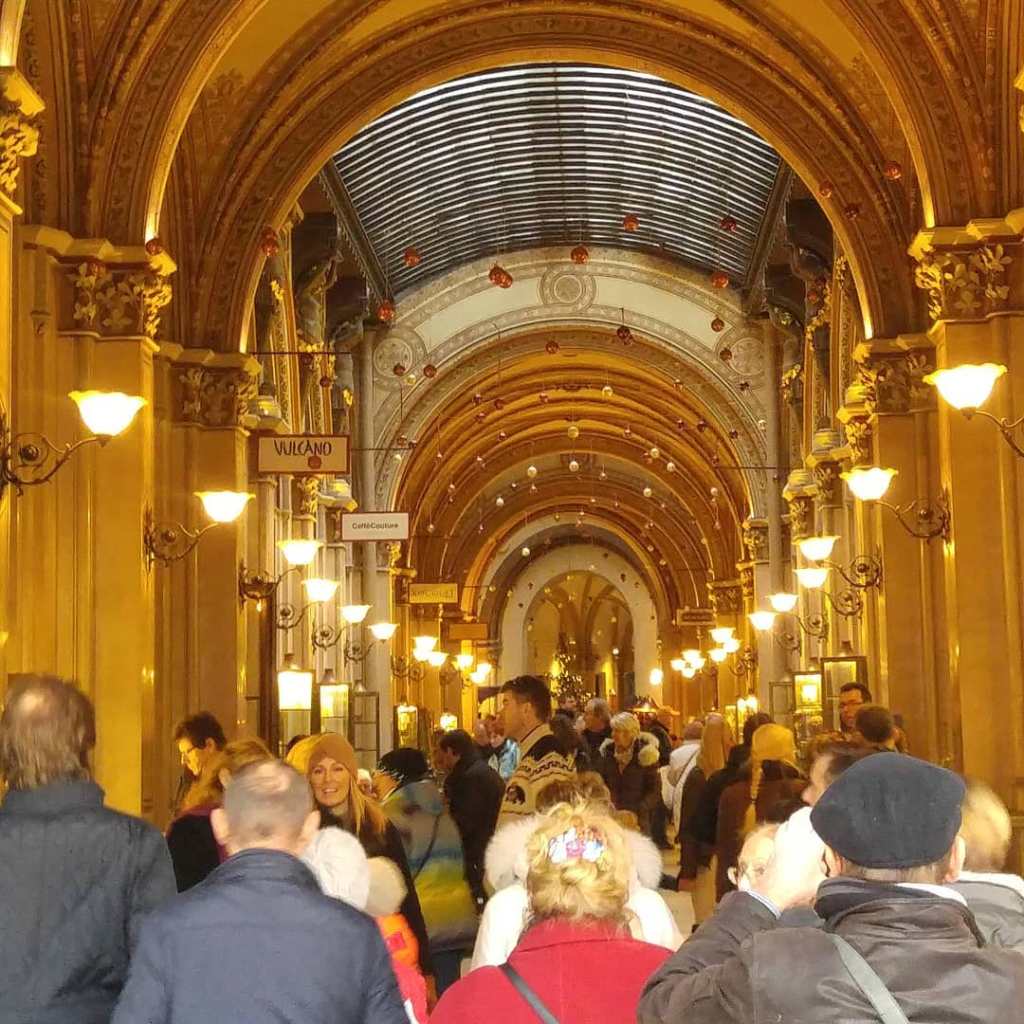
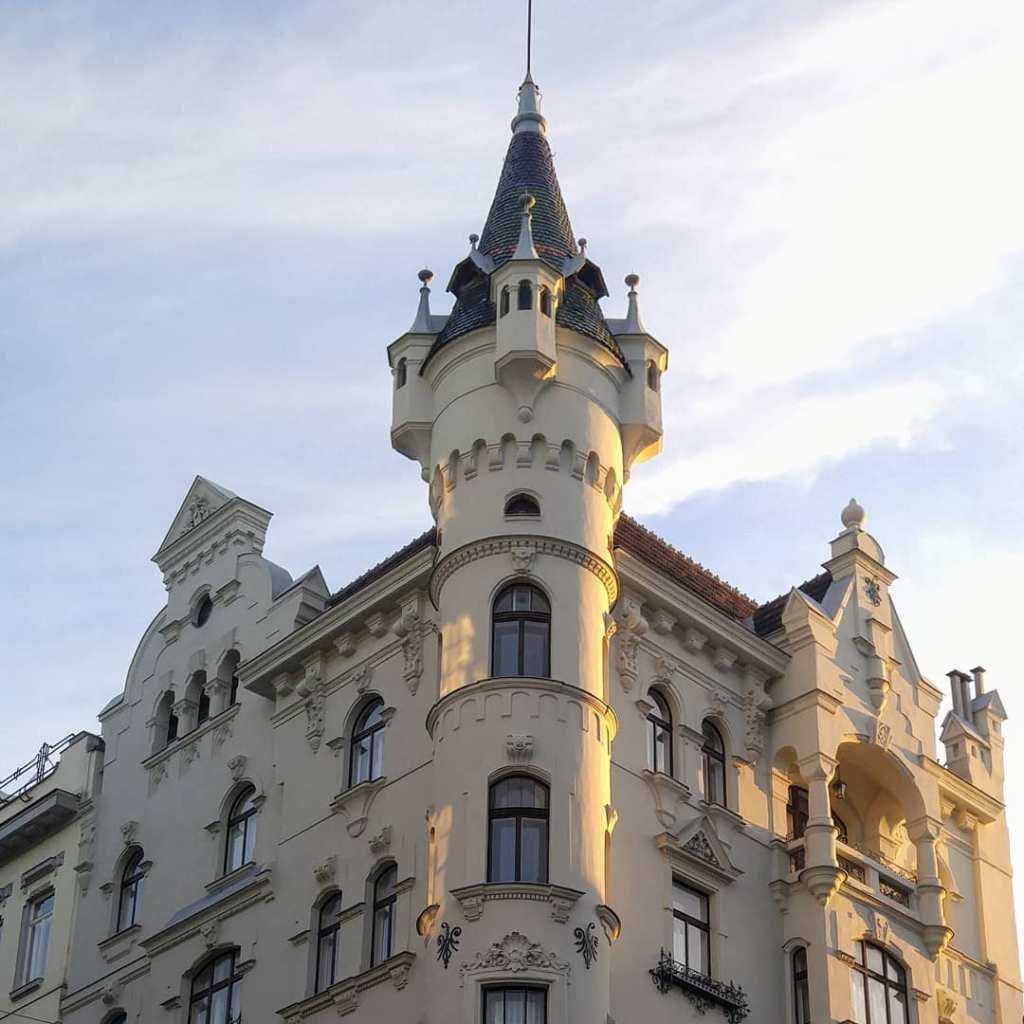
Austria, and its stately capital of Vienna. Sophisticated, strongly focused on the classical arts, intellectual discourse and cafĂ© culture — and high-end shopping. The country today has become increasingly diverse, though not without some controversial push-back against same, in a backdrop of questions regarding its WWII past.

66064457_453237745233762_3805719788831899648_o

Vienna is filled with elegant architecture and eager shoppers, no time moreso than December and its Christmas markets. The Old City is centred on luxury brands, while the outer districts include shopping malls and street markets — and ethnic neighborhoods with a diversity of products.

66195994_453239995233537_4999987728121593856_o


A predominantly Catholic country, unlike its protestant neighbor to the north, Austria’s freedom of religion is constitutionally guaranteed. Religious participation in general is on the decline, however, dropping from 73.6% Catholic in 2001 to only 56.9% in 2018, as reported by the Austrian Catholic Church.

66608097_453242145233322_3706524130401583104_o

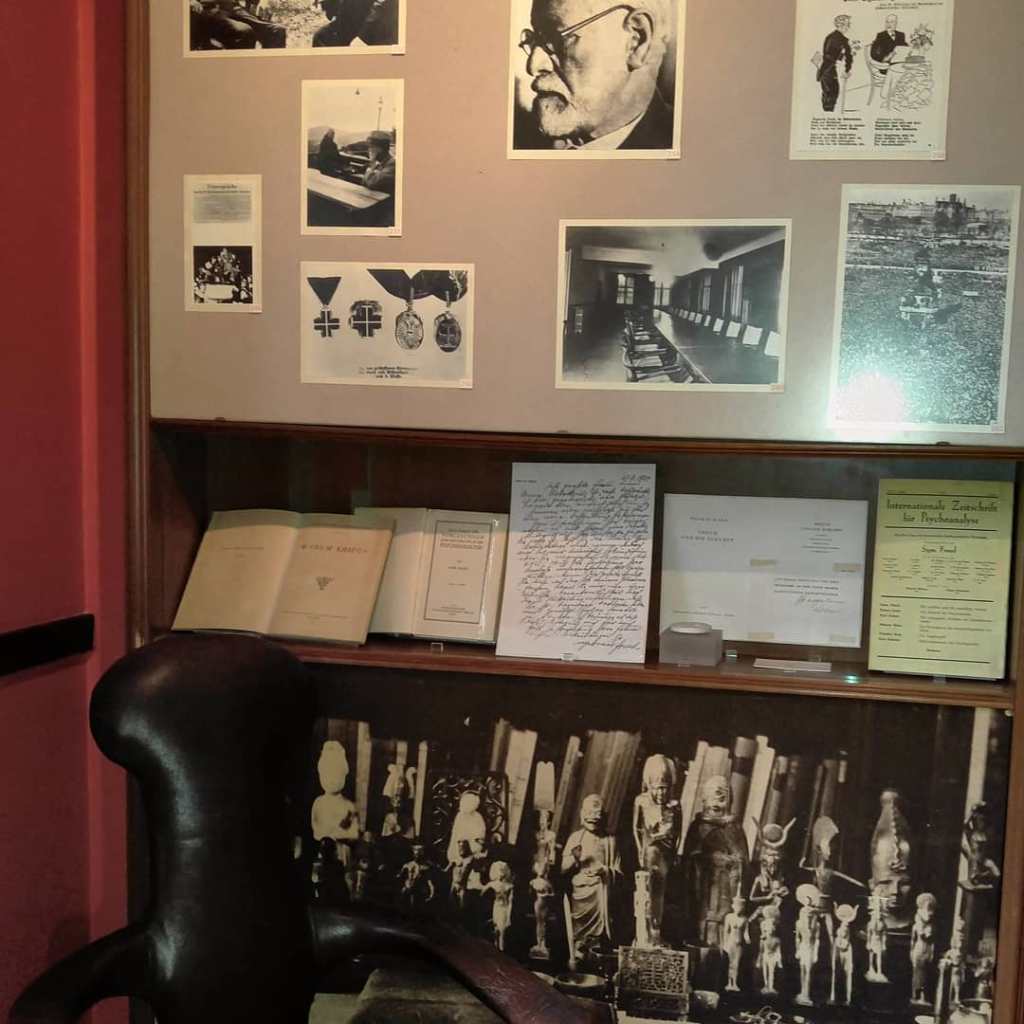
Along with the musical contributions of none other than Mozart and Beethoven, Austria also gave to the world the genius of Dr Sigmund Freud. Though not all of his theories are still supported today, he and those who built upon his ideas forever changed the way we understand human psychology.

66647550_453245095233027_4070318593496055808_o

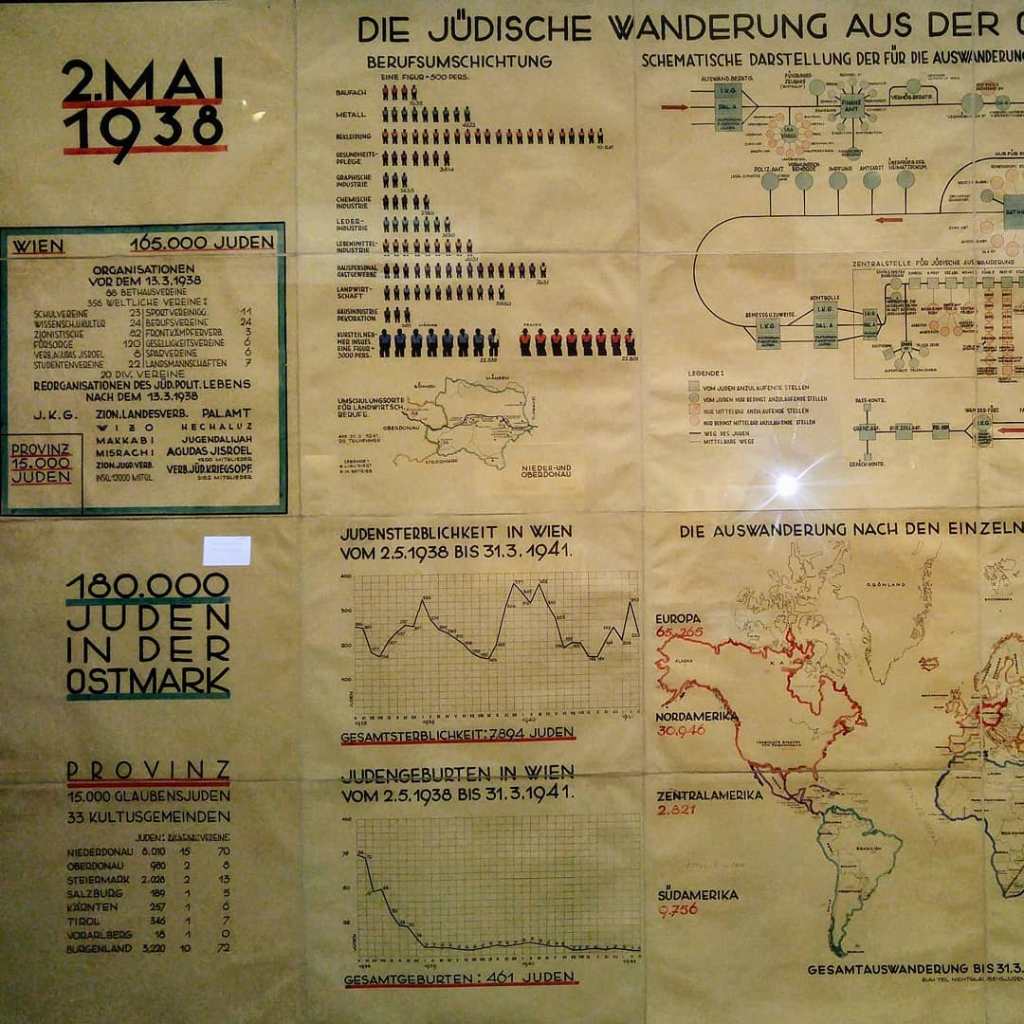
One of the ongoing controversies that continues to tarnish Austria’s reputation is the country’s involvement in WWII and the attempted genocide of European Jews. While Austria maintains a claim of victimization by Nazi Germany (‘the Nazis’ first victim’), this stance was not taken until the end of the war; a statement of ‘responsibility’ was issued in 1991, but no adequate admission of guilt has yet been formally given. The nation’s difficult relationship with its past remains.

66429722_453247498566120_6087140119351918592_o

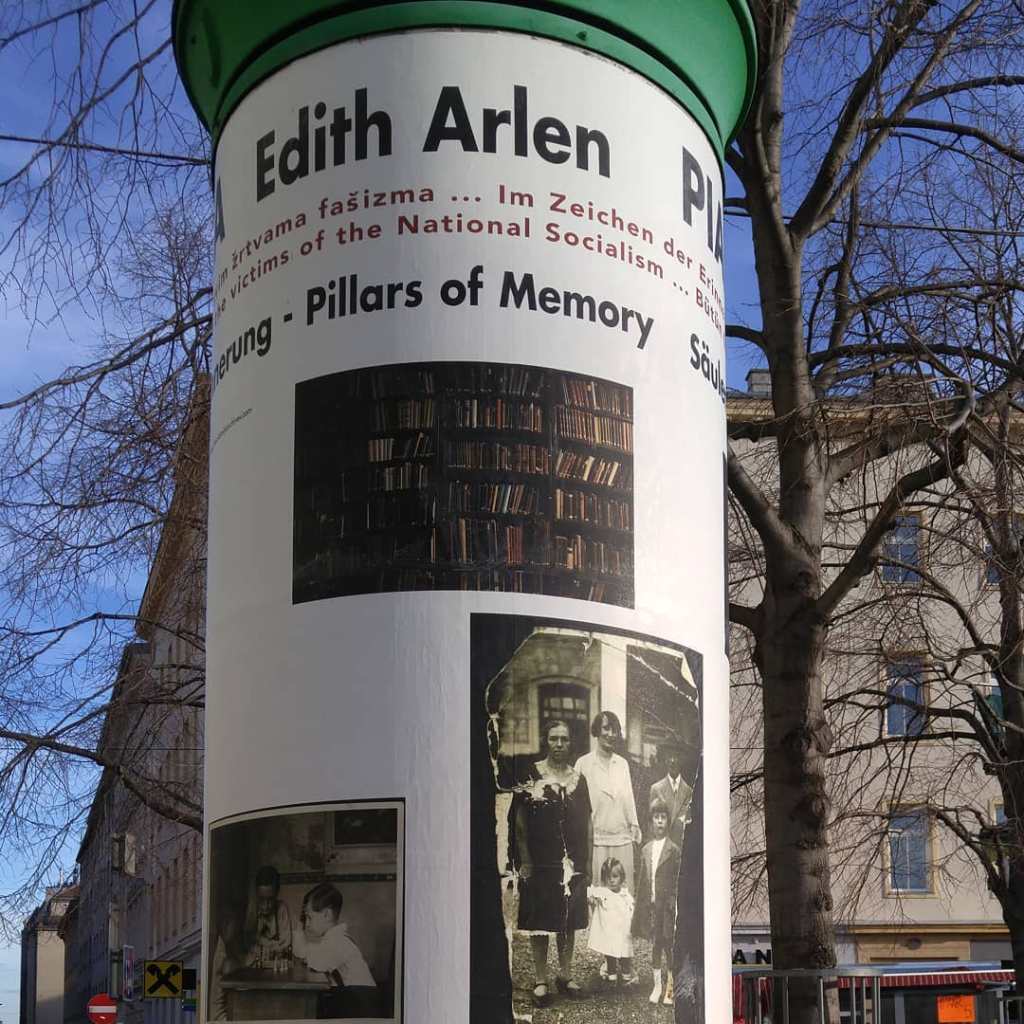
Today, artists and others continue the effort to encourage Austria to acknowledge its role in WWII, apologize formally for its collaboration with Nazi Germany, and to memorialise the deaths of its 65,000 Jewish citizens. A survey conducted earlier this year revealed a significant lack of knowledge among Austrians regarding the Holocaust — against a backdrop of rising anti-Semitism in this county and throughout Europe.

~EWP

Denmark

66686475_452803251943878_2787041296697524224_o

Denmark. Long a symbol of open-mindedness and tolerance, first in the world (1989) to extend the right of marriage to same sex couples — even as Danish society moved away from the expectation of marriage overall. Freetown in Christiania, a self-governing alternative community in he middle of Copenhagen. Primarily Danish in ethnicity, but with significant minority communities from at least 10 other countries; officially Lutheran with a strong tradition of religious freedom, including Catholic churches, synagogues, and mosques — and a high percentage of non-observant. One of the highest rankings for gender equality and for eco-friendly practices. And of course: an overwhelming orientation to the sea.

66289971_452805011943702_3281495150336933888_o

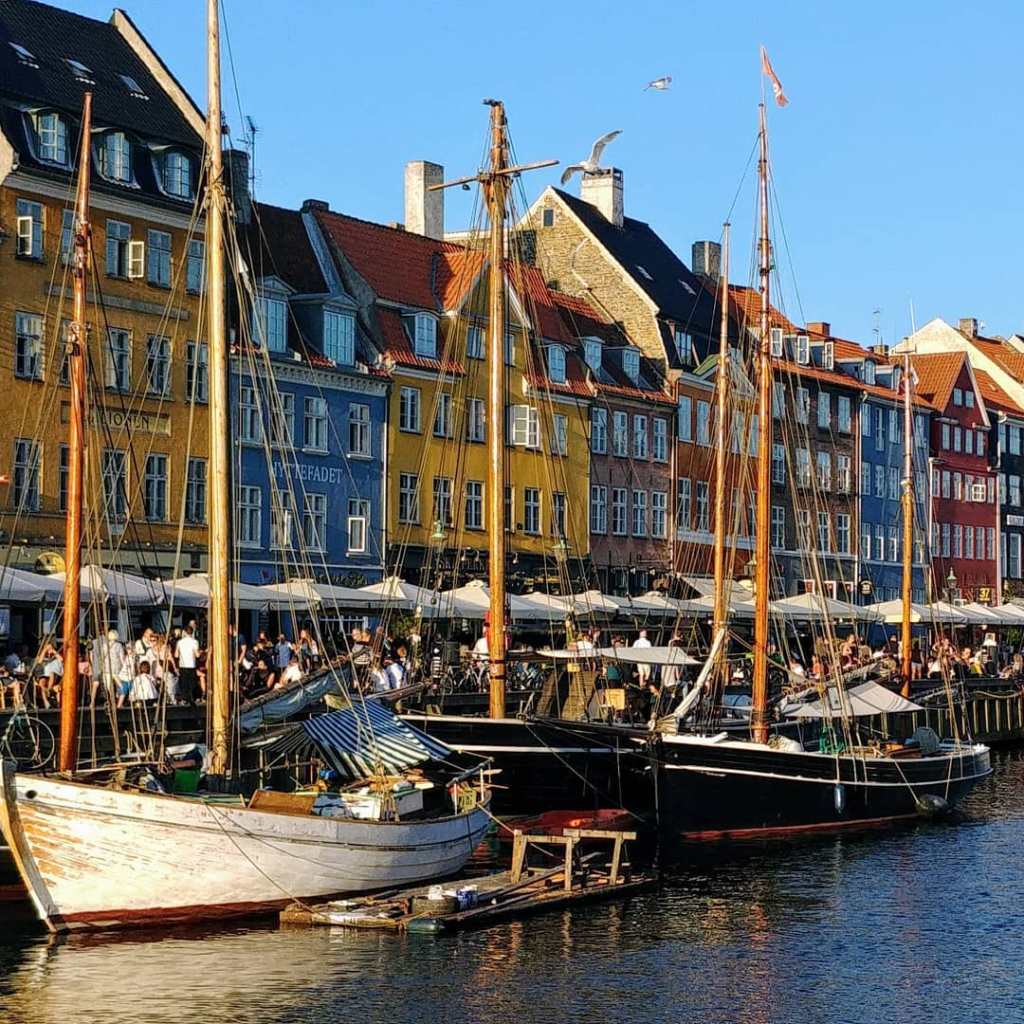
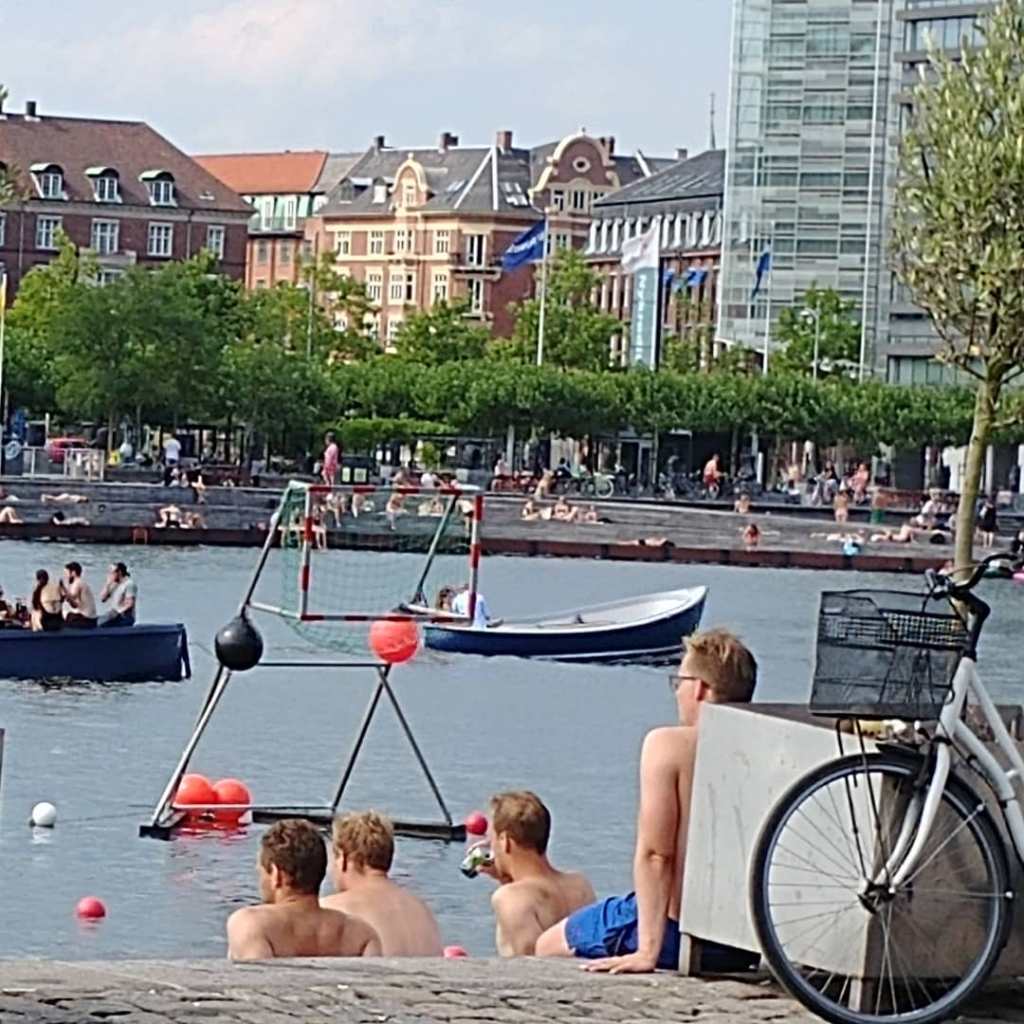
Denmark is surrounded by the sea, a dominant factor in its history — and in modern society. Life, community, time — especially in summer — revolves around the waterfront; this tableau is Copenhagen’s harbour, with many more waterways to choose from.

66316366_452806958610174_2888119911740080128_o

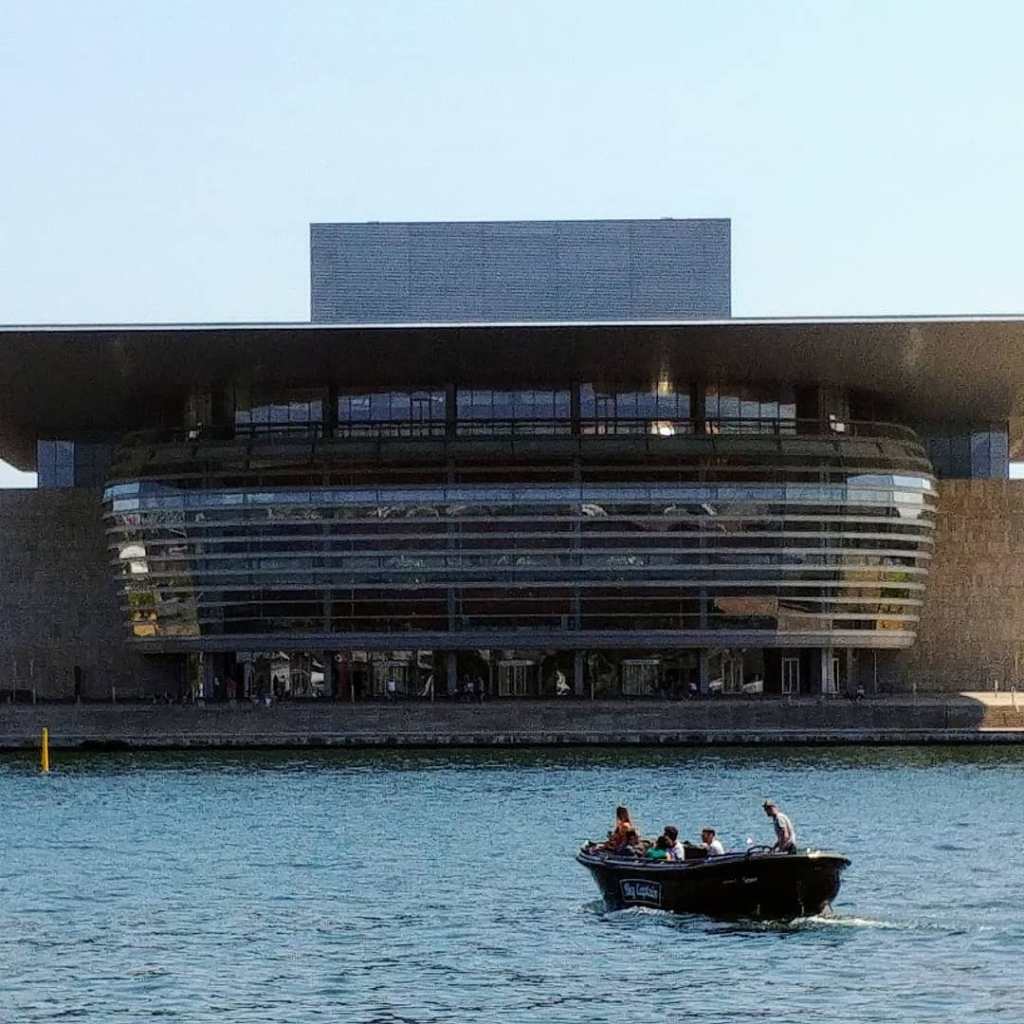
The Danes also have a long tradition in the arts, as embodied by Copenhagen’s new waterfront opera house. Denmark has contributed to the humanities far beyond expectation for such a small country — visual and performing, writers and composers, unique design in furniture as well as architecture, philosophy — and in the sciences as well.

66412193_452809175276619_9140594595288055808_o

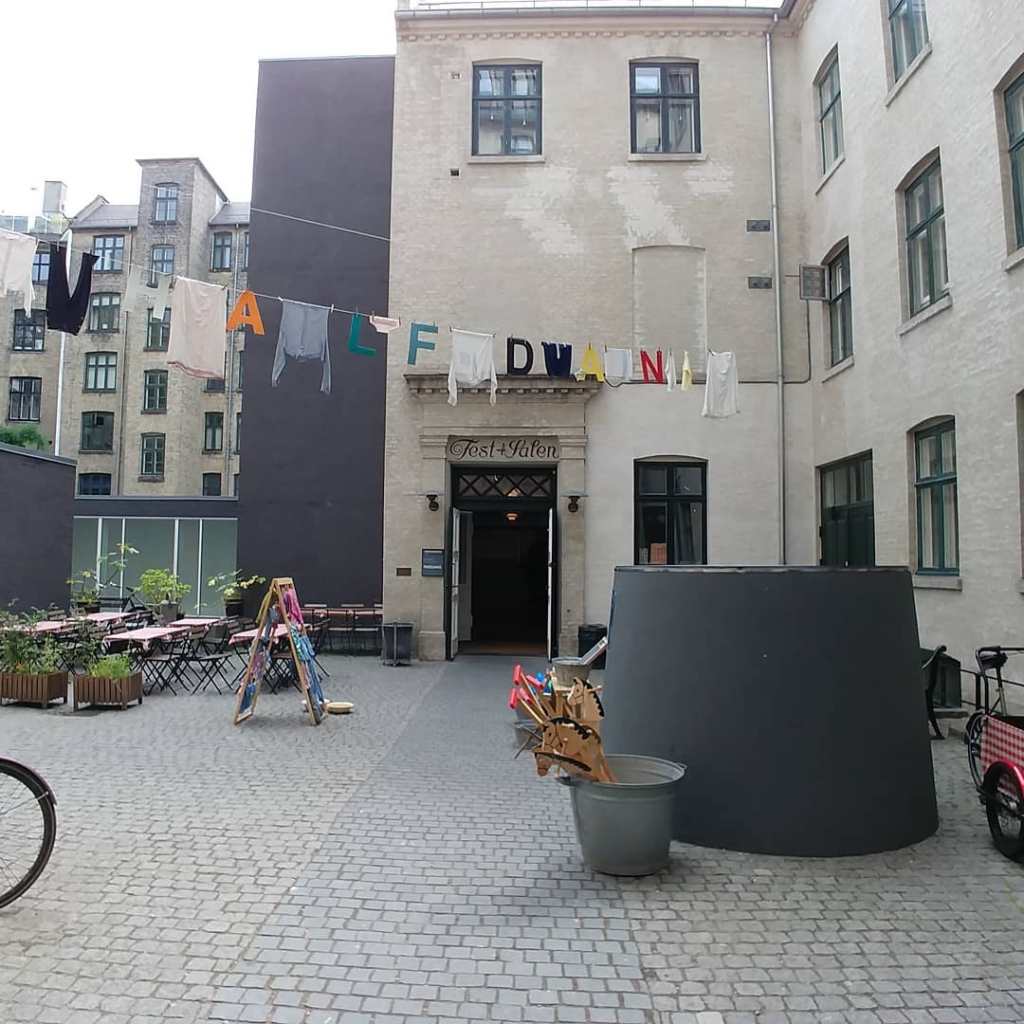
Copenhagen’s Workers Museum pays tribute to the working class of Denmark, going back more than 1500 years. Relevant philosophies, including social welfare, industrialisation, Marxism, and socialism in its varied forms, are represented equally and neutrally, and the workers’ unions and labour laws highlighted.

66262480_452811798609690_7049296571287994368_o

Much has been made of Denmark’s rescue, during WWII, of 6400-8500 Jewish people — 90% of the country’s Jewish population at that time. In 1943, average Danes put their own lives on the line to help their Jewish neighbors, by hiding them or sneaking them out of the country in small fishing boats. The story is more nuanced, of course — and there is an anti-Semitic thread in Danish culture, then and now, that cannot be denied. Nevertheless: the Danes took action, on principles of ethics and a shared humanity, when many others failed to do so. [Photo: Jewish Museum, Copenhagen]

~EWP

Republic of Cyprus

66338116_452740961950107_5068359299621715968_o

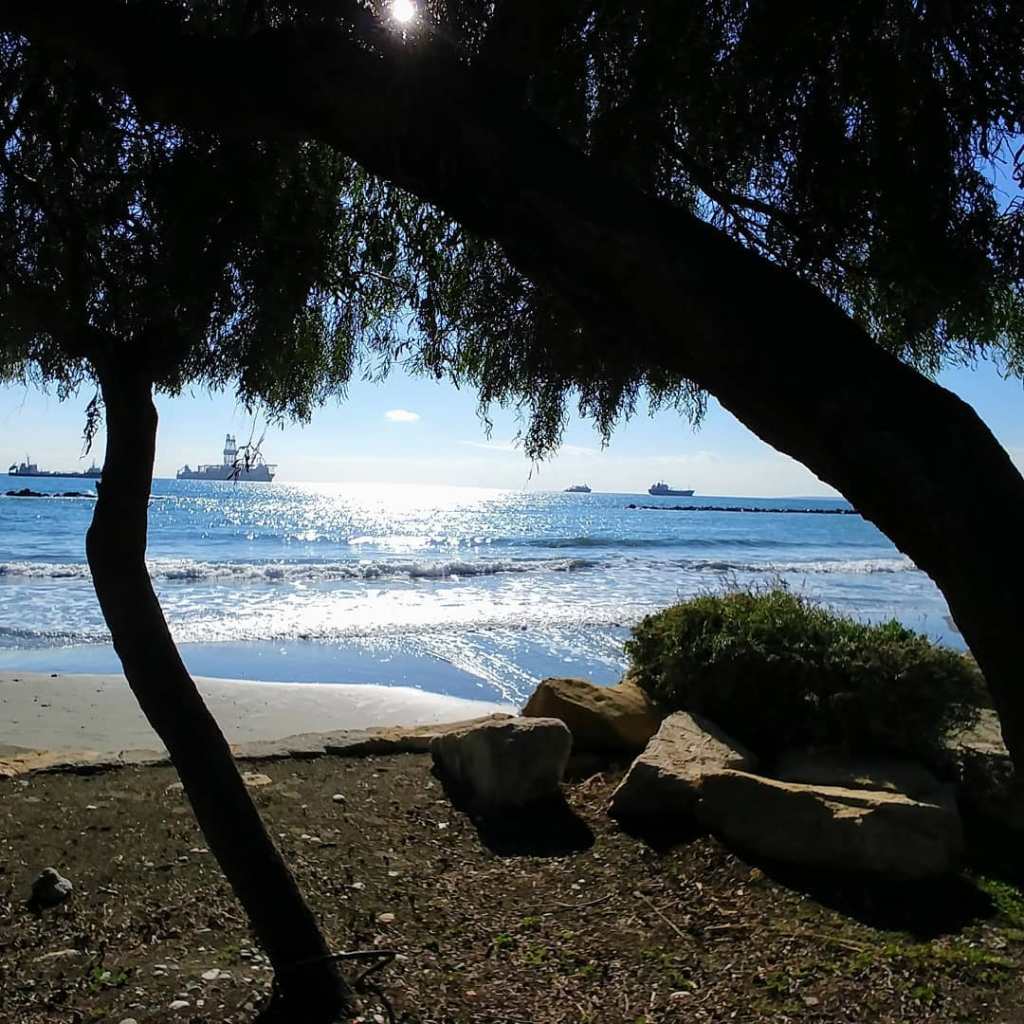
Cyprus. Long a summer resort destination, known for its beautiful beaches, it remains popular today despite political tensions and past, still unresolved, military conflict. A divided country, a mournful populace — all the while immersed in their island’s natural beauty and cradled by the sea.

66008537_452743691949834_7995223952425222144_o

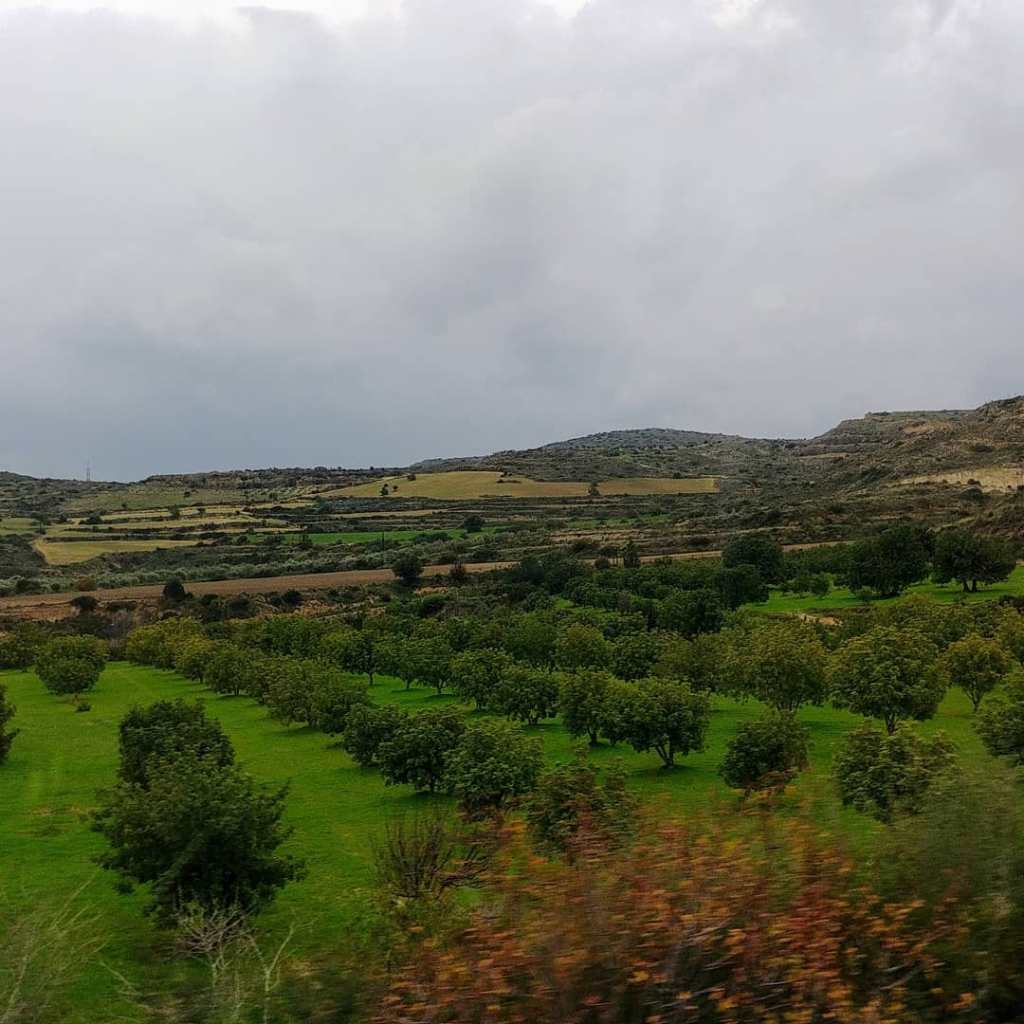
The sheer beauty of Cyprus is breathtaking, from its olive and lemon groves to its vineyards and from beach to snowy mountain (in winter!) — a topography reflected in the Cypriots’ embrace of diversity and deep connection to the land.

66501847_452745401949663_2797440550687473664_o

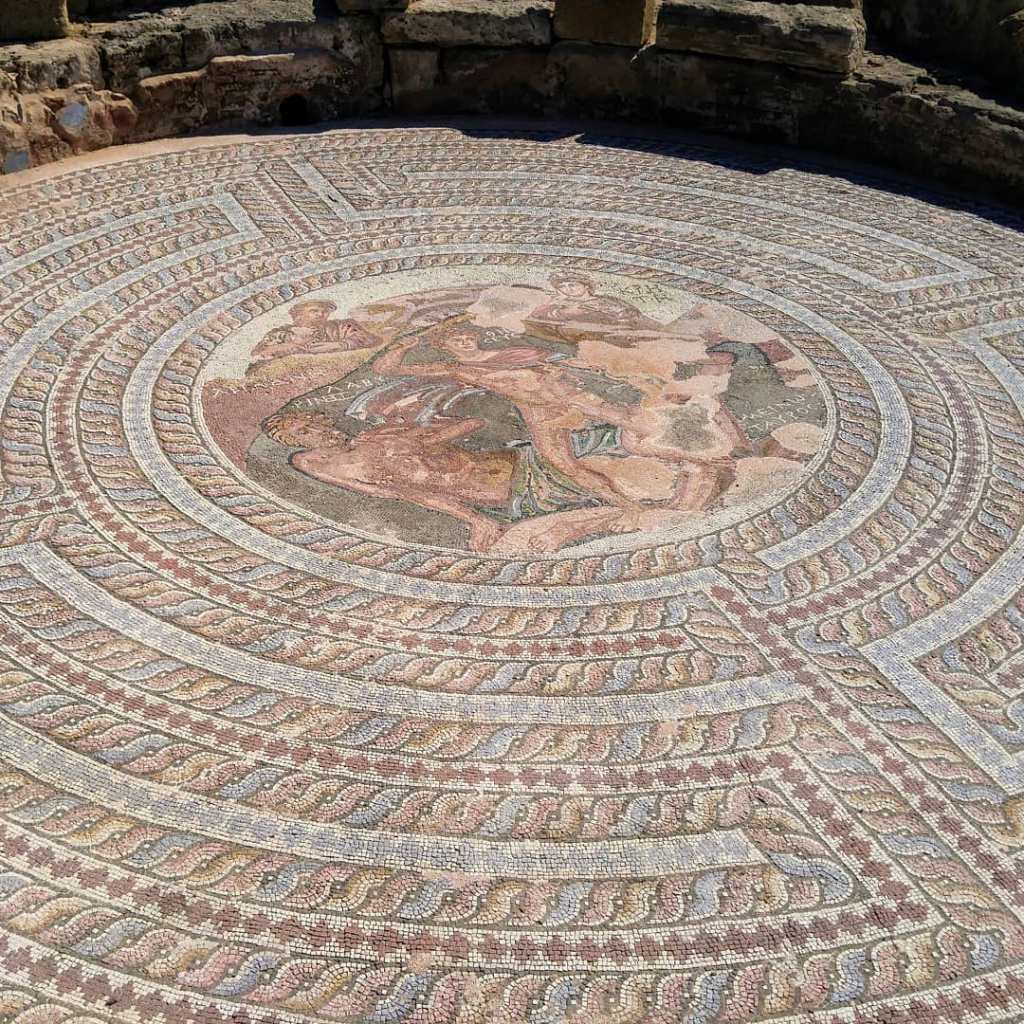
Cyprus is also an island of ancient history, with archaeological digs from Pafos in the southwest to Salamis in the northeast. Here, one of many well-preserved mosaics in Pafos — mythical birthplace of Aphrodite, Greek goddess of love and beauty.

66122903_452753668615503_4595625293166673920_o

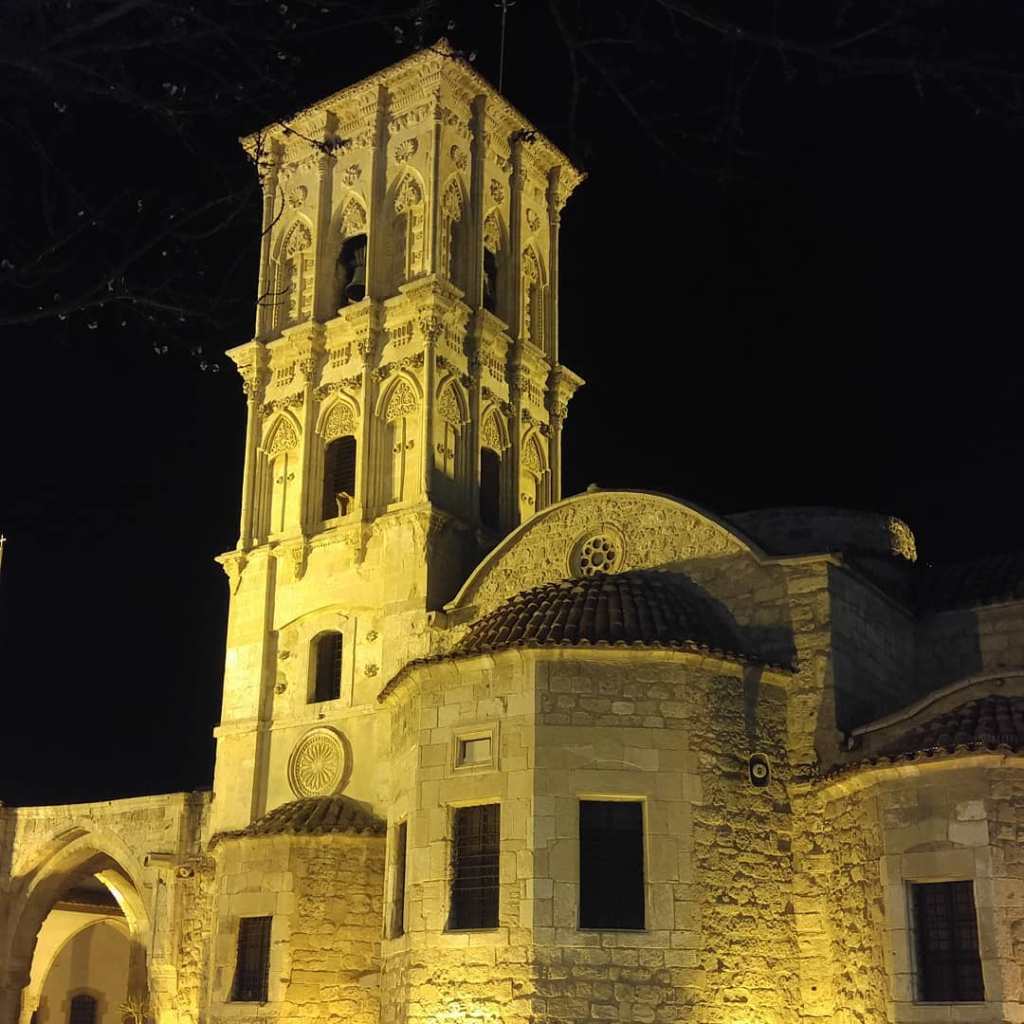
Church of St. Lazarus, 9th century, oldest church in Cyprus. Christianity was introduced to the island in 45CE, while under Roman rule; from 395 to 647, Cyprus was part of the Byzantine empire, then Arabic reign to 965. It became a possession of the Venetians from 1489 to 1571, when the Ottoman empire annexed the island until 1914 — followed by the British. Thus, this small island nation has been influenced variously by Persian, Greek, and Roman traditional religions, Roman Catholicism, Islam, Greek Orthodoxy, Islam again, and Anglicanism!

66689731_452758855281651_5408247296141819904_o

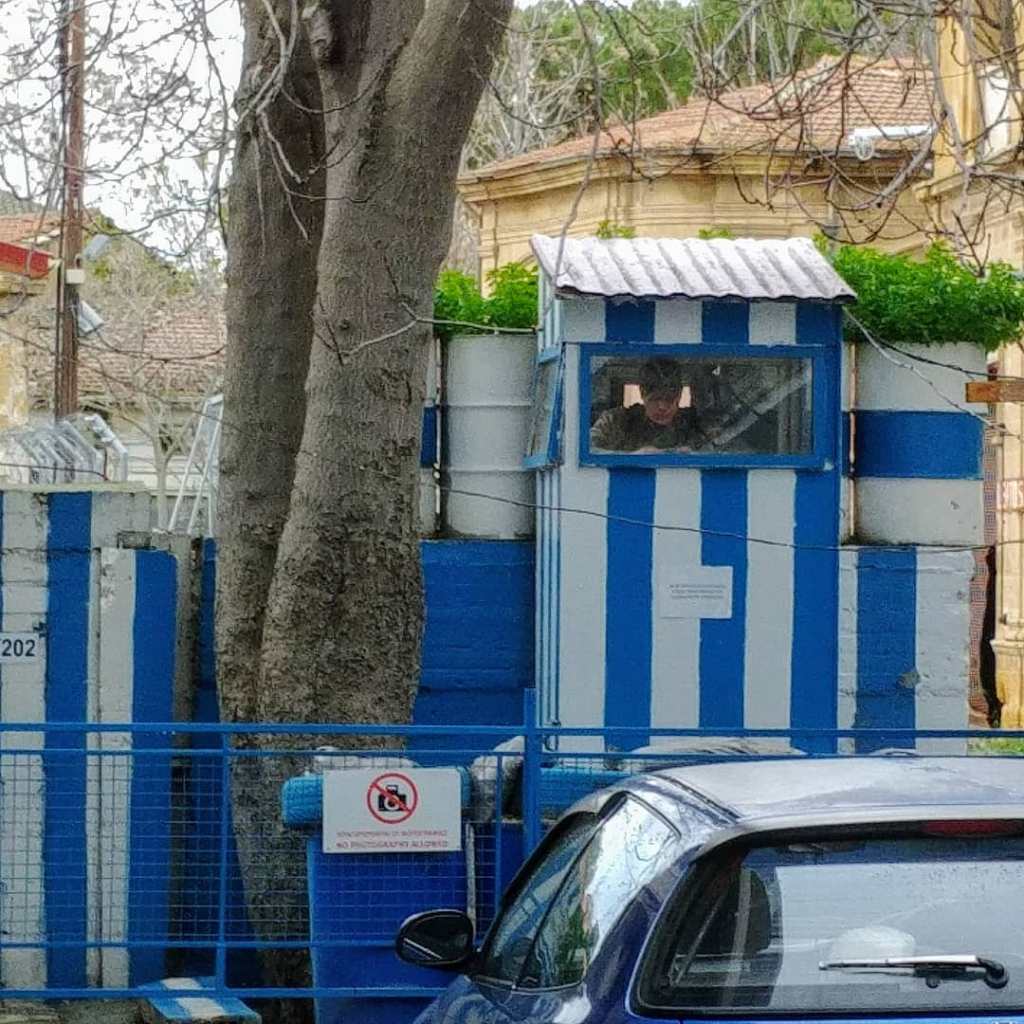
Since the 1970s, Cyprus has been a divided island — physically, politically, economically, emotionally. A majority of Turkish Cypriots left the island with the fall of the Ottoman Empire in 1914, rendering the remaining such population a small minority; when the British departed in 1960, they found themselves under threat by Greece (especially during its dictatorship, 1967-1974), and with some Greek Cypriot sympathizers, to annex the island yet again. The Turkish army, ostensibly to protect their Cypriot cousins, entered the island in force in 1974, and violence ensued, with unresolved issues, discoveries of mass graves, and missing persons to this day. Several times, as recently as 2018, it seemed that the dispute would finally be resolved — only to have peace talks collapse once more. [Photo: Nicosia, Republic of Cyprus]

~EWP