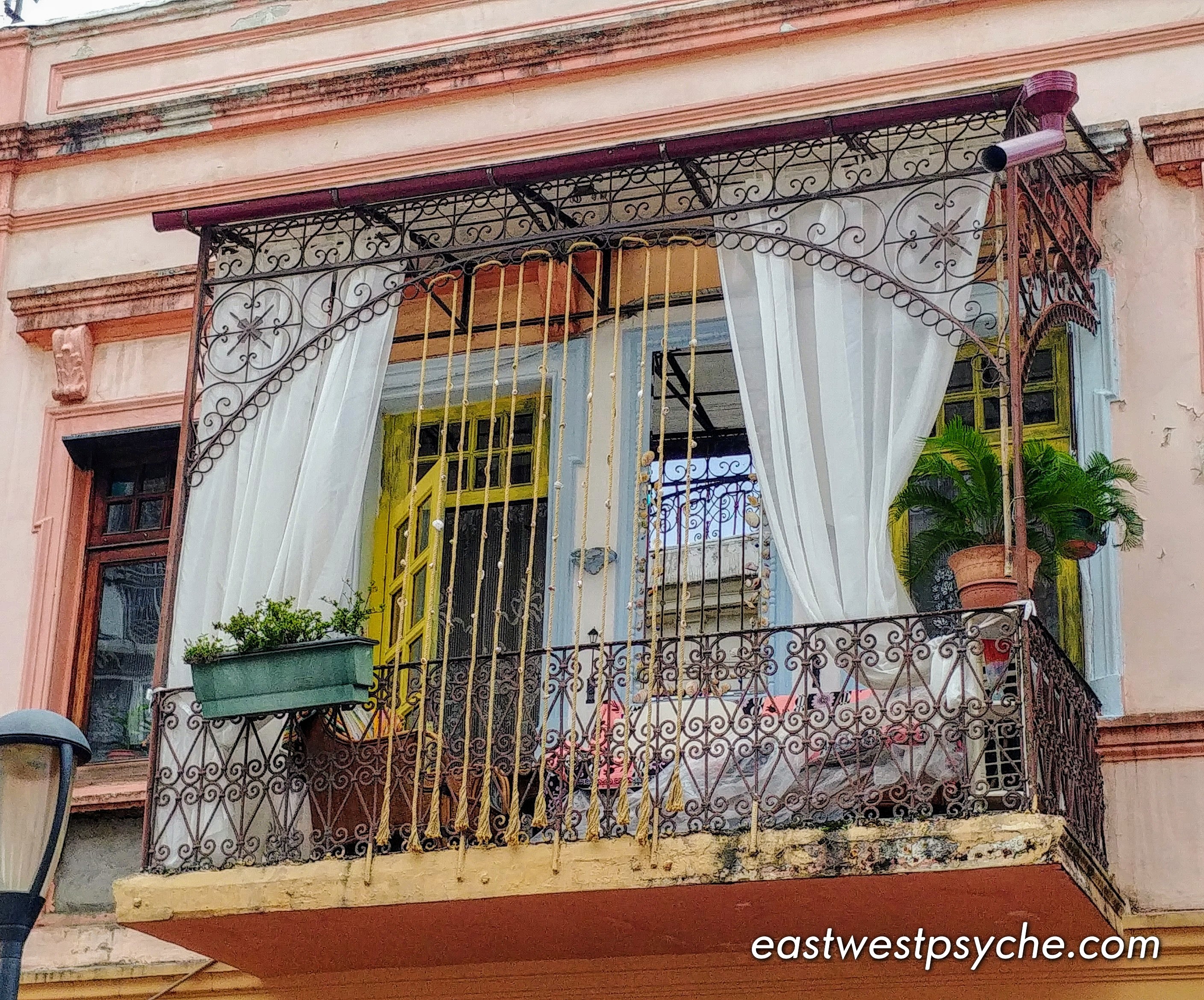
hiatus, return, renew

Dr Anne here. After a long, loooong pause…we’re back. <Phew!>

The pandemic ground our ‘100 Countries’ project to a halt, like so many things, evaporating every scrap of motivation to carry on. By March 2020, all remaining travel for research I’d scheduled for the year (27 countries, scaling back after 55 countries in 2019) was of course cancelled. And even as the field research for 105 countries and 5 territories, more than we set out to do, had already been completed, somehow even writing up the remaining 20 or so photo essays seemed a Herculean task. Following a spate of such in July 2020, we’d not returned to this blog.

Yet here we are. At last. When 2022 arrived, it came in on a fresh breeze, as if something had shifted. With the more recent Lunar New Year, that feeling intensified. A new beginning. The pandemic rages on. We must still take many precautions. And yet — something new is unquestionably in the air, and many report a feeling of hope, and a movement forward. Not back, not reclaiming, but toward something yet to be discovered.

A view across the Golden Horn from Beyoglu to Fatih, the Bosphorus just to the left. Photo by Dr Anne Hilty, 2021.

I find myself now settled in Istanbul. My summer base since 2018 with annual visits starting in 2009, this ancient city was my landing point when the world ground to a halt in March 2020 and I’ve made it my home. A true ‘centre of the world’ and blend of European, Asian, Middle Eastern cultural features, with even a dash of Russia and the Caucasus, and of course: the Central Steppe heritage that the Turks brought with them when they migrated to this land. Beneath it all lies Anatolian culture, and much further back, the Mesopotamian cradle of humanity. An ancient and extraordinarily complex region indeed.
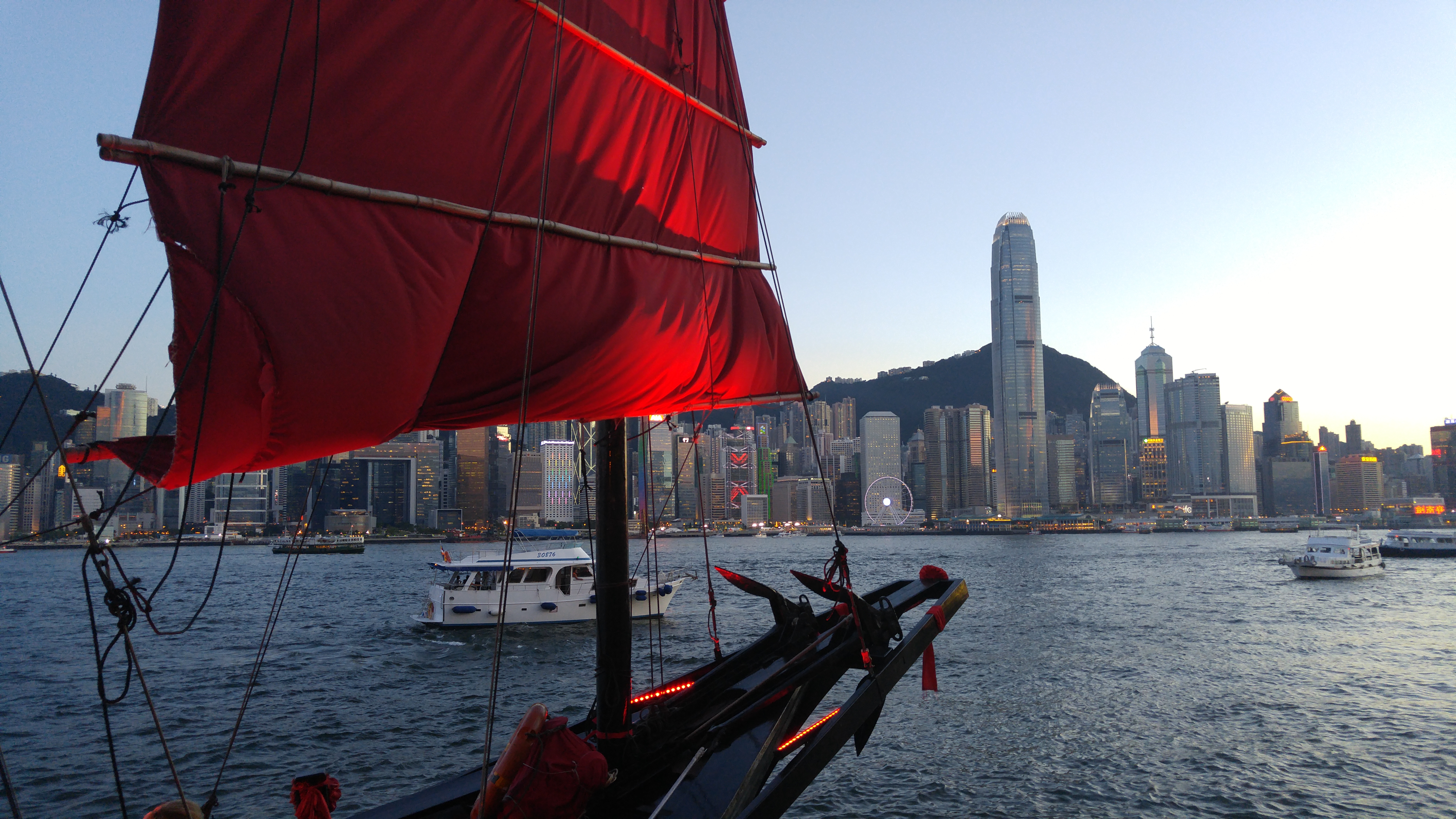
Hong Kong’s iconic harbour and skyline. Photo by Dr Anne Hilty, 2019.

EWP remains headquartered in Hong Kong, a land close to my heart and where I last spent 7 weeks in early pandemic days, just before the world shut down. As the SAR has especially strict entry requirements now, I don’t know when I’ll see it again — and considering its turmoil in the past few years, indeed starting with the ‘Umbrella Revolution’ of early 2014, I remain concerned for its future.
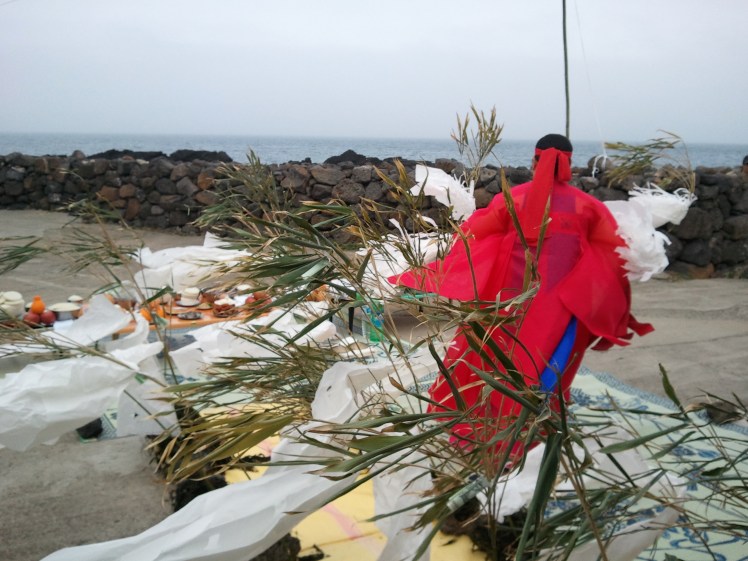
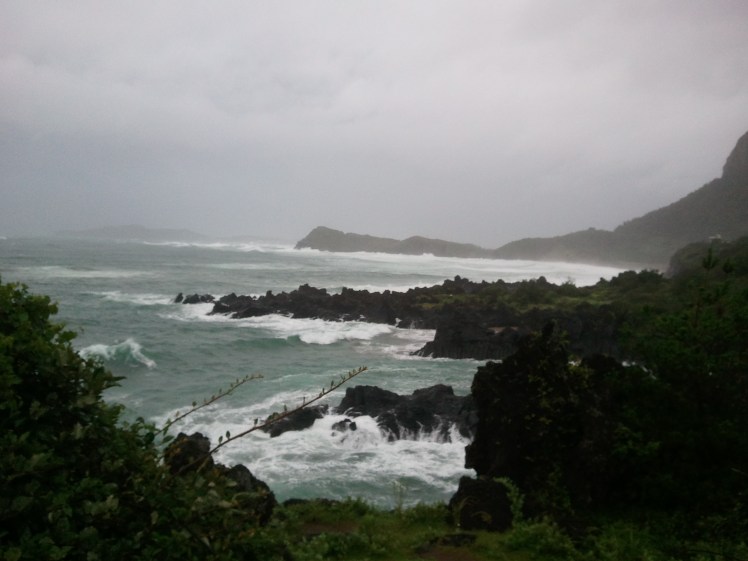
A piece of my heart remains always in South Korea, where I lived for a total of 10 years, and particularly on Jeju Island, where 5 of those years were spent in deep cultural research. I’m working on 2 new Jeju-related books at this time: Goddesses and Strong Women: Mythology of Jeju Island, South Korea, and Tamna: Jeju Island’s Unique Cultural Heritage, both due out later this year. As well, the next photo essay in this 100 Countries series will focus on South Korea — the cultural content of which has been bursting onto the global stage of late.

In other news…we’ve a new EWP site address! I’ve also a new site on Medium — just now launching, articles coming soon. My original blog from long ago, sleeping since 2012(!), has been renamed as LiteraryNomad, reorganised, and reactivated, to host articles on a wide range of topics. This very EWP site has also been renovated, including my writing portfolio. New cultural research, here in 5 regıons of Türkiye, is scheduled for this spring. I’ll be doing some guest-blogging and writing more newspaper and magazine articles this summer. and offering webinars and online courses in autumn.

And so it goes. I hope you too are experiencing a renaissance of sorts. May the world, imagined as a turtle in many indigenous cultures, turn itself right side up soon. Be well.

~drA
United Kingdom

20160829_173612_2_Signature

The United Kingdom, with a population of 66 million (84% England, 8% Scotland, 5% Wales, and 3% Northern Ireland) is European-not-European, in many ways culturally distinct from the continent though with shared humanistic values. With a median age of 40.6 and life expectancy of 81 years, this predominantly Caucasian (87.2%; next largest group is 3%), Christian (59.5%) / secular (25.7%) nation is 15th globally for HDI (0.92) and 6th for GDP.

20160829_132322_3_Signature

A monarchy for many centuries, today a constitutional monarchy, the UK founded parliamentary-style democracy — following 5 centuries as a global empire. At the British Empire’s peak (1922), it included approximately 1/4 of the world’s land mass and 458 million people, having aggressively sought colonies for their natural resources, land for habitation, and creation of jobs for its citizenry. The Empire was noted for treating indigenous peoples poorly, however, including a trans-Atlantic slave trade; its demise began in the late 18th century with the loss of America, and ended in the mid-20th century with the rise in nationalism and self-rule following World War I and the economic blow of World War II. Today, with several remaining British Overseas Territories, and the Commonwealth alliance with former colonies, the construct of ’empire’ has never fully receded from the British consciousness.

20160829_130450_2_Signature

There are sociocultural distinctions to be made among the component regions that make up the United Kingdom: England, Wales, Scotland, and Northern Ireland. These fall generally along Celtic vs Anglo-Saxon origins, with England as the latter; throughout history, England has held much of the region’s power and populace, and some condescension and resentment thereof lingers today. However, these cultures now have far more in common than distinction, and a majority of citizens are a mix of these 4 groups. Shared cultural values today include: privacy, humour, common sense, honesty, consideration, fairness, informality, and diligence. Boasting of one’s status or accomplishment is considered crass, as is circumventing the system as opposed to achievement by one’s own effort. There is a general tendency to avoid conflict and maintain harmony, to keep to oneself and not get overly involved in the affairs of others. The culture is a mixture of direct / indirect, though far more the latter; humour tends to forms of sarcasm, mockery, and irony. The young urban generation is highly individualistic, more direct, and less civic-minded than their predecessors, indicating social change.

20131105_112242_2_Signature

A formerly rigid class system in England, which largely broke down a century ago, continues unofficially in class consciousness based on one’s schooling, social orientations, region, and accent; self-identity and sense of belonging to one’s ‘group’, as well as in stereotyping and prejudice, remain. The majority, however, are middle class , defined as living comfortably, and having had secondary / tertiary education. A peerage system remains, however, a remnant of the former aristocracy, based on inheritance of money, land, and/or title. The concept of class, however, is falling out of favour sociopolitically, with the growth of social mobility and the knowledge economy.

20131031_112250_2_Signature

Some of the sociocultural distinctions of note among the 4 components of the UK include support for monarchy and conservatism, not surprisingly the highest in England, especially in the south, and markedly less so in both Scotland and Wales. Traditional class privilege in England is today seen in a tendency to support the conservative Tory party, while the Labour Party is dominant in Scotland and Wales. Scotland is focused on economic matters, particularly natural resources, and the question of succession has been raised more than once; Wales focuses on cultural and linguistic matters, perhaps a softer, sociological form of separatism. Northern Ireland, consisting of many British people who migrated there historically, is the most closely aligned with England.

20140813_211504_2_Signature

The demographics of the UK are shifting dramatically, as the nation becomes ever-increasingly multicultural — the former Empire coming home, as a majority of immigrants are from former British colonies. Although systemic marginalisation doesn’t seem to exist, and a moderately high degree of integration in residence can be found, non-European immigrants continue to experience discrimination in employment and elsewhere, and there is a perceived ‘threat’ among a significant portion of the citizenry — a key issue in the decision to leave the European Union, even as a majority of immigrants are from non-European countries. Family structures, once based on kinship groups, are also changing, along with an increase in contemporary social values; however, the majority of the populace still places high value on the extended family, though marriage is less of an expectation than previously.

20131031_100247_2_Signature

Gender equality in the UK was downgraded on the most recent Global Gender Gap report (WEF),to 21st globally; inequalities include a wage gap of 16%, women 3 times more likely than men to work part-time, and unequal representation in all fast-growing sectors (e.g, cloud computing, engineering, or artificial intelligence) — as well as a pervasive ‘lad culture’ (a term equated with brutish, traditional, and sexist behavior). Gender equality is not constitutionally enshrined, and lacking in both policy and strategy, with the UK’s exit from the EU as an additionally cited concern. Of the top 100 FTSE companies, just 7 CEOs are female; female MPs are at 34%, and police inspectors at 21.7%, to name a few issues. As well, sexist perceptions of ‘suitable’ work for women persist, and the allocation of domestic tasks falls largely to women. The ideal of gender equality is widely shared among the populace; however, this is not yet met with practice.

20140724_101150_2_Signature

The Hofstede Cultural Dimensions model scores the UK high for individualism, moderately high for both masculinity (drive to success, competitiveness, value of status) and indulgence (leisure culture), low for risk aversion and hierarchy. The model does not distinguish among the 4 key regions that make up the UK: England, Scotland, Wales, and Northern Ireland.

~EWP

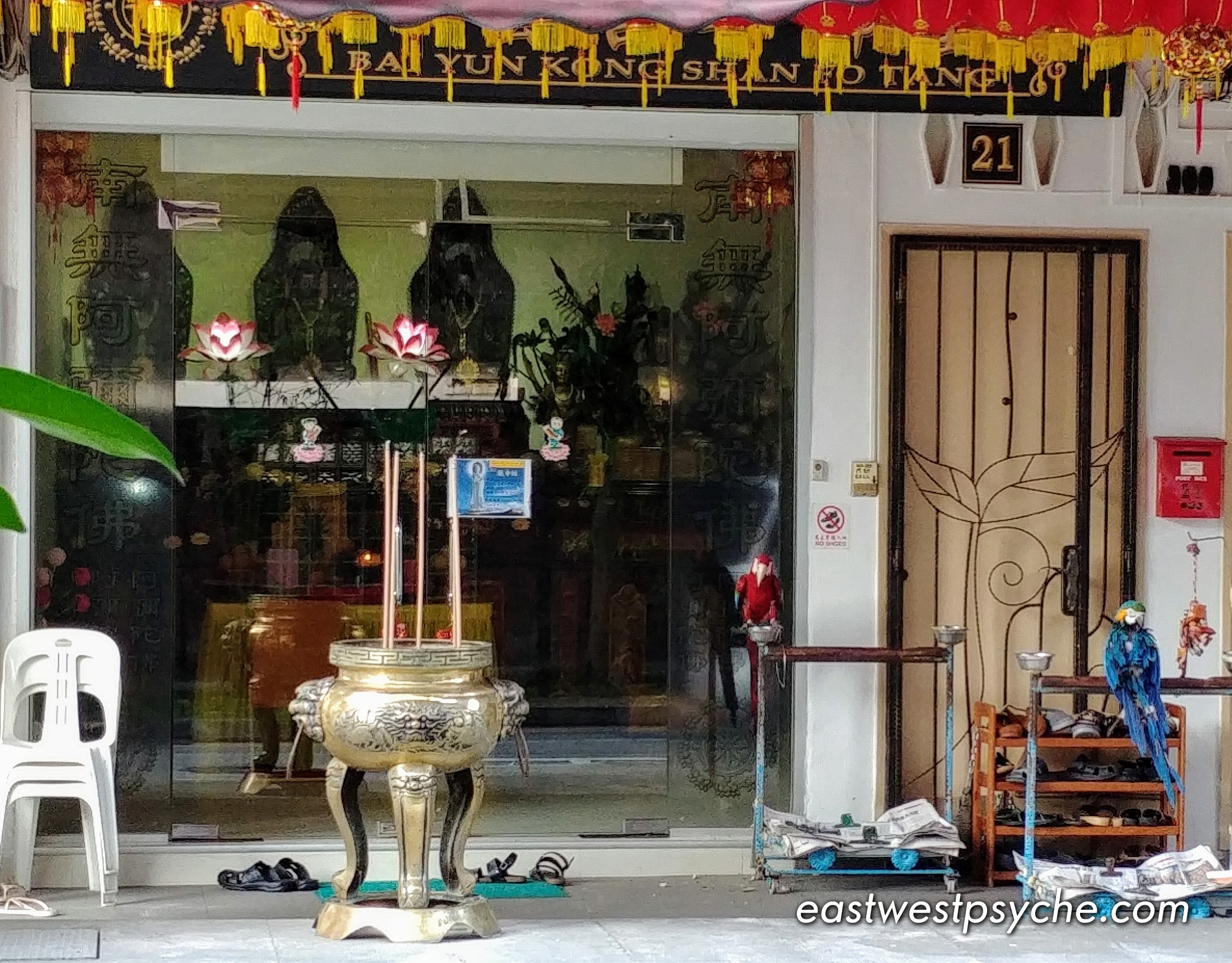
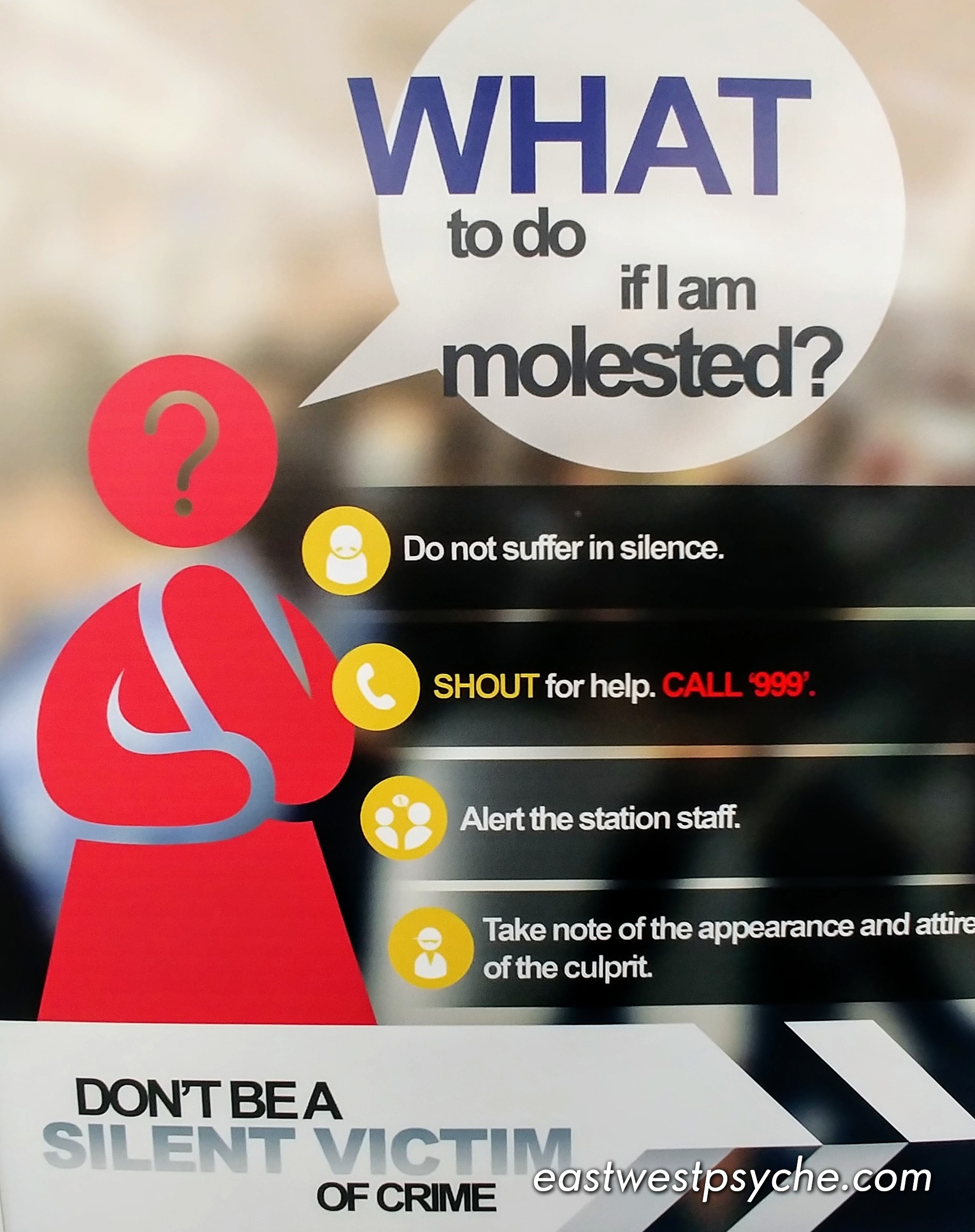
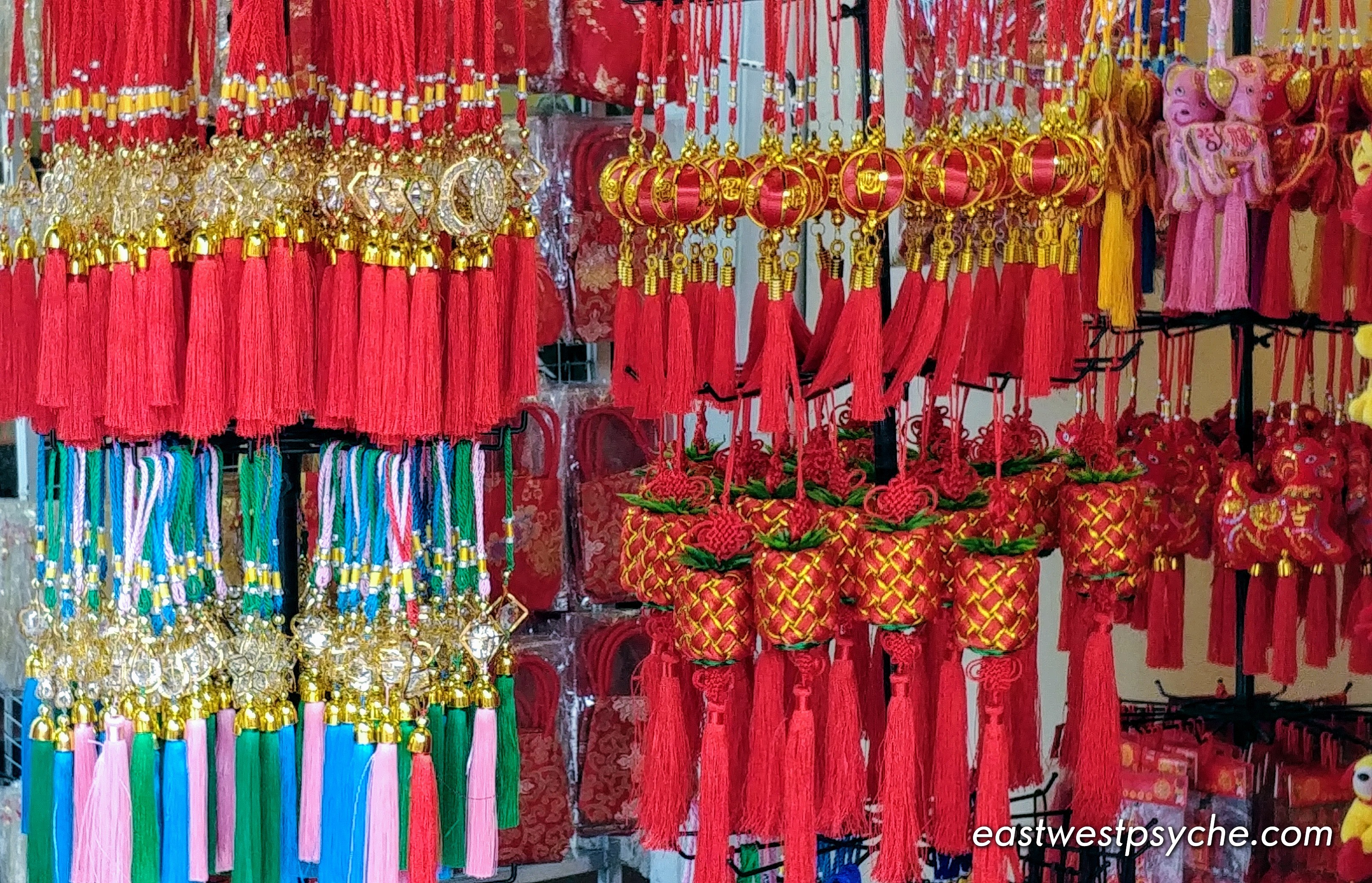
Singapore

20180124_112526_2_Signature

Singapore, a Malay, then British, trading port since the 14th century, has been an independent city-state since 1965, encompassing the island of Singapore and 54 small outlying islands. With a population of 6 million and a 100% urban environment, it is the most densely populated independent nation globally (along with Monaco); median age is 35.6 with a life expectancy to 86 years of age, while the birth rate of 0.86 children per adult female puts the nation in last place globally. Literacy is more than 97%, and school expectation 16 years (male) / 17 years (female), and women make up more than half of the population (sex ratio: 0.96 m:f). The government forecasts that by 2030, immigrants will make up more than 50% of the population.

20180124_085722_2_Signature

Singapore is an exceedingly multicultural nation, a source of pride: 74% Chinese, 13.5% Malay (including Indonesian), 9% Indian, 3% Other (including European). Four official languages include English, Mandarin, Malay, and Tamil; religions are equally diverse, with 33.2% Buddhist, 18.8% Christian, 14% Muslim, 10% Taoist, 5% Hindu, 0.6% other, and 18.5% not affiliated (a status not legally permissible in neighboring Malaysia). Careful policy-making has ensured a national identity that both celebrates and transcends diversity, including 5 Shared Values: nation before community and society above self; family as the basic unit of society; community support and respect for the individual; consensus, not conflict; racial and religious harmony.

20180124_171835_2_Signature

Singapore has a highly developed economy with a GDP ranked 38th globally, and an HDI of 0.932 or 4th in the world. A global financial centre, Singapore has several advantages: strategic location, absence of corruption, skilled workforce, favorability toward foreign investment, and export focus, thereby a strong free-market economy. Economic prosperity is part of the national culture; the concept of kiasu, “afraid to lose,” refers to a drive for achievement and resulting competitiveness, and Singaporeans jokingly refer to a desire for the “5 Cs” — career, car, condominium, credit card, and [private] club membership. The labour market is strongly dependent on migrant workers, however, currently at more than 1.4 million. Challenges include a rising cost of living, dependency on immigration, a 9.1% youth unemployment, and income inequality.

20180124_114021_2_Signature

The nation is a parliamentary republic, with multiple political parties — though the People’s Action Party has governed since independence. Lee Kuan Yew, ‘father of the nation’ identified by some as a near-cult figure, served as prime minister 1959-1990 and forged the new nation with a strong hand; the third and current prime minister is his eldest son. Renowned for its conservatism and strict local laws, the government boasts stability and security. Singapore has its first female president, a largely ceremonial position, since 2017, who ran uncontested after 2 other candidates were disqualified; she is Malay, the first such in the presidency for 47 years, as the election was limited to one ethnic group to foster greater minority representation in government.

20180124_090330_2_Signature


The media is tightly controlled; international watchdog Reporters Without Borders, in their annual World Press Freedom Index, currently place the nation at 158th globally for journalistic freedom, and  The Media Development Authority has power of censorship. and the government brings lawsuit or otherwise pressures journalists to self-censor; freedom of speech in the online format has also been curtailed. Singapore maintains capital punishment for drug-smuggling, and caning as another form of punishment; social behavior is strictly governed, including fines and other penalties for acts such as littering, public urination, and political activity outside of established parties.

20180124_163507_2_Signature

Singapore ranks just 54th globally for gender equality [Global Gender Gap Report (2020), WEF], though 6th within East Asia & Oceania. The wage gap is 16.3%, labour force participation 59.8%; 25% of corporations have no women in senior management, with 10.3% on average among all listed companies. Political representation currently stands at 9 out of 37 (24%) cabinet members, and 23% of parliament. Recent improvements have been made in economic participation and opportunity, as well as educational attainment; there are large numbers of women in traditionally segregated industries such as engineering and cloud computing, and gender parity in marketing. Barriers remain for women’s labour participation overall, specifically full-time and in high-paying sectors; as well as shared childcare and inclusive, flexible work policies.

20180124_113901_2_Signature

Hofstede Cultural Dimensions model ranks Singapore moderately high for hierarchical structure and long-term orientation, low for individualism, and very low for risk aversion. In comparison to those nations representing the 3 primary ethnic groups of multicultural Singapore, the nation shows notable distinctions as follows: less hierarchical than Malaysia, less individualistic than India,  more long-term in orientation than either India or Malaysia, more indulgent that either China or India — and considerably less risk-averse than any of the other three.

~EWP

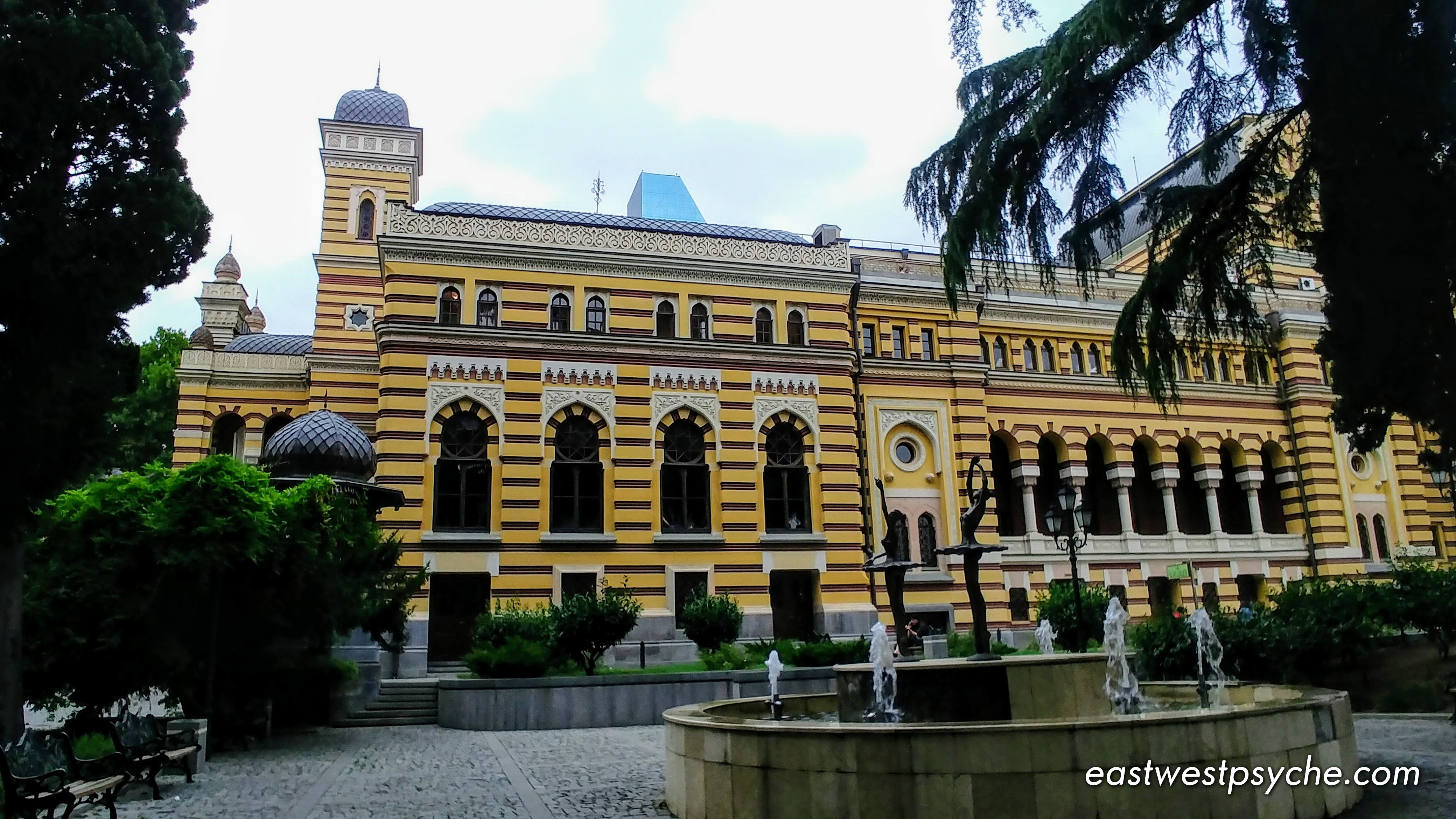
Georgia

20190802_153101_3_Signature

Georgia, in the pivotal Caucasus area of Eurasia, has been a source of rivalry among regional powers for centuries. With a current population of just 4.3 million, 1/4 of whom live in the capital city of Tbilisi, the populace is 86.8% Georgian — and is rapidly aging, with a median age of 38.6, fertility rate of just 1.75, and life expectancy  to 77 years of age. There are more women than men, with a sex ratio 0.94 male:female; the literacy rate of 99.4% indicates a robust educational system. The economy is agricultural as well as industrial, with rich natural resources — but the youth unemployment rate, at 29.9%, is among the world’s highest.

20190802_124016_2_Signature

Georgians have a very old culture, their ancestors having emerged from the Anatolia region in the 1st century BCE; they have a distinct language and alphabet, literary tradition since the 6th century, and academies of higher learning established in the 1200s. Shared values include loyalty to kin with kinship systems, honour, and hospitality.

20190803_140051_4_Signature

Georgia has always been viewed as a crossroads between Asian and European cultures, a blend of Byzantine and Persian, Christian (84% Georgian Orthodox) and ‘pagan’ (animistic / indigenous). Today the country maintains an increasingly European identity. Hofstede Cultural Dimensions model identifies Georgian culture as moderately hierarchical, highly risk-averse, more short- than long-term in orientation, a blend of individualism and collectivism but significantly moreso the latter, more masculine than feminine in qualities, and low for indulgence / leisure. In comparison to its neighbouring cultural influences, Georgia is markedly less hierarchical than Russia, Armenia, and Azerbaijan, and less long-term in focus; it is most similar to Iran, though more risk-averse and more long-term.

20190805_082243_3_Signature

Following the fall of Constantinople (1453), Georgia was the only Christian realm surrounded by Muslim kingdoms, and an object of rivalry among Persia, the Ottomans, and Russia. The country was finally annexed by the Russian Empire in the early 19th century, to the empire’s collapse in 1917; it then became an independent democratic republic in 1918 to just 1921, when invaded by Red Army. An affiliated republic of the USSR since 1938, Georgia — the ‘most independence-minded of the Soviet satellites’ — declared sovereignty in 1989, and gained independence in 1991 when the USSR collapsed.

20190806_115610_2_Signature

Georgia’s post-Soviet period has been somewhat tumultuous: having declared independence in 1991, later that same year a military coup took place, followed by 2 years of civil war as the Abkhazia and South Ossetia regions, bordering Russia, attempted to secede — areas that, in a 2008 5-day conflict with Russia, Georgia lost control over and which remain contested to this day. Georgia has become increasingly western-focused, to the concern of Russia: joining the UN in 1992 and CIS in 1993, it withdrew from the latter following the 2008 conflict — and is actively seeking EU and NATO membership today, while at the same time increasingly influenced by the US both economically and politically. Georgia’s age-old identity as the target of rival powers resurfaces once more.

20190802_151836_3_Signature

The Rose Revolution took place in Georgia in 2003, a 20-day: peaceful change of power that also signified the society’s increasingly western orientation: the president was removed, triggering new elections for both president and parliament. In the aftermath, the presidential position has become largely symbolic (head-of-state is the prime minister), with a sociocultural shift toward greater alliance with Europe and a more western identity.

20190805_173315_3_Signature

Gender inequality in Georgia, along with organised crime and corruption, is a matter yet to be resolved. The nation has a Gender Equality Council and Law on Gender Equality; yet, deeply rooted stereotypes prevail, with men perceived as dominant in social, economic, and political life. The wage gap is very large, at 35%, labour participation for women is at 72% but far less so in executive or other high-level positions, and female entrepreneurship is limited, the poverty risk high. Though the current (largely symbolic) president is female, women’s representation in parliament is just 11% at both national and local levels.

~EWP