Jeju Island, South Korea

65770202_448648605692676_7970185010349080576_o

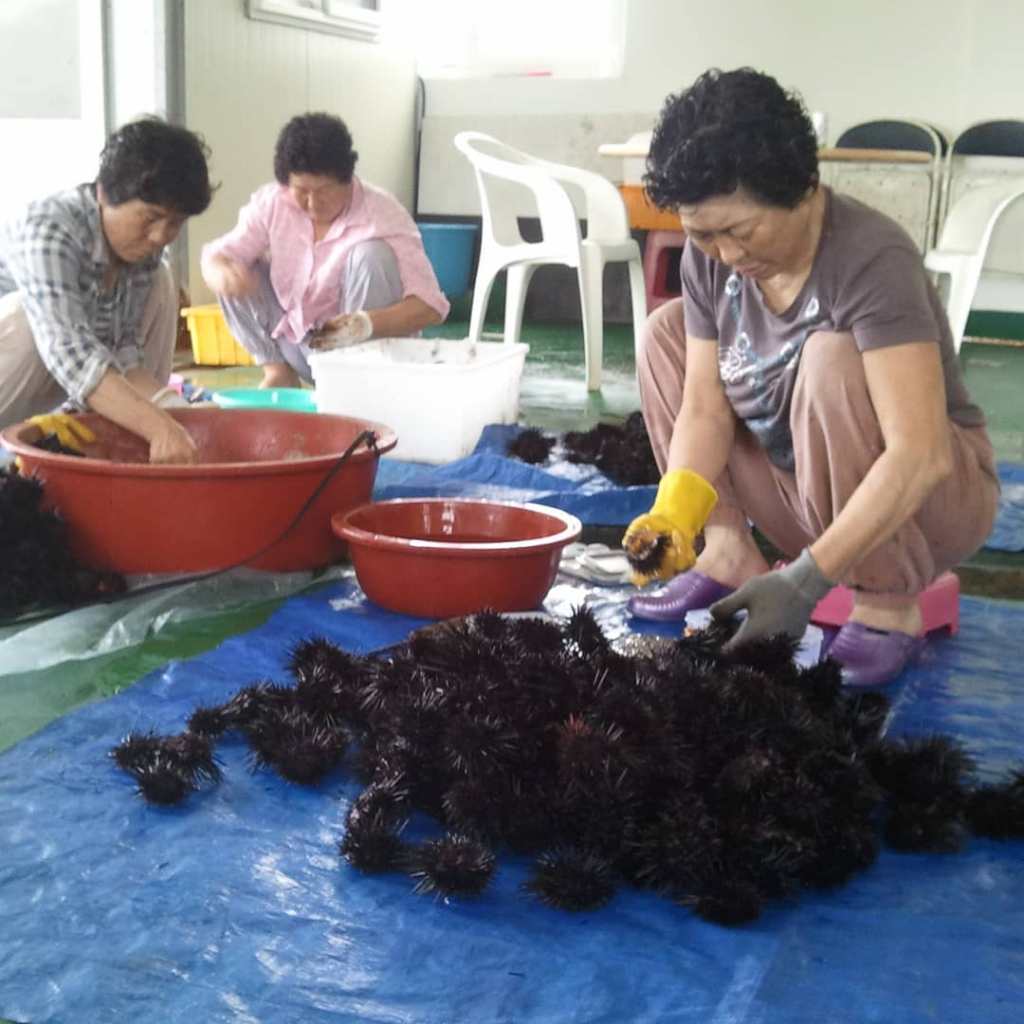
EWP’s “100 Countries” project (part of an upcoming book series on intercultural competency) provides tiny windows into a culture — this one, of Jeju Island [South Korea] traditional free-diving grandmas as they clean a bountiful catch of purple sea urchins.
65557798_449830262241177_3763731192113790976_o

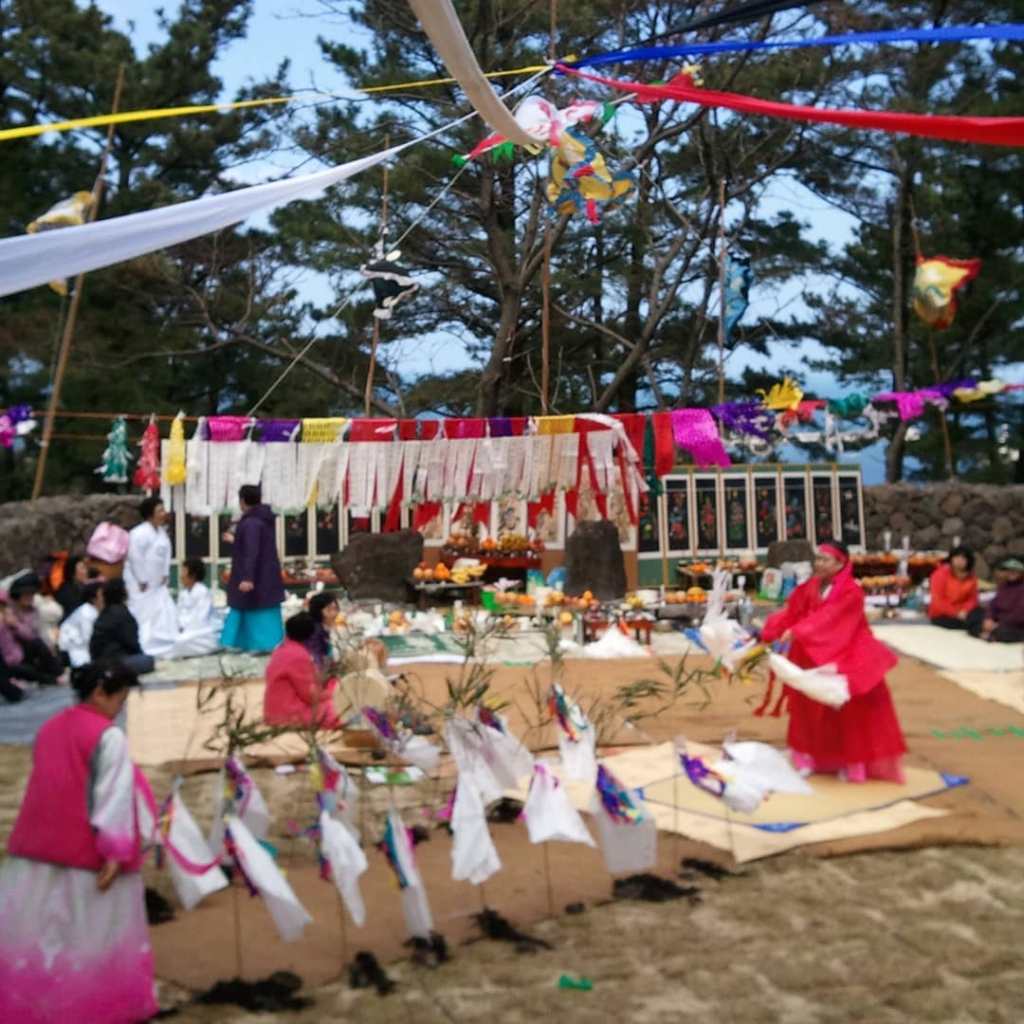
Another window into the culture of Jeju Island, South Korea: a 5,000-year old practice of shamanism, an animistic religious and healing tradition inherited from central Siberia. Seen here: the UNESCO-inscripted annual rite to Yeongdeung Halmang, goddess of wind and sea who visits the island for 2 weeks each spring to bestow Her blessing — or not.

[We will be returning to South Korea in later posts.]

~EWP

100 Countries: The Launch

images

We’re launching the next phase of EWP’s 100 Countries Project by sharing this “tree” model of intercultural competency used by UNESCO. Rather than the previously outlined scheme, we will offer an ongoing series of small stories or cultural “windows” — each accompanied by a photo that helps to tell the story — of the 100 Countries (and counting!). These mini-stories, which can also be found on our Instagram account and our 100 Countries Project Facebook page, aren’t meant to be culturally definitive but a poignant glimpse through the window.

~EWP

100 Countries: Hong Kong

[For the overall scheme, see here: https://annehilty.wordpress.com/2019/02/21/100-countries-project-the-scheme/. Not meant to be comprehensive — but concise.]

cropped-20150619_191449.jpg

Cultural Dimensions


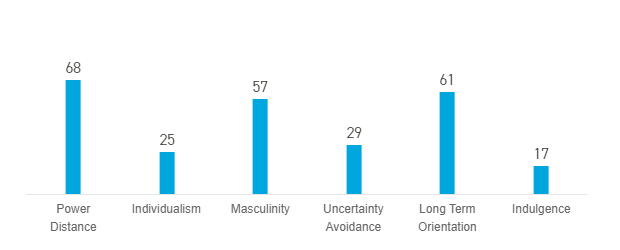
Hofstede Cultural Dimensions

Salient Facts:IMG_1408

  • Chinese inhabitants: primarily Cantonese and Shanghainese
  • Former British territory: Influence of ‘Western’ cultural features
  • Highly internationalised; significant non-Chinese communities: Filipino, Indonesian, Indian (Nepalese, Pakistani)
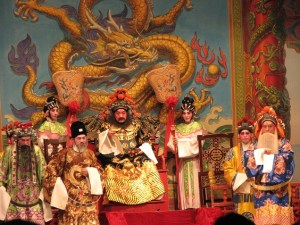
  • Preservation of Chinese traditions: Did not experience ‘Cultural Revolution’ of China mainland
  • Influence of Hakka nomadic ethnic minority
  • Maritime culture; numerous Taoist shrines to sea goddess Tin Hau

Tips for Better Understanding:SAMSUNG

  • Primary economic growth engine: immigrants from mainland China
  • Primary industry: finance; swiftly emerging as second highest industry: IT; unofficial key ‘industry’: start-up / entrepreneurship
  • English still widely spoken, but Cantonese preferred since 1997 handover (from UK to China) – and Mandarin Chinese rapidly rising
  • “One Country, Two Systems” policy – Hong Kong maintains its own governance, including freedom of speech and press, and right to demonstrate – but, the rapidly increasing influence of Beijing is widely felt
  • Hong Kong is one of the world’s most crowded cities – and also, is 4/5 protected greenspace

Hofstede’s Cultural Dimensions

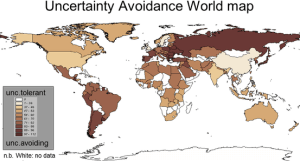
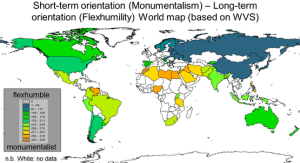
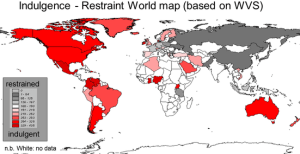
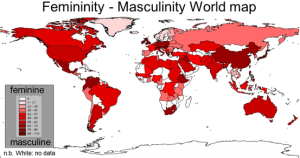
20161231_180635One of the prominent models for understanding cultures is that of Geert Hofstede, which identifies countries and cultural groups according to 6 dimensions: Power Distance, Individualism vs Collectivism, Masculinity vs Femininity, Uncertainty Avoidance, Long- vs Short-term Orientation, and Indulgence vs Restraint. Rather than duality, these dimensions are mapped on a spectrum. For the ‘big picture’ [click for larger version]:
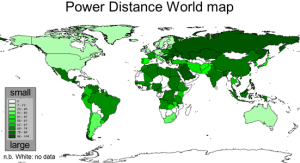
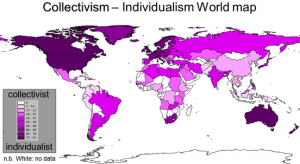
Power Distance     Individualism-Collectivism

Feminity-Masculinity    Uncertainty Avoidance

Long-Short Term Orientation    Indulgence-Restraint

For more information: https://www.hofstede-insights.com/models/national-culture/ 

For a useful tool to see these dimensions by country, and to compare countries: https://www.hofstede-insights.com/product/compare-countries/