Category: Uncategorized

Switzerland

20191007_131225_3_Signature

Switzerland, a landlocked country in central Europe, was formed as a confederation in 1291 specifically to protect its borders — which speaks even today to its famous ‘studied neutrality’ / non-involvement and independence / isolationism. The nation is not part of the EU nor Eurozone, and only joined the UN in 2002. Its population of 8.6 million has one of the world’s highest GDPs, 2nd-highest HDI, very low unemployment, high life expectancy — and in 2015 was #1 on the World Happiness Report.
20191008_104503_3_Signature

Some of the shared values of Swiss culture include cleanliness, honesty, hard work and material goods, independence, sobriety, thrift, tolerance, punctuality, responsibility, rationality, conservatism — and freedom, and a joie de vivre. The culture scores 100% linear-active on the Lewis dimensions of cultural behaviour — logical, rational, fact-oriented, methodical, intellect over emotion.
20191006_110119_3_Signature

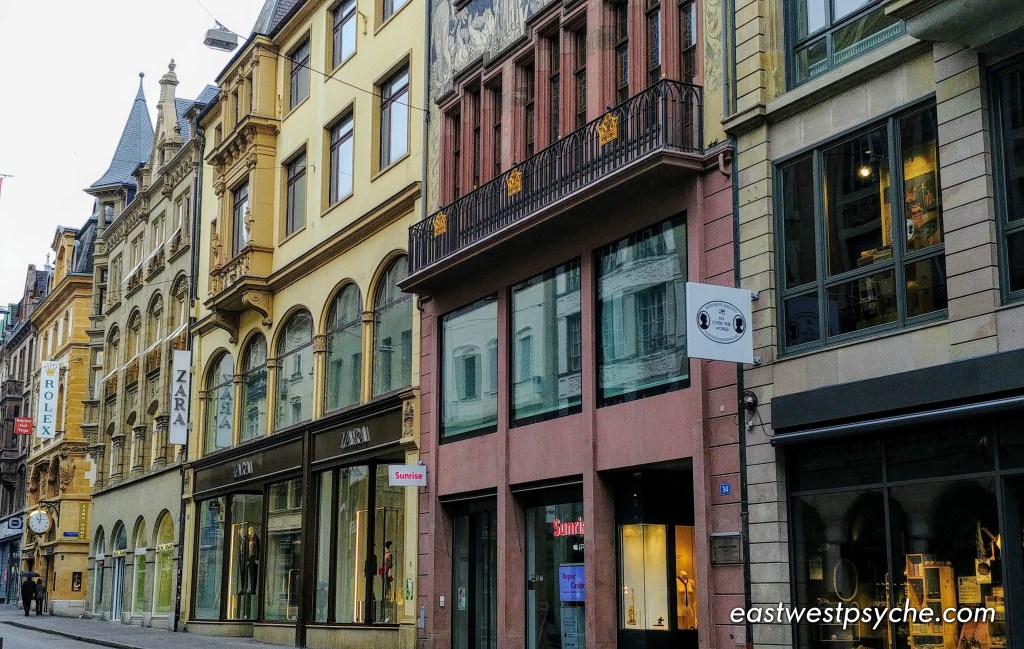
Switzerland has a political system of direct democracy unlike any other, which both reflects and further shapes the cultural psyche. A 7-member Federal Council collectively serves as head-of-state, its members replaced infrequently and therefore exceptionally stable; citizens vote several times a year on referenda and people’s initiatives. The system is highly decentralised and many decisions are made at canton (provincial) and especially commune (local) levels.
20191006_111224_3_Signature

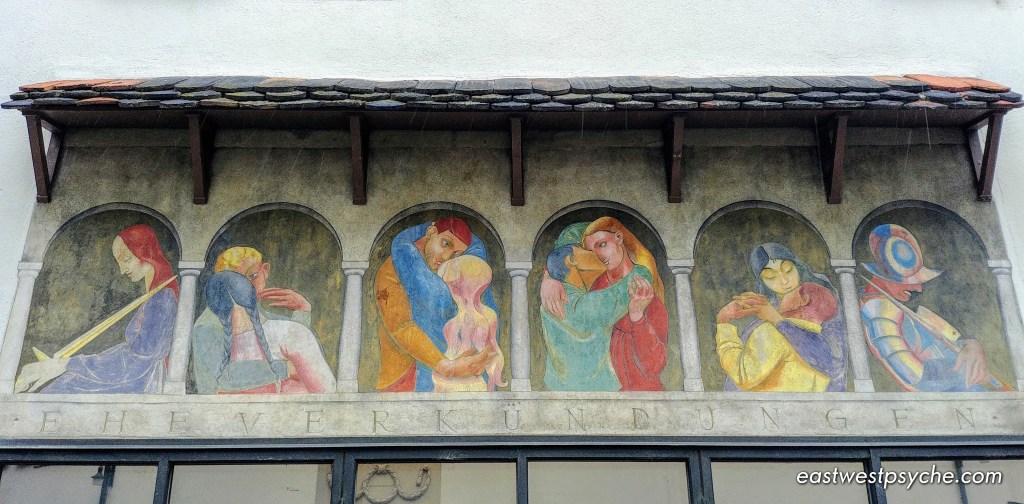
For a small country, Switzerland is highly diverse, as represented by its 4 official languages and 26 cantons; unity is highly valued, while uniformity is not. The stained glass dome of Parliament depicts the 26 canton flags; folk heroes William Tell and Helvetica symbolise independence and freedom, and unity and harmony, respectively. This is not without its challenges: a 2019 poll found that 59% identify racism as a major problem, and just 55% think migrants are moderately to well integrated; one-third feel uncomfortable in the presence of someone they perceive as ‘different’, while 28% have been victims of discrimination or violence.
20161215_190227_2_Signature

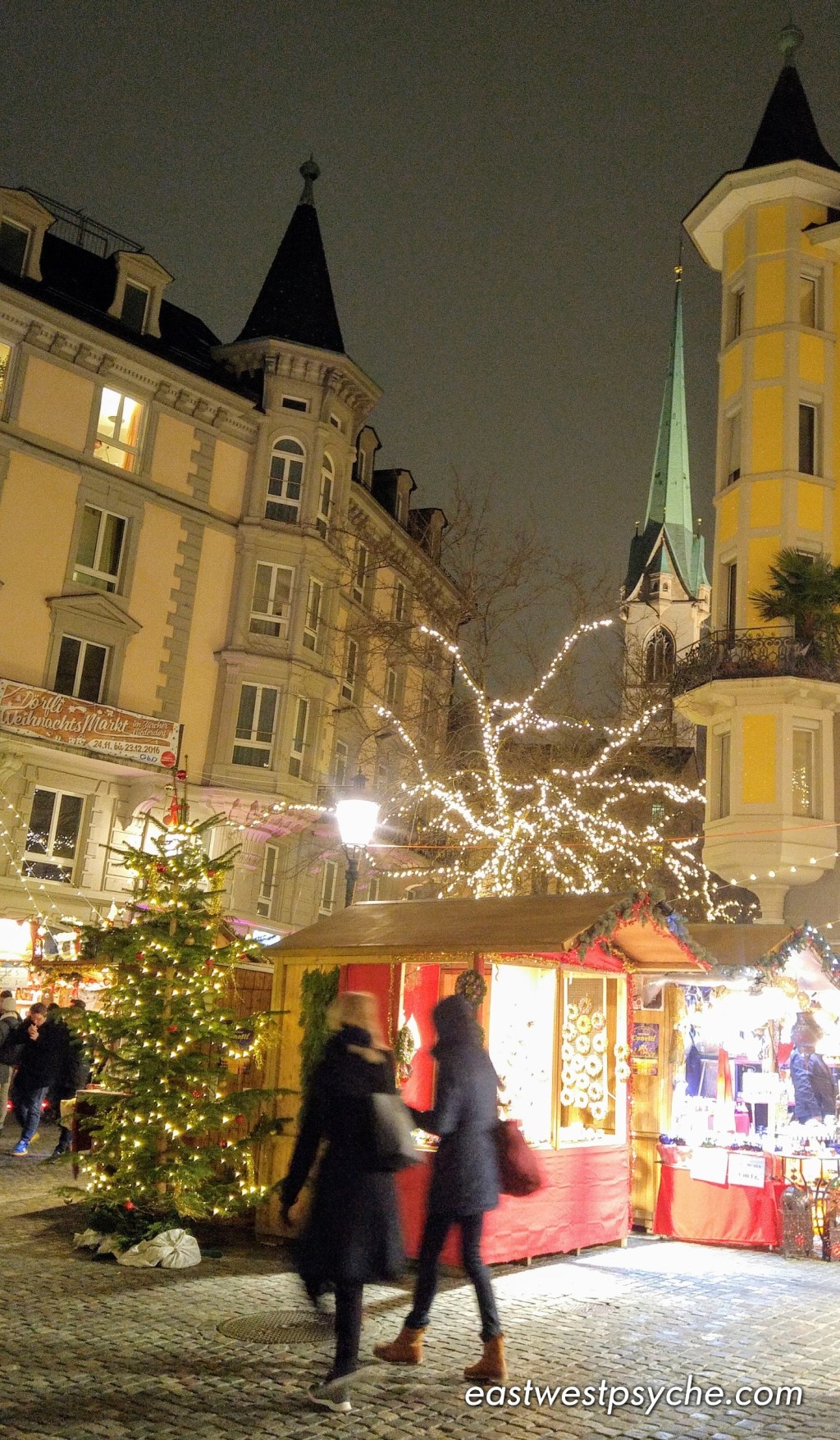
Surprisingly, in such a highly developed country, gender equality remains problematic. Income inequity is nearly 20% in private corporations, 17% in public, and 23% at the executive level, while the average is just 13.6% among OECD nations. Though youth unemployment is relatively low at 7.9%, it is higher for females than males. In 2019, UNICEF identified Switzerland as “the least family-friendly nation in Europe” with the shortest maternity leave and one of the lowest paid, with no paternity leave. Gender-based violence and harassment are high; women’s representation in government is at 43% federal, 32% national, and 15% state. (As of last year, with a woman elected to an open seat on the Federal Council, the balance tipped to a majority of women — for the first time in history.) Global Gender Gap [WEF] currently ranks Switzerland 18th , up from 20th last year — but down from 8th in 2015; it’s also worth noting that the Swiss woman was not able to vote until 1971 — and not until 1985 to hold a bank account in her own name.
20191006_113039_3_Signature

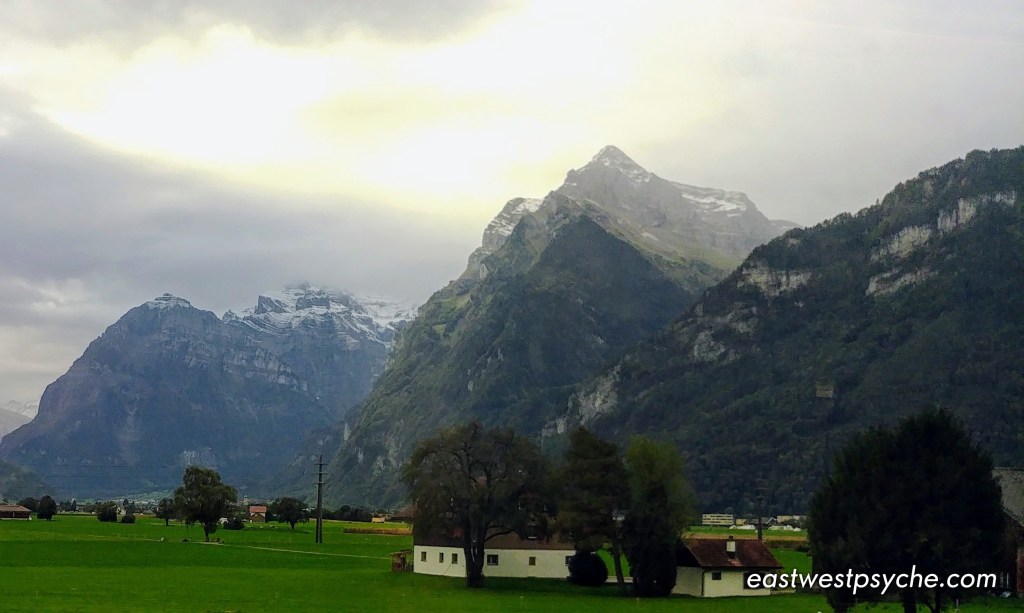
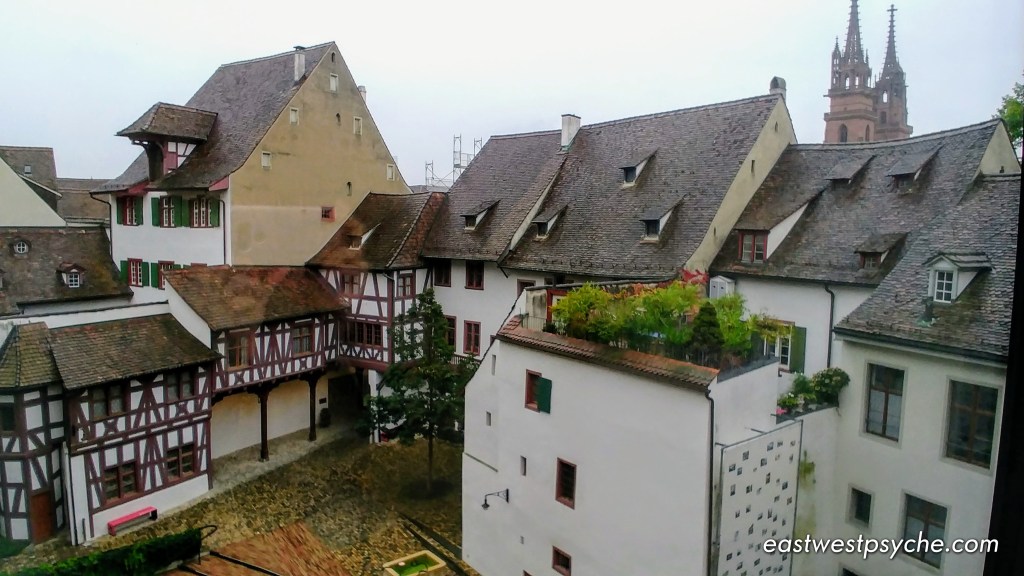
Famously, Switzerland introduced itself at a 1992 world fair by saying, “Switzerland does not exist.” The nation resists being quantified as one culture, and rightly so; however, it does have a national identity, albeit one of a patchwork of small and diverse regions that formed an alliance to ensure independence from its neighbors. The nation is both a model of diversity and lacking clear identity as a result. The mountainous nature of its topography further reinforces this sense of isolation, giving an impression to the world of a quiet, peaceful, serious, people who value solitude — and prefer to defy explanation.
20191006_042045_3_Signature

Hofstede Cultural Dimensions rank Switzerland as high on individualism, masculinity (competitive, success-focused, merit-based) and long-term orientation, moderately high on indulgence and risk avoidance, and egalitarian / nonhierarchical. As its official languages indicate a possible correlation to neighboring Germany, Italy, and France, a comparison is also useful; Switzerland is very similar to all 3 on individualism, and to Germany and Italy for masculinity (France much lower than the others), egalitarianism (France much more hierarchical, Italy somewhat more), and long-term orientation (France lower than others) — and, perhaps surprisingly, Switzerland is much higher than all 3 for indulgence.

~EWP

Philippines

20180221_143402

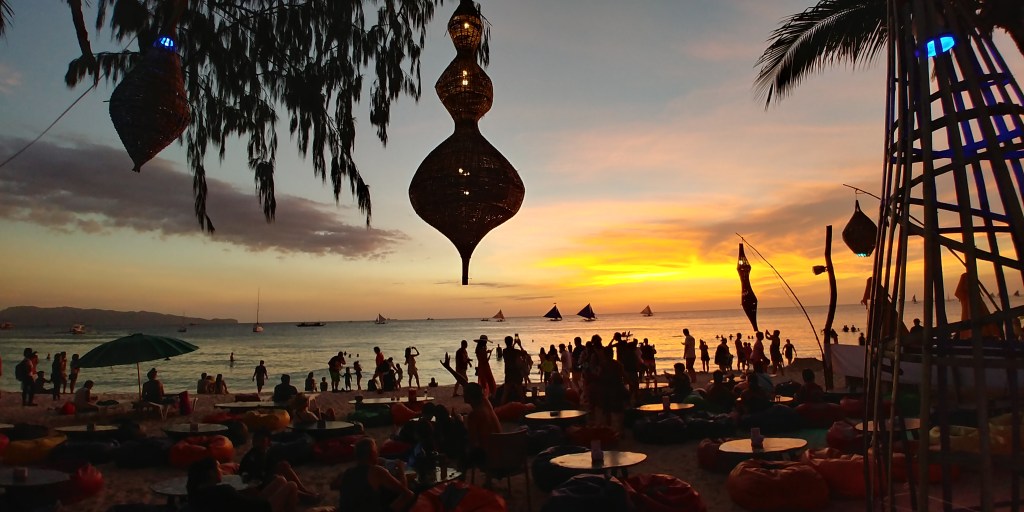
The Philippines is a mountainous archipelago of 7000 islands — and 20 active volcanoes. The country has a median age of 24, life expectancy of 70, and a near-equal distribution of urban-to-rural; family size is on average 2.5 children, with first childbirth at age 22.5.

20180224_080721_HDR

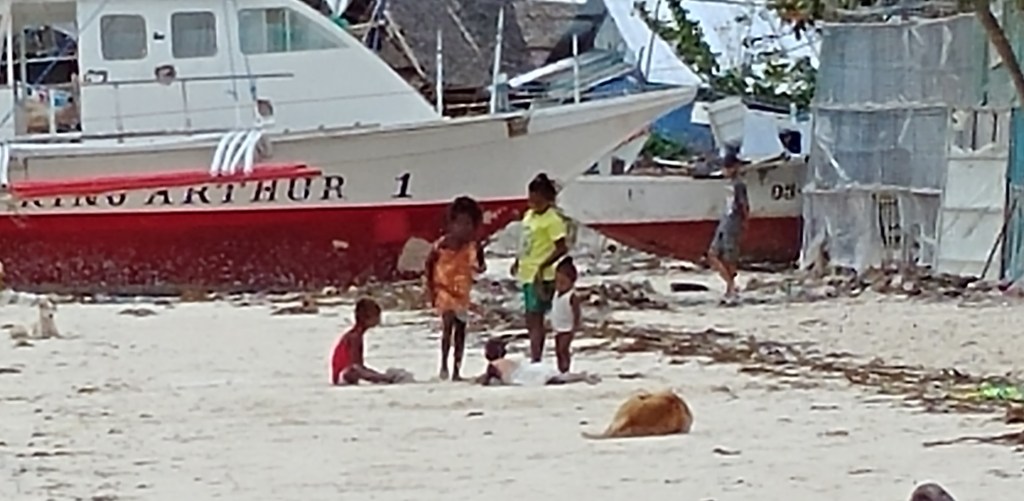
Its population of 109 million includes nearly 100 culturally and linguistically distinct ethnic groups, the two largest of which are Tagalog and Cebuano; most, other than a few indigenous groups, were ancestrally Malay. The Philippines has been identified as a unique blend of diversity and homogeneity.

20180222_083920_HDR

The people are engaged politically; following a 20-year totalitarian government (1966-1986), the People’s Power movement accomplished regime change — and in 2001, this civil society initiative again ousted the nation’s president.

20180224_080944

The Philippines is often described as a blend of ‘East’ and ‘West’ — based in a history of colonisation. A Spanish colony for 333 years, then US-governed 1889-1946 (with a close alliance remaining), the nation has been independent since. Its predominant culture is strongly Euro-American: 80% Catholic, English an official language, US-style education system, primarily Western-style clothing, but Asian at its core: kinship network, village-level governance, emphasis on Asian history and literature, and a revival of traditions.

20180226_145823

The southern region of the Philippines has been primarily Muslim since the 15th century (from Brunei); the US takeover in 1898 saw attempts at forcible inclusion or forcing out of Muslims, and relations between the south and the remainder of the country have been strained, with frequent terror attacks since the 1970s. A peace deal was signed with the Moro Islamic Liberation Front in 2014 and non-Jihadist insurgency ended in 2019 – though a new anti-terrorism law, allowing imprisonment without due process, is under strong protest.20180223_181148_HDR

The Philippines is also considered to be one of the most ‘dangerous’ countries for journalists, one of whom was recently convicted of ‘cyber-libel’ for publishing criticism of the government; though freedom of the press is constitutionally guaranteed, in practice the media is frequently criticised and sanctioned. As well, there is a current climate of hostility toward marginalised communities, and restriction in online freedom of expression for all citizens.

20180226_090353

Outside of the Manila – Quezon City – Makati urban configuration, there is a significant wealth disparity in the country. Though rich in natural resources, the Philippines is primarily agriculturally- and marine-based, more than 50% live in rural environs, and the country is a major foreign aid recipient. Despite this, the Philippines is known as an educational leader regionally, and has one of the highest literacy rates at more than 98% for both genders. 20180223_072332

Despite often being identified culturally as patriarchal and misogynistic, the Philippines has a high degree of  gender equality in key areas: women outnumber men in senior / leadership roles, in professional / technical fields, and in both secondary and tertiary education. In 2019, the Philippines ranked 8th globally (Global Gender Gap Report, WEF), though in 2020 falling to 16th due to considerable decrease in political representation (Cabinet, from 25 to just 10%; Congress at just 28%). Other areas of concern include women in armed conflict, domestic violence, prostitution, imprisonment, and the lower status of unmarried women. The country is still #1 for gender equality in Asia.

20180222_055456_HDR

Hofstede Cultural Dimensions for the Philippines indicate a culture that is primarily collectivist and strongly hierarchical, with a key emphasis on success and status, and a short-term orientation. It remains a culture, and a country, of contradictions.

~EWP

Zambia

20181211_084252

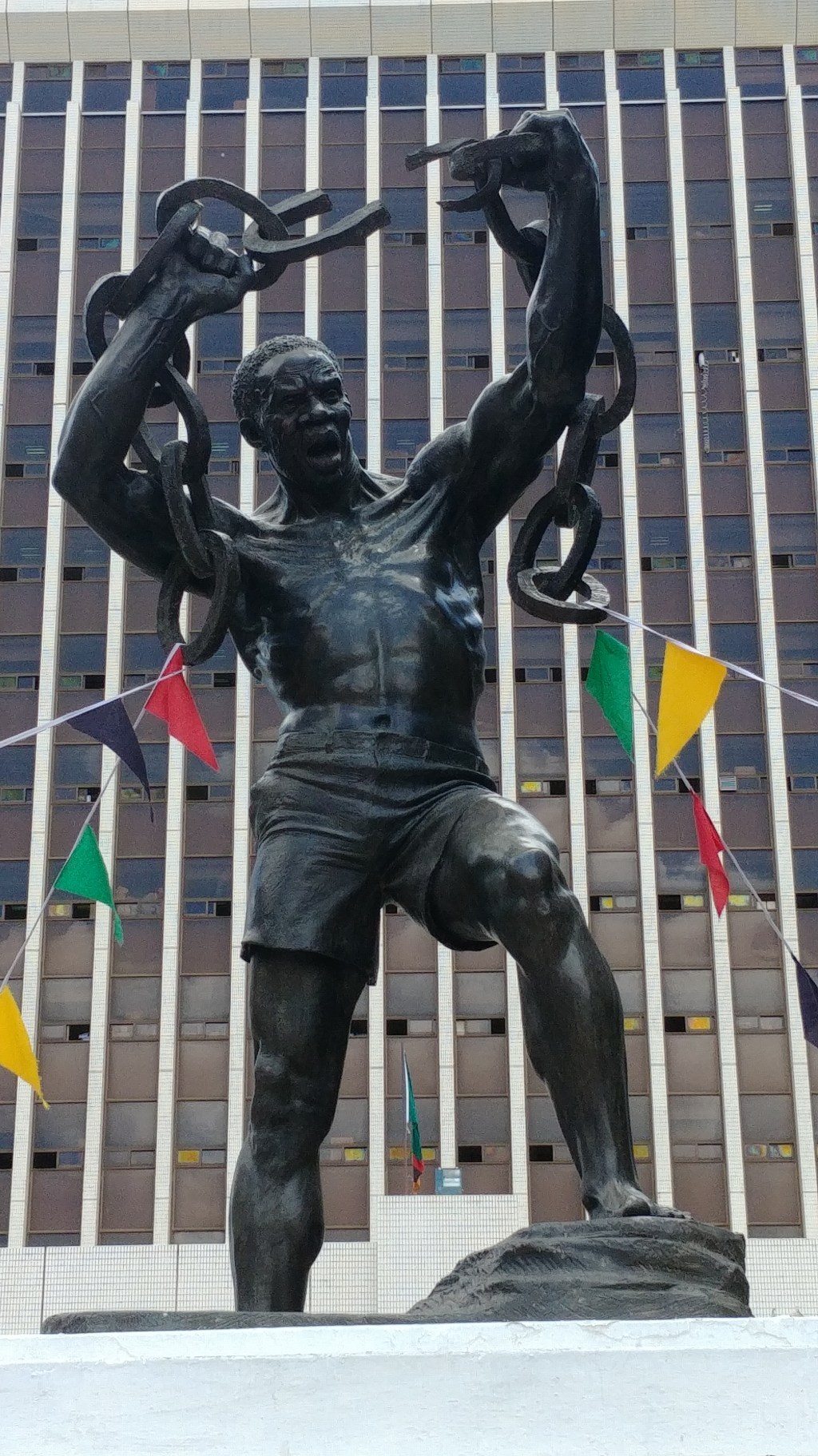
Zambia, an independent nation since 1964, with a stable democracy, is one of the youngest, and fastest growing, nations on earth, anticipated by UN to triple its population of 16.5 million by the year 2050. It is also one of the world’s most heavily indebted nations and has one of the highest levels of economic inequality, with an HDI ranked at 139th globally and 58% of its population below the international poverty line, especially in rural areas where 56.5% of the population resides.

20181211_105021

Zambia, in conjunction with Zimbabwe, made up the former British colony of Rhodesia. Zambia’s first president was in office for 27 years, and allegedly attempted a coup during the term of his successor; the 3rd and 4th presidents died in office. Since 2015, the current president has served. Freedom and independence were hard-won, and the road to a stable democracy has not always been easy — but those who fought for Zambia’s freedom are honoured.

20181211_102554

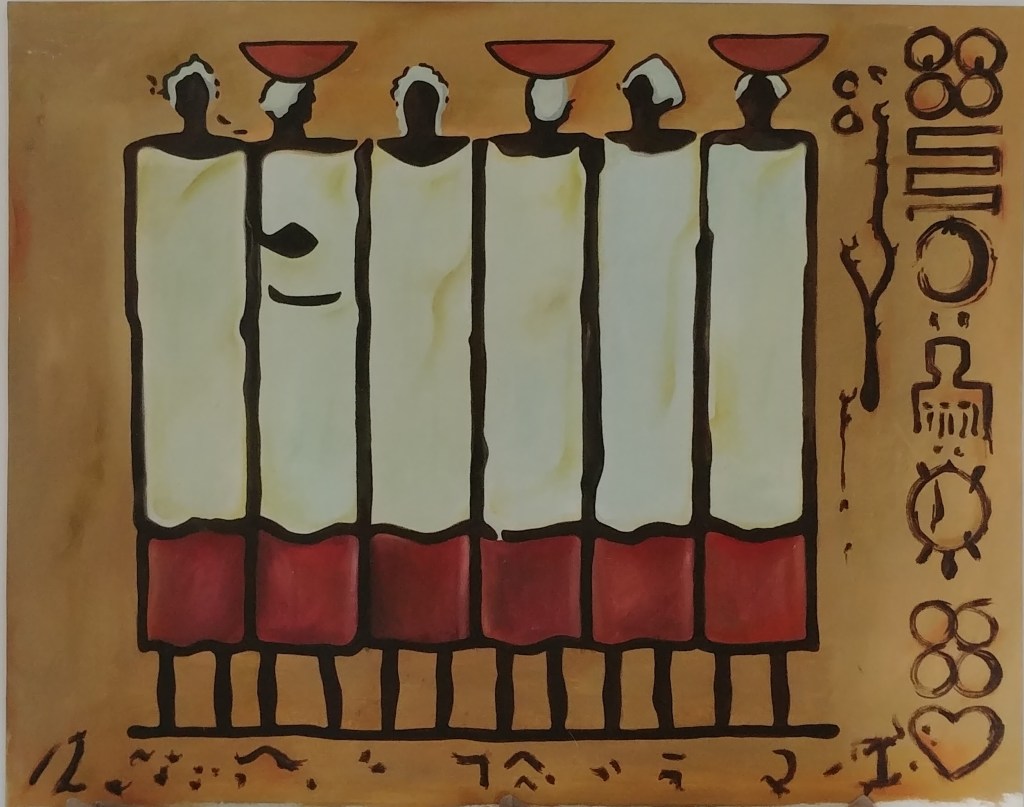
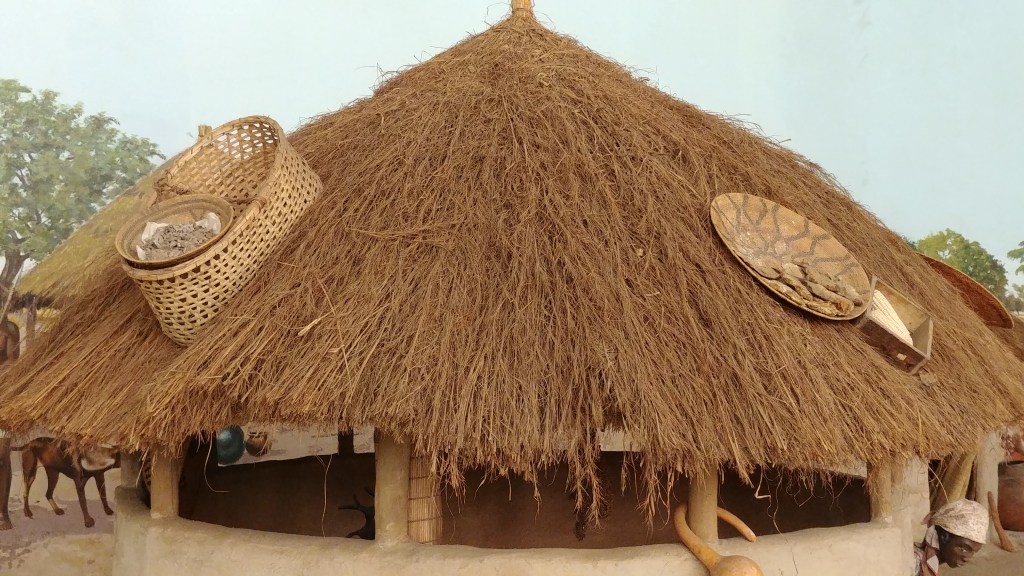
Before colonisation by the British empire, the region was made up of many independent, tribally-based states. Zambia today is highly multicultural, a fact enshrined in its constitution, with 75 tribes and 17 ethnic groups. Urban centres are moderately integrated, while rural areas remain segregated and living traditions prevail, including many annual, ancestral, and rite-of-passage ceremonies. Although the constitution identifies the country as “Christian” and its populace identifies as 75% Protestant and 20% Catholic, religious freedom is constitutionally guaranteed — and most people maintain elements of traditional belief systems.

20181211_091142

Traditional gender roles are also largely maintained in Zambia, and the country’s Gender Inequality Index is at 125th globally. The Education Act (2011) guarantees equal education for all, but in practice, families educate sons far more than daughters; women’s labour market participation is above 78%, though it is generally low-paid work and men own the property and control supply channels; and, although 51% of the population is female, women hold less than 12% of the parliamentary seats. The Ministry of Gender and Child Development was established in 2012 and a National Gender Policy in 2014, with high aims to bring about a more equal society.

20181211_095026~2

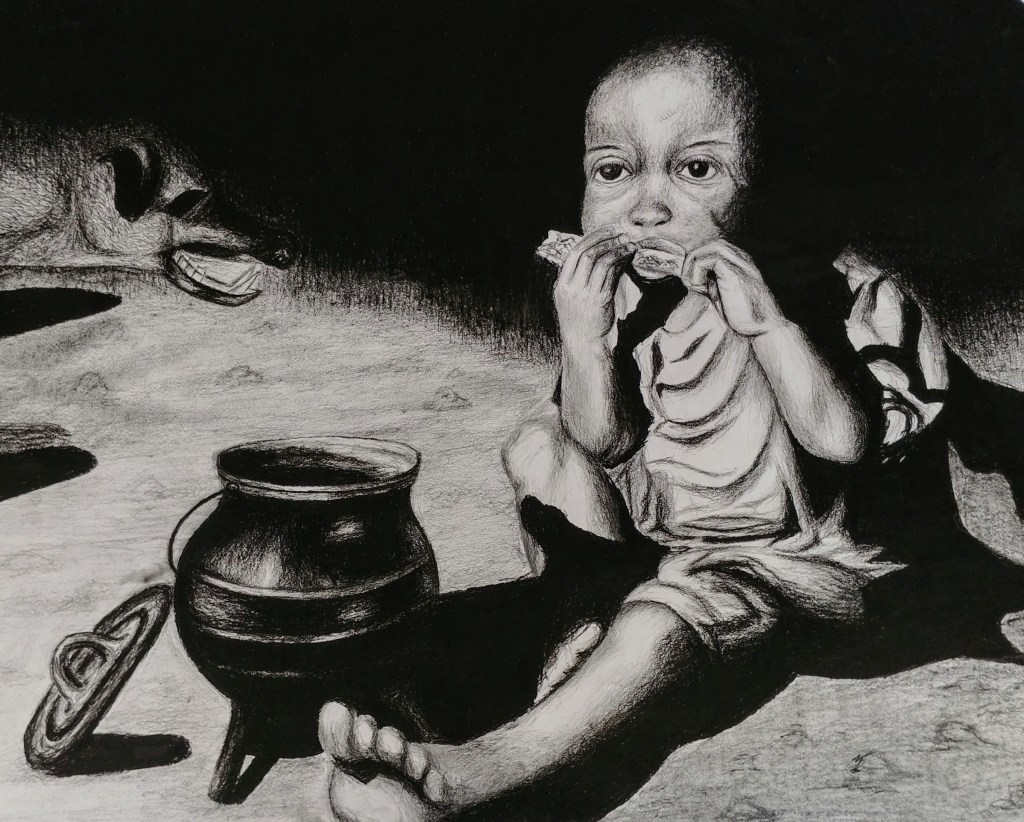
Zambia has one of the world’s youngest populations for some less-than-positive reasons. With one of the highest HIV/AIDS rates, there is a huge orphan crisis; birth rates are also high, and adolescent marriage and maternity commonplace.  Life expectancy is just 59 (male) / 64 (female), placing Zambia 226th of 228 countries globally, with a 16.9 median age, 94% of the population under 54 years of age — and 46% under the age of fourteen.20181211_101450

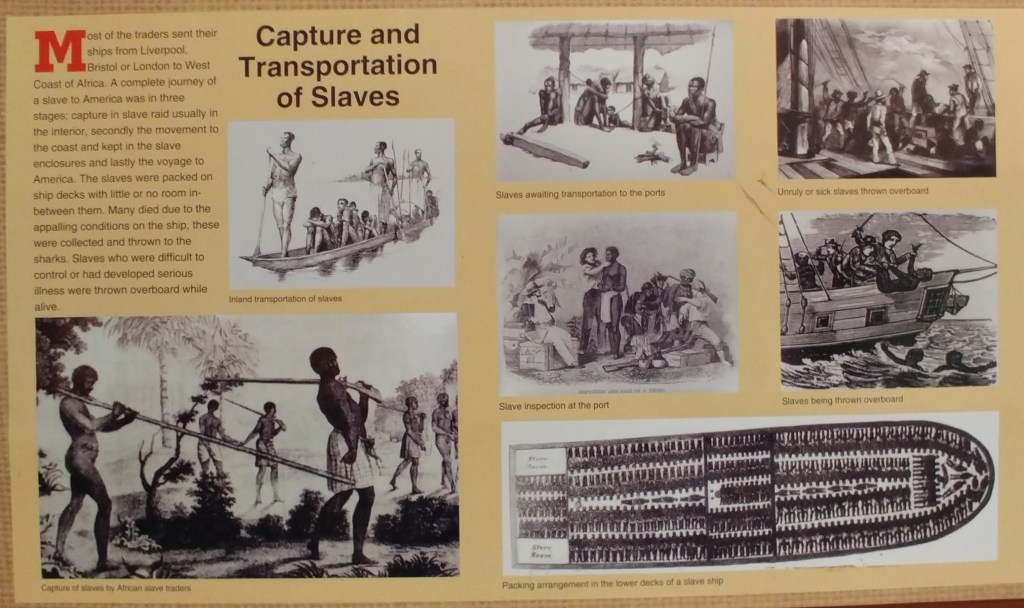
Zambia, like many African countries, has a history of slave trade from early 18th through late 19th centuries — with Europeans and also Arabs acting as merchants, inciting local tribes to war in order to capture and sell others into slavery. This legacy lives on today — in the form of human trafficking. Zambia has been identified as a source, transit, and destination country for men, women, and children forced into labour or sexual exploitation.20181211_102047

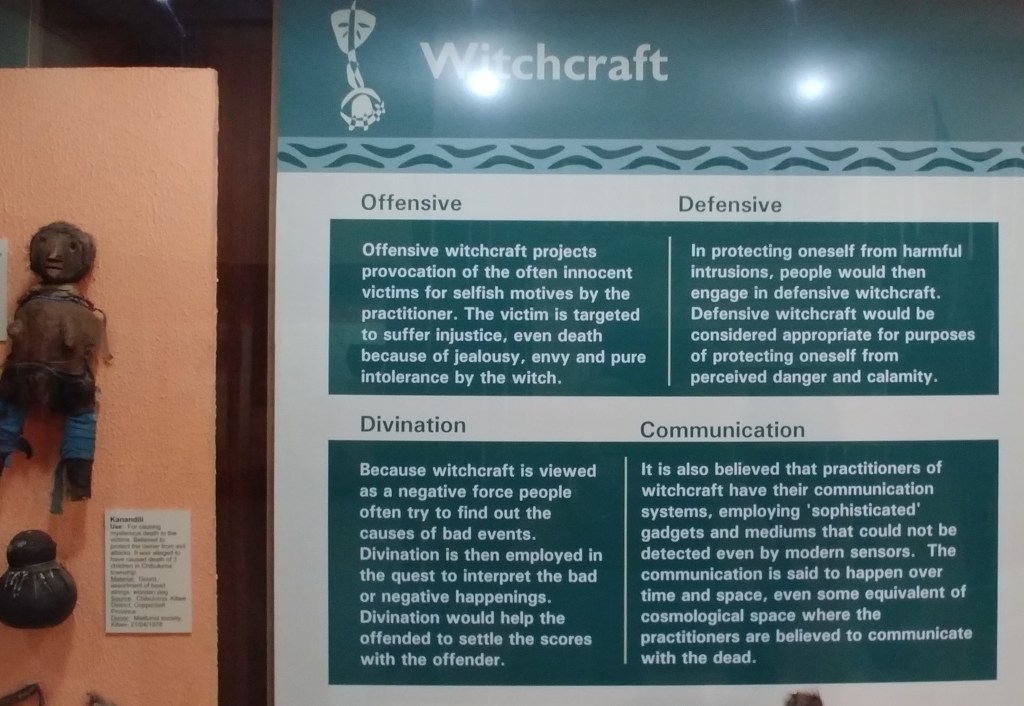
Another concern in Zambia is the issue of witchcraft, or sorcery, and witch-hunting. The Witchcraft Act of Zambia (1914) has recently come under review due to a number of high-profile cases; witch-finders, though the profession is illegal, continue to practice, and the accused are often the subject of crowd vigilantism.20181212_114104~2

According to Hofstede’s 6-Dimension Model of Culture, Zambians are primarily egalitarian though somewhat hierarchical, far more collectivist than individualist, and more ‘feminine’ than ‘masculine’ — prone to cooperative governance, social welfare, and an emphasis on quality of life over a need to succeed. Despite its problems, Zambia remains vibrant, working to create a better society for all. While Zambians retain strong tribal connection and identity, a national identity has also grown — a blend of the values, norms, and traditions of 75 distinct tribes into “One Zambia, One Nation”.

~EWP

Slovakia

20180729_182257_2_Signature

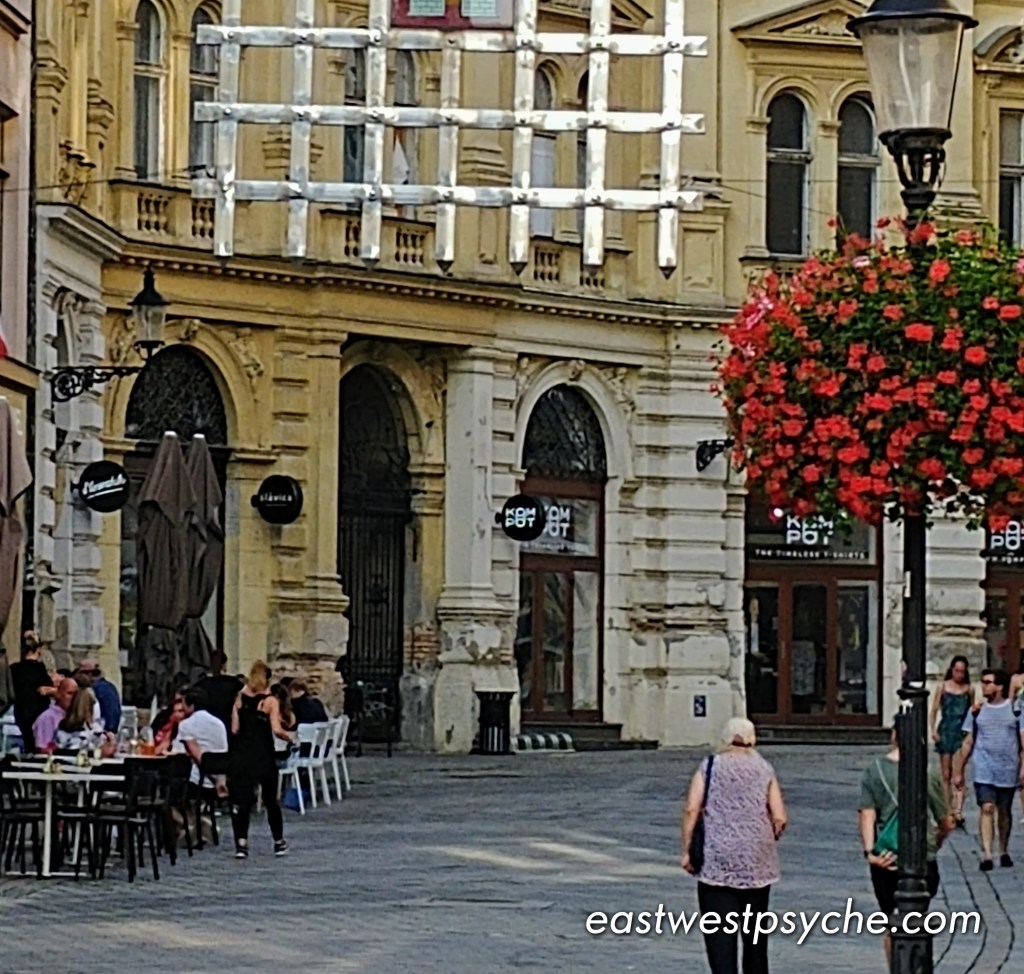
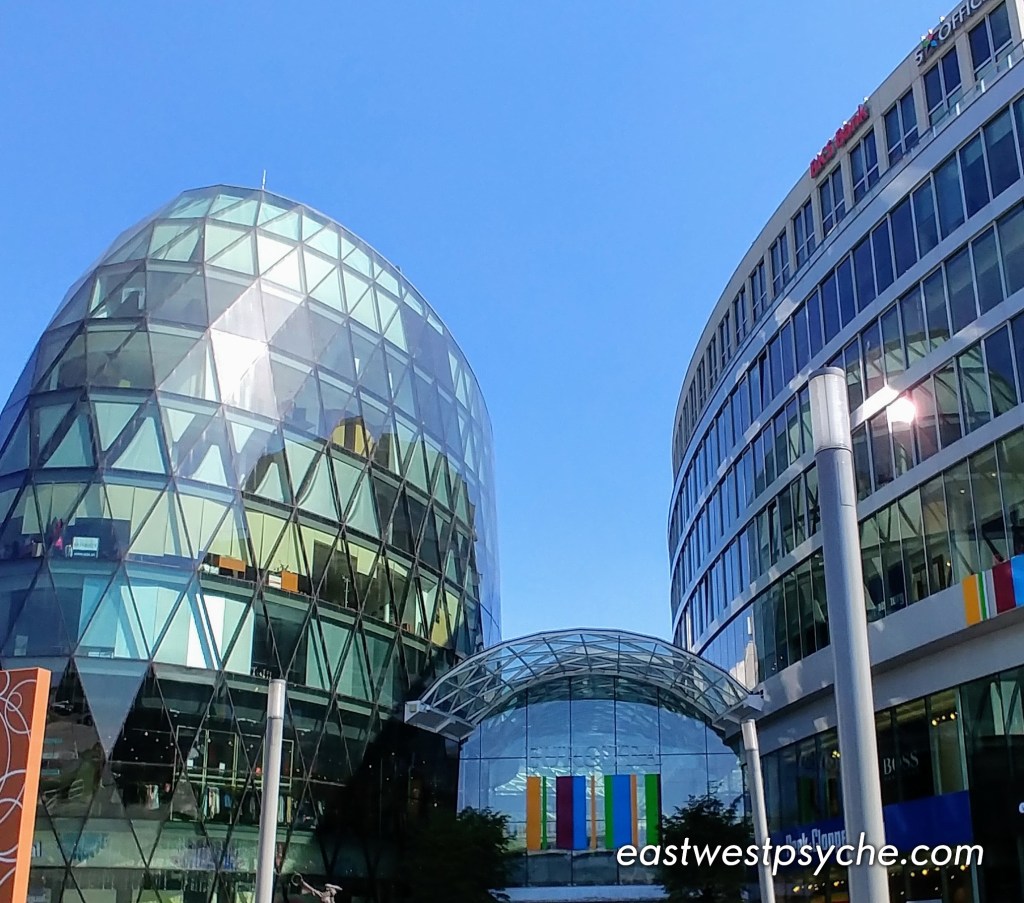
Slovakia is a young country — with a long history. A national consciousness began to emerge in the 18th century, however, and Slavic peoples have inhabited the region for millennia, but Slovakia has only been an independent nation since 1993 — and in many ways is still forging its identity.

20180730_151357_2_Signature

Since its break from the former Czechoslovakia, in a peaceful process known as the Velvet Revolution — or Divorce, the economy of Slovakia has steadily improved. With a very high quality of life today, this Central European country has a cost of living akin to that of Western Europe — though salaries, especially outside of the capital of Bratislava, are more in line with those of Eastern Europe, which causes economic tension for many. Having been part of the former Austro-Hungarian empire, Slovaks are socioculturally aligned with Hungarians, less so with Czechs and Austrians.

20180730_181917_2_Signature

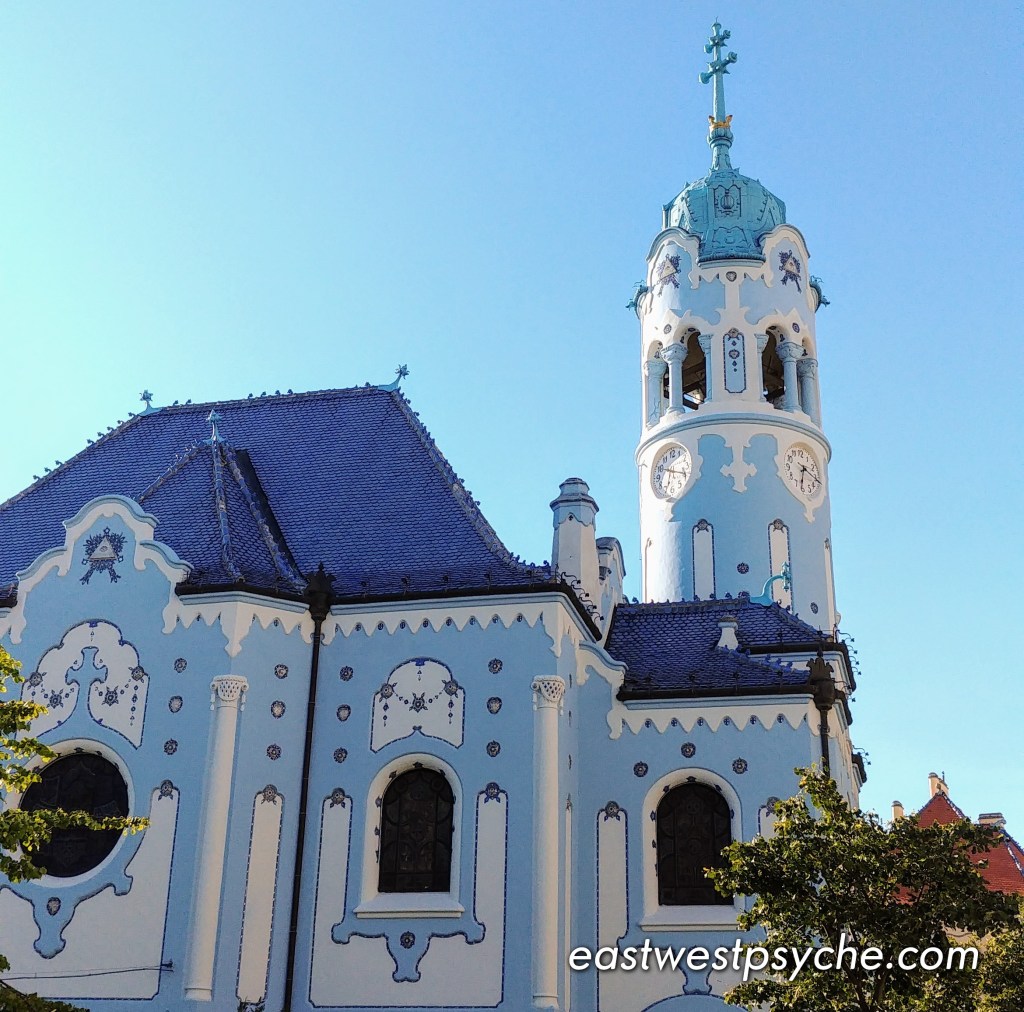
Religious freedom is constitutionally guaranteed in Slovakia, though a majority of the populace (62%) identifies as Roman Catholic. Common values include family and other relationships / personal connections, success / status, flexibility, politeness / indirectness, and mutual aid. The country ranks highly for human rights, though the significant Romany population is a focus for discrimination.

20180729_144448_2_Signature

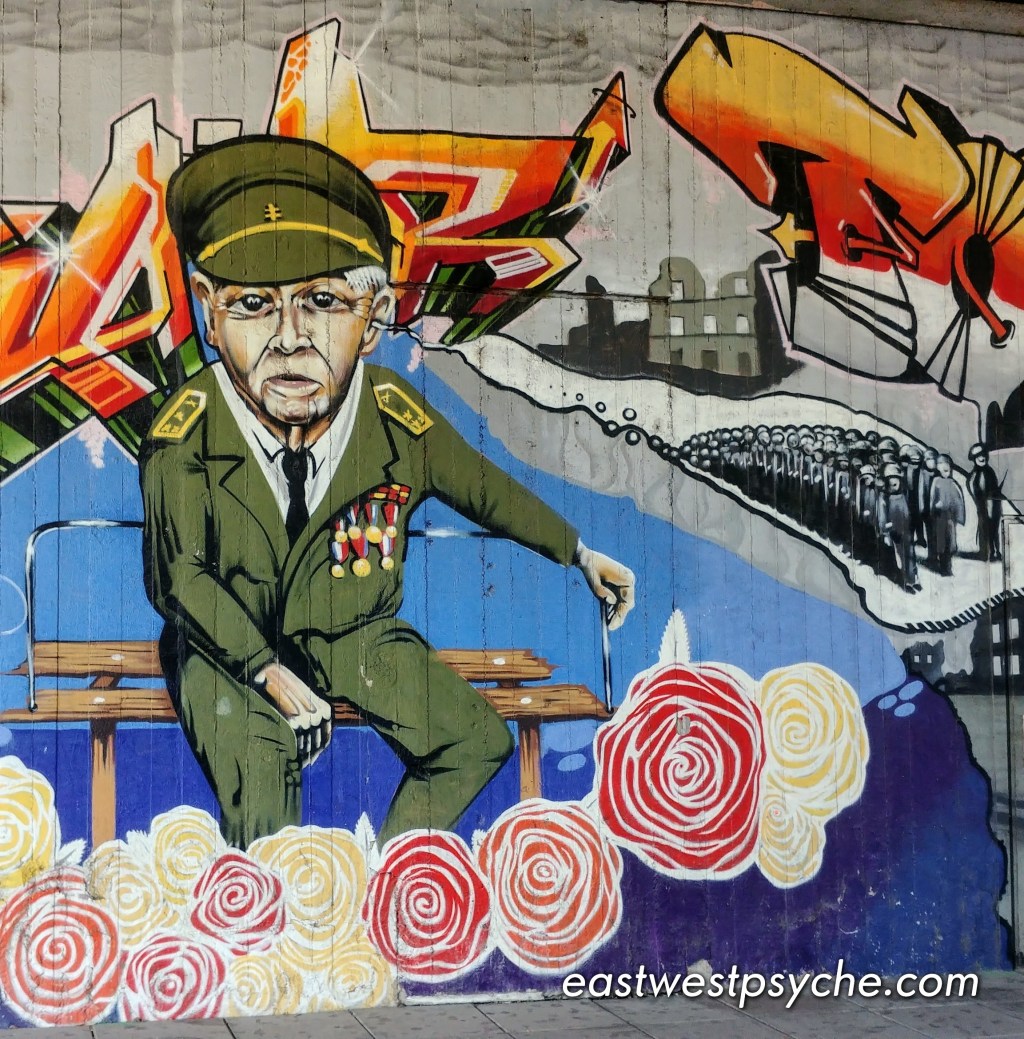
As with much of Europe, Slovakia experienced a 20th century filled with turmoil. Having been a fascist state of Nazi Germany 1939-1945, Czechoslovakia, as the region was then known, was a totalitarian state 1948-1993, when it was dissolved into the two separate nations of Slovakia and Czech Republic (now Czechia). The legacy of this totalitarian era has not yet been fully overcome, and Slovakia still struggles with corruption, intimidation, murder, and graft; the country is still working to develop liberal democracy, market economy, rule of law, and civil society.

20180729_175519_2_Signature

There is a pronounced generational gap in the country. Older Slovaks can be heard fondly reminiscing about their totalitarian past, in terms of stability and safety, high employment and low cost of living, and gender equality. Young Slovaks report a strong European identity, while also seeing the EU as a threat to national sovereignty; they also express a distrust in government and frustration with high unemployment — and, a willingness to trade a measure of democracy for increased economic stability.

20180730_151419_2_Signature

Gender equality in Slovakia is remarkably low, for a post-Communist country: 36.5/100, the second-lowest ranking in all of Europe. Worst areas: time / responsibility balance, a limit of available areas of study in tertiary education, low salary and pension with high poverty rates, and low government representation  with just 20% of parliament seats held by women. (The country does currently have its first female president, though the prime minister is head-of-state.) Other areas of concern: 52.8% labour market (EU target: 75%) , with discrimination in economic opportunities (score: 26); violence against women; distinct social roles. Improvement has been seen in projects for female entrepreneurship, IT/RD fields, men’s involvement in childcare, decrease in pay gap, and a decrease in gender-based violence.

20180729_174948_4_Signature

According to Hofstede’s Cultural Dimensions model, the country scores 100% for both power distance (hierarchical nature) and masculinity (competitive / achievement-oriented, assertive, status-conscious), with a long-term focus and moderate risk aversion; the society rates near-equally between individualism and collectivism, and low for indulgence. Slovakia is a young nation in terms of independence, with great potential; its rich history and living traditions, as well as a strong family structure based on an earlier kinship system, provide a solid foundation.

~EWP