Category: Uncategorized

Slovenia

20180801_160853_2_Signature

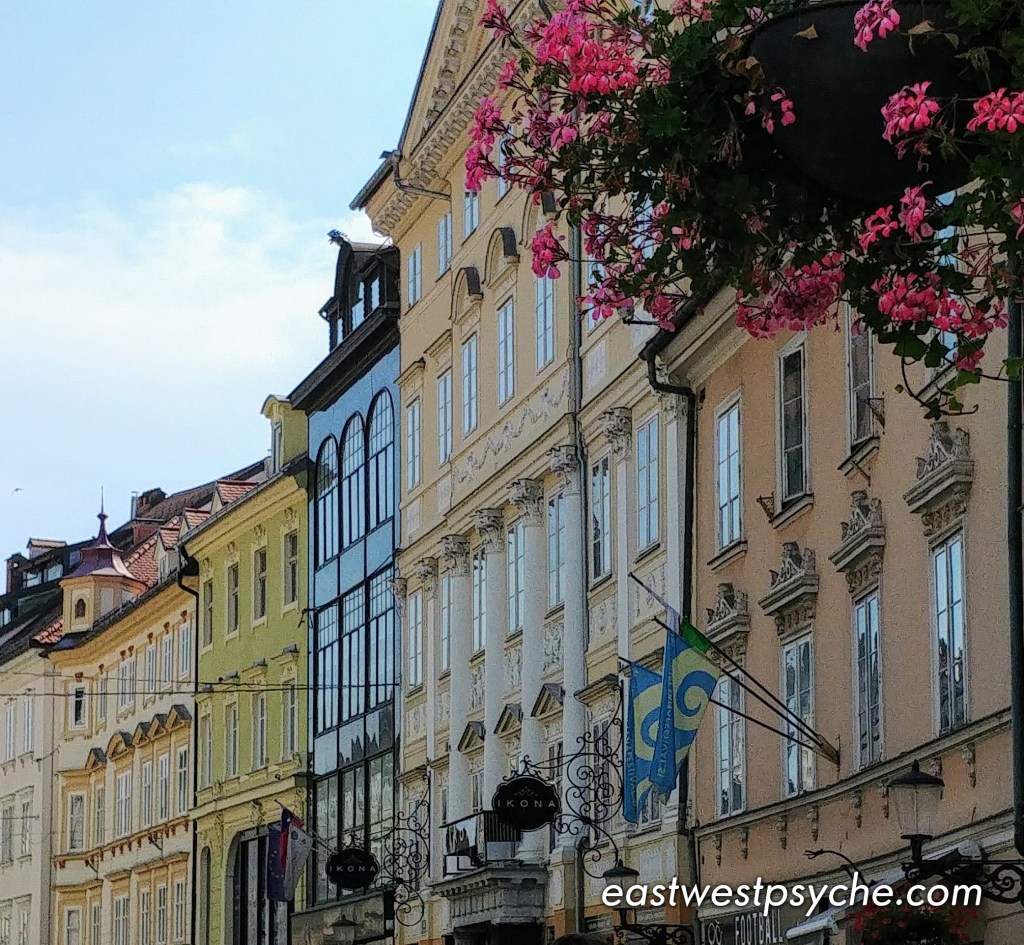
Slovenia, at the crossroads of Slavic, Germanic, and Romance cultures, and historically part of numerous states, kingdoms, and empires, identifies culturally as part of Central Europe — and entirely Slovenian, proud of having maintained an unbroken cultural identity throughout such tumultuous history. A member-state of Yugoslavia for much of the 20th century, yet part of the Habsburg rather than Ottoman empire, it retains a distinctly Germanic atmosphere — with a strong Balkan influence.20180801_151520_2_Signature
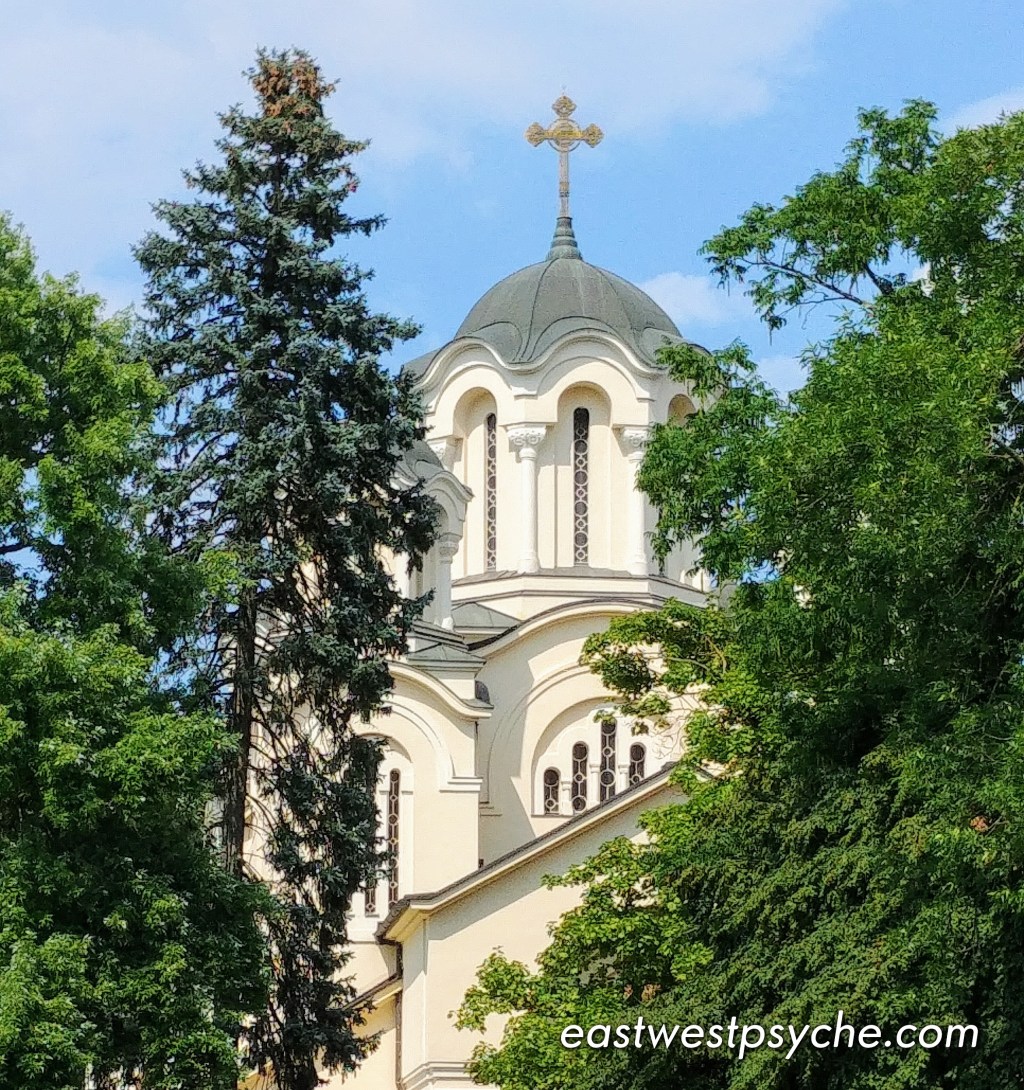
Slovenia is officially and socially a secular state today. After centuries of Catholicism as its state religion, with periods of Protestant reform, by mid-20th century the society was reportedly 95% Catholic; today, following decades as a secular, Communist country, 73% still identify as Catholic — but the separation of church and state is strong.
20180802_104429_2_Signature

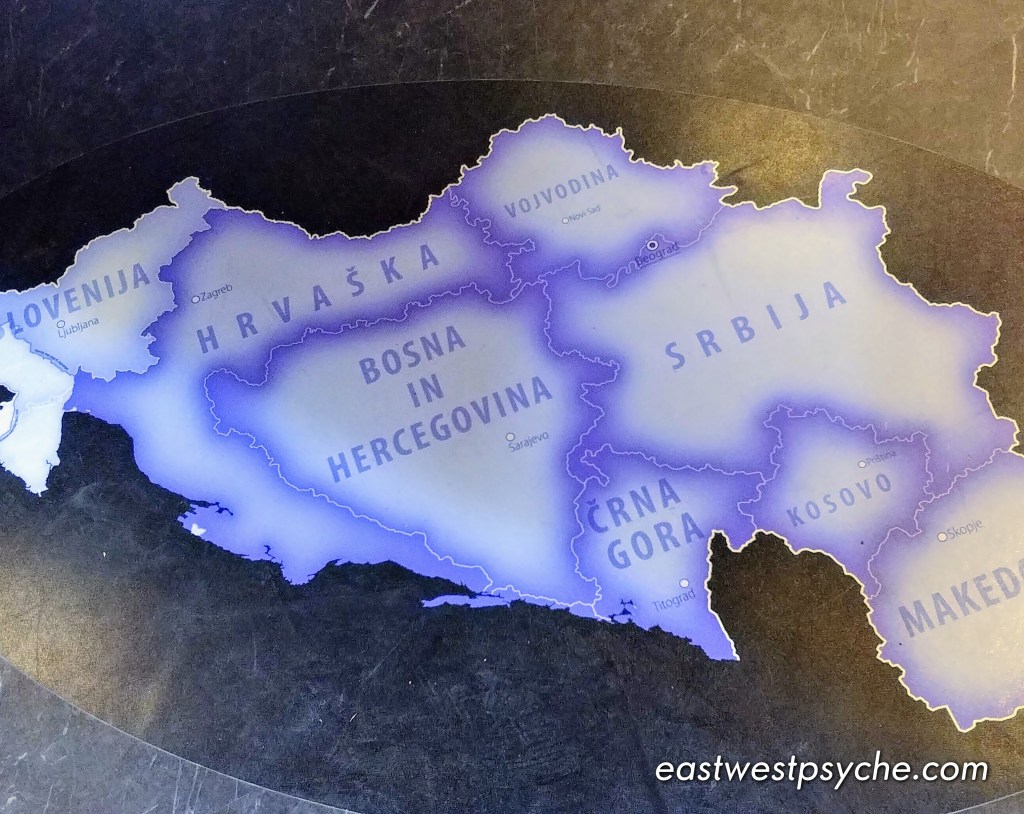
Several key factors led Slovenia to join the Yugoslavia alliance with Balkan nations: the 1985 earthquake and subsequent reconstruction — and modernisation — of its capital city, Ljubjlana; two decades (1890-1910) of mass emigration, in which an estimated 300,000 Slovenes (nearly 17% of the population) left their country, primarily to US; and, devastation of WWI, particularly hard on Slovenia regarding Soviet threat. Aligning with Croatia and Serbia to resist further Habsburg control, Slovenia began to culturally identify more closely with the Balkan states. In WWII, Yugoslavia was dominated by Axis Powers — who identified Slovenes as well as Croats as ‘Aryan’ and thus acceptable — and systematically murdered Serbs, as well as Jews and Roma in the region. Post-war Yugoslavia was filled with retributive acts against Germans, Italians, Hungarians, and others thought to have aligned with Axis Powers. By 1980s, a Slovenian rise in cultural pluralism saw beginnings of an independence movement — and in 1990 the nation was the first to break away from Yugoslavia. The nation went on to join the EU in 2004, and in 2007 became the first formerly Communist nation to join the eurozone.
20180802_104552_2_Signature

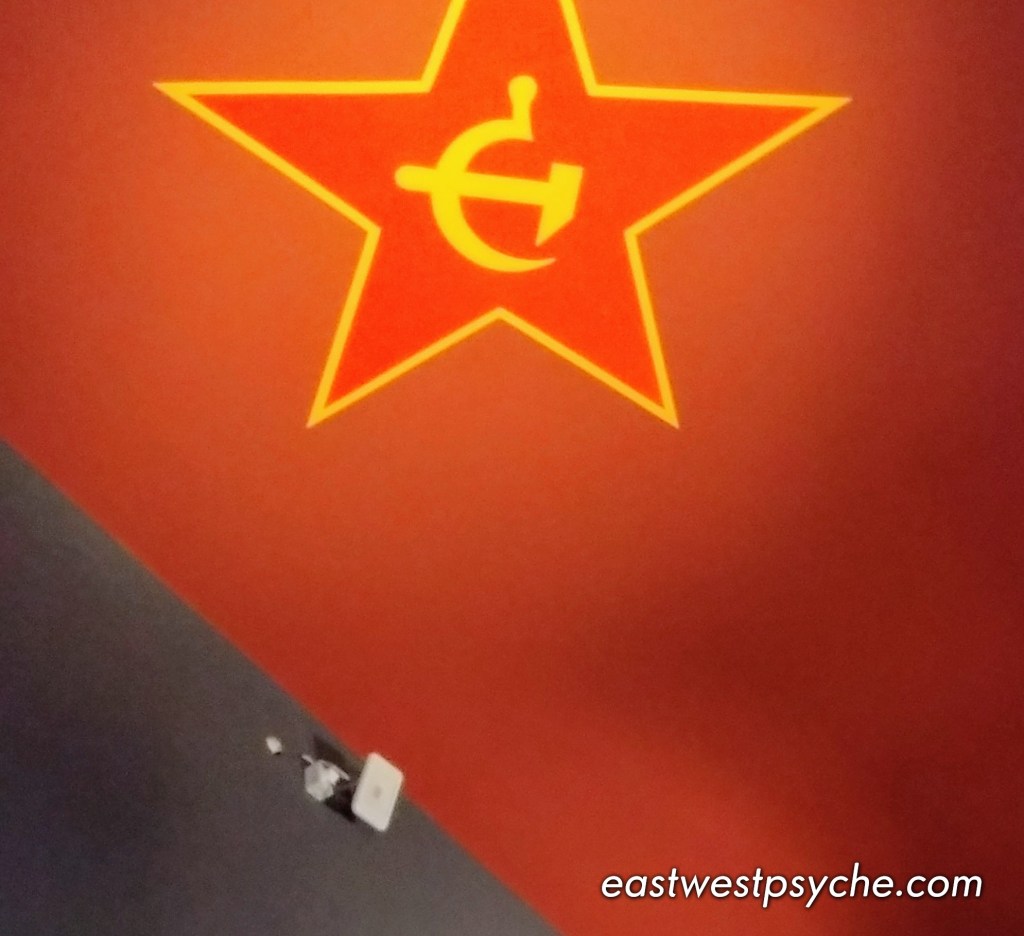
While Yugoslavia identified as a communist political structure, it was made up of 6 nations, including Slovenia, that individually identified as socialist republics — with Belgrade as their capital. As Slovenia was the first to break away, it was spared much of what became a particularly bloody dissolution — ultimately with 100,000 dead, 2.4 million refugees, and 2 million internally displaced. The legacy of Yugoslavia, in its communist ideals, strong hold of Serbia’s Tito falling just short of totalitarianism, and ‘Brotherhood and Unity’ philosophy which ultimately pitted ‘brother’ against ‘brother’, remains in the cultural makeup of its former nation-states — including Slovenia.
20180802_104326_2_Signature

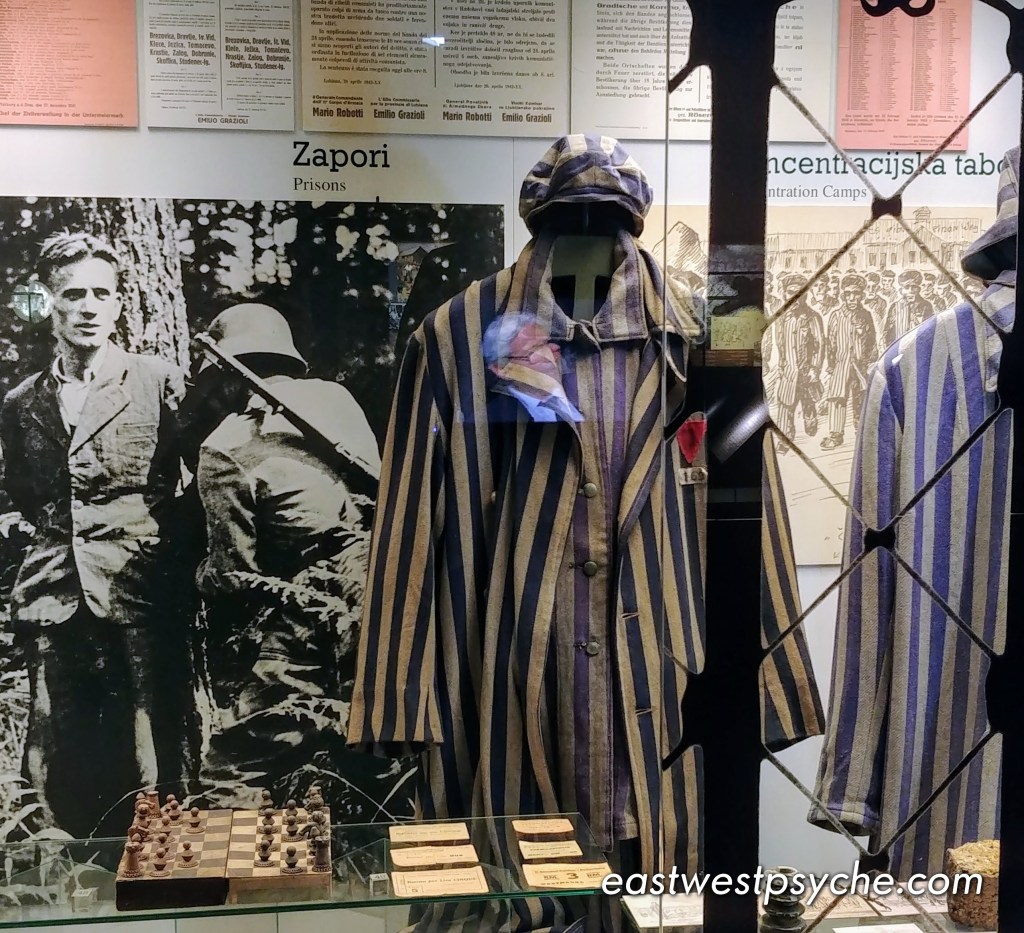
The legacy of WWII and Axis occupation of Slovenia lives on to this day, a thread woven into Slovenian culture. Slovenian partisans fought against occupation and eventually won their country’s independence; Slovenian conservatives, afraid of communism and seizing opportunity, collaborated with the occupiers to form anti-communist militias, by which atrocities were committed — remembrances of trauma, and sociopolitical distinctions in Slovene society, that remain unresolved today.

It is estimated that more murders took place in the 2 months following the war than in the 4-year period of occupation. Mass graves, from both the occupation during WWII and the period of retributive acts to follow, were kept secret by the Yugoslavian governance — and more than 500 such have now been discovered, symbolic of a deep and long-hidden wound festering in Slovenian culture.
20180802_120026_3_Signature

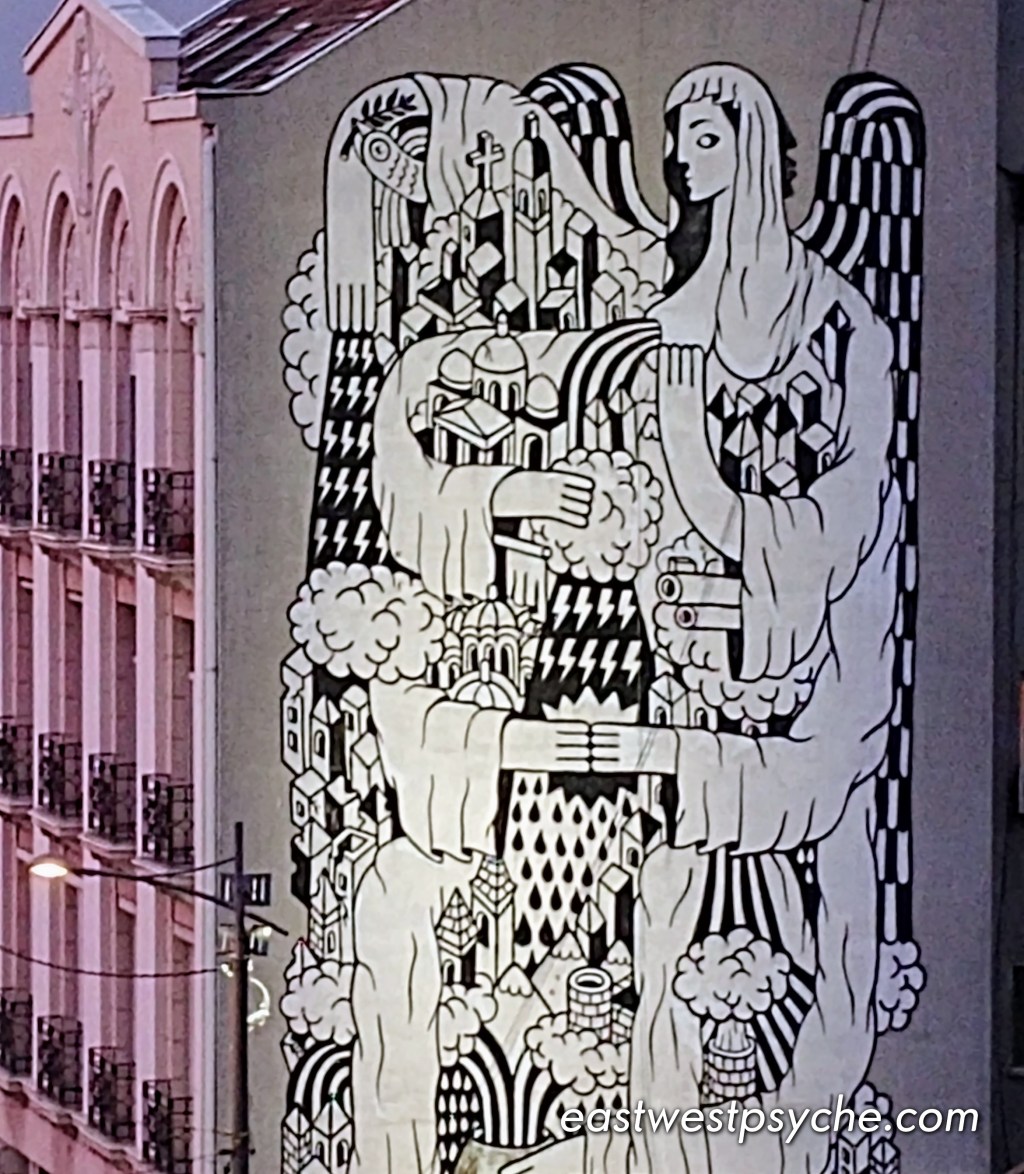
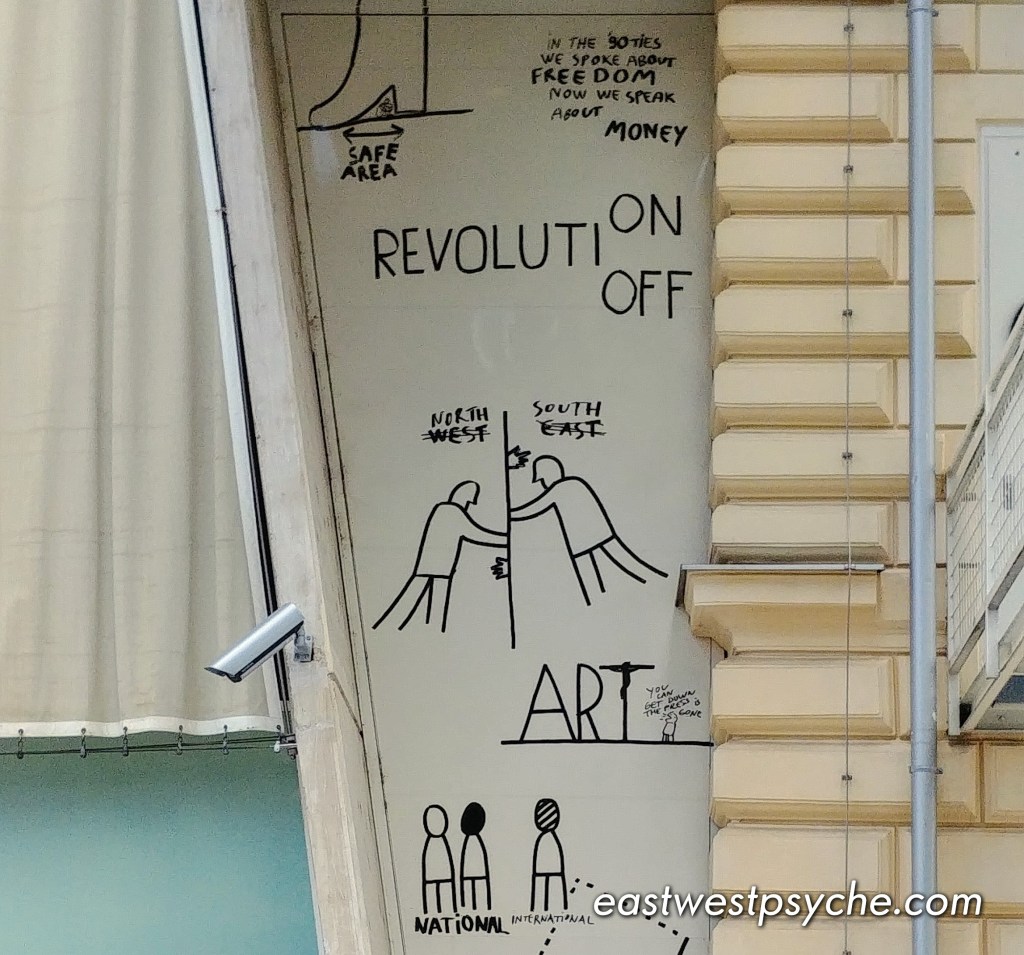
In Slovenia today, protests and calls for independence — of a different sort — take place in the form of art. Ideologies are shifting, values have changed; legacies of communism and near-totalitarianism, old wounds, social divide and income inequality have coalesced into a growing dissatisfaction and general unrest, as in much of Europe. While the nation retains a high-income advanced status overall, Slovenes are particularly concerned with regional imbalances, poverty and social exclusion, and political instability. Other identified concerns include the transition to a free-market economy, a rapidly aging population and lack of workforce, and organised crime syndicates. Ongoing discrimination against the Roma minority group represents another social issue.
20180802_114156_2_Signature

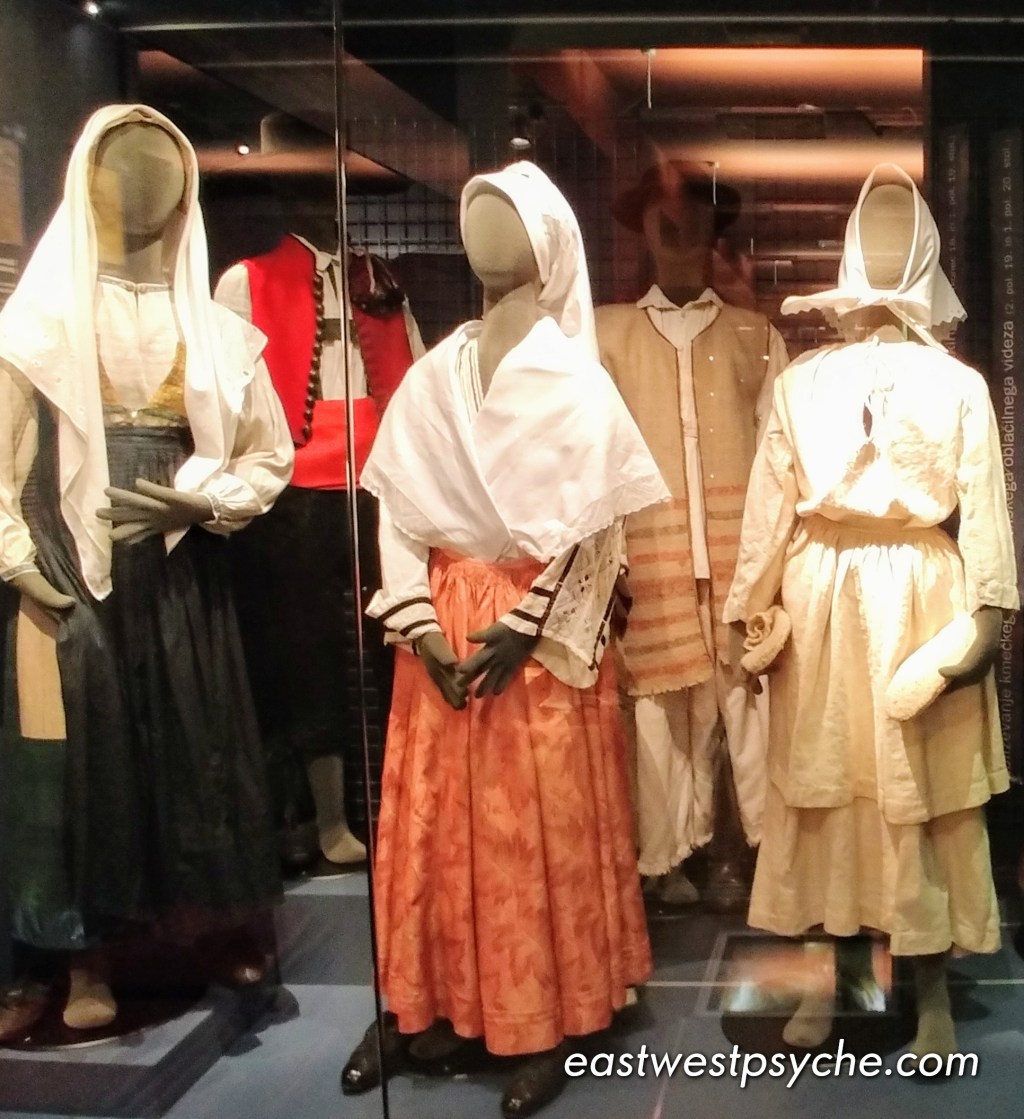
With a traditional orientation of kinship groups, and to this day a relatively traditional society, the extended family unit remains a strong value in Slovenian culture. Rights as well as duties are determined on the basis of relationships, both familial and social; marriage remains an expectation, and loyalty to one’s family is deemed essential. Another strong value of Slovenes is egalitarianism; with a history of multiple occupiers, recent near-totalitarianism, and only a short period of independence thus far, Slovenes take their freedom and an independent state of mind very seriously; retaining its socialist ideals, Slovenes deem all people to have the same basic rights and advantages. While in reality poverty and other social inequalities still exist, Slovenian culture is built around this premise.20180801_145148_2_Signature
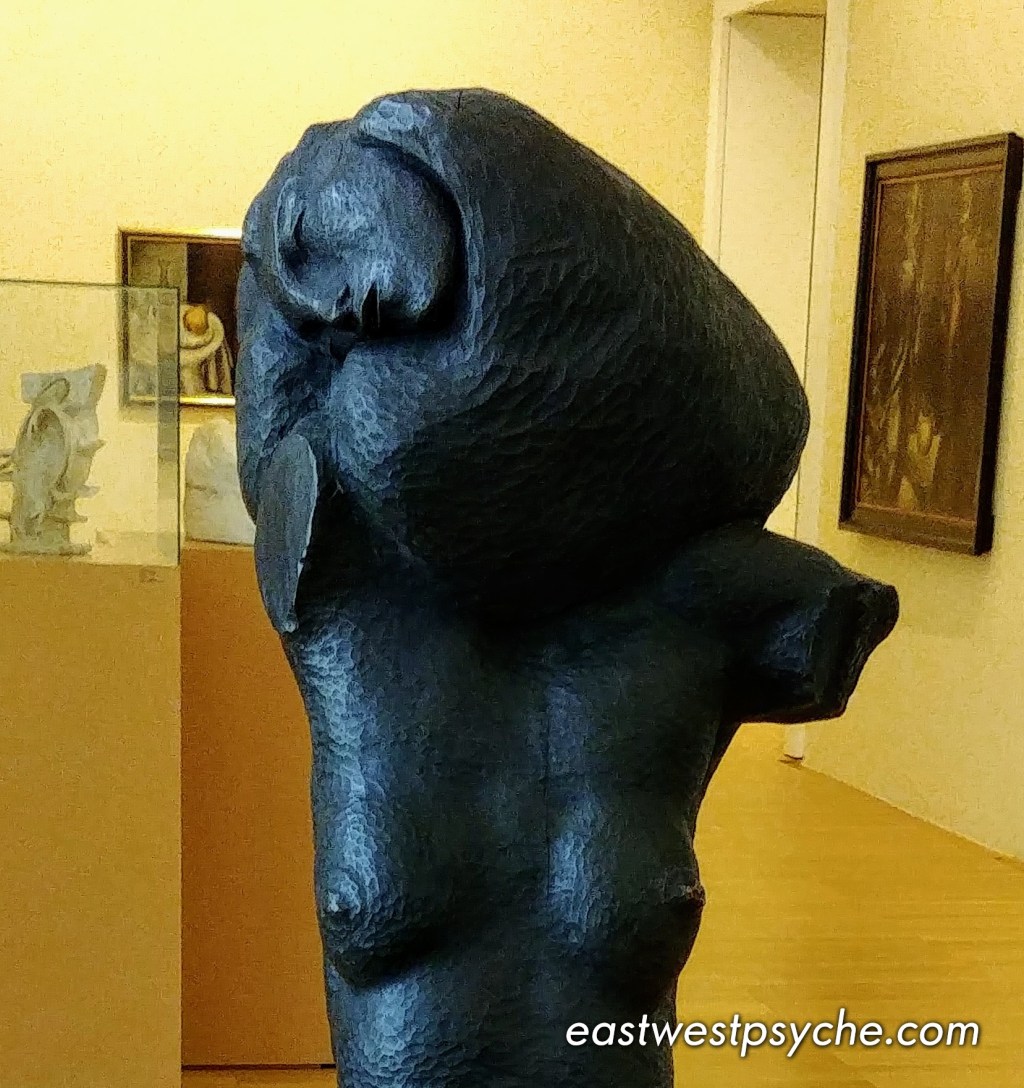
The World Economic Forum ranks Slovenia as 7th for gender equality, among 144 nations. UNDP ranks the nation in 5th place for women in positions of leadership. European Institute of Gender Equality places it first — and Slovenia is widely considered to be above average among EU nations when it comes to gender equality. Though the country in its independence has embraced retraditionalisation and domestification, women have managed to retain the many rights and near-equal status granted them by their socialist past. Women currently hold 28% of parliamentary seats, peaking at 37% in 2017, with just one female prime minister to date (2013-2014). In the labour force, women represent 45%, primarily in cultural / social welfare, public services / administration, and hospitality sectors.
20180802_110356_2_Signature

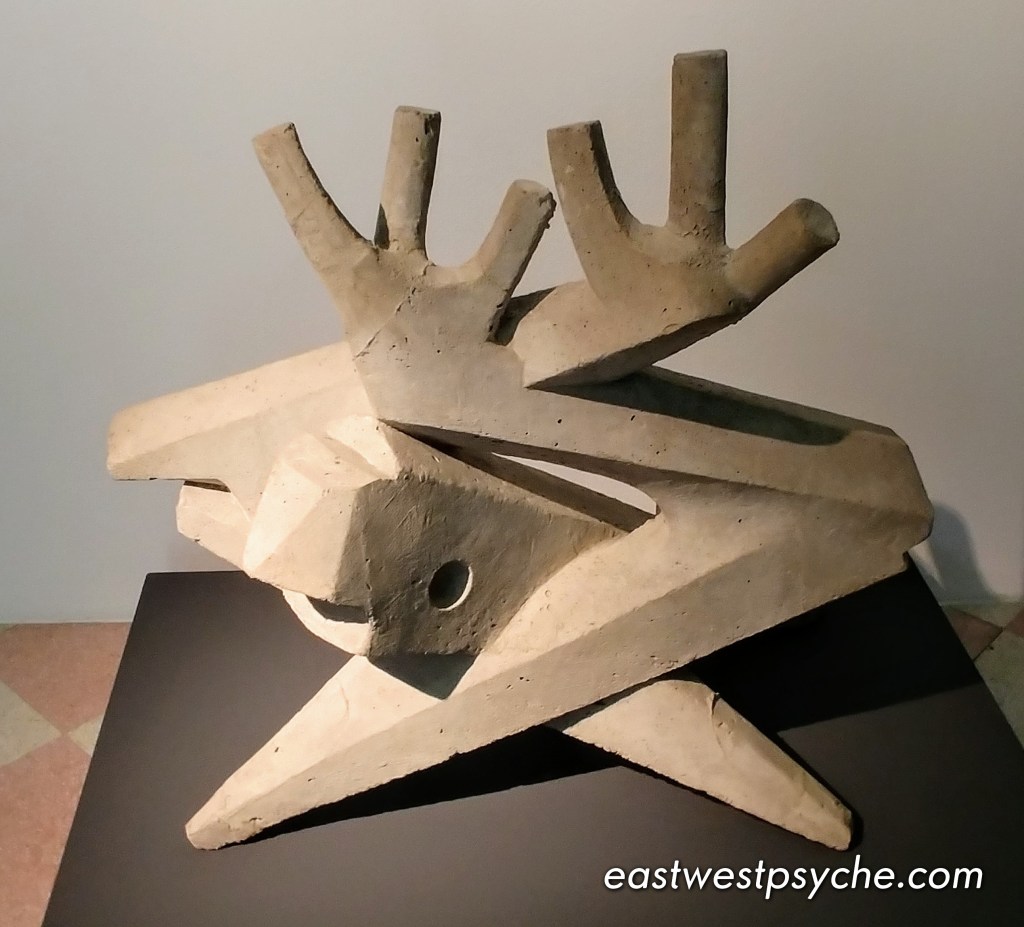
Traditional cultural symbols of Slovenia include the linden tree and the chamois, a goat / antelope creature — both of which are in abundance in the country.  A particularly popular myth of Slovenian culture is that of the Goldhorn, or Goldenhorn, Zlatorog in Slovenian, which features a chamois. In the story, a mythical chamois protects mountain treasure and is ultimately hunted, in an attempt to capture the treasure and win a maiden’s heart — but the wounded creature is magically able to heal itself, and the hunter falls to his death. Slovenia, despite all odds and often temporarily overcome by stronger entities — will always, ultimately, prevail.

~EWP
South Africa

20181202_101120_2_Signature

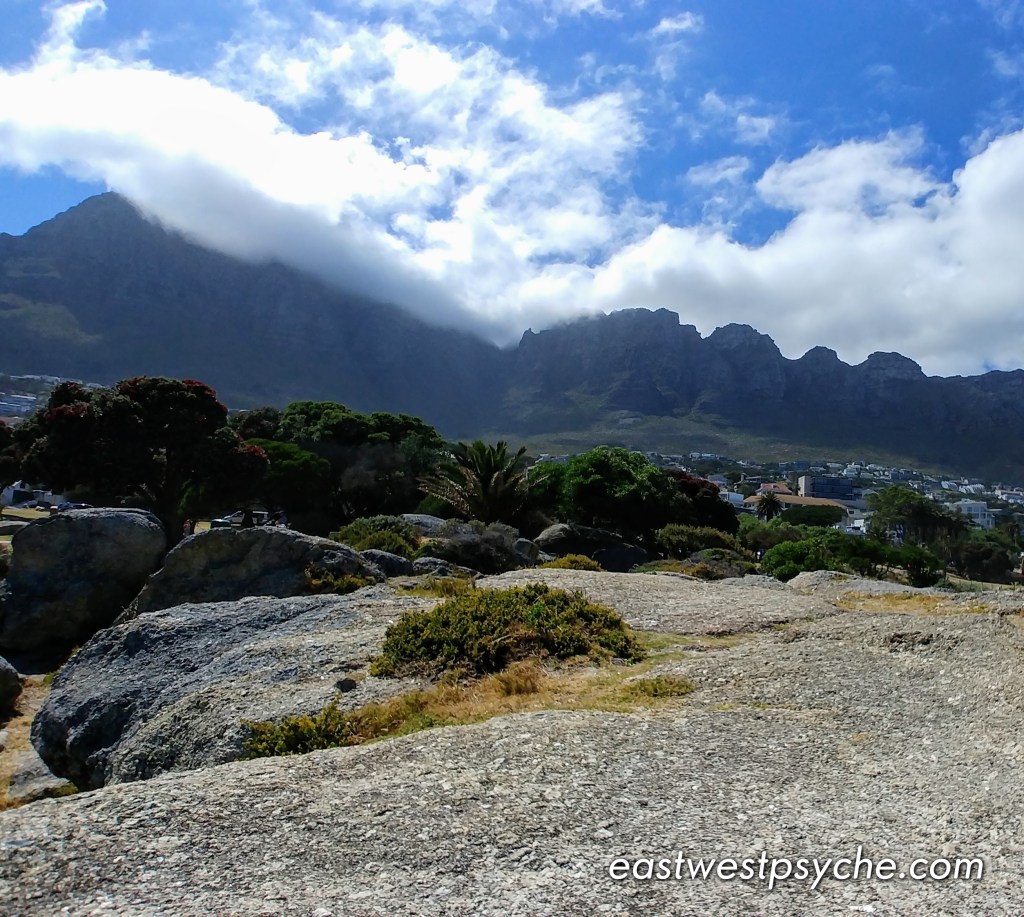
With 11 official languages, South Africa is surely among the world’s most multi-ethnic societies. Considering its recent history of apartheid or institutionalised racial segregation, including systematic discrimination, land appropriation, and human rights violations, the nation has come far indeed — though most South Africans agree, not nearly far enough.

20181110_153231_2_Signature

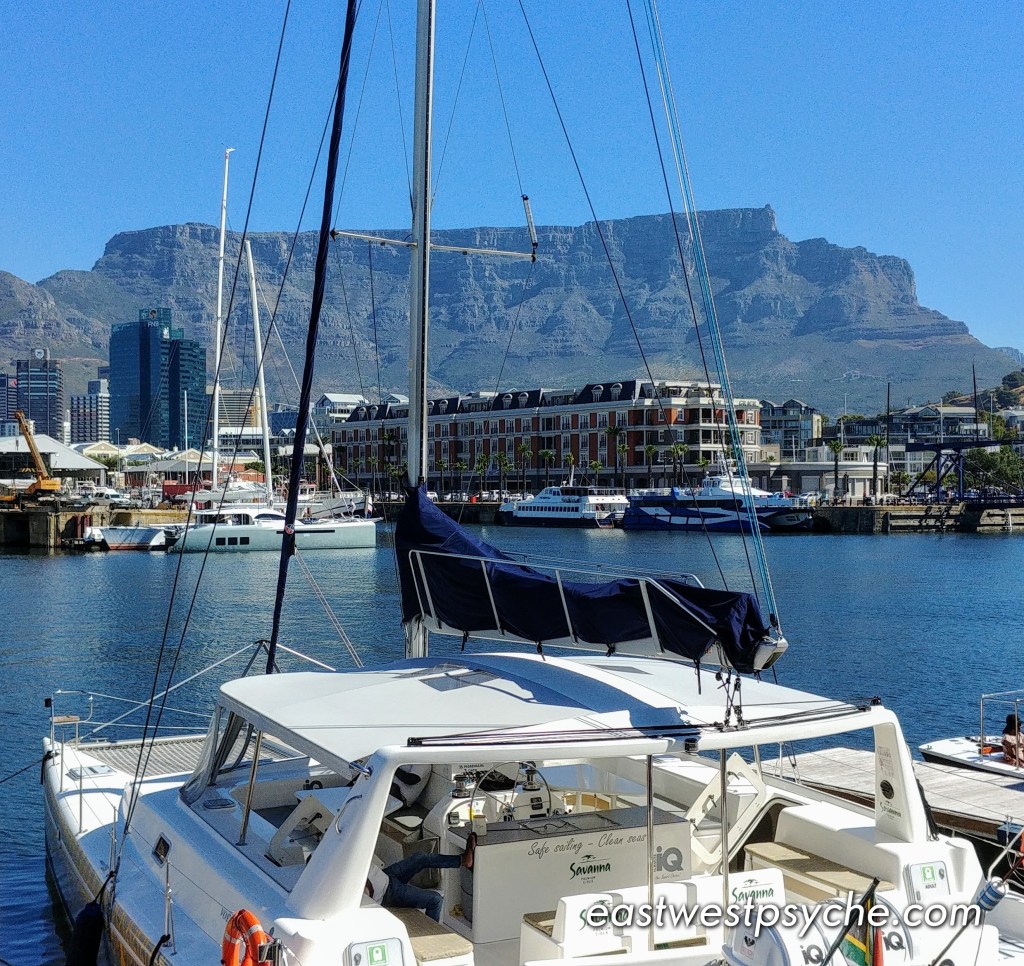
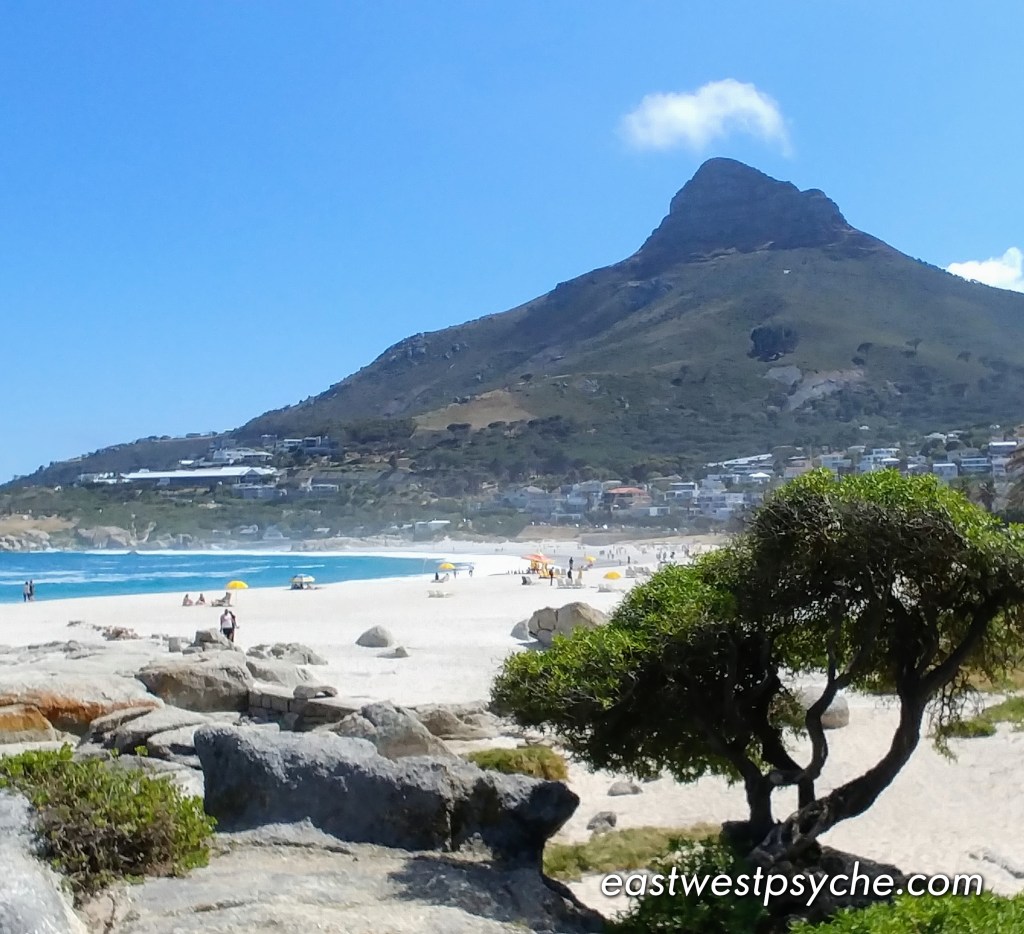
The African National Congress has been the ruling political party since the apartheid / minority rule colonial system was dismantled in 1994; with no legally defined capital city, the republic’s 3 branches of government are seated in Cape Town (legislative / parliament), Pretoria (administrative / president and cabinet), and Bloemfontein (judicial / supreme court) — with its constitutional court in Johannesburg. Cape Town is South Africa’s original city and second most populous, though also geographically its smallest; ‘Joburg’ is its largest, while the busy port city of Durban, founded in just 1824, is its most modern.

20181210_130650_4_Signature

The story of South Africa is one of many peoples and a very rich cultural milieu: 80.2% are indigenous or ‘African’, also referred to as ‘Black’ and representing 4 major ethnic groups with numerous subgroups and languages; another 8.8% are officially designated ‘Coloured’ or mixed race, 8.4% ‘White’ (European descent), 2.5% Asian, primarily of Indian heredity, and 0.5% ‘Other’. The Dutch and British both had a colonial presence, while Germans and European Jews also migrated to the country in large number.

20181124_114432_2_Signature

The traditional South African system, of bonded family groups living together in villages, was traumatically disrupted in the 20th century apartheid era, with European colonisation, minority rule and racial segregation, redistribution of land and forced migration, and relocation of impoverished job-seekers from village to city — typically head-of-household males without their families.


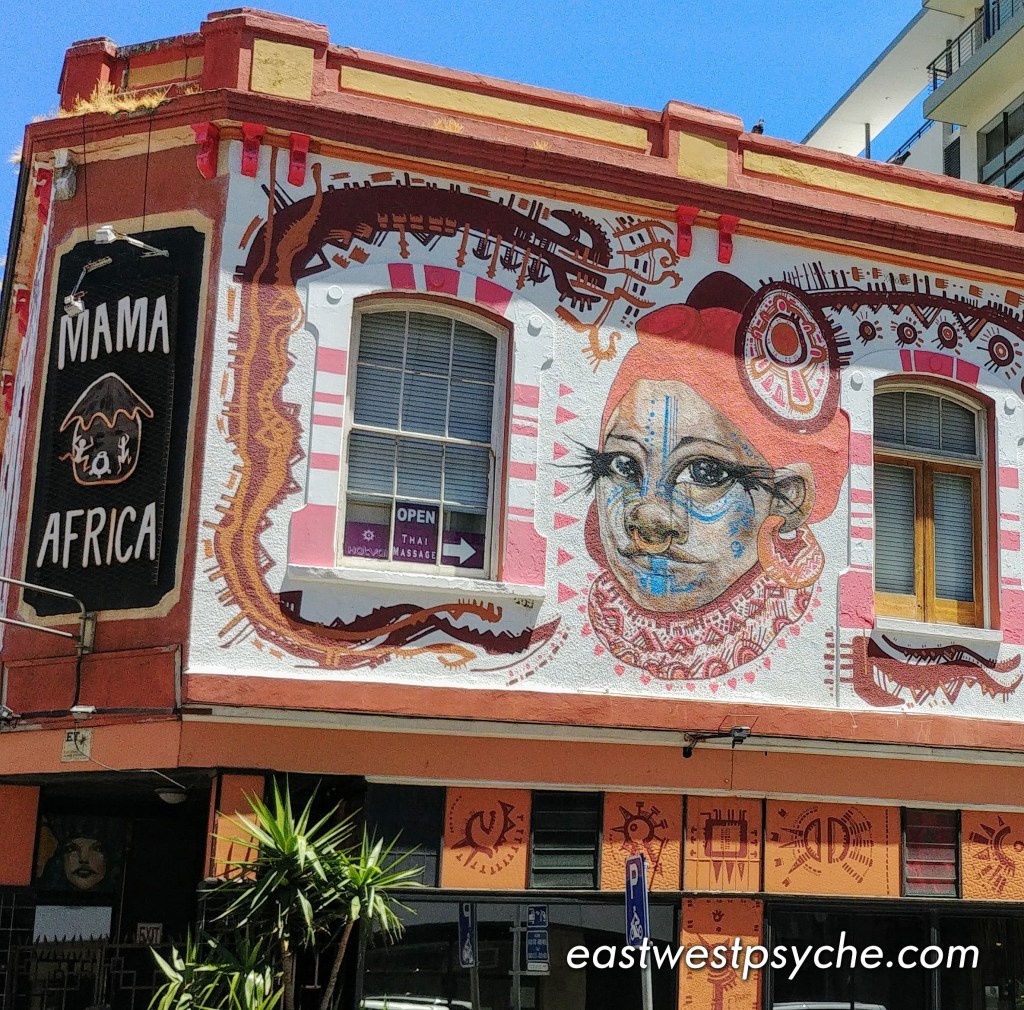
One dramatic example of such social disruption is that of District 6, an area in the centre of Cape Town that saw the government-sanctioned displacement of 60,000 residents — immigrants, Cape Malay Muslims, former slaves, Xhosa, and Afrikaans [European descendants], generally lower middle class to impoverished. The area, established as such since 1867, was declared a slum, ‘dangerous’ and ‘a detriment to society’, due to its interracial demographics. Its demolition for government use is widely considered today to be a matter of theft and social disruption.

20181109_122649_2_Signature

During the Dutch colonial period in South Africa (1652-1795; 1803-06), slavery and slave trade began immediately in 1652, under the Slavery and Forced Labour Model; it was continued through the early years of British colonisation, ending in 1834 by British decree for all its colonies. Slaves were brought in from other areas in a trading process; many descendants of former slaves live in South Africa today, particularly in Cape Town. Some Africans were complicit, in a desire for trade in European goods, particularly weapons which in turn brought power; others were entirely displaced, such as the pastoral Khoikhoi who were often forced into servitude. Violence was a hallmark of this system, deeply buried within the South African psyche.

20181109_111923_2_Signature

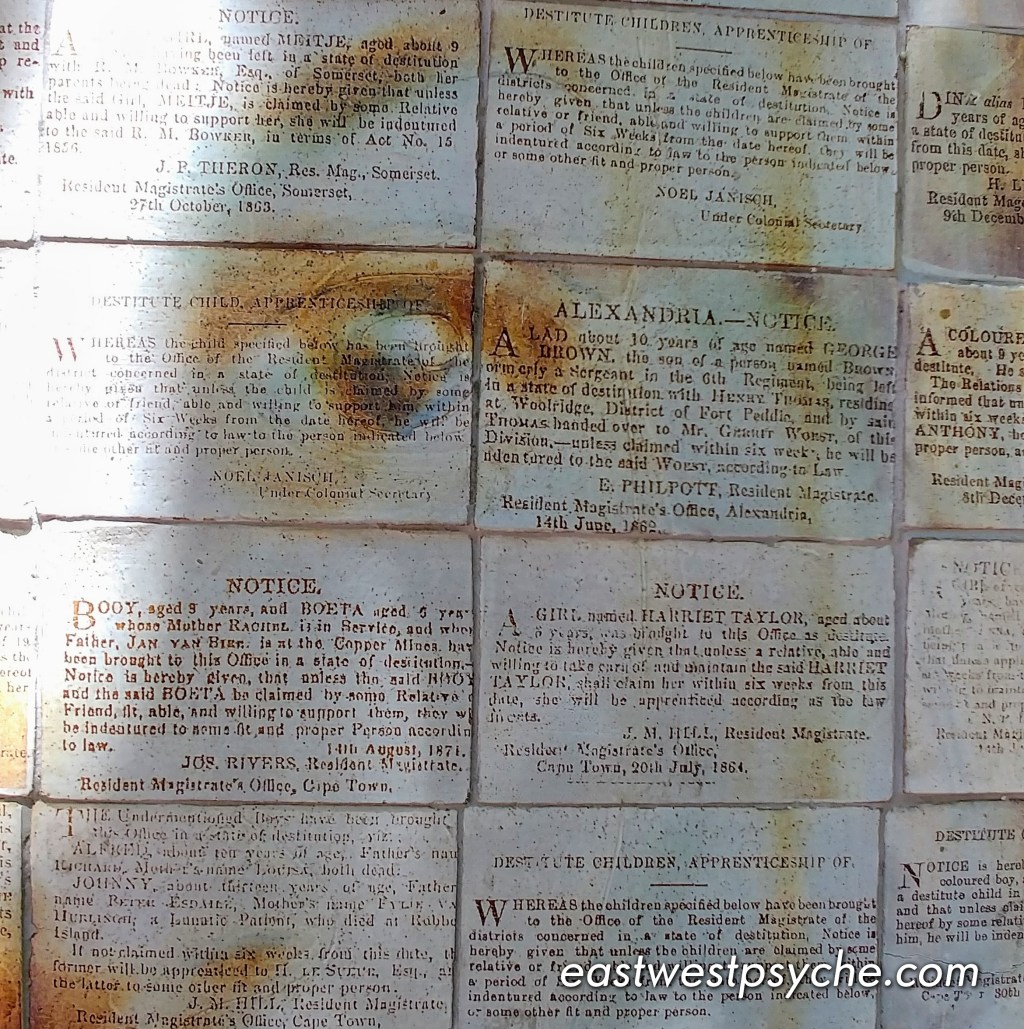
In the mid-19th century, orphaned children in South Africa were typically sold or otherwise placed into servitude; child labour still exists today, equally among boys and girls, and although on the decline remains a key social issue. According to Statistics South Africa, 1 in 4 children live without their parents, 7% of whom are orphaned and another 18% of whom have no parent in the house; currently, more than 500k are working in order to survive — 200k+ of whom have been injured in the process. Being forced to work also severely limits their education level. The profound effect on the psyche of a child who has to parent him/herself, and to work at a young age — to be concerned with the very concept of survival — cannot be overstated.

20181124_114729_2_Signature

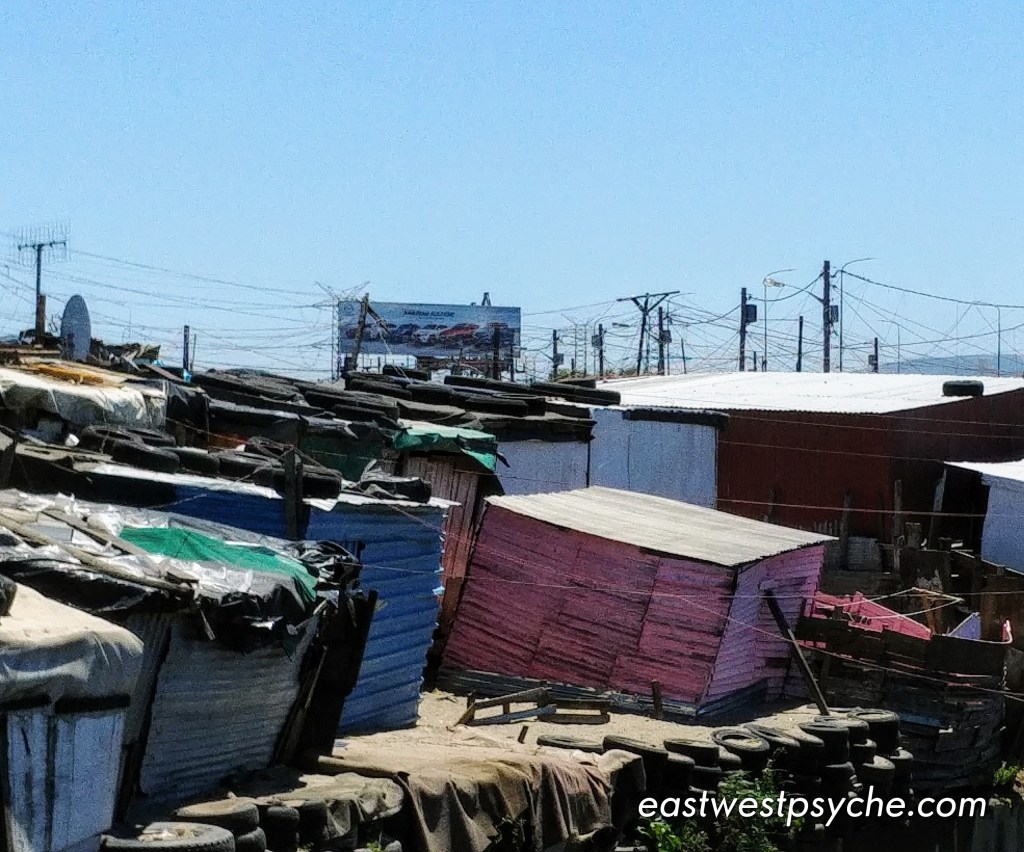
One of the ongoing legacies of the apartheid era can be seen in the townships — impoverished communities, the result of earlier segregation and displacement policies, work migration and loss of family and community bonds, unemployment and lack of education opportunities, and other factors. Some of these are formal settlements, while many informal / illegal such have often sprung up nearby; typically, these communities consist of poorly constructed homes too often built by hand from scrap materials, without necessary facilities such as running water or electricity, often in danger of flooding and other disasters, with a high rate of both crime and disease. The oldest of these, Langa in Cape Town, was established nearly 100 years ago and has a 200k population, largely Xhosa; the largest, Soweto in Johannesburg (pop. 1.3 million), was home to both Nelson Mandela and Desmond Tutu, site of the strongest demonstrations against apartheid and colonial rule.

20181109_085715_2_Signature

The Cape Malay ethnic group represents another community rooted in slavery, its origins in then-Dutch colonial Indonesia from which Javanese were brought as slaves to Cape Town, later also from other SE Asian colonies of the Dutch — typically by way of Madagascar and East Africa. They introduced Islam to South Africa, along with many other cultural elements in food, language, dress, music, housing, and more. As a distinct group, Cape Malays along with those of Khoisan descent are included in the broader designation of ‘Coloured’ which most often refers to ‘mixed race’ — a political as well as social holdover from apartheid days that, during white minority rule, held a mid-level social status no longer recognised.

20181111_110731_2_Signature

A community of Jewish immigrants was established in Cape Town in the early 19th century; in an early 20th century wave, most came from Lithuania, with a significant number also from the Greek island of Rhodes. The 1937 Alien Act sought to prohibit further Jewish immigration, as did the South African Gentile National Socialist Movement, or Grayshirts, a Nazi organisation, and the pro-German/anti-British — and anti-Semitic — Ossewabrandwag group. At its height, the Jewish community in 1970s reached 120,000; approximately 70,000, of whom 85% are Orthodox, remain in the country today — with heated controversy over the state of Israel and Zionism, pro-Palestinian Boycott-Divestment-Sanctions [BDS] movement, and any comparison between Israeli governance and that of apartheid South Africa.

20181111_131415_3_Signature

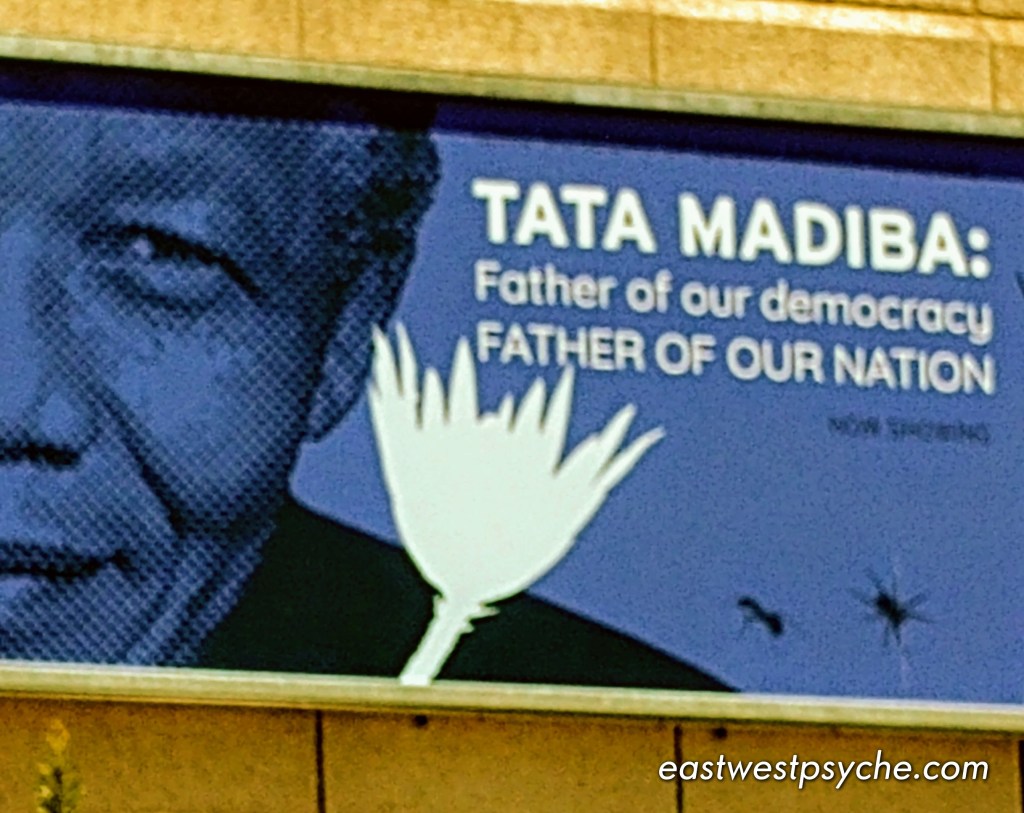
One of the strongest associations many people have with South Africa is that of Nelson Mandela, lawyer and freedom fighter against the discriminatory apartheid system, political prisoner for 27 years, and the nation’s first post-apartheid — and first black — president. Mandela, along with Bishop Desmond Tutu, another revolutionary strongly associated with South Africa’s resistance against minority rule and systematised segregation, were leading figures in this endeavour — though criticised by both the leftist and rightist parties for attempting to bridge the gap between them. Mandela is locally known by his true Xhosa name, Madiba, and as the Tata, or Father, of the (newly reborn) Nation.

20181124_120005_2_Signature

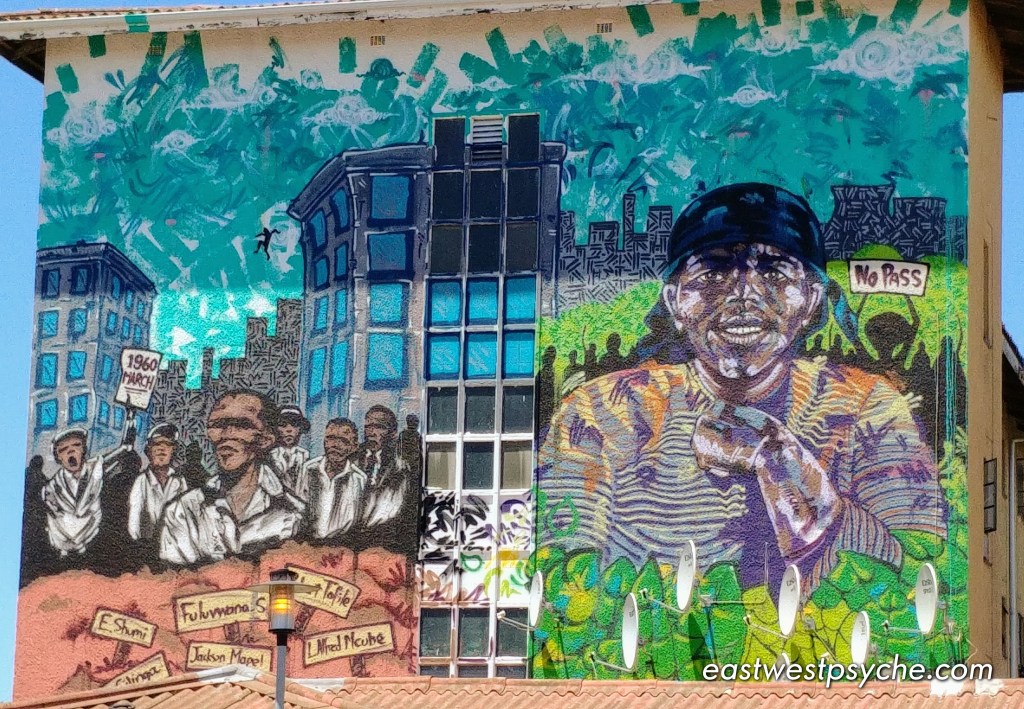
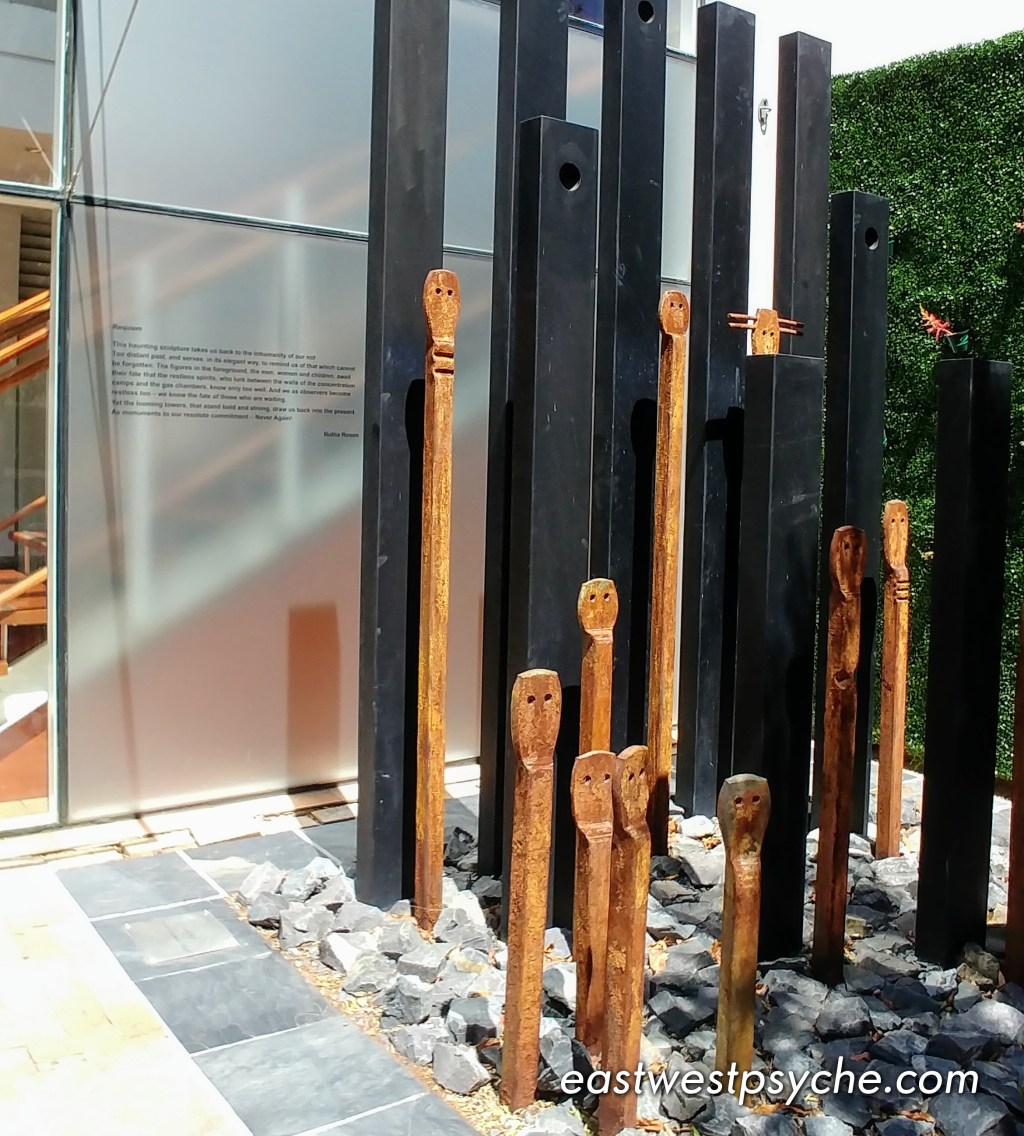
Many others also fought against the unjust apartheid system, and many lost their lives in the process; the country hosts numerous memorials to these revolutionaries, viewed by many as martyrs. Their legacy today is the ANC — and perhaps even moreso, the Economic Freedom Fighters [EFF], a far-left political party deemed extremist by some; led by politician Julius Malema, former (and expelled) president of the ANC’s Youth League. The EFF supports land and economic reform, transparency and anti-corruption measures, and other initiatives such as free healthcare and education to bridge the vast socioeconomic gap that remains as a legacy of the apartheid system. It is currently the 3rd largest party in both parliamentary houses.

20181109_124648_2_Signature

The concept of ‘Mother Africa’ is alive and well in South Africa; the continent is known to have been the origin of modern homo sapiens and as such is Mother to us all, a concept also referred to as ‘Mitochondrial Eve’. As to the status of women in South Africa, the nation currently ranks 19th out of 149 on the Global Gender Gap Index; women represent 52%  of the labour force and 42% of parliament, while 73% of women over age 25 have a secondary school education. The Women’s National Coalition [WNC] is an umbrella for all women’s organisations in the country; their current focus is on training women for parliamentary, local government, and community leader positions, alongside basic education and gender issues.

20181202_100731_2_Signature

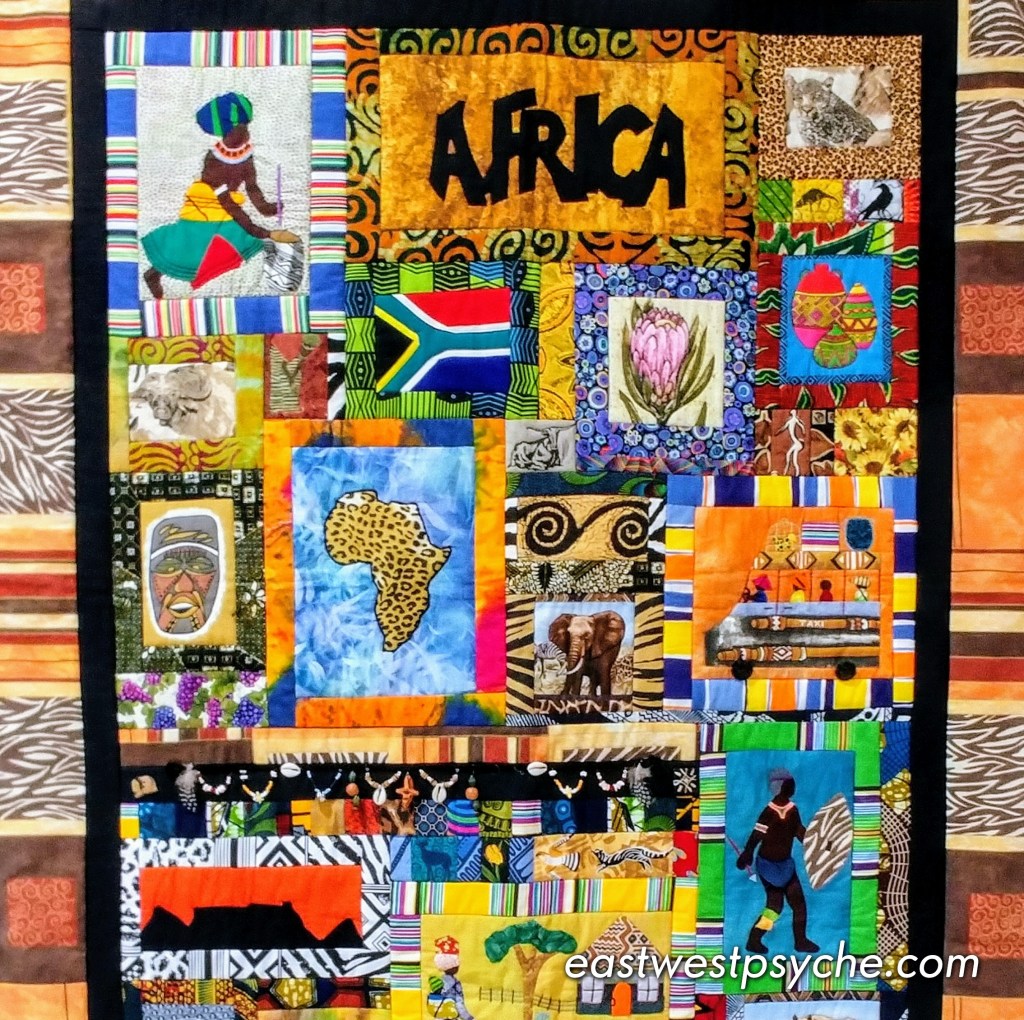
South Africa has often been described as a country of contradictions, challenges, and potential. Those born after 1994 are typically called “born-frees.” Culturally, South Africa is a widely diverse group of cultures with outside historic influences as well; their collective struggle against apartheid and birth of a “Rainbow Nation” initially engendered a high degree of social cohesion, but the ANC party has also fallen short of many of its original goals and given in to corruption in some areas. Some say that the racial divisions, though prioritised in reverse to the apartheid system, have not lessened but rather become even wider; a large percentage of Afrikaans or those of European descent have emigrated, while the impoverished townships remain. The culture itself is a bright mix, its economy second in the continent only to that of Nigeria, and the only African nation in the G20 — but with unemployment at 29% and a new approach to racial discrimination in policy, the society’s future is unclear.

~EWP


United Arab Emirates

20190211_180614_2

United Arab Emirates, a small island consisting of 7 emirates or sheikdoms, together a federal constitutional monarchy with its 7 emirs or sheikhs as federal council and a president and prime minister elected from among them. Officially an Islamic nation, the country provides for religious tolerance — as it must: UAE population, at 9.5 million, a growth of 5.4 million since 2005, consists of 11.5% citizens — and the remainder, foreign migrant workers. UAE has the second-largest Arab economy after Saudi Arabia.

20190211_182302_2

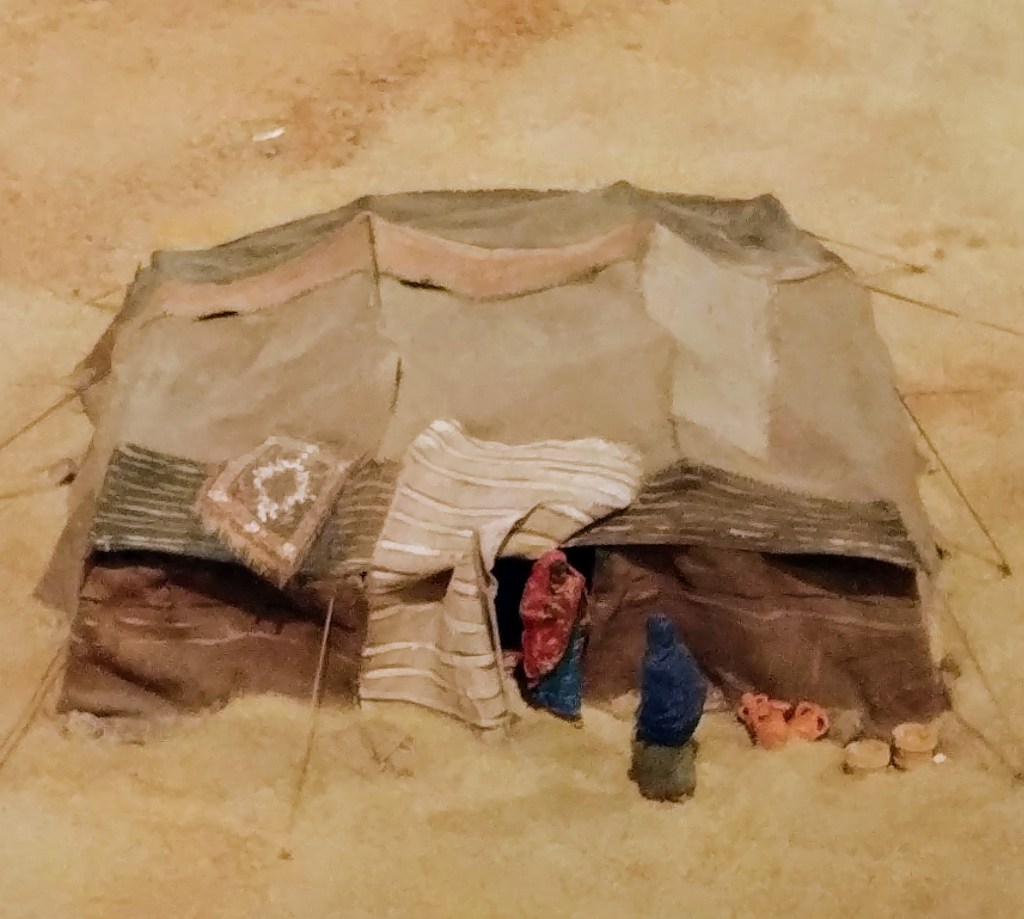
Bedouins, one of the earth’s earliest peoples and desert nomads of the Arabian world, are at the core of UAE’s several millennia-old culture. Primarily Arabic and Persian, the Emirati culture has also been influenced by the ancient Romans, Portuguese, and British, the latter of whom were in UAE most recently — from 1922 until its 1966 independence. With such a majority population of foreign migrants, the UAE government has made a concerted effort to identify, strengthen, and celebrate Emirati culture — so that it is not lost.

20190212_164605_2

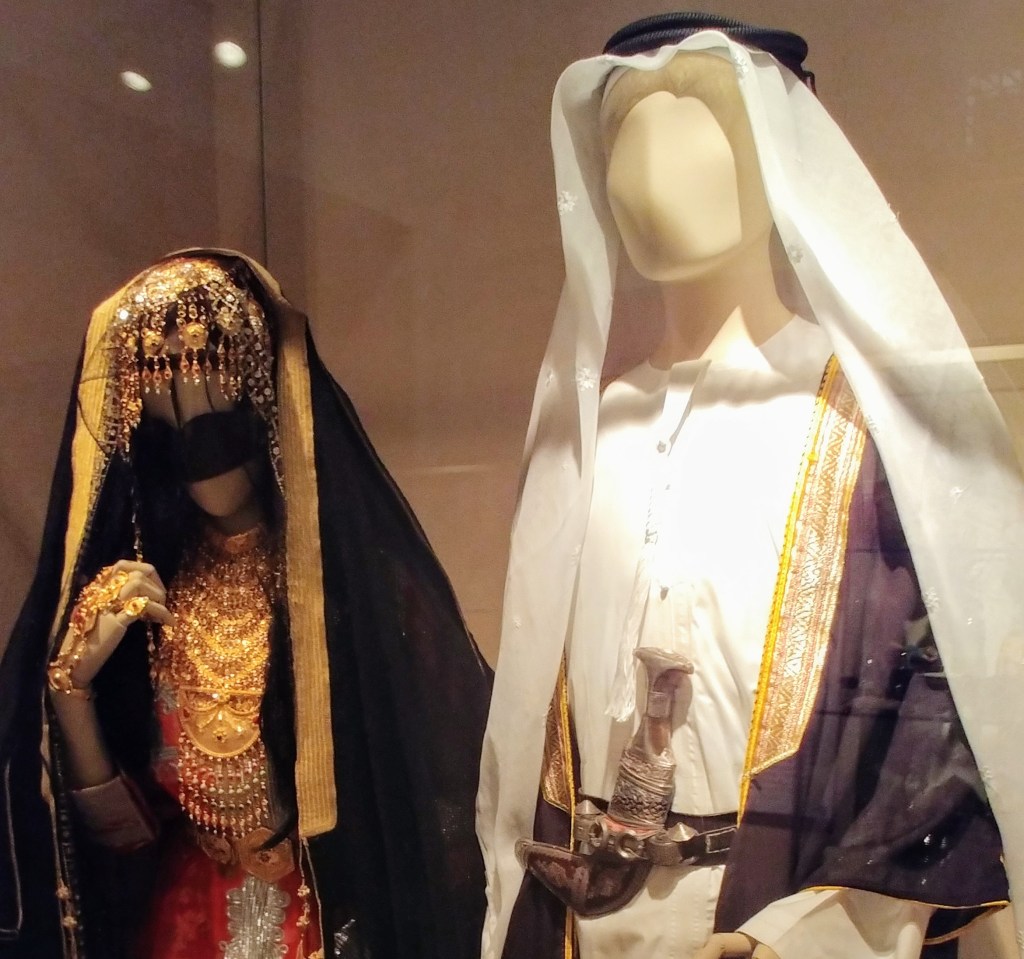
In a country with such a high percentage of foreigners, most of whom are male labourers, women represent only 28% of the total UAE population. Gender roles remain largely defined in Emirati culture, and both men and women still wear traditional dress — with modest attire generally required. UAE is among the more conservative Arabic nations; women must have permission of a male guardian to marry or remarry, for example. The status of women is on the rise, however: the number of women in the labour force has recently surged to 51%, and women hold 22.5% of parliamentary seats — with the president decreeing a 50% quota in December 2018. Emirati women are highly educated, making up 77% of tertiary enrollment and 70% of all university graduates.

20190211_182415_2

Education is highly valued in UAE, well funded with a curriculum set to match the nation’s development goals; the preservation of Emirati culture is also given high priority. Government initiatives of cultural preservation, known as “Emiratism,” include the promotion of Emirati identity, prioritising of citizen employment, and other sociocultural initiatives.

20190212_124016_2

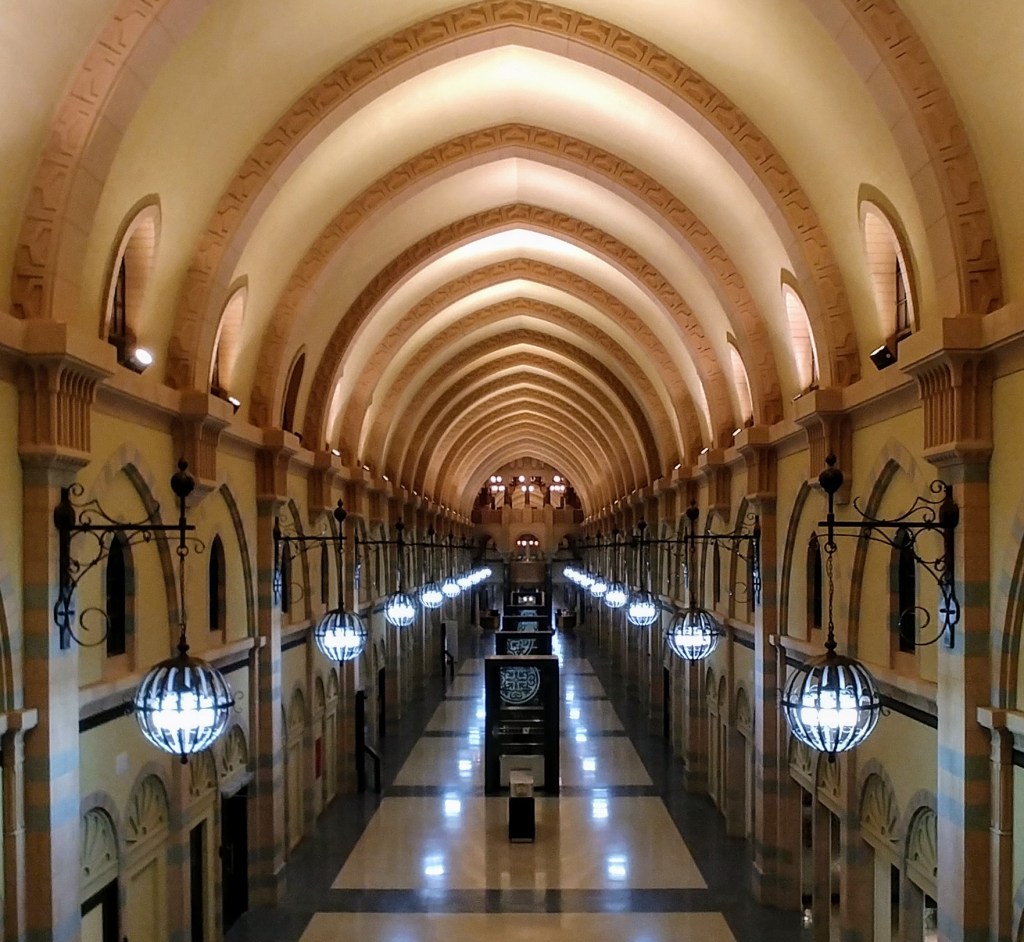
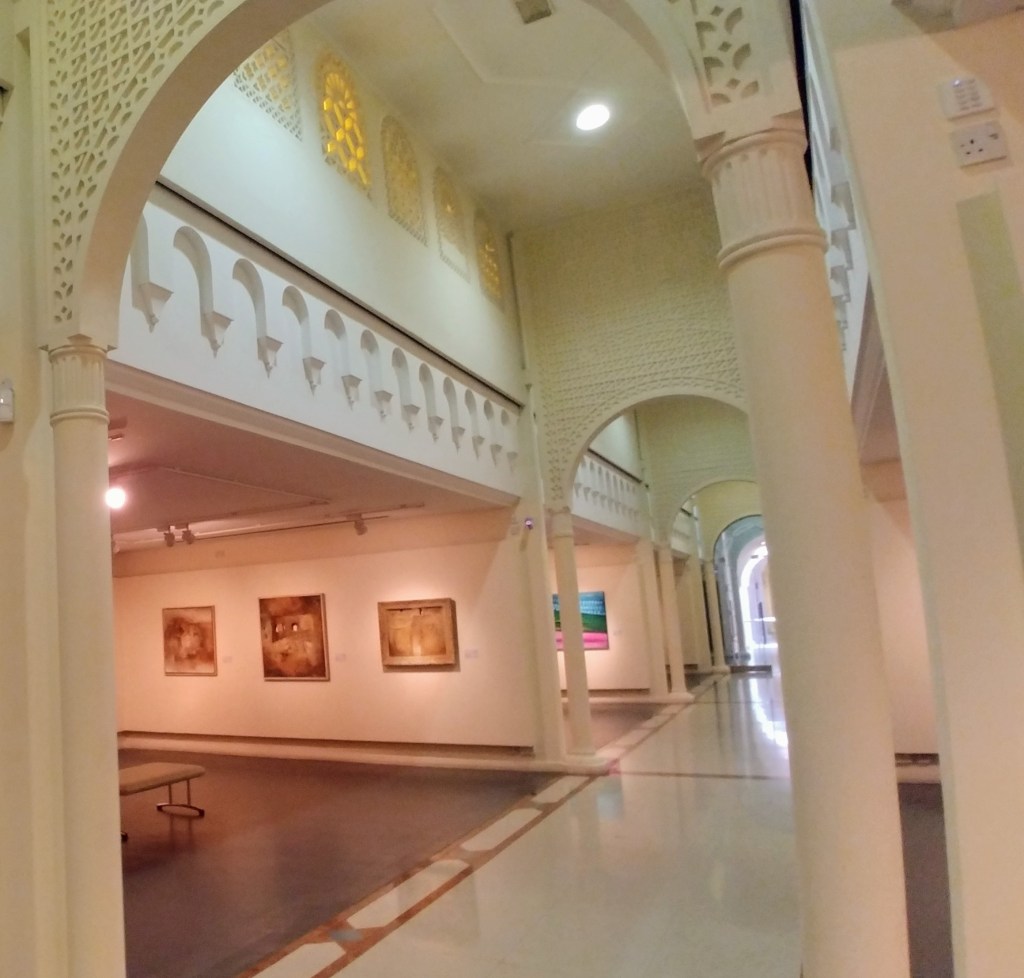
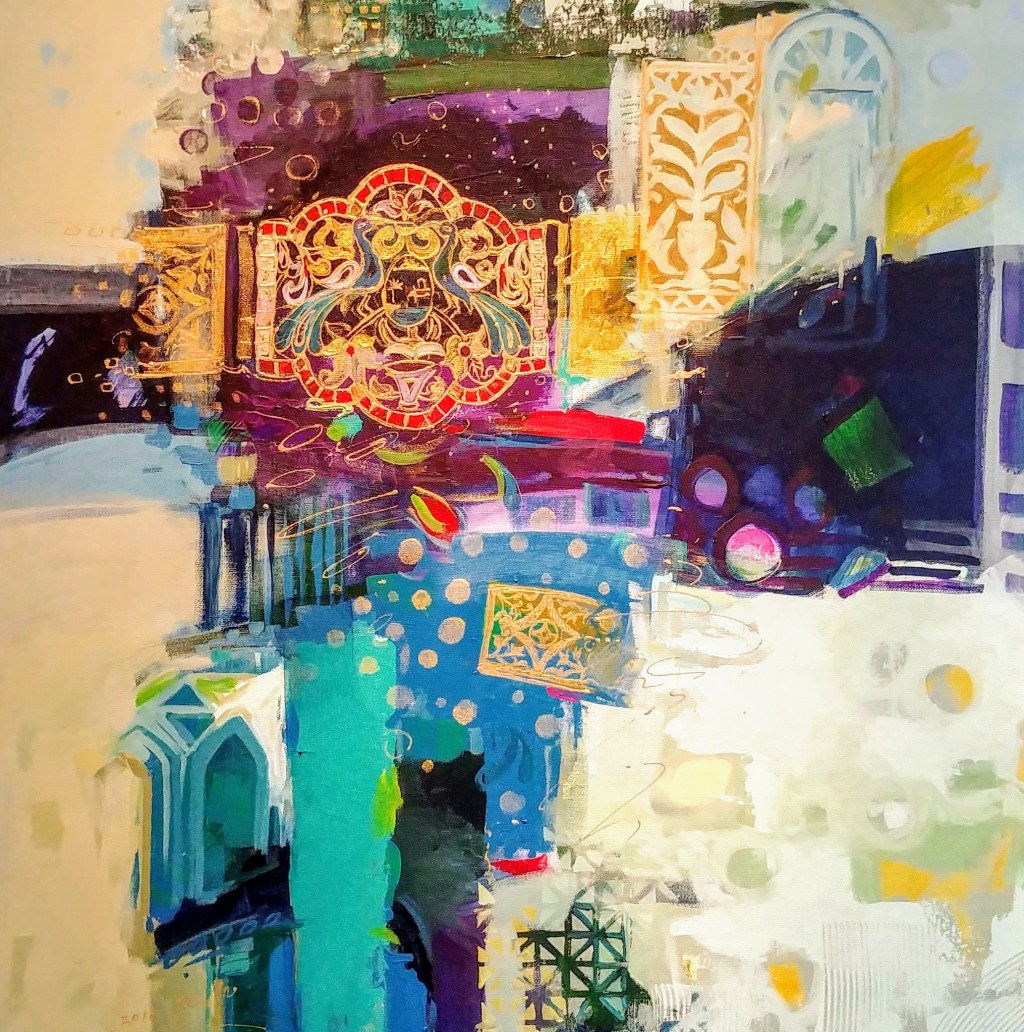
The fine arts are highly valued by Emirati people. Architecture is inspired by Islamic, Arabic, and Persian styles; there is a strong emphasis on literature and poetry, music and dance. In visual arts, contemporary styles — including themes of social criticism — can easily be seen, in addition to the influences of Islam in sacred art forms. 20190212_165515_3

Emirati culture is a blend of tradition and modernity, of defined gender roles and a current emphasis on gender equality — with education of women far outpacing that of men. Based in Bedouin, Arabic, and Persian traditions, hospitality and etiquette are especially high values. However, the federation has also been often accused of human rights violations — as journalistic freedom of speech is strongly curtailed, and its criminal law, by most measures, draconian.

~EWP

Serbia

20180920_184155_2_Signature

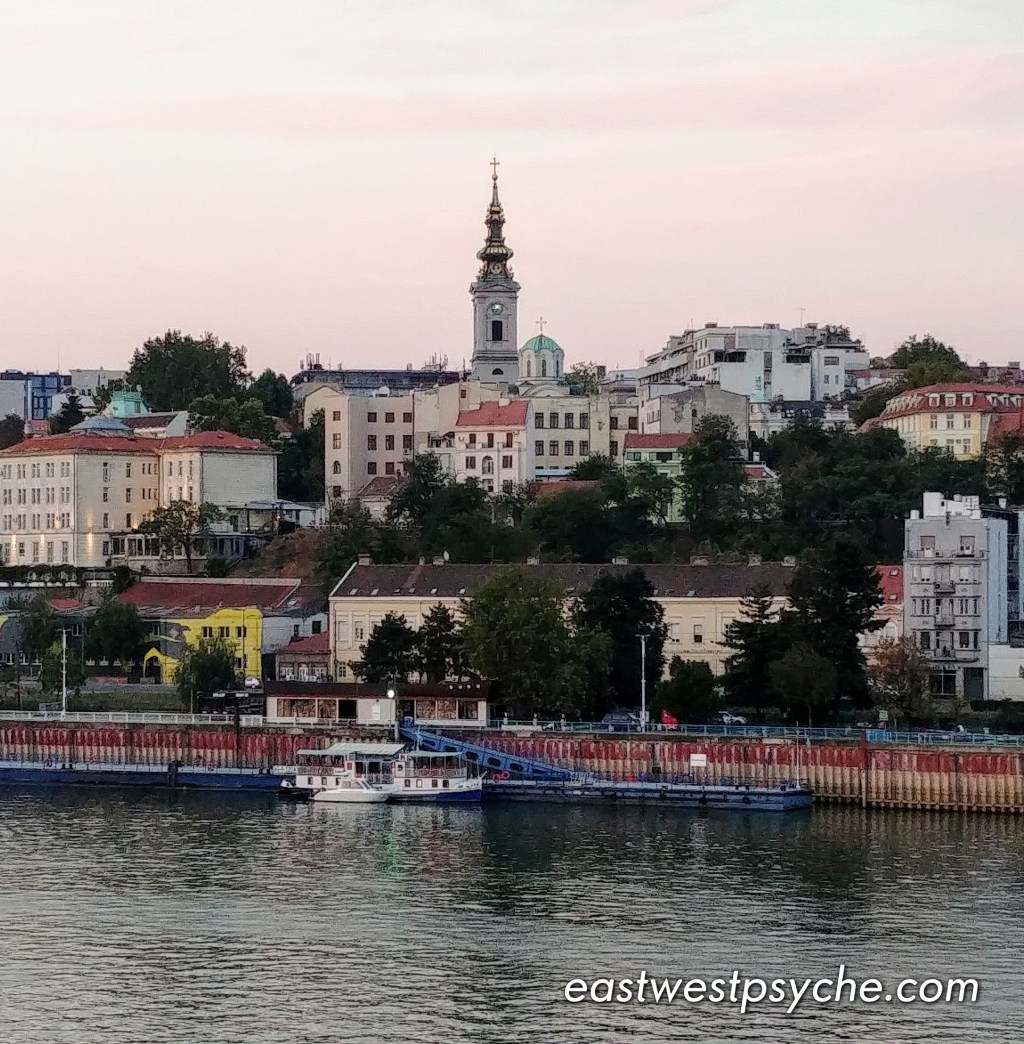
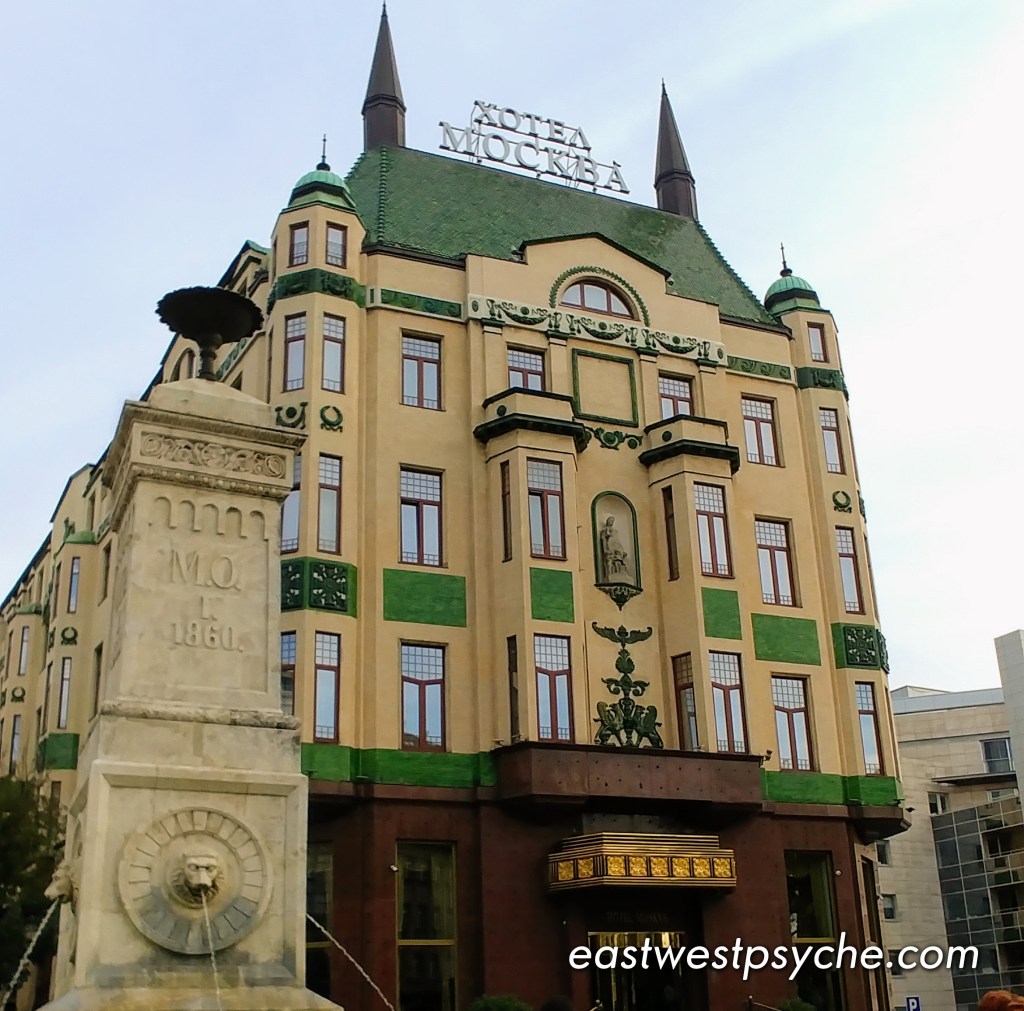
Serbia conjures many and widely varied images. A Slavic culture since 6th century CE, secular state with guarantee of religious freedom — though 85% Serbian Orthodox, and a population of 7 million that is 83% Serbian, this relatively monocultural country has a long history — and a tumultuous modern era.

20180920_173548_2_Signature

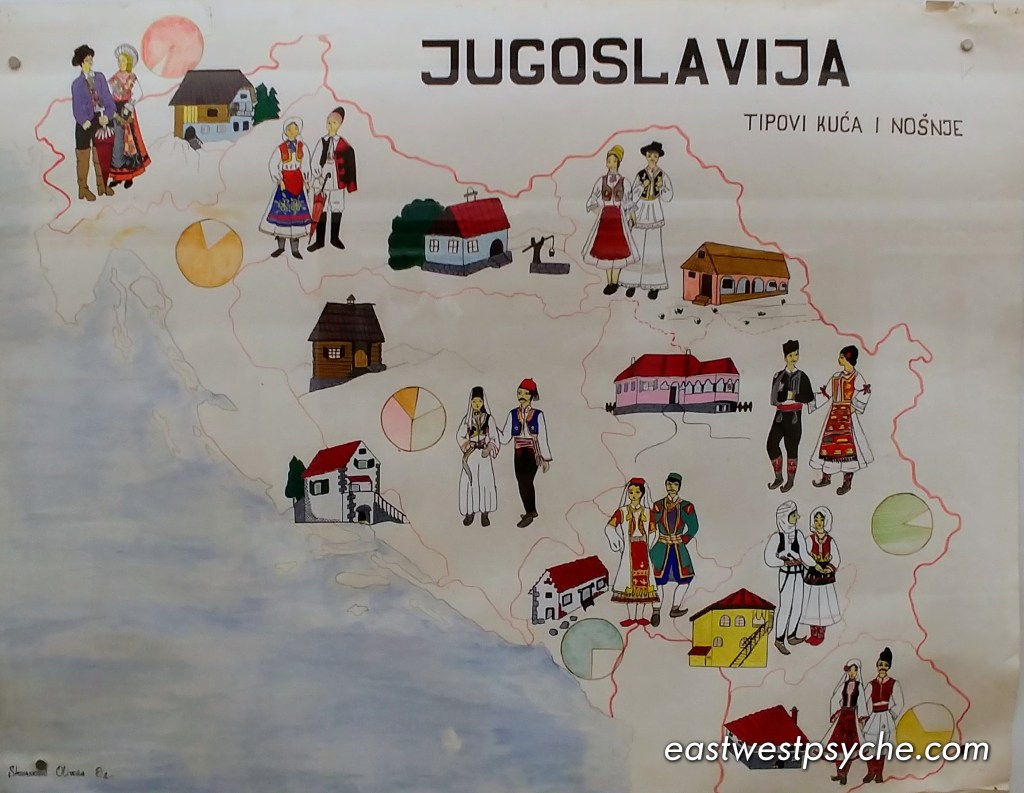
In addition to its Slavic cultural foundations, Serbia was ruled by the Ottoman Empire for several centuries, which remains a notable element of Serbian culture today. Soon after Ottoman retreat, Yugoslavia, a composite of 6 countries, was born: first as a pan-Slavic kingdom (1918-1941), then a socialist republic (1945-1992), in which Serbia as such had a leading role; together with Montenegro, a federal republic under this name continued from 1992 to 2003.

20180920_160649_2_Signature(1)

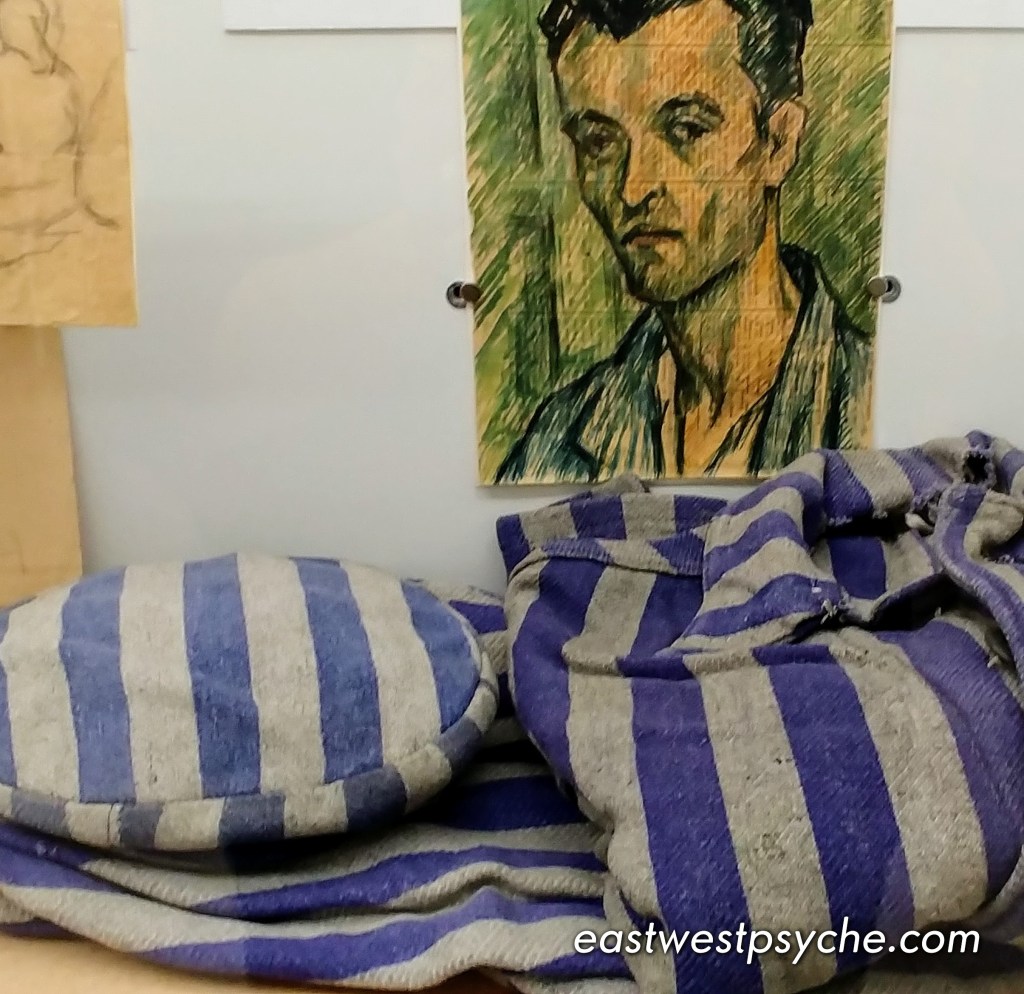
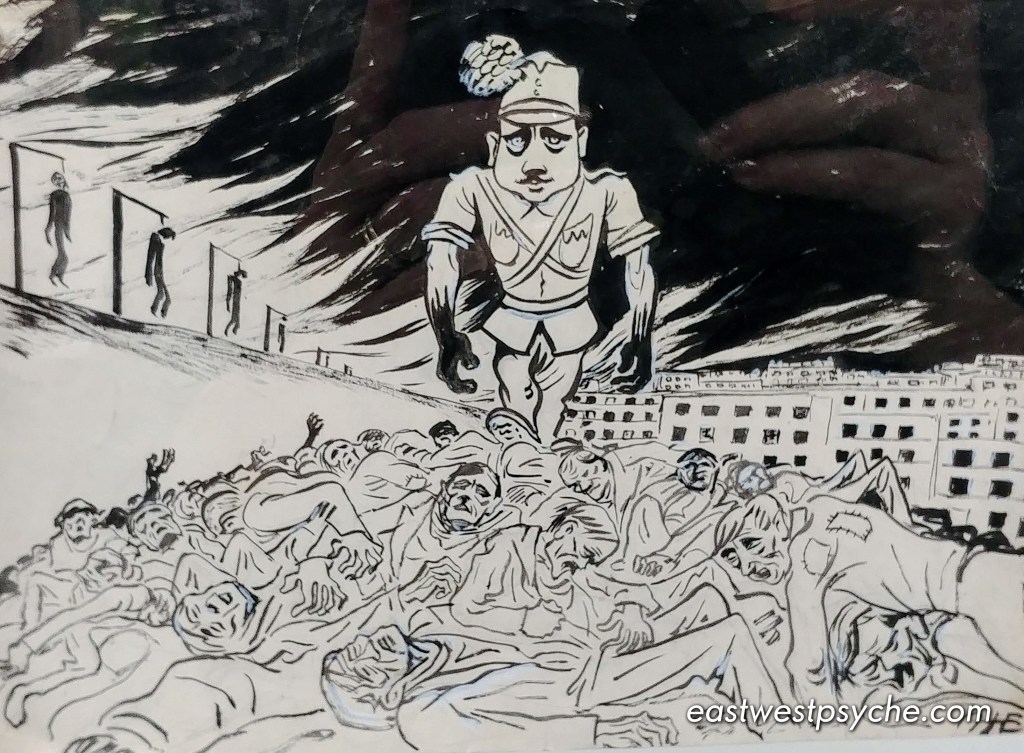
A March 1941 coup d’etat in the Kingdom of Yugoslavia led to the instillation of a weak government — and was overrun by Axis Powers just 1 month later, then partitioned among Germany, Italy, Hungary, and Bulgaria to the war’s end. In Serbia, the Holocaust resulted in mass murder of Serbs, Jews, and Roma, and the country was second in Europe (after Estonia) to be declared Judenfrei — Jews having been executed on the spot, as in Poland and USSR, rather than deported to camps.

20180920_160232_2_Signature

Communist purges in Serbia, of Germans, Serbs, and Hungarians, took place 1944-45 and resulted in 55,000-100,000 deaths — a figure that remains elusive and controversial to this day. This period of chaos and mass violence ultimately ushered in the second Yugoslavia, this time socialist, with Belgrade as its capital.

20180920_161347_2_Signature

Serbs, at 36%, made up the primary ethnic group. With a ‘Titoist’ single political party government 1948-1990, Josip Broz Tito (president, 1953-1980) remains a cult figure to this day; his mausoleum, “House of Flowers,” is maintained as a shrine — to him, and to Yugoslavia. The Yugoslav Wars (1991-2001) — a series of violent actions among various of the former partner nations — ultimately resulted in 140,000 deaths and multiple charges of war crimes including genocide, ethnic cleansing, and war rape, and are widely considered the most violent wars in Europe since World War II.

20180920_184755_2_Signature

Serbian culture, Slavic with a recent Ottoman influence of several centuries and an especially violent and traumatic modern era, much of which remains unresolved, is not easy to define. Orthodox religion is a strong component, beneath which still lies ancient Slavic traditions; visual and performing arts, literature and music, and aesthetics overall are highly valued. Relationship is primary, especially in the form of family and close friends; there is a staunch pragmatism, of living in the moment — and a certain defensiveness and defiance, accompanied by dark humour, understandable in light of recent history.

20180920_174137_2_Signature

On the Hofstede cultural scale, Serbia scores very highly for power distance or hierarchy (86) and even higher for uncertainty avoidance or risk aversion (92); the culture scores especially low for individualism (25), and for indulgence or leisure (28) — and on the median for masculinity or distinct gender roles (43) vs femininity or overlapping roles, and for long-term orientation or planning (52). Though not easy to describe, it can surely be said that Serbs are passionate — and tend to be proud, both personally and nationally.

~EWP