Category: Uncategorized

Malaysia

20180126_135633_HDR_2_Signature

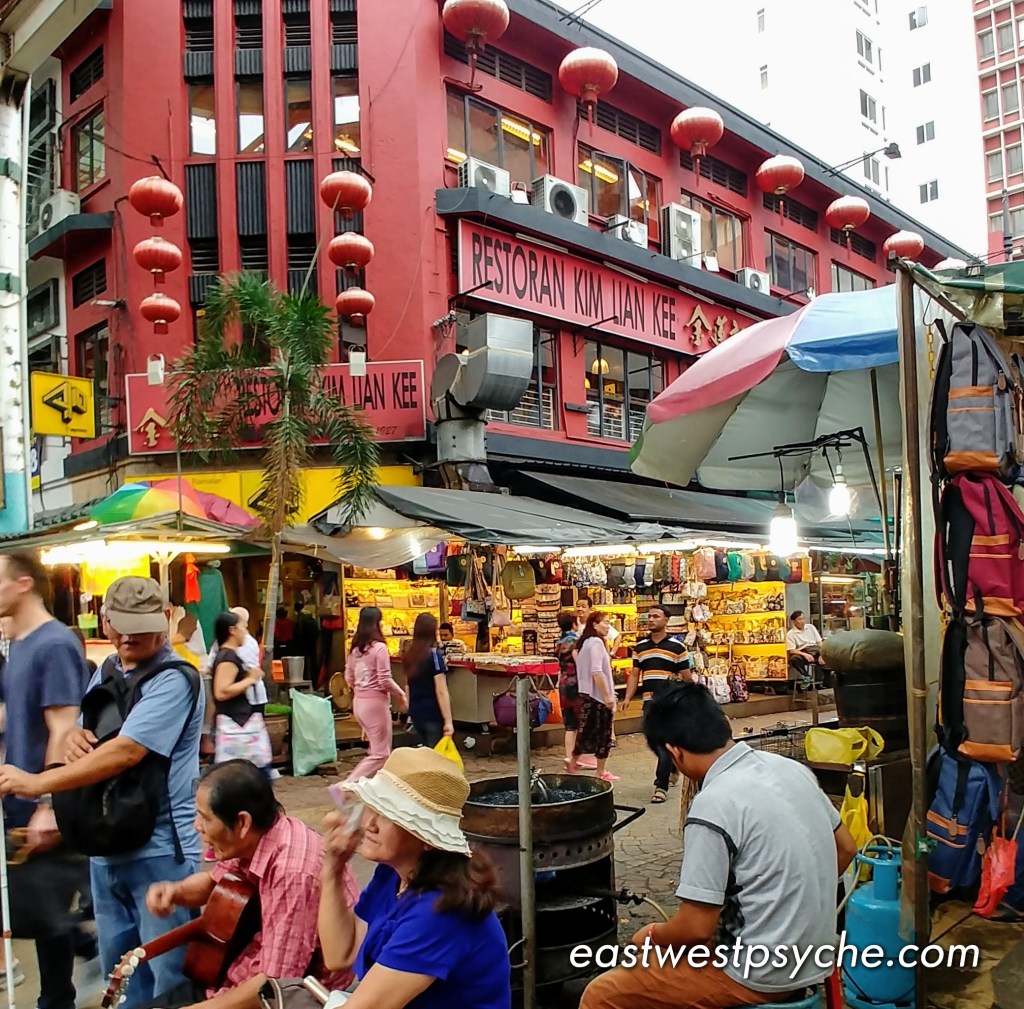
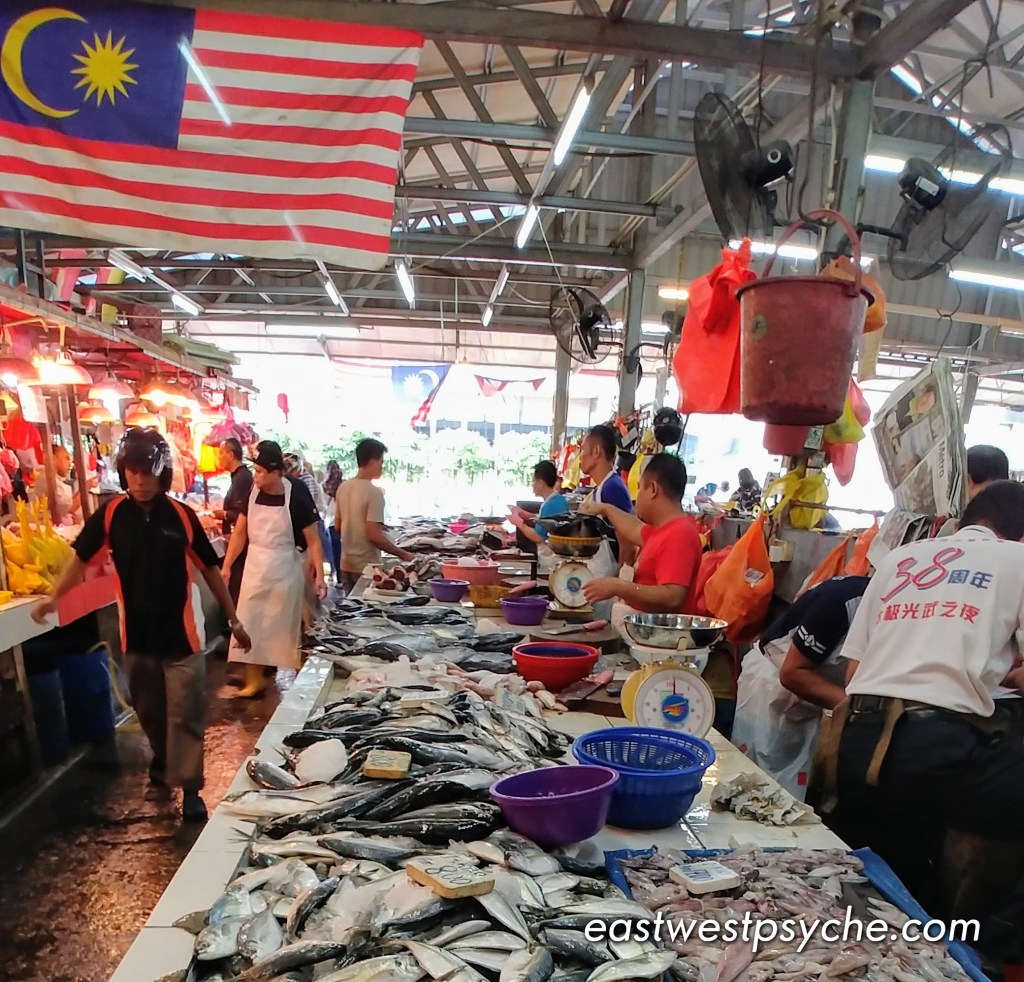
Malaysia is a federal constitutional monarchy of 30 million people — multi-ethnic and multicultural, a key factor in guiding policy. The country has an array of historical cultural influences: once the Malay kingdom, successively colonised by the Portuguese (450 years), the Dutch (130 years), and the British Empire (130 years — minus 4 years of Japanese wartime occupation, 1941-45), independent since 1957. Modern Malaysia consists of 3 primary ethnic groups — Malays + indigenous (collectively called bumiputera) who constitute 62%, followed by Chinese (21%), and Indian (6%) — plus 62 other local ethnic groups, and nearly 10% foreign residents. Social cohesion has long been a primary focus of this nation.
20180126_131501_HDR_2_Signature

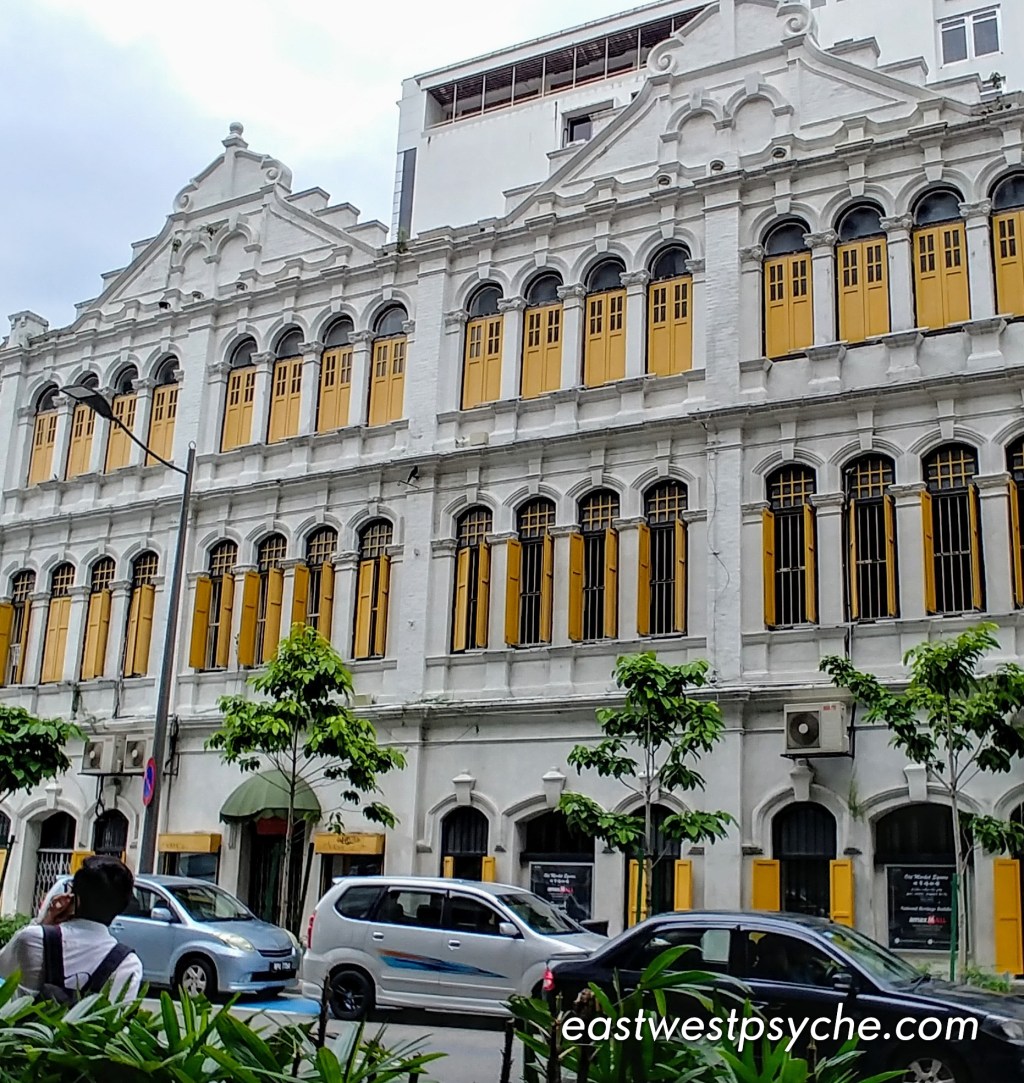
While Portuguese and Dutch historic influences cannot be disregarded, the British era is the most recent — and remains a factor in Malaysia’s cultural matrix to this day. Elements of this legacy include English proficiency in more than 60% of the population, educational reforms, development of rubber, tin, and tea industries, political structures — and the very multicultural nature of Malaysia, as migrant workers from China, India and elsewhere came in large numbers during the British era. Above all — while never extolling the nature of colonialism — Malaysian culture today has a high degree of openness to the global community as a result of this history.


20180126_131358_HDR_2_Signature

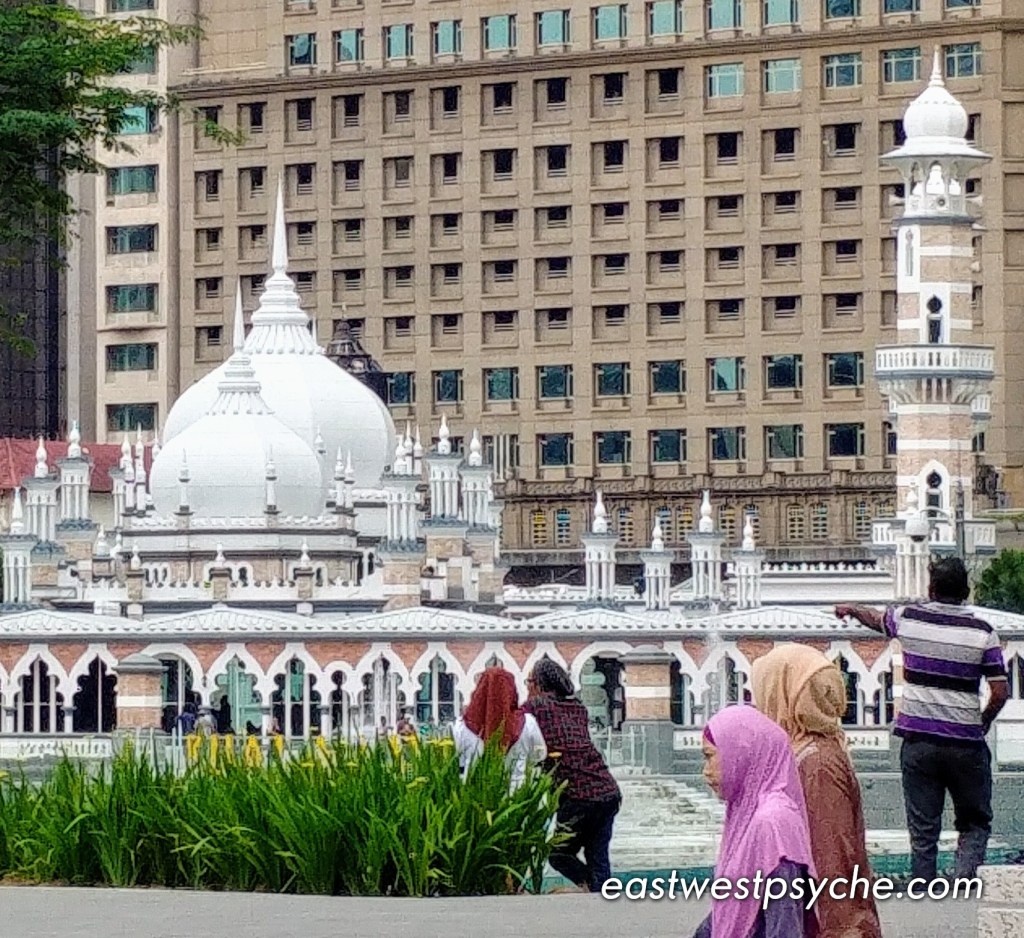
Malaysia is a Muslim-majority culture, with more than 61% of the population adhering to same; while religious freedom is constitutionally protected, Islam is identified as the nation’s official religion in that same governing document — and as such is a key cultural factor. There is a high degree of religious tolerance, if not integration; the three primary ethnic groups generally practice different religions and on this basis, alongside other cultural features, tend to remain socially segregated.
20180125_172018_HDR_2_Signature

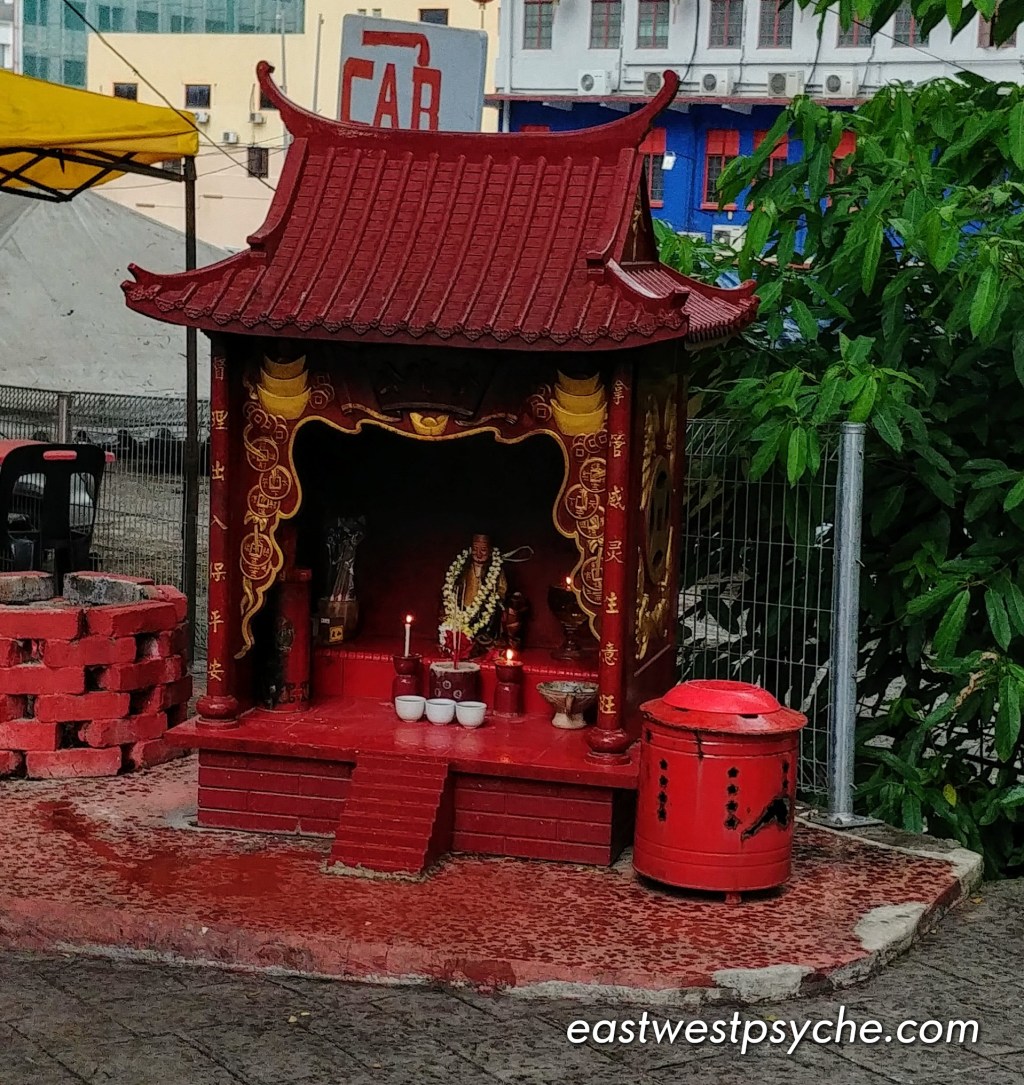
Owing to the significant Chinese population, Buddhism is the second largest religion at 20%, while Taoism and other indigenous beliefs also factor highly in Chinese Malays culture; most of the Indian culture is Hindu, though some are Muslim, and Christianity, Bah’ai, Sikhism, as well as animistic and folk religions are also present. Malaysia has been criticised by human rights groups not for religious intolerance but for the persecution of the nonreligious — as atheism is culturally and even legally unacceptable.
20180126_112702_2_Signature

The market economy of Malaysia is considered one of the “ASEAN-6” — a top emerging economy alongside those of neighboring Singapore, Thailand, Indonesia, Vietnam, and also Philippines. Open and industrialised, theirs was considered one of the most competitive in Asia for 2014-15: 6th in Asia and 20th globally. Vision 2020, a development policy launched in 1991, aims for Malaysia to be a self-sufficient, fully industrialised nation by this year. A centre of Islamic banking, the country boasts the highest number of female workers in that industry.
20180126_120534_2_Signature

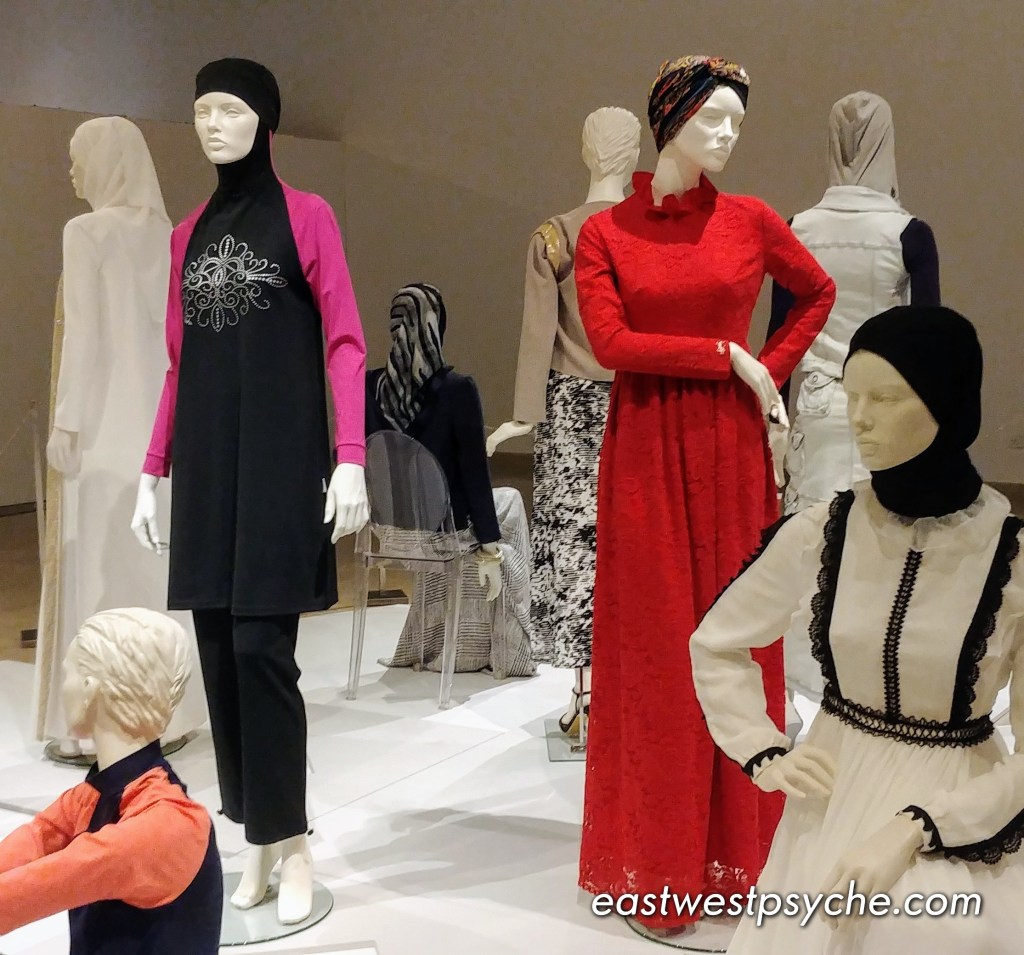
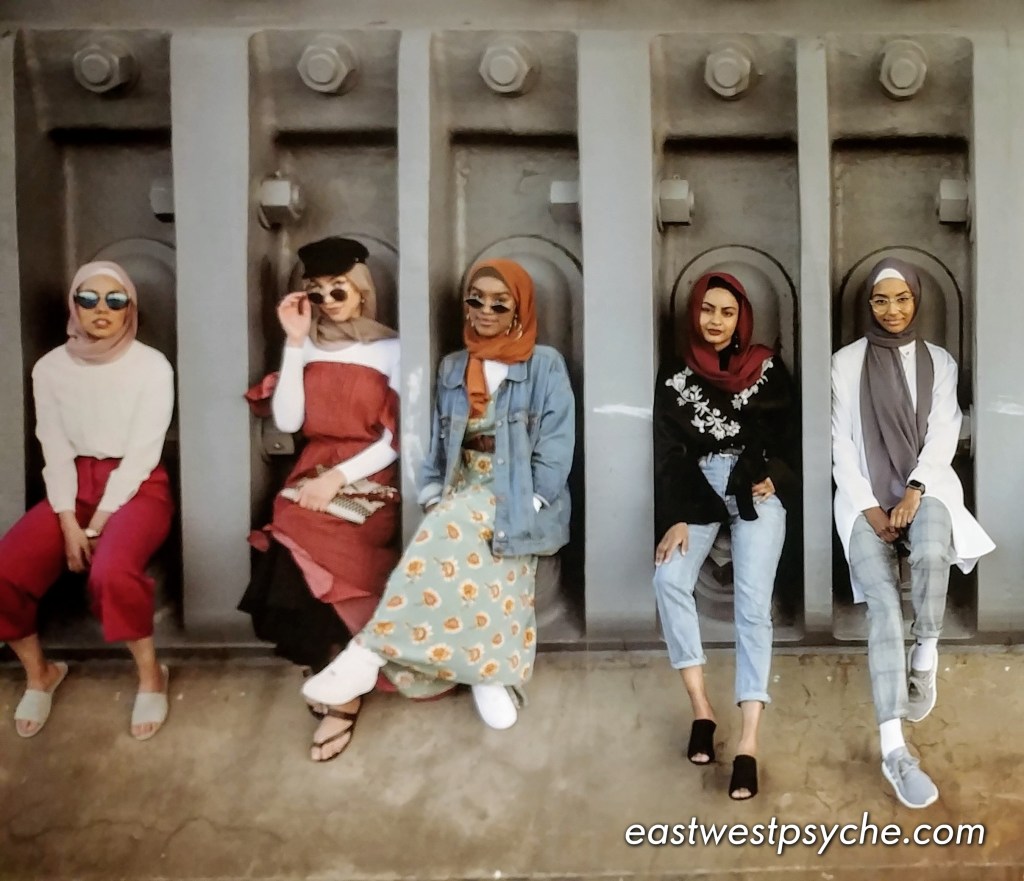
Malaysian women have a relatively high status among Muslim-majority countries, though average for East Asia; participation in the labour force is 53.5% compared to 77.7% males (2017), while education status is one of the highest globally: 48% females in tertiary education compared to 38% of males, girls consistently outperforming boys in achievement testing, girls encouraged to enter STEM fields, and nearly 50% of researchers are female. While a recent change in government — the first of its kind since independence in 1957 — promised a minimum 30% participation of women, however, this has yet to be achieved.
20180126_120544_3_Signature

Three key areas of concern among Malaysians (2017 survey) are: governance, unemployment, and immigration. Social issues focus primarily on adolescents: teen pregnancy and abortion, alcohol and substance abuse, and suicide, while teens themselves identify post-graduate unemployment and lack of future prospects as a key concern. Other concerns, especially in East Malaysia, are income disparity, social inequality, and lack of political representation. Undoubtedly, these concerns have sparked the recent ‘shock election’ that signifies a major political shift; community initiatives to address social concerns at the civic level have also skyrocketed.

20180126_115836_HDR_2_Signature

Malaysian culture, then, is a rich milieu of 3 dominant ethnicities, numerous smaller indigenous groups, historical foreign influences — and attempts both social and political toward social cohesion and some measure of integration, while celebrating this multi-ethnic and multicultural nature. A 1971 “National Culture Policy” first attempted to define Malaysian culture from a legal standpoint, though it is a continually evolving process.

~EWP
Senegal

20181225_185734_2_Signature

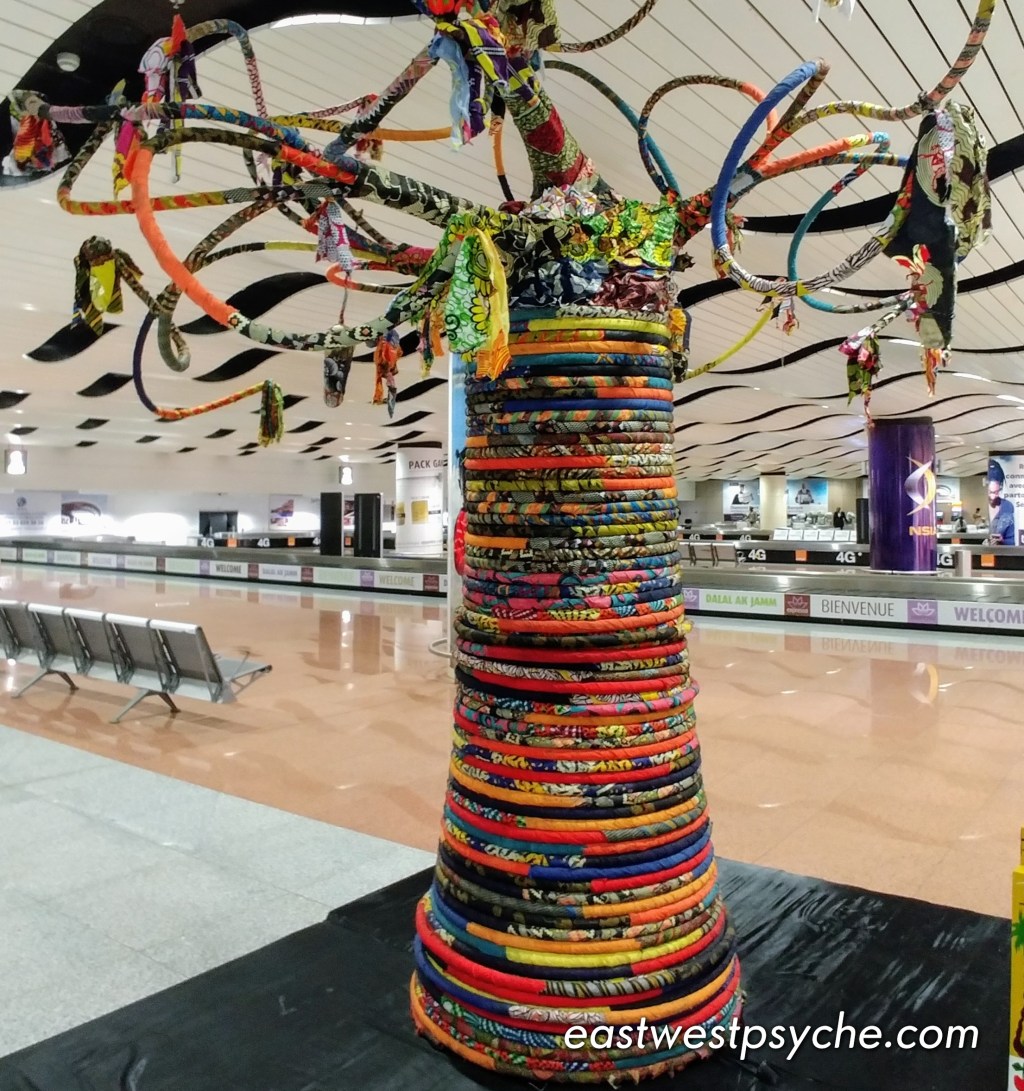
Senegal, 108th globally in GDP ranking — and 151st, in GDP per capita — nevetheless has one of the most well-developed tourism infrastructures in the African continent, including a new international airport outside of its capital city, Dakar. Once the capital of French West Africa, with banking and other institutions still serving the area, the country has a newly minted commitment from Senegalese-born entertainer Akon — to build a 2,000-acre futuristic “Akon City” complete with its own cryptocurrency, development to commence in July.

20181227_121506_2_Signature

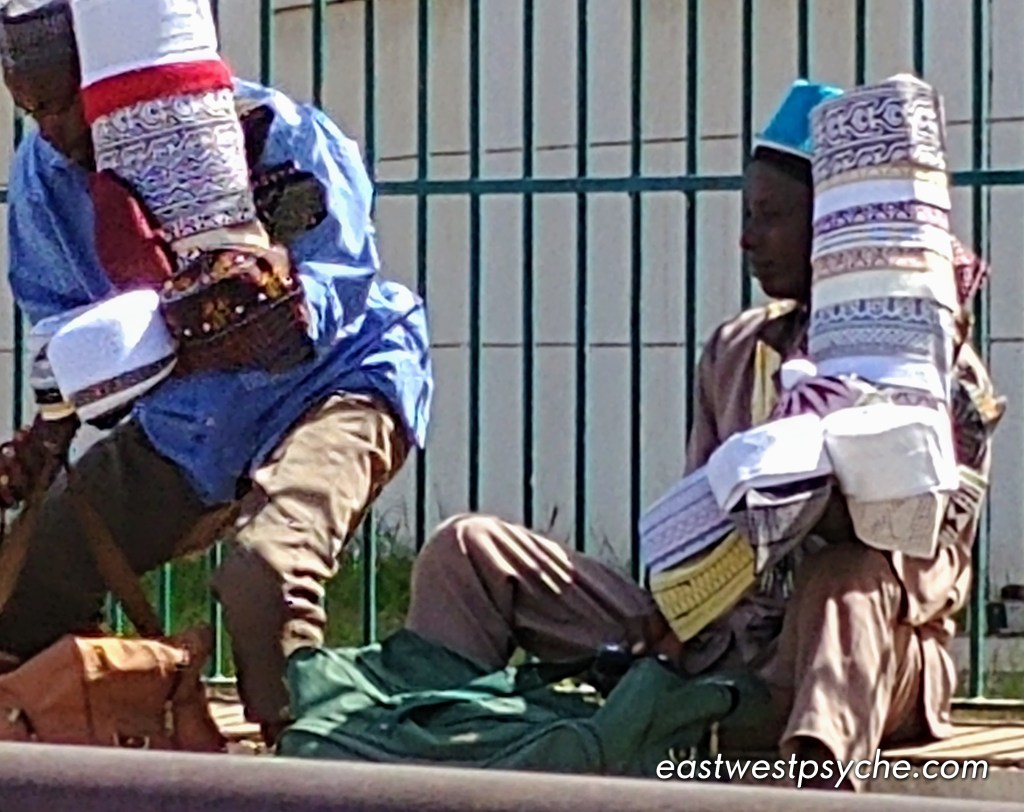
Senegal is home to a number of ethnic groups, the Wolof making up nearly 50% of the country’s population, with another 24% Fula and 15% Serer. The latter are deemed an ethno-religious group as their indigenous religion is still practiced today, and syncretised with Catholicism in a way similar to Cuba’s Yoruba, Haiti’s Santeria, or Ecuador’s overly of Pachamama onto the Virgin Mary. While French is the official language owing to earlier colonialism, languages of these groups are widely spoken — even in the capital of Dakar, where Wolof is more likely to be encountered.


20181227_121257_2_Signature

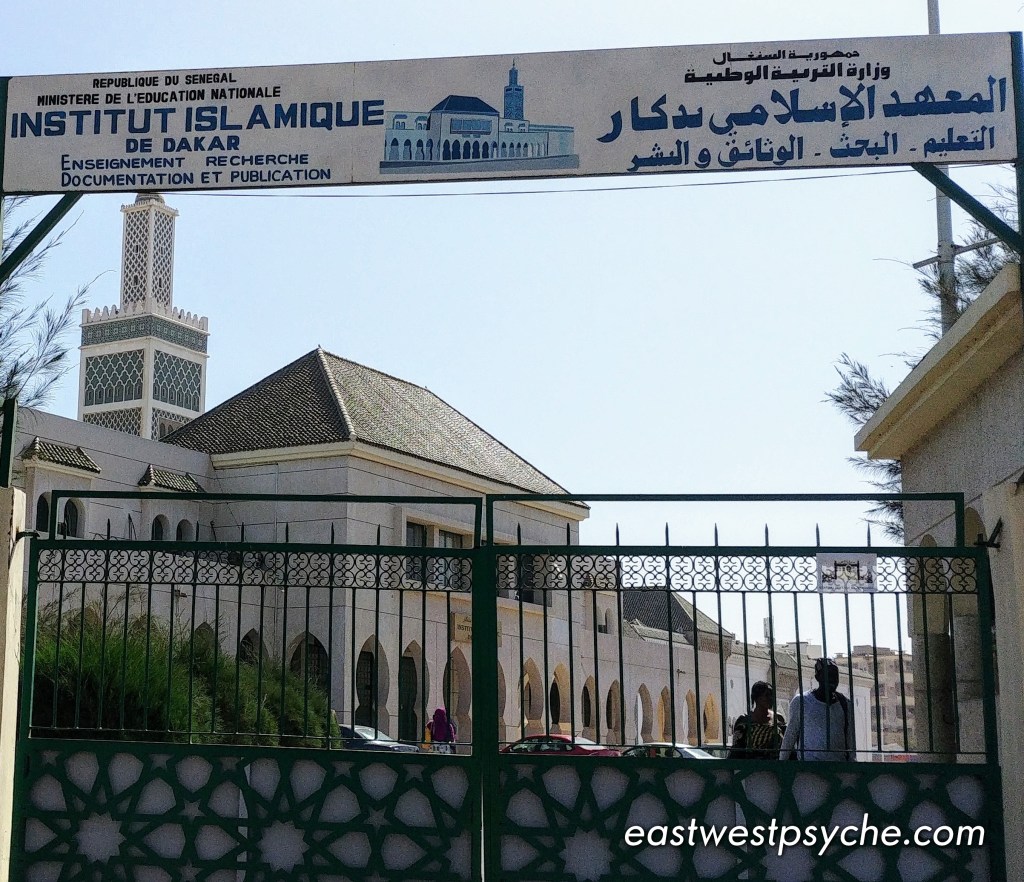
Though Senegal is constitutionally a secular nation, more than 95% identify as Muslim — and Islamic schools are more popular than the French education system. The Serer indigenous religion is still practiced, though most often syncretised with Catholicism, and a small percentage identify as adherents of Protestantism or other religions. Education is free and compulsory to age 16, though there is still a high degree of illiteracy, with a current literacy rate of 51.9% overall — 64.81% for males and an appalling 39.8% for females, despite a long history of valuing schools for girls.


20181227_121543_3_Signature

Women of Senegal have been making steady progress, though gender roles remain largely dictated by both tradition and religion. One area of success is parliament, due in large part to a quota system implemented in 2010: women hold 42.7% of the total seats, ranking 3rd in Africa and 7th in the world for same. They are the only Muslim-majority country with such a record — often accredited to a longstanding Sufi tradition of encouraging the development of girls and women. The World Bank places Senegal’s female participation in the labour force at 35%, however, with income disparity a key issue. Amsatou Sow Sidibe, former — and future — presidential candidate, aims to become the country’s first female president.


20181226_140952_2_Signature

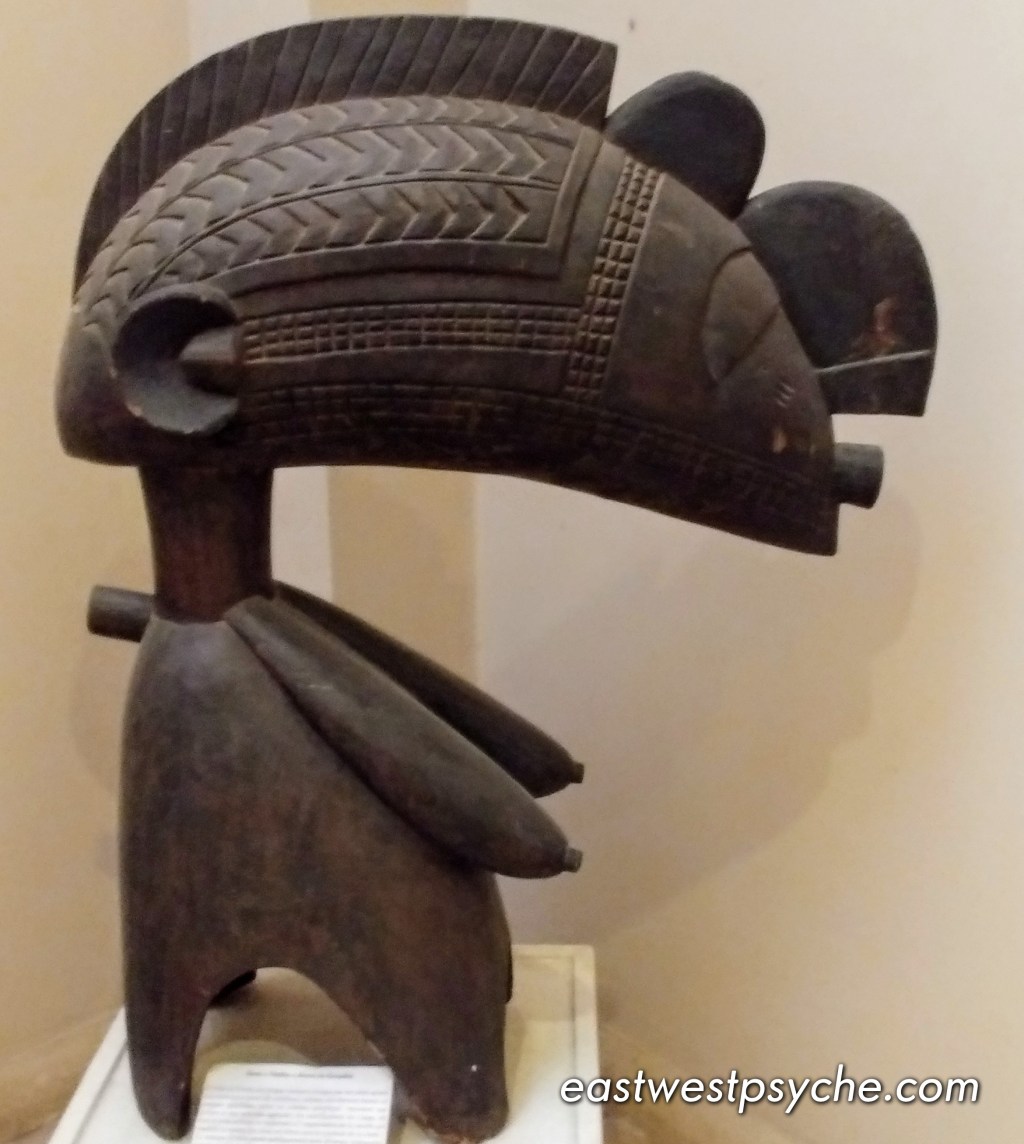
The culture of Senegal places an exceptionally strong emphasis on hospitality. Creative expression, in the form of both traditional and contemporary arts, is also highly valued; Senegal is particularly known for its musical contributions to the world. Oral tradition in the form of storytelling, with the professional storyteller known as griot, is another key element of Senegalese culture.

20181228_012249_3_Signature

Senegalese people have a history of colonialism by both Dutch and French, the latter of which remains a significant cultural influence; prior to that time, they were also engaged in the Atlantic slave trade. Having reasserted their independence in 1960, they are a young nation with a quasi-democracy, who have remained largely stable since that time — with a strong work ethic and focus on the development of their nation and their society.

~EWP


Qatar

20190131_175121_2_Signature

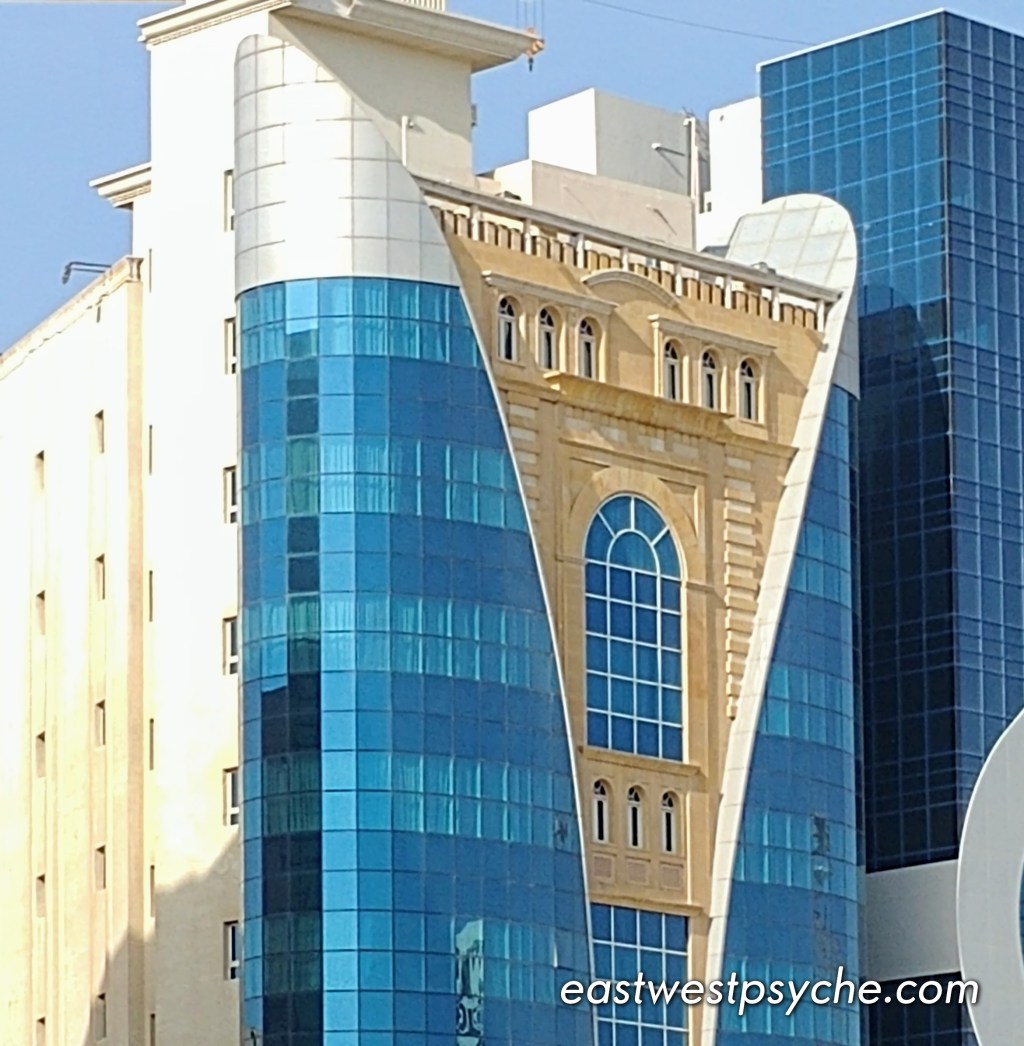
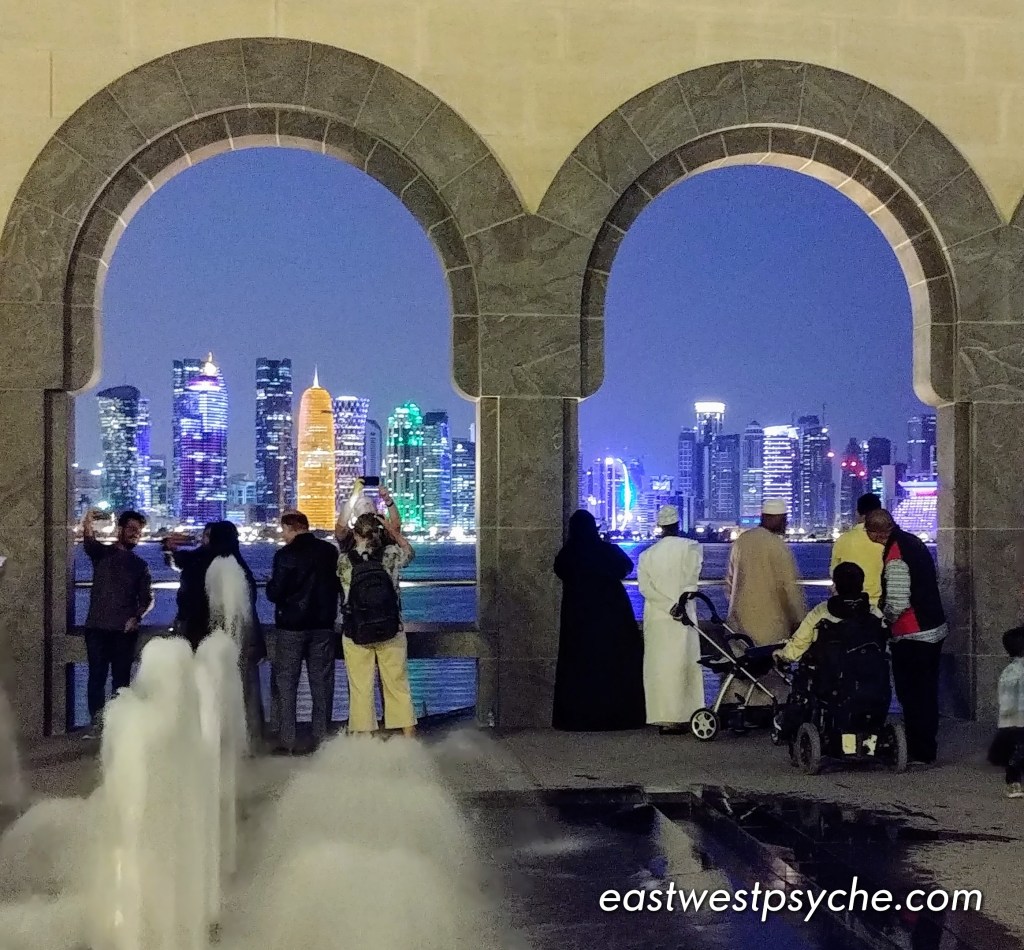
Qatar, a tiny peninsula in the Persian Gulf that shares a land border with Saudi Arabia and is in proximity to the island nation of Bahrain, is often referred to as ‘the richest country in the world’; conversely, its detractors have called it ‘a family that has a country’ and implied that it has no significant historic, religious, or cultural heritage. Ruled by the House of Thani since its recognition as a country in 1868, independent since 1971 with a constitution since 2003, it is conversely — and controversially — referred to as either a constitutional or absolute monarchy.


20190131_084254_2_Signature

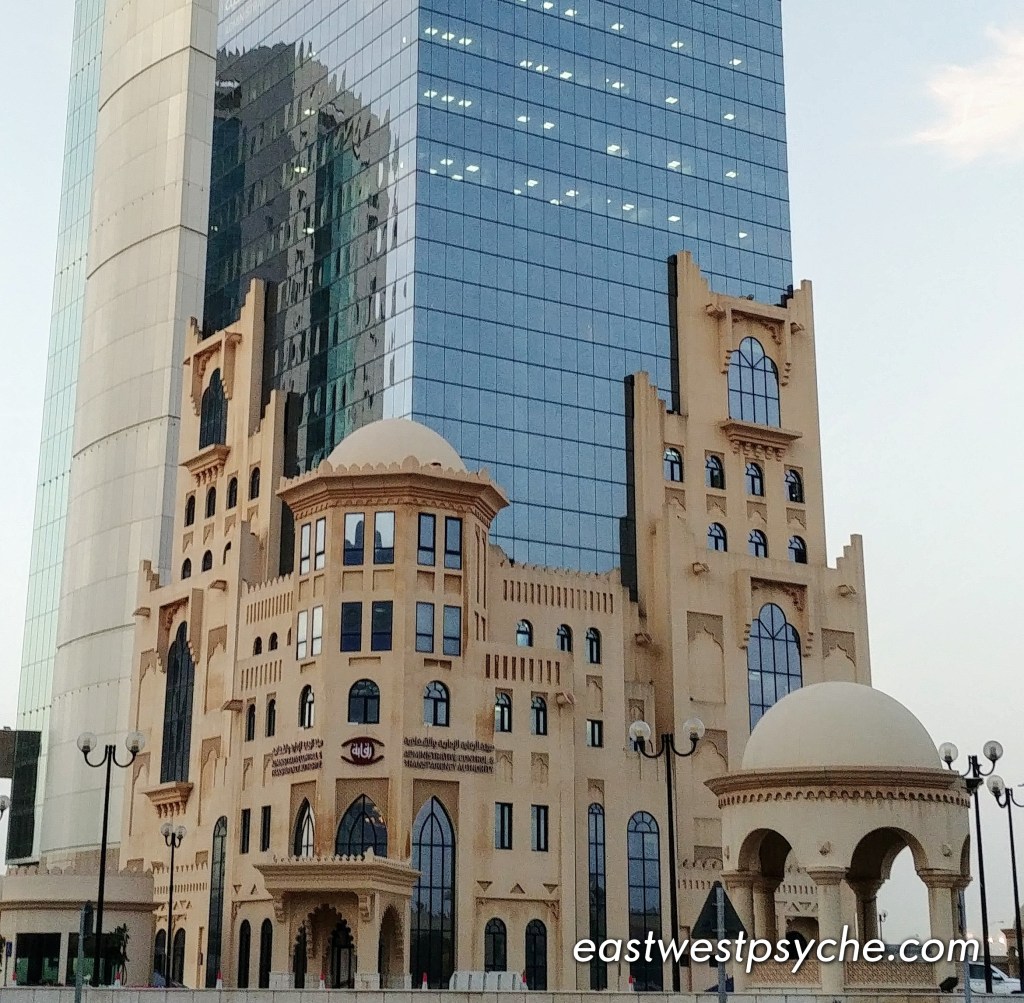
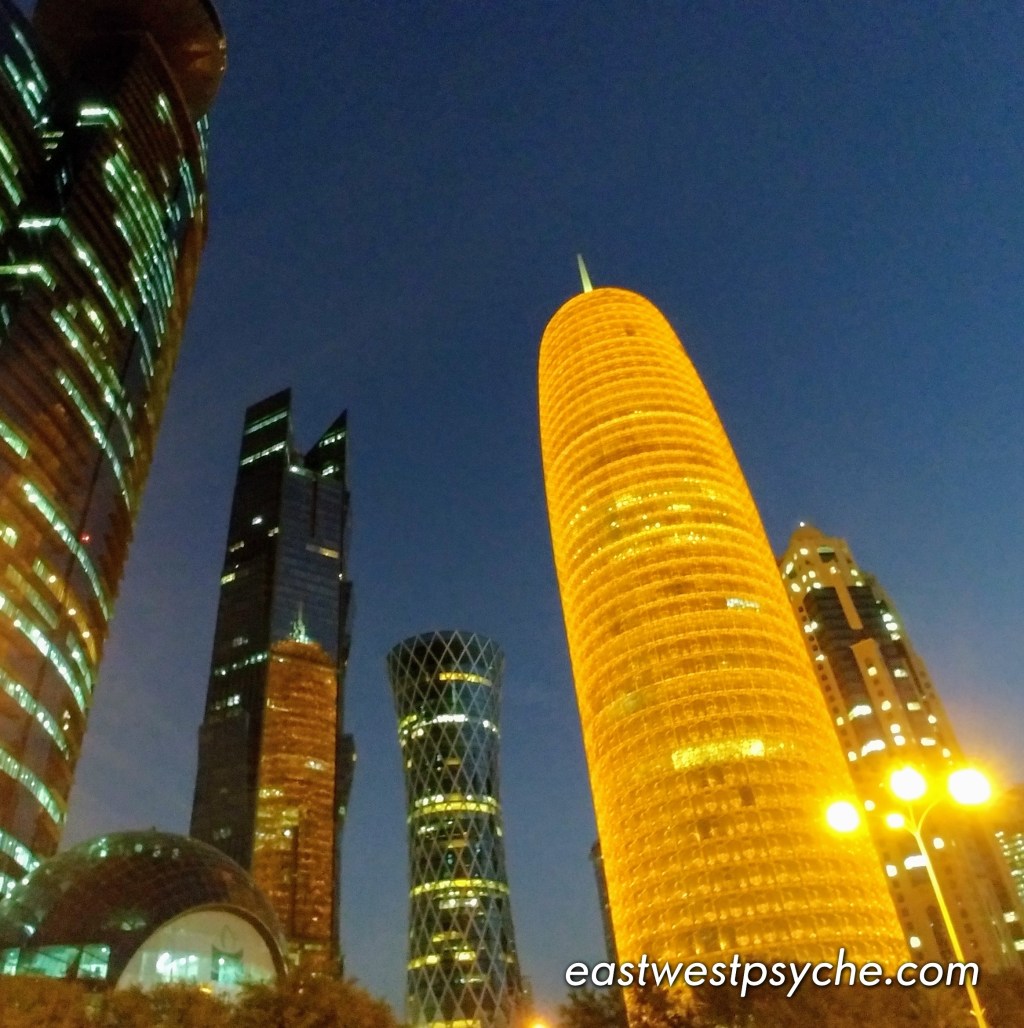
Qatar has a population of 2.3 million — with expatriates outnumbering Qatari 8:1. Its GDP is the world’s 4th highest per capita [IMF], based on oil discovered in 1940; the country is also the world’s leading exporter of liquefied natural gas. Profit from these resources is reinvested in the country’s infrastructure, which can be seen in its plethora of modern architecture and other such facilities; it has also been diversified in multiple property investments worldwide, for stable wealth protection.


20190131_180842_2_Signature

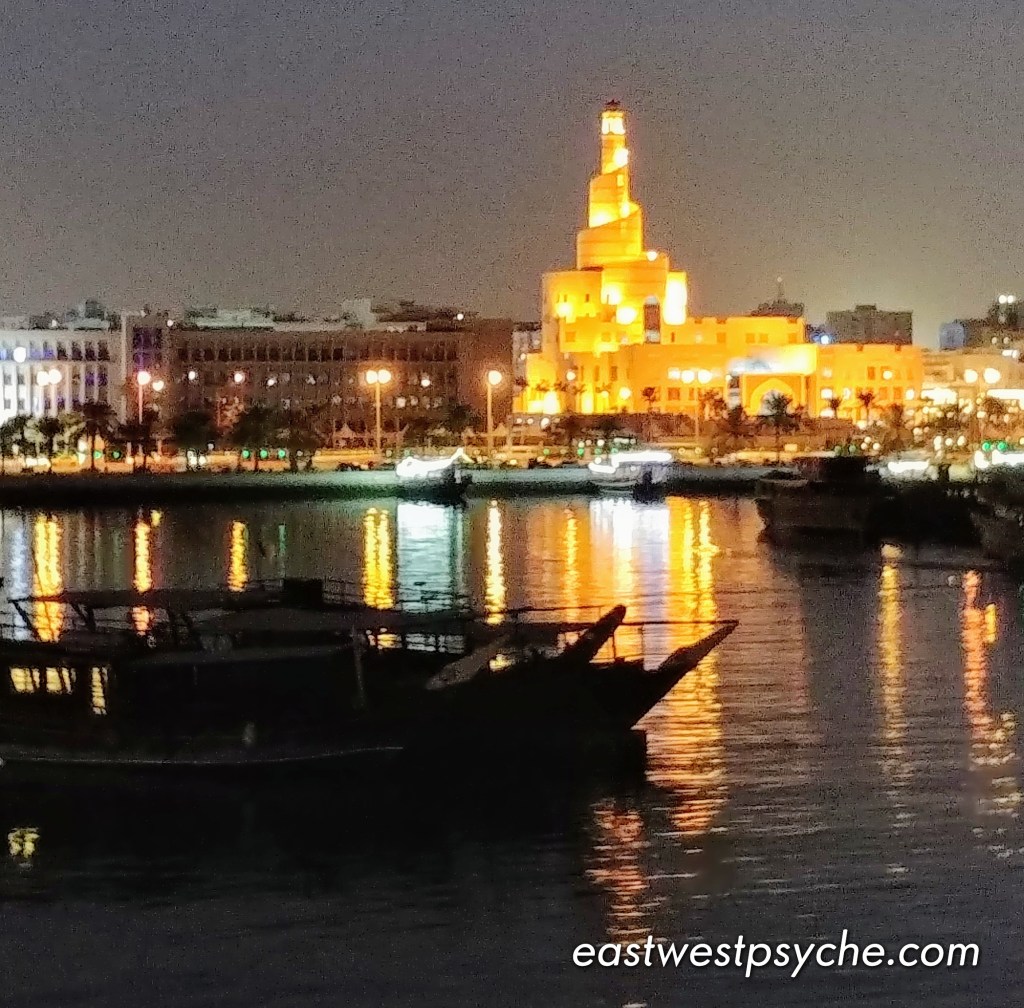
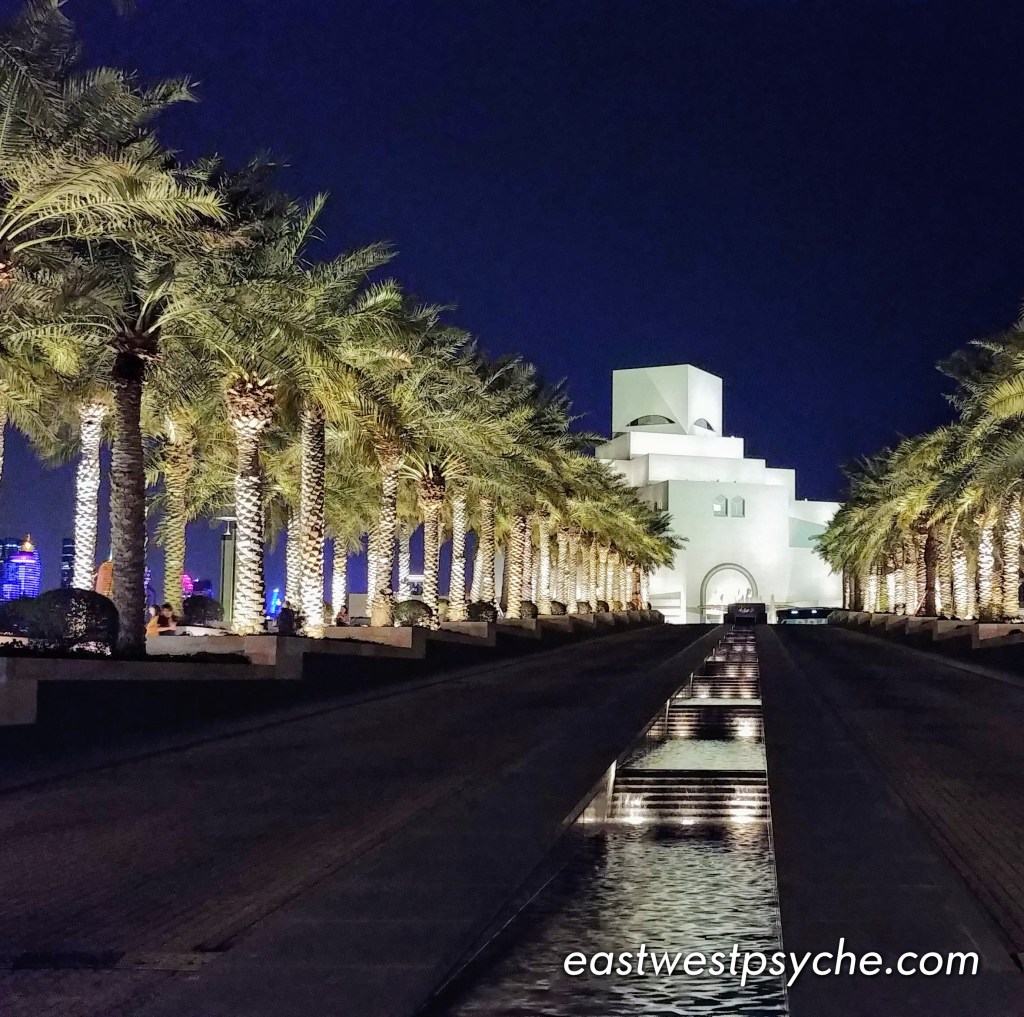
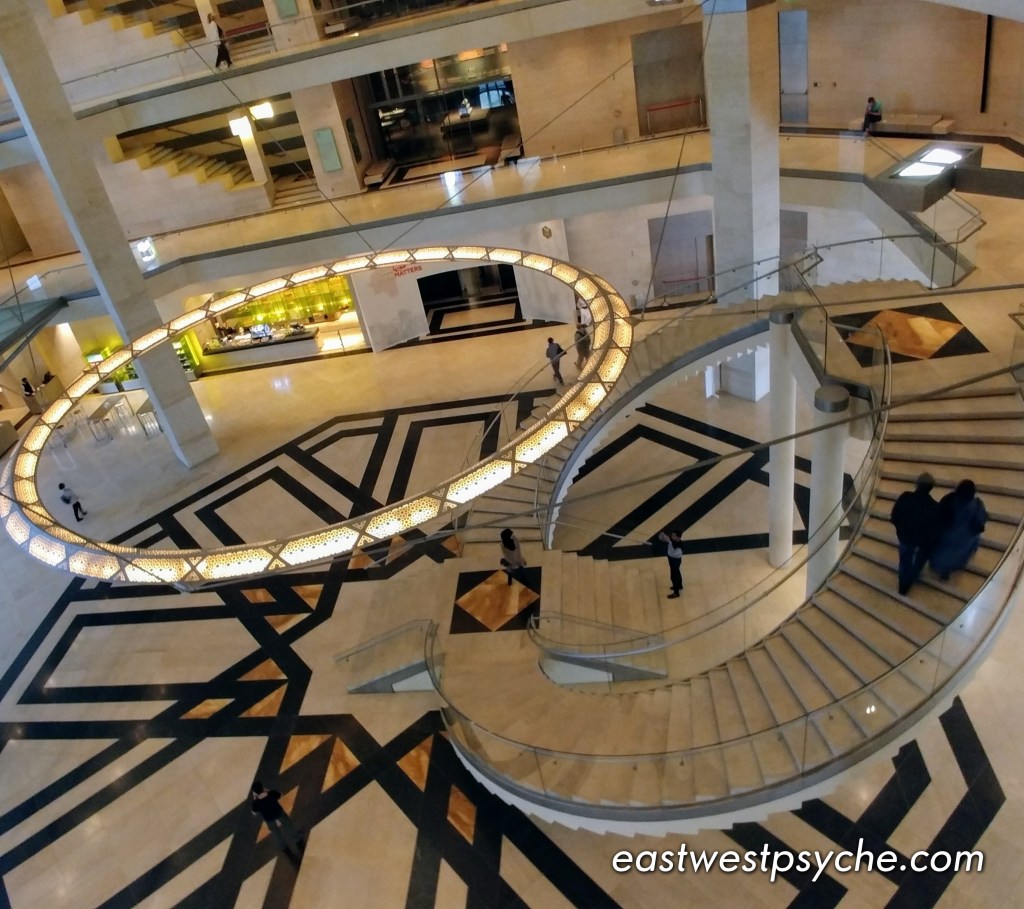
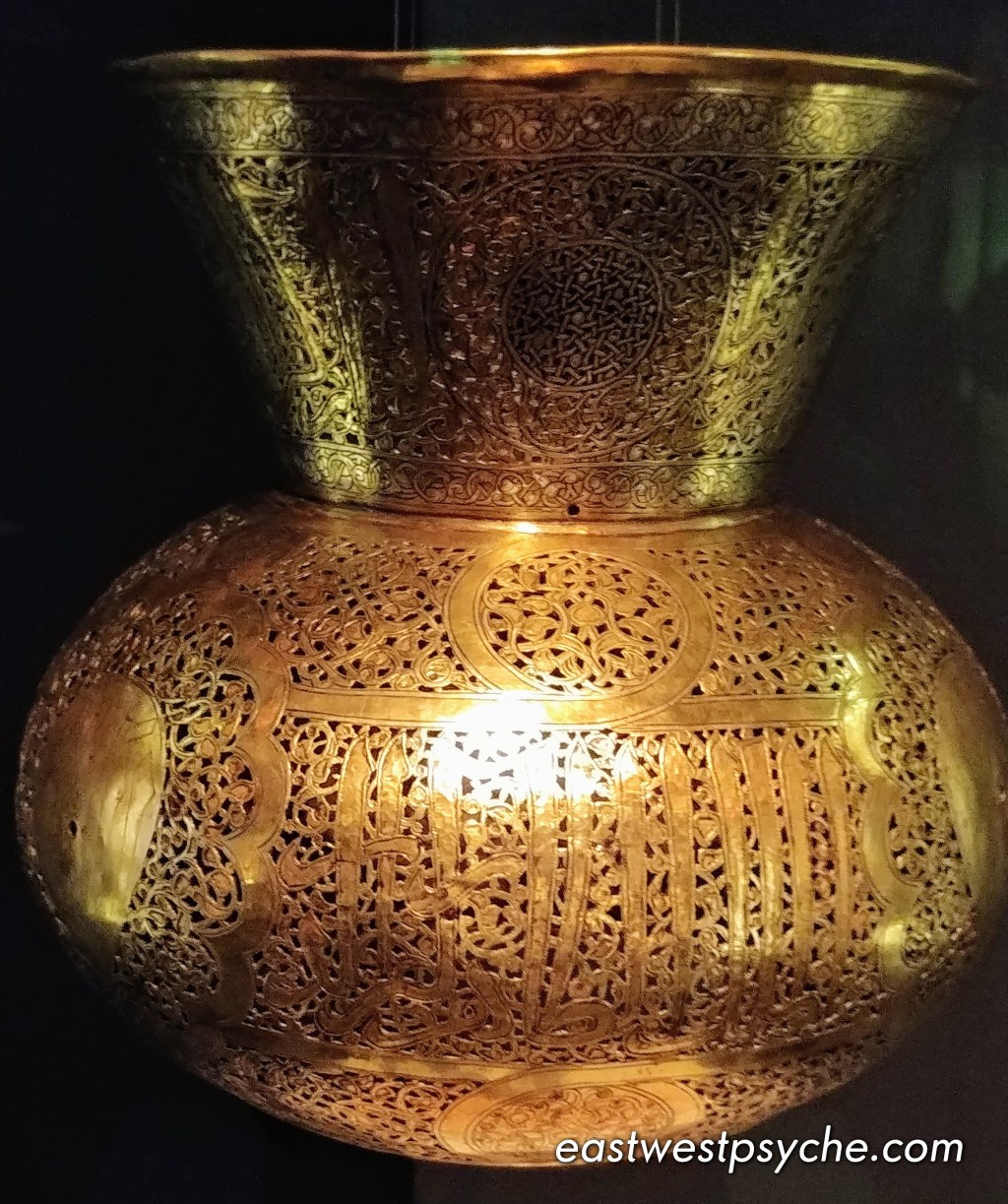
Qatar is a Muslim-majority country, with most citizens of sunni tradition; considering that foreigners far outnumber Qatari, however, other religions are also represented. Arabic is the official language with English widely spoken, and Qatari identify as being of Arabic culture, with specifically Bedouin influence. In its capital of Doha, the stunning Museum of Islamic Art celebrates that of Qatar and all other Muslim-majority nations both in and outside of the region, and Islam serves as a strong component of national identity.

20190131_171228_2_Signature

Education is compulsory and highly valued, with the highest literacy rate in the Arabic world; a 10-year plan for educational reform was launched in 2012, and a number of international tertiary institutions have branches in the country’s Education City. 

20190131_170458_2_Signature

The arts are also held in high value, with several other major museums for both Islamic and contemporary art — and Qatar as the world’s top buyer in the art market. Literature and music are also well represented, based at least in part on Bedouin traditions of poetry, storytelling, and dance.

20190131_175046_2_Signature

Though Qatar has a high quality of life index, the nation has been accused of human rights abuses — primarily in the arena of labour. With expatriates numbering 8:1 over Qatari, the vast majority are migrant workers primarily from south Asia, and frequent abuses including trafficking have been reported; new laws just announced have begun to address labour reform, though they don’t go nearly far enough. Other areas of questionable human rights have included LGBT, who have no legal protection; women, especially in areas of income disparity and access to abortion; harsh penal code; and, issues surrounding freedom of expression.

20190131_061224_2_Signature

Qatar has been in a diplomatic crisis, including economic embargo, by Saudi Arabia, Bahrain, and UAE since June 2017; the country is accused of supporting rebel groups in various Arab Spring and other uprisings, Iran, and Hamas in Palestine, and generally fomenting dissent among Arab youth, by use of its Al Jazeera media platform as well as funding. Qatar denies these claims and has been largely unfazed by the embargo, which is now seeming to weaken — in light of the country’s upcoming hosting of the 2022 World Cup.

20190131_054941_2_Signature

Qatar, a highly developed society, is in a heightened state of preparation for hosting the 2022 event and welcoming the world — with numerous new construction and infrastructure projects, and more. All eyes will be on this tiny nation, and troubled region — hopefully, with a positive effect on these various controversies as well.

~EWP

Romania

20180808_112026_2_Signature

Romania, with a recent socialist past and a legacy that includes Greeks, Slavs, Saxons, and more, is a geographically central and, in many ways, culturally Eastern European country — with a fast-developing economy and a strong focus on transparent governance. The oldest human remains in Europe (40,000 years) were located here, with evidence of human civilisation among the continent’s earliest as well. Nearby Hungary, Mongolian invasion, and the Ottoman Empire all represent strong cultural influences over the past millennium.

20180810_105349_2_Signature

Modern Romania, much as we might know it today, emerged in 1859 as a result of an alliance with neighboring countries. The Romanian culture, with large Hungarian (6%) and Roma (3-10%) minority groups, has characteristics of both Central (especially Austro-Hungarian, Polish) and Eastern (particularly Moldovan, Bulgarian) European nations — and some early cultures such as that of Armenia. Folk arts and pre-Christian mythologies, which remain strong in the rural life of Romania, indicate such cultural connections.

20180808_111903_2_Signature

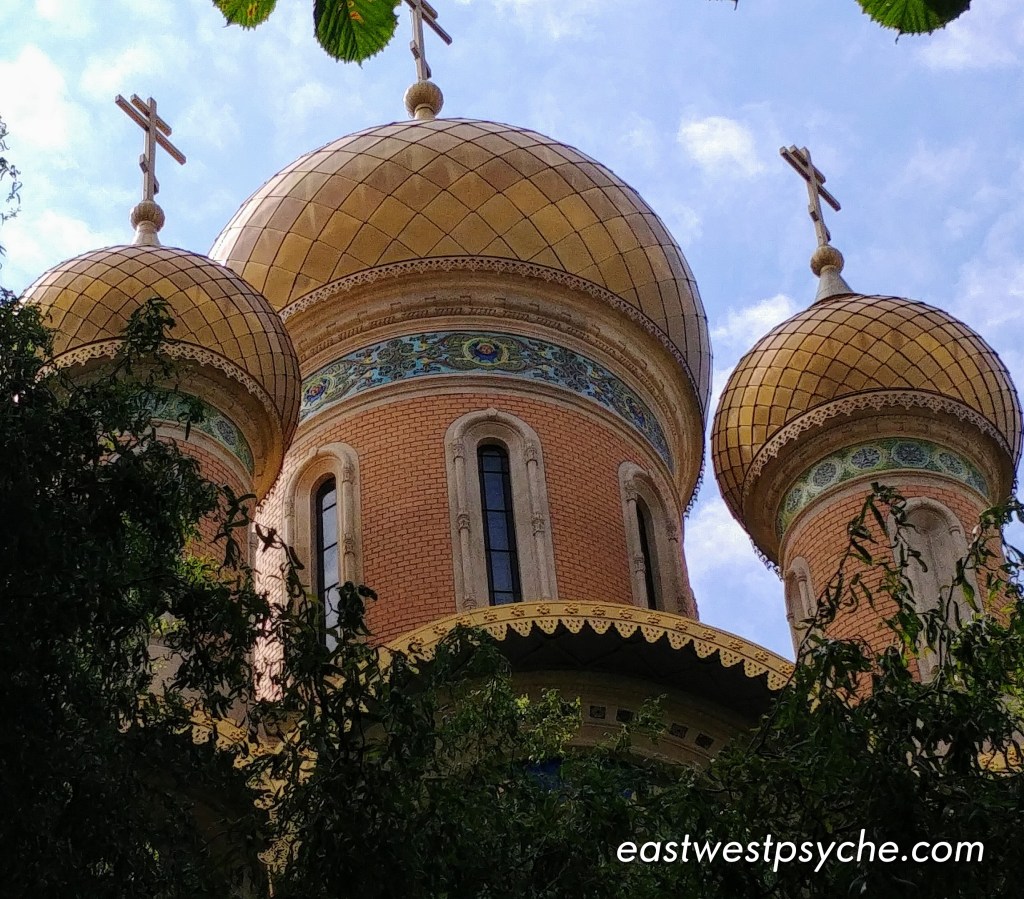
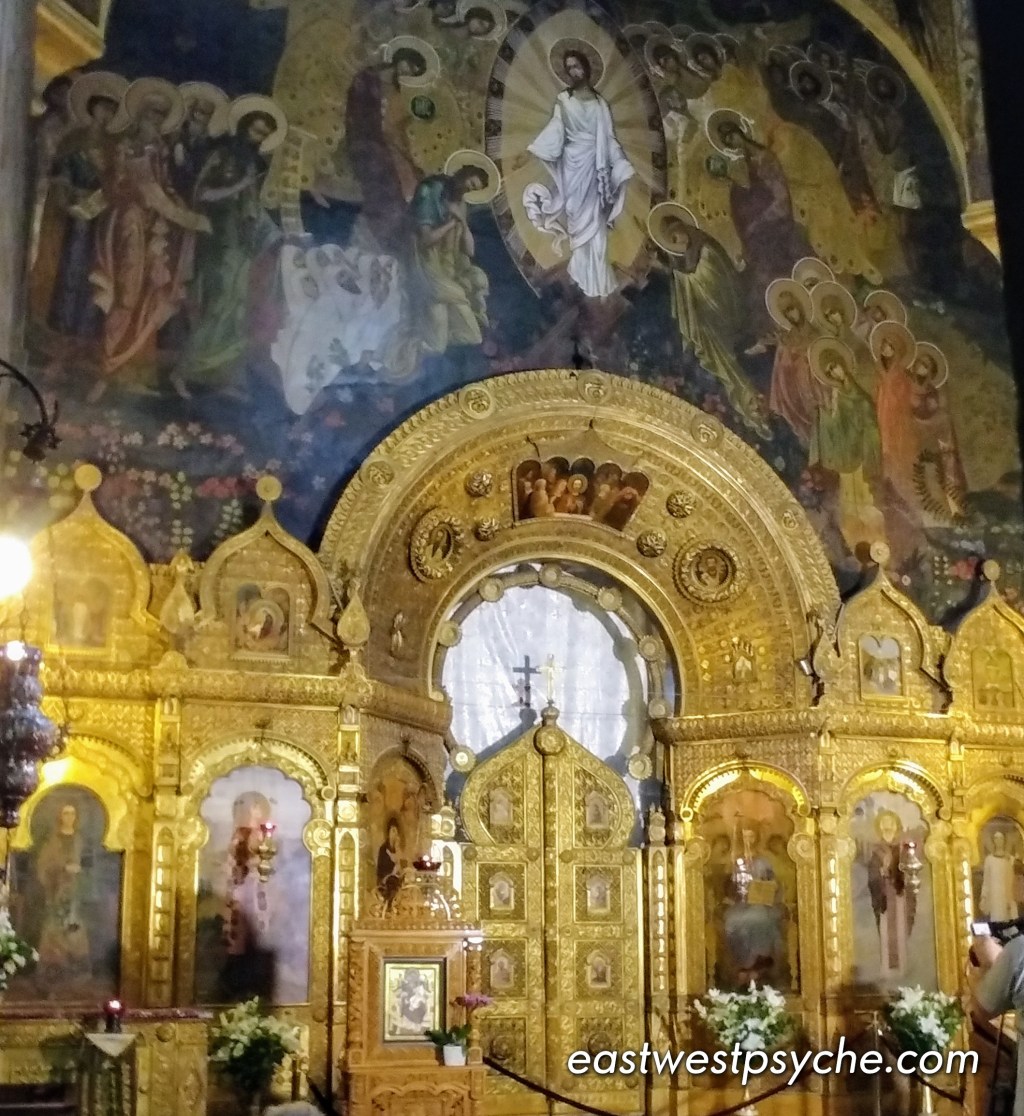
A secular state by law, more than 80% of Romania’s 20 million people claim Romanian (Eastern) Orthodoxy as their religious identity, a result of the country’s Byzantine heritage — syncretised with earlier folk beliefs and myths.

20180808_131353_2_Signature

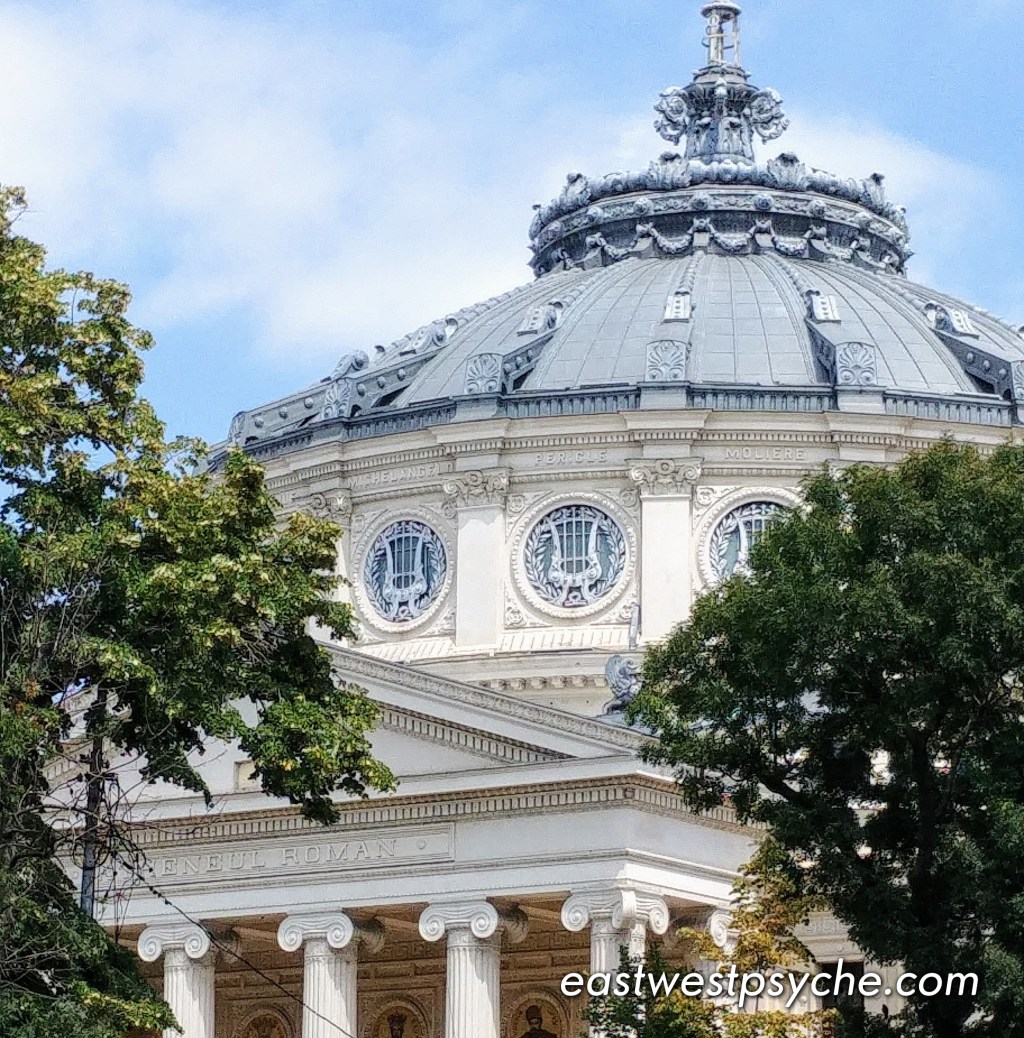
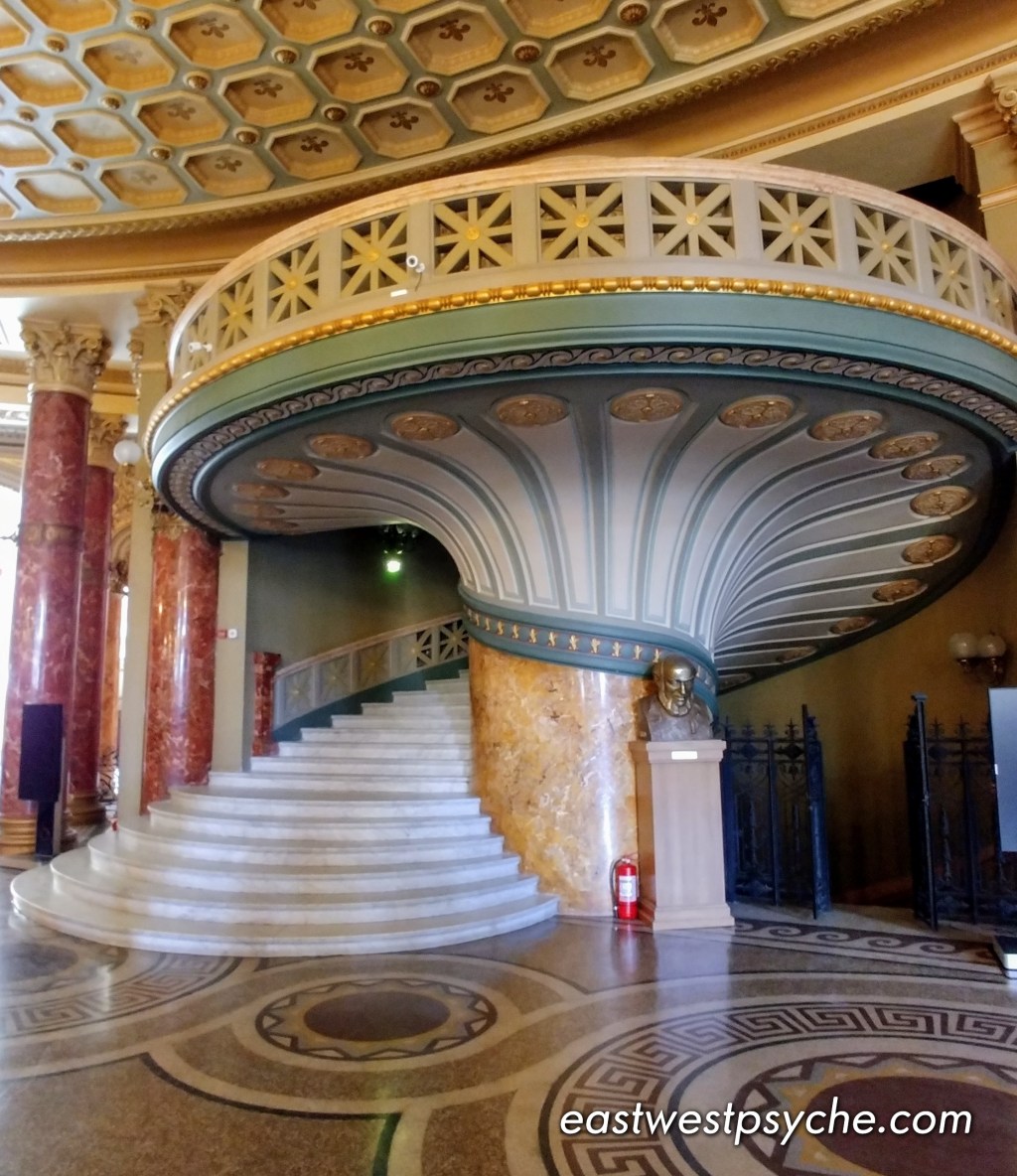
In Romania’s capital city of Bucharest, the influence of ancient Greece and of Europe as a whole is on display in its architecture. Socialist from 1947 to 1989, Romania was admitted to the EU in 2007 and identifies strongly with same — even distancing itself from a current alliance with neighboring Moldova, the two having once been part of the same country, while identifying the latter’s ideals and objectives as “not European enough.”

20180808_132255_2_Signature

Romanians place high value on aesthetics, and on the arts: literary, visual, musical, and performing. The culture has a long intellectual tradition that, while suffering greatly during the recent socialist era, is strongly in evidence again today.


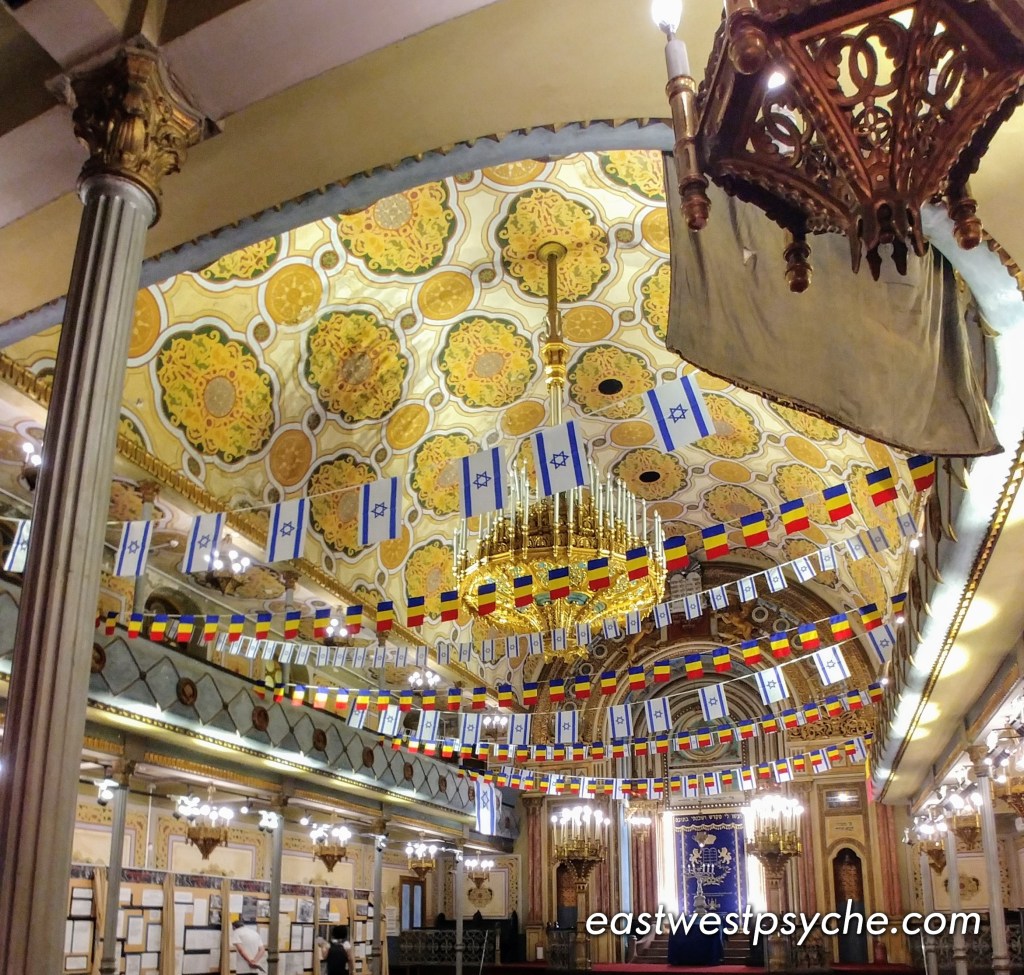
20180809_121015_2_SignatureJews began living in the area of Romania as early as the 2nd century CE. Through the centuries, they were a target of persecution through the centuries, such as being specially taxed and made to wear identifying garments, and subjected to libel and criminal prosecution, rioting, massacre, and expulsion, and by late 19th century, large numbers emigrated. Nevertheless, by 1900, they still numbered 250,000 — more than 3% of the country’s total population.
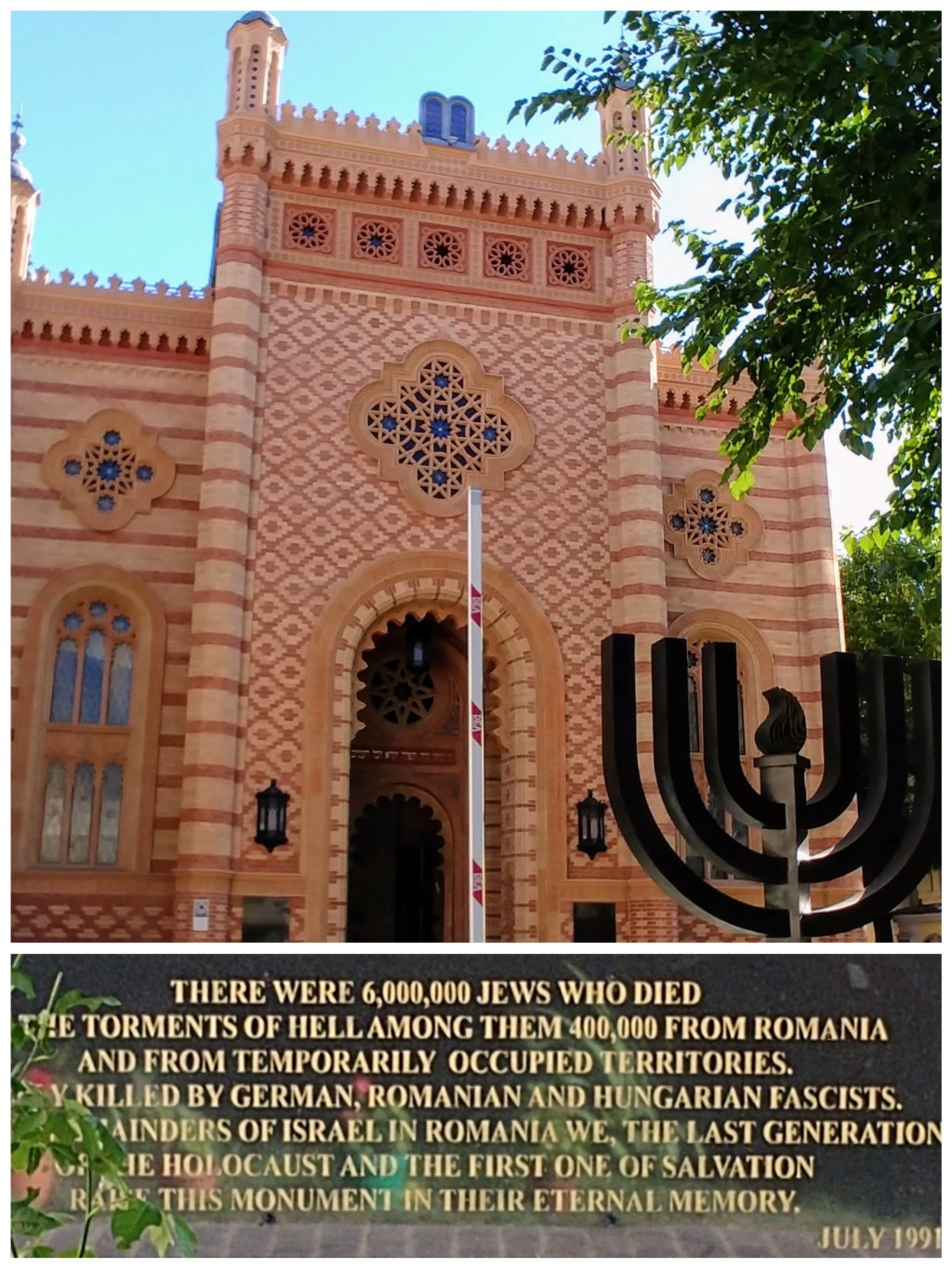
20200118_131411In World War II, Romania aligned with Axis Powers 1941-44 — then sided with the Allies instead. Romanian government published findings in 2004 which indicate that 400,000-500,000 Jews in Romania or its territories died in the Holocaust. In April 2019, a Jewish cemetery in Romania was vandalised, along with other acts of anti-semitism; in November of last year, Romania announced plans for its first Holocaust museum. An approximate 3000 Jews live in Romania today.
20180808_122911_2_Signature

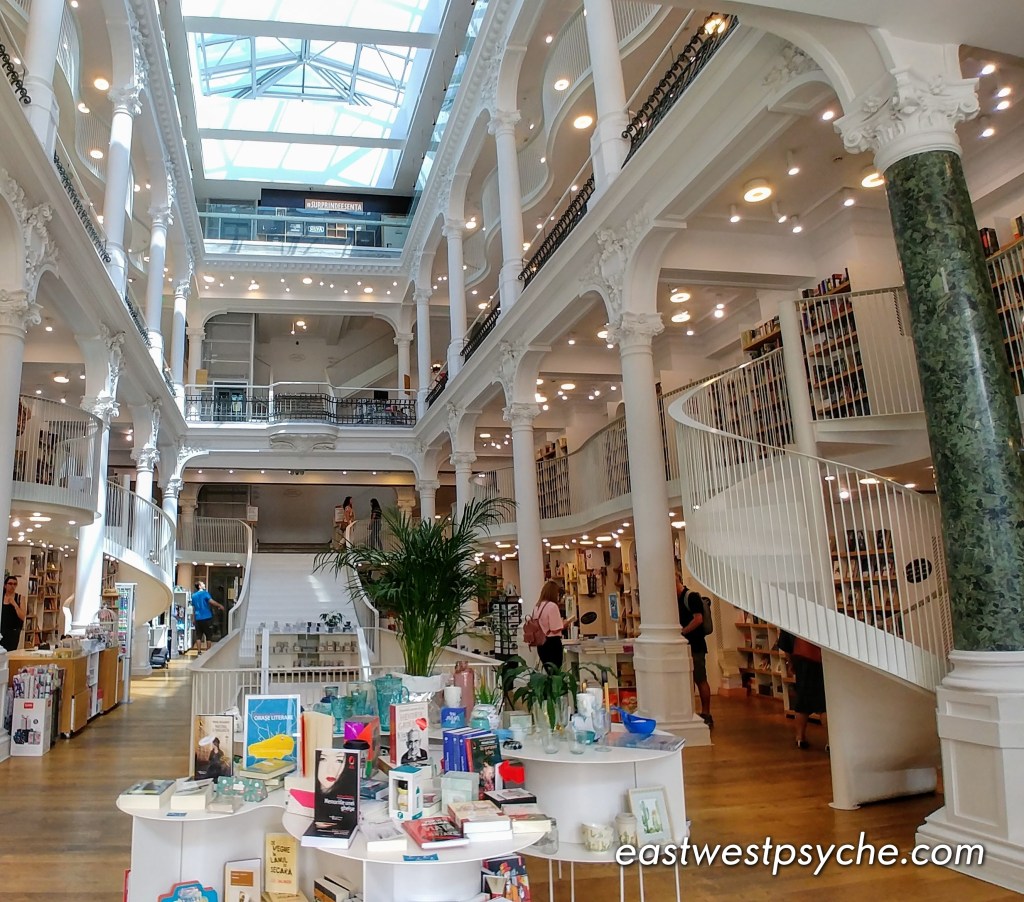
Romania’s intellectual and literary tradition has been influenced by, and influences, its educational system; literacy, around 48% in early 20th century, is more than 98% today and education, free and compulsory, is constitutionally guaranteed. Romanian philosophical tradition is longstanding, defined by major theorist Noica as consisting of paganism, cosmicism, and determinism. The nation also has a long and prolific literary history, stemming from the 16th century to include numerous writers today.

20180810_132708_2_Signature

Romania is an old society but still a very young democracy, just since 1989 — and still struggling with corruption and lack of transparency in its government. Citizens exercise their right to demonstrate as well as to vote — something that the diaspora also takes very seriously. With an estimated 20 million living in the country and another 12 million throughout the world, following major waves of emigration especially during the socialist era, returning home for political engagement has often been noted as a strong value — and a powerful social force.

~EWP