Category: Uncategorized

Rwanda

20181215_115640_2_Signature

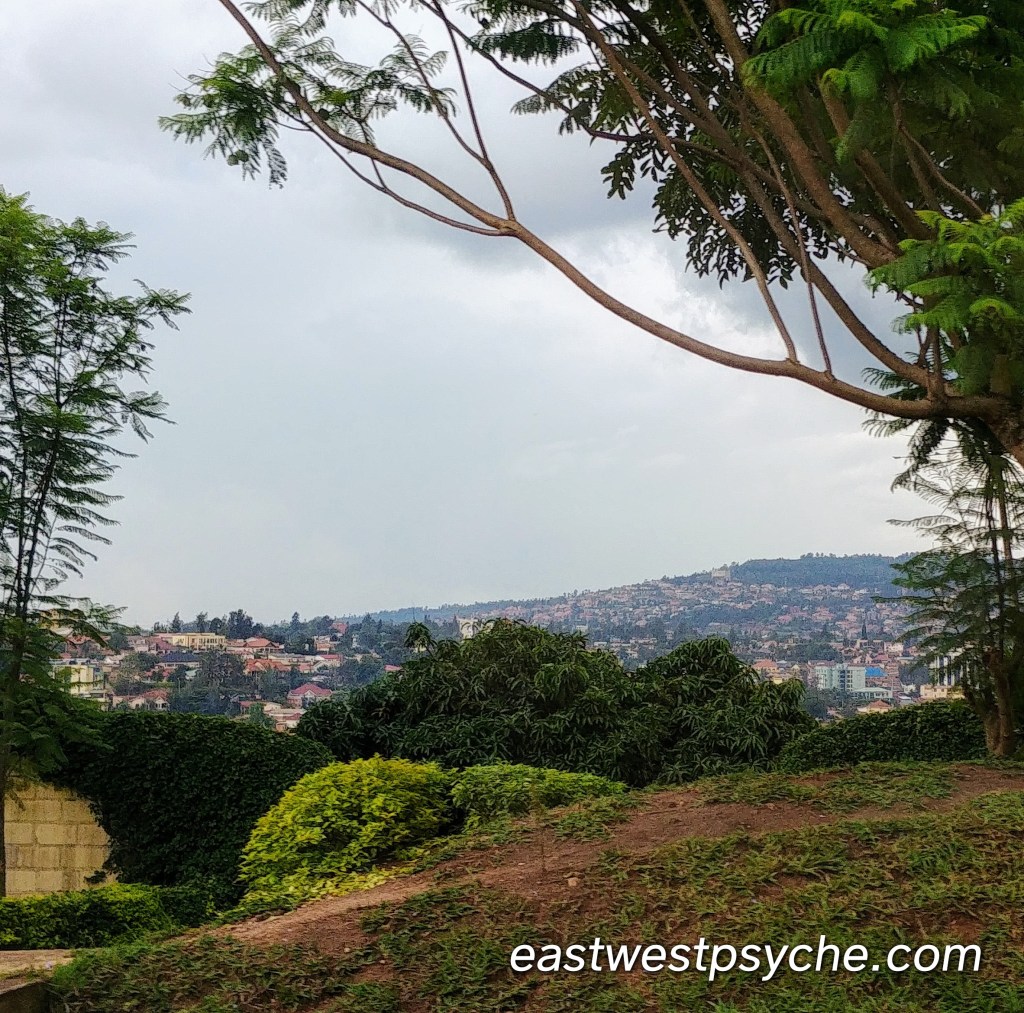
Rwanda: a tiny country on the border of central and eastern Africa, today a bucolic setting with a strengthening economy, active involvement in the African Union, and the world’s highest percentage of women in parliament — with a colonial past, and a recent history of mass trauma.
20181215_104224_2_Signature

The area of Rwanda was settled as early as 10,000 years ago, and by larger civilisations from approximately 3,000 BCE, ancestors of today’s Twa peoples. Both Tutsi and Hutu peoples migrated into the area at some later, undetermined time, and indeed, the existence of any distinction between them — a major source of discrimination that ultimately led to the 1994 massacre — is strongly debated. The clan group, an early form of civilisation which crossed ethnic lines and was a precursor to the formation of kingdoms, remains in the cultural psyche of the Rwandan people today. Foreign colonisation represents two other cultural influences, as well as the psychological impact of colonisation itself: first German (1884-1916), followed by Belgian (1916-1962) — both of whom maintained a Tutsi monarchy.
20181214_095122_2_Signature

Rwanda’s recent history is filled with violence. The Social Revolution (1959-1961) was of Hutu against an entrenched and harsh Tutsi monarchy, and saw Hutu purges of Tutsi and the escape of more than 300,000 Tutsi refugees to neighboring countries, followed by dictatorial leaders and military coups. The civil war (1990-1994) with massacres of Tutsi, Twa, and moderate Hutu, ultimately led to the 1994 genocide of 500,000-1 million — in just 100 days, the brutality of which has no parallel.
20181215_114225_2_Signature

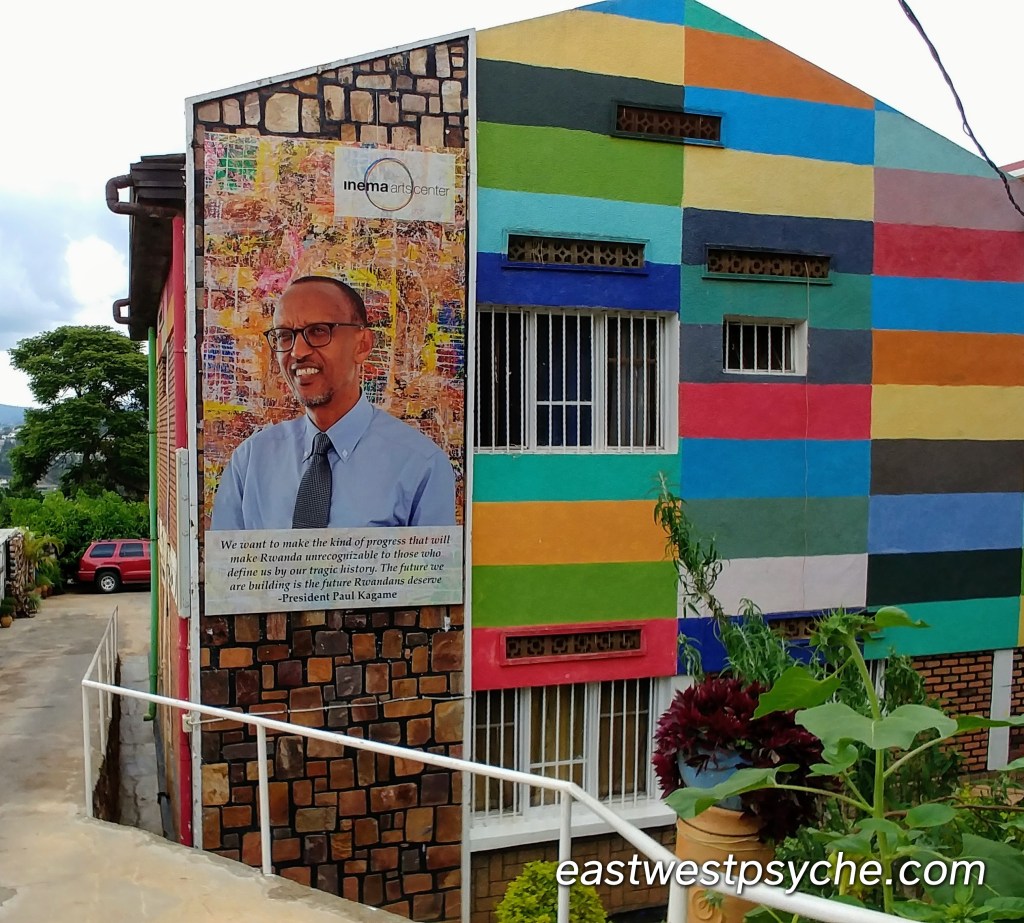
How does a highly traumatised culture heal, and what might be the lingering effects? Paul Kagame, vice president of Rwanda 1994-2000 and president from then until now, grew up in Uganda as a Tutsi refugee and was leader of the Tutsi forces during the civil war. His policy of healing has focused on asking Tutsi victims to forgive Hutu perpetrators, carefully fostering a Rwandan identity toward the establishment of social cohesion, focusing on humanistic and egalitarian ideals, swift formation of a National Unity and Reconciliation Commission, mandatory community service of 3 hours per month for all citizens, use of art for creative expression, and open dialogue — and national mourning. Not without his detractors, who point to violations of civil rights in a strong enforcement of the above, he has nevertheless led Rwanda to a highly functioning society today.
20181214_092306_2_Signature

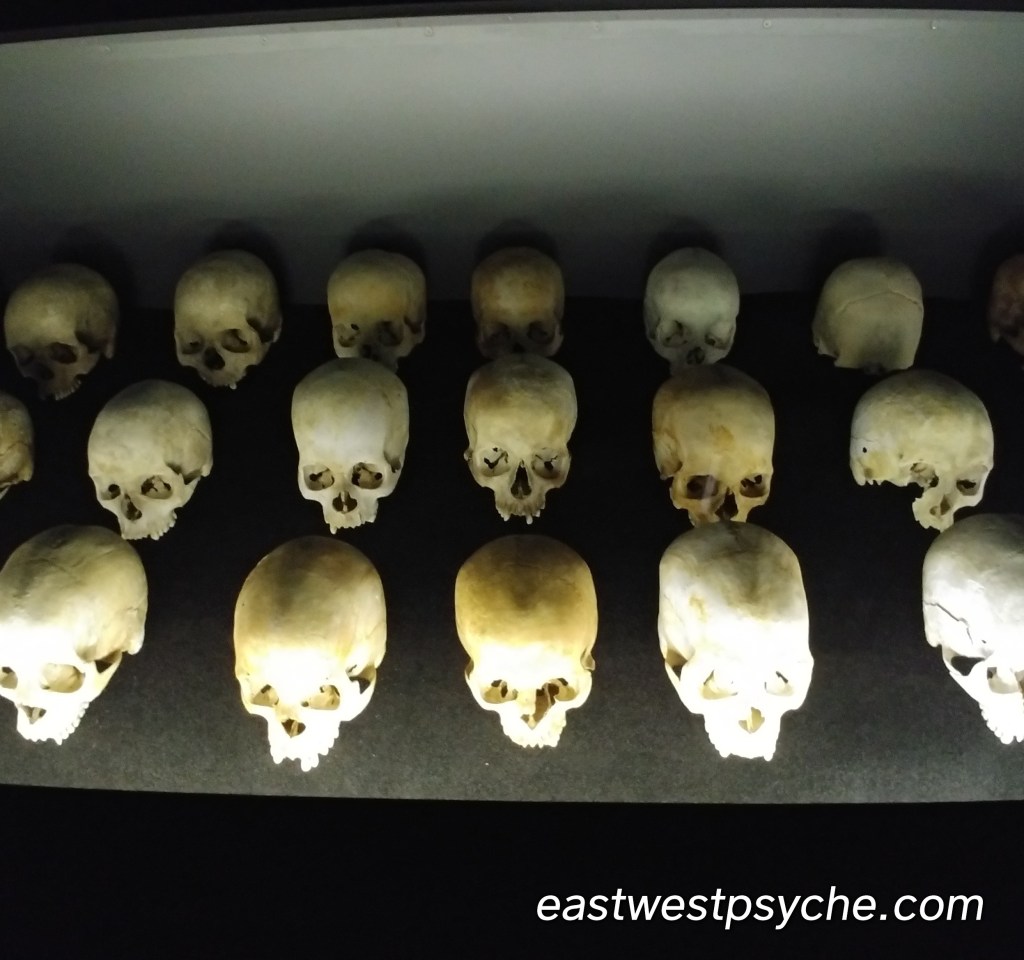
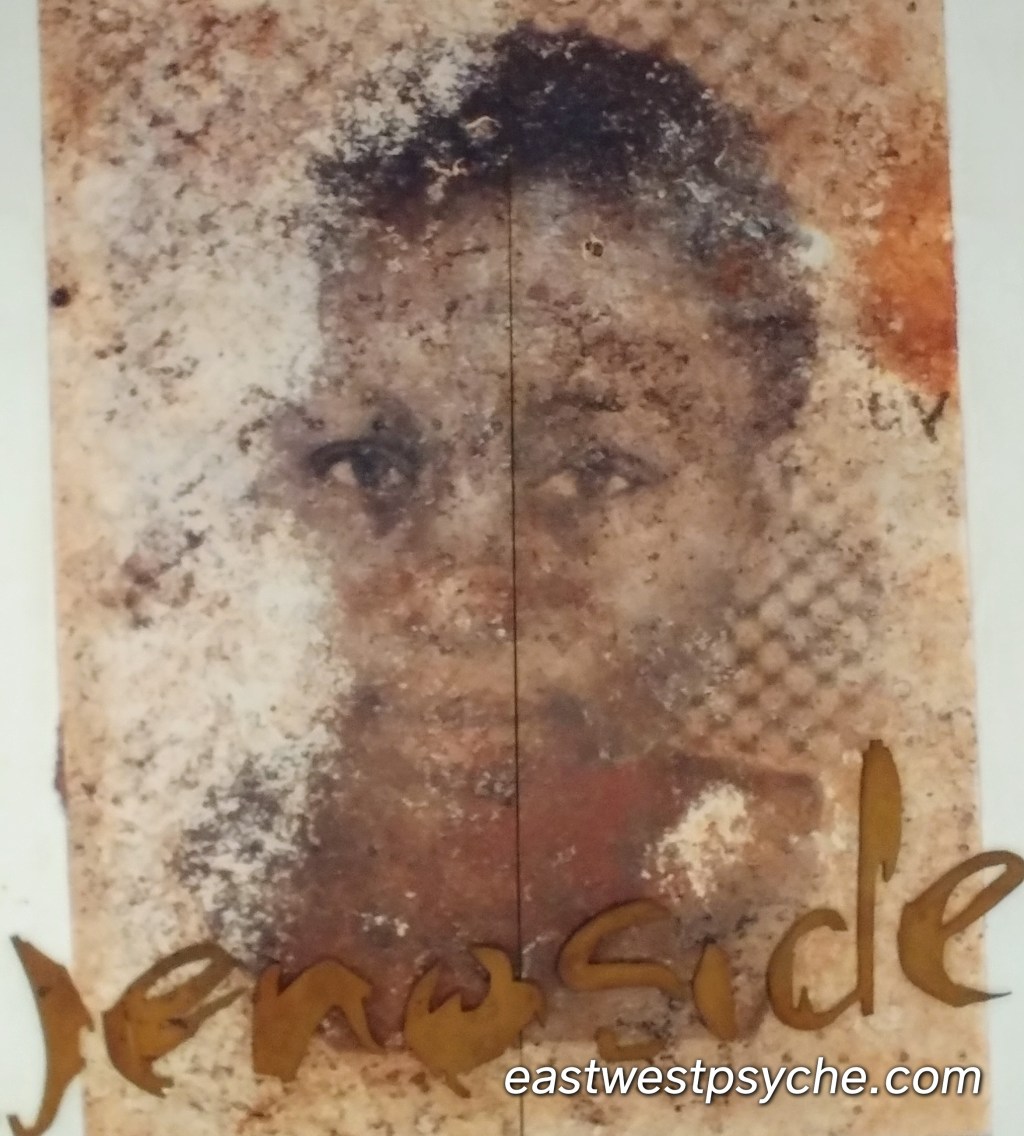
The aftermath of the 1994 genocide, triggered by the assassination of the president but considered by many experts to have been planned for more than a year, saw many who lost their entire families, 500,000 children who were orphaned, hundreds of thousands who were severely maimed, an estimated 250,000-500,000 women and girls raped, and the loss of 70% of the Tutsi population. The long-term impact of such mass physical and psychological trauma, including the element of betrayal — victims were most often attacked in their own villages, by people they knew well — cannot be overstated. There were also deep politics as well as deep prejudices at work: Tutsi terrorist groups had been active for some years prior, supported in part by US military; Belgian colonists had for many years emphasised distinctions between these two groups, considering Hutus inferior and supporting the Tutsi monarchy. This eruption of violence, following earlier violent episodes, ultimately sprung from more than a century of brutality and injustice — on both sides.20181214_103841_2_Signature
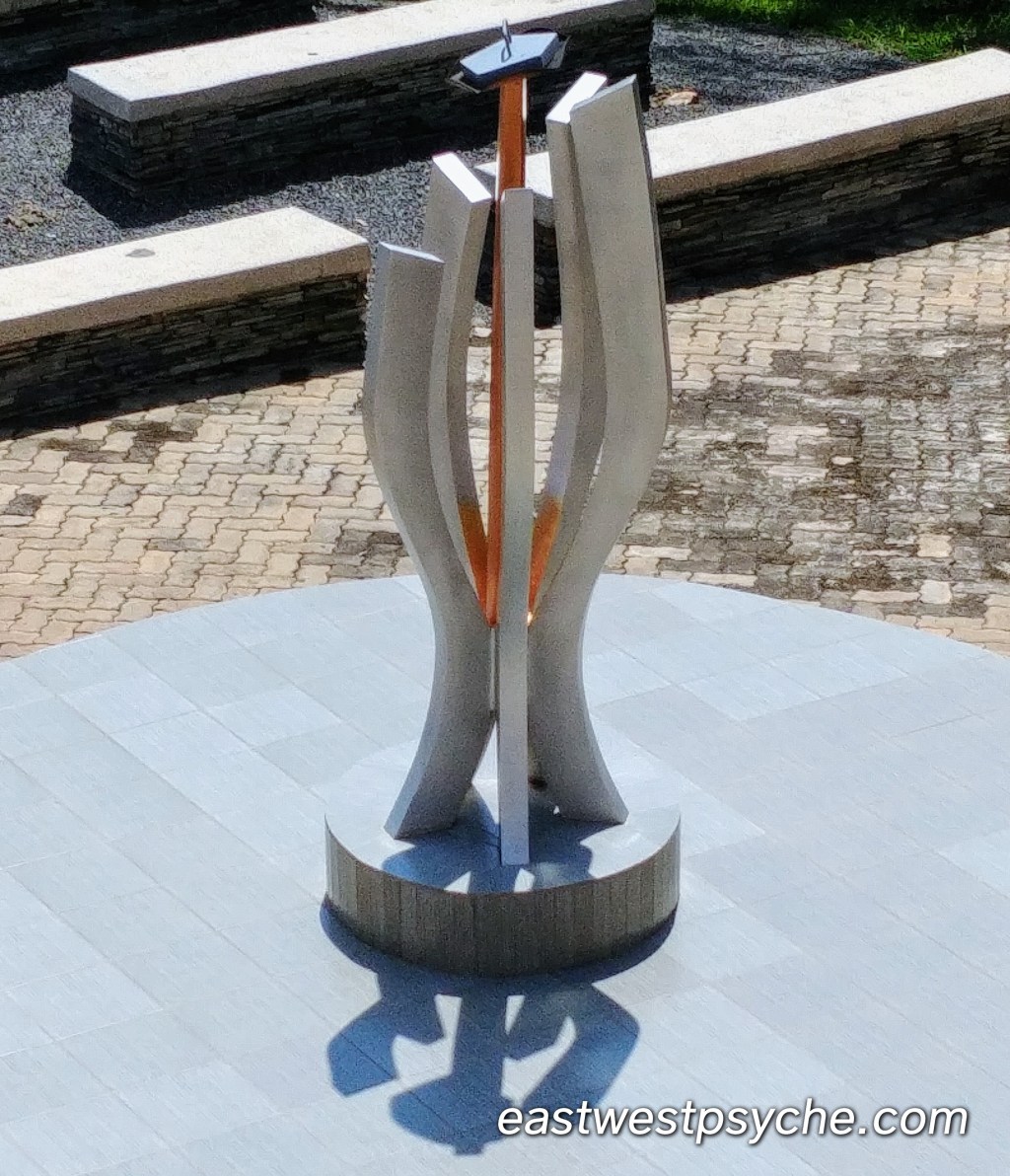
Several major genocide memorials and museums have been developed, including a complex in the capital of Kigali that also inters the remains of more than 250,000 victims. The purpose, in addition to providing people with a place of remembrance, is to educate — and to promote peace.20181214_101835_3_Signature
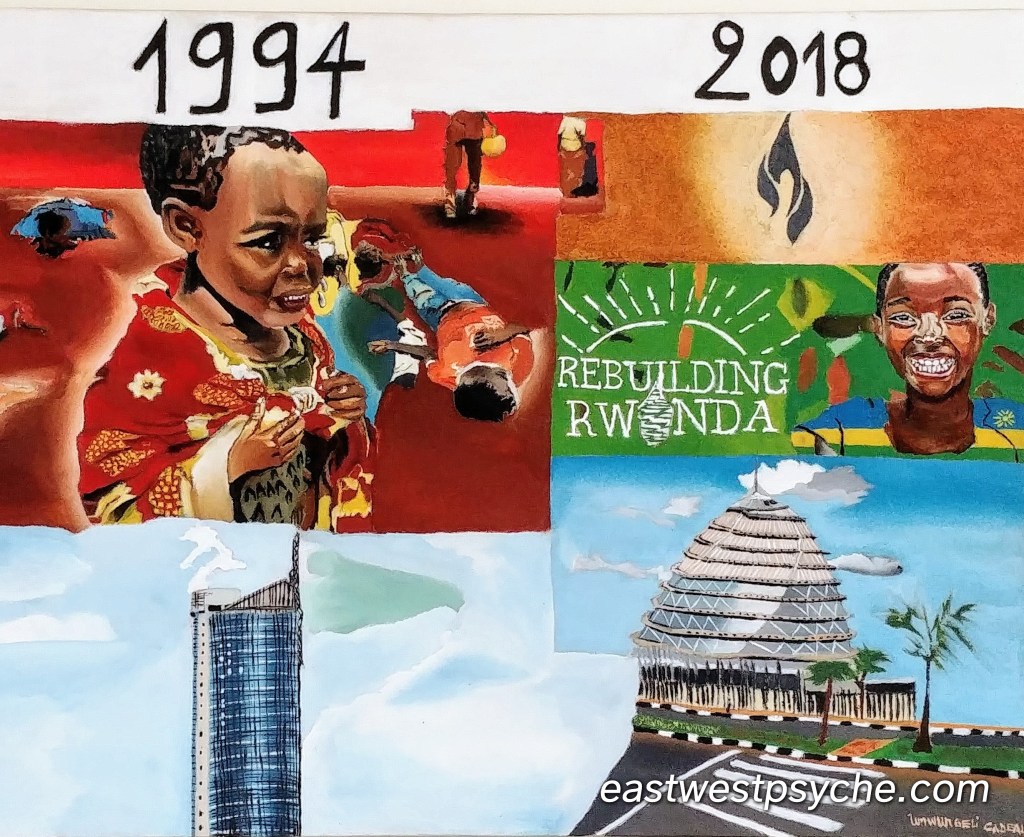
The trauma is never far from the minds of Rwandan people, even those who were born after that time — and open dialogue rather than repression of the topic is encouraged. The country has come a long way since then, however; today, the largely subsistence agriculture-based economy is the strongest it’s been, the government less corrupt and more transparent than nearly any other in the African continent. Free education was expanded in 2012 from 9 to 12 years of schooling, and under the Vision 2020 development programme, health care has been made a priority.
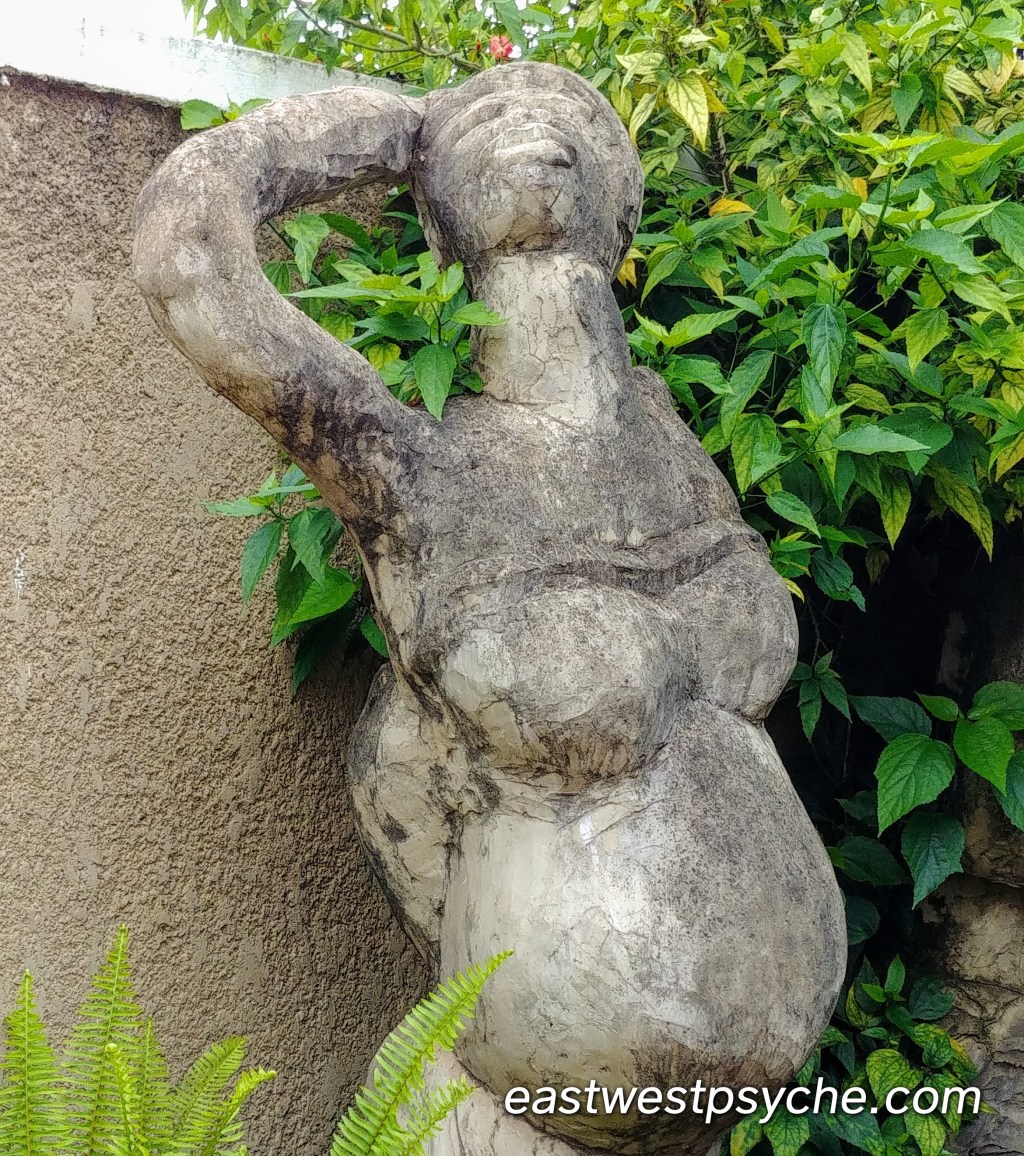
20181215_114039_2_Signature In the aftermath of the 1994 genocide and quest for healing, Rwanda prioritised egalitarianism — and as the country had lost so many men, women’s participation became highly valued. Rwanda has ranked among the world’s top 10 countries for gender equality for several years and now in the top 5, according to the Global Gender Gap Report [WEF]; with a quota of 30% for women in parliamentary positions, it actually has the world’s highest percentage: 64% as of 2013, a record again broken when it rose to 68% in the 2018 election, and 50% of both the cabinet and supreme court judgeship. The nation has the highest percentage in the continent for women in the labour force, with wages at 88% of men’s, and education for girls is strongly emphasised. However, there is still a high percentage of gender-based violence, especially domestic, and girls and women are often prevented from advancement to positions of leadership, in school and in the workforce — so, there’s still room for improvement.
20181215_114141_2_Signature

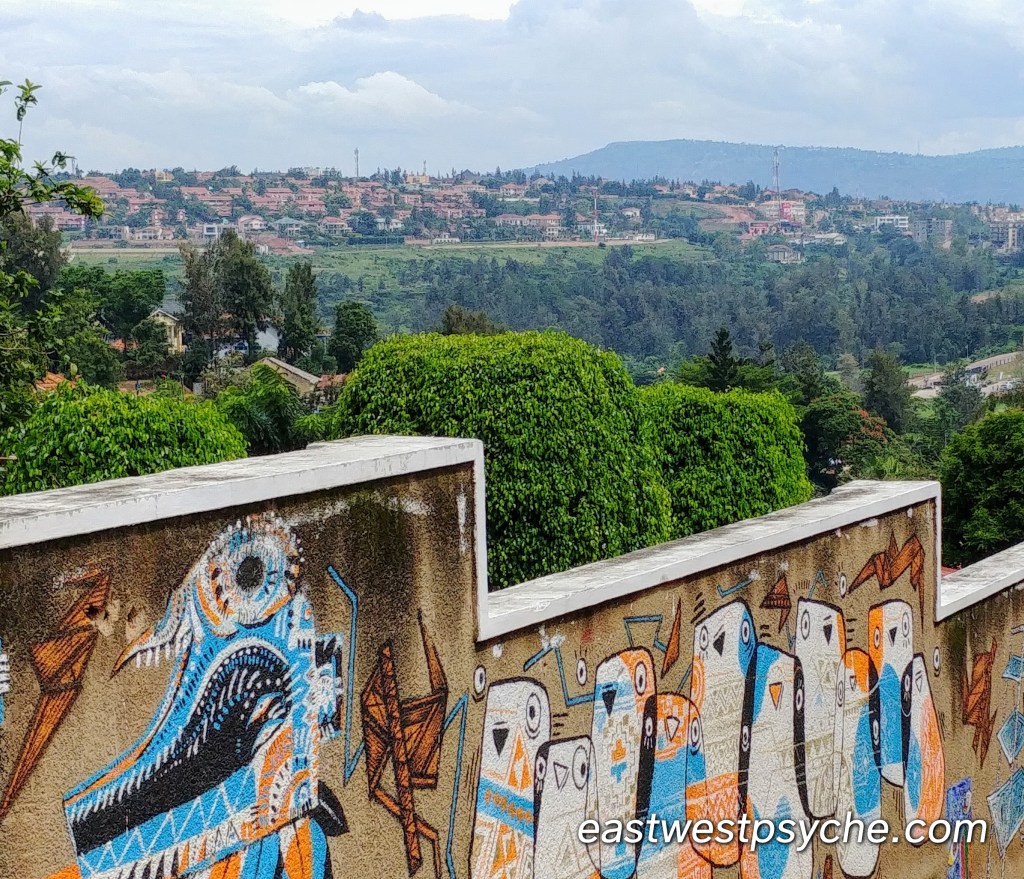
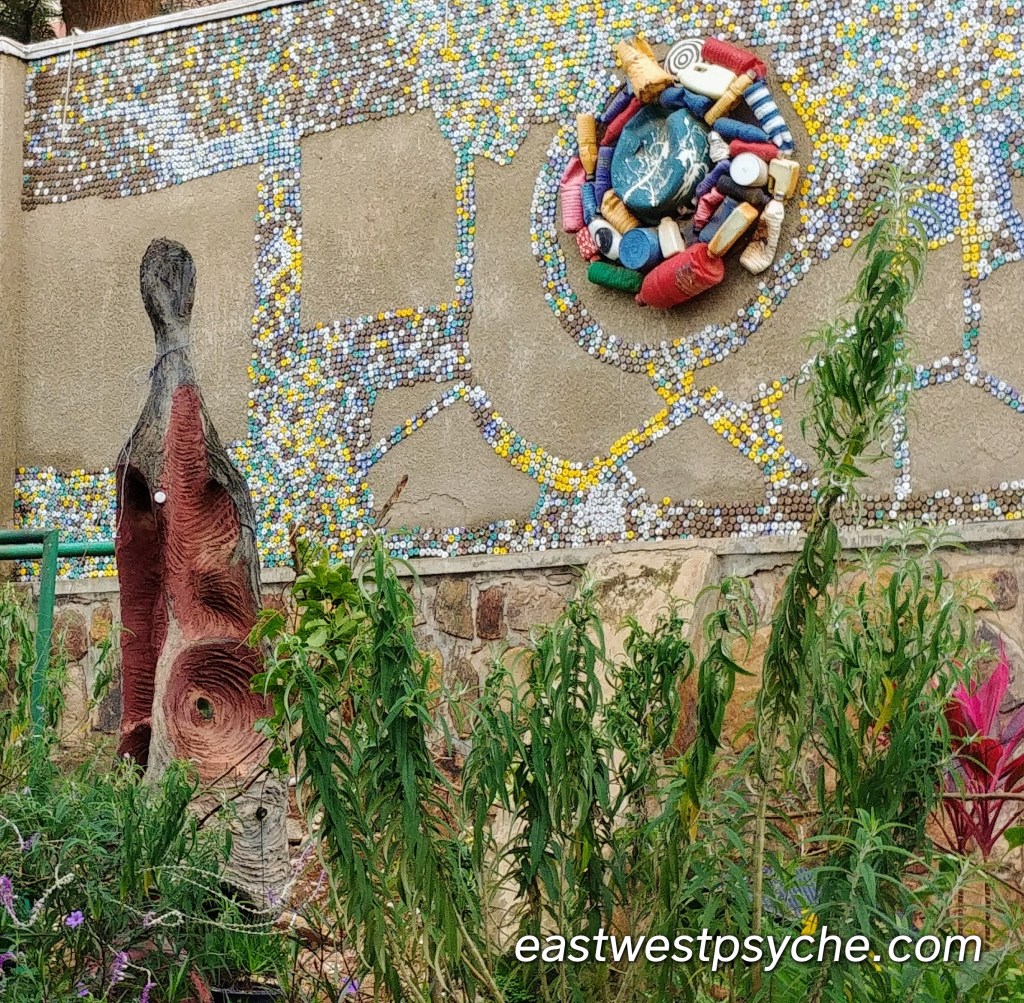
Unlike most African countries — and despite the devastating and largely false distinctions made between Hutu and Tutsi — the people of Rwanda, including the Twa, come from the same ethnic group, Banyarwanda, and share a common language, Kinyarwanda, and heritage. They have long been an agricultural culture (though the Twa are hunter-gatherers to this day), with coffee as a primary export. Music, dance, and oral tradition are highly valued, especially in the form of festivals and other public events; a pop music industry is emerging. While traditional handcrafts were largely utilitarian, today in Kigali there are many galleries; notably, the Inema Art Center includes visual and performing arts, and also works with orphanages to mentor children: the arts as a form of empowerment.

~EWP
Palestine

20190125_103708_2_Signature

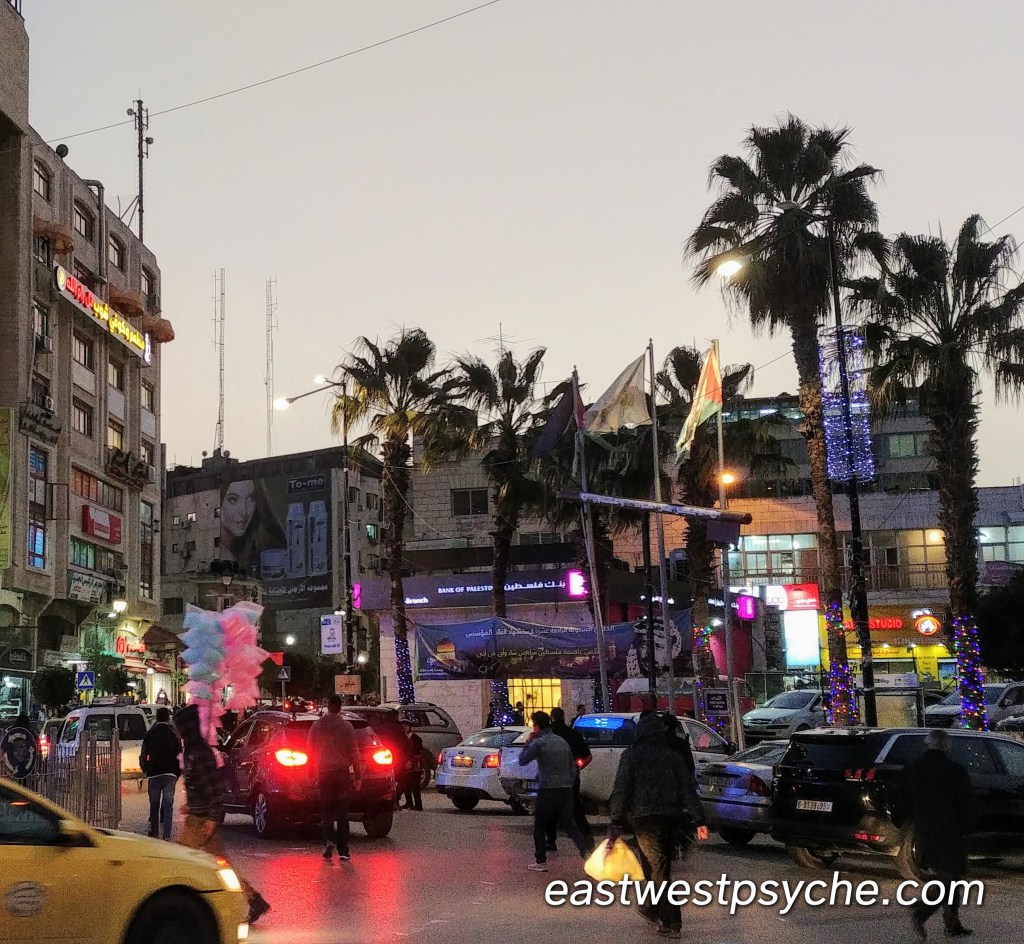
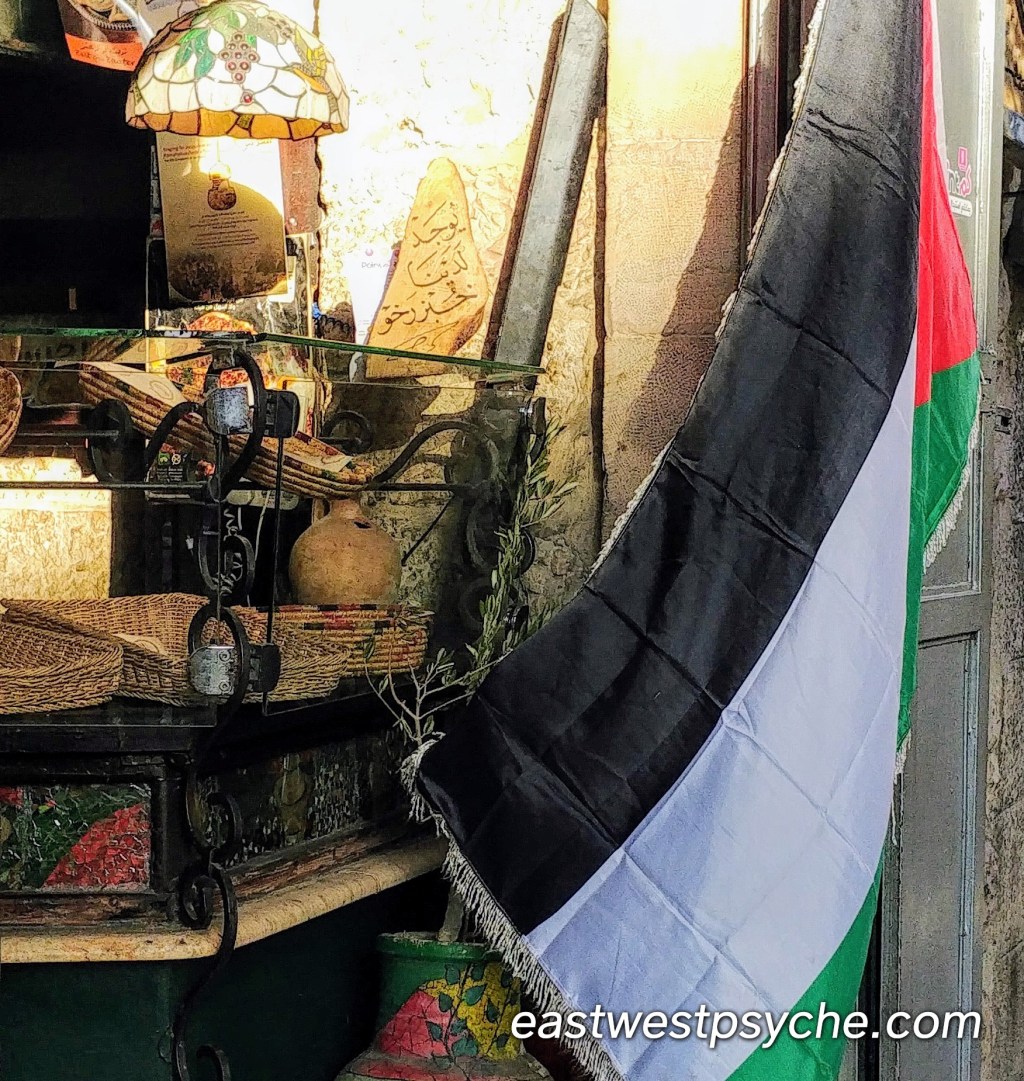
‘Palestinian Territories’ or ‘State of Palestine’, rich and poor, desert and urban, modernity and antiquity — Palestine is a land of contradictions. The region has been controlled by multiple peoples throughout its history — including (beyond the current two) Egyptians, Greeks, Romans, Mongols, Ottomans, British — and many more. An ancient culture broadly defined as ‘Arabic’, it is a matrix of all these historic influences — and so much more.

20190124_172139_2_Signature

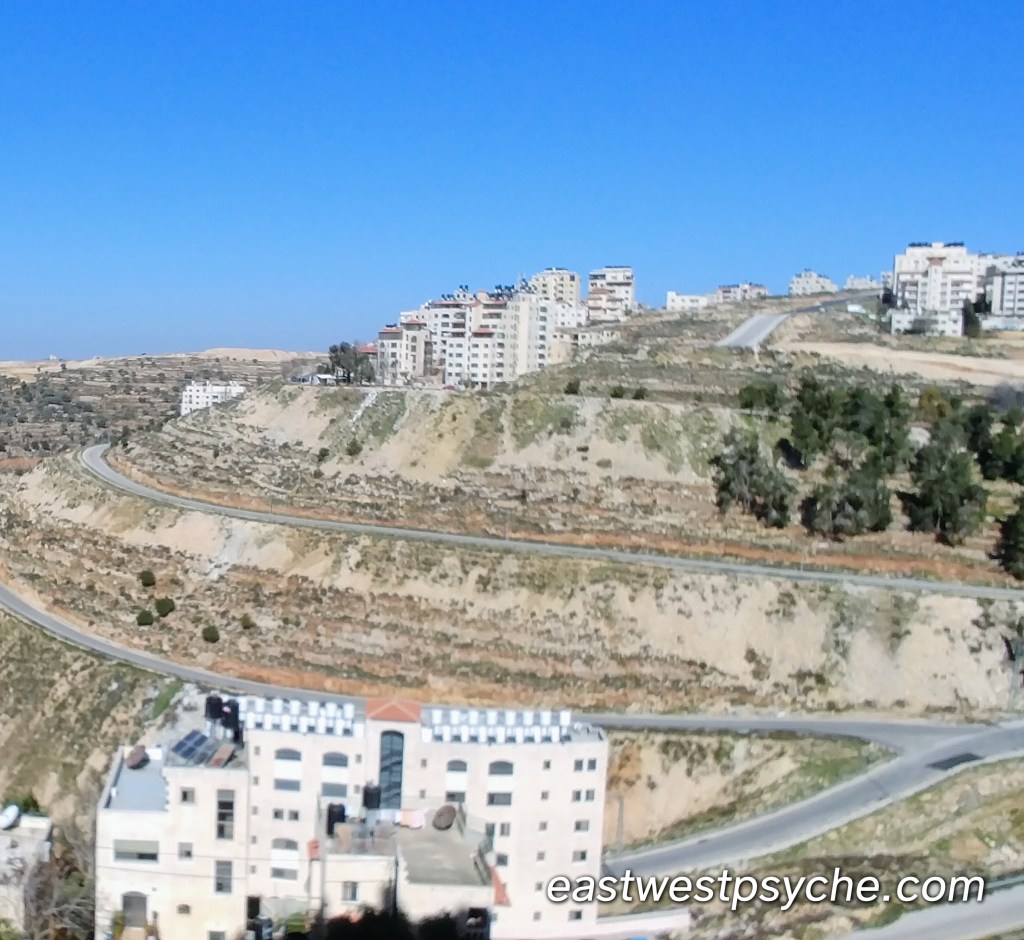
The West Bank region of Palestine is indeed a desert climate and topography containing a number of small towns and villages — and several larger cities, including its capital of Ramallah and the area known as East Jerusalem, which are well urbanised and densely populated. Shopping malls, museums and art centres, parks, government facilities, public transportation including metro — like any city, though perhaps with greater challenges than most. Palestinians number 6.7 million living in their home territory (2.93 mil West Bank, 1.88 mil Gaza Strip, 1.89 mil Israel, primarily East Jerusalem) — and another estimated 6.3 million diaspora, in Jordan, Chile, Syria, Lebanon, Saudi Arabia, the Americas, and more. Across 5 countries, 1.5 million Palestinians currently live in 58 refugee camps, and 5.25 million hold UN refugee status. According to a 1965 resolution, most Arabic countries will permit residency but not citizenship for Palestinians, as it would interfere with their right of return.

20190123_155156_2_Signature

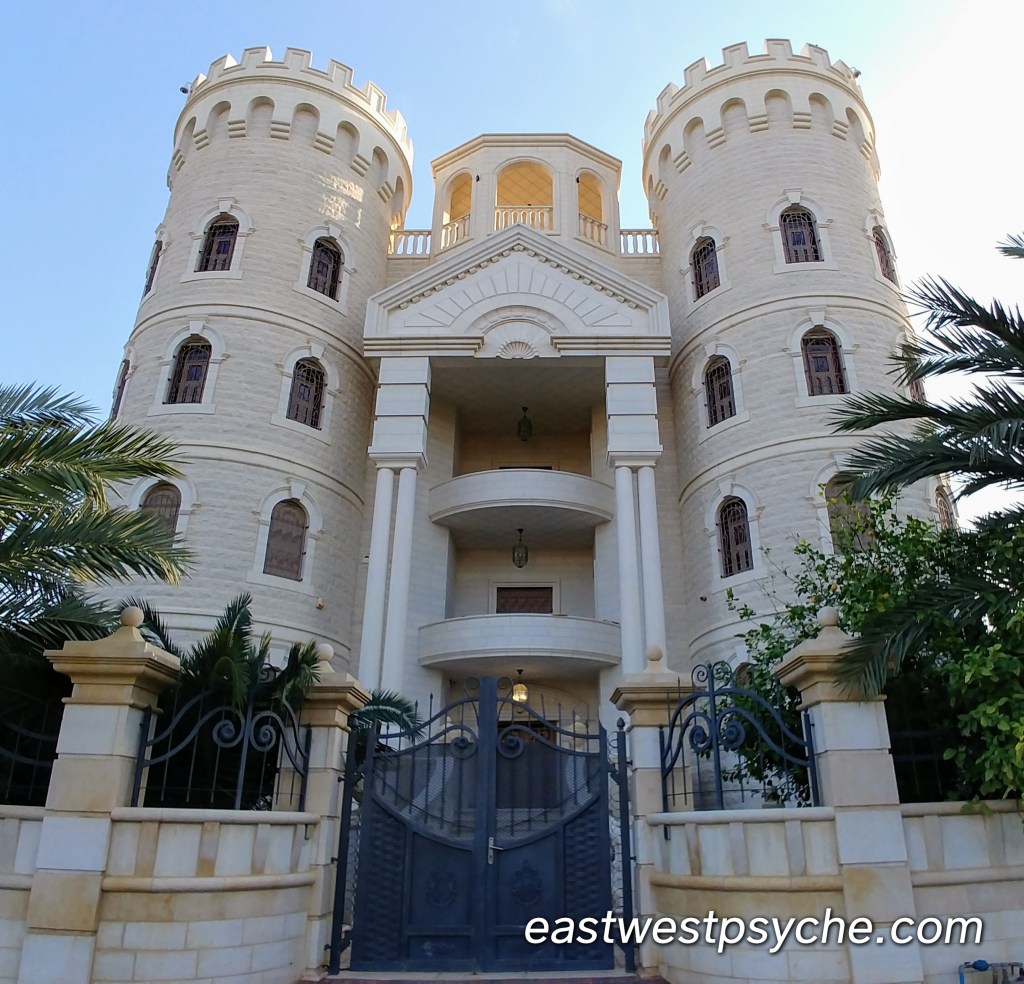
Income disparity and the dichotomy of rich and poor is pronounced in Palestine’s West Bank region. Wealthy business tycoons and their families live in a manner very similar to their global counterparts; others live in ways akin to that of developing countries, including food and water scarcity. The economy is heavily dependent on foreign aid and has suffered sanctions and blockades over the years, including recent pronounced reduction in US aid programs; tourism, particularly to religious sites, is another significant source of income. One outcome of the Palestine Investment Conferences of 2008 and 2010 is Qatar’s commitment to the construction of a planned city near Ramallah, to be called Rawabi.

20190123_145840_3_Signature

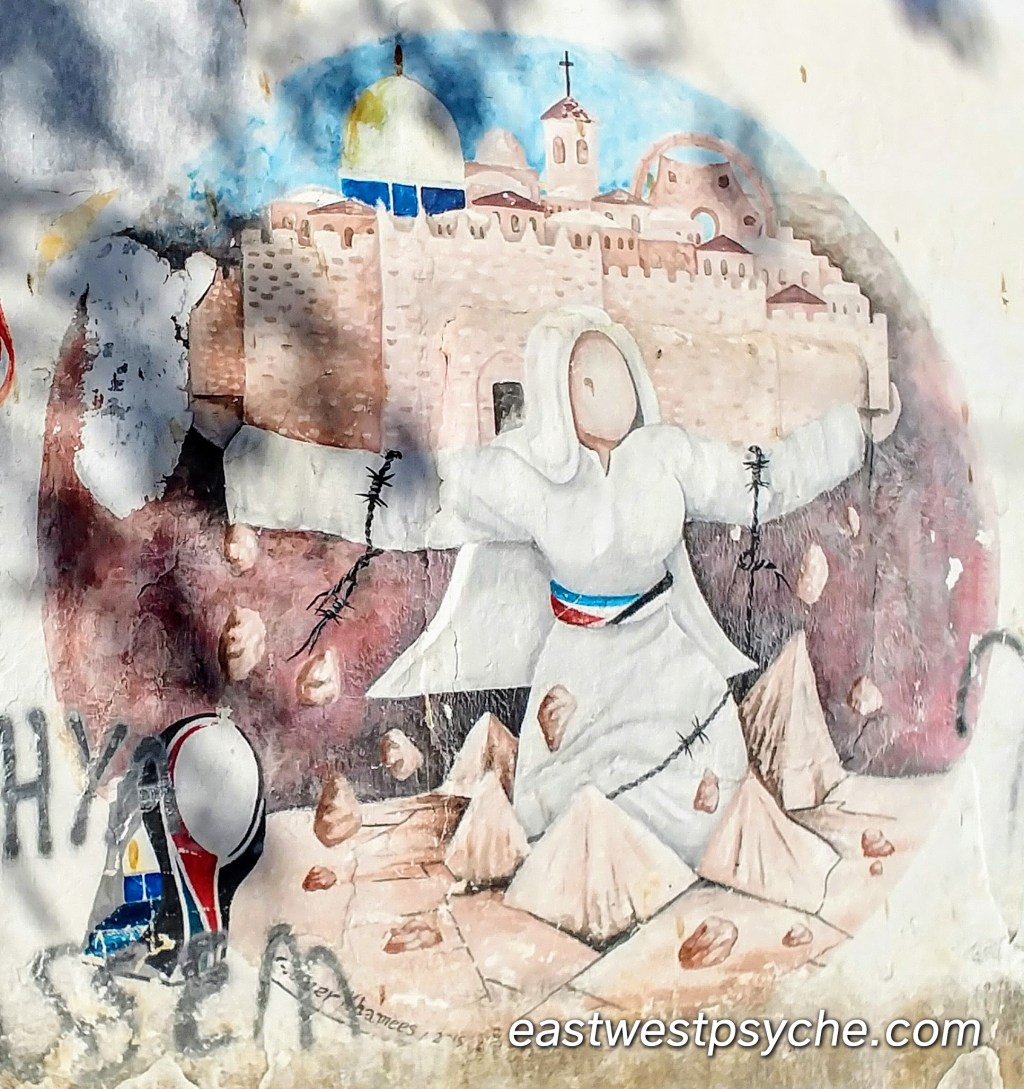
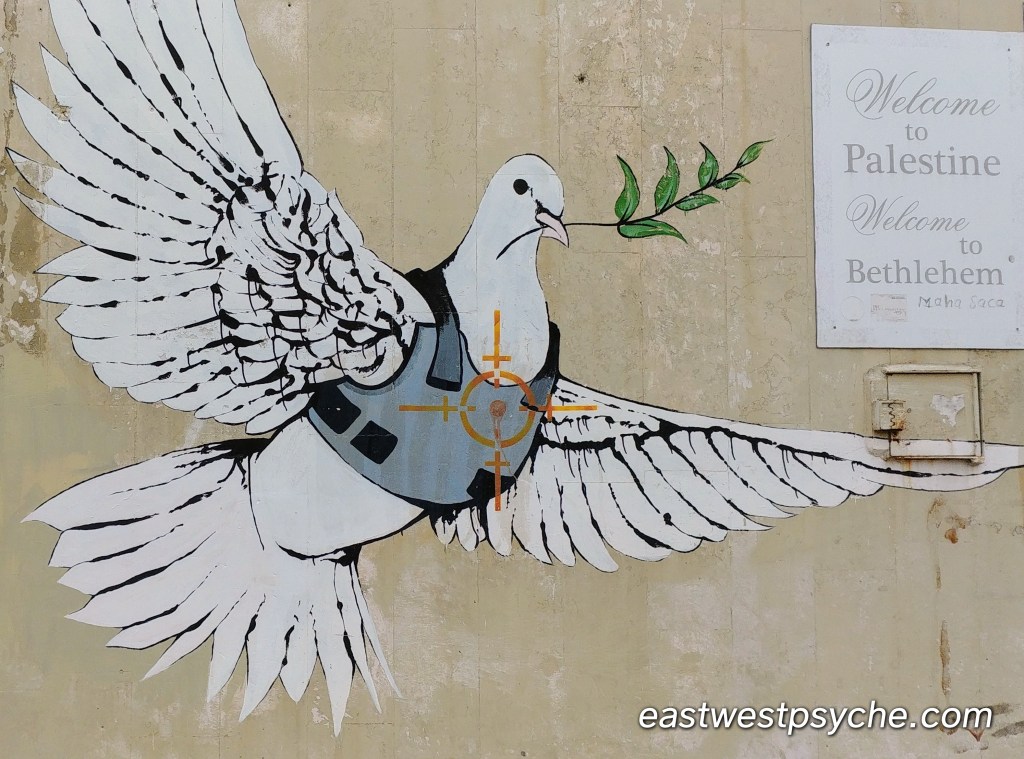
Street art abounds everywhere in Palestine — on the wall, that separates Israeli from Palestinian territory, but also on every other available wall, or so it would seem. Frequently political, it just as often displays Palestinian cultural features — and the universal longing for, and attachment to, home and homeland. Palestinian culture is often identified with that of Arabic, particularly Levantine, to include such values as family solidarity, hospitality, and honor, as well as clearly defined gender roles and patriarchal systems.

20190125_155245_3_Signature

With underpinnings of all those historic cultures previously mentioned, and the uniqueness of their 20th century experience — first of British mandate followed by the creation of the State of Israel — Palestinians also differ culturally from other Arabic peoples in many ways. In finding ways to deal with the difficulties of their circumstance, education and intellectual pursuit, including public debate of issues critical to social development, has become an especially high value, along with entrepreneurship; resourcefulness and resilience are key. Civil society has been described as active and dynamic, moreso than in other Arabic societies and also out of necessity; in politics, pluralism and openness, transparency and accountability, are alongside but increasingly replacing patronage and corruption.

20190128_100357_2_Signature

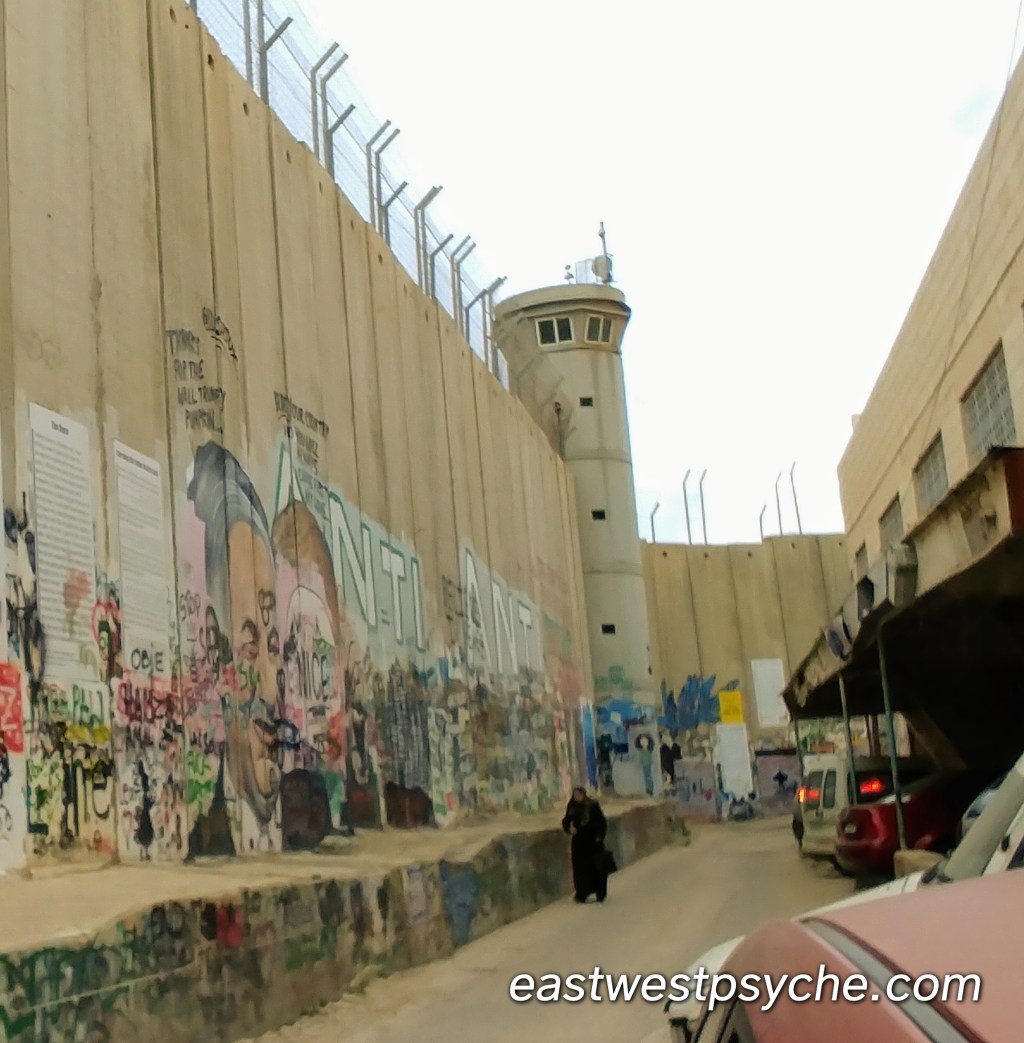
Much has been made of the wall that divides Israeli from Palestinian peoples — as a necessary security measure based on terrorist acts of previous decades; as a barrier to employment and an improved economy; as an unbridgeable social divide; as an illegal occupation. The wall has also served as a continual source of political messaging, by Palestinians as well as foreign supporters. It provides a striking image of ‘barrier’ — of sociopolitical separation and divisiveness, exclusion and marginalisation.

20190128_100644_2_Signature

In a longstanding conflict such as that experienced by the Palestinian people, with extensive walls, refugee camps, continual military presence, resistance forces, aggressive politics, acts of terrorism, economic sanctions and blocks to employment, cultural compromise, and other trauma and hardship — there are always psychosocial repercussions. Profound insecurity typically brings distrust, social dissolution, increased risk of mental health problems, issues with authority, emotional detachment, self-destructive behavior, heightened sensitivity to perceived rejection / exclusion / criticism, increased interpersonal conflict including violence, learned helplessness, and a general susceptibility to abuse — or extreme defensiveness against same. All of these are to be expected, in varying degree, among those living in Palestinian territories — alongside a powerful resilience, determination, and innovation, for survival.

20190128_094654_2_Signature

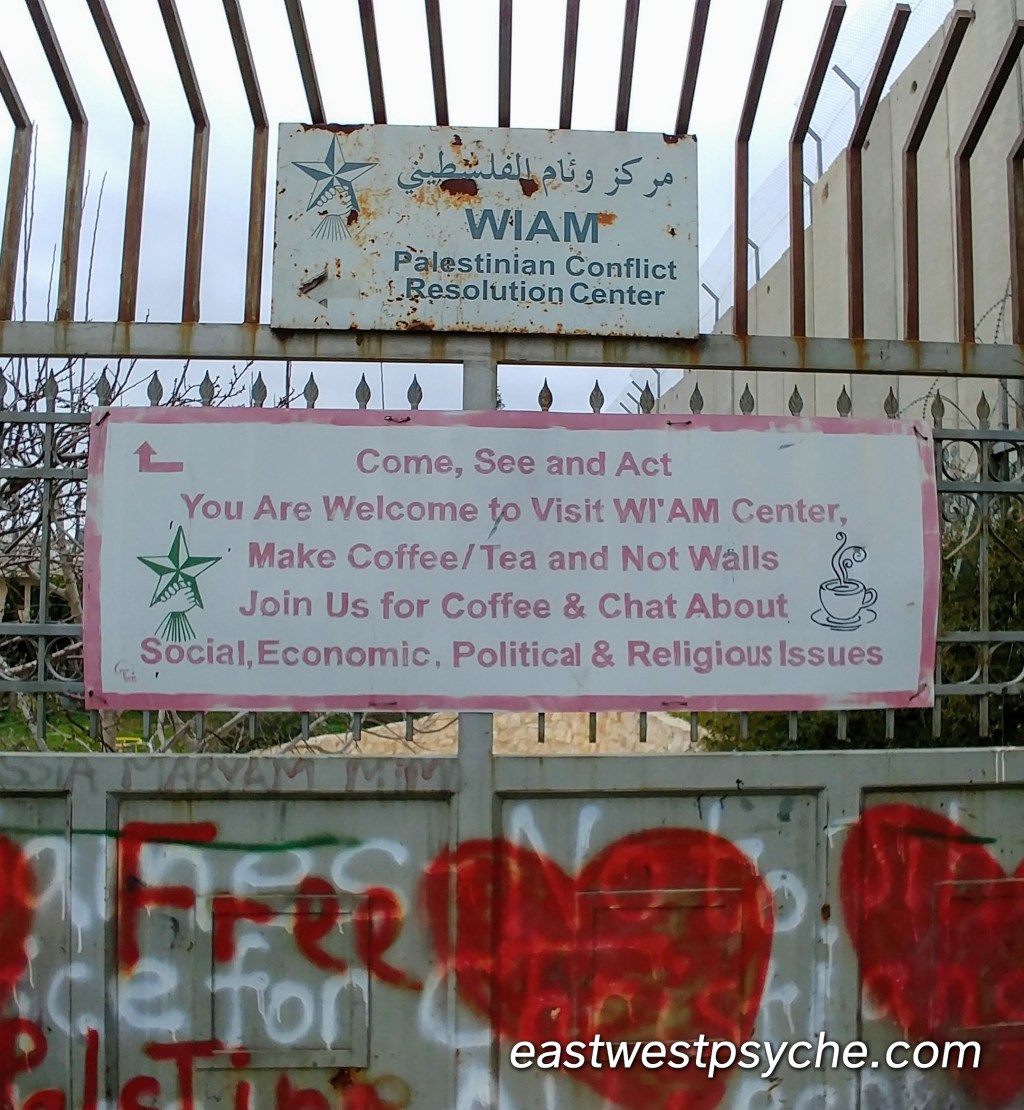
Over the years, many efforts have developed to bridge the gap between Palestinians and Israelis. One such, adjacent to the wall in Bethlehem, is Wi’am: The Palestinian Conflict Transformation Center, a civil organisation founded in 1994. According to their website, “wi’am” in Arabic means “cordial relationships” — the development of which is their express mission, through an integration of the traditional Arabic conflict resolution method of “sulha” with western models. Though the conflict, after all these years, seems insurmountable, there is still hope to be found among the Palestinian people.

~EWP


Peru

20190314_150602_2_Signature

Peru, 4th most populous country in South America, is one of the world’s 5 cradles of civilisation; in an area inhabited for more than 6 millennia, the Norte Chico established the first civilisation of the Americas in 4th century BCE. Several major civilisations later, culminating in the Incan Empire, the Peruvian story then begins a similar track to that of its neighbors: 2 centuries of Spanish colonisation including African slave trade and cultural genocide, independence followed by a series of dictatorships, and a legacy of political instability and economic disparity. However, things are looking up: as one of the Pacific Pumas, Peru’s economy is on the rise; politically, 26 January will bring an election for all 130 congressional seats, following presidential dismissal of same in October 2019 — and the chance for a fresh start.

20190314_142132_2_Signature

In addition to the first, Norte Chico (3200-1800 BCE), Peru has been home to a number of ancient Andean civilisations; following Norte Chico, those that endured for 5+ centuries include CupisniqueChavinParacasNazcaWariChimu, and Mochica, more than one of which extended well into the 1st millennium CE. The Incan empire, largest such in pre-Columbian America, emerged much later in the 15th century with its capital in Cusco, Peru; it was the Incans who demanded worship of a sun god, Inti, replacing earlier deities including Pacha Mama, goddess of earth and time — which represents a distinct cultural shift. The Incans were replaced by Spanish colonists a century later. Today, in addition to mestizos (60.2% who claim both indigenous and Spanish heritage), the largest ethnic minority group is Quechua at 22.3% — and the Peruvian culture generally described as a blend of indigenous and Spanish traditions and values.

20190314_153102_2_Signature

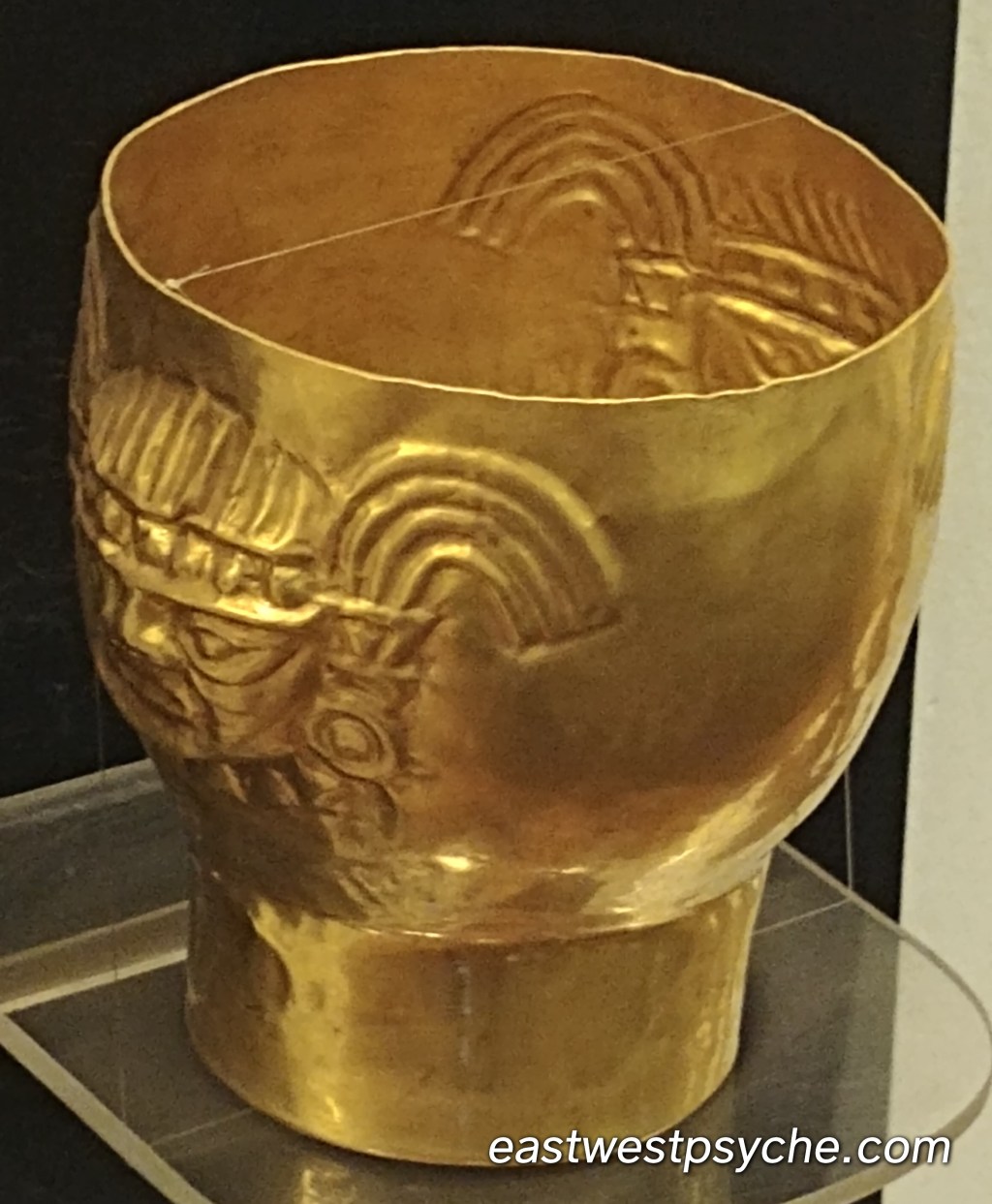
As in other areas of the continent, Peru was attractive to the Spanish for its mineral richness — especially, gold. Pre-Columbian civilisations crafted it in the worship of their gods and for tribute to sovereigns as well as for ornamental purposes; the conquistadores sent much of it back to Spain and to the Catholic Church. Peru remains today the world’s 7th largest producer of gold — illegal mining of which has devastated its rainforest.

20190314_152143_2_Signature

As in most of South America, 2+ centuries of Spanish colonisation in Peru remains a highly significant cultural influence today. The official language is Spanish and majority religion, Catholicism (often syncretised with indigenous beliefs and practices). Hierarchy instilled by the conquistadores remains relevant in a complex social structure. A lack of social cohesion, including discrimination against indigenous groups, is a modern struggle; the legacy of African slave trade, abolished in 1854, lingers in the Afro-Peruvian community. Lack of sovereignty for such an extended period, and the political vacuum and lack of infrastructure in the aftermath, resulted in increased vulnerability to a series of dictatorships and terrorist activity — as well as economic dependence and poverty.

20190314_175130_2_Signature

Land reform in 1950s Peru brought an end to the hacienda and debt bondage tradition of Spanish colonialism; the Agrarian Reform Act of 1969, under military dictator Juan Velasco Avarado, saw redistribution of land to former peasants — without also providing training in how to manage it. This brought about increased poverty and even state bankruptcy, sparking mass migration to the cities for the sake of employment; it represents a watershed moment in modern Peruvian history, a major sociocultural shift including the fracturing of social bonds.


20190315_130729_3_Signature

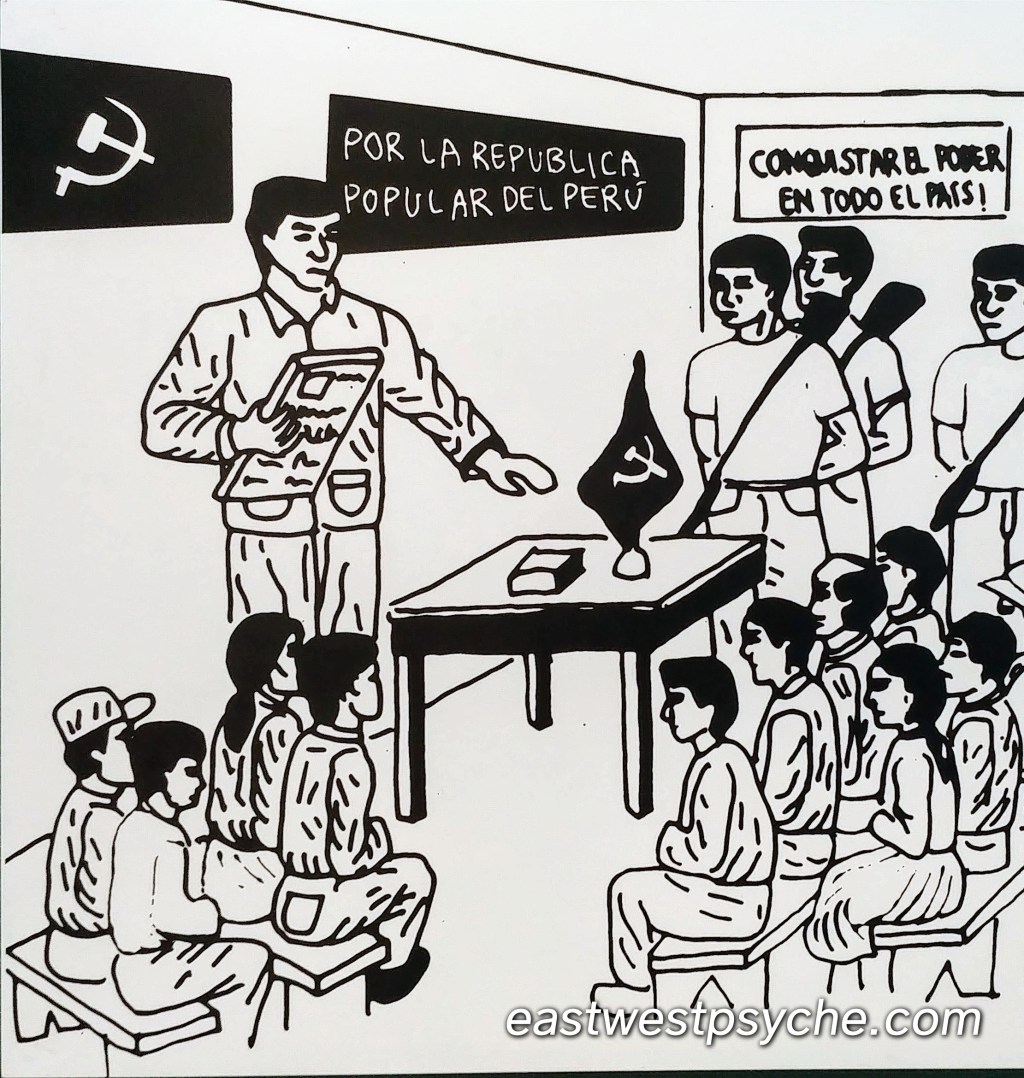
The Shining Path, communist party in Peru, emerged in the 1960s as a means to political change; it gained strength following the disastrous land reform policies of dictatorial President Velasco. In 1980, along with another revolutionary group that no longer exists, it launched a 20-year internal conflict in the country which resulted in an estimated 70,000 deaths, though activity declined after 1992 with the capture and imprisonment of its leader, Chairman Gonzalo. Former President (1990-2000) Alberto Fujimori, credited with the capture of Gonzalo as well as economic reform, was also accused of dictatorial practices — including the use of a death squad in 3 massacres, and other human rights violations. He fled the country in 2000 and in 2005 was extradited, tried, and imprisoned on multiple charges. A presidential pardon in late 2018 saw two days of massive citizen protest, and was  revoked. There is still an approximate 30% support for him, however — and his daughter Keiko, elected to congress in 2006, has campaigned for the presidency in 2011 and again in 2016 — losing only by a narrow margin each time.

20190315_132912_3_Signature

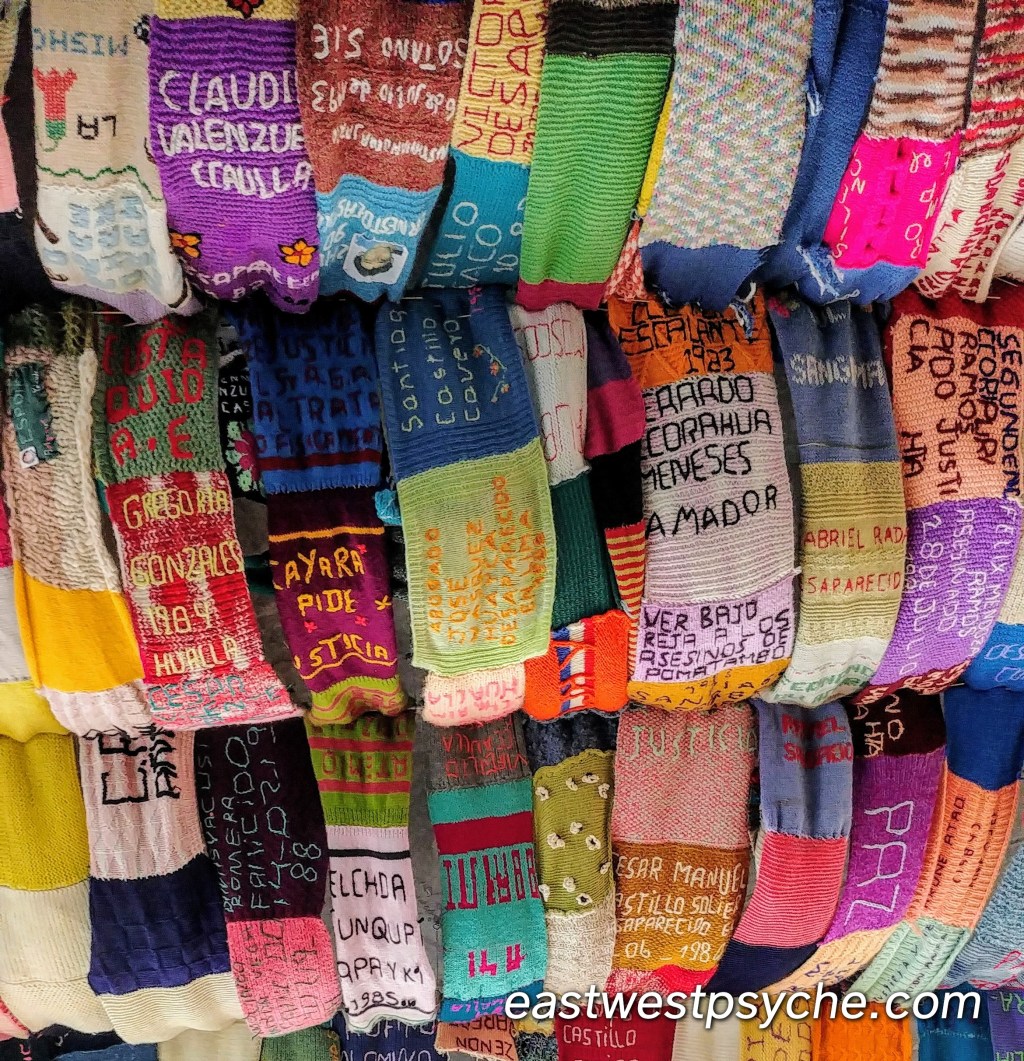
Peruvians still struggle to come to terms with the physical and psychological devastation of their internal struggle — which is as yet unresolved. A truth and reconciliation commission issued its findings in 2003, including not only 70,000 casualties and multiple acts of terrorism but also 8,500-15,000 ‘disappearances’, largely from the Quechua indigenous community — people unaccounted for to this day. Naturally, there are competing memories and conflicting cultural narratives, which makes for even greater social dissolution. One initiative for truth and healing, Chalina de la Esperanza or the Scarf of Hope (2009-2011), involved women from all parts of Peru who knitted together in public spaces — each scarf, ‘knits as DNA’, representing one of the missing persons.  El Lugar de la Memoria, la Tolerancia y la Inclusión Sociale — The Place of Memory, Tolerance and Social Inclusion, is an exhibition space in Lima that opened in December 2015, to remember, educate, and encourage dialogue and healing.

20200115_095009_Signature

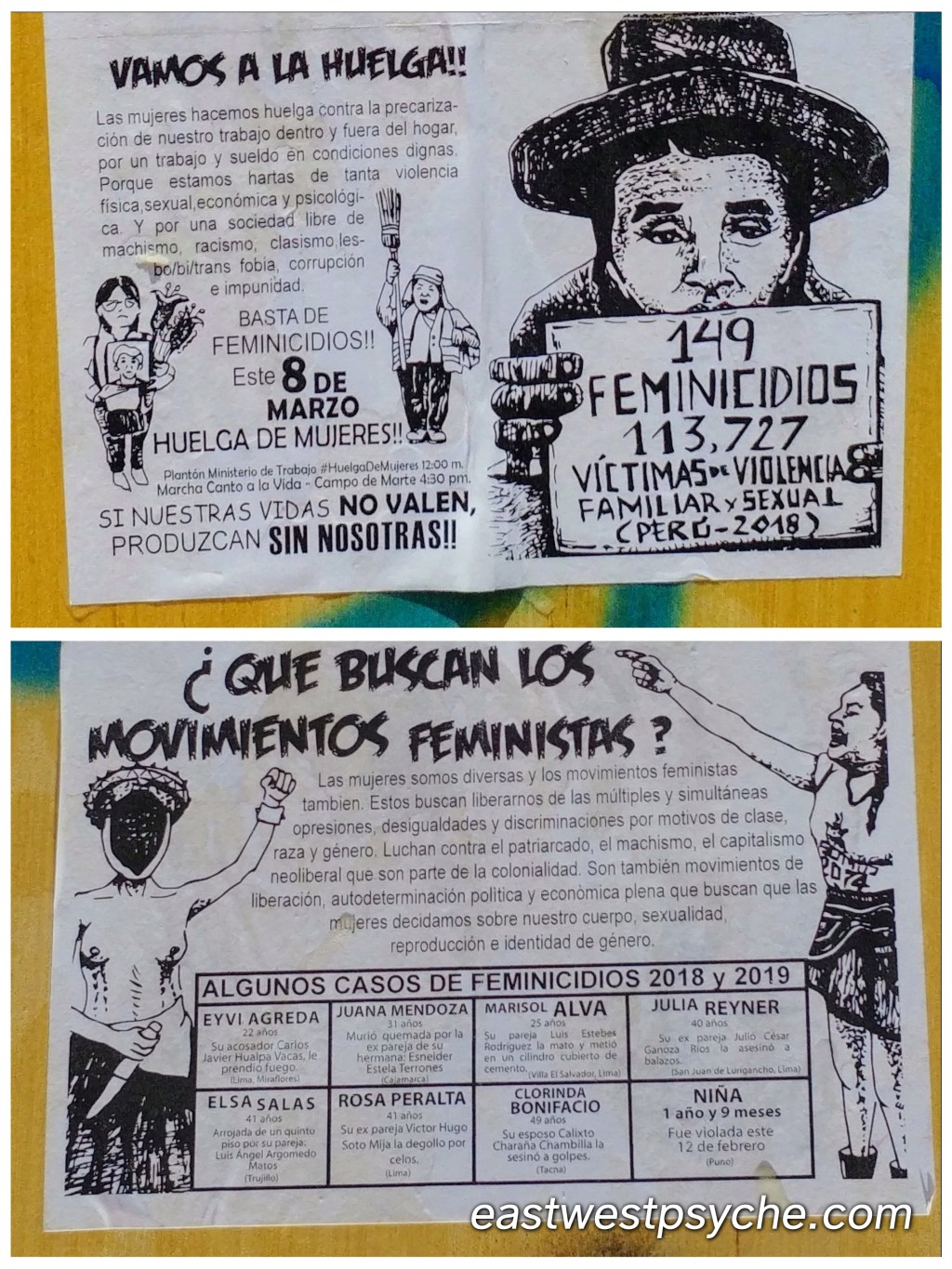
As in many other countries, women in pre-Columbian Peru held a more egalitarian status with their male counterparts than they have subsequent to Spanish colonialism, which introduced a strongly patriarchal system. Ranking 52nd on the Global Gender Gap Index [WEF] and 83rd on the Gender Inequality Index [UNDP], women most recently represented 28% of the parliament (until it was dismissed in October 2019), in part the result of a quota system; 57% of adult females have achieved secondary education, with 70% participation in labour force. OECD estimates that nearly 50% of Peruvian women have been subjected to physical or psychological violence — resulting in 149 deaths in 2018; state-sanctioned forced sterilisation of indigenous women took place in some measure as recently as 20 years ago. On the positive side, in indigenous communities women control finances in 75% of households, and domestic labour is shared between women and men.

20190314_173253_2_Signature

Peruvian society today has begun to heal the rifts and the trauma of the violent 1980s and ’90s, though this is in early stages; their economy also appears to be strengthening, due in part to a sharp increase in tourism. With the recent prosecution of a former president for corruption and bribery as well as human rights violations, they may be on their way to improved human rights and an increased transparency in government — with an entirely new congress following the election just 1 week from this writing.

~EWP

Ireland


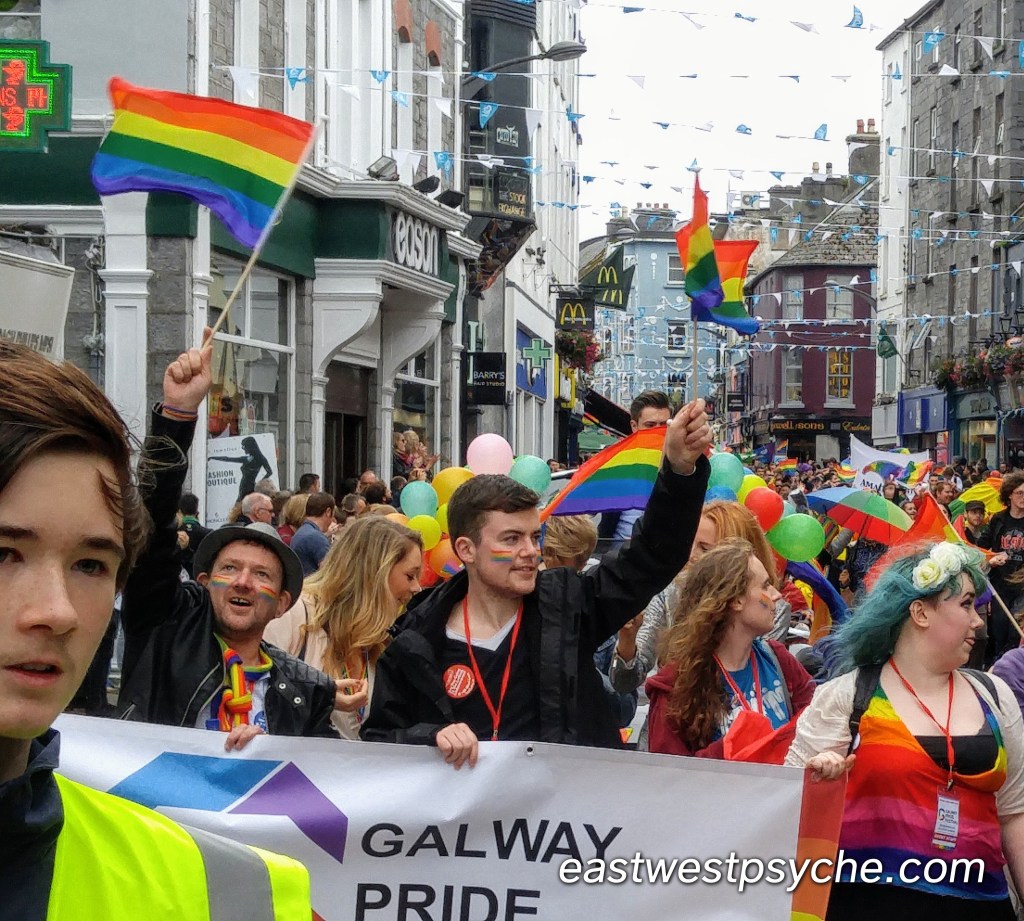
Screenshot_20200112-175408_3_SignatureIreland is commonly thought of as a charming culture focused on enjoyment of life — though with a history of tragedy and oppression, poverty and famine. Ranking highly on independence and assertiveness as well as ‘indulgence’ or general enjoyment, and low on risk aversion, power distance and long-term orientation [Hofstede’s Cultural Dimensions], Irish culture is largely focused in the moment — possibly with an element of ‘nothing to lose’, as a history of hardship will bring.
Screenshot_20200112-180323_4_Signature


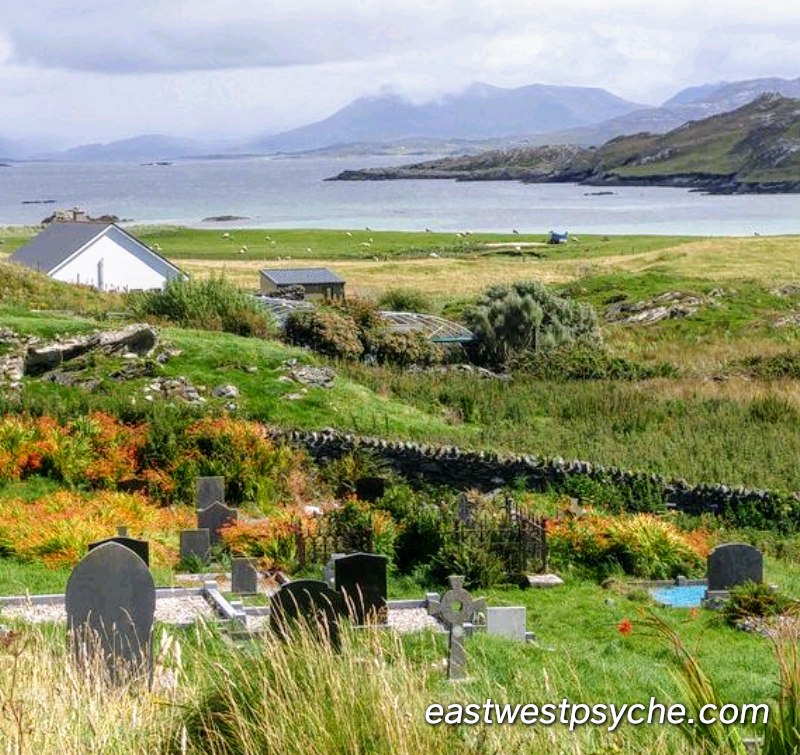
Though evidence of human inhabitants stretches back at least 8 millennia, Ireland’s deepest cultural underpinnings are that of their Celtic ancestors, thought to have arrived on the island approximately 3000 BCE. A nomadic people once found across the European continent and parts of Eurasia, they were systematically eliminated by opposing social forces in other regions — except in Ireland, where the Celts were successful in maintaining their way of life. Language, traditions, and cultural habits are thought to stem from this early influence.

20160818_174906 (2)_2_Signature

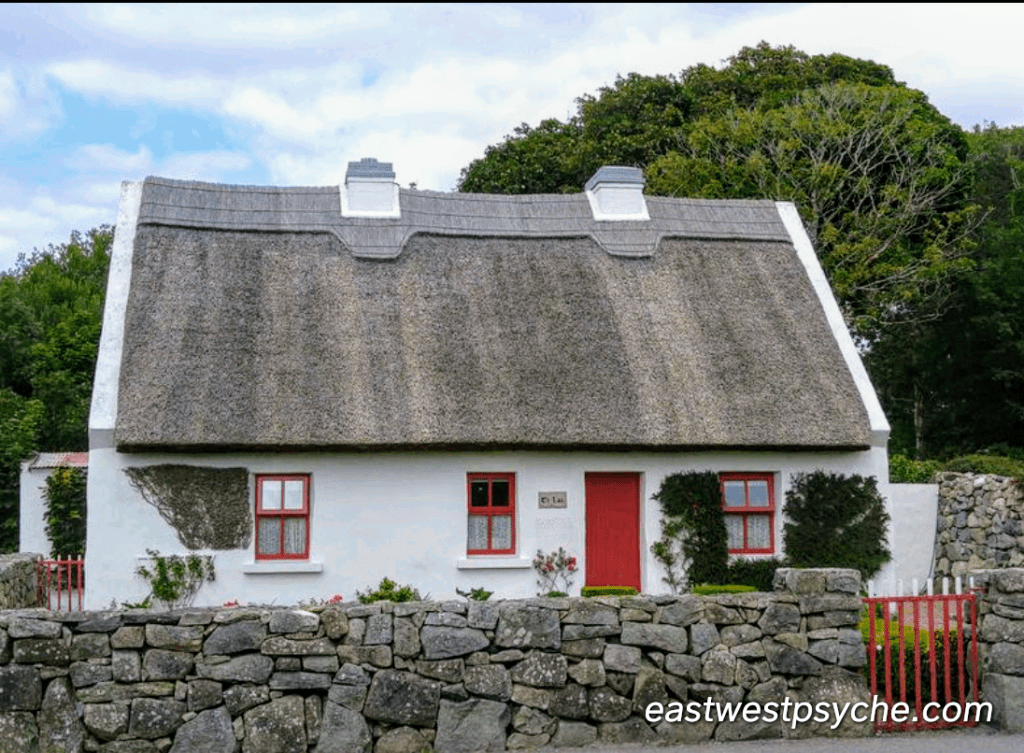
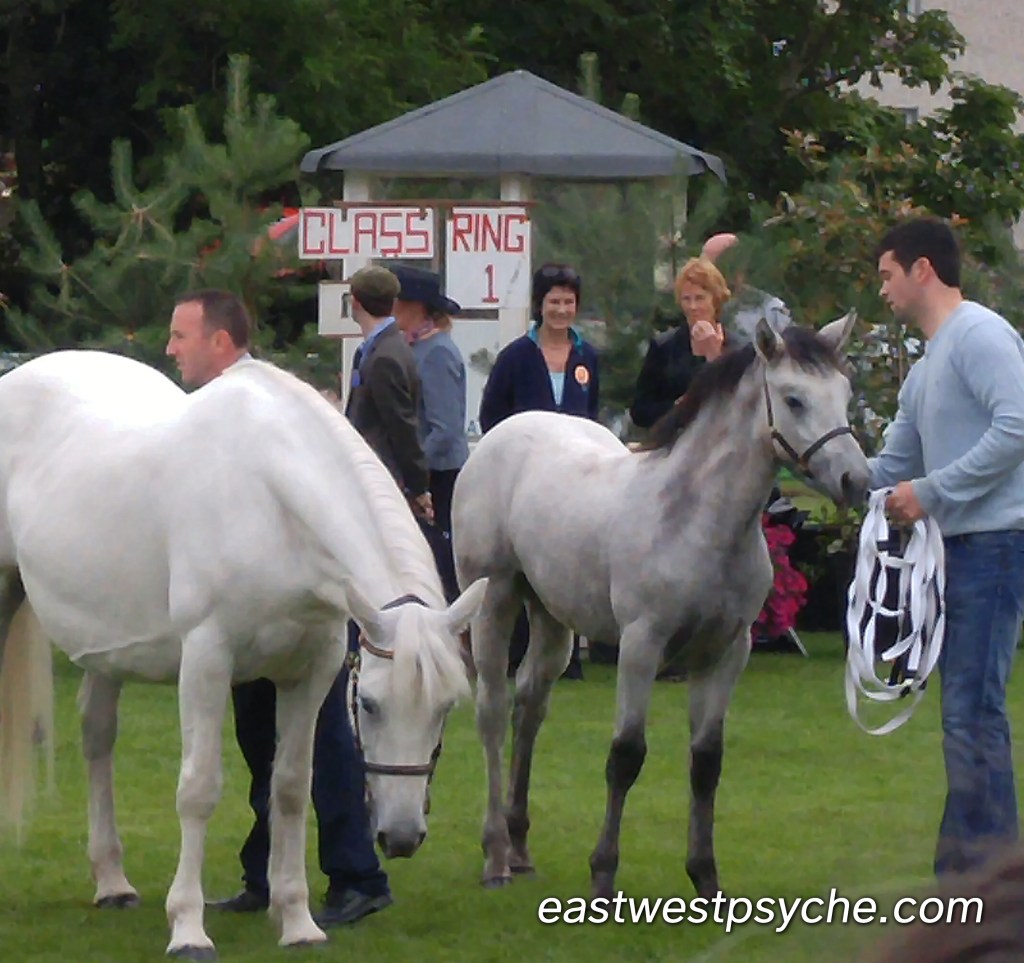
The Gaeltacht, areas along the western coast of Ireland that still speak the native language of Gaelic and, to a certain degree, maintain traditional Celtic ways, are a source of pride for Irish people. Colonisation and oppression by England, over several centuries, was severely damaging to Irish culture — though its revitalisation, and a valuing of those regions that preserved these traditions, is alive and well today. The Connemara region in County Galway, world-famous for its pony, and nearby Aran Islands make up the largest of the Gaeltacht, along with Dingle in the southwest.

20160826_103147_2_Signature

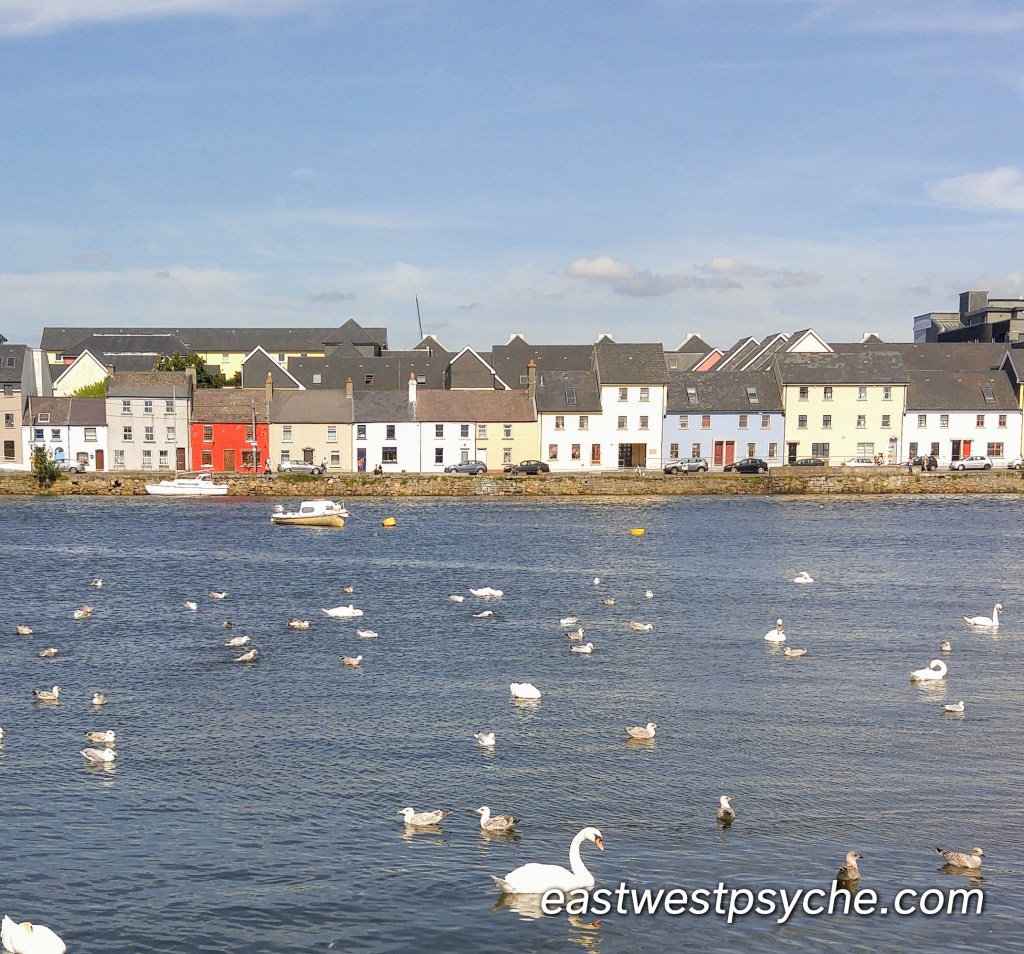
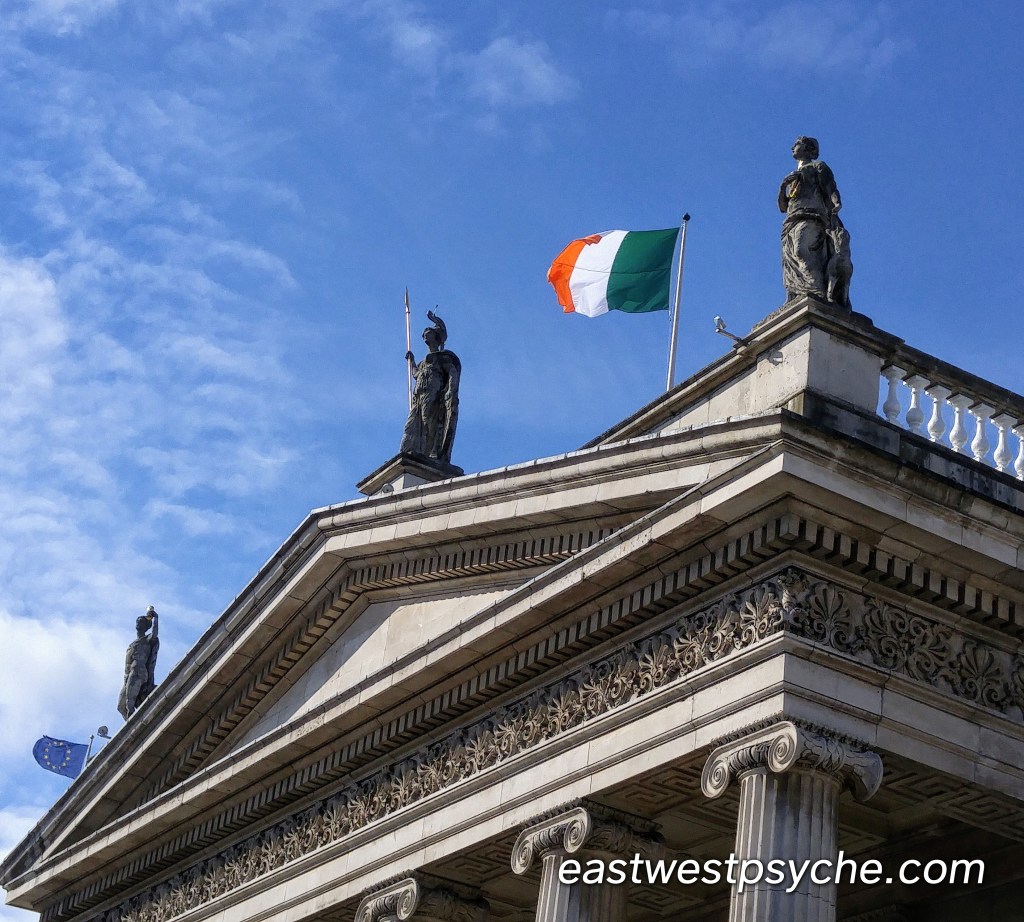
Long an area of rival kingdoms, with the concept of “high king” emerging in the 7th century, Ireland was never a single unified area — which made it all the more susceptible to its larger neighbor. Viking raids and settlements began in the 9th century, and Norman and English raids by the 12th. Irish culture reasserted itself in the 15th century — though English rule was reinstated just 100 years later, with complete unification as of 1801. After numerous struggles for independence, and partition in 1921 from what is today Northern Ireland, the country regained its freedom in two stages: a new constitution in 1937, and in 1949, the birth of a new republic.


20160822_141629_2_Signature(1)

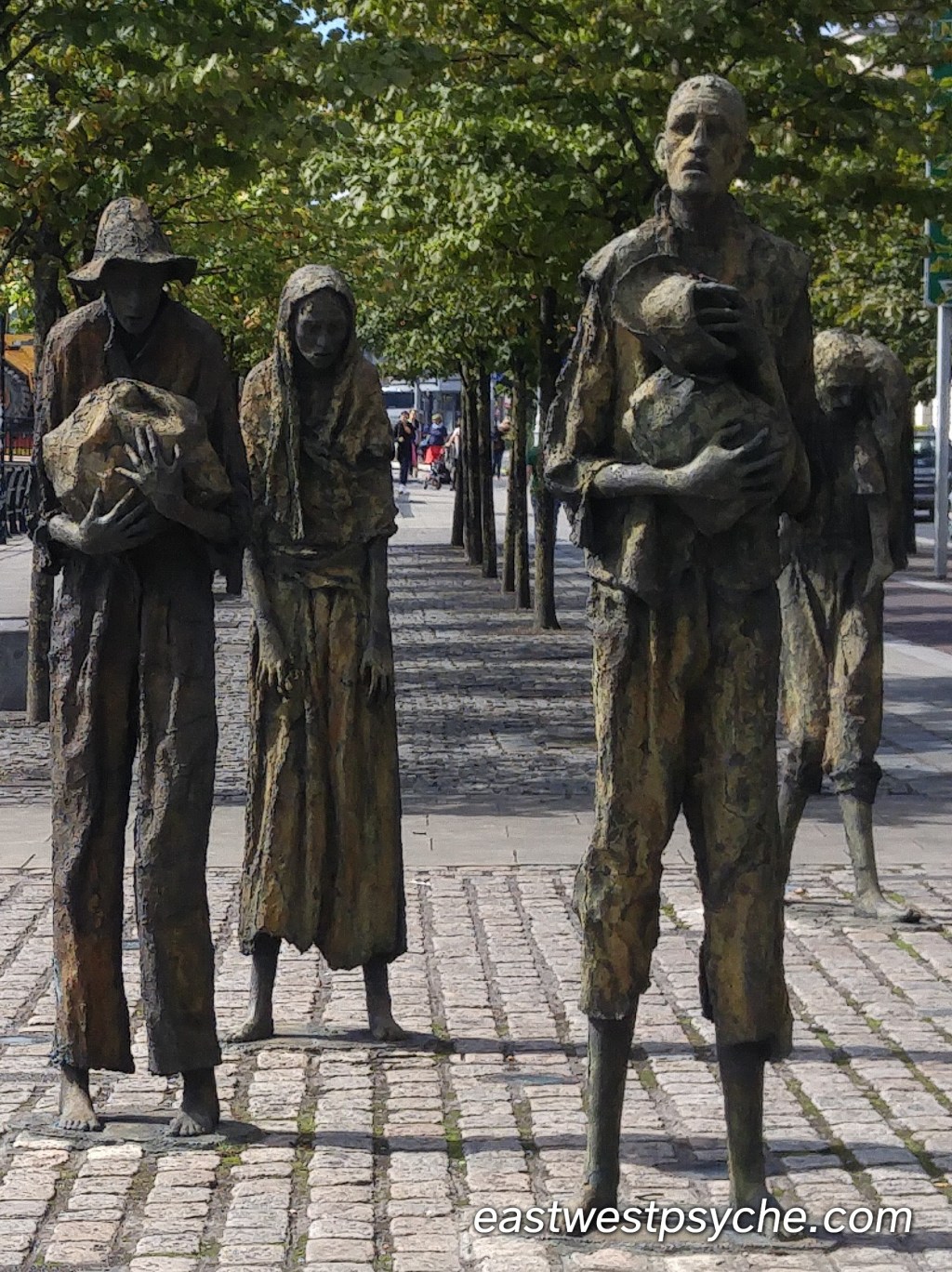
Two significant famines struck Ireland, causing tremendous social rifts in addition to a large loss of life through starvation as well as epidemic. The first, 1740-41, was caused by sudden climate change and killed 300,000-480,000 or 13-20% of the population; the second, 1845-49, brought about 1 million deaths — and spurred a mass emigration of 1-1.5 million, changing forever the social landscape. The loss of life hit hardest in the Gaeltacht, rural and impoverished, resulting in cultural as well as human loss. Fear, insecurity, profound loss, and a focus on survival are thus embedded in the cultural milieu.

20160815_153707_2_Signature

Three lighthearted elements define Irish culture — as, indeed, does ‘lightheartedness’ itself, perhaps once as a defense and survival mechanism. Expressed in the Gaelic word craic, without English equivalent but encompassing enjoyment of life, emotional fulfillment, and the companionship of others, these elements include music, storytelling, and humor. In an historical context including centuries of invasion and oppression, devastation and sorrow, survival of the human spirit depends on such things.

20190524_100933_2_Signature

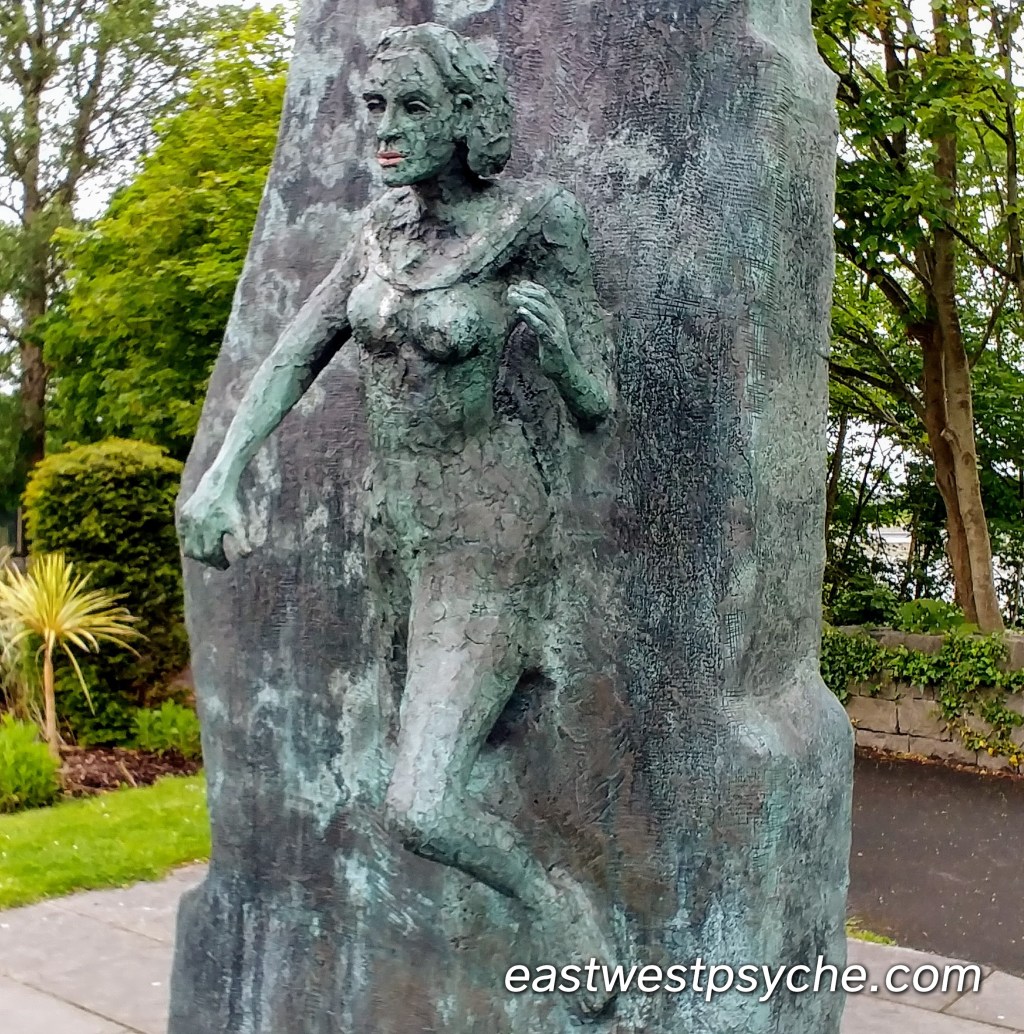
‘Equality Emerging’, as this Galway sculpture by John Behan is entitled, depicts the ever-increasing status of women — and of people overall. With half the population gone in the span of half a century, due to mass death and waves of emigration, Ireland needed to recover from the social shock — and, to some degree, recreate itself, their newfound independence giving them full license to do so. Arising from one of the most impoverished European nations to the highest growth rate in the EU for 2019, its GDP ranked globally at 5th (IMF) / 6th (World Bank). The nation has a strong focus not only on ever-increasing quality of life, but equality, for all.

20160820_144923_2_Signature

Equality for all has pervaded the Irish culture, now more egalitarian than most with a power distance rating of just 28% [Hofstede’s Cultural Dimensions]. Once a staunchly Catholic country with nearly 80% still nominally identifying as such, religious influence has declined dramatically in the past 5-10 years — and Ireland increasingly liberal on its way to becoming a de facto secular — humanistic — nation. The final barrier, and current advocacy: the Church’s continued influence over state education.

~EWP