Category: Uncategorized

North Macedonia

20180928_160551_2_Signature

North Macedonia, a Balkan state and predominantly South Slavic culture, is an area inhabited since antiquity: by Thracians, then as part of the Persian and Roman empires, and inhabited by Slavic tribes since the 6th century CE. More recently, it was under several centuries of Ottoman rule — and then became part of the former Yugoslavia, a socialist state, finally regaining its independence in 1991. All of these cultural influences, and more, serve as a matrix for the modern Macedonian.
 

20180927_131410_2_Signature

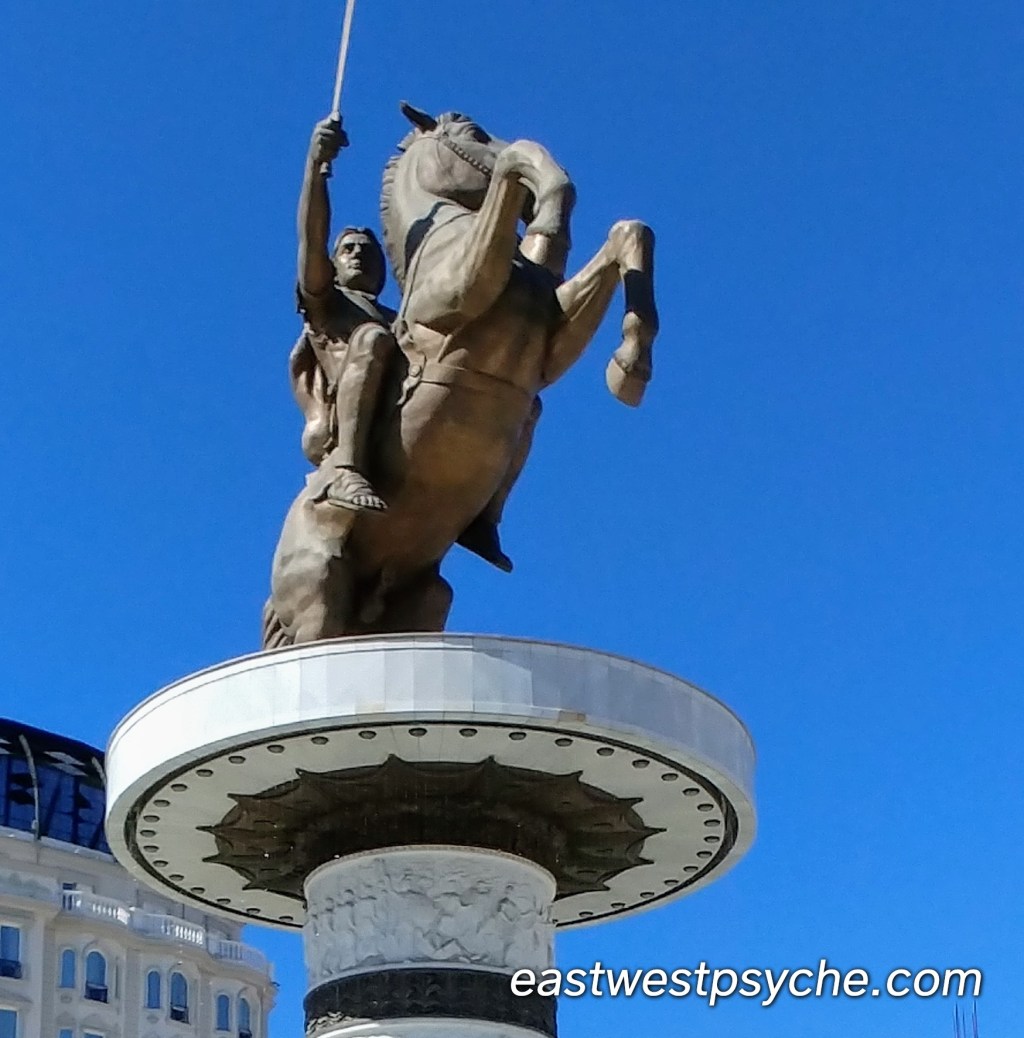
The name, and reference to Macedonian culture and history, has long been a controversy with the bordering region of northern Greece — historically, the kingdom of Macedon / Macedonia. History overlaps in this region, and nationalists in both countries have driven the fight over this name, including claims to historic figures. In June 2018 a treaty between these countries was signed, the name formally changed to “North Macedonia” in February 2019 as a result. This compromise between governments, largely hinging on the withdrawal of a Greek veto of N. Macedonia’s EU membership application, has pleased no one — the ideological struggle continuing strongly on social media.
20180926_165248_3_Signature

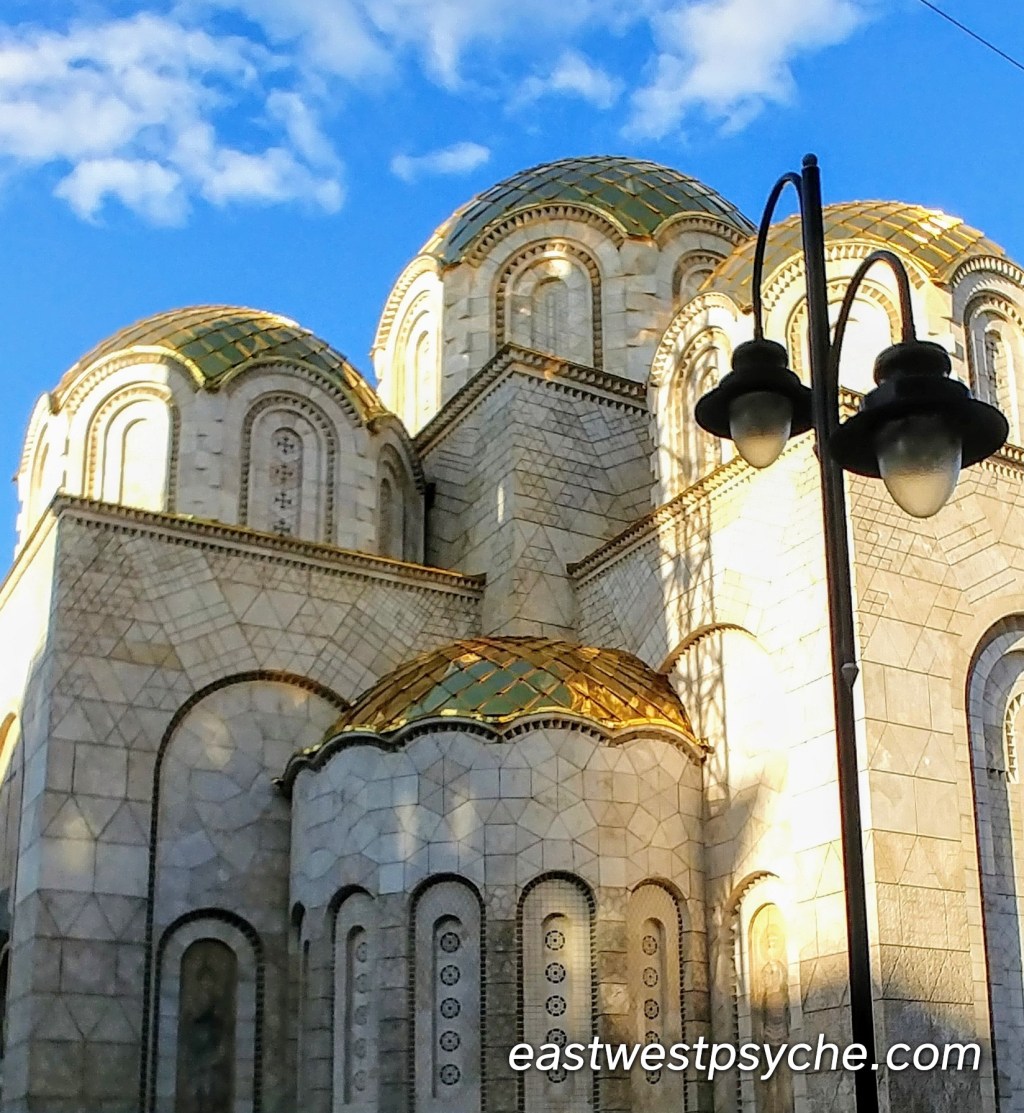
Eastern Orthodoxy Christianity represents the religious identity of 65% of N. Macedonians, while at 33%, Islam is a significant minority, and just over 1% claim no religious affiliation. Religion falls along ethnic lines, with most Muslims Albanian, Turkish, or Romani. Discrimination against ethnic minority groups is longstanding, though improving, with Albanians representing the largest ethnic minority at 25% of the population.
20180927_144602_2_Signature

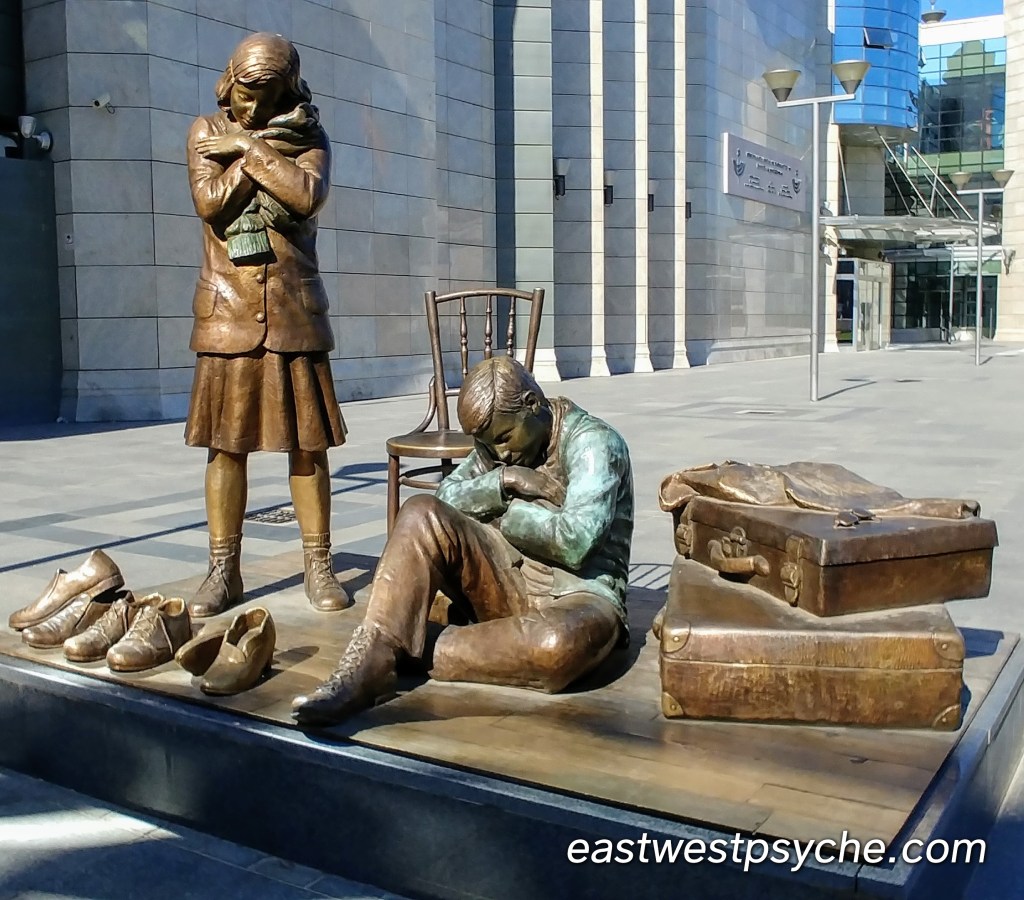
There was also a significant Jewish population in N. Macedonia, living in the area for more than two millennia. By the 1930s they numbered more than 7,000, only 2% of whom survived WWII; most subsequently emigrated to Israel, with an estimated 200 remaining today. The country was part of Yugoslavia by the time of the war, which was occupied by Axis Powers.
20180926_162158_2_Signature

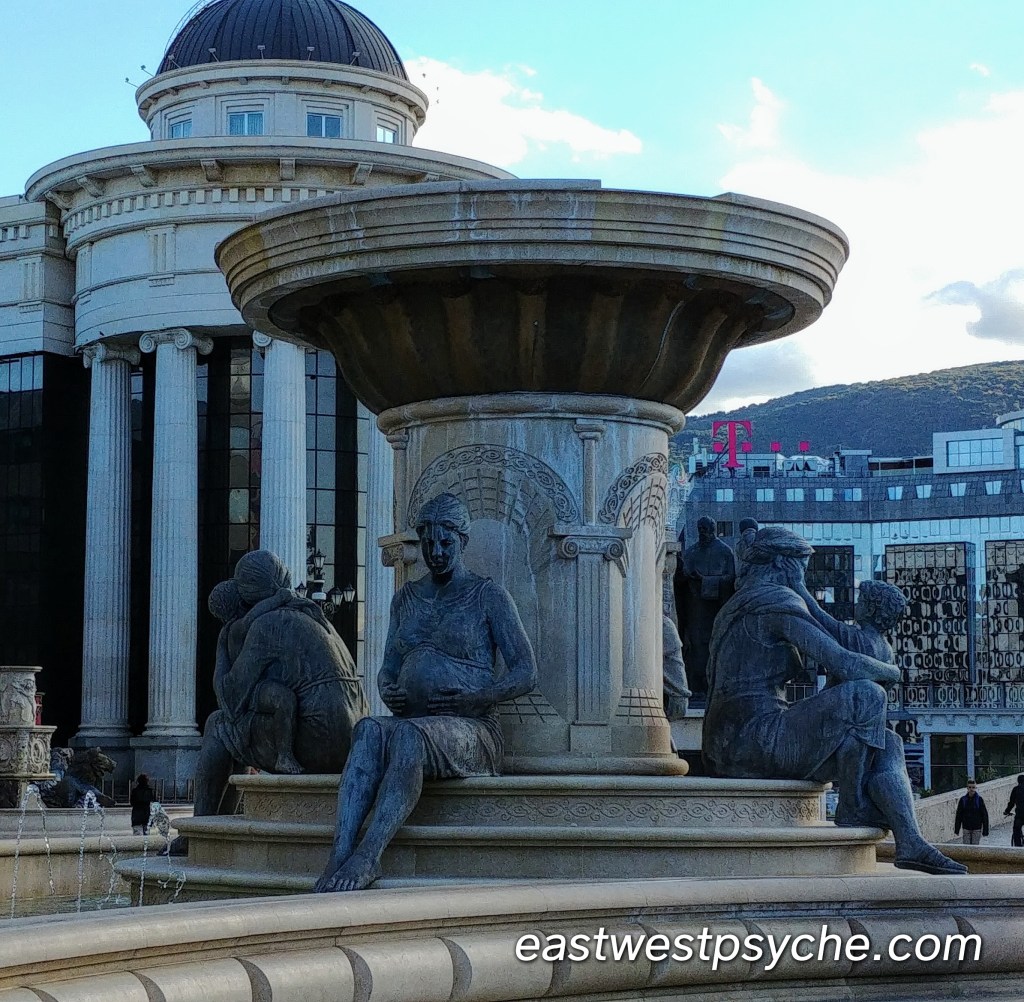
Women in N. Macedonia have achieved significant strides toward gender equality, with 40% of the current parliament female and a 17-year old legislative quota re: same. On the Gender Inequality Index, it scores overall in keeping with other European countries: higher in the domain of parliamentary as well as civic power, lower in areas of income and sharing of household responsibilities. As of 2017, women represented 39% of the labour force with an income gap of 9%; the top category of employment was professional, in particular research and media, followed by clerical / support staff and then industrial. In November 2019, the nation published its own Gender Equality Index, for regular internal monitoring.
20180926_164835_2_Signature

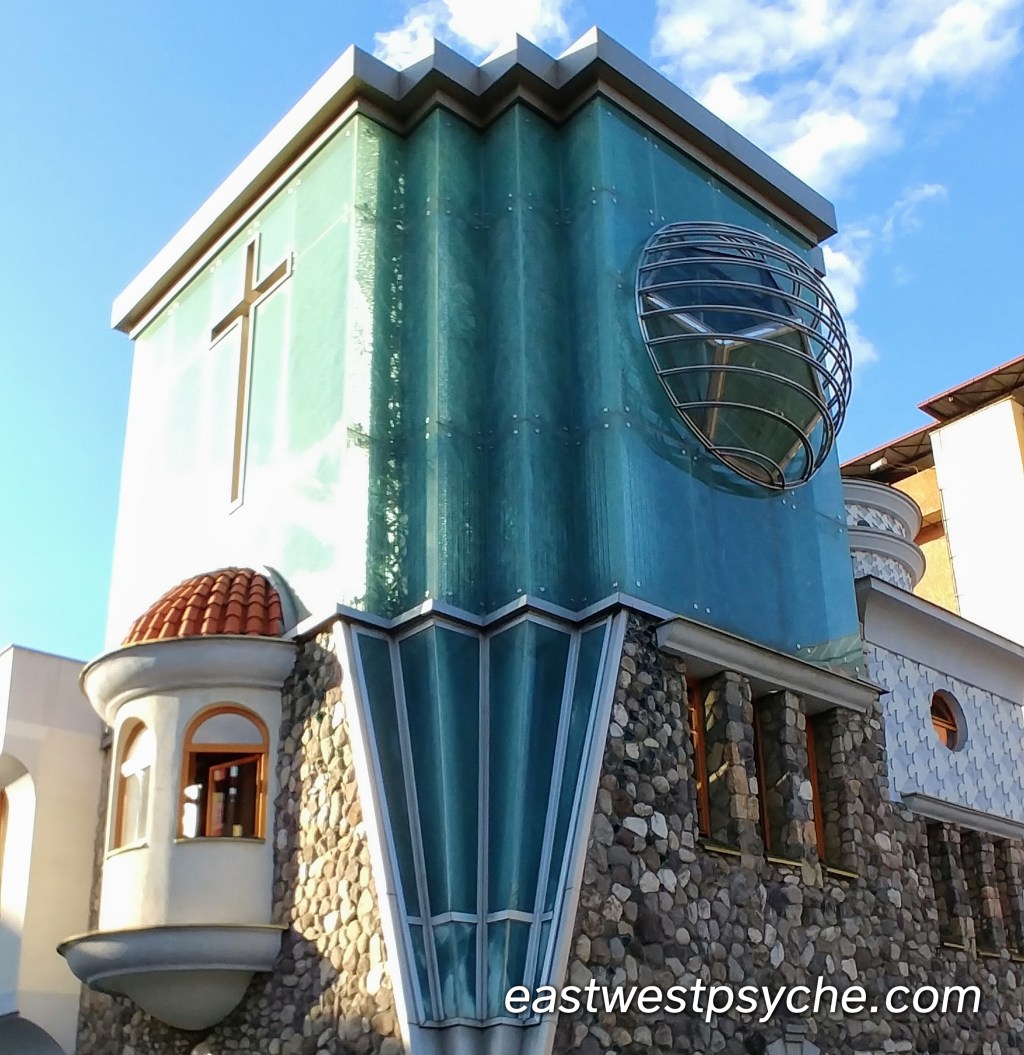
One famous, though controversial, woman from N. Macedonia’s Albanian minority was Mother Teresa; she was born and raised in the capital city of Skopje, departing the country at age 18 to become a Catholic nun and undertake her well-known missionary work in India. The city, while Eastern Orthodox majority and Muslim minority, maintains numerous tributes to her.
20180928_161944 (1)_2_Signature

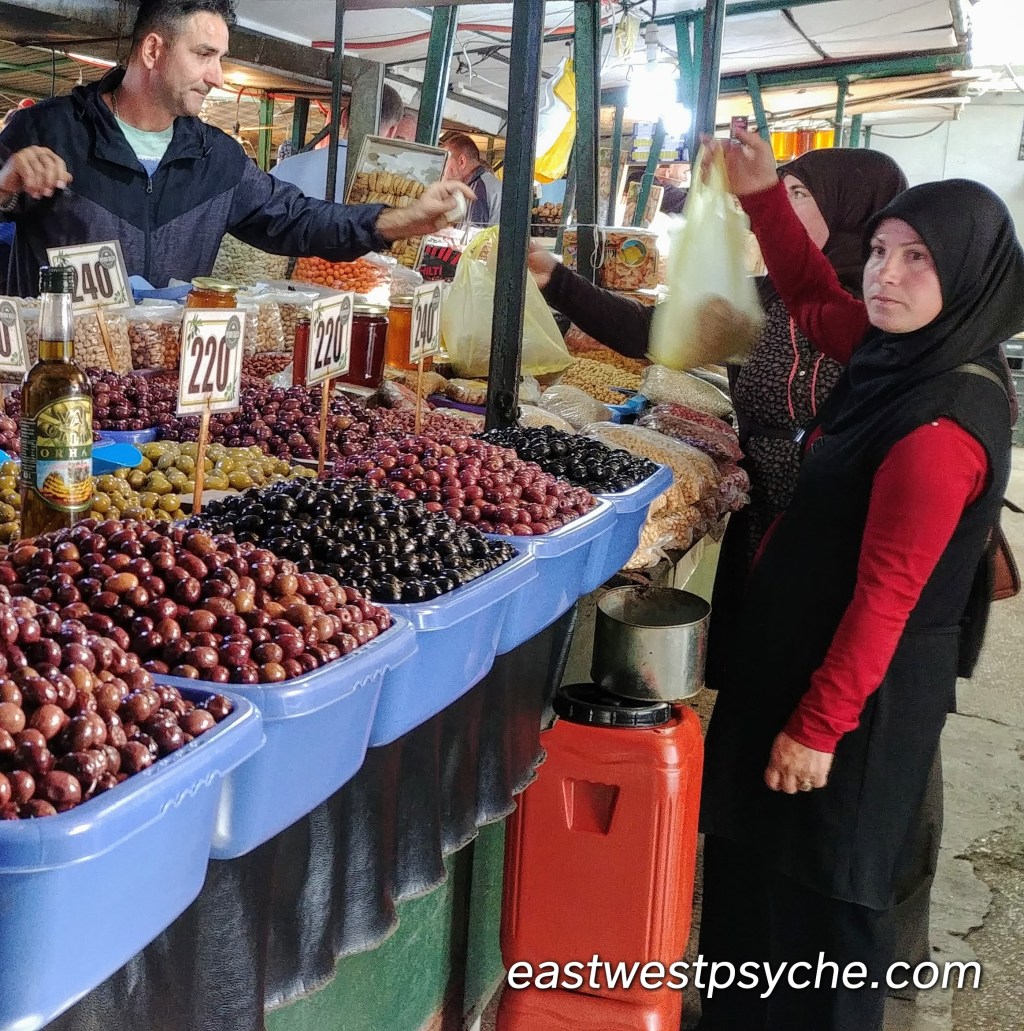
Prior to its independence in 1991, N. Macedonia was classified as the poorest Yugoslavian state; it has undergone significant economic reform since, declared by World Bank to be “fourth best reformatory state” of 178 in total (2009) and a “middle-income country.” It has an increasingly liberalised open economy, with its GDP 90% dependent on trade; unemployment has slowly but steadily reduced, currently estimated at 16%, with hunger and poverty in decline.
20180927_144450_2_Signature

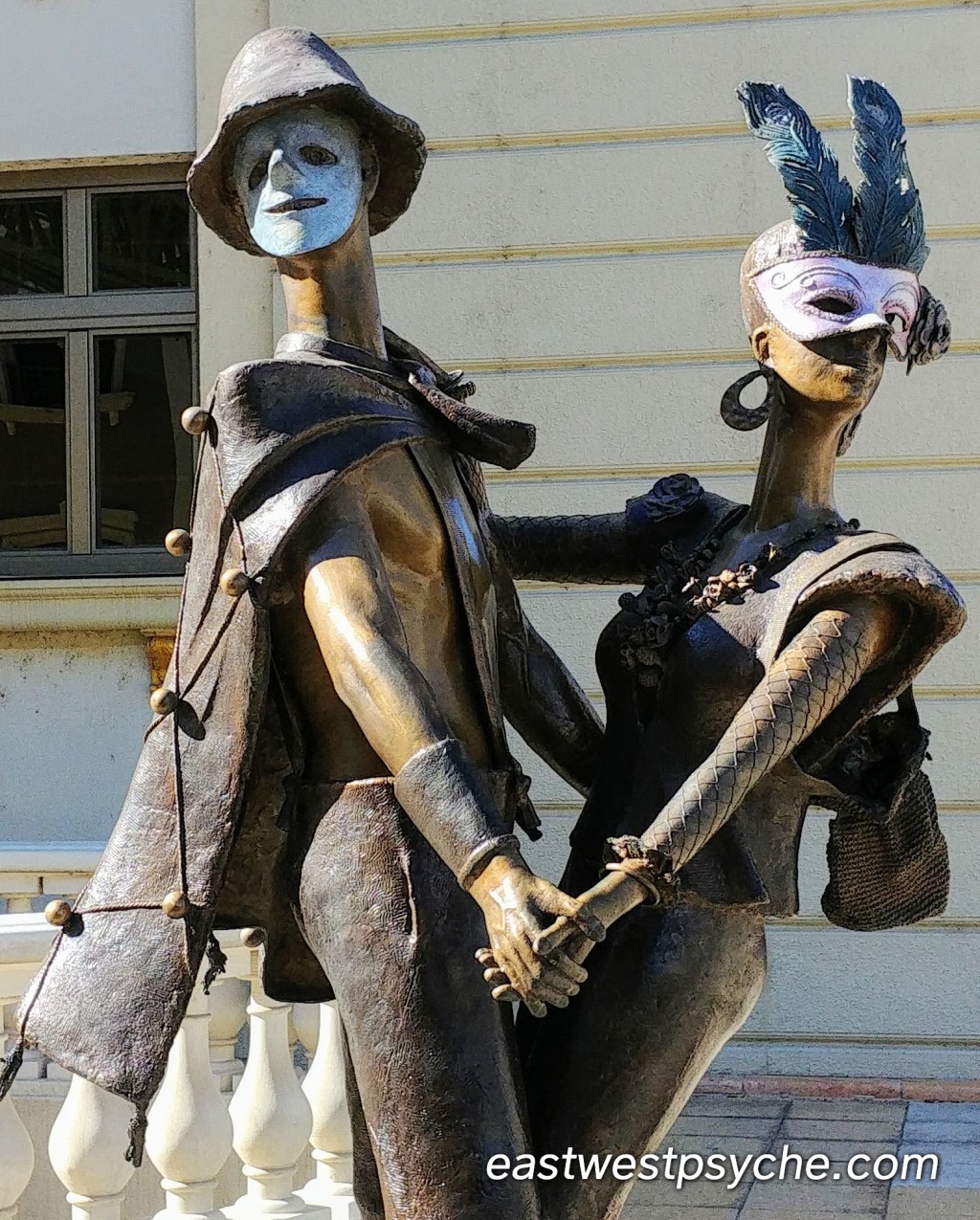
Creative expression is highly valued in N. Macedonian life, as seen especially in its capital city of Skopje. The film Honeyland is currently nominated for an Academy Award, as was Before the Rain in 1994; a body of native-tongue literature has been blossoming for the past century, despite Serbian refusal to acknowledge “Macedonian” as a distinct language. Theatre is a particularly celebrated art form, and museums and galleries abound. The country has an especially rich musical tradition both sacred and secular, and the Macedonian Arts Council endeavours to protect the people’s cultural heritage.

~EWP
Laos

20180131_175822_HDR_2_Signature

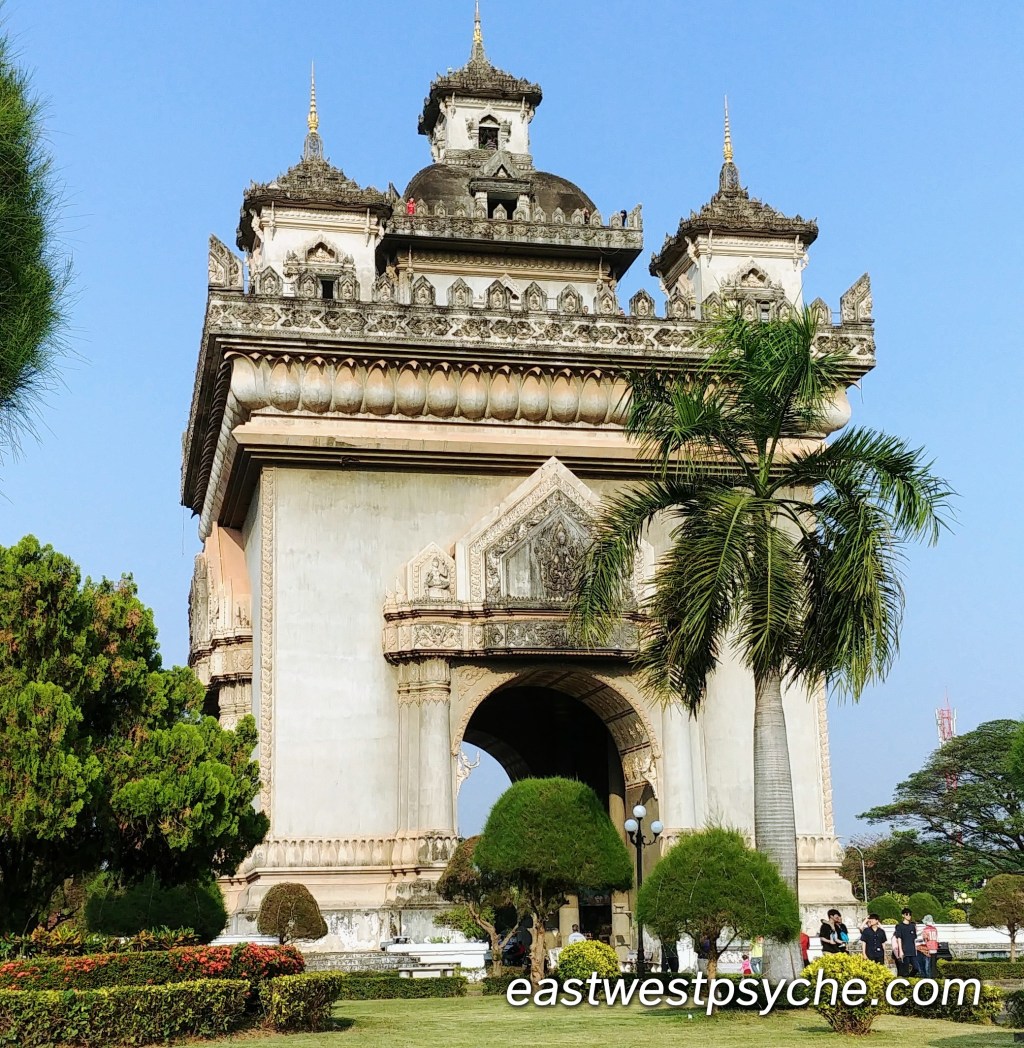
Laos, officially People’s Democratic Republic of Laos and locally known as Muang Lao, is a socialist republic in SE Asia. As one of the largest kingdoms in 14th-18th century and centrally located, it became a popular trade destination — which has had a major influence on its culture to this day. The people of Laos are familiar with and open to strangers, have a strong code of hospitality, are not averse to risk, and generally tend to think outside of their own borders.

20180131_172230_HDR_2_Signature

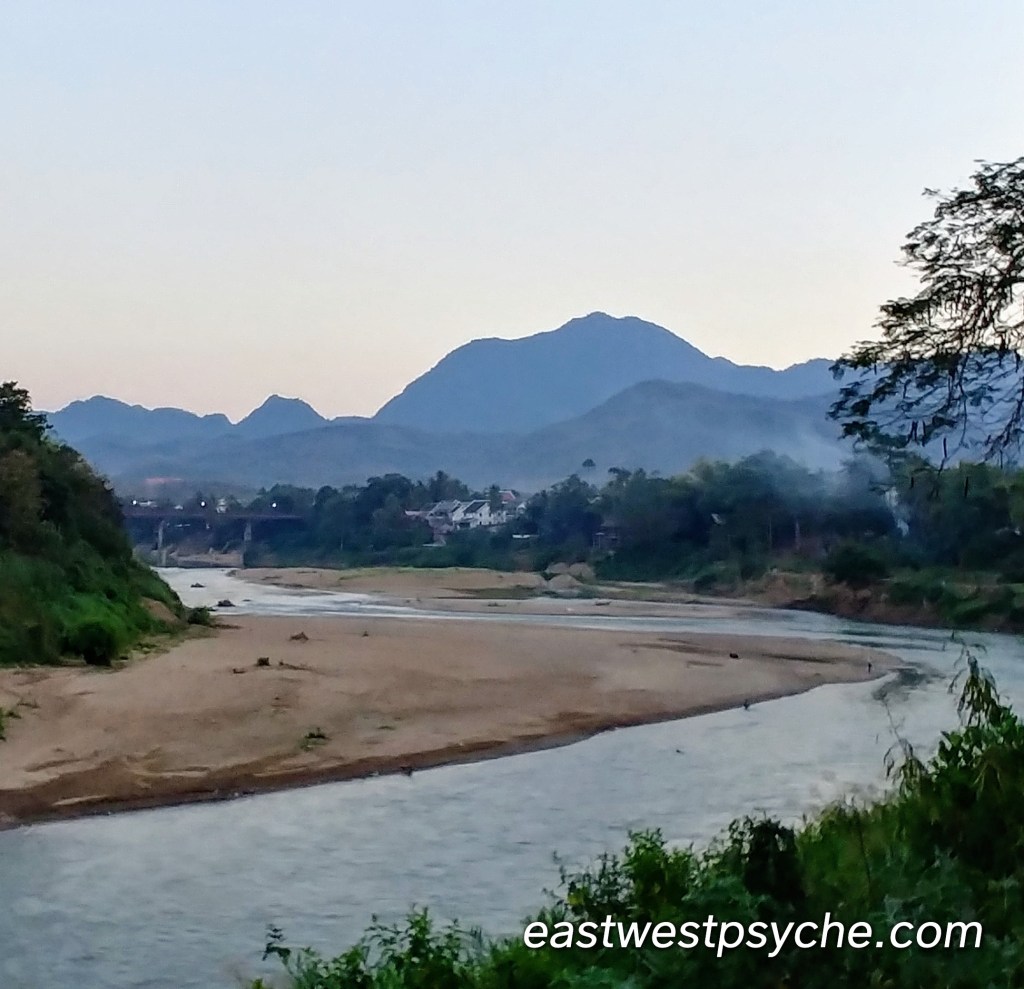
The mighty Mekong River only added to the popularity of Laos for traders in the region; Laotian people have long viewed it as a “source of life” and means to economic gain. Whether fishing, traveling, trading, or tourism, the Mekong plays a significant role in the cultural psyche.

20180201_093225_HDR_2_Signature

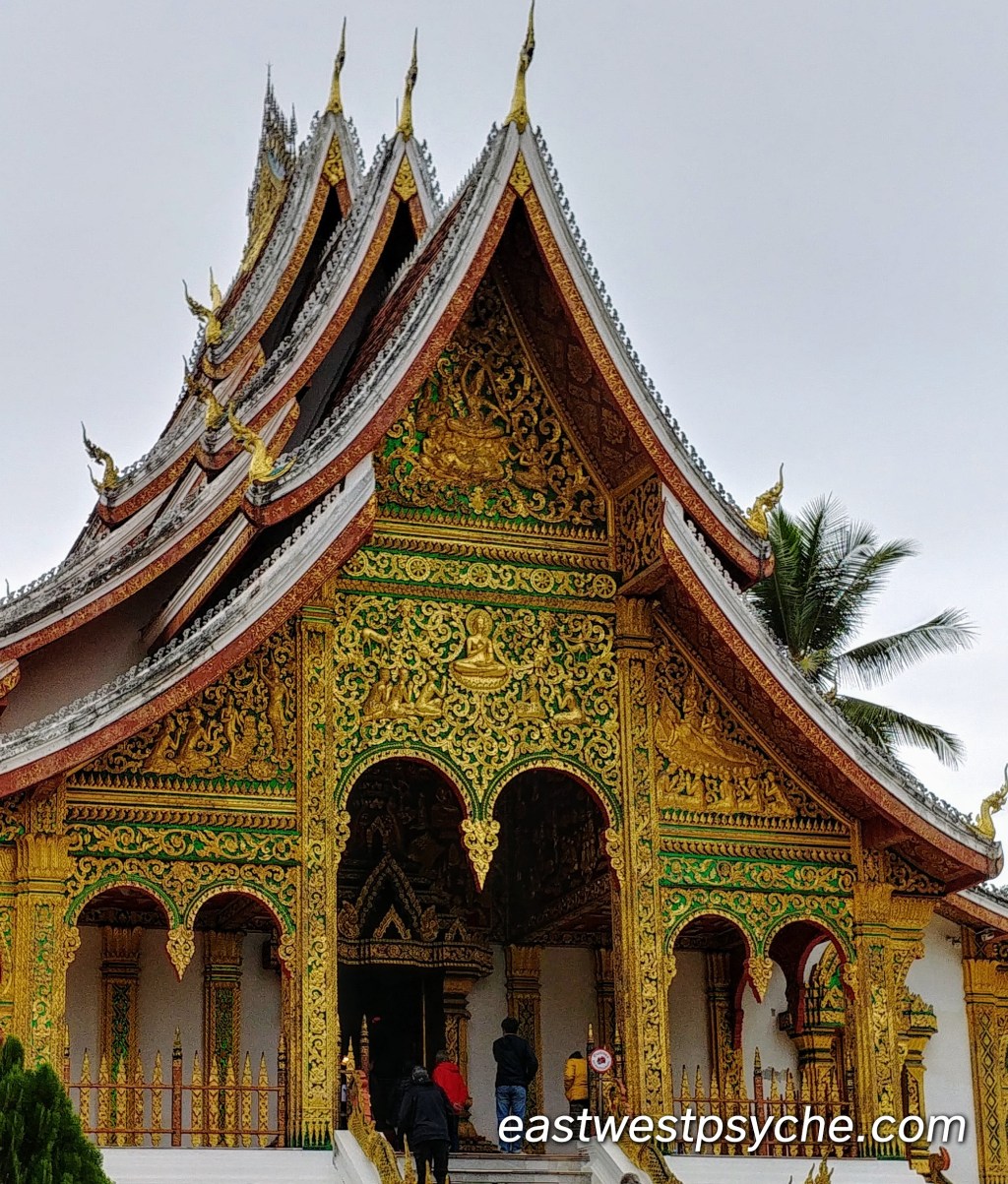
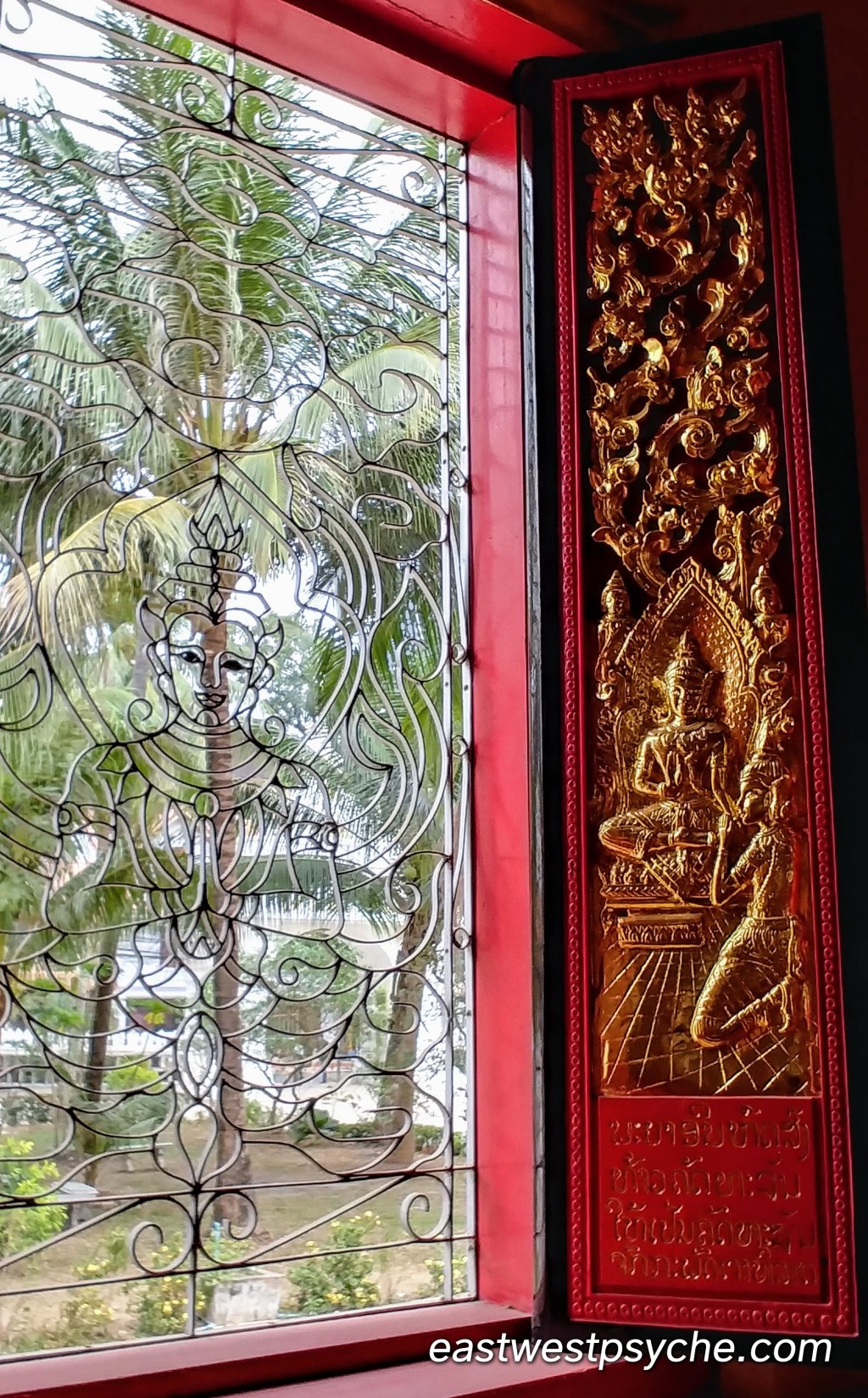
Buddhism is another very important cultural underpinning for the people of Laos. More than 67% of the population, primarily those ethnically Laotian, identify as Theravada Buddhist; it is not an official state religion, however, as freedom of religion is constitutionally protected, and as such, proselytising of same is strictly forbidden. Most of the 48+ ethnic minority groups, representing 30% of the population, observe Laotian indigenous religion known as Satsana Phi: a typically Asian animistic and polytheistic tradition led by shamans and including ancestor worship. There is pervasive syncretism of this folk religion into the practice of Buddhism as well.

20180201_161350_2_Signature

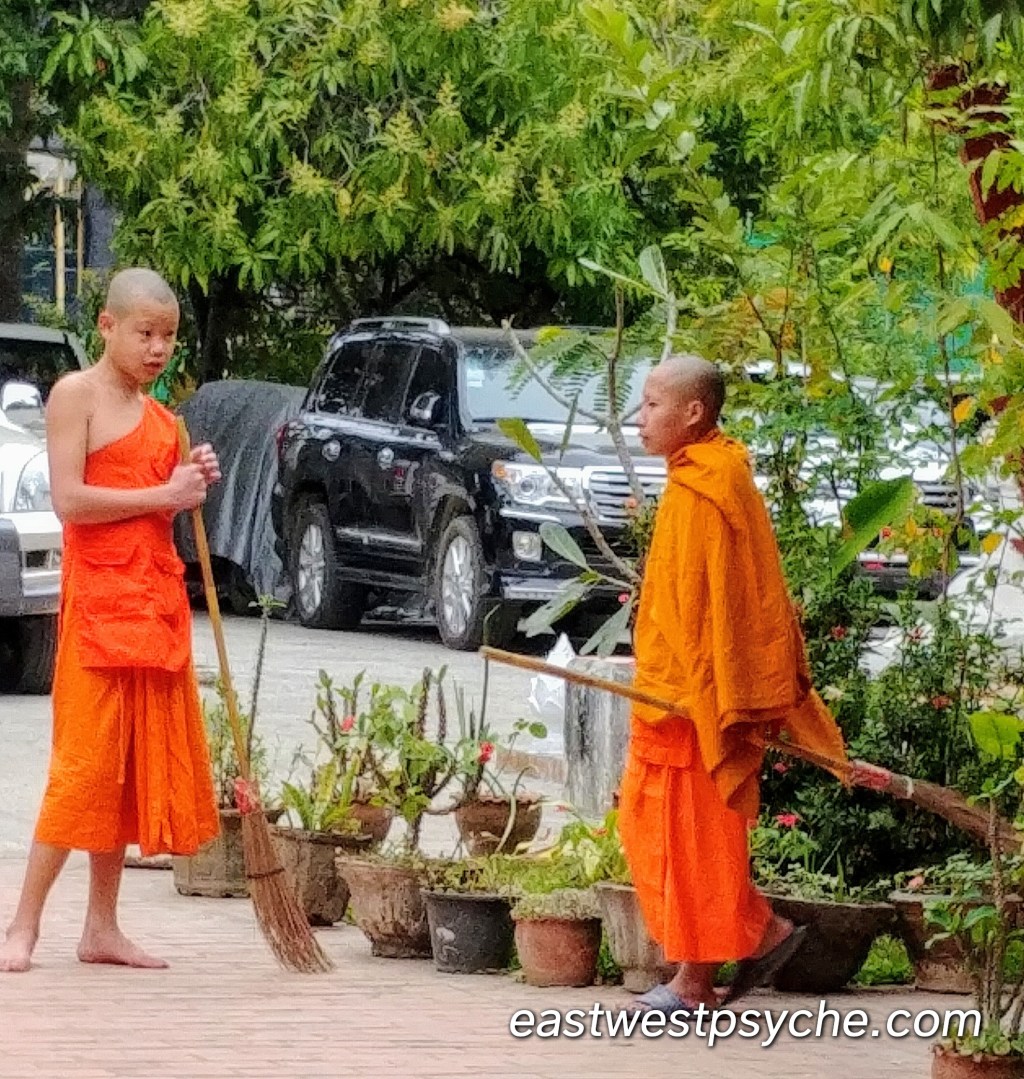
A typical path for Laotian boys is to become a novice monk early on; all boys typically spend some time in such training, many only for a summer while others in what will become their lifelong calling. The training to become a full-fledged monk typically takes up to 20 years. Spending time as a novice monk teaches boys not only about their religion but enhances their education overall — though this is not open to girls, as gender roles within Buddhism remain fairly segregated.

20180201_085919_2_Signature

As a socialist nation, Laos officially views the genders as equal; in practice, there is still much room for improvement. Women are in 27.5 of parliamentary positions; the rate of females in secondary school is currently at 65% (but only 69% for males). Approximately 1/3 of Laotian girls marry before the age of 18, significantly higher (with corresponding lower education rates) among ethnic minorities and rural communities. Female participation in the labour force is at 77% — and when many other factors are considered, the Global Gender Inequality Index (World Bank) places Laos at 26th out of 149 participating nations.

20180202_134350_2_Signature

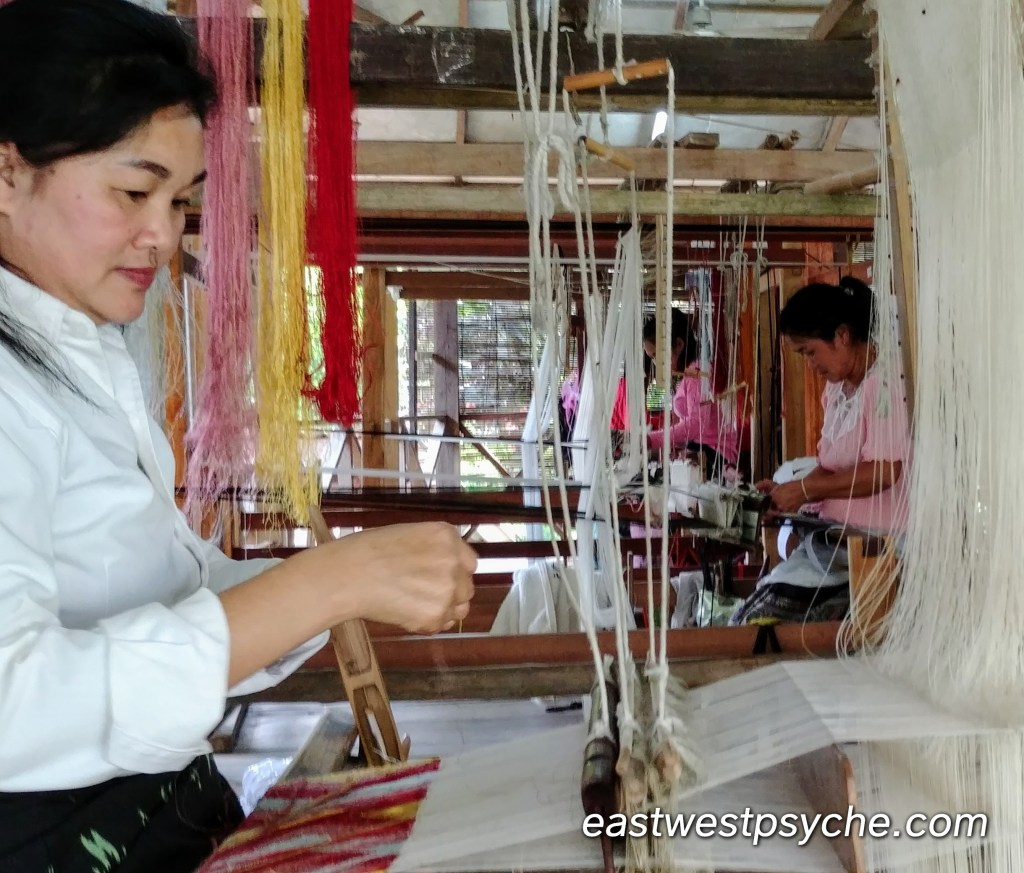
A number of skills-based empowerment programs for women and girls exist across Laos, particularly focused on rural and ethnic minority populations. One successful formula is in teaching the craft of weaving; Laos traditional textile art is sought after globally, and weavers can earn a decent wage. Many related projects also provide retail and export outlets.

20180203_160544_2_Signature

A history of French colonialism represents yet another cultural factor in Laos, both in the adoption of French customs — and their post-colonialist rejection. Laos, formerly divided into 3 kingdoms, had long been influenced and at times ruled by both Burma (now Myanmar) and Siam (now Thailand); France, in agreement with Siam, annexed Laos 1893~1953, after which it underwent years of leftist-rightist ideological warfare, and was established as a communist / socialist republic in 1975 — yet another cultural layer.

20180203_151656_2_Signature

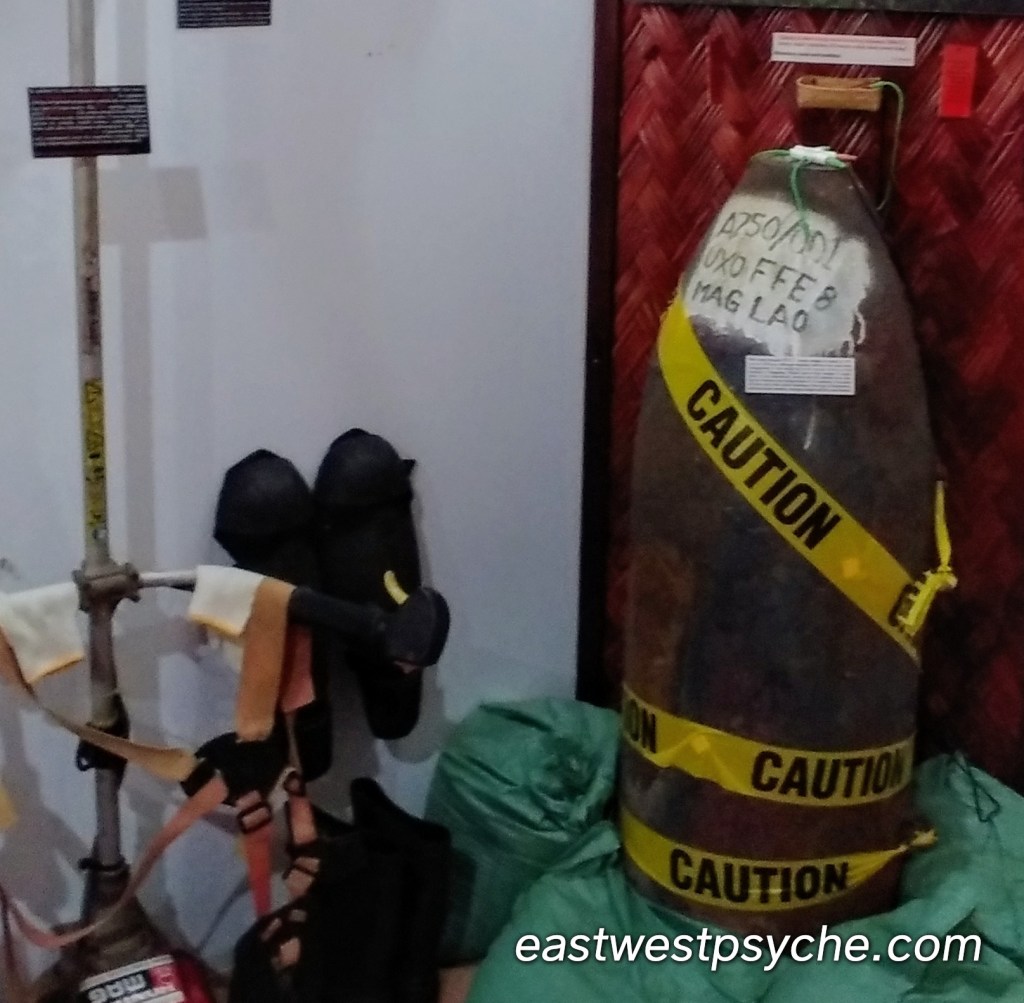
A 40-year legacy of the Cold War era, and an ongoing factor in the life of Laotian people: theirs is a land filled with bombs. During its 1964-1973 involvement in the civil war of neighboring Viet Nam, the US military engaged in numerous covert carpet-bombing operations in both Laos and Cambodia to prevent their aiding the Viet Cong; in Laos, more than 270 million cluster bomblets were dropped, an estimated 80 million of which remain in the soil today. Some 5 decades later, many have died or become severely maimed due to accidental explosions, often farmers digging in the soil or children who think they’ve found a plaything. Several major projects — in collaboration with the US — work to identify and remove any remaining explosives.

20180203_120823_HDR_2_Signature

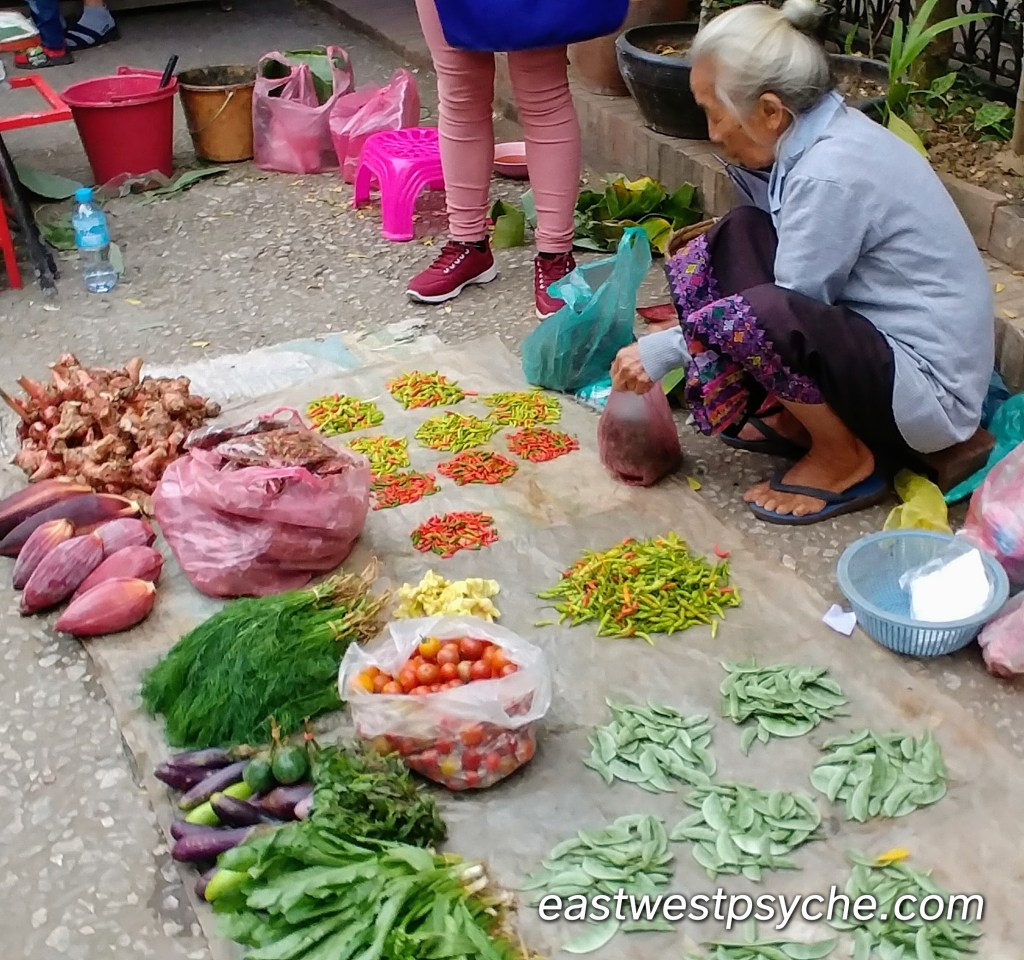
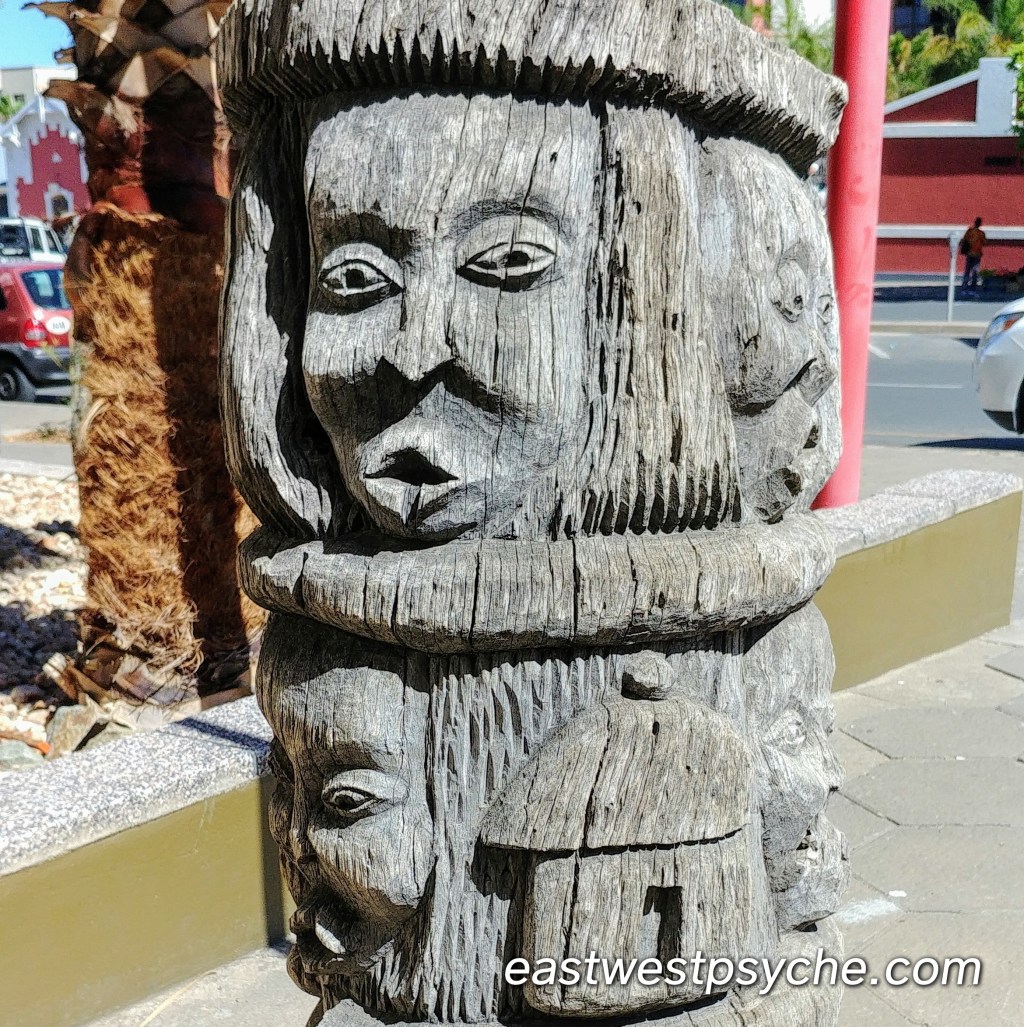
The culture of Laos includes a clear valuing of aesthetics and creative expression, whether religious or secular. Performing arts are represented in dance, theatre, and music, and festivals abound. Visual arts, in particular ceramics, painting, and Buddhist-inspired sculpture, are also widely seen, as well as numerous traditional handcrafts, in particular weaving and woodworking. The cuisine is broad and moderately sophisticated, influenced by neighboring countries and the 48+ ethnic minority groups. Though it remains one of SE Asia’s poorest countries, Laos is rich — in so many ways.

~EWP

Namibia

20181204_090616_2_Signature_2_Signature

Namibia, land of the Kalahari Desert and the ancient hunter-gatherer San and Nama tribes, among Earth’s earliest human communities. Namibia, celebrating her “30th birthday” on 21 March of this year — just thirty years since the country (re)gained its independence, first from Germany and then from South Africa, and began writing a new story.

20181205_095353_2_Signature

More than half of Namibia’s population consists of the Bantu-speaking Ovambo; other ethnic groups of significant number include Kavango, Herero, Himba, and Damara, the latter of which seem to exist nowhere else. While smaller in number, the San are descendants of one of the world’s First Peoples, dating back 150,000 years. They have long been the object of discrimination and marginalisation, typical treatment of ‘vagrants’ of nomadic lifestyle — in re: land and water access vs ownership, and ‘rootedness’ vs a perceived lack of national loyalty. Today their uniqueness is increasingly recognised, though discrimination remains.

20181205_102634_3_Signature

Namibia is today 80-90% Christian, brought about by colonisation and missionary influence; more than 50% identify as Lutheran. An approximate 10-20% still follow indigenous beliefs and practices, though when syncretism is considered, this number would undoubtedly be much higher.

20181205_102140_2_Signature

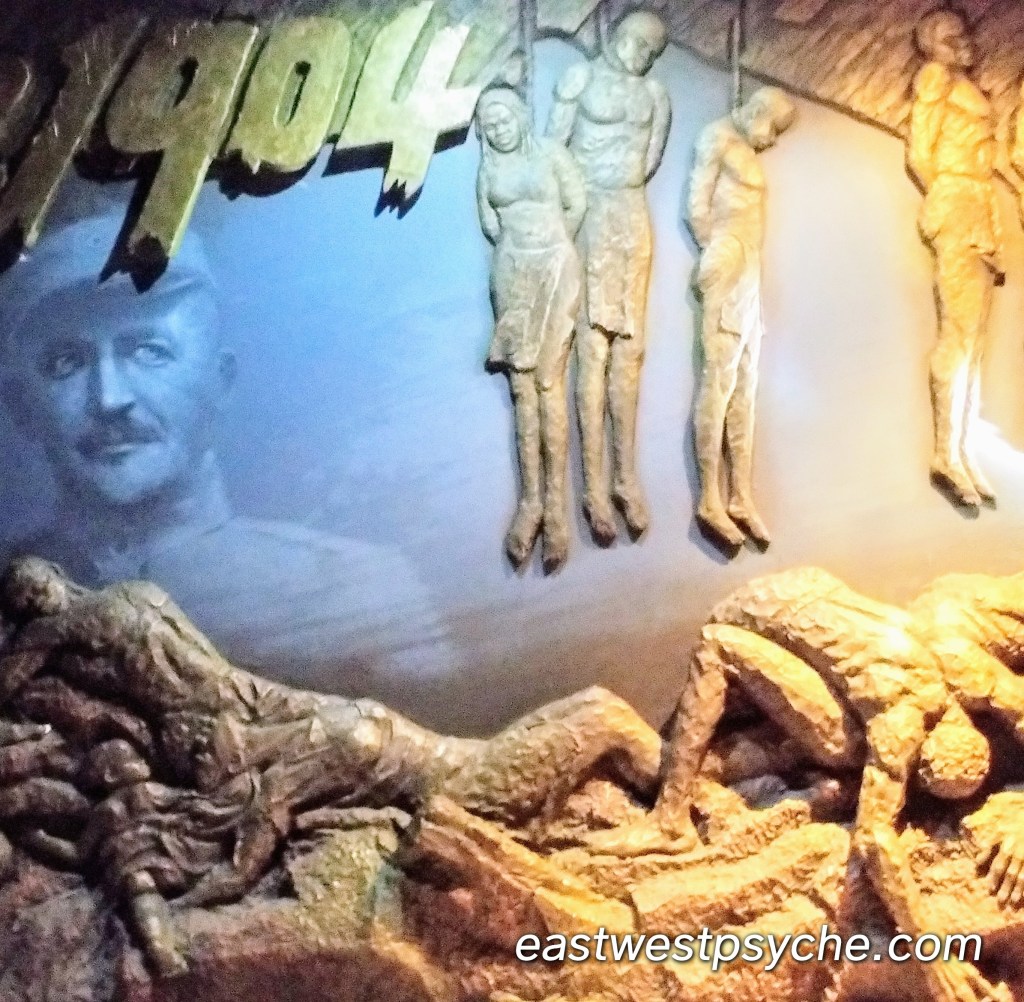
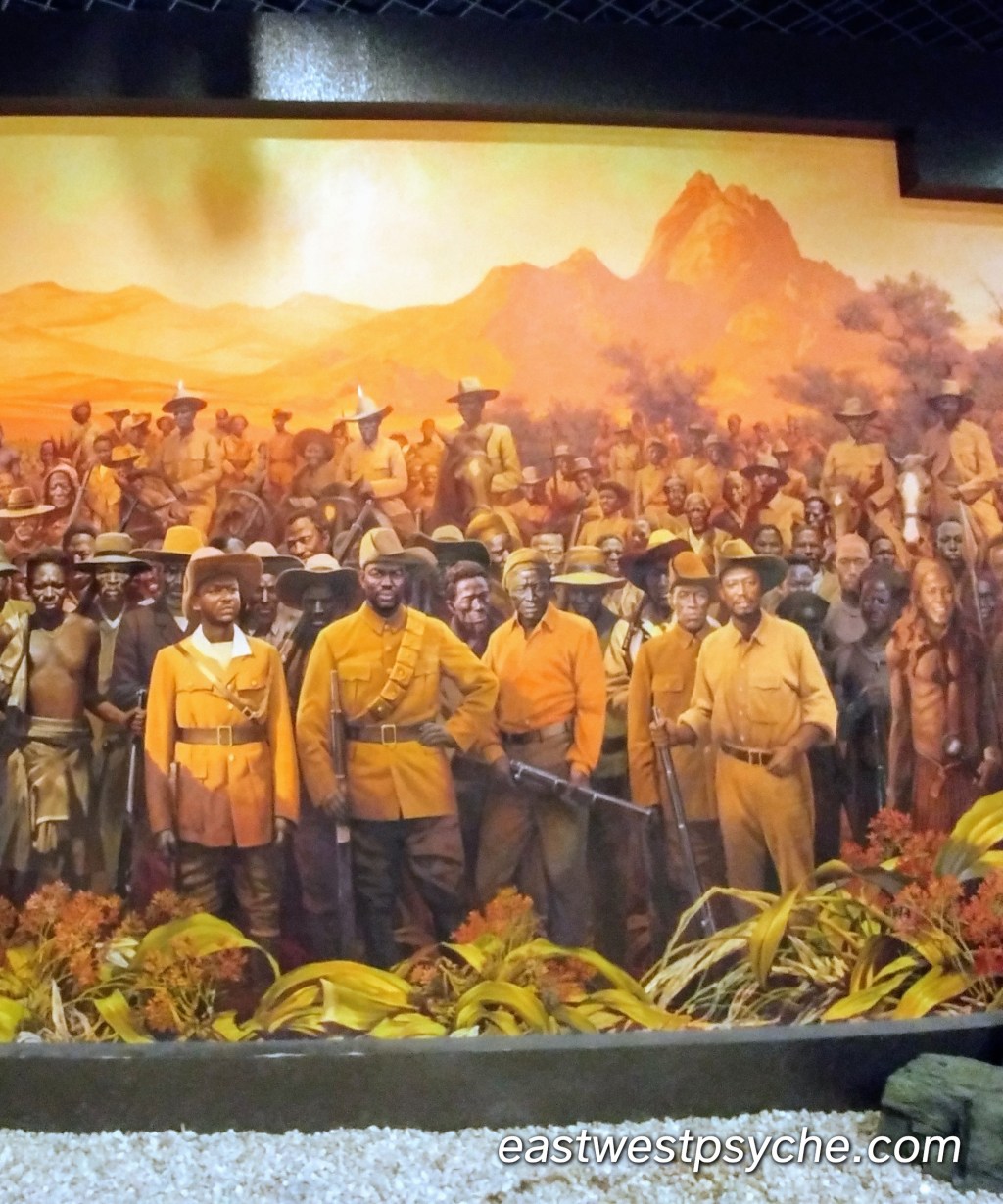
The “first mass genocide of the 20th century” took place in Namibia 1904-1908, when Herero peoples began a rebellion against 300 years of German colonisation. Among other tactics, the German-led government and military oversaw the poisoning of wells in the Namib Desert — and although the struggle continued for 4 years, by 1905 75% of the Herero population, previously 60-80,000, were dead and the majority in concentration camps. The Germans finally left the country by 1914 as a direct result of WWI — though South Africa almost immediately invaded, and ruled Namibia for the next 75 years under its system of apartheid.

20181205_101658_2_Signature

The black African nationalist movement for independence in southern Africa formed in 1964 as South West Africa People’s Organisation [SWAPO], controversial still today with many of its members tried for ‘treason’ and ‘terrorism’ by the South African government of the time. SWAPO further formed the People’s Liberation Army of Namibia [PLAN], which began the fight for freedom.

20181205_104938_3_Signature

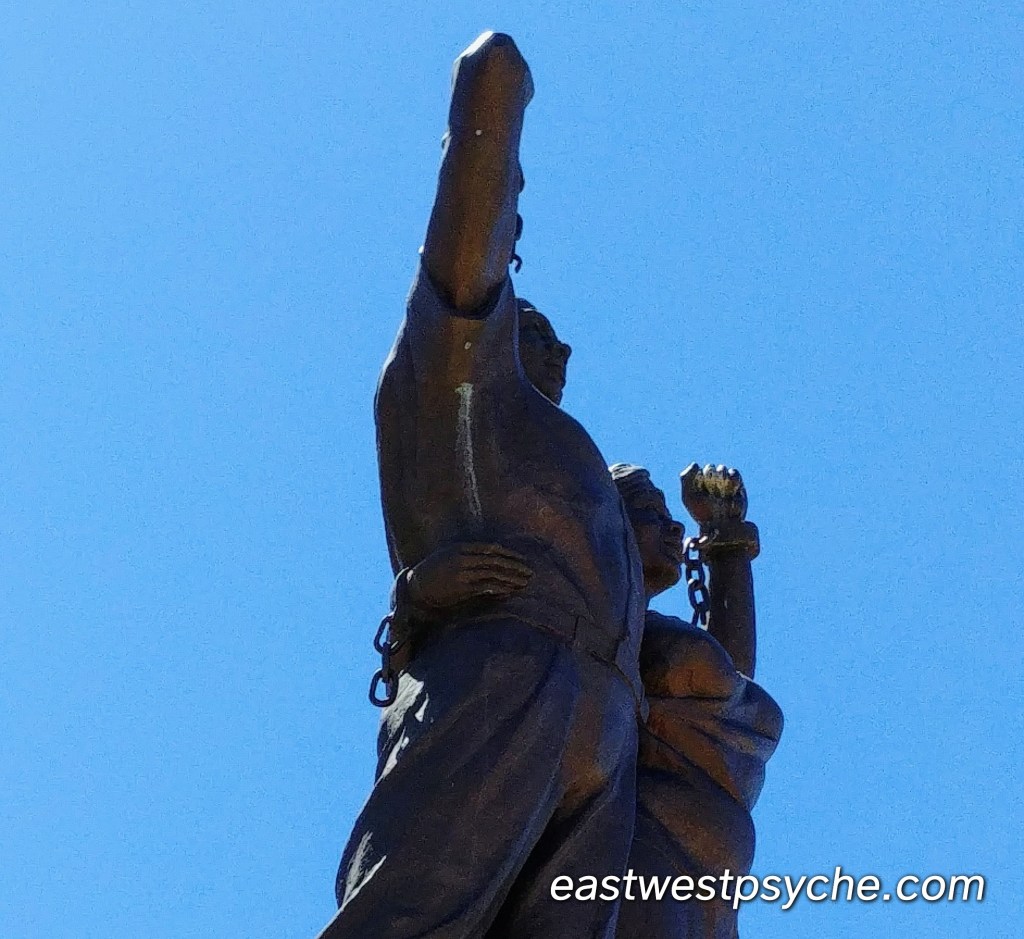
Namibia’s struggle for independence finally succeeded, and the country regained its freedom just 30 years ago — still very much in the minds of the population. Today the country is a democratic republic, with a population of 2.5 million, median age of 21, and a birth rate of 3.2. Women hold 36% of parliamentary seats; 40% of women over age 25 have a secondary education, and more than 58% are in the labour force. Life expectancy is at 65 and continues to improve while both infant mortality and HIV rates continue to decline.

20181204_172451_3_Signature

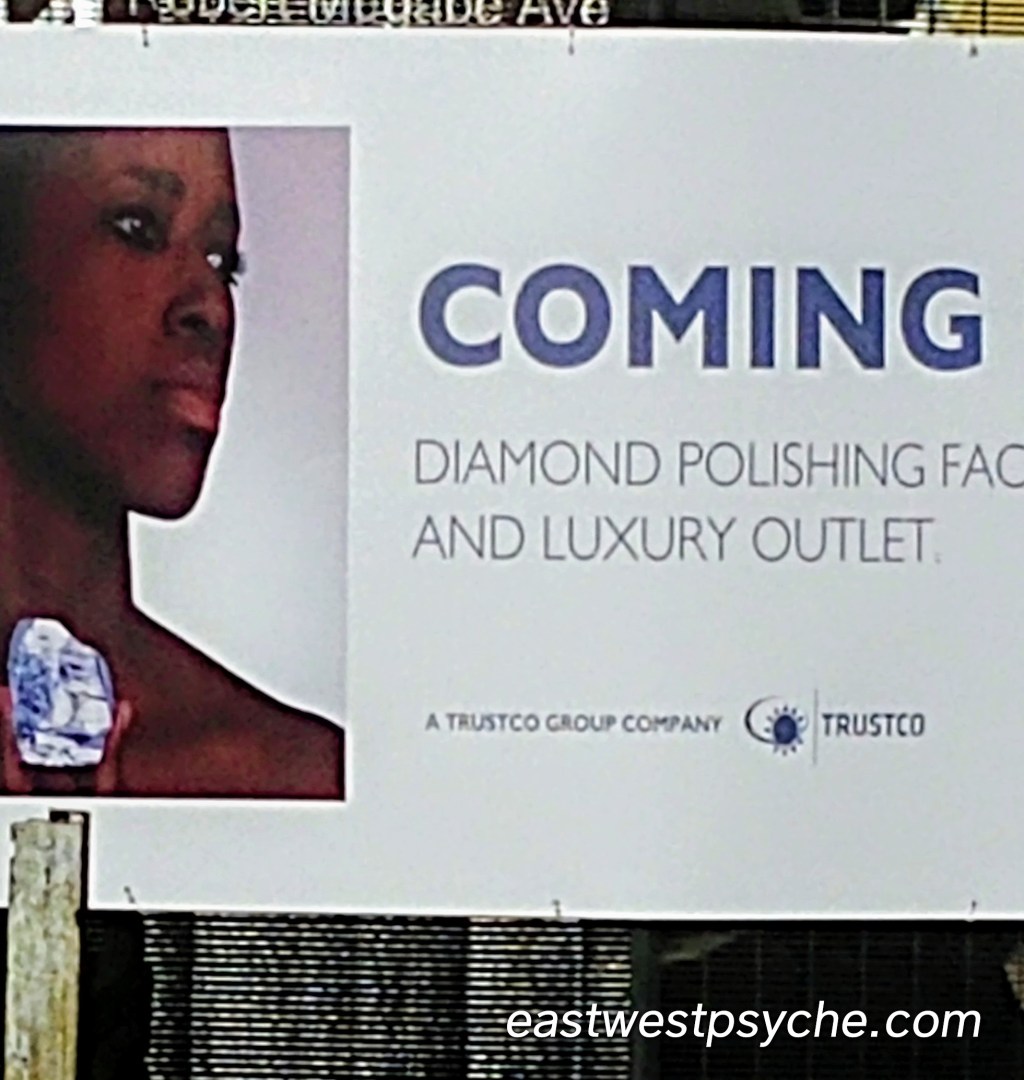
The economy of Namibia continues to improve overall, though the income disparity reflects a similar widening trend as in much of the world; the overall poverty rate since independence has decreased from 53% to 23%, though the people of Namibia are struggling with climate change impact in the form of droughts, flooding, and disease outbreak, and overall food and water scarcity. While there’s still much room for progress, the continued increase in social, cultural, and economic status has prompted some to refer to Namibia as one of the most promising countries in Africa.

~EWP

Ecuador

20190310_101117_2_Signature

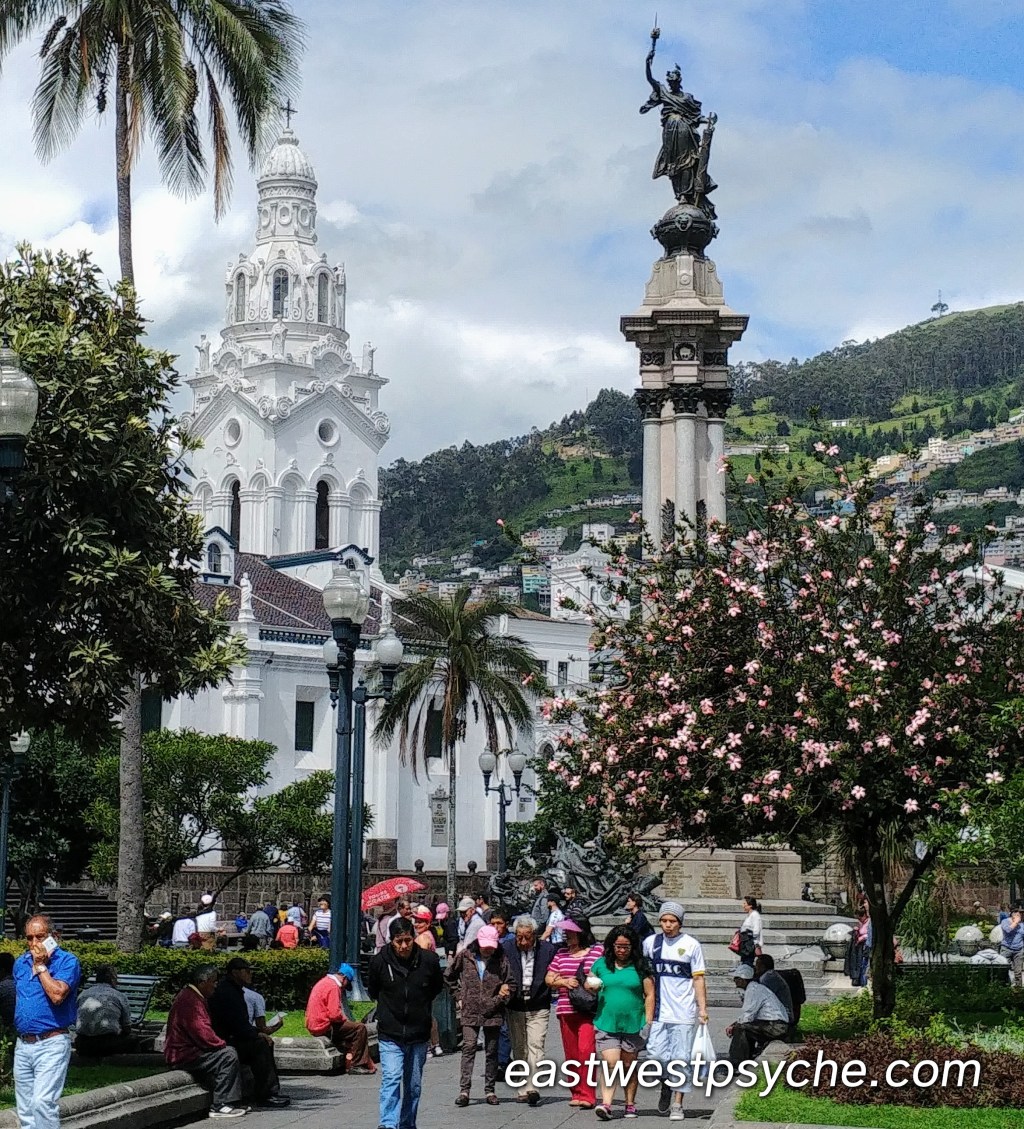
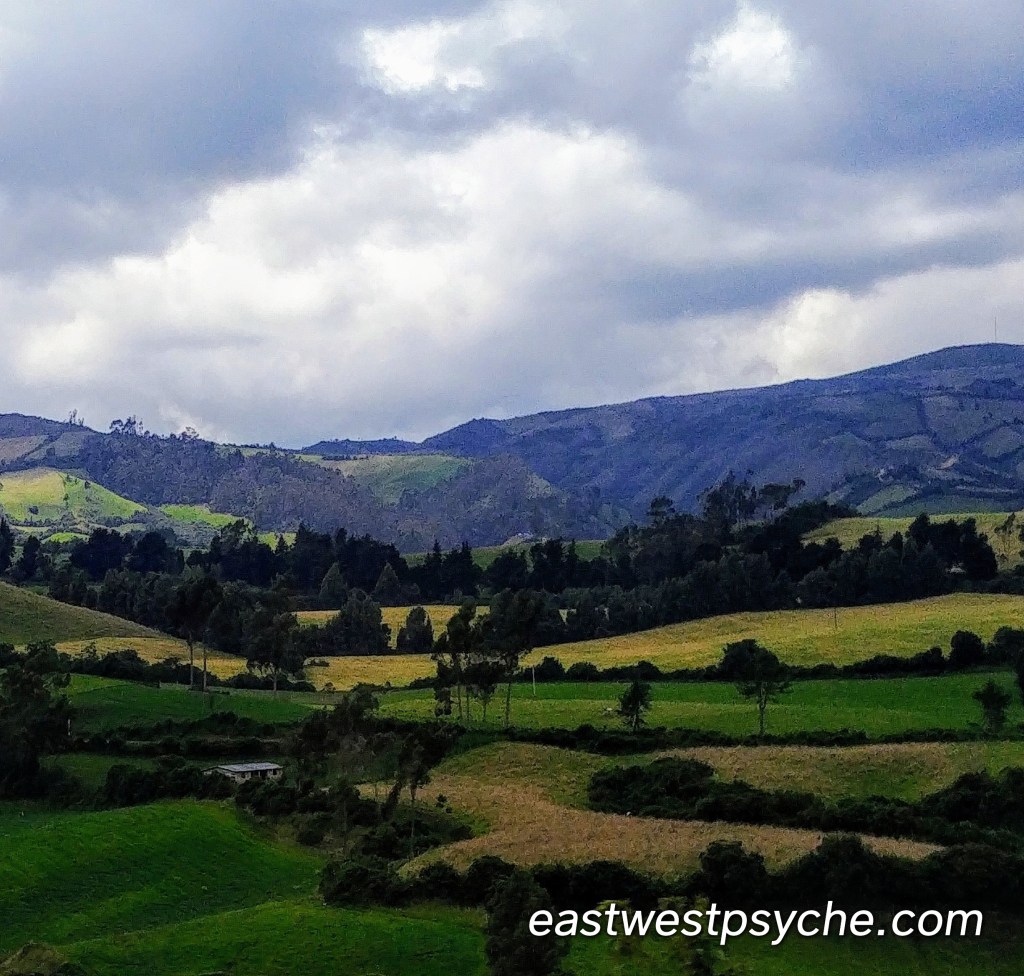
Ecuador, just south of the equator and nestled in the among the Andes mountains and along the Pacific Ocean, is a small but well developed nation. With a moderate climate, much of the social life takes place outdoors in public plazas, the culture overall highly collectivist. Quito, the capital, high up in the Sierra or Highlands at 2,850m elevation, is the second-highest capital city in the world.

20190309_110823_2_Signature

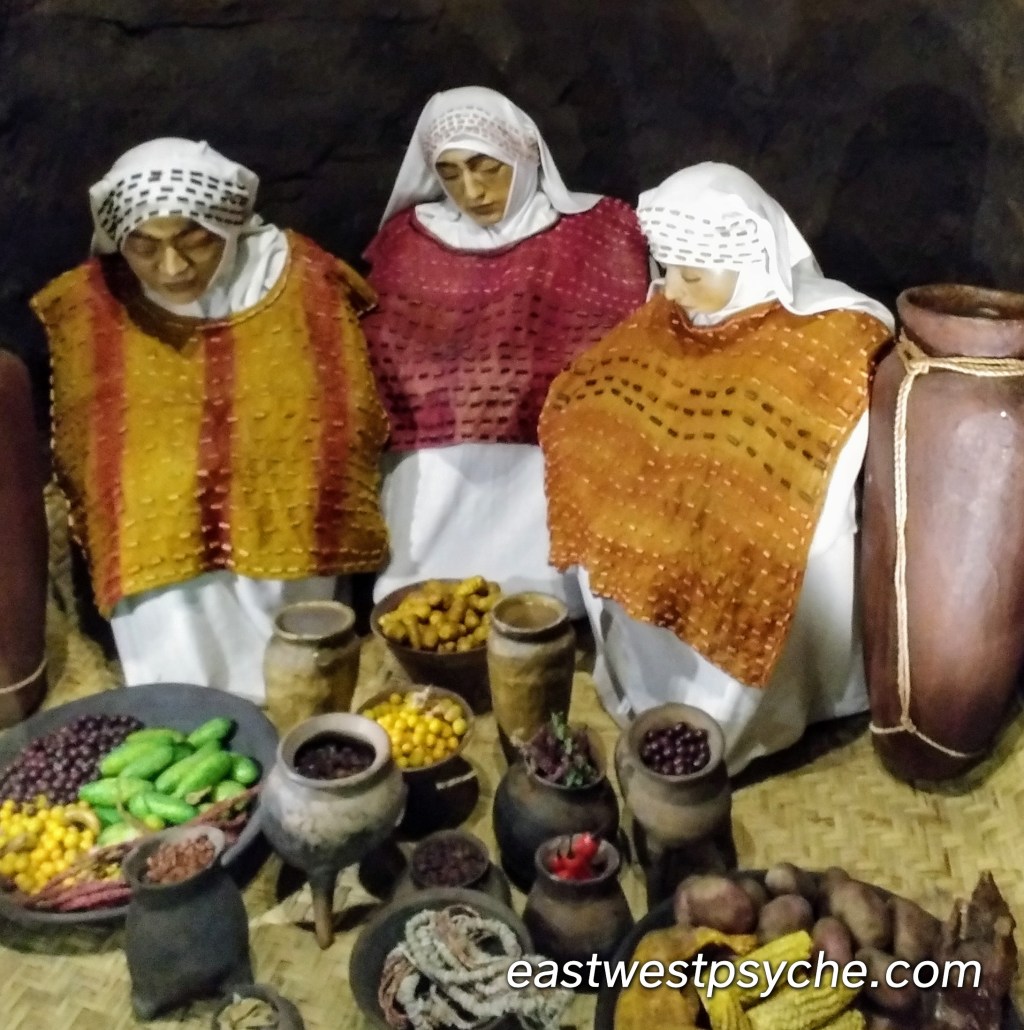
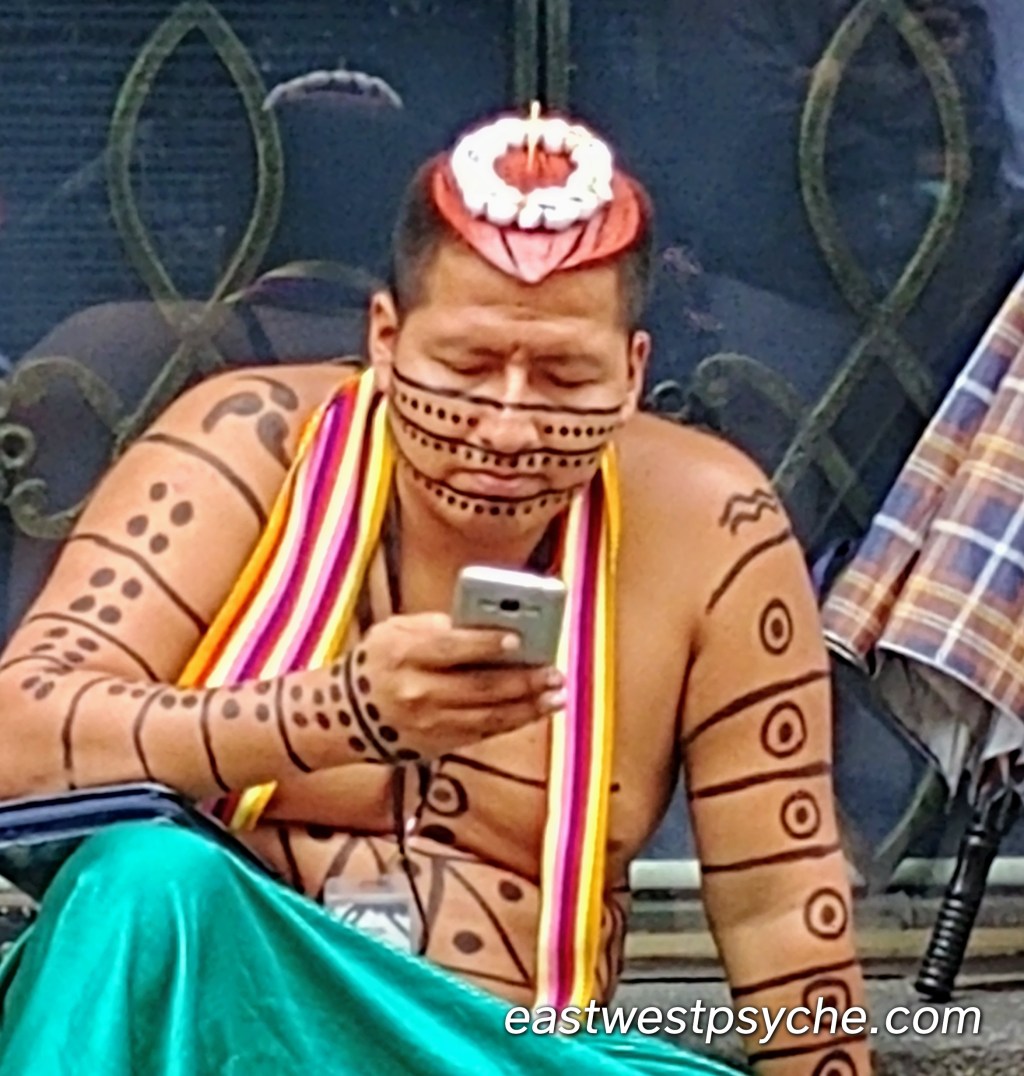
Ecuador’s indigenous culture, inhabiting the area for 11,000 years, was primarily agricultural and made up of multiple ethnic groups; they all became part of the Incan Empire in the 15th century, thereafter colonised by the Spanish. Today, 4.5 million or 25% of the total population identify as indigenous, almost entirely Quichua people living in the Highland (central Ecuador); another 40-65% identify as mestizo, or mixed indigenous-Spanish.

20190309_111152_2_Signature

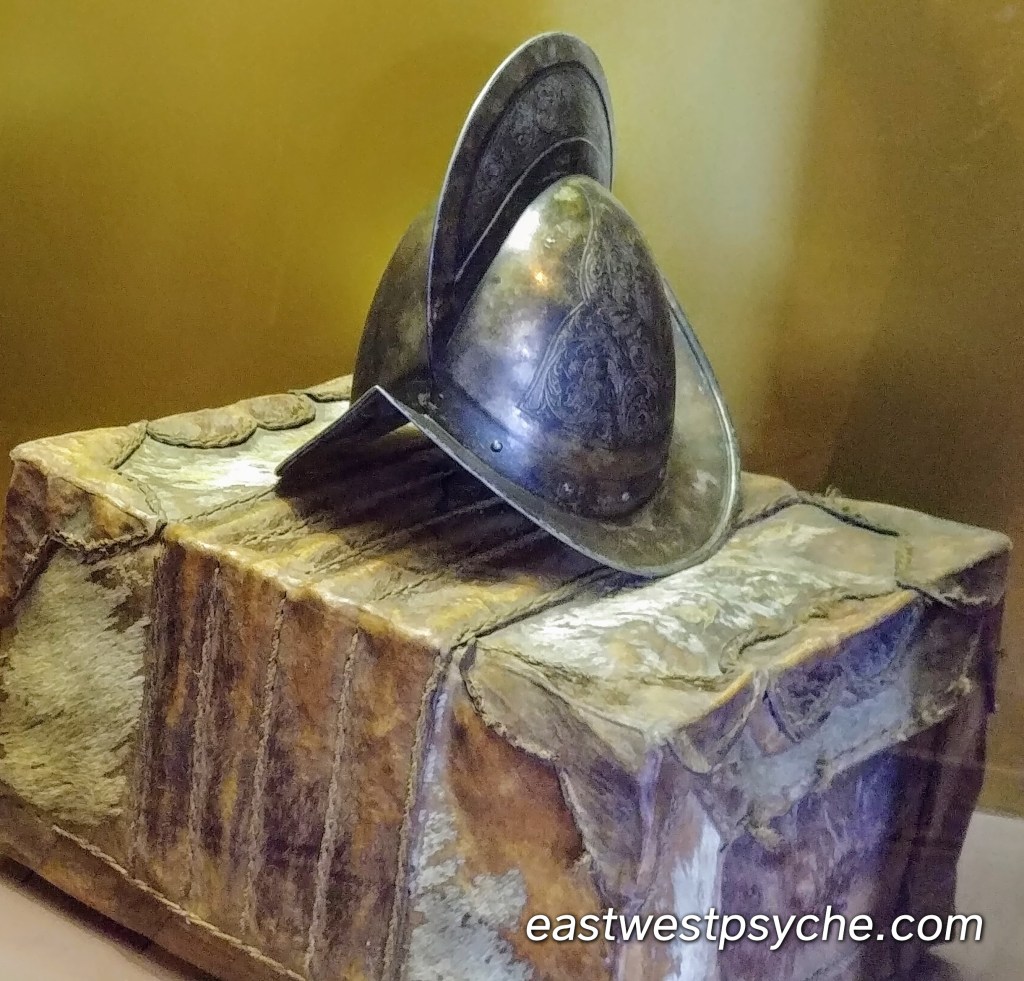
Spain colonised Ecuador, along with most of Central and South America, from the 16th century until its independence in 1830, thus representing a major cultural influence. The conquistadores or conquerors were given enormous power including the right to various groups of people as labourers, similar to the fiefdoms of England. The class system introduced at that time naturally placed the conquerors at the top, with those born in Spain highest and those born locally of Spanish parents second; mestizos were next, followed by indigenous, and at the bottom, slaves brought in from Africa and the Caribbean. In today’s Ecuadorean culture, social class remains highly important and is determined by a number of factors — and is also considered fixed, with minimal opportunity for advancement.

20190307_103533_3_Signature

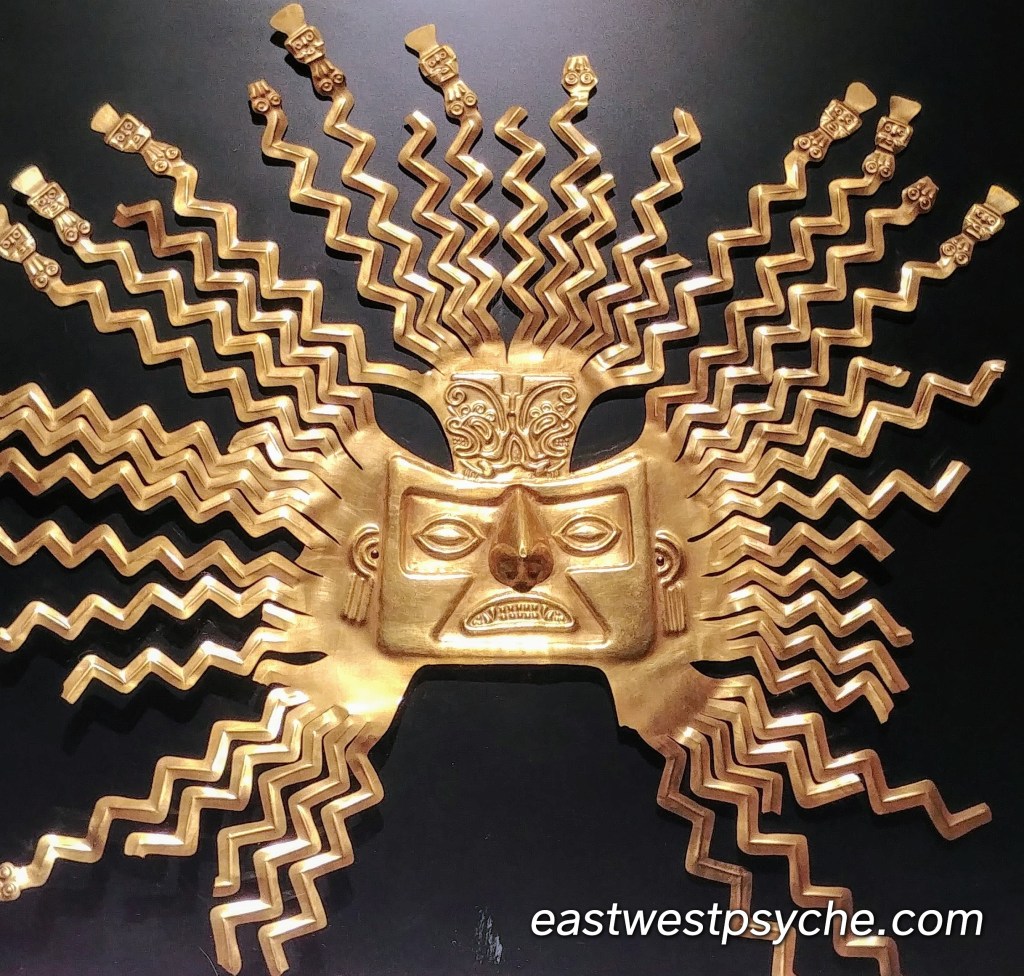
Though land acquisition was a priority for the Spanish in their quest for an empire, the gold of Ecuador and its neighbors was also of keen interest. Ecuador, like Colombia, has a very long history of creating sacred objects from gold, its colour and shine deemed to please the gods — and the conquerors.

20190309_103928_2_Signature

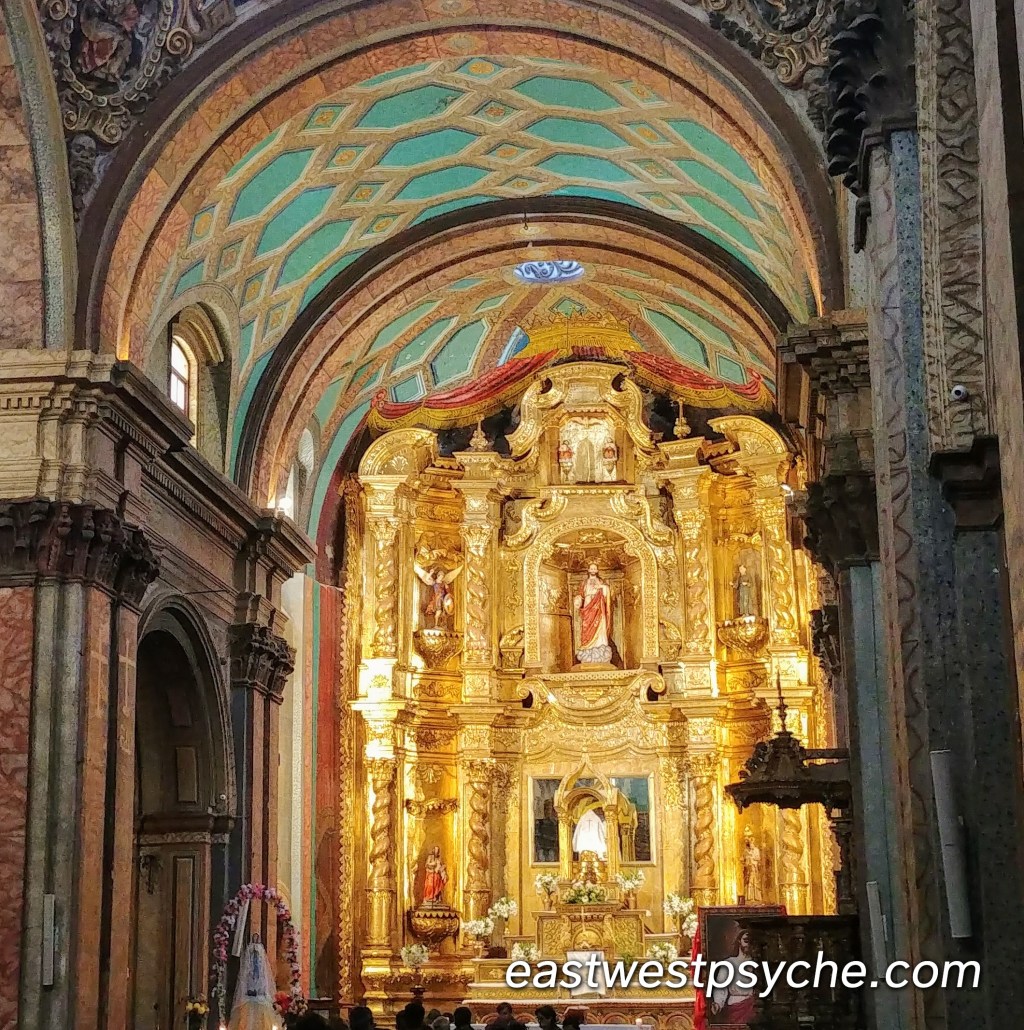
The Spanish conquerors brought their Catholic religion to Ecuador, as in much of Central and South America, requiring the indigenous peoples to convert; elaborate churches were built, perhaps none moreso than that of La Compañia de Jesús in Plaza Grande of Quito. The churches were filled with gold, to the glory of God — much as the indigenous peoples had used it for sacred ritual — and, to the glory of Spain and its monarchy, and ultimately, the Catholic Church.

20190309_105231_2_Signature

The indigenous people of Ecuador, though required under Spanish rule to convert to Catholicism, managed to keep their indigenous beliefs more or less intact. Today, as with Santería in Cuba and elsewhere in the Caribbean, indigenous Ecuadorans practice a hybrid of Catholicism and indigenous faith — no better evidenced than the near-amalgamate of Pacha Mama, supreme goddess of earth and time, with Mother Mary.

20190305_123655_4_Signature

Ecuadorans, and not only indigenous, continue to view the earth as sacred — Pacha Mama to the modern Ecuadoran may be perceived symbolically as Mother Nature — so much so, that they’ve written its protection into their constitution, the first nation to do so. A new constitution was written and ratified in 2008, one chapter of which is entitled Rights for Nature, declaring that ecosystems have rights to exist and are not human property.

20190310_115011_2_Signature

Indigenous peoples of Ecuador have become a political force in their own right. As 25% of the population, with another 40-65% claiming partial indigenous heritage, they wield considerable influence. In October 2017 they protested foreign logging in a national park; in March 2018 an indigenous women’s group protested mining and oil drilling as violence against the land and its people. In October 2018 native groups proposed that an area the size of Mexico become protected land; most recently in October 2019, they led an 11-day nationwide protest against government plans for an austerity budget — and against the wishes of IMF — and they won.

20190308_124153_3_Signature

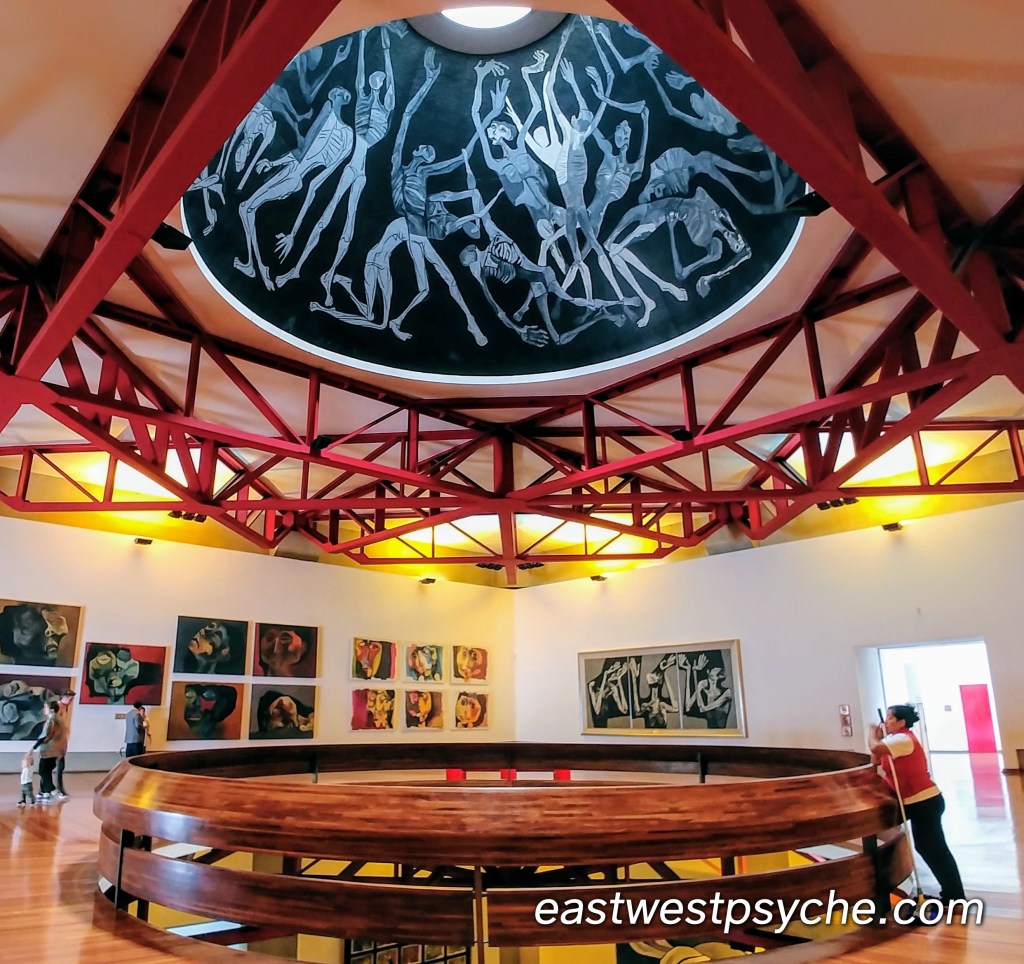
The people of Ecuador, and indeed of Latin America, suffered enormous physical, psychological, social and cultural losses in 300 years of Spanish colonisation. Often such historic trauma gets buried in the culture, and expressed in dysfunctional ways. Art commonly provides a medium for expressing cultural loss and grief; La Capilla del Hombre or Chapel of Humanity, the life work of the late painter Oswaldo Guayasamín, gives expression to this sorrow — as a means for a people to heal.

~EWP