Category: Uncategorized

USA

20190917_083658_3_SignatureThe United States of America [USA] is a complex country made up of people from every nation in the world, and without a unifying ethnic heritage nor shared extended history; though a relatively young nation established as such in 1776, the land’s indigenous people inhabited the region for well over 10,000 years.
20160625_161901_2_Signature

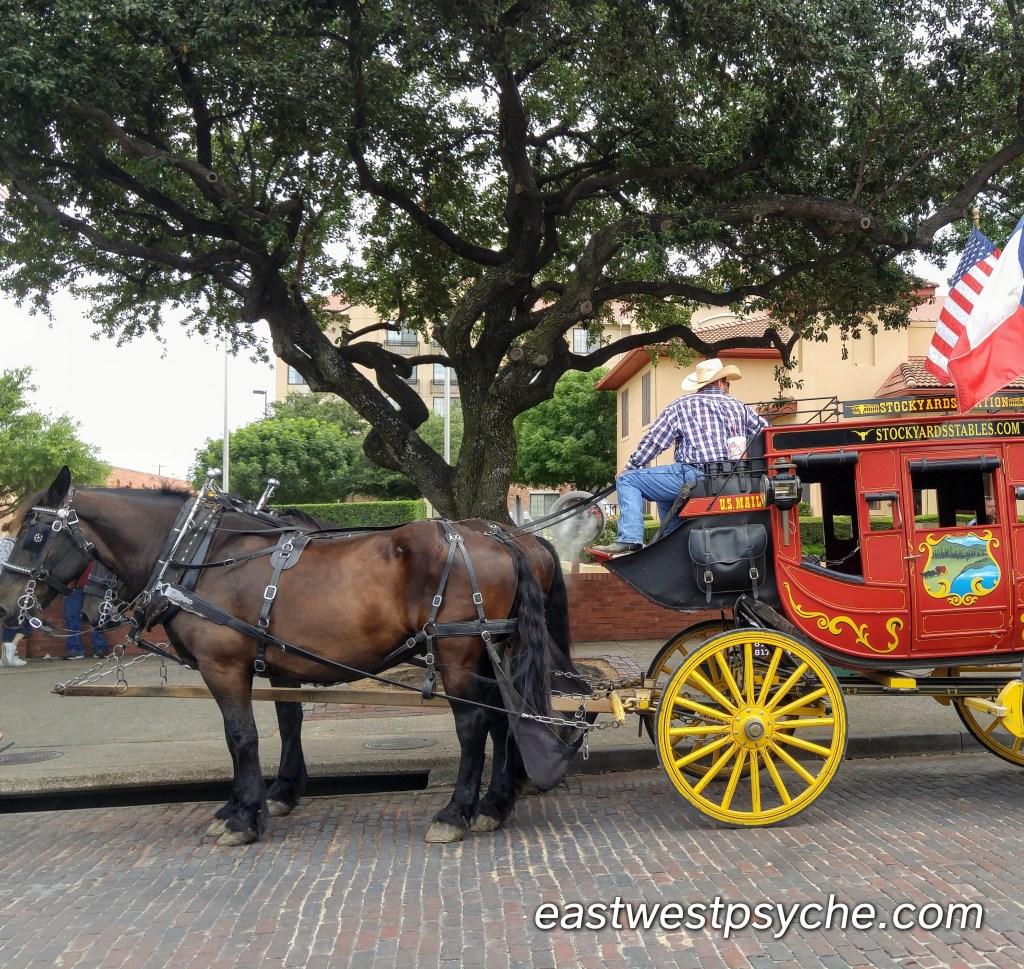
European settlers crossed the Atlantic, beginning in the 16th century, to the eastern regions of what is today known as USA. Among competing would-be colonisers, England finally won out — and, after two centuries and by revolution, USA became an independent (and famously insular) nation. Agriculture, particularly tobacco and cotton, became the focus in the east; the western half of the region, or frontier, was settled by self-reliant pioneers, which, along with cattle-ranching, gave way to the ‘cowboy’ archetype. All of these factors led to the decimation of the native population and a slave trade of hundreds of thousands of African people, culminating in a civil war and a major disruption to social cohesion — issues largely unresolved to this day.

20160625_123906_2_Signature

The “American Dream” represented by USA, arguably no longer viable, was rooted in this ‘pioneer’ or ‘settler’ mentality: immigration was encouraged, value placed on independence and self-sufficiency — with the inherent opportunity, through a strong work ethic, to reinvent oneself and achieve one’s goals. Today, the socioeconomic reality is dual-income households and multiple jobs, with an ever-widening income gap.

20130910_141632_2_Signature

An estimated 90% of the indigenous people in what is today USA were either killed directly by early colonists or indirectly by imported diseases, their land and children stolen, and are few in number today as a result. Former slaves brought from Africa, and their descendants, were ultimately freed by law following a major civil war, though laws protecting against discrimination didn’t begin to appear until more than a century later, and inherent issues of racism remain largely unresolved. Reconstruction following the civil war was inadequate at best — with social cohesion never restored and increasing tribalism to this day.
20160621_130732_2_Signature

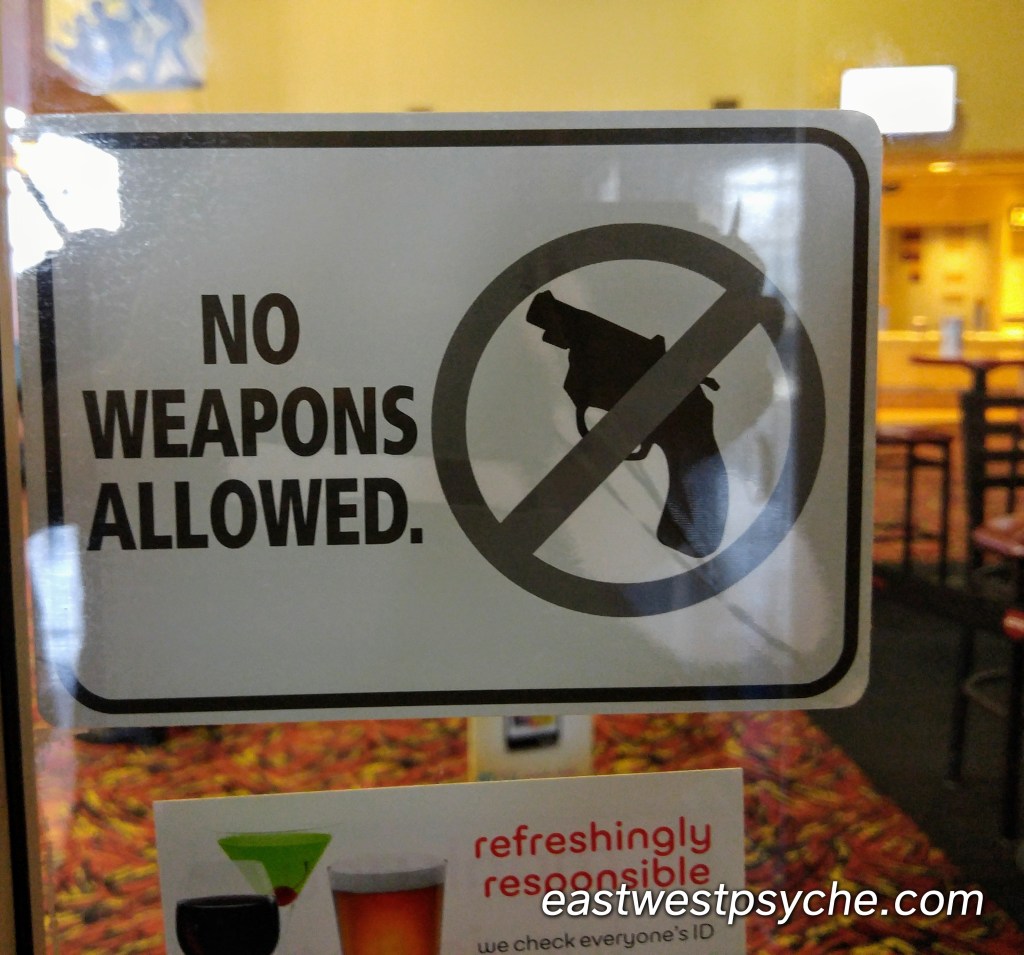
USA is often referred to as a ‘gun culture‘ by the rest of the world, and gun ownership is constitutionally protected — a foreign concept to most other nations, based in the country’s revolutionary past and need for a militia. Highly controversial despite multiple and rapidly increasing rates of mass shootings, it corresponds to deeply rooted cultural underpinnings of independence, self-sufficiency, freedom, and a general distrust of authority; a history of several wars within US territory, and an overall militaristic trend; high crime and substance abuse rates as well as as well as recent terrorist attacks, leading to generalised insecurity; and, overall breakdown of social cohesion — which may have been unrealistic from the start, given the way that the nation was developed.
20160612_095015_2_Signature

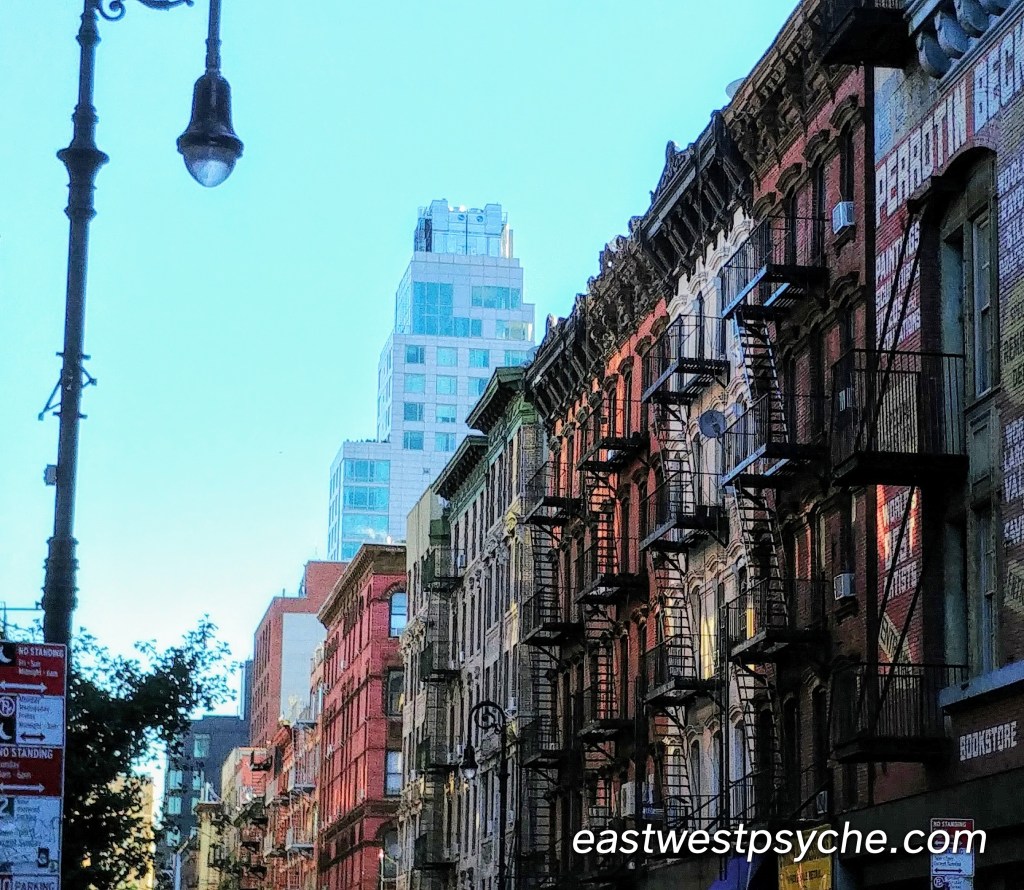
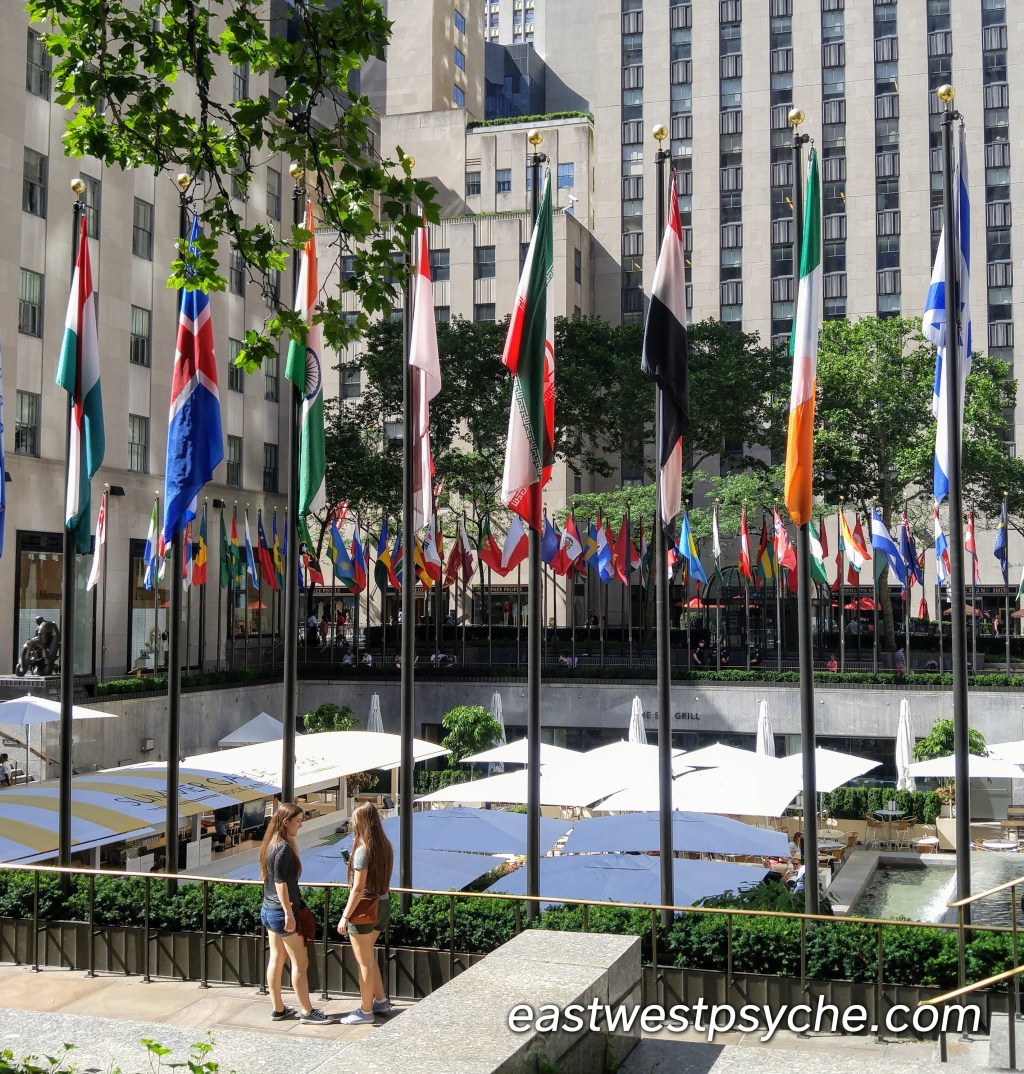
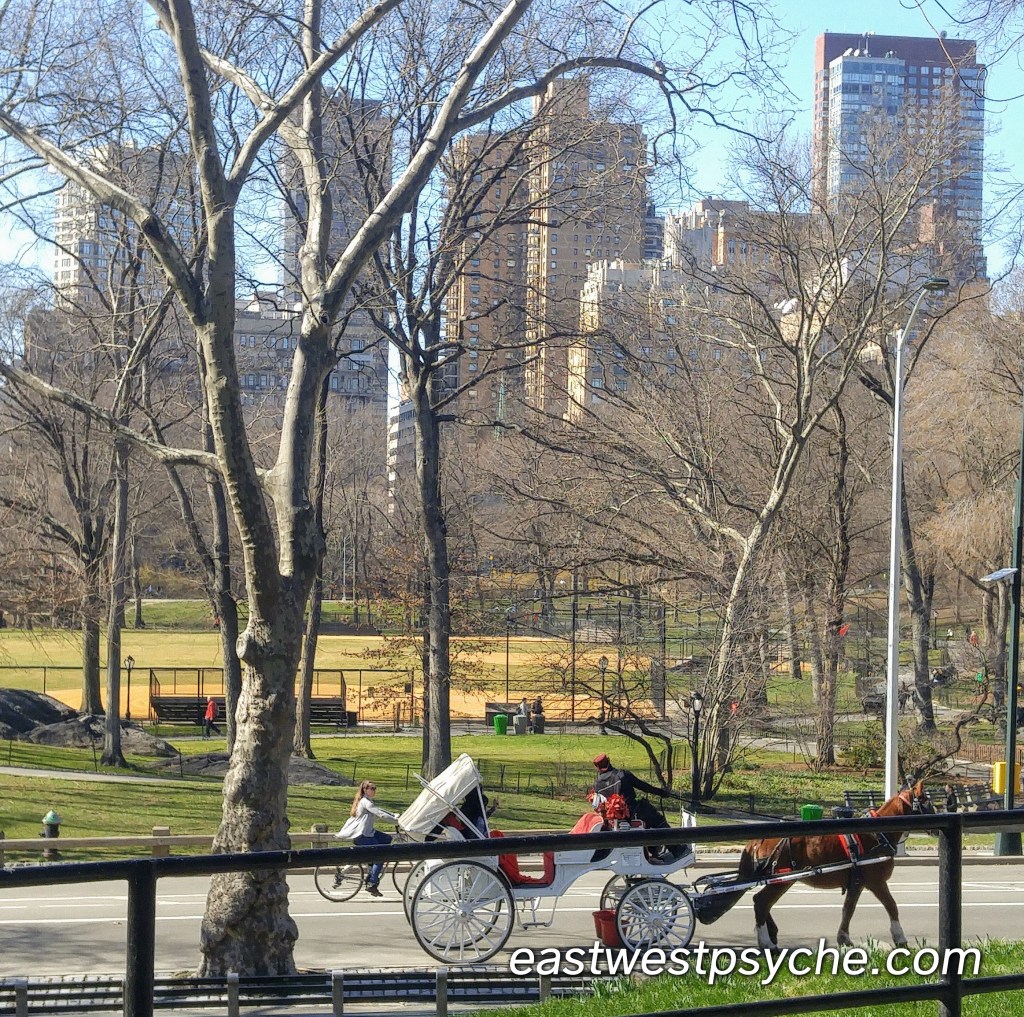
New York, one of the most diverse cities on the planet — due to the immigrant nature on which USA was built and NYC as the primary point-of-entry — may be thought of as a microcosm of US culture; when the country is culturally mapped, however, it stands alone as a separate cultural “island” for this very same reason of extreme diversity. It is home to the headquarters of United Nations, the concept for which was initiated by USA as a peace endeavour following WWII — but with which USA also has a very mixed relationship.
20170309_142415_3_Signature

The ‘Hollywood Effect’ of USA is that, through internationally distributed film (as well as other media), unrealistic and romanticised imagery of the culture is often portrayed. USA has contributed greatly to the world in terms of arts, science, and similar pursuit and, as a culture based on independence and self-motivation, has encouraged innovation. The ‘American Dream’ of escaping hardship and reinventing oneself, of success and prosperity through a strong work ethic, gave many around the world a sense of hope. But in order to more accurately understand the culture, it is also necessary to get beyond the surface image — and look at its underpinnings.

~EWP
Oman

20190208_170411_2_Signature

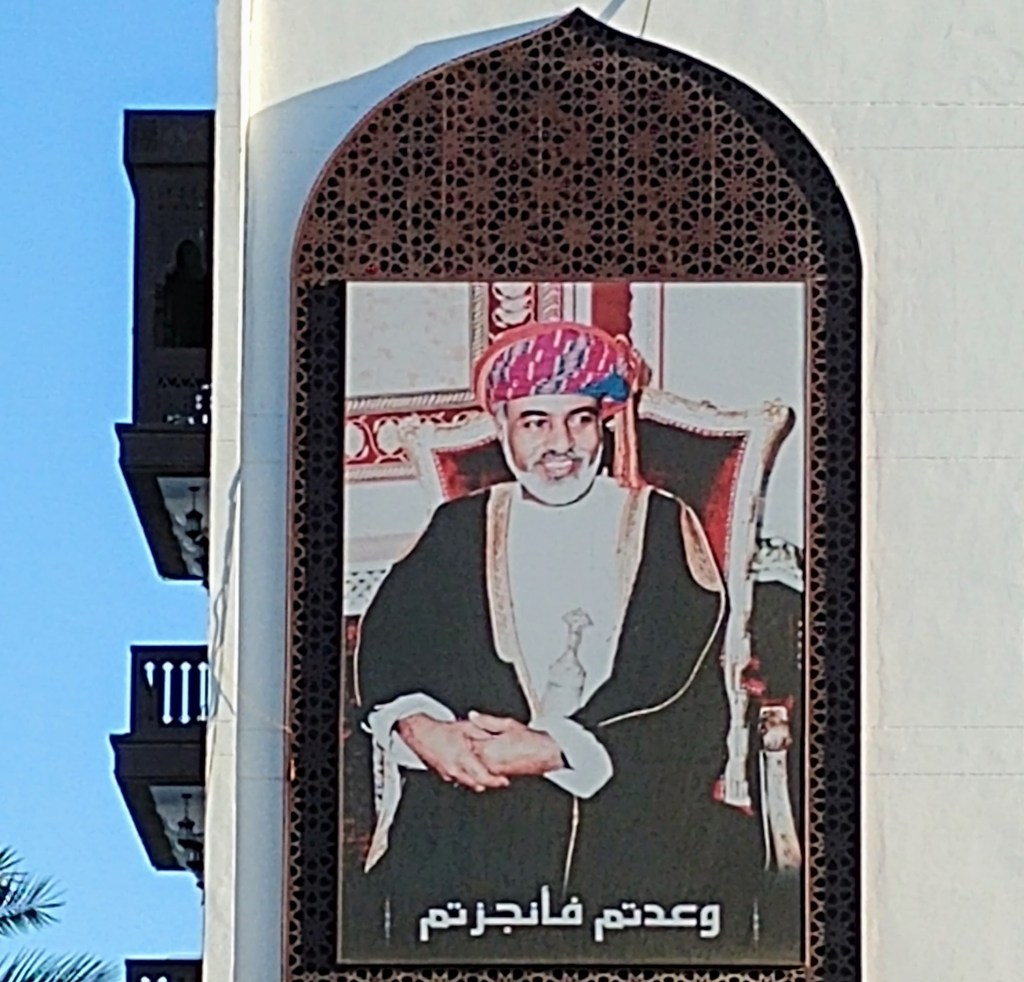
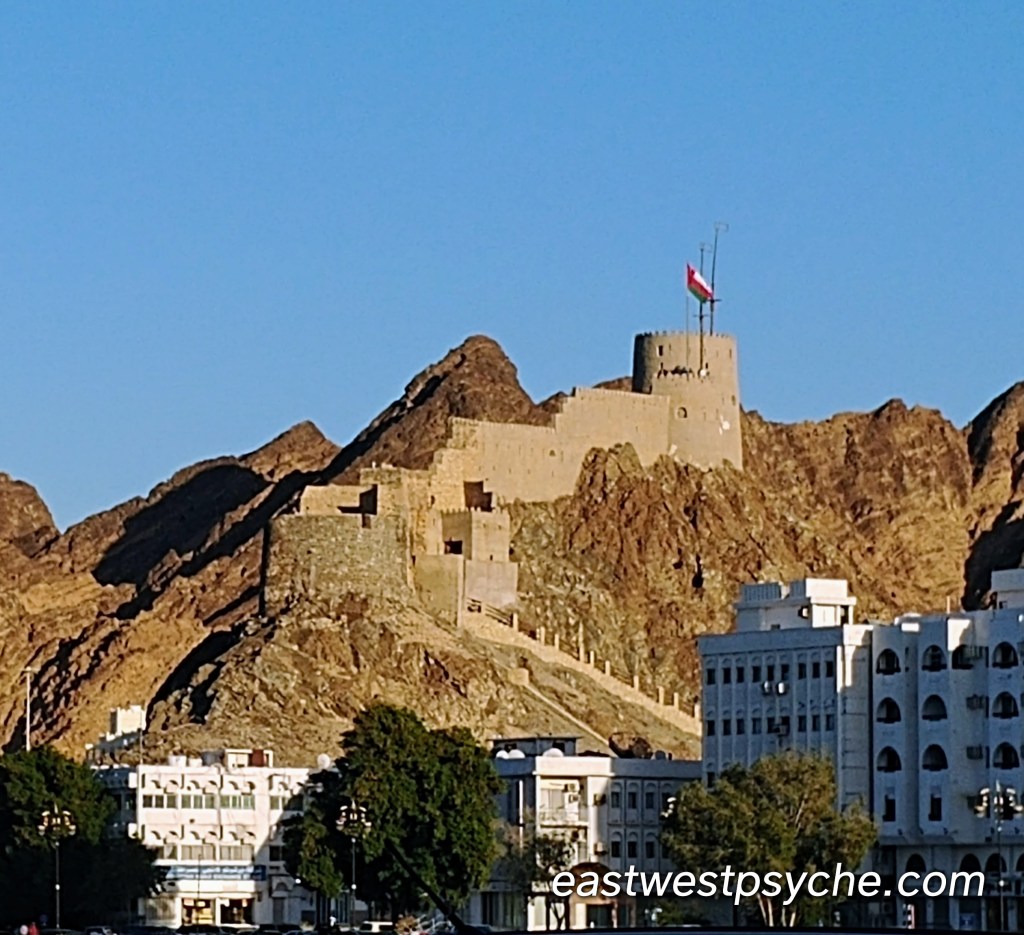
“The most improved nation in the world” as declared by UNDP in 2010, Oman has steadily developed into a moderate, progressive, and peace-loving nation under the benevolent guidance of the late Sultan Qaboos.

20190208_165932_2

Sultan Qaboos bin Said al Said, 14th in a dynastic lineage, was a peacemaker and progressive, well loved by Omani people for all that he brought to the nation in 50 years as Sultan. He died just yesterday [10 January 2020], having been the longest ruler in the region — leaving behind a powerful legacy. Oman is an absolute monarchy with all power and decision-making resting with the Sultan, alongside several legislative bodies to carry out governmental functions.

20190208_172353_2_Signature

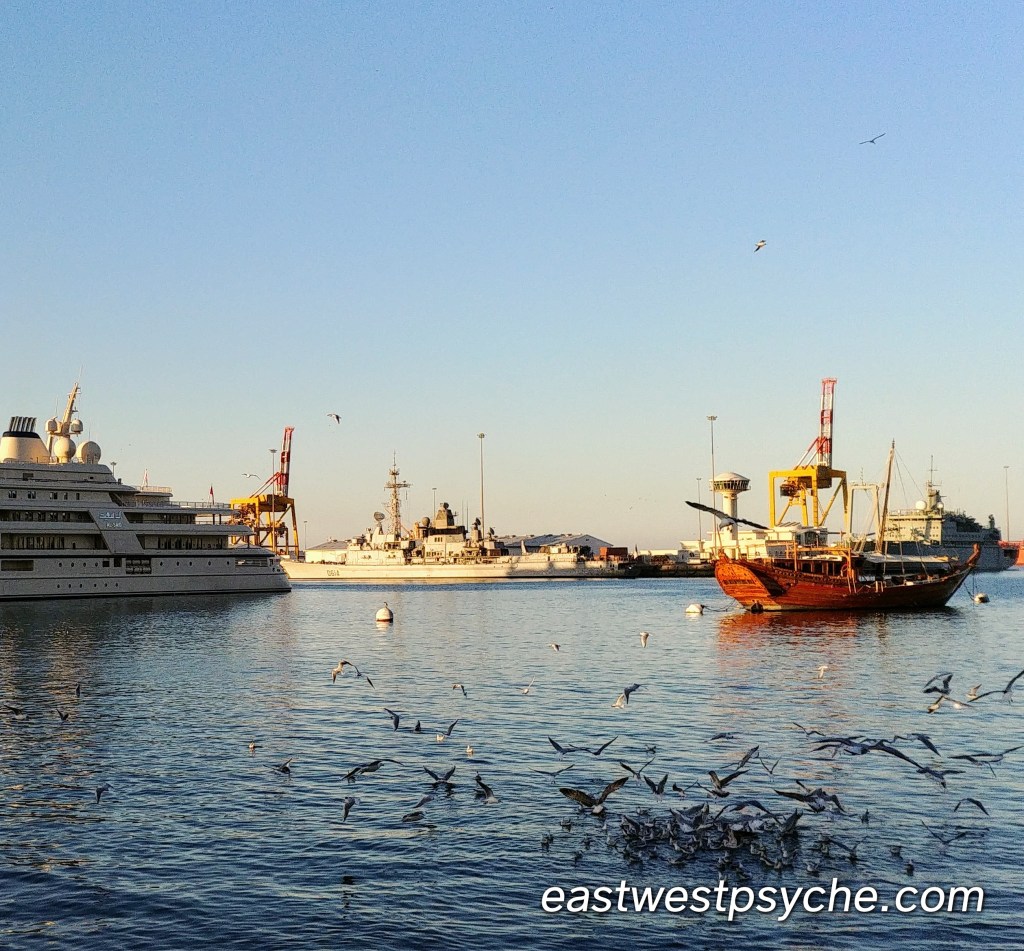
Oman, with its very long coastline on the Arabian (more commonly known as ‘Persian’) Gulf and into the Indian Ocean, has a strong maritime orientation — and a corresponding openness to other nations. Called “the Switzerland of the Gulf,” Oman has attempted to maintain a neutrality and act as mediator in an area of the world known for its historical animosities.

20190208_163639_2_Signature

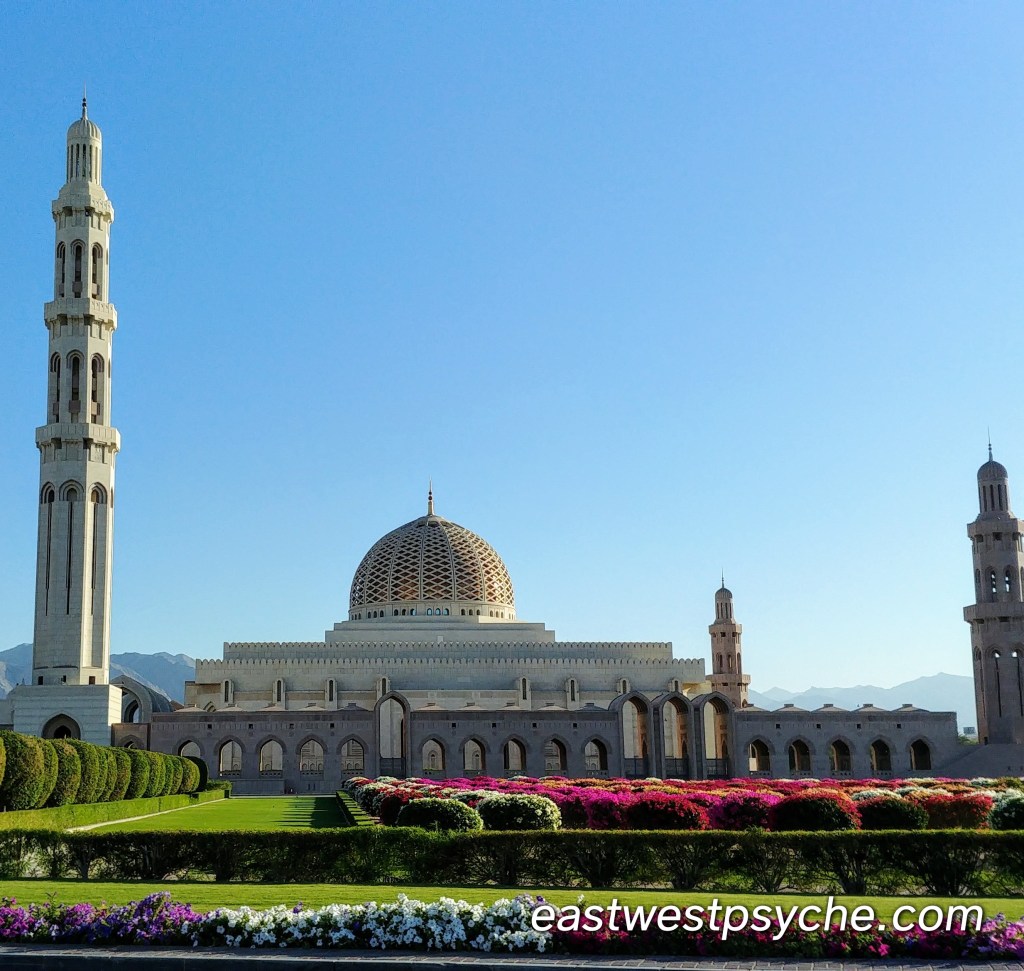
Oman is 85% Muslim, most of whom follow Ibadi tradition (neither Shia nor Sunni); the law provides for freedom and protects against discrimination of religion. Instruction in Islam is a mandatory component of public education, though non-Muslim students are permitted to opt out and attend private schools. The government also monitors the sermons of imams who are prohibited from any political statement.

20190208_185631_3_Signature

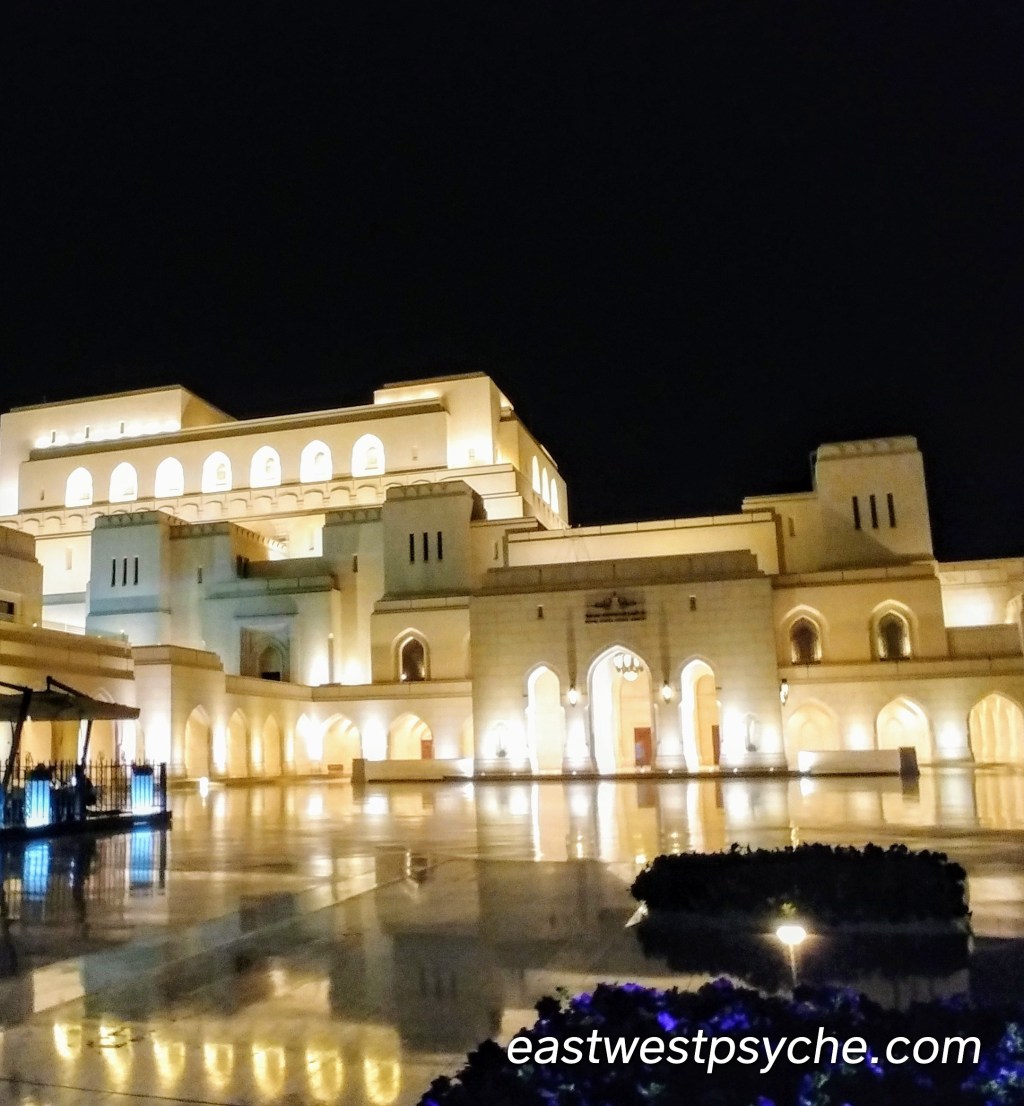
The performing arts are highly valued by Omani people; the Royal Opera House in the capital city of Muscat, opened in 2011, is widely considered one of the most beautiful in the world. Concerts, opera, ballet, and theatrical performances are all regularly on offer.

20190208_171140_2_Signature

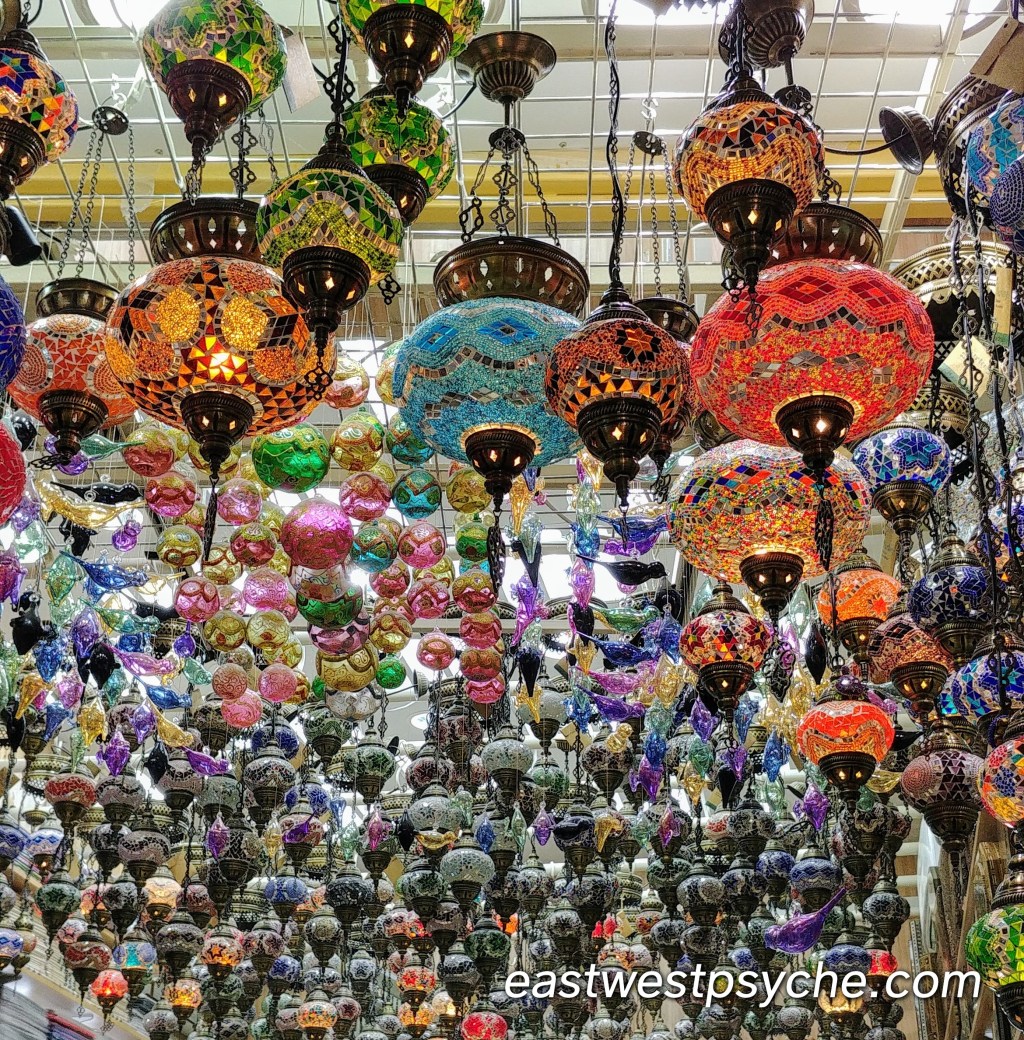
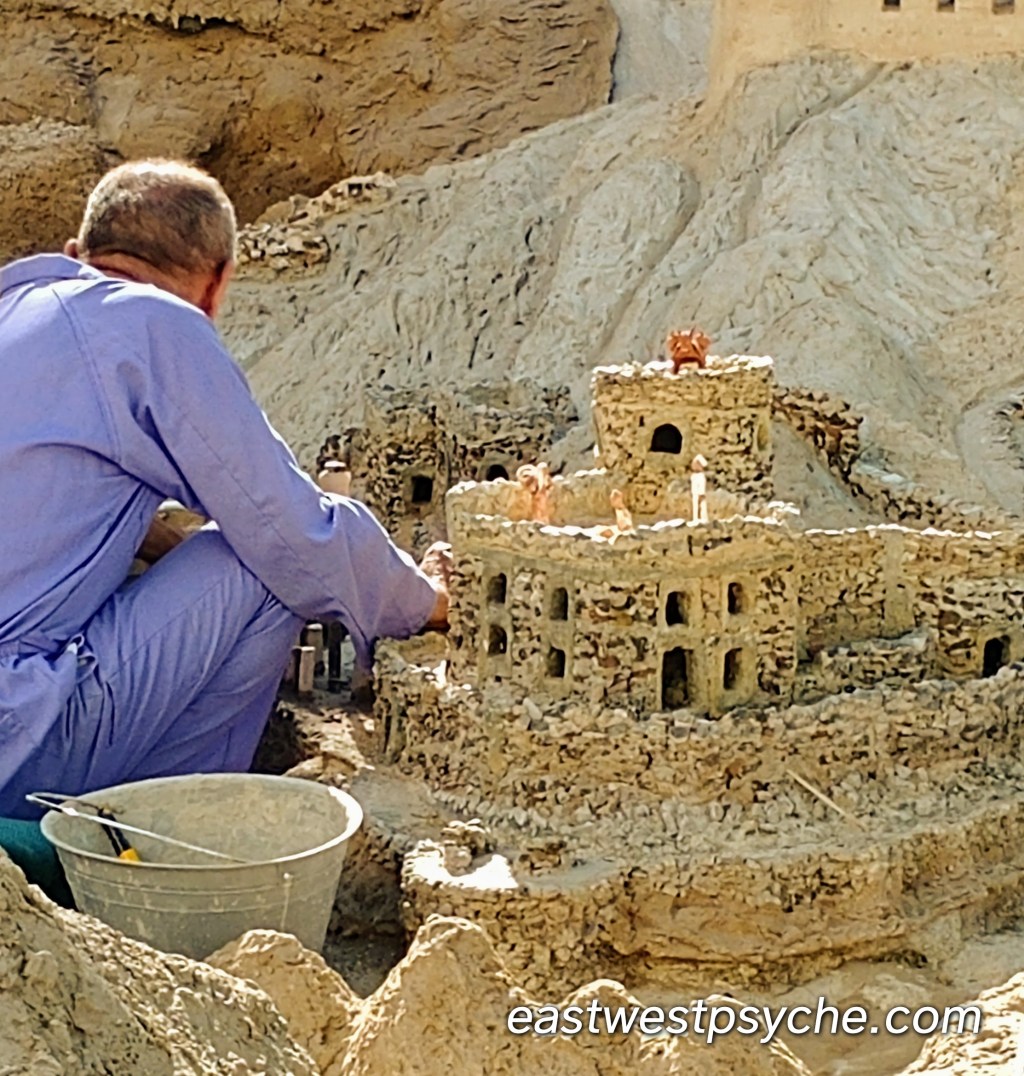
Traditional arts and handcrafts also remain highly valued among Omani people, even in ultra-modern Muscat, where a seamless blend of modernity and tradition can be observed.

20190209_152324_2_Signature

The value of cultural heritage, and artistic expressions thereof, remains important to Omani people, even as they continue to modernise. An oil-rich nation bent on progress, Oman nevertheless seems in no hurry to throw away its culture — an example to other countries.

20190208_170702_2_Signature

Human Rights Watch has raised questions regarding a deterioration of human rights in Oman since 2011 and the call for reform in a number of Arab nations. It is illegal to criticise the Sultan or government, and censorship of journalists is well documented; treatment of prisoners, political as well as criminal, has been noted as severe. Although a National Human Rights Commission was established in 2008, it does not function independently but answers to the government.

20190210_105903_3_Signature

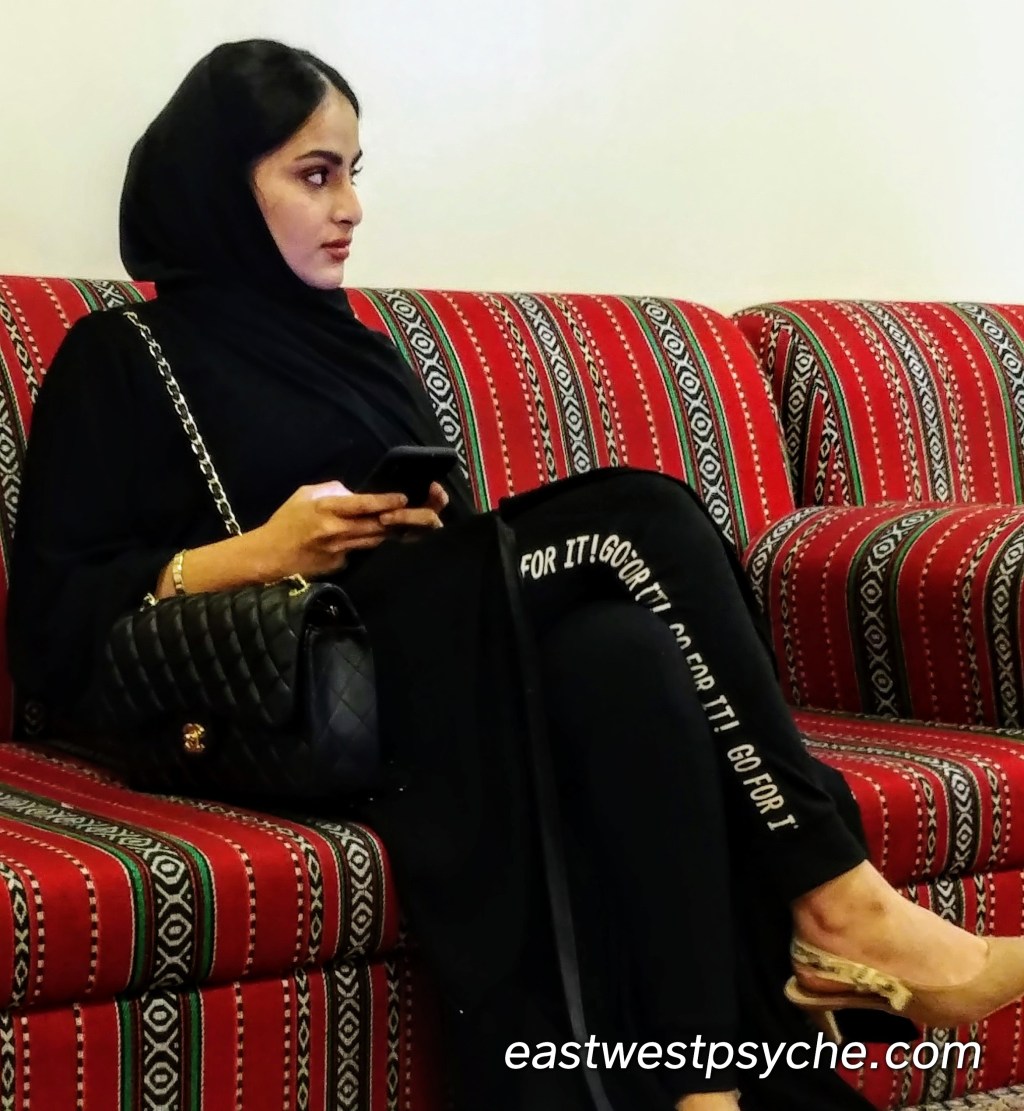
Owing in part to 3 centuries of British influence, Oman continues to move away from gender inequality — though there is still much room for improvement. Women and girls are increasingly educated, though less than half of women currently over age 25 have completed secondary education, and less than 1/3 of women enter the professions. The nation was first in the Gulf States to grant voting rights to women (1994), though Parliament is less than 10% female. Oman is currently ranked at 59th globally for gender issues [Gender Inequality Index].

~EWP

Hungary

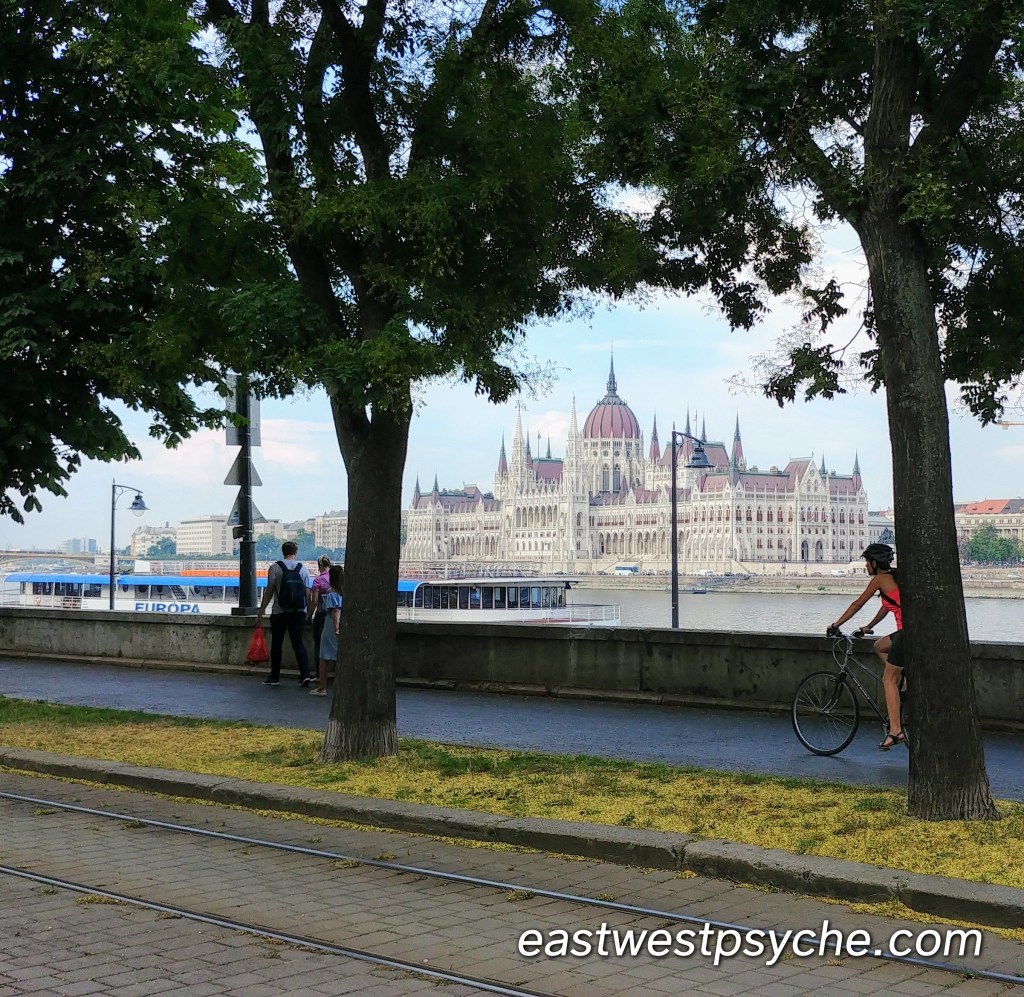
20180727_173750_2_Signature

Hungary, kingdom-principality-empire-satellite-republic. With a long and often glorious past, Hungarians — though a small nation today — hold a deep sense of place, identity, history — and purpose.


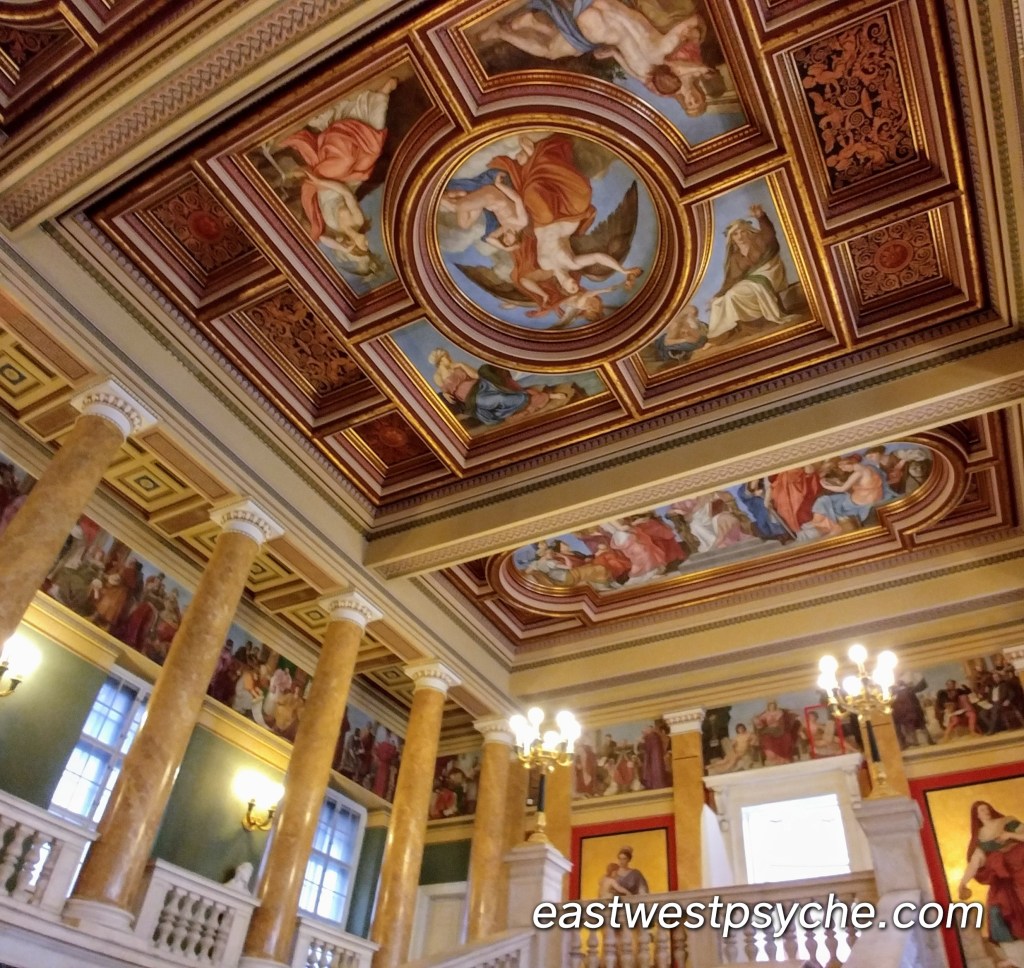
20180728_100502_2_Signature

Hungary has a long tradition of arts and culture, literature and intellectual pursuit. By the 15th century, Buda — today part of the capital city of Budapest — was considered one of Europe’s centres of Renaissance and Humanist ideals.

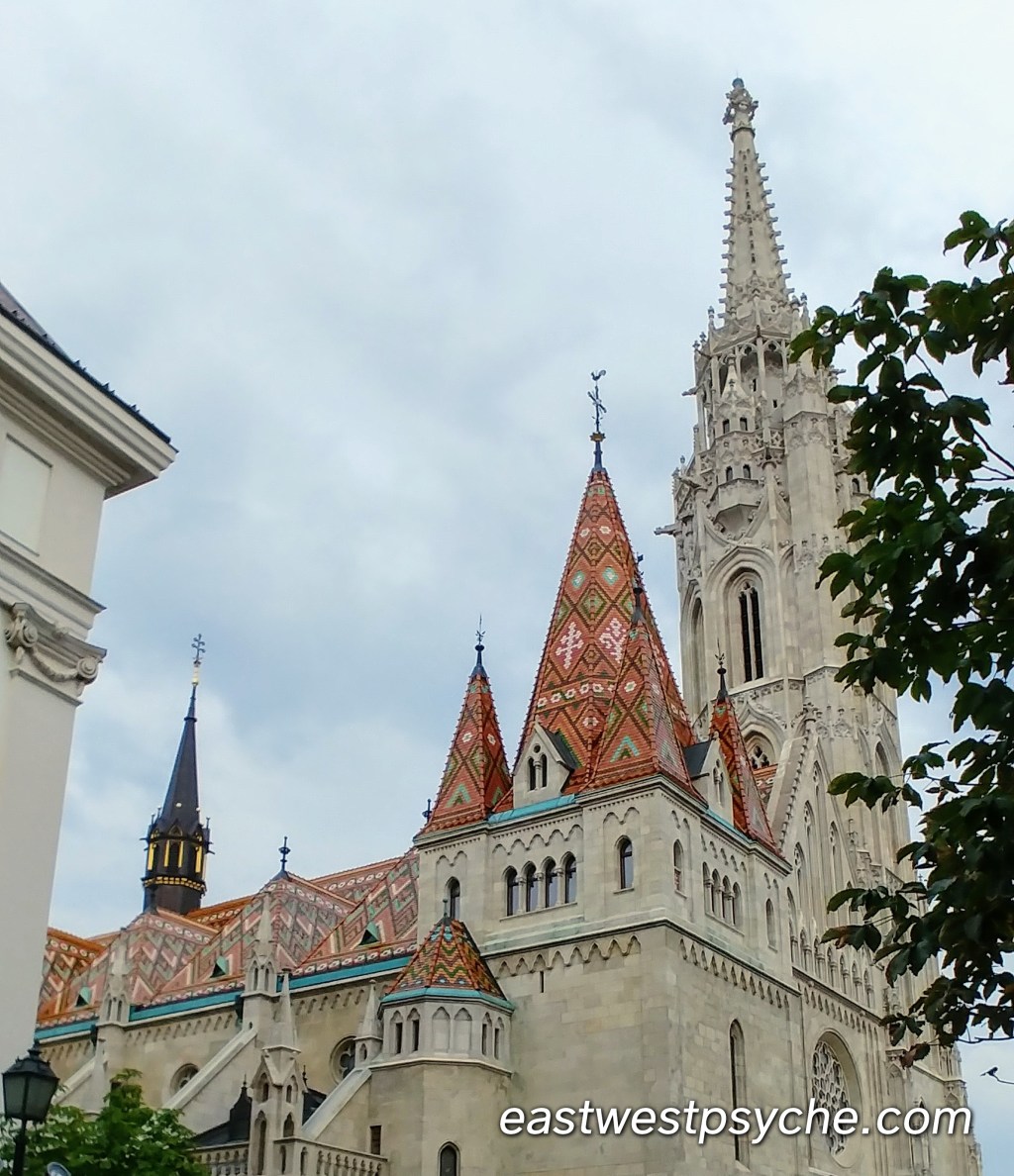
20180727_193904_2_Signature

Hungary officially identifies as a “Christian nation” according to its constitution, which nevertheless guarantees freedom of religion and separation of church and state; the nation today is 39% Catholic and 14% Lutheran — with 45.4% nonreligious / atheist / undeclared.

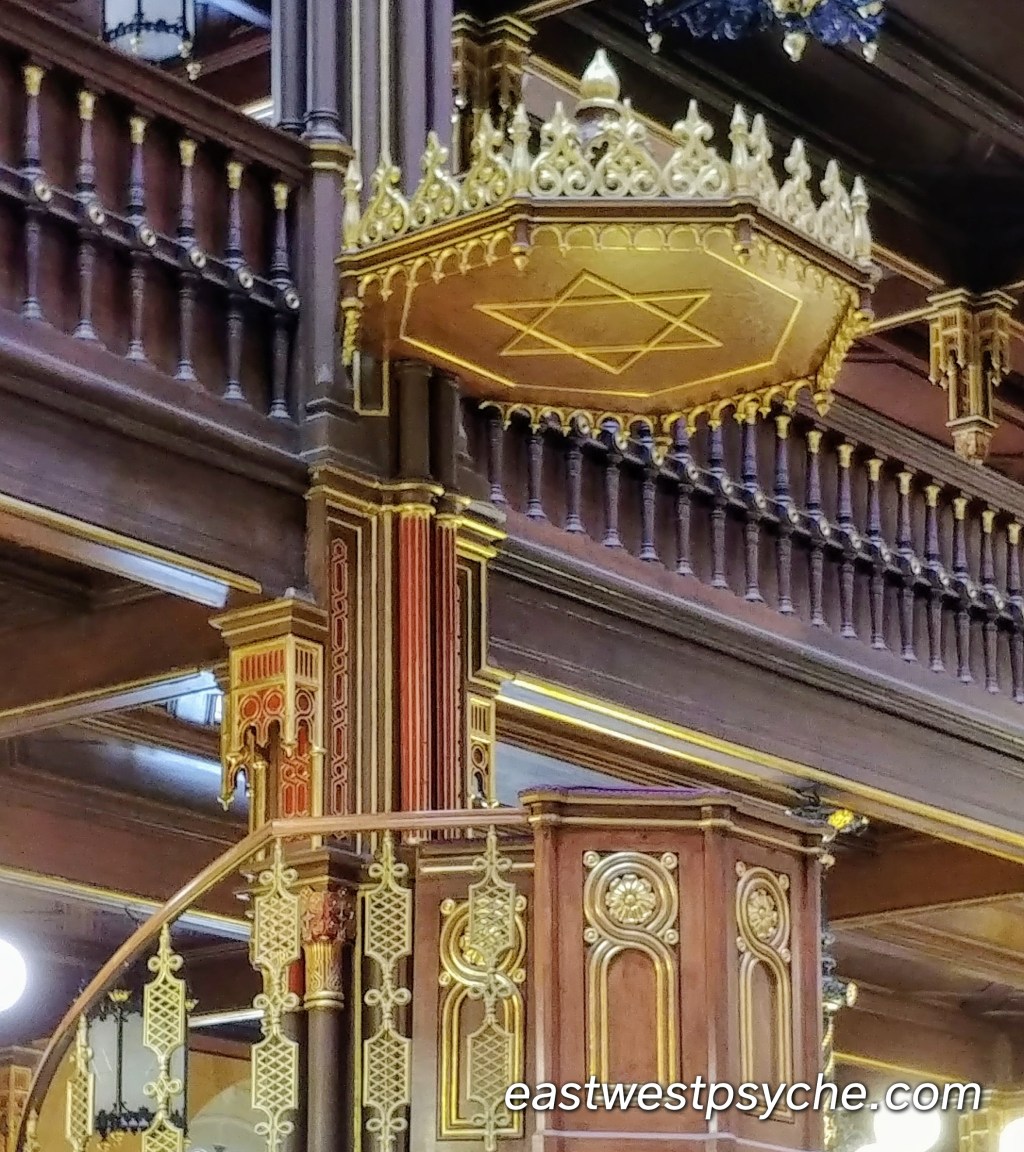
20180727_140501_2_Signature

Jewish people resided in Hungary since at least the 9th century and possibly much earlier; by early 20th century, they made up 5% of the country’s total population and 23% of Budapest. Annihilated during WWII, in which Hungary sided with the Axis Powers, today only 0.1% of the population identify as Jewish.

20180728_102241_2_Signature

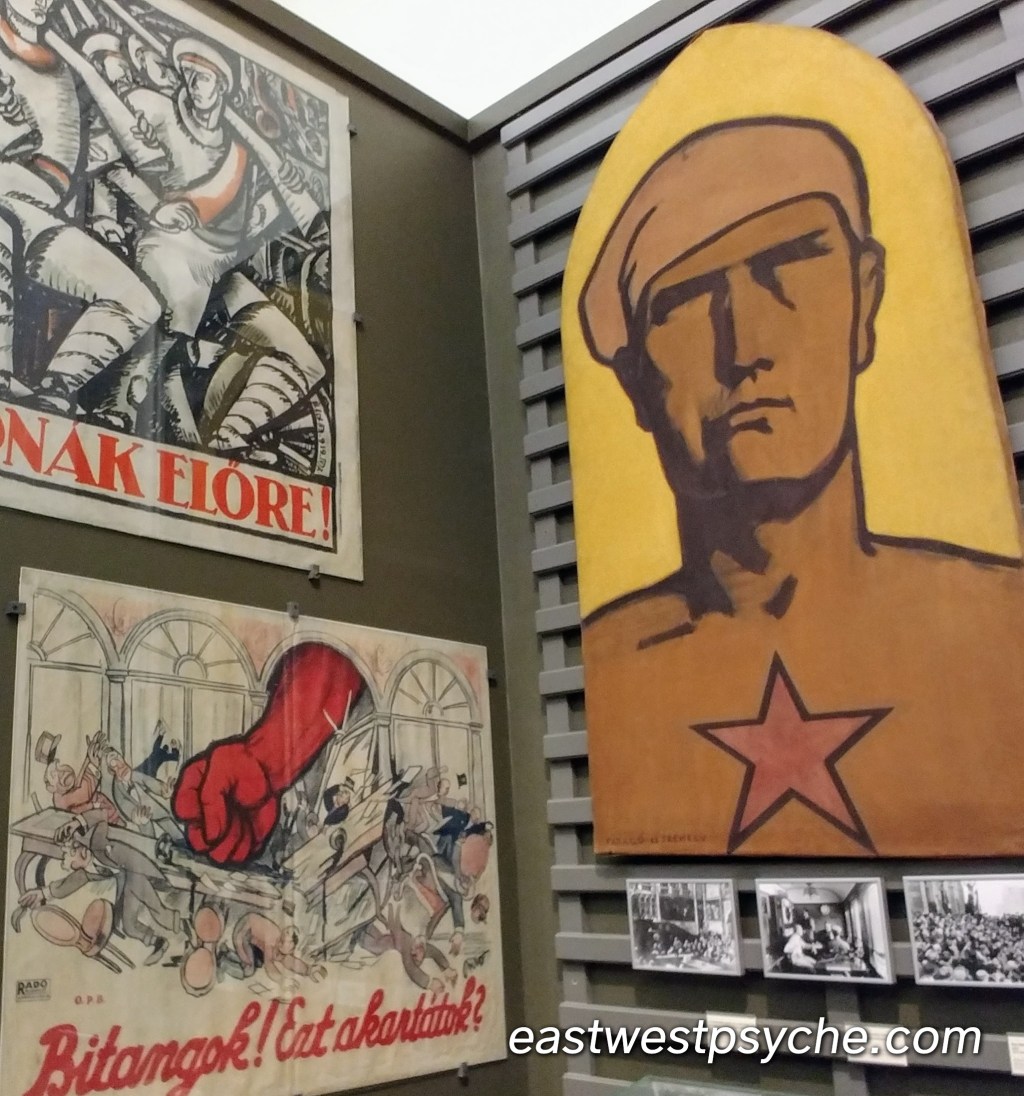
Following WWII, Hungary became a socialist satellite of USSR from 1949 to 1989, at which point the nation became a democratic parliamentary republic as it remains today. The legacy of this period, however, remains deeply buried in the society — in the form of populism, neo-traditionalism, nationalism — and in placing blame for socioeconomic ills on women, and immigrants.

20180728_112532_3_Signature

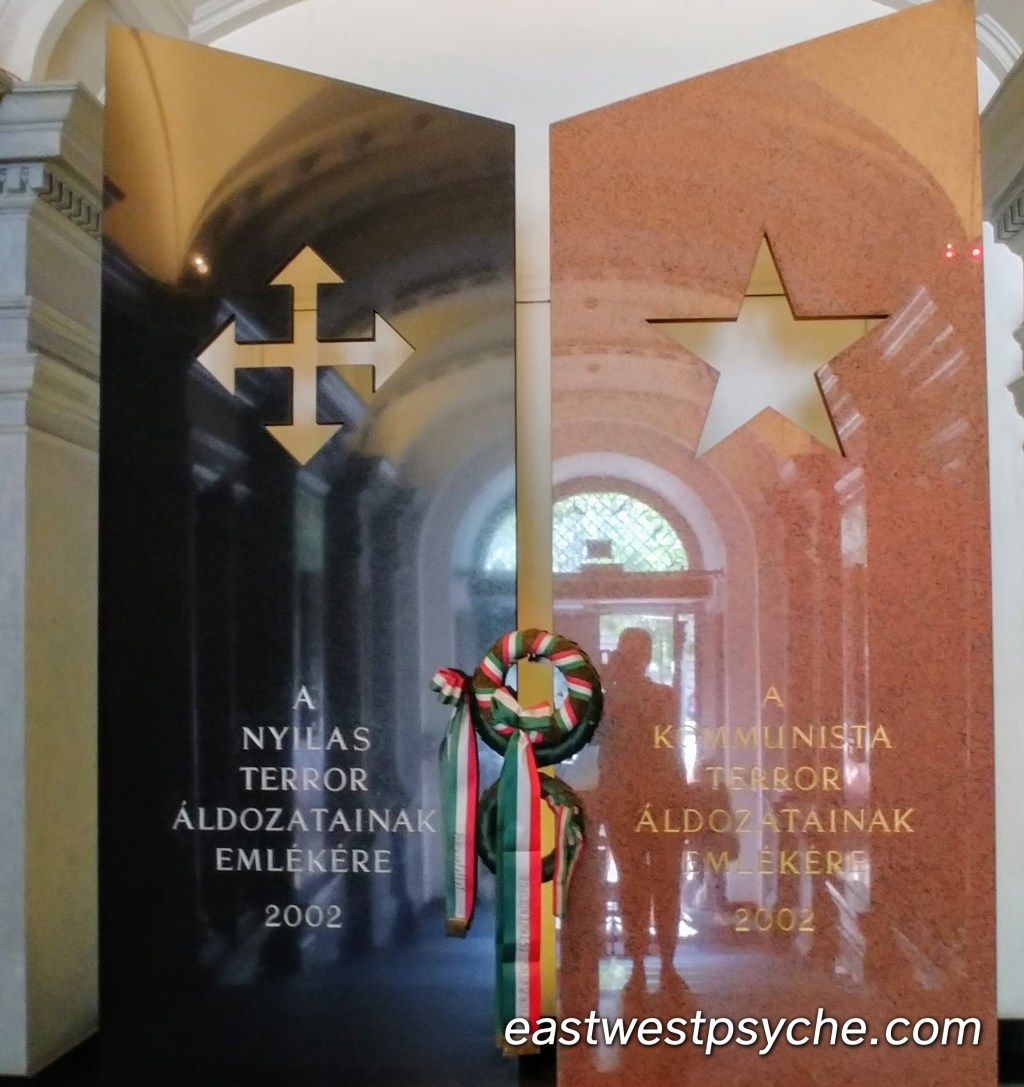
The legacy of terror and trauma, both fascist and communist — the physical manifestations of which included genocide and dictatorship, also remain beneath the surface of Hungarian culture. Competing cultural narratives and historical revisionism, threads of fear and distrust that led to isolationist policy, and a general breakdown of social cohesion are all in evidence today.

20180727_162612_3_Signature

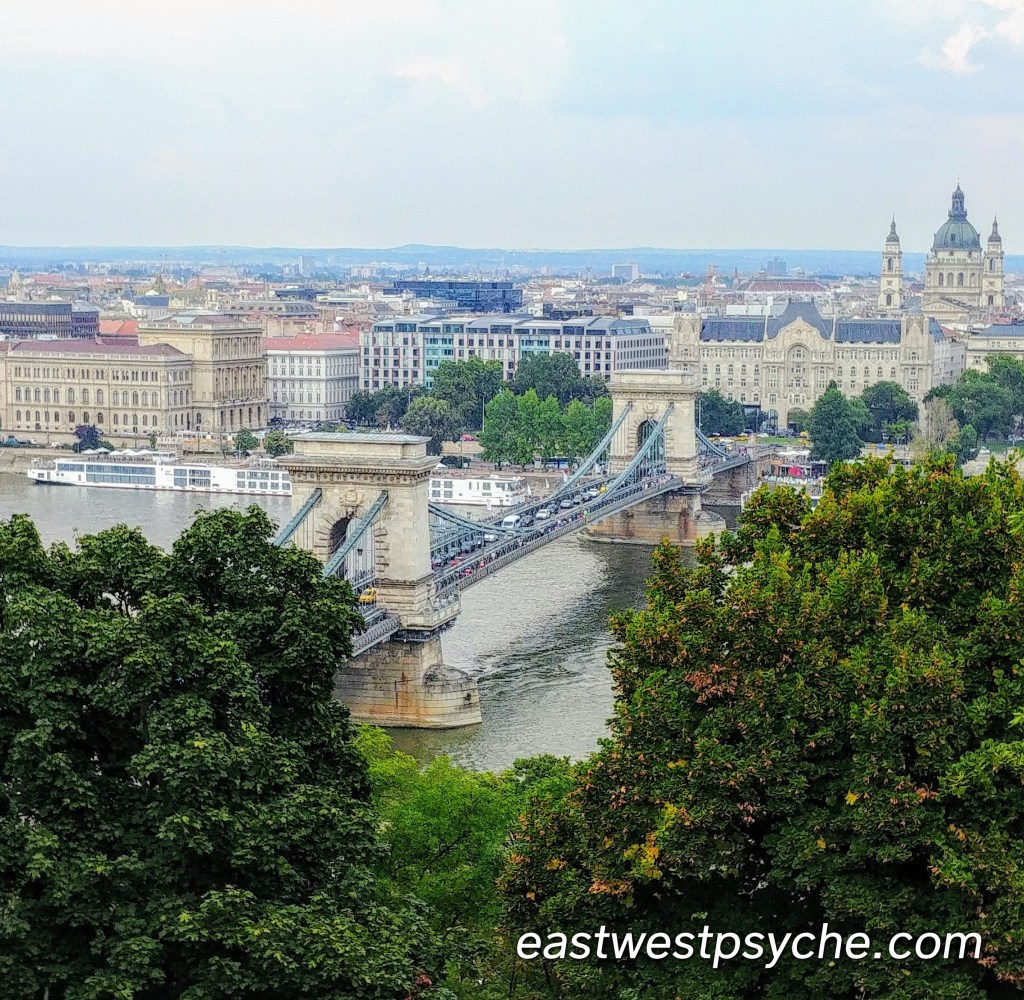
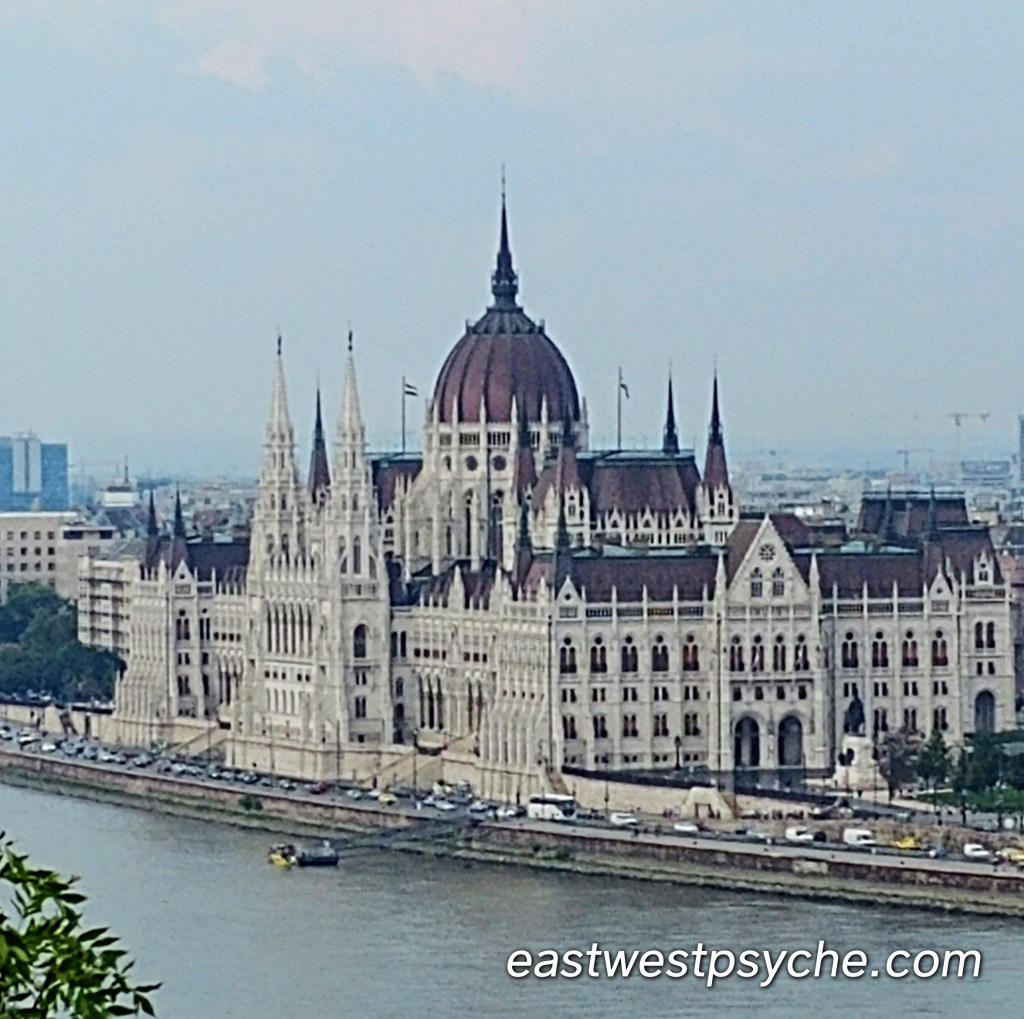
Budapest, capital of Hungary, the integration of two former cities and spanning the mighty Danube, is today an ‘alpha-city’ with 1/3 of the nation’s population in residence. Earliest cultural influences include its origins as a Celtic settlement followed by Roman conquest and later Mongolian sacking; by 15th century it had become a centre of humanism, and by late 19th century a co-capital of the Austro-Hungarian Empire.

20180728_092958_2_Signature

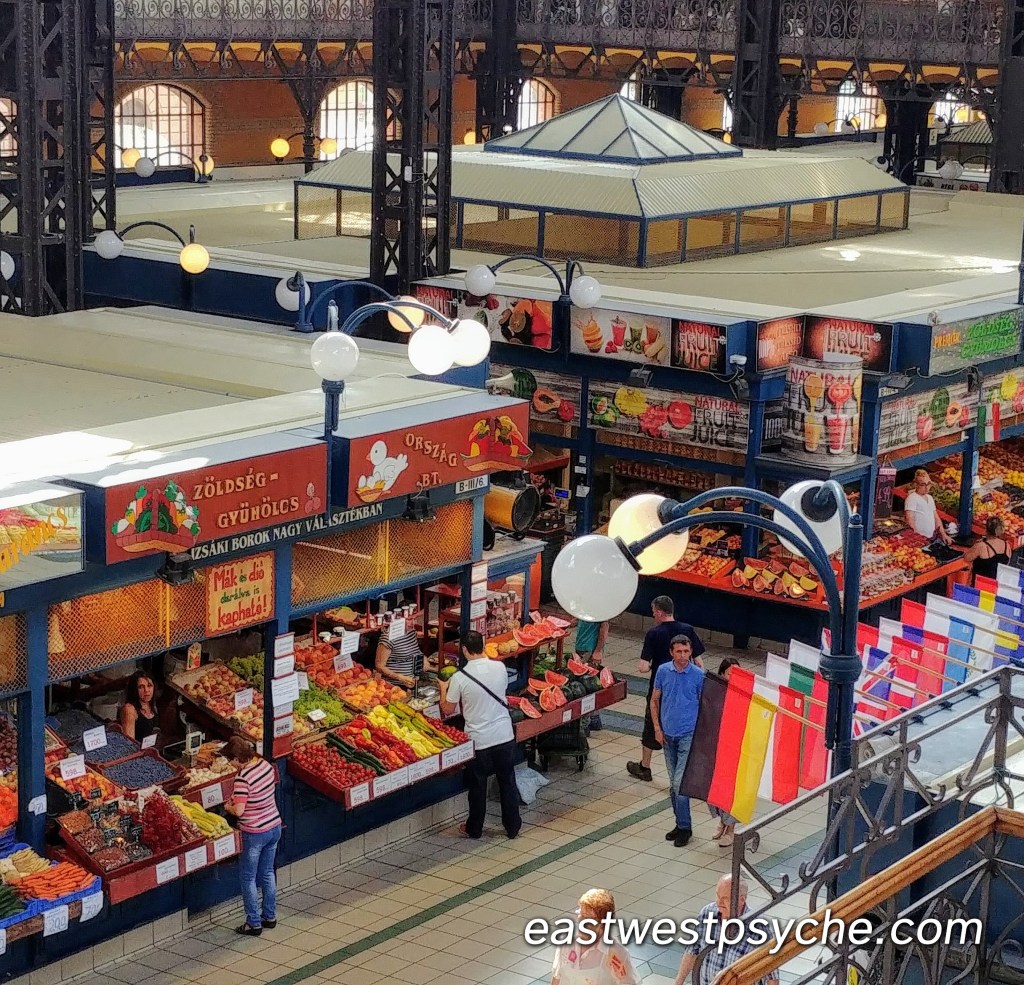
Budapest has a thriving market economy today, though Hungary overall is experiencing an economic downturn. The nation is categorised as an OECD high-income economy — and is 45th on the Human Development Index.

20180727_162640_2_Signature

Today, Hungary along with its neighbor, Poland, is testing the limits of its EU membership by defying established guidelines regarding open borders, refugee acceptance, and even the rule of law. Following a global trend of increasing nationalism and isolationism, siding increasingly with ultra-conservative governments, its culture seems to be shifting toward traditionalist values.

~EWP


Spain

78416289_540366179854251_5623294182643728384_o

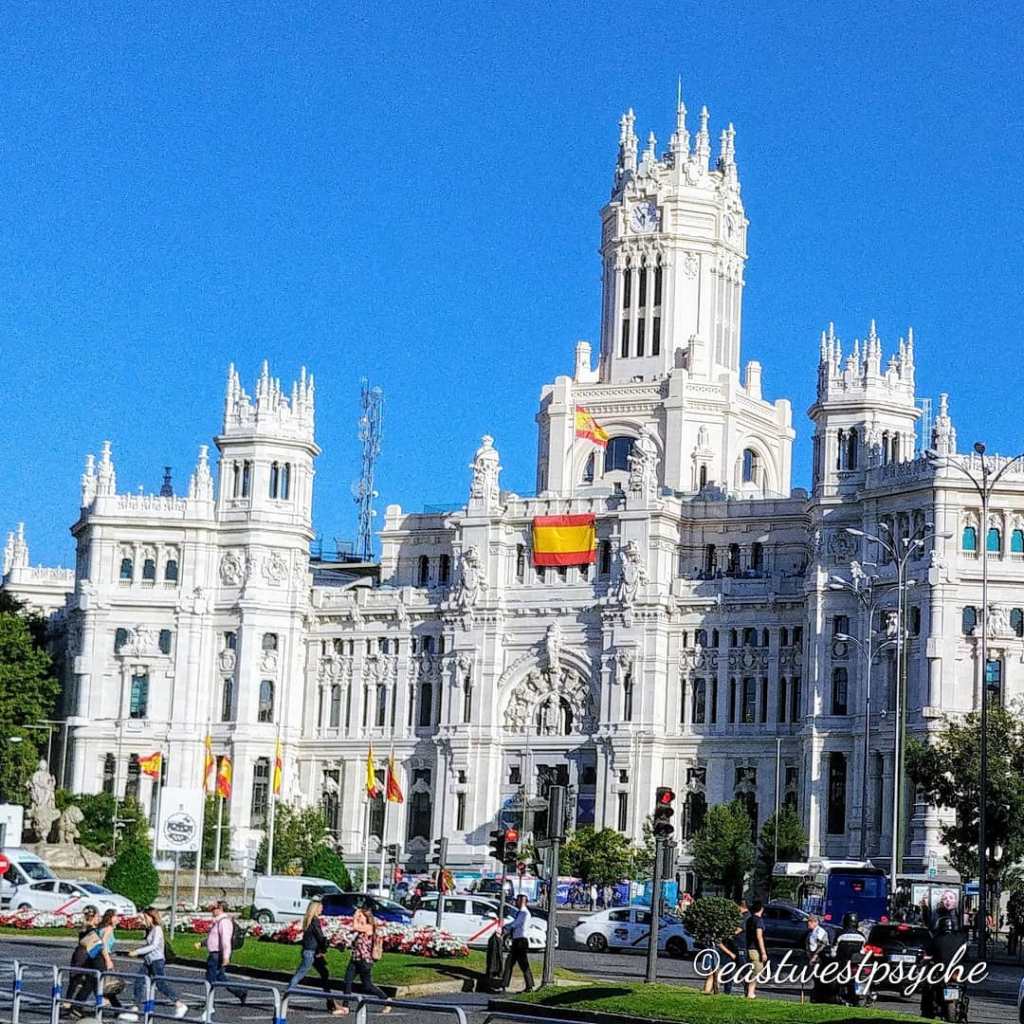
Spain, like many Mediterranean countries, is multicultural at its core, the product of successive migrations and invasions through the centuries. Iberian cultures were among the earliest to arrive, some 35,000 years ago; Phoenicians, Egyptians, early Greeks, Romans, and Arabs all played a role.

78489708_540366776520858_8477499705469698048_o

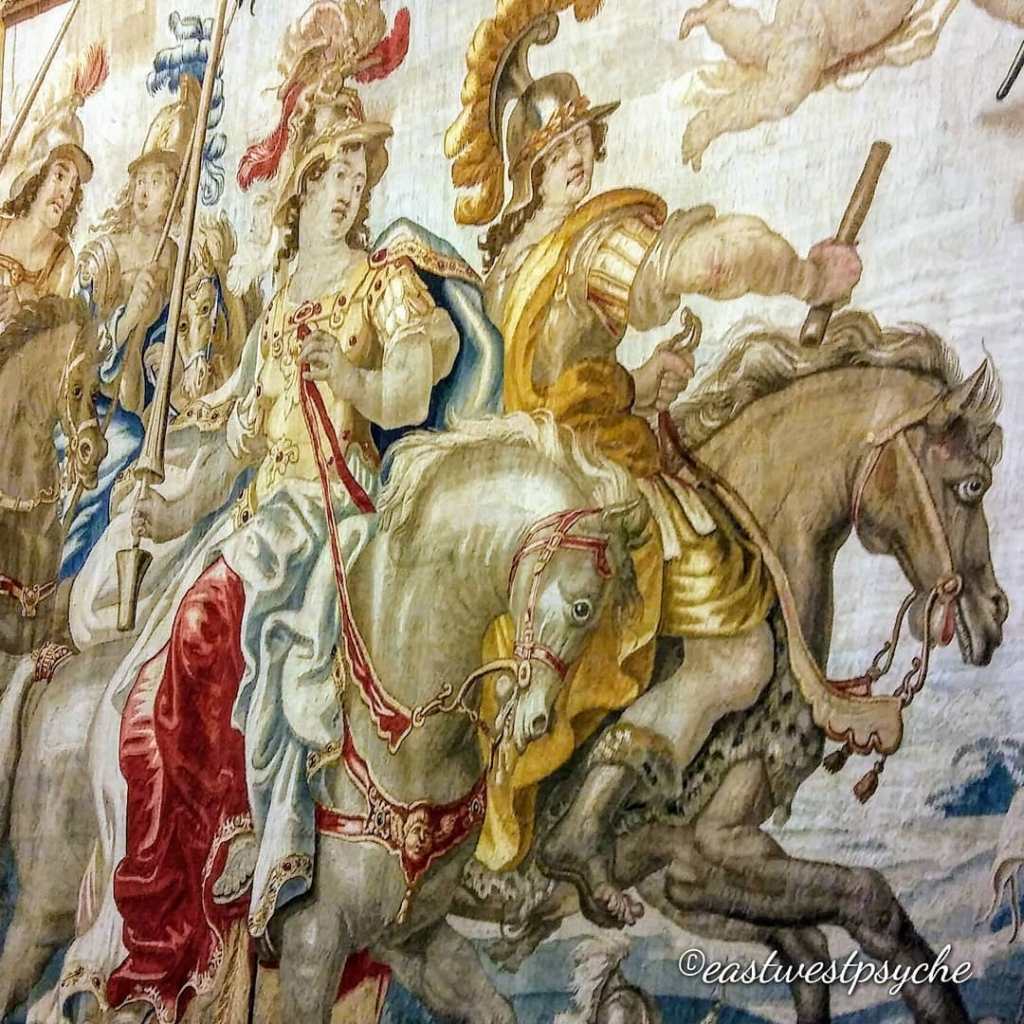
With a history of multiple invasions, Spain in turn became the invader; its seafaring skills renowned, the country’s ‘conquistadors’ ultimately took over the majority of Latin America – introducing a class system, slave trade, Spanish language, and Catholic religion, taking a good deal of gold and other natural resources – and establishing an empire.

78103100_540367003187502_9029324847485812736_o

Spain’s entire history has been one of migration – of others into (and, in the case of both the Moors and Sephardi Jews, expelled from) the Iberian Peninsula, and of themselves to other parts of the world. Today’s population is 12% immigrant, the top 4 of which are Romanian, Moroccan, British, and Ecuadorian.

78229804_540367539854115_7904588348499427328_o

Spain unified, somewhat uneasily, from multiple small kingdoms into a republic; organised into autonomous regions, fully 5 self-identify as distinct nationalities. Spain is thus not only multicultural and multilingual but also ‘plurinational’ – the Basque and Catalans, in particular, still aching for independence.

76964104_540367949854074_7269275617844002816_o

In the 1930s, Spain was fractured by a civil war; General Franco, backed by Nazi Germany and Fascist Italy, succeeded and ruled as a dictator for 40 years. Following his death in 1974, and the ousting of his party some 4 years later, Spain entered a period of wild abandon as they celebrated their freedom.

78048256_540368333187369_8148676794539573248_o

Spain today maintains a secular parliamentary democracy and a parliamentary monarchy, a somewhat unique hybrid of governmental models that has emerged in antithesis to the Franco era.

78736576_540368666520669_9146722207949389824_o

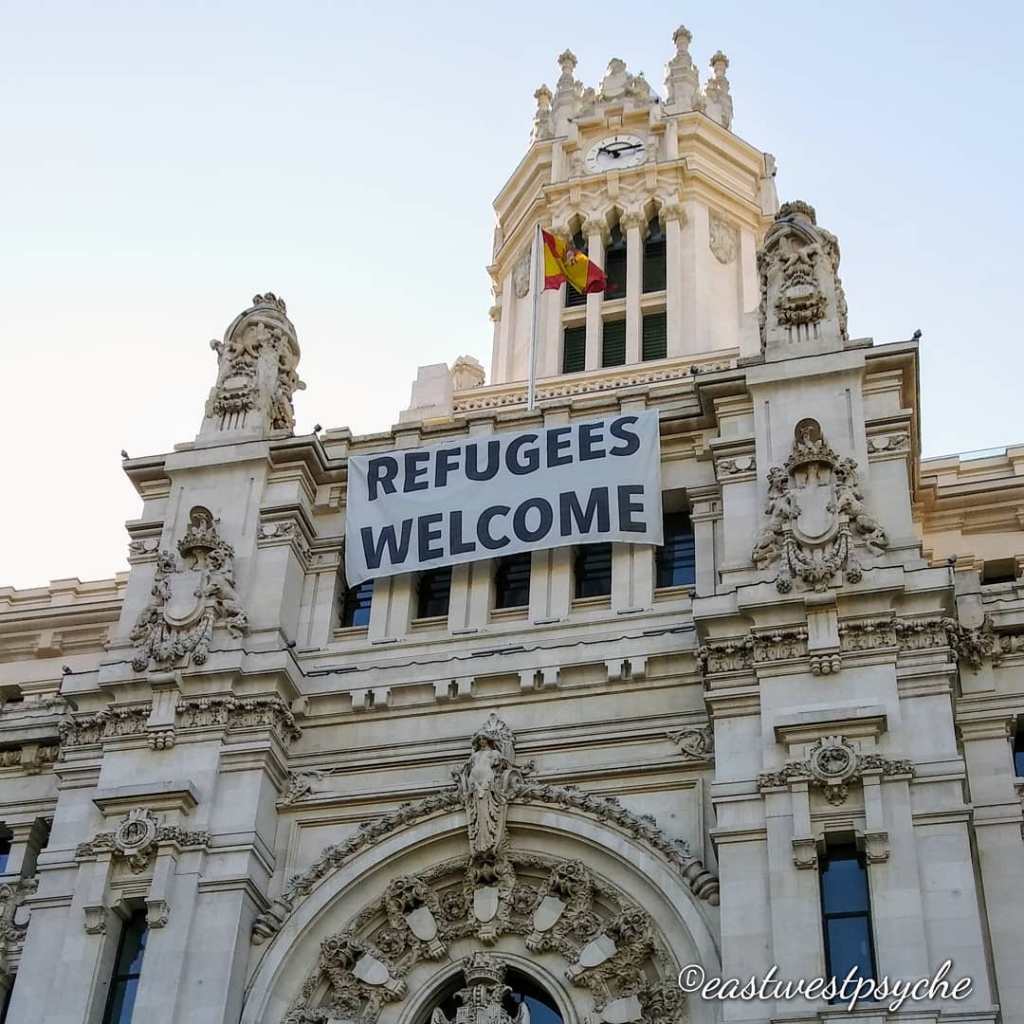
Post-Franco Spain has focused increasingly on human rights; as an example, the country is widely considered #1 for LGBT acceptance. Asked how a Catholic country could so easily accept marriage equality, the answer is always: the family comes first – my son is my son, no matter whom he loves.

79234626_540368926520643_8762907287380557824_o

In matters of gender, Spain’s progress is uneven: recent high-profile rape cases have highlighted violence against women, and the country’s ranking on global gender indices hasn’t changed since 2005. Change is in the wind: as of May 2019, Spain’s parliament now has the highest percentage of women in all of Europe.

78118759_540369309853938_2384308045917192192_o

Once considered one of the poorer countries of Europe, Spain now has the world’s 14th largest economy, and is 16th for purchasing power. It’s also rich in history and culture: 3rd globally for UNESCO world heritage inscription.

~EWP