Category: Uncategorized

Indonesia

69949187_486206901936846_4599551215397765120_o

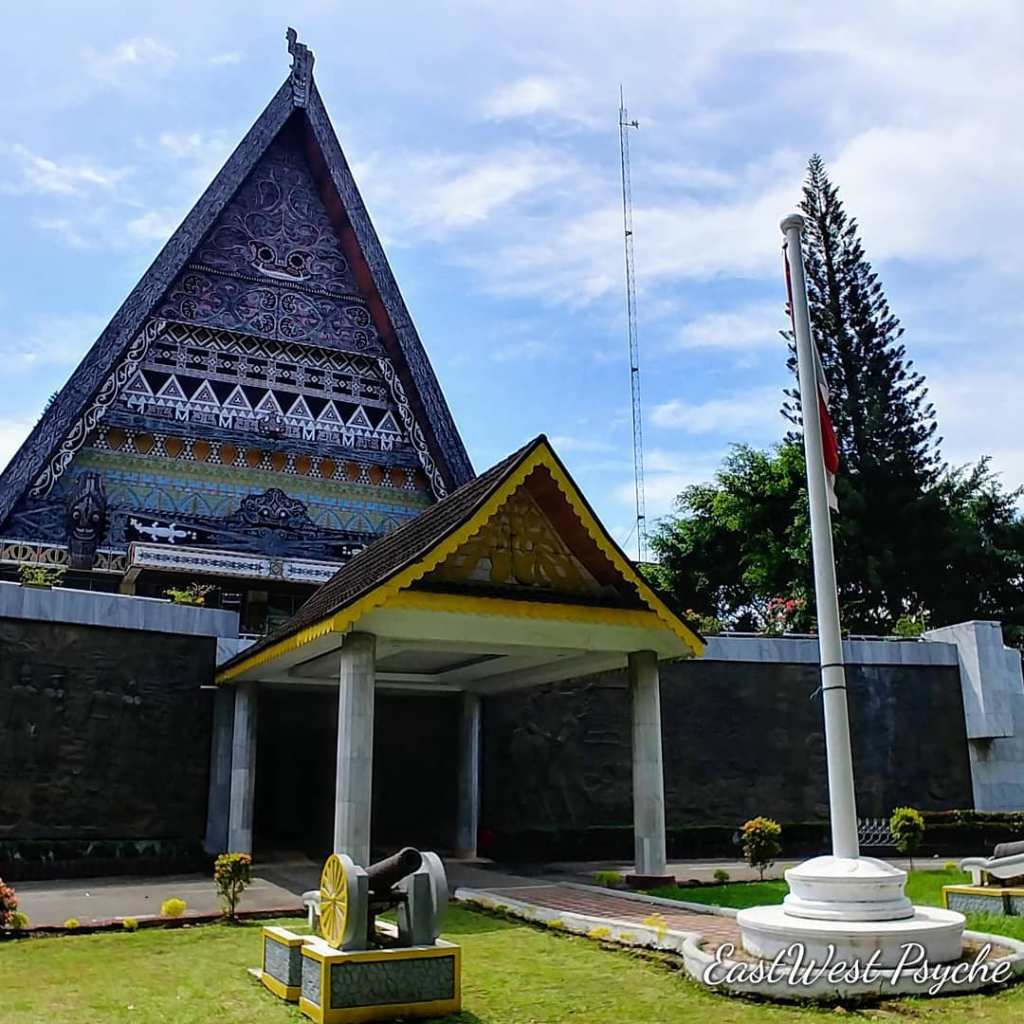
Indonesia is one of the world’s most diverse countries. The archipelagic nation is 14th largest by land and 4th most populous, with more than 17,000 islands and 300 distinct ethnic and linguistic groups. It’s no wonder, yet also wondrous, that Indonesians have actively adopted the motto, “Unity in Diversity.”
70277691_486219438602259_3348710989087375360_o

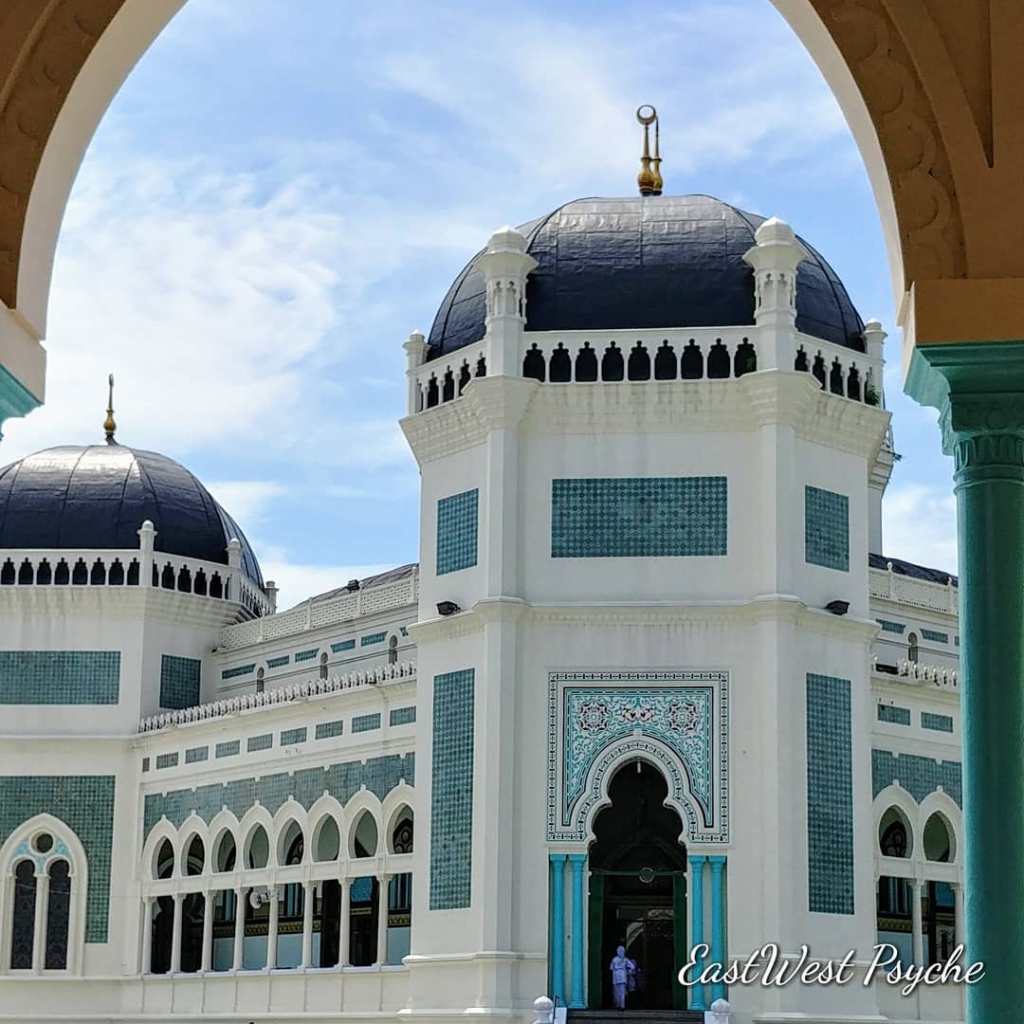
Indonesia has the world’s largest Muslim-majority population, though religious choice is permitted and the country also includes Hindus and Buddhists, Catholics and Protestants — and “Confucianists” (though strictly speaking, not a religion). The practice of Islam is 99% Sunni, though both Shia and Ahmadi are also present. Antecedent to all is an indigenous animism, dynamism, and ancestral worship typical of Austronesian peoples.
70237082_486226375268232_2307313077734866944_o

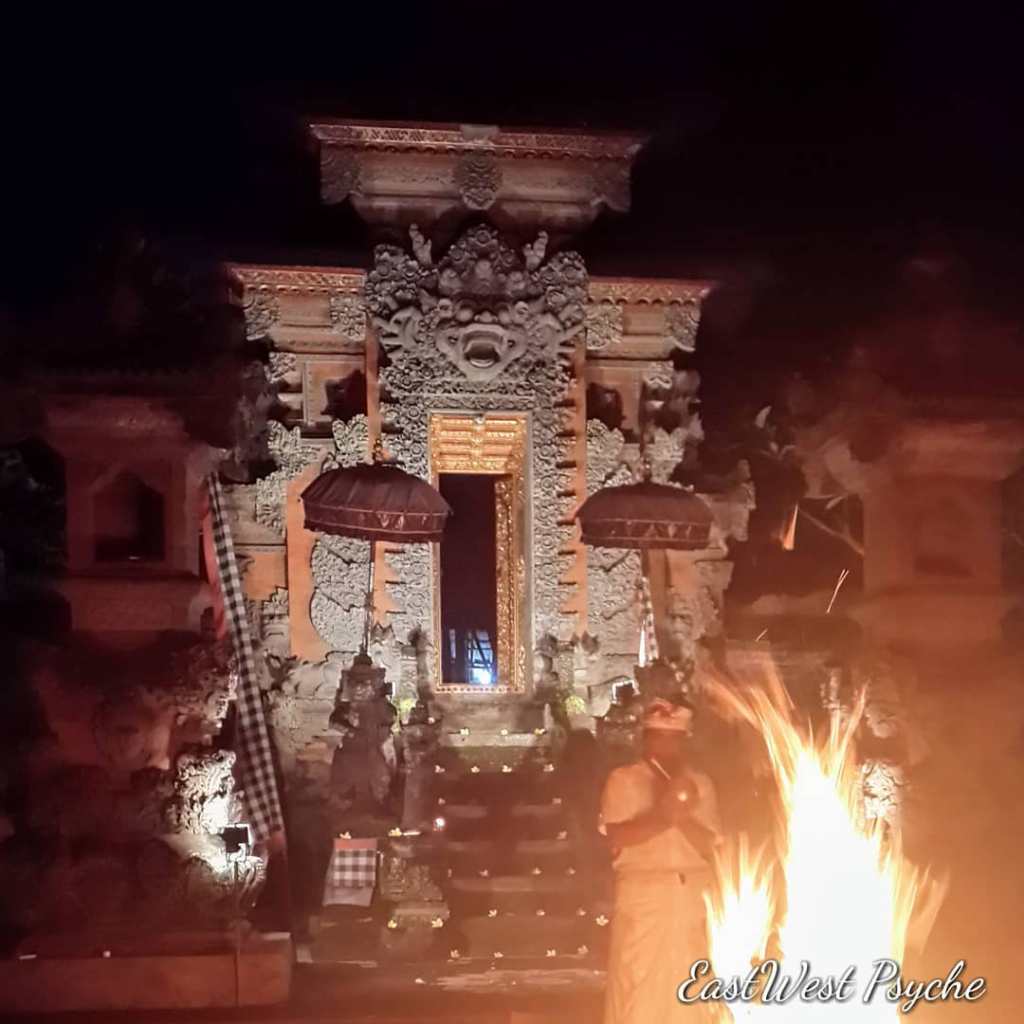
Balinese rituals are a synthesis of Hinduism and indigenous animistic beliefs. The island’s Hinduism originated on Java and is itself a syncretism of Shivaism and Buddhism, while the underlying Austronesian animistic practices, which further integrate a practice of ancestor worship as seen in China, can be found in similar forms throughout Asia. Their island, according to the Balinese, belongs to the supreme deity Sanghyang Widhi — held by the people in sacred trust.
69916332_486227891934747_3761520727065362432_o

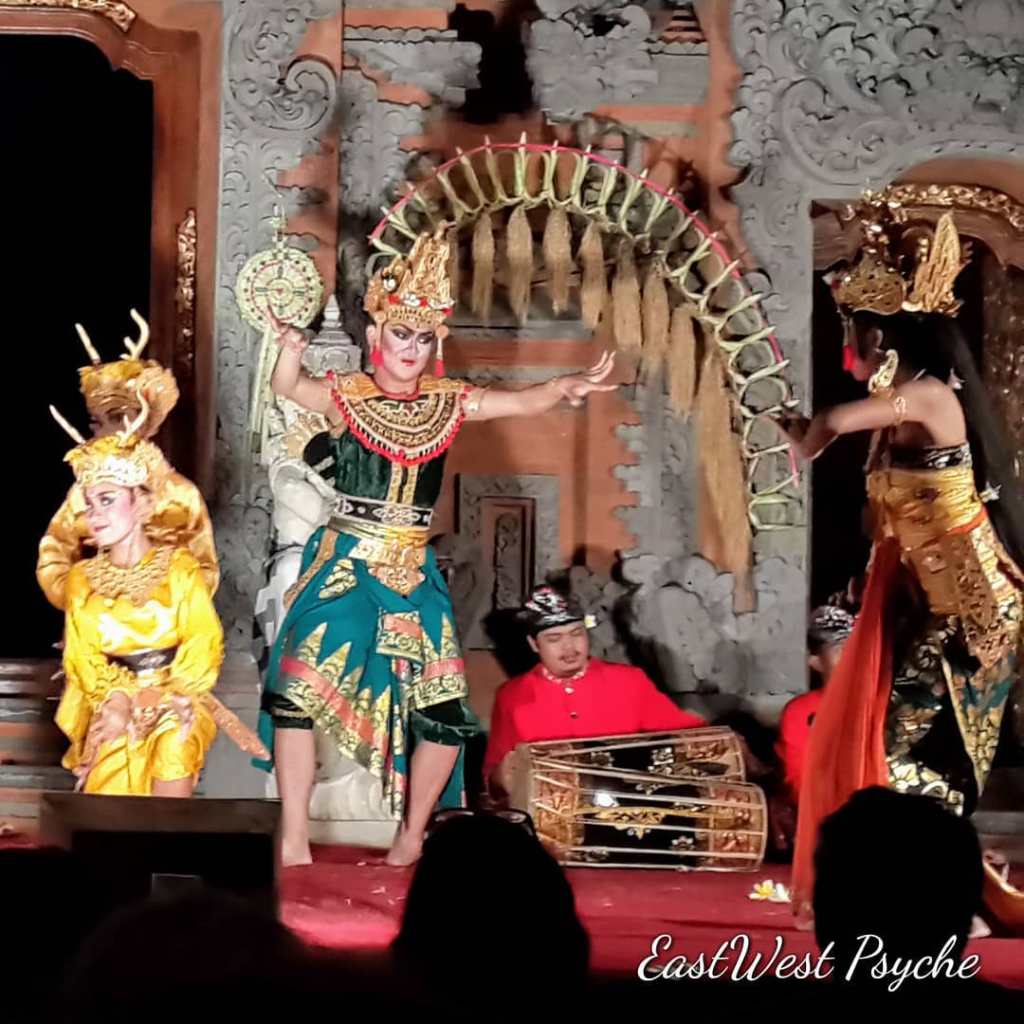
The religious practices of Indonesia’s Balinese are strongly integrated with the arts: theatre, dance, visual, music, literature. Religion and art are inseparable — neither would exist without the other, just as nature and divinity or the spirit world utterly co-exist.
69855332_486229135267956_4400671908647927808_o

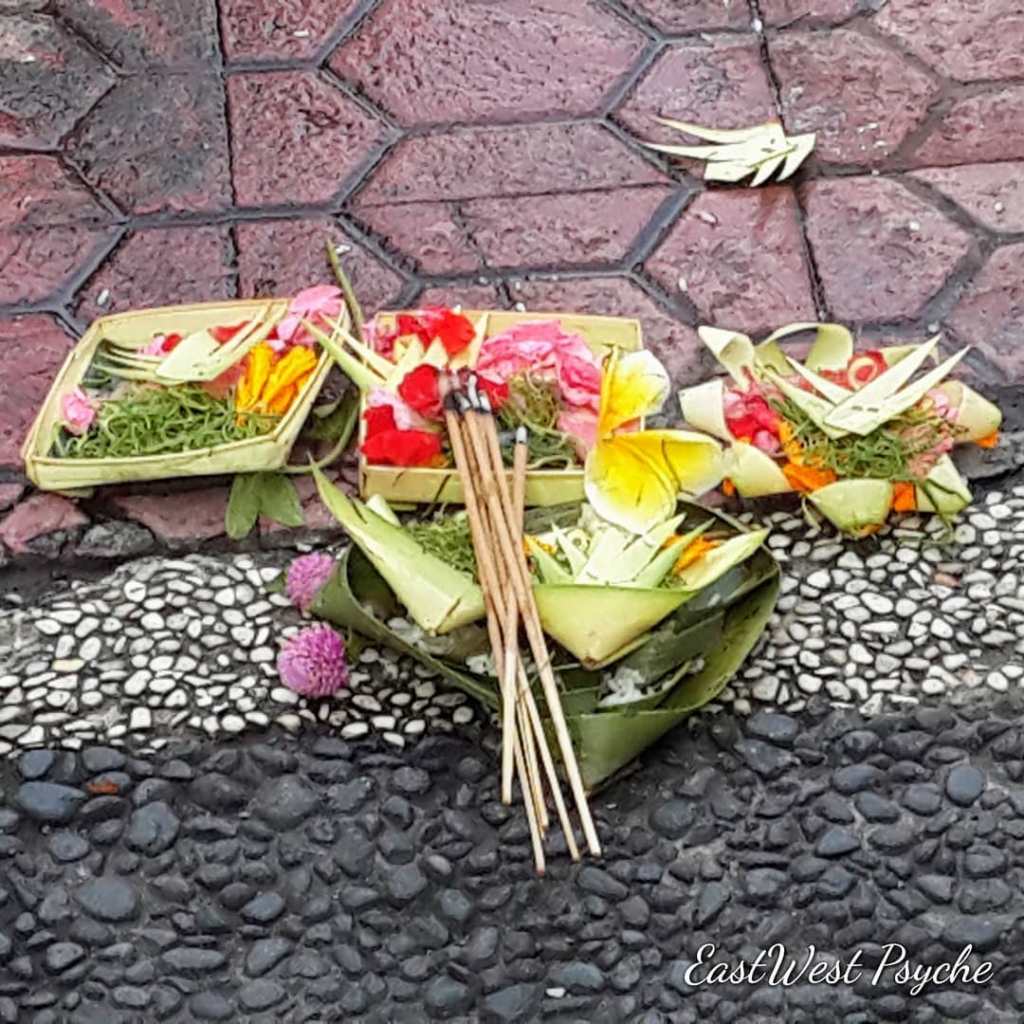
Even the daily offerings to the gods and the unseen world, as prepared by Indonesia’s Balinese, must be aesthetically pleasing. Religious practice is intertwined with daily life … as are the arts, and as such, worship and beauty become one.
69976747_486231908601012_4010651434646241280_o

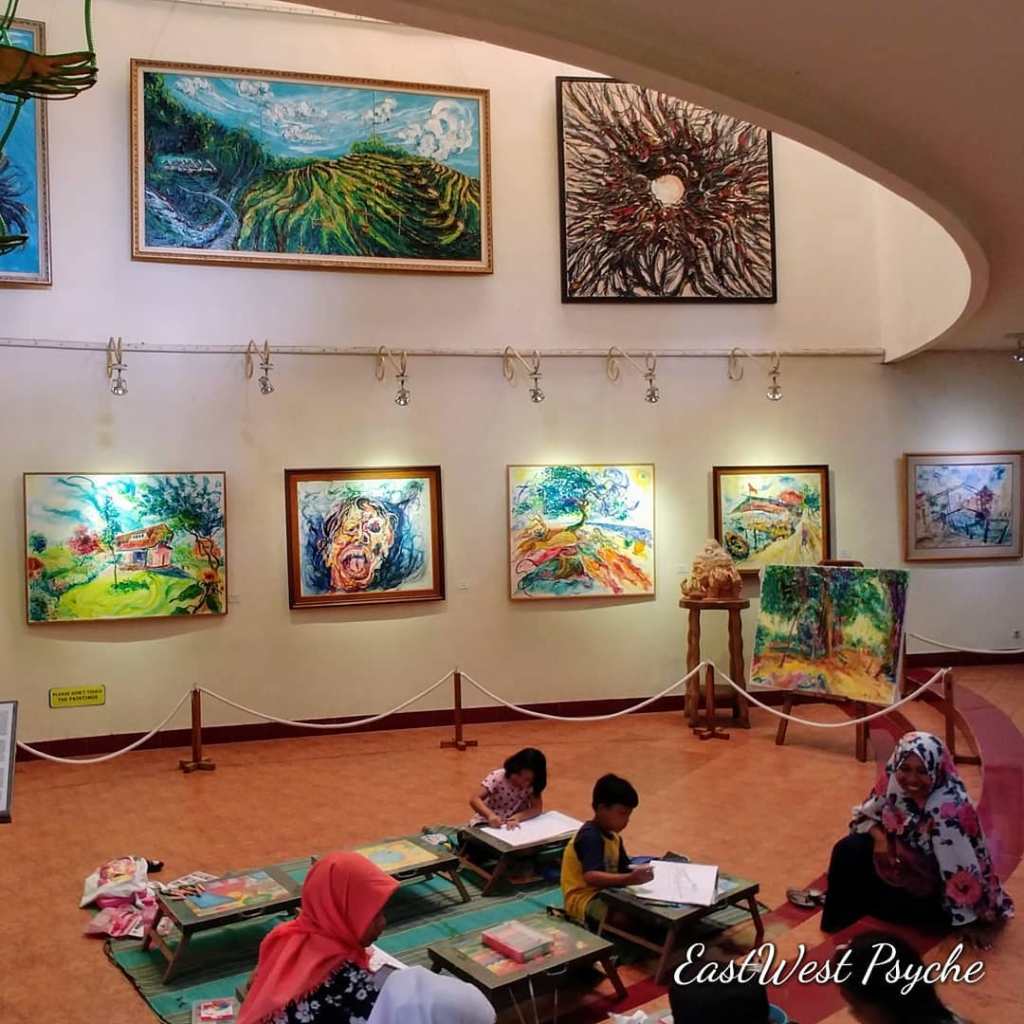
Art in all forms is very much a part of Indonesian life. In Yogyakarta, art is deeply valued — including independent, alternative, and even post-alternative forms. Here children are studying art not in an art academy, though these also abound — but at the Affandi Museum, itself an alternative space, established by one of Indonesia’s most well-known painters of the same name.
69801205_486239405266929_2492069715971670016_o

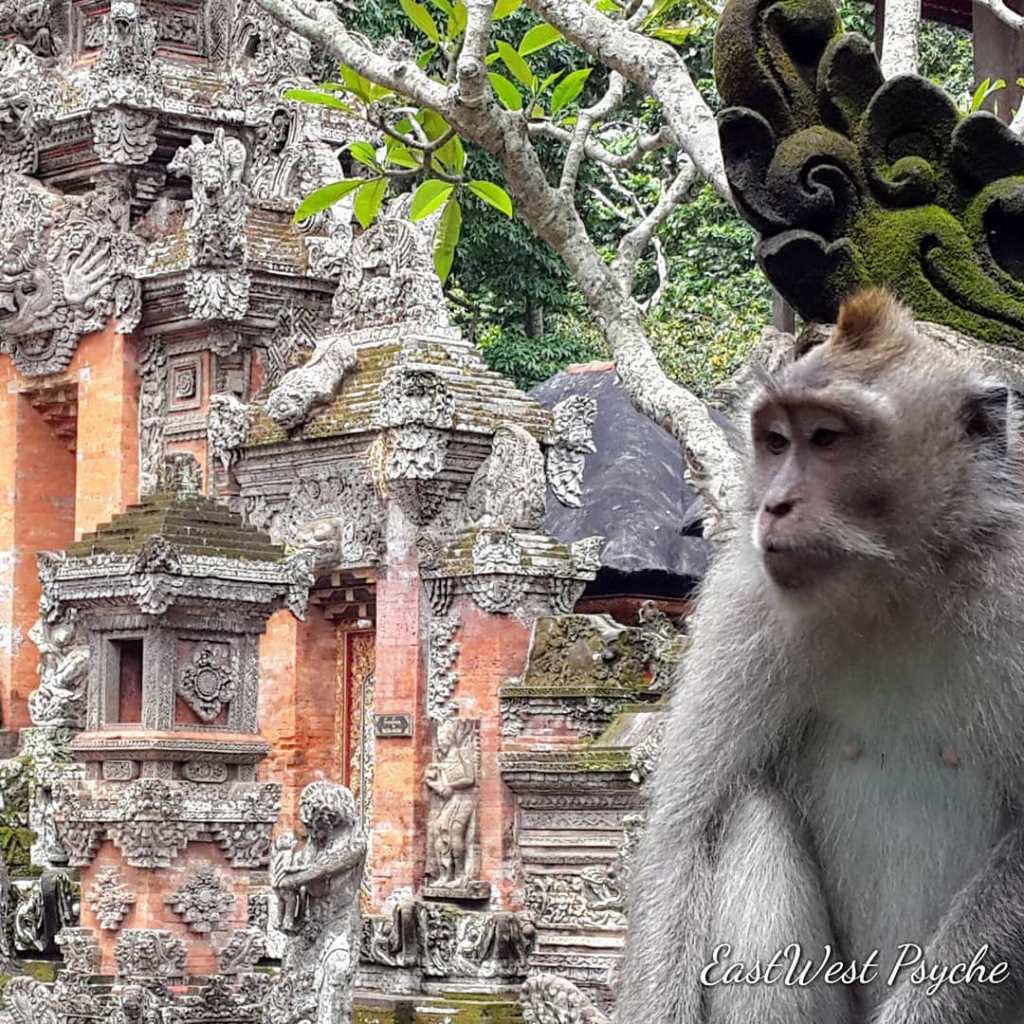
Indonesia is one of the earliest inhabited areas of the world, as early as 1.5 million years ago by anthropological evidence such as “Java Man” (later identified as homo erectus). Other such fossils have indicated that the archipelago is home to some of the earliest hominids outside of Africa — including one of the smallest, discovered in 2004 and thought to represent an as-yet unidentified species. Austronesian, this is one of the earliest cultural groups still in existence today.
70661600_486243611933175_2272401418889461760_o

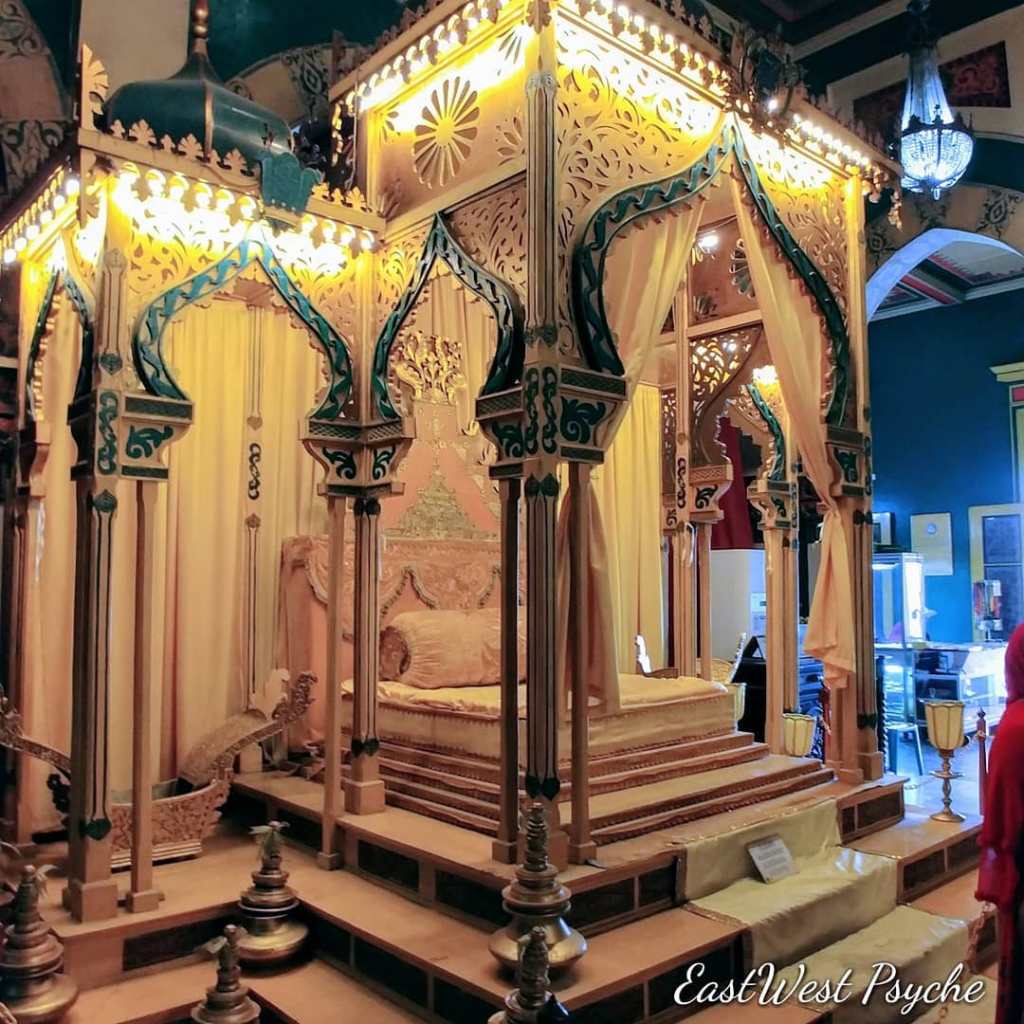
There have been royal courts as well as Sultanates in Indonesia throughout its history — traditionally, 2 in Java alone. For 350 years, Indonesia was colonised or otherwise occupied by the Dutch, regaining independence only in 1949 through armed conflict. Though a constitutional republic today with an elected president, the country maintains a number of courts — in Java, Bali, Borneo and the Spice Islands — along with a call to return the Sultanates. One of the world’s largest democracies today, Indonesia maintains its royalty as a matter of history, pageantry, and cultural identity.

70053444_486246131932923_4739874114854977536_o

Indonesia has achieved a certain degree of affluence today, as evidenced by this shopping mall in Sumatra’s economic hub of Medan. The country is widely considered one of the 4 emerging economies in SE Asia (along with Thailand, Malaysia, and Philippines) — and despite the 2004 tsunami disaster, the likes of which the modern world has never before seen.
70302814_486249591932577_3162148553325805568_o

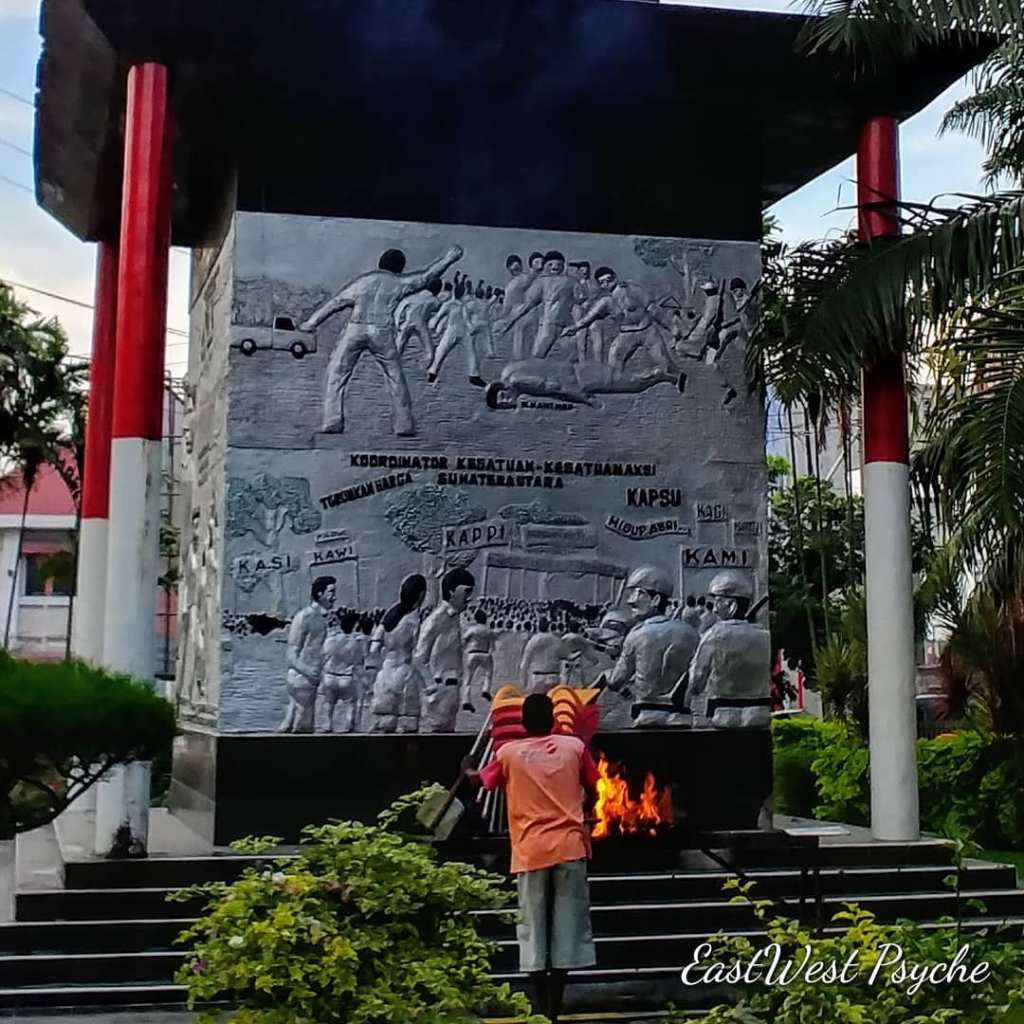
Indonesia is not without its tragedies, and on a grand scale. The 2004 tsunami saw an estimated death toll of 170,000; many other natural disasters have also been endured, the most recent in 2018 with 2 earthquakes and an approximate 5,000 deaths.A tragedy of human making occurred in 1965-66, from which the nation continues to heal: the so-called “Communist Purge,” a genocide over just a few months in which 500,000 to 3 million lost their lives.

~EWP
Kenya

70138701_486099798614223_7343266982252249088_o

Kenya, a culturally rich country known for its tea and coffee, began with migration from what is today Sudan, Swahili its dominant influence. After 74 years as a British protectorate and following years of the Mau Mau Uprising, the country gained its independence in 1963. Tourism, especially in the form of safari, is a major economic driver today.

69849619_486102585280611_1229887619198877696_o

The Swahili traditions have long been the primary influence in the culture of Kenya. There is a widespread belief among many people of Swahili descent that theirs is an Arabic or Persian heritage, though this is also disputed — but there are influences of both, and early Swahili city-states were followers of Islam. Today, 83% of Kenyans identify as Christian.

69855678_486106891946847_5409159435526340608_o

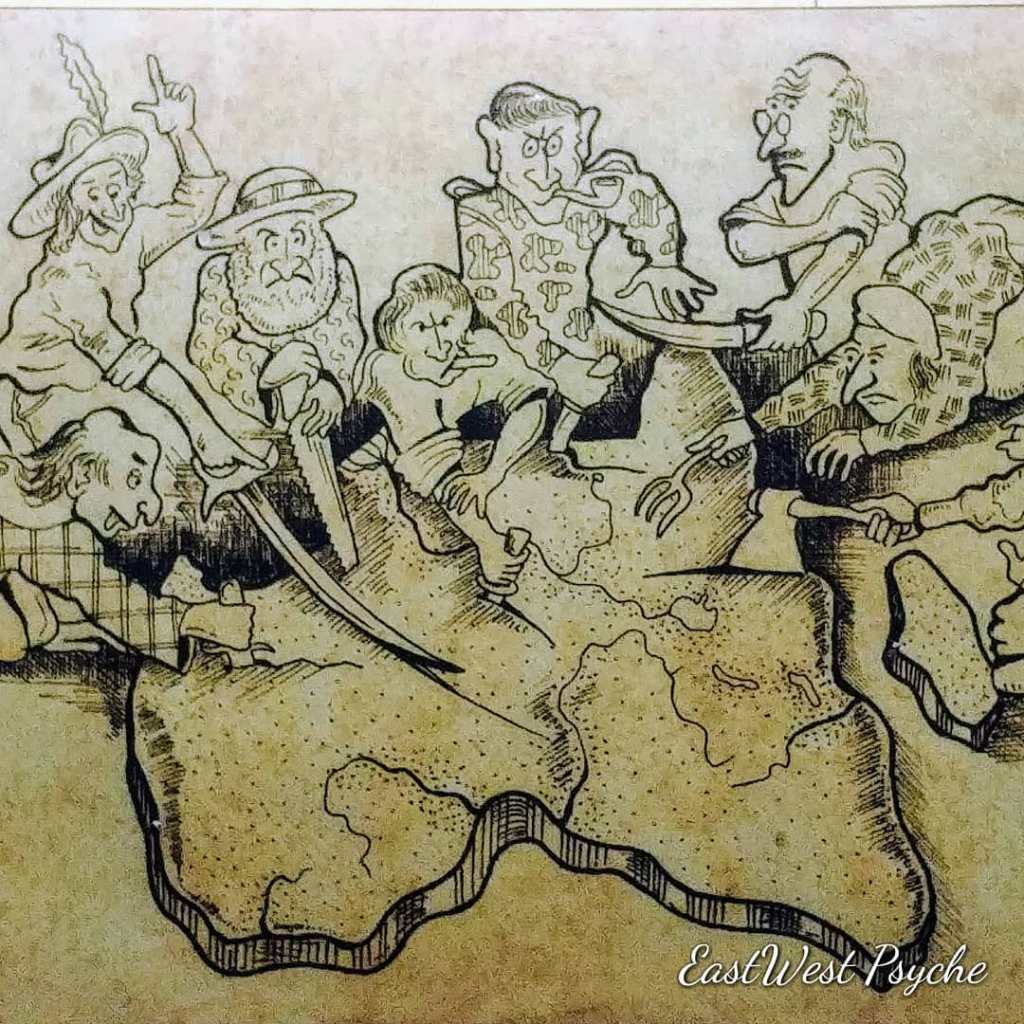
As in nearly all of Africa, Kenya is rich in resources and thus has been too attractive to European colonisers, becoming a British protectorate from 1888 until 1962. Recently, China has become a major investor as well as lender in Kenya, as the country’s largest creditor with 72% of total bilateral debt — prompting some to refer to its “conquering” of Kenya.

70735037_486113388612864_7266980722328469504_o

Women of Kenya are still struggling for their rights as full and equal citizens. While traditional gender roles existed from early times, women also participated in the marketplace — until the era of British imperialism, generally viewed as one of increased patriarchy and misogyny, a legacy carrying on even today. The country ranks 0.548 or 122nd out of 152 on the Gender Inequality Index; women make up 20% of parliament yet 62% of the workforce, while only 25% have a secondary education.

70403319_486115498612653_3194029820686106624_o

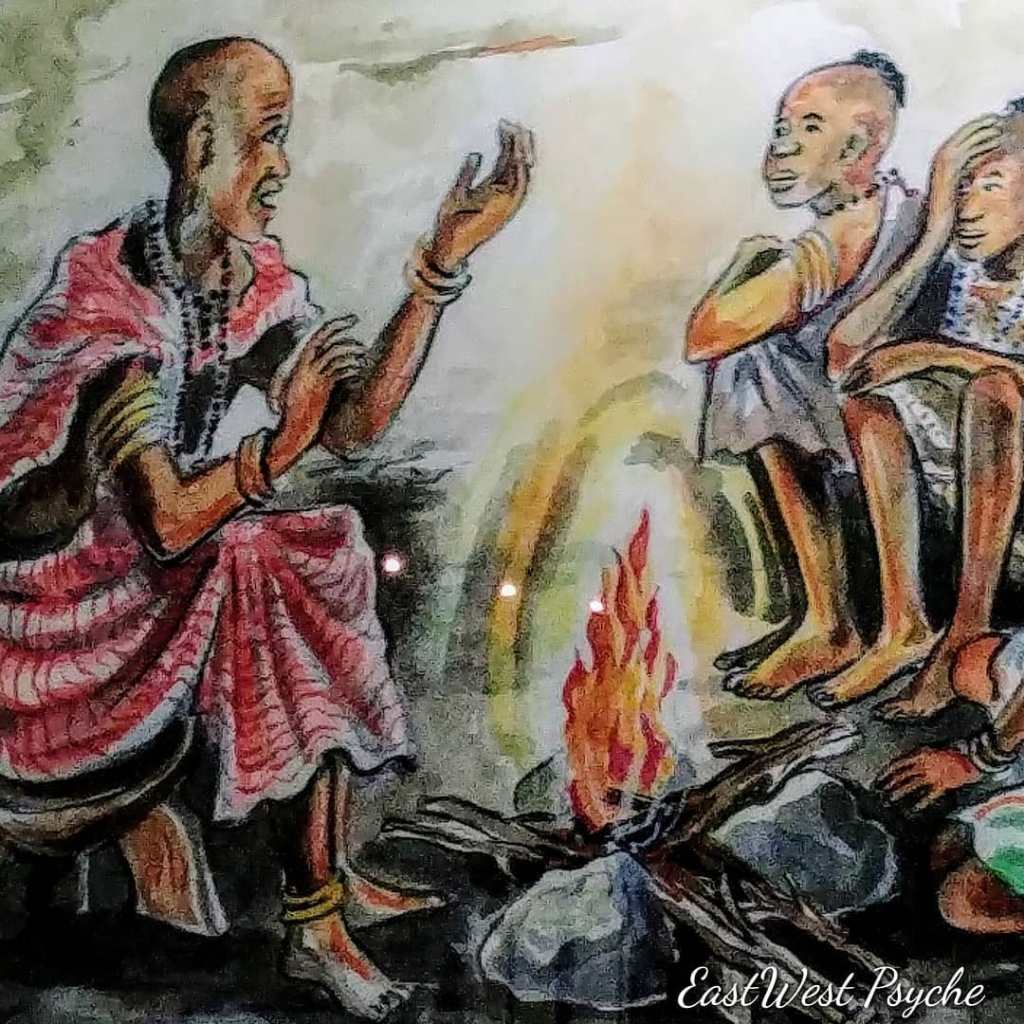
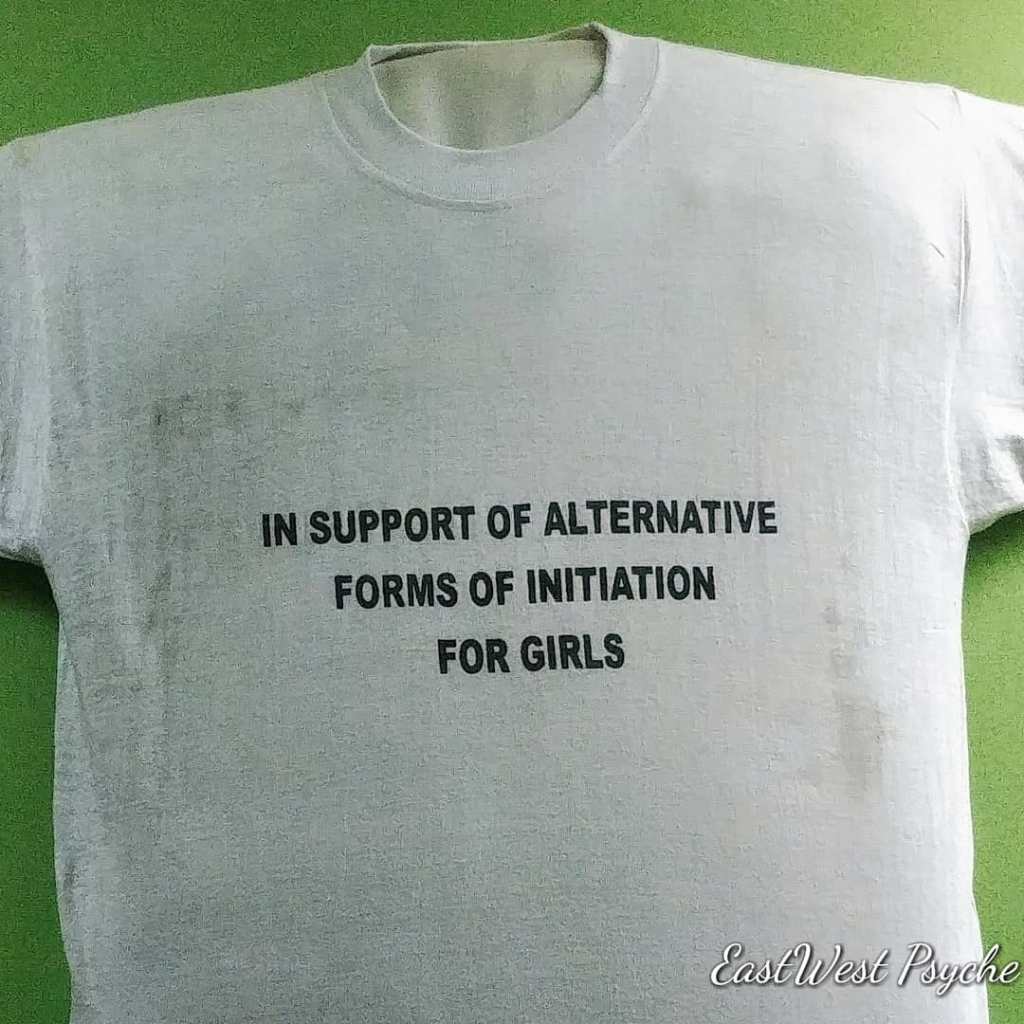
One of the recent advances for Kenyan women and girls is the country’s 2011 legal ban against the traditional practice of genital cutting; a rite of passage, groups are now advocating for alternative rites. The practice has continued illegally, however, as well as by medical justification — and the battle for its eradication is far from over.

69696605_486124488611754_1166635416787353600_o

Kenya also wrestles with longstanding terrorism, including several major incidents and their ongoing legacy. In 1998, more than 200 were killed in a bombing of the US embassy in Nairobi; 2013 saw the gunfire attack at the Westgate Mall, with 71 dead. In January of this year, an attack on a luxury hotel complex resulted in 19 deaths with more recent warnings of threat. Kenya is the target of terrorism by neighboring Somalia, specifically the al-Shabaab extremist group. 69855287_486126771944859_2603194611706888192_o

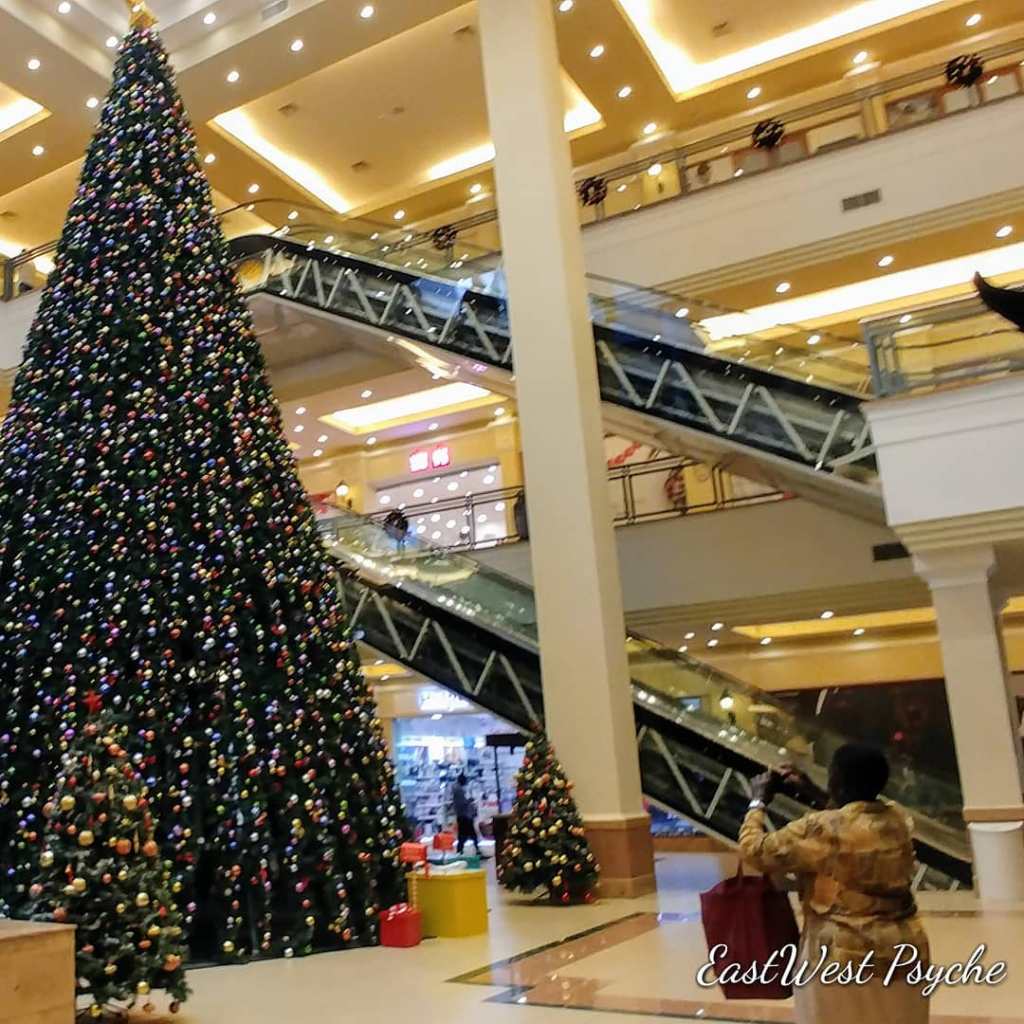
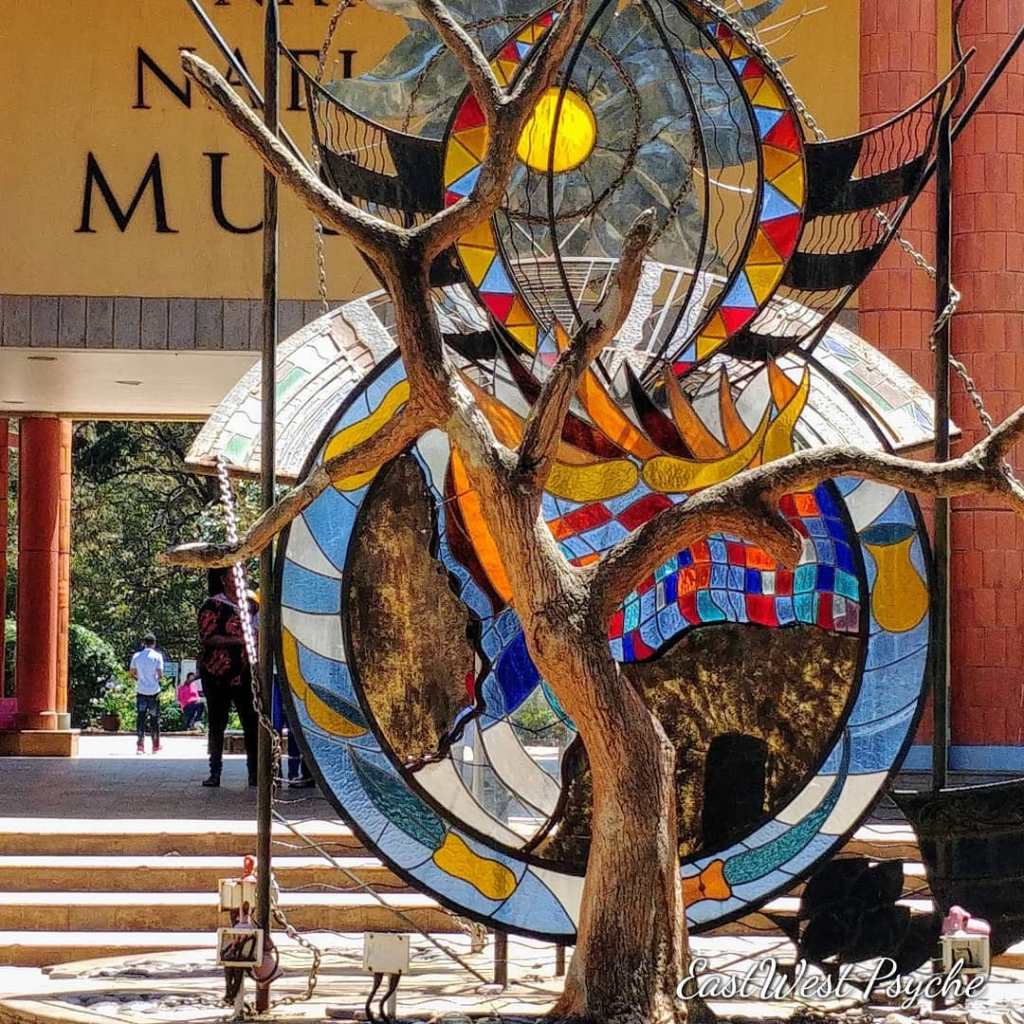
Today the same shopping mall that was the site of 2011 terrorism and tragedy has been fully rebuilt, an emblem of Kenya’s resilience — and its wealth, side-by-side with its poverty. Its economy ranks 65th in the world, with room for improvement; as of this time last year, the GDP was 6% above expectations, with telecommunications, transport, and construction all expanding.

70333530_486129238611279_3211713626972880896_o

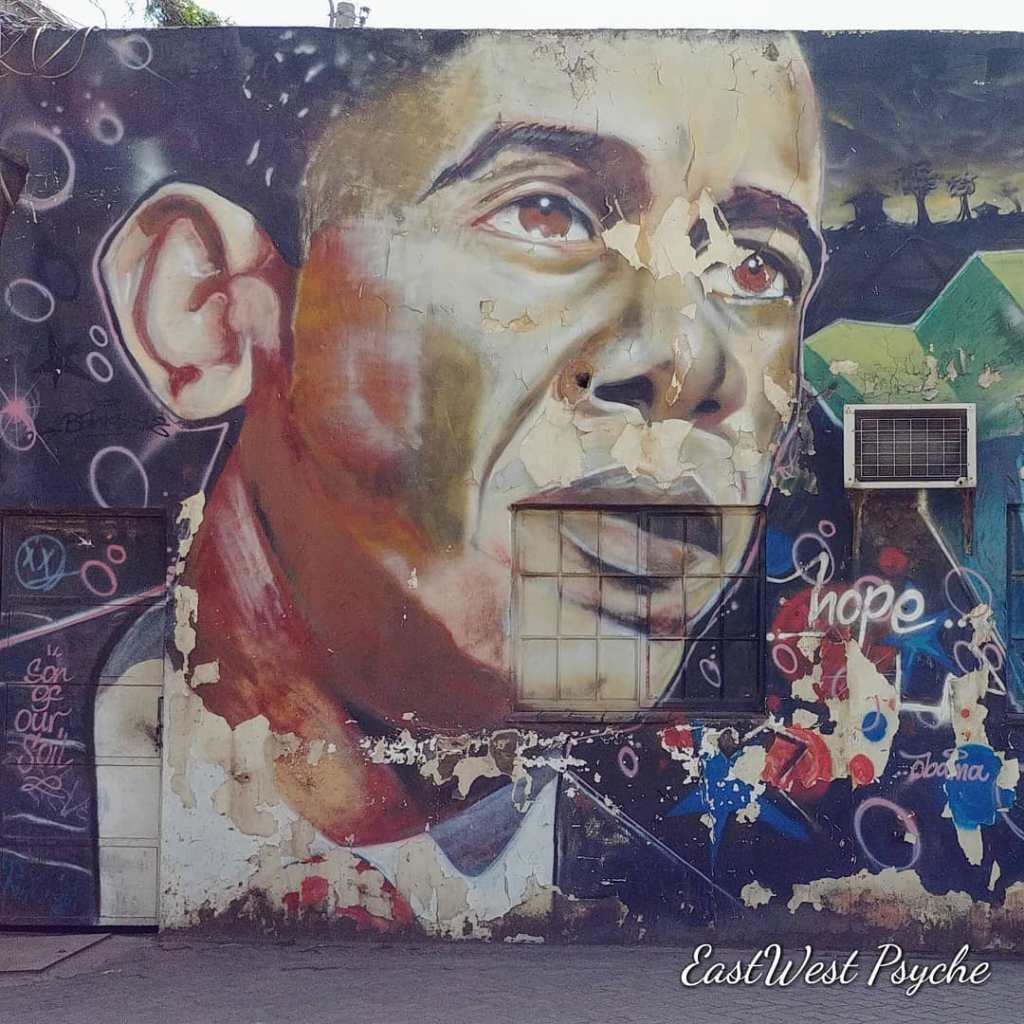
Many Kenyans work abroad in the US, as well as in Middle East, Europe, and Asia, all sending remittances home to boost the country’s economy. In its “Vision 2030” plan for development, Kenya identifies 3 pillars for improvement: economic, social, and political. Foreign relations are also important to the country, and woven into its cultural makeup — including their pride in Kenyan descendants abroad, such as former US President Barack Obama.

70267072_486130495277820_1610264027605237760_o

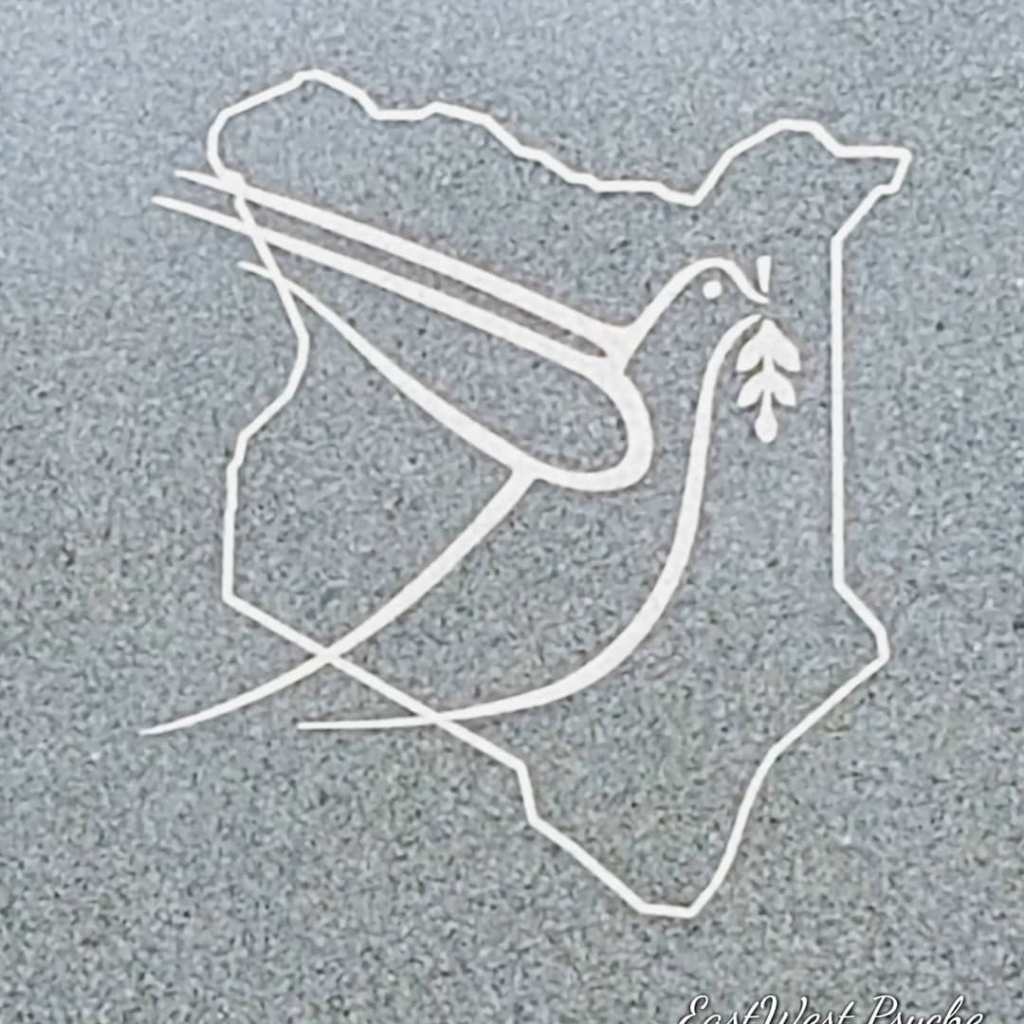
Above all — in light of multiple terrorist attacks and other insecurities, including those in neighboring countries of Sudan, Somalia, and Uganda — Kenyans, like people everywhere, long for peace.

~EWP

Chile

69642876_482656522291884_2714878209672871936_o

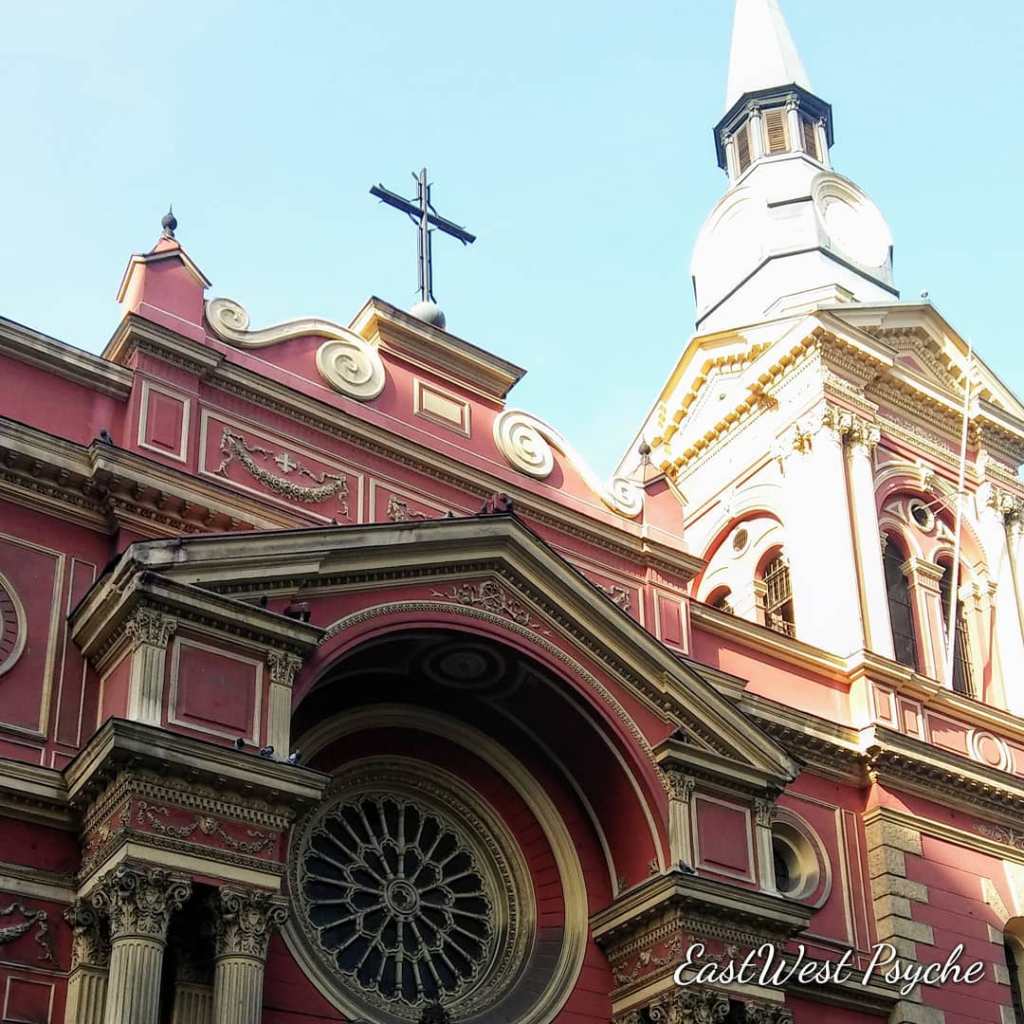
Chile is a long, narrow country stretching from Atacama Desert to Antarctica, and between Andes Mountains and Pacific Ocean — such varied topography and climes also contributing to a broad cultural variance. Two centuries of colonisation by Catholic Spain — from which the indigenous Mapuche managed to remain independent, an earlier dominance of Incan civilisation, and a 20th century leftist dictatorship have all left their cultural mark. 69536529_482664168957786_2035442262078390272_n

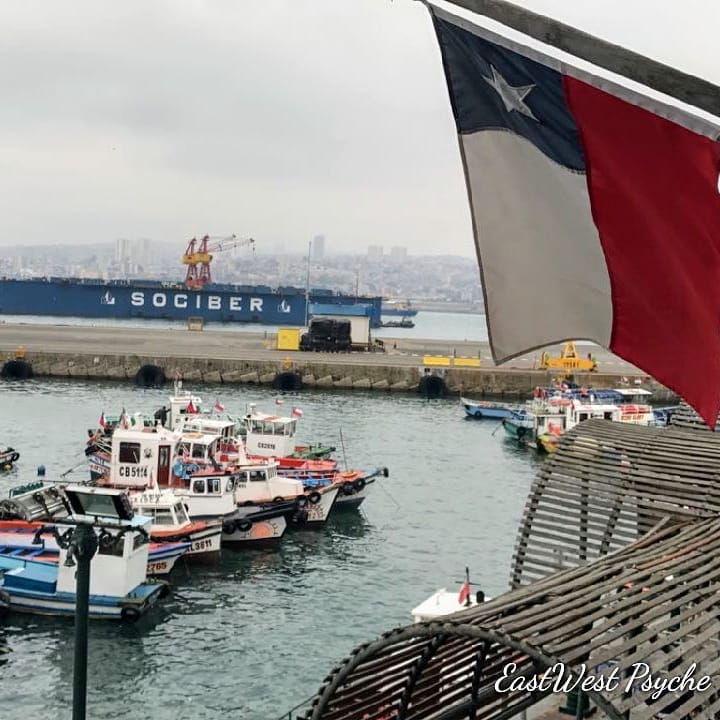
Chilean culture is often associated with the Andes mountains — but with 4,270 km of coastline, there is also a powerful marine influence. The early Mapuche peoples traded with Polynesians, according to recently discovered anthropological evidence; the seafaring Spanish found it all too tempting to take control of the country. Today, this gives the nation a particular responsibility for environmental concerns including climate change, and the capital of Santiago will host the 25th Convention on Climate [COP25] in December of this year.

70554607_482667438957459_813429216308625408_o

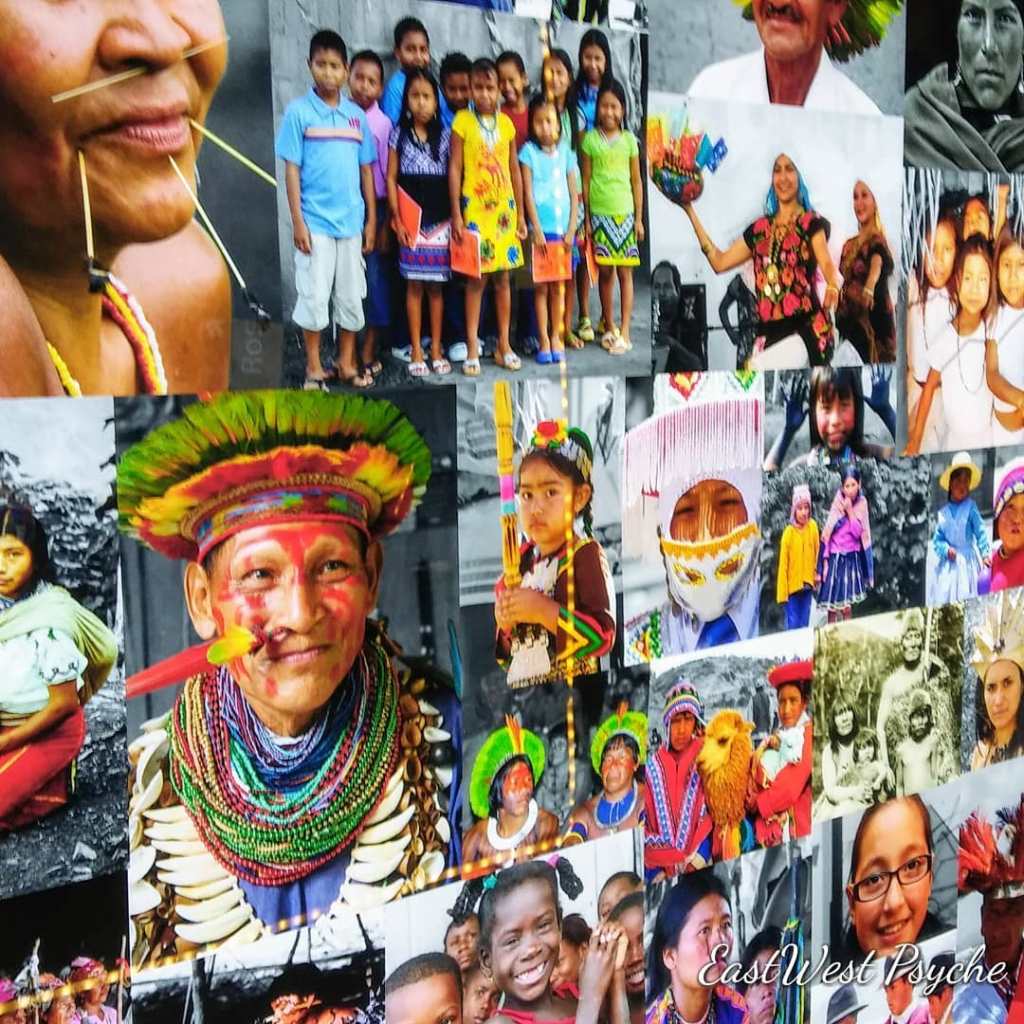
The indigenous peoples of Chile, today representing 10% of the country’s total population, is richly diverse. With 9 groups in total, the continuously independent Mapuche by far the largest at 85% of the total, the country established a special commission and protective law in 1993. Discrimination and marginalization remain, however, as they are not recognized by the constitution itself, and the law does not meet international standards.

70150790_482672558956947_5028425836164808704_o

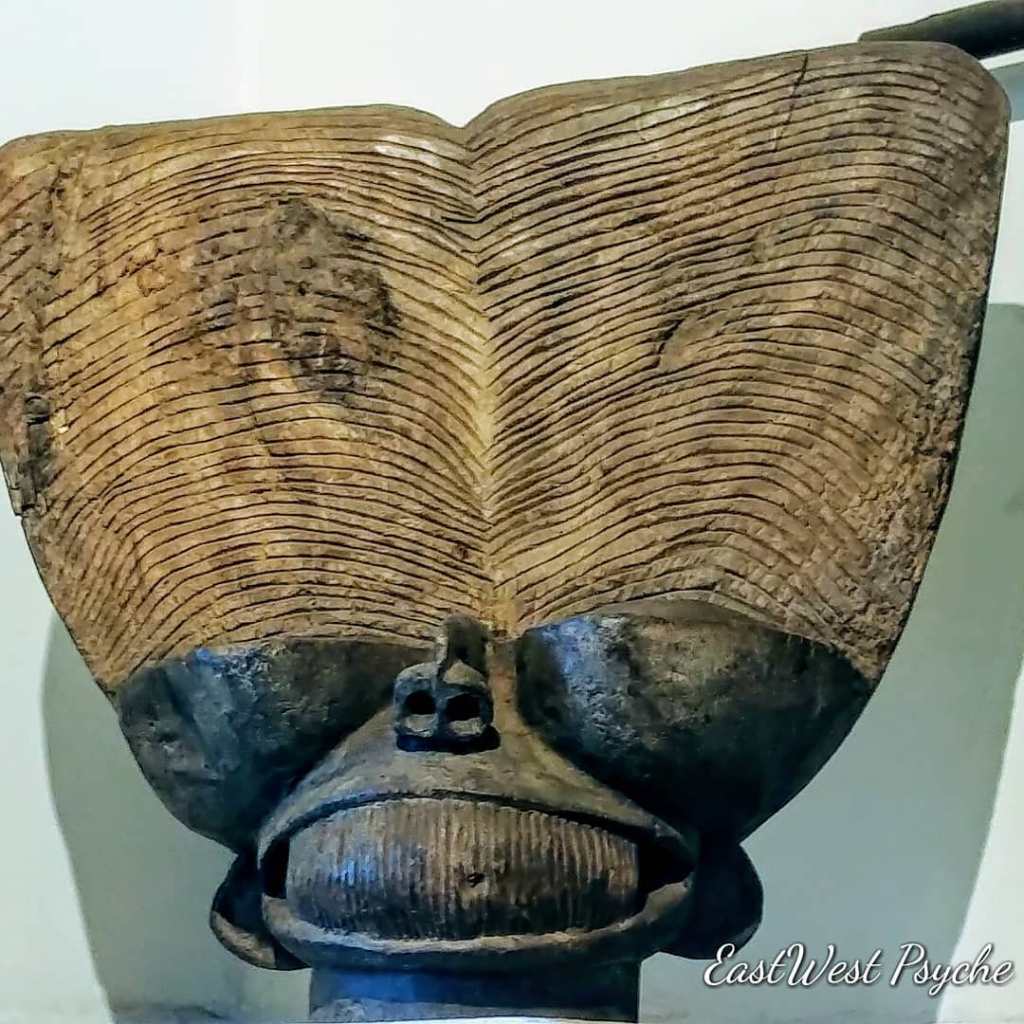
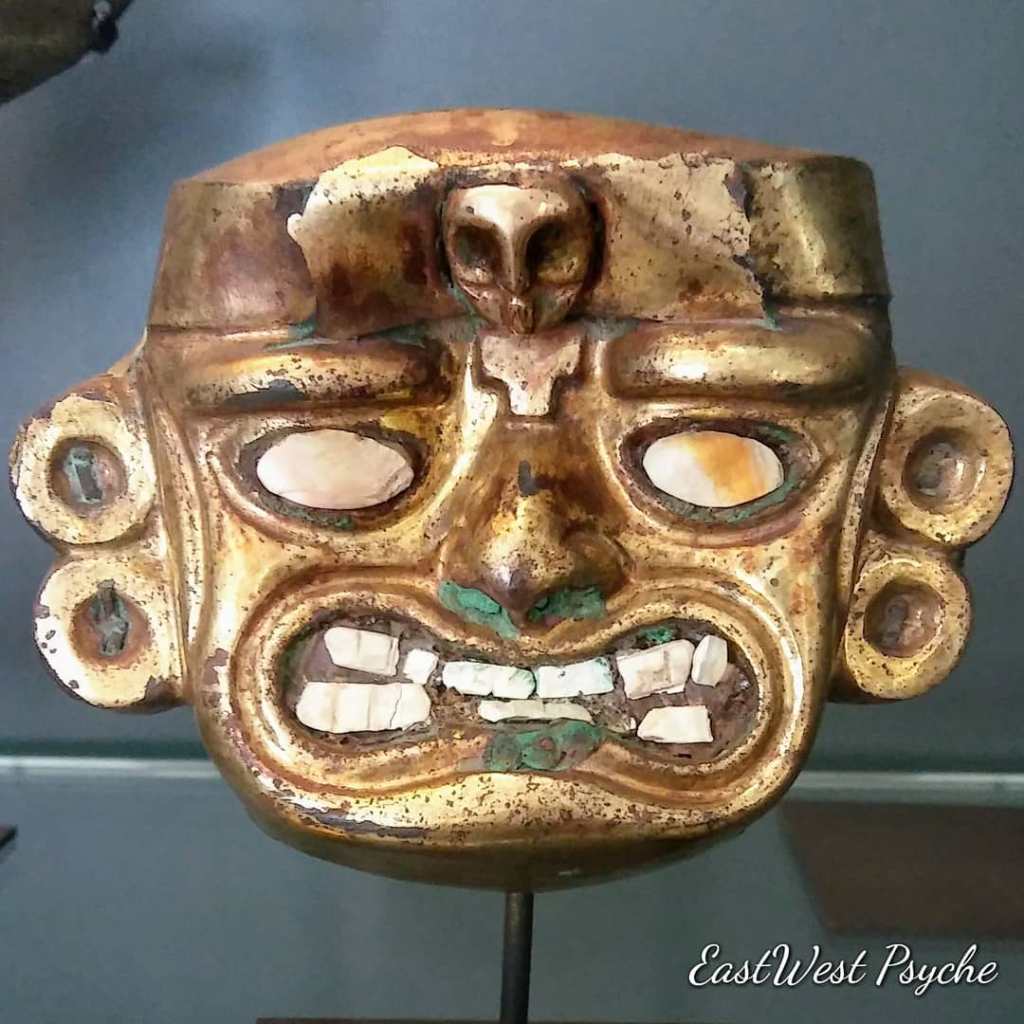
The Pre-Colombian civilisations of Chile were culturally rich, representing 10 peoples gathered in 3 regions. Early mythologies were animistic, with a shamanic healing tradition of ‘matchitun’ among the Mapuche that exists to today. This early mask, likely shamanic and dated 400BCE – 500CE, is from the Moche people of the north — who also lived in Peru. Incans came much later, their rule brief: 1470s-1530s.

69444074_482676068956596_7523040212885176320_o

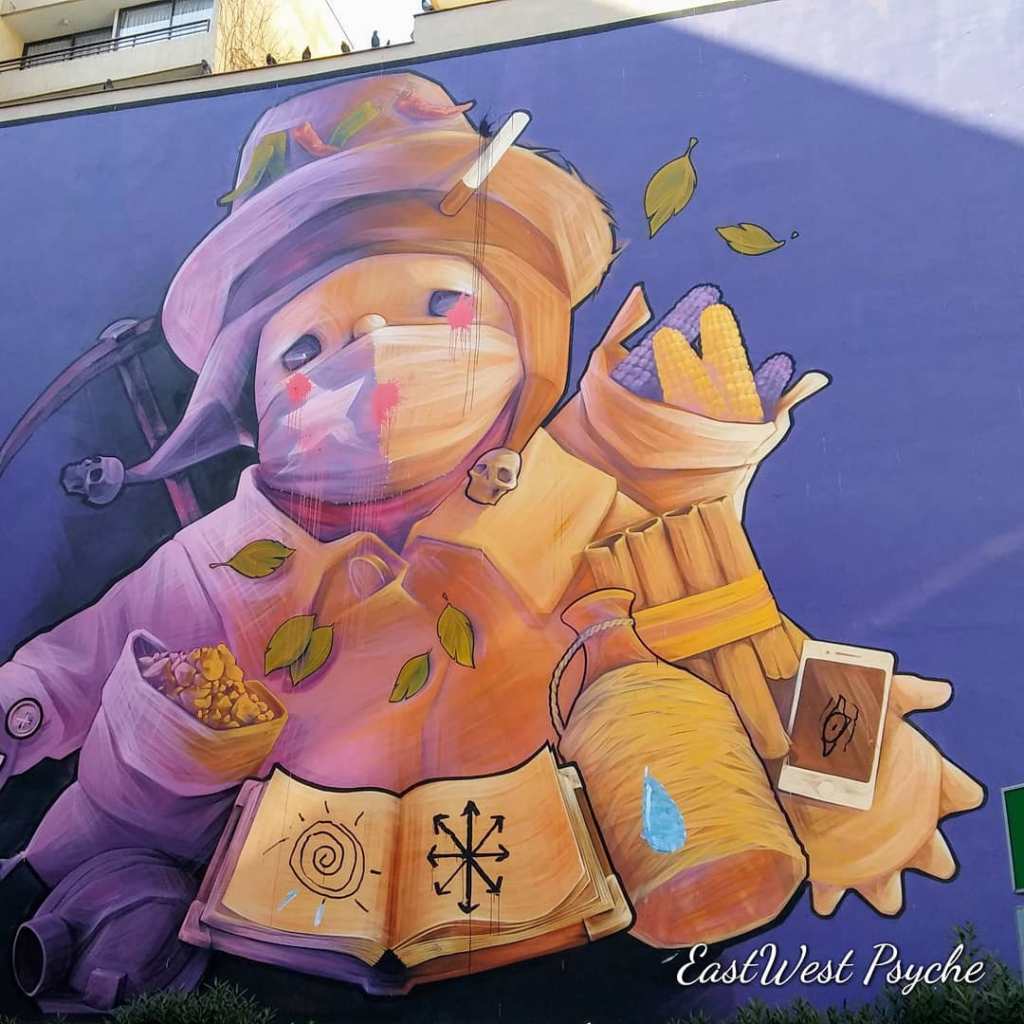
The arts, including street art as seen here, have flourished throughout Chile’s history, from Pre-Colombian era to the present day. Music and dance, literature — especially poetry, and visual arts all share a place of value within the culture, to which film was added in earliest 20th century.

69665629_482688608955342_8001882478878916608_o

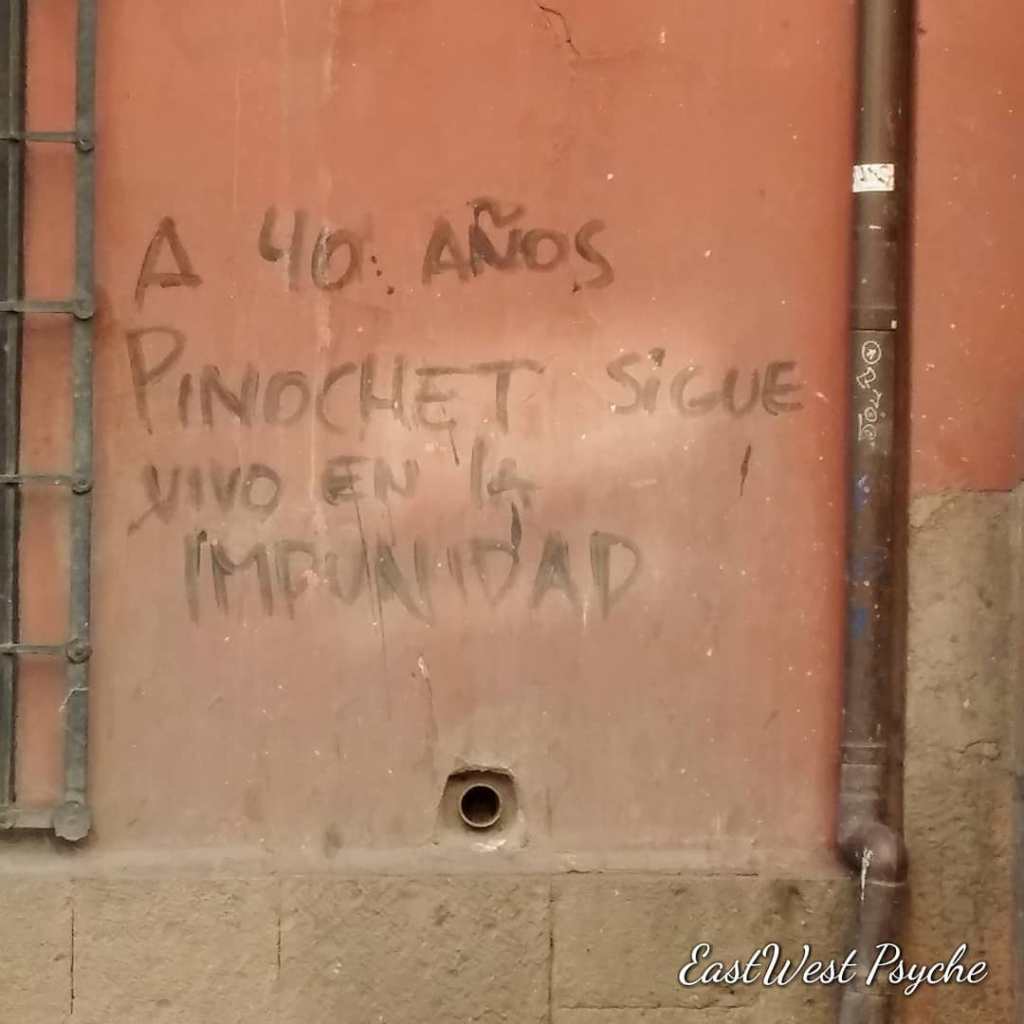
It’s now 46 years since General Pinochet’s dictatorship of Chile began, and he died in 2006 — but the horrors of his US-backed presidency and the destructiveness it inflicted on the society continue to define Chilean culture today. Social conflict and trauma are said to take up to 5 generations to heal — and the impunity of Pinochet and his cronies, despite multiple findings by both Chilean and international courts, has served to keep the wound open — with missing people and unanswered questions even now.

69734888_482692245621645_4814648580650303488_o

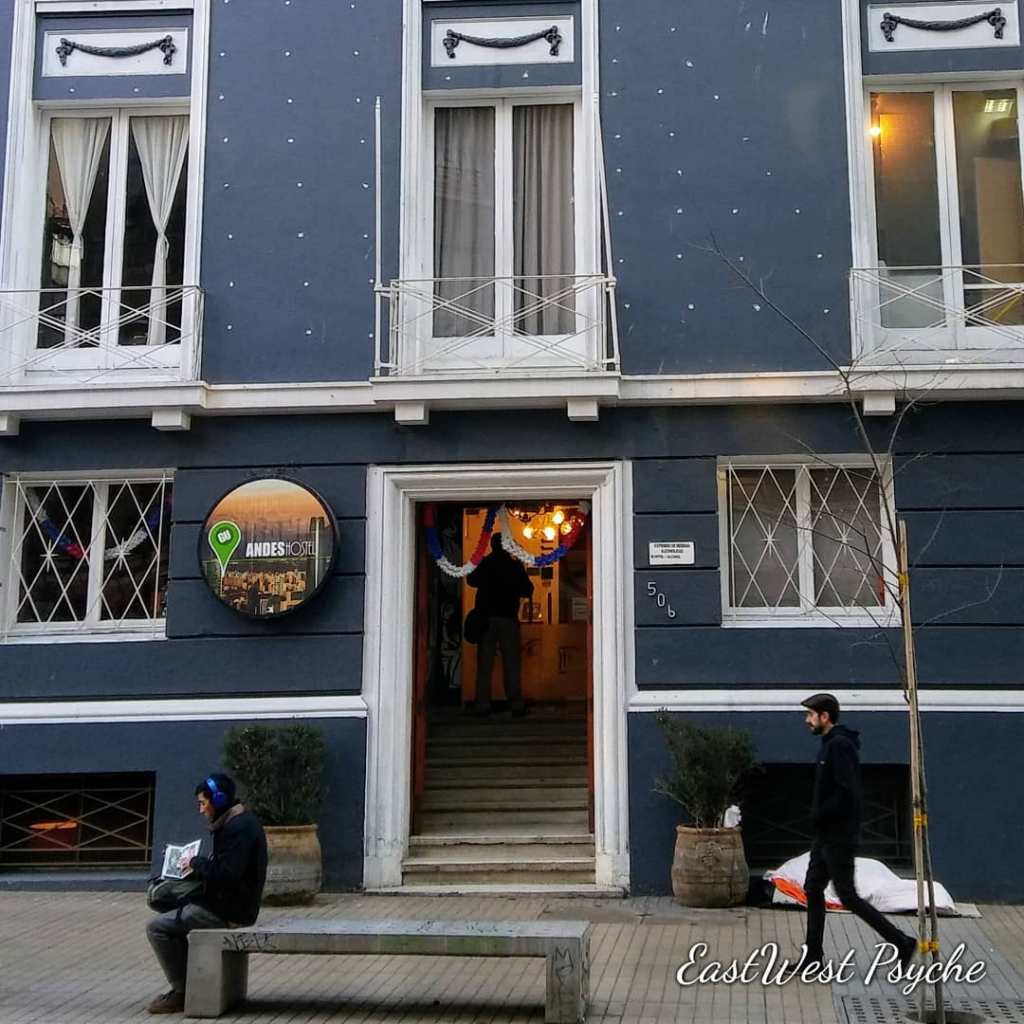
The Pinochet legacy of societal disintegration and human rights violations has contributed to poverty and social ills in Chile even today. In 2014, the nation established a system for social protection — yet some remain on the margins of society. Chile Solidario is one of the more successful programs of social protection today — but even in the capital of Santiago, homelessness remains an issue.

~EWP

Kuwait

69578511_481765132381023_5452195579062910976_o

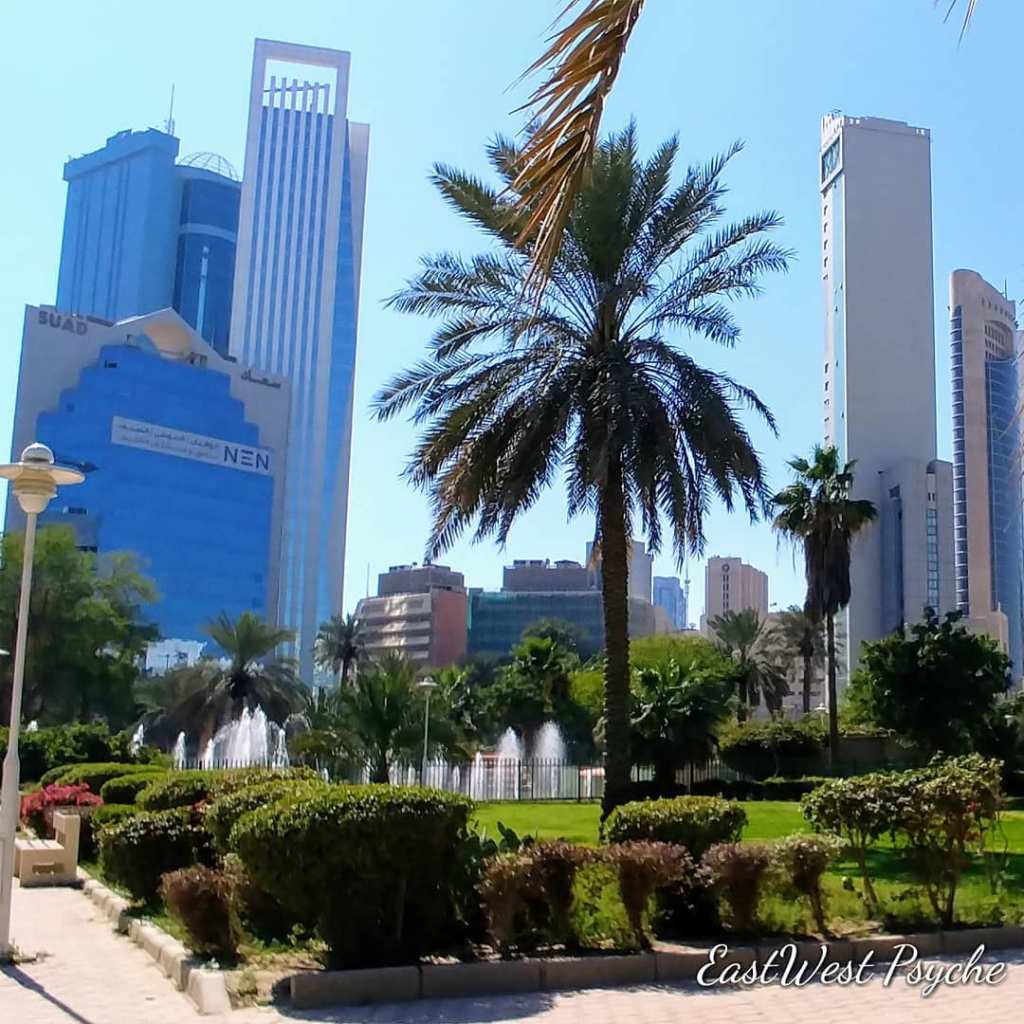
Kuwait is an oil-rich Gulf State with the world’s highest-valued currency, the 7th richest country per capita globally and 2nd among GCC, and a major source of foreign aid. Prior to an invasion by and subsequent war with neighboring Iraq in 1999-92, the nation’s economy was even stronger: in the 1960s-70s, Kuwait was considered the richest in the region.

69740297_481767829047420_7553375476702511104_o

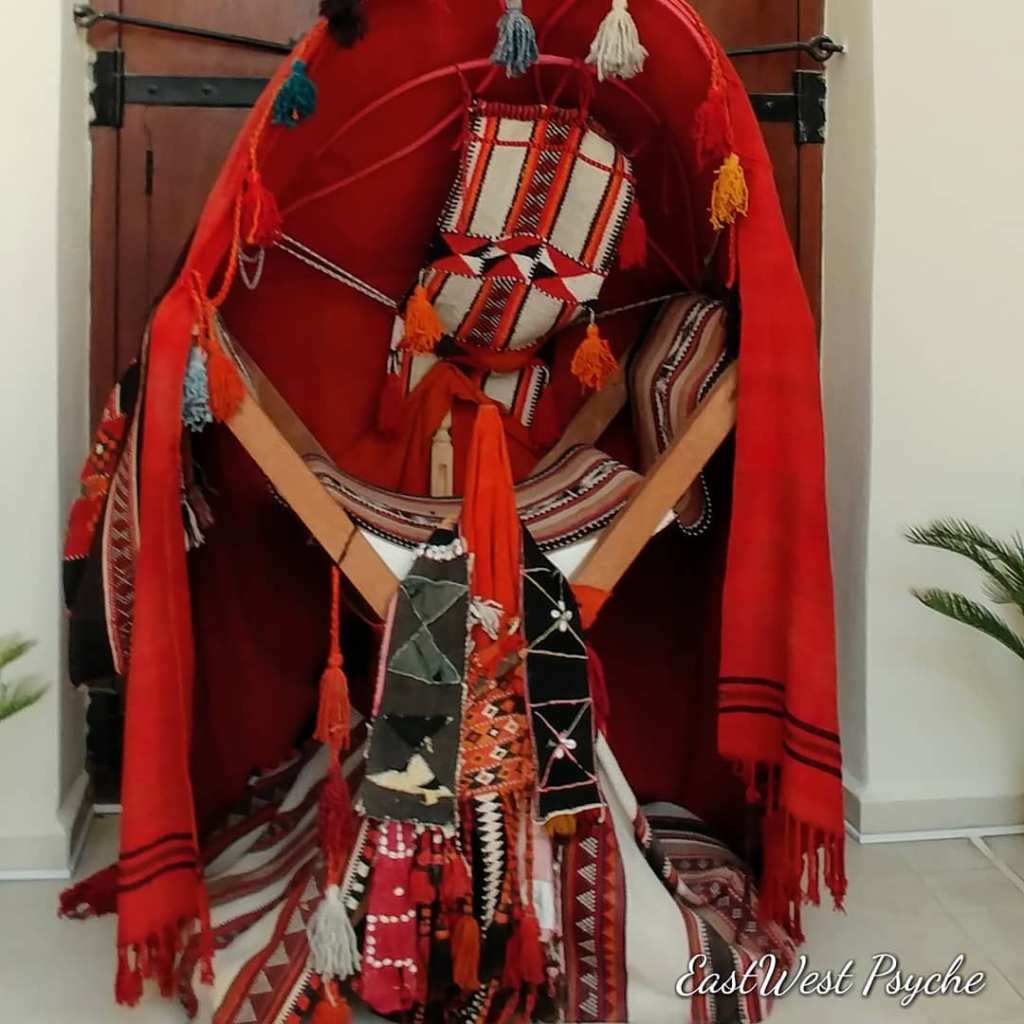
Kuwait has a rich traditional culture; like many in the region, early Kuwaiti society was ruled by sheikhs, while a large portion of the populace was nomadic or pastoral. The sheikhdom became a major trading port in the region, flourishing since the 8th century.

69512816_481770475713822_3481803551619940352_o

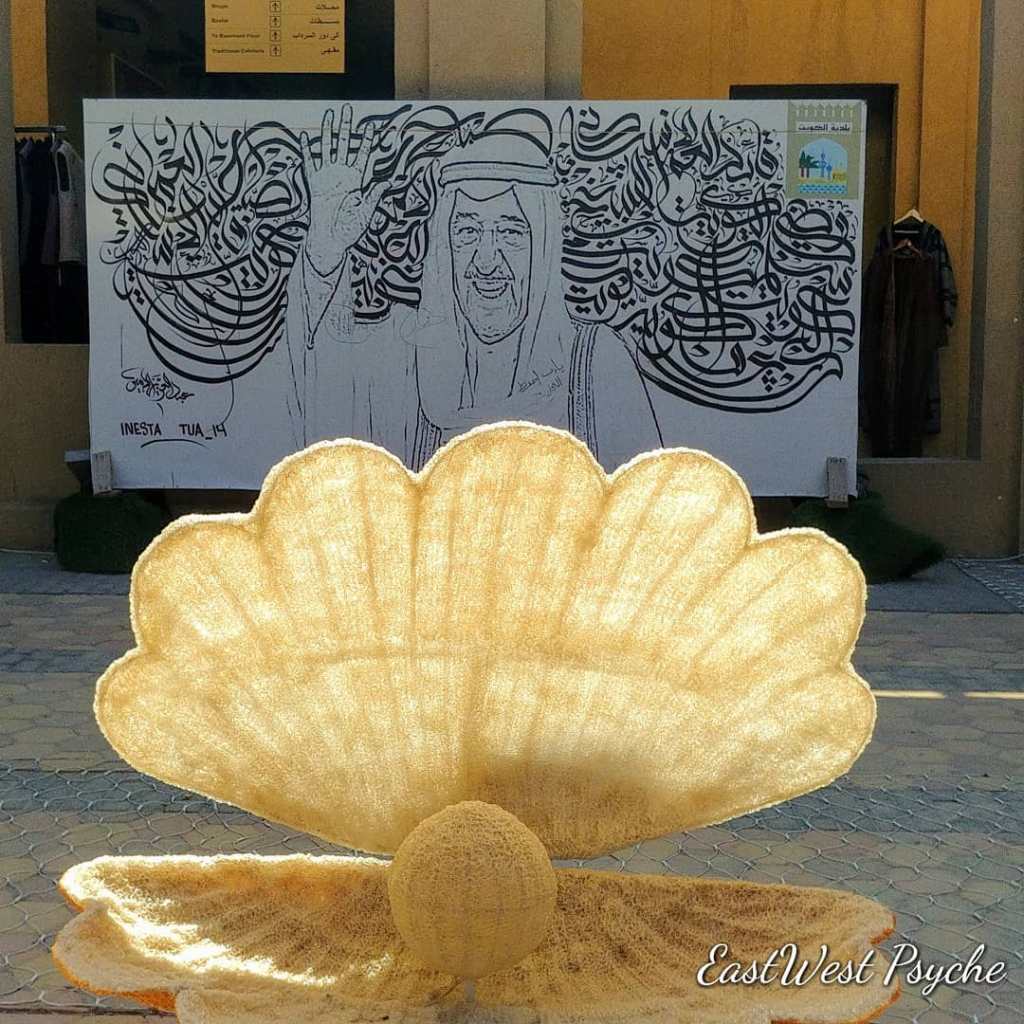
One of the primary maritime industries of Kuwait was pearl diving. Famous for centuries, the nation was also the first in the region to organise the practice as a profession complete with regulations and trade industry. The profession nearly died out with modernisation, but is being revived alongside an annual festival to celebrate this cultural heritage.69802703_481774749046728_7509810545382391808_o

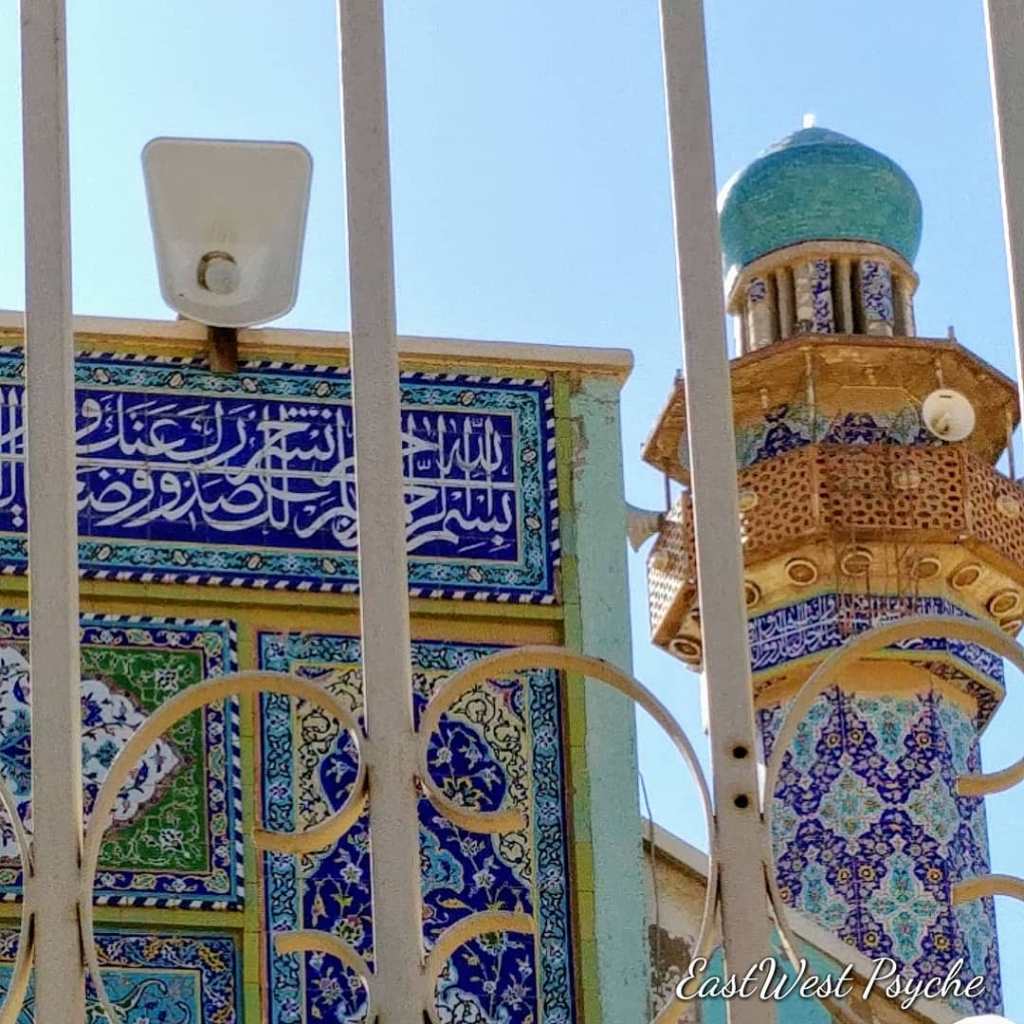
Like all other Gulf States, Kuwait is Muslim-majority, though with a mix of 2/3 Sunni and 1/3 Shia. This is reflective of a population consisting of 70% foreign workers; the original Kuwaiti culture is far from intact. Human rights issues have also been raised regarding abuse of said laborers. Overall, Kuwait has long been viewed as the most liberal and open in the region, with an empowerment of women resulting in more women than men in the workforce.

69323188_481777362379800_3943548446161502208_o

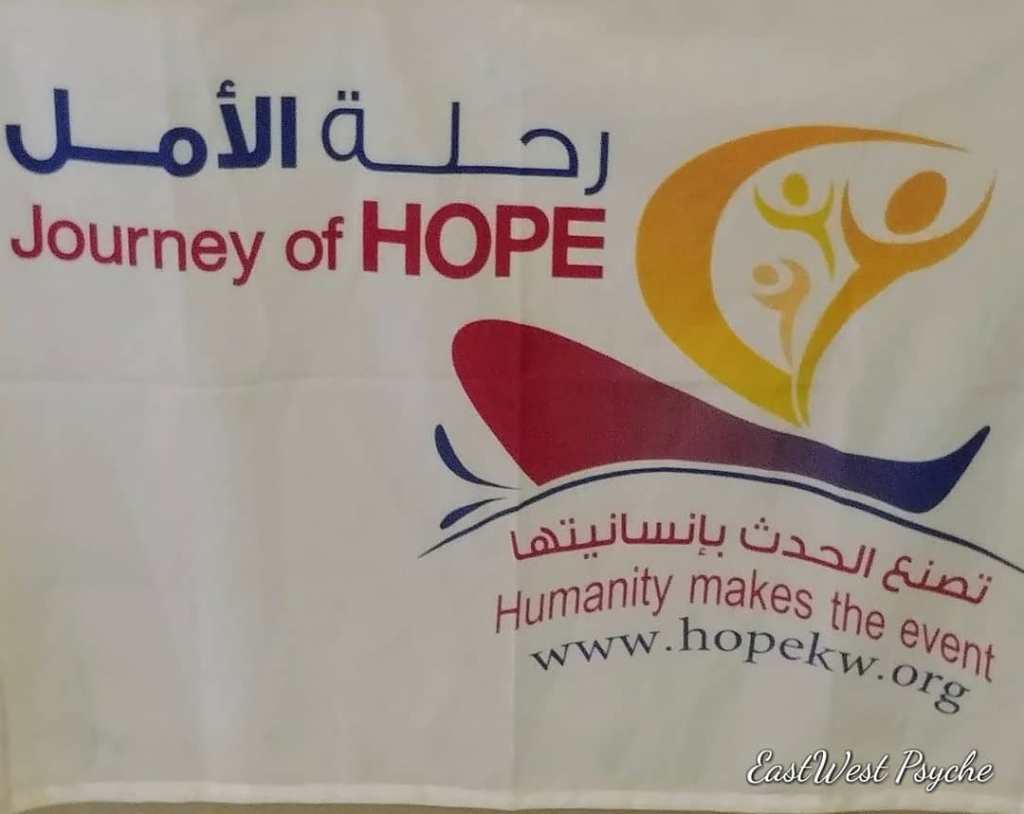
One of the active projects in Kuwait, to empower those with intellectual disability, is Journey of Hope. Begun in 2012, the project has backing at the highest level of society and has also engaged globally to raise awareness. The nation has many such humanitarian initiatives.

69735309_481781492379387_8390245533591011328_o

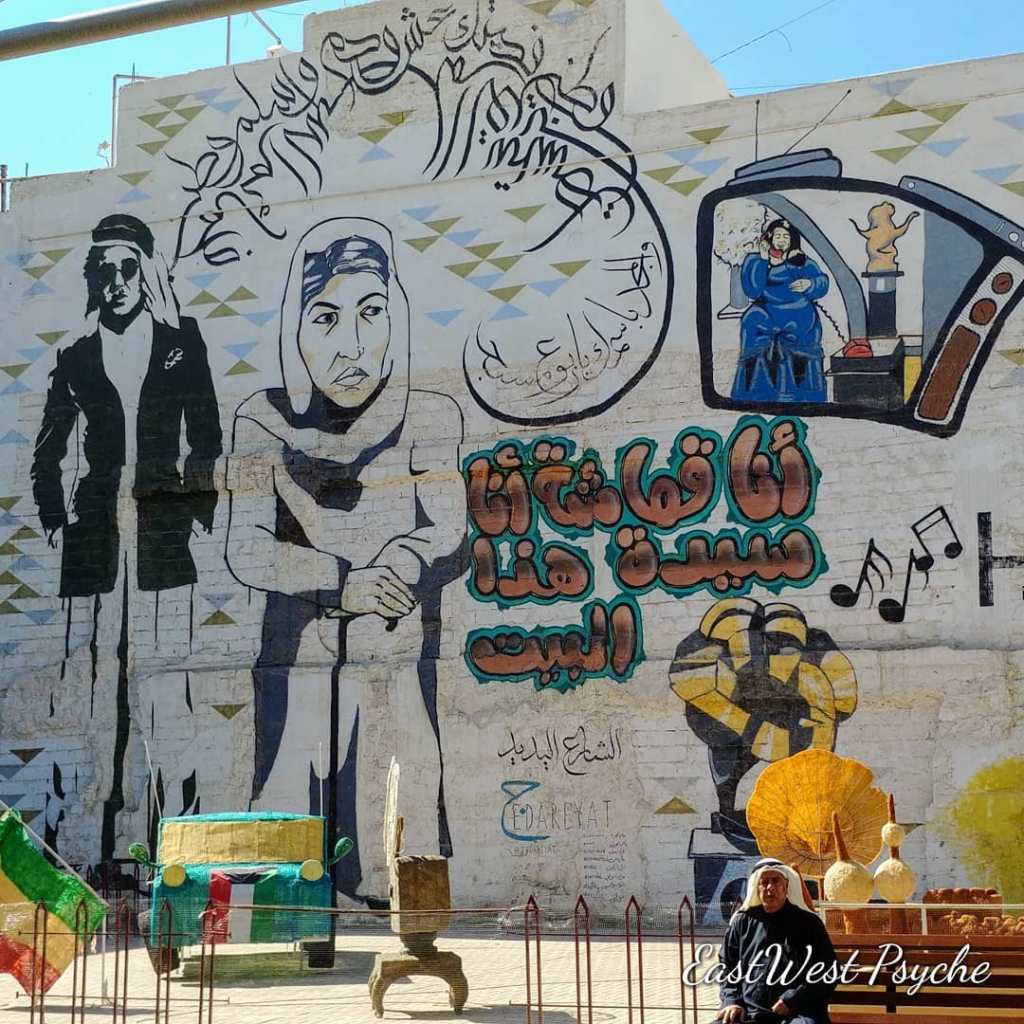
Kuwaiti culture is most closely compared to that of Qatar, its openness and more liberal ways with Bahrain. Oman is a longtime trading partner, and the nation works closely with Egypt in matters of regional security. Entrepreneurship — especially Instagram business — is swiftly rising, even as the nation cracks down on cybercrime. Art, even the whimsical, can also be found, and the nation’s future looks bright.

~EWP