Category: Uncategorized

France

69667309_481655615725308_8745089710042382336_o

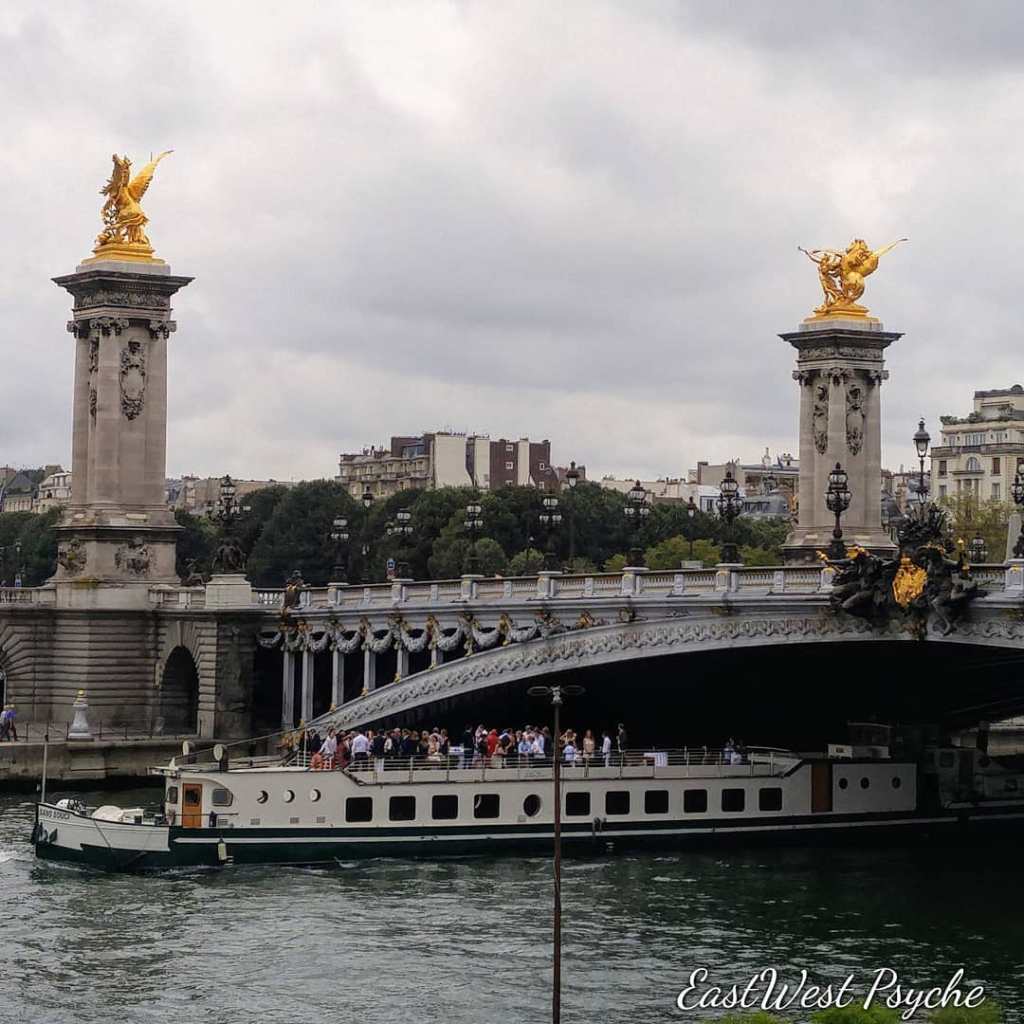
France has long held a place of influence in the world — as a hotbed of philosophy and intellectualism, for its sophisticated fashion and lifestyle, its world-renowned cuisine, UNESCO heritage sites, and as one of the dominant centres for art. Its influence also stems from a darker legacy: of colonialism and empire, wars and intolerance. Paris is at the centre of it all, a projection of ideology and fantasy far beyond that of most capital cities.
69466847_481661585724711_8876681267404341248_o

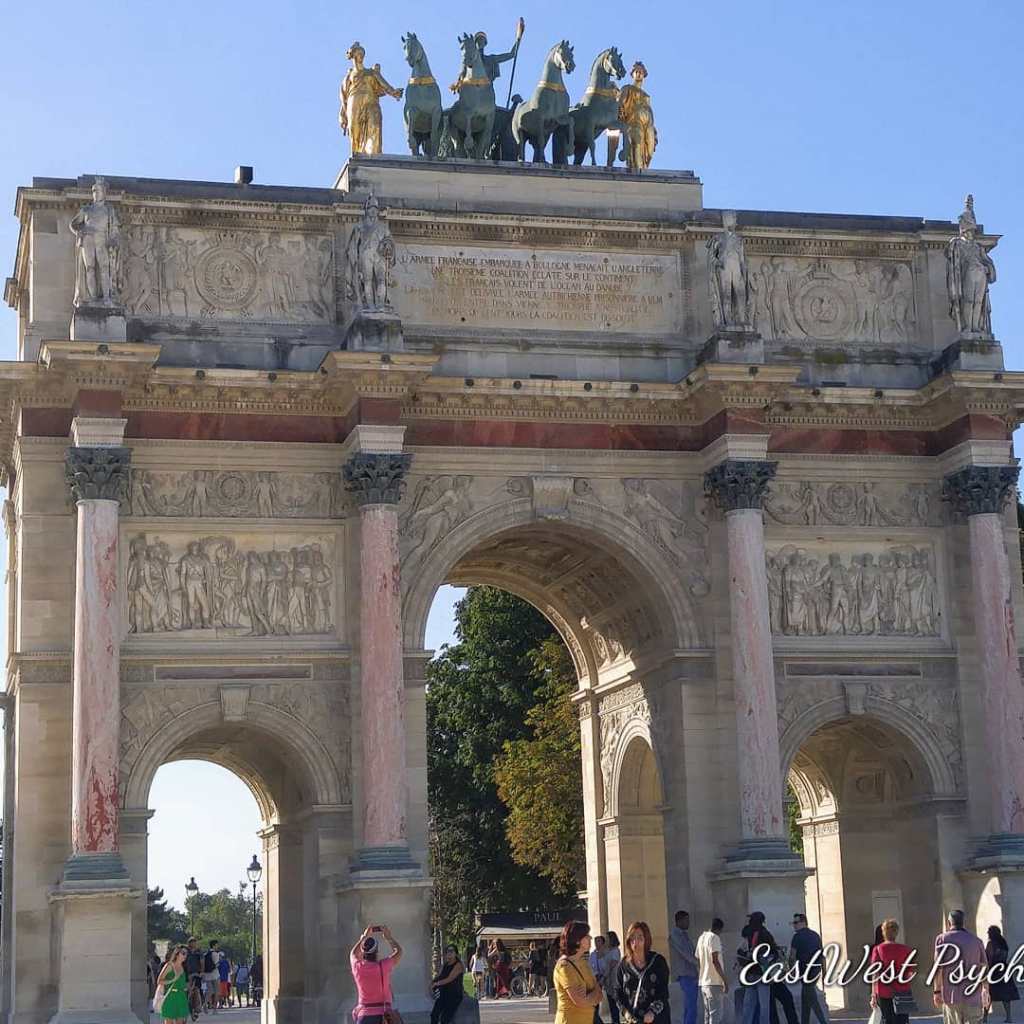
Societies with a history of empire-building and position of dominance tend to hold onto images of past glory and power long after such influence has waned — and France is no exception. Imperialism by definition sees the ‘other’ as weak, inferior, and possibly corrupt. France today maintains use of its former currency in West Africa, for example, long after the nation itself adopted the euro — and these former colonies are still required to maintain 50% of their currency reserves in the French central bank.
69472940_481664002391136_3729889654434955264_o

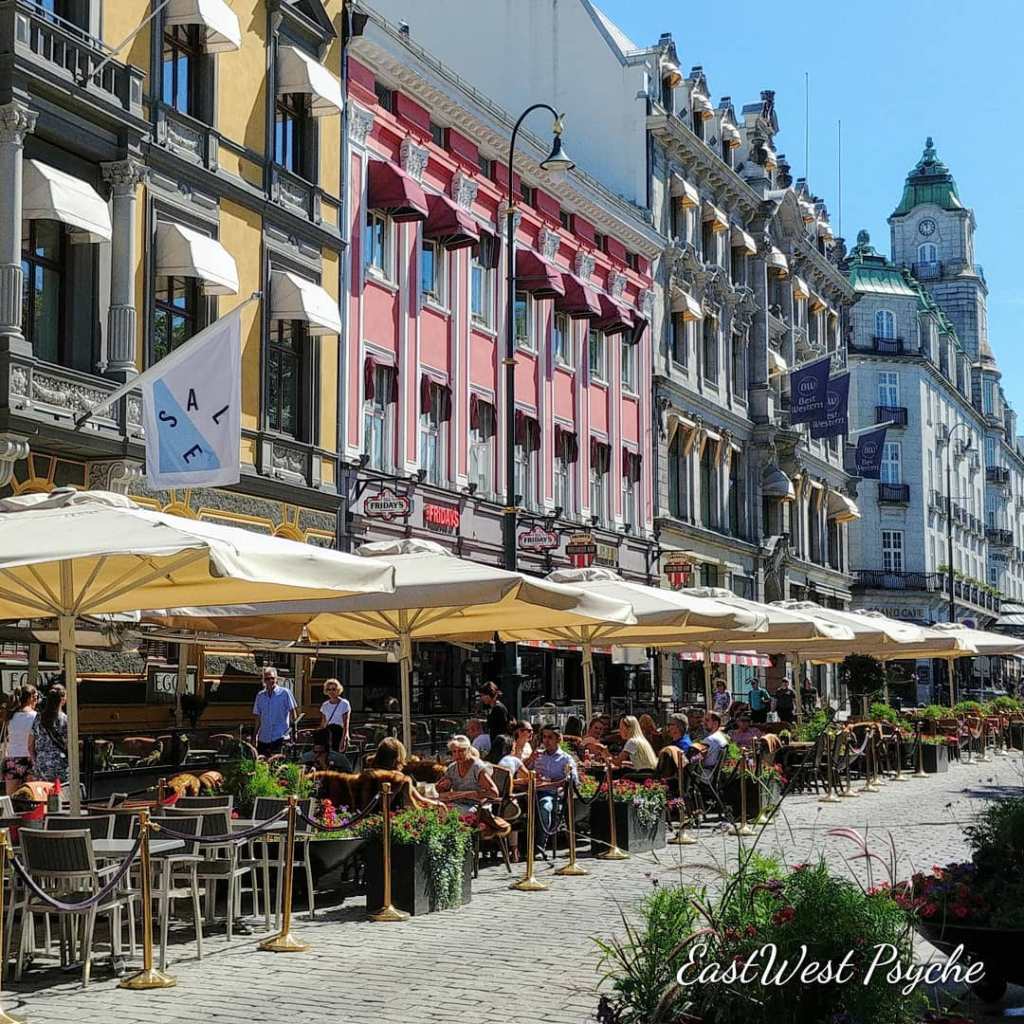
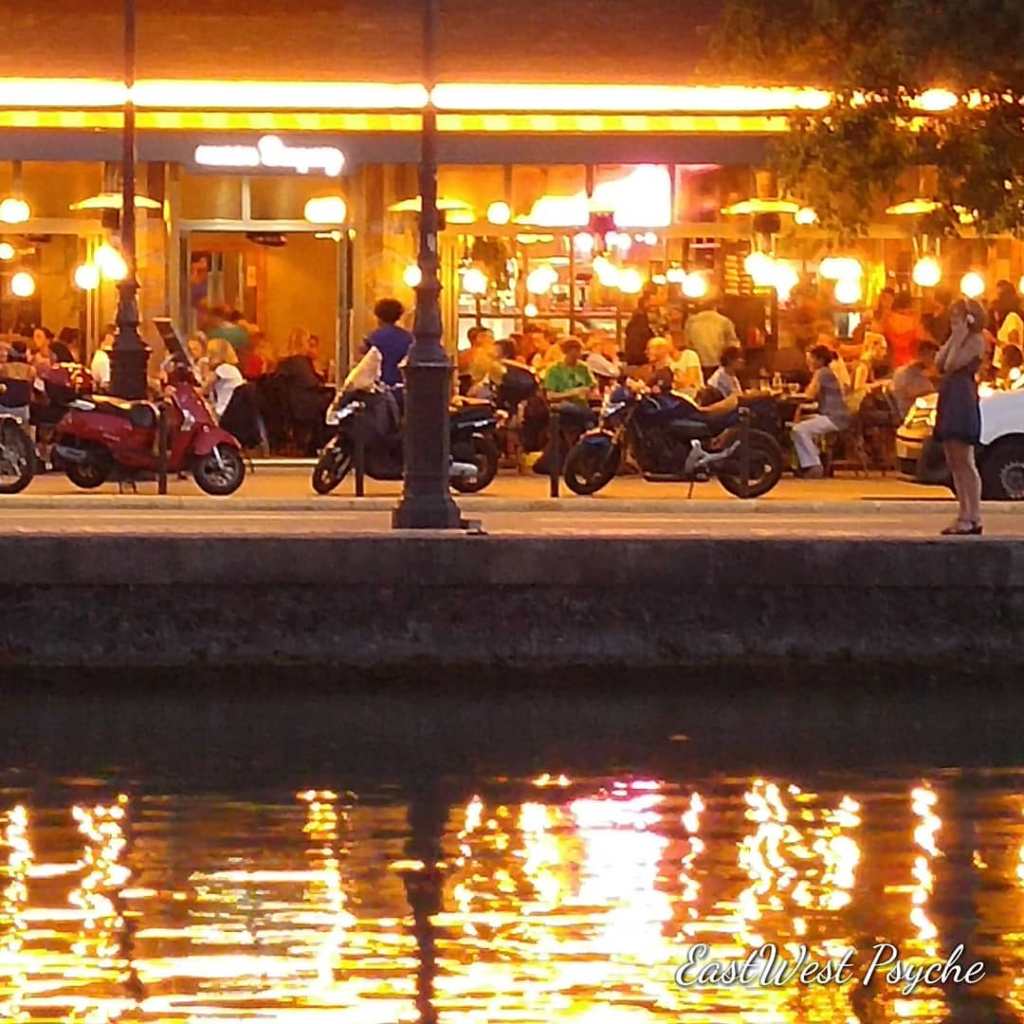
Café socialisation is one of the singular defining features of French culture past and present. This is especially true in Paris, though a central focus on the café can be found throughout France. Other societies may congregate in public plazas, parks, or pubs, all of which in some form may be found in France — but it is long the café that serves for political debate, philosophical discussion, artistic and literary endeavour — and many a tryst.
69481534_481666345724235_5833065483506548736_o

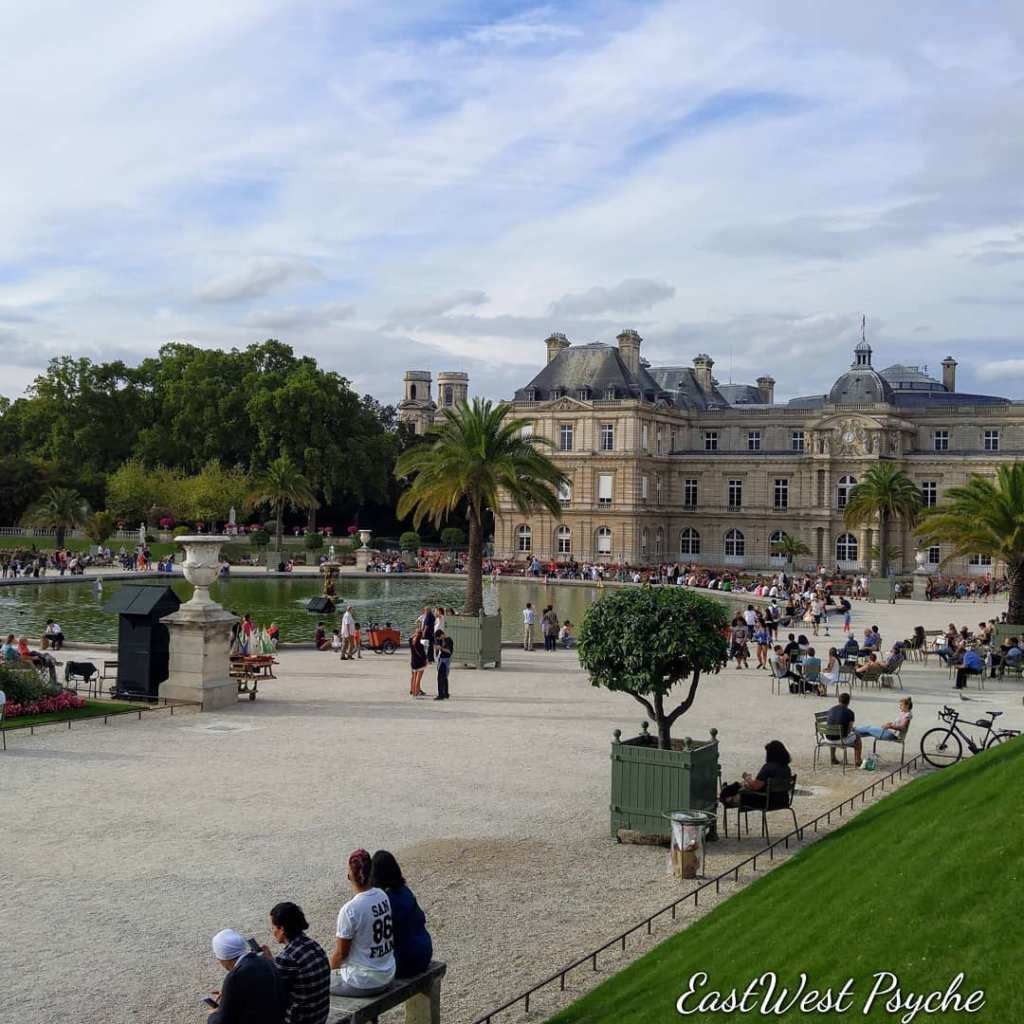
Indeed, second only to the café the public parks provide many areas for socialisation in French culture. Art and therefore aesthetics are a critically important value; the parks must be beautiful, appearance maintained. As a result, however, many rules have evolved concerning acceptable behavior in the park — though as of this year, such prohibitions are finally being relaxed.
70258219_481667935724076_4874821824086540288_o

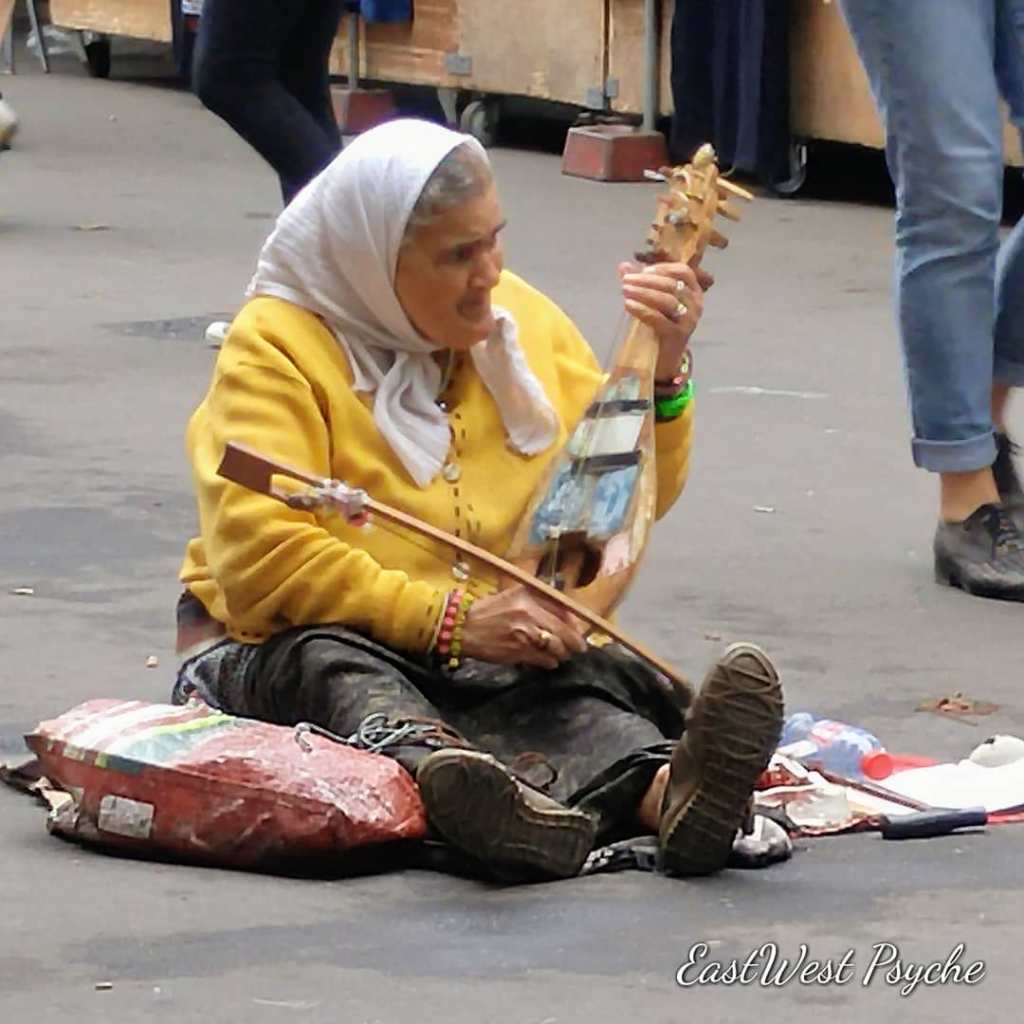
Beyond maintaining aesthetics, French people have never been overfussed with rules of behavior — not in the street and surely not in a marketplace. Buskers abound — and if grand-mère wants to earn a bit of coin, she may do exactly that.
69507265_481669612390575_2399476143829811200_o

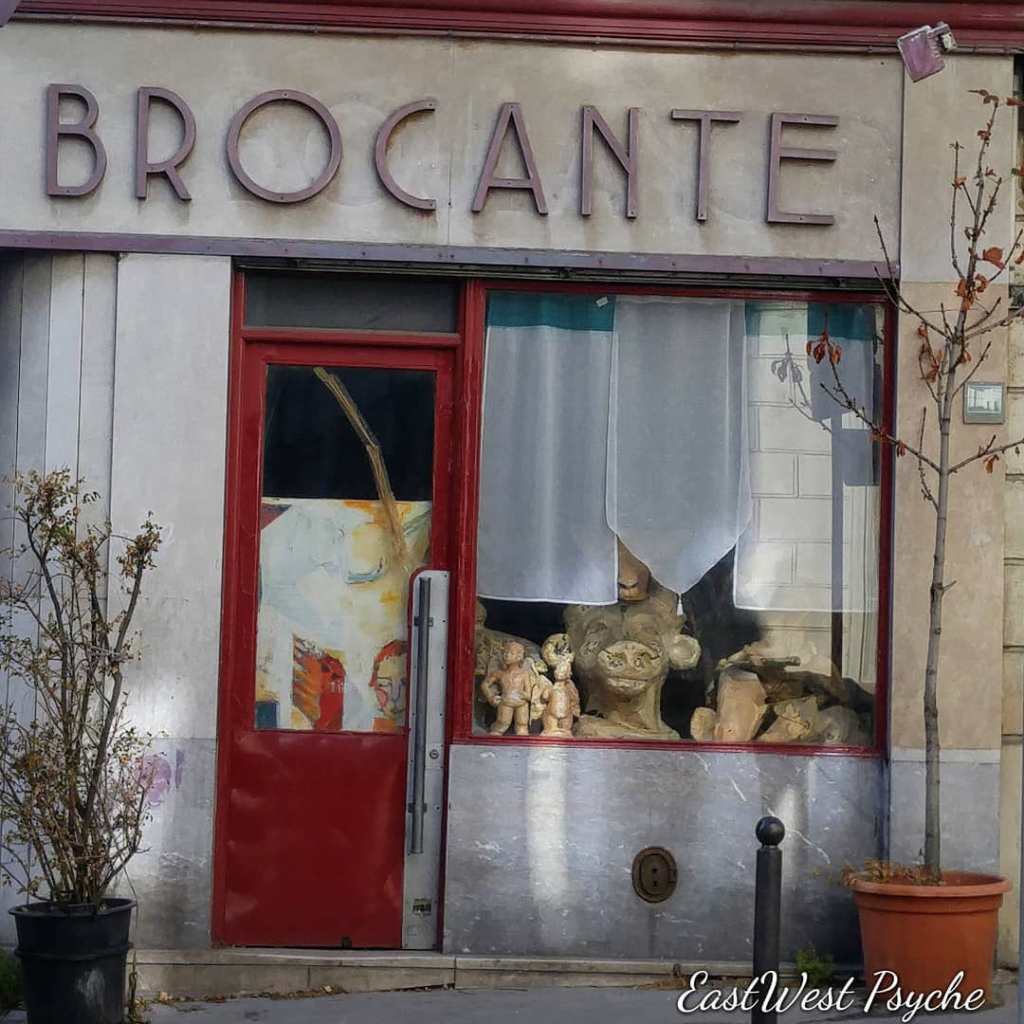
Art, in all its forms, has long been a driver of French culture. Whether identifying as an artist or writer or not, a majority of the public will take up some creative pursuit. The valuing of art spills into the aesthetics of everyday life — from the Louvre to a second-hand shop such as this.
69344224_481675719056631_7756621768759967744_o

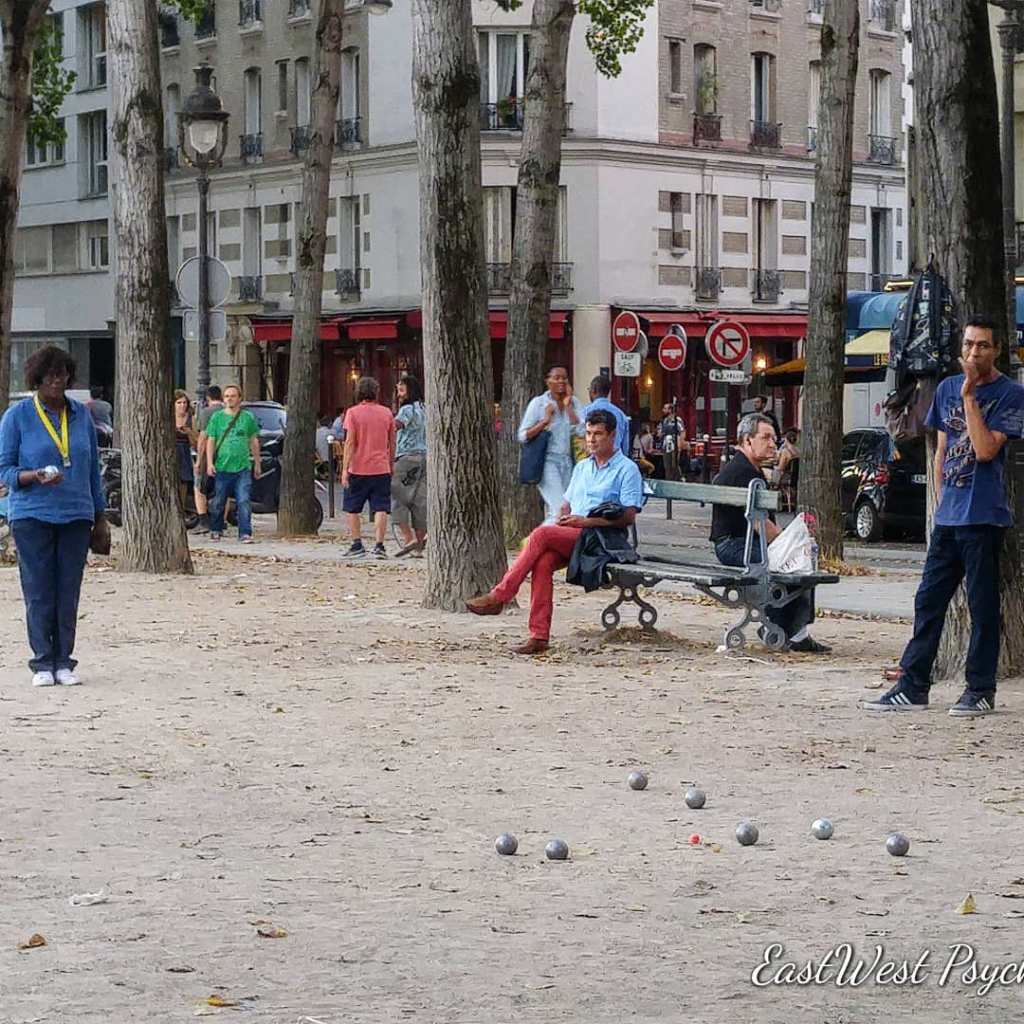
Parks and other public spaces in France inevitably include the game of pétanque, a staple of French culture. Often compared to Italian bocce, these balls are considerably lighter — making this a game of throwing rather than bowling. Many have called it a game for old men — but young men, women, and immigrants also take part in this traditional pastime.
69518962_481678832389653_8461528036355866624_o

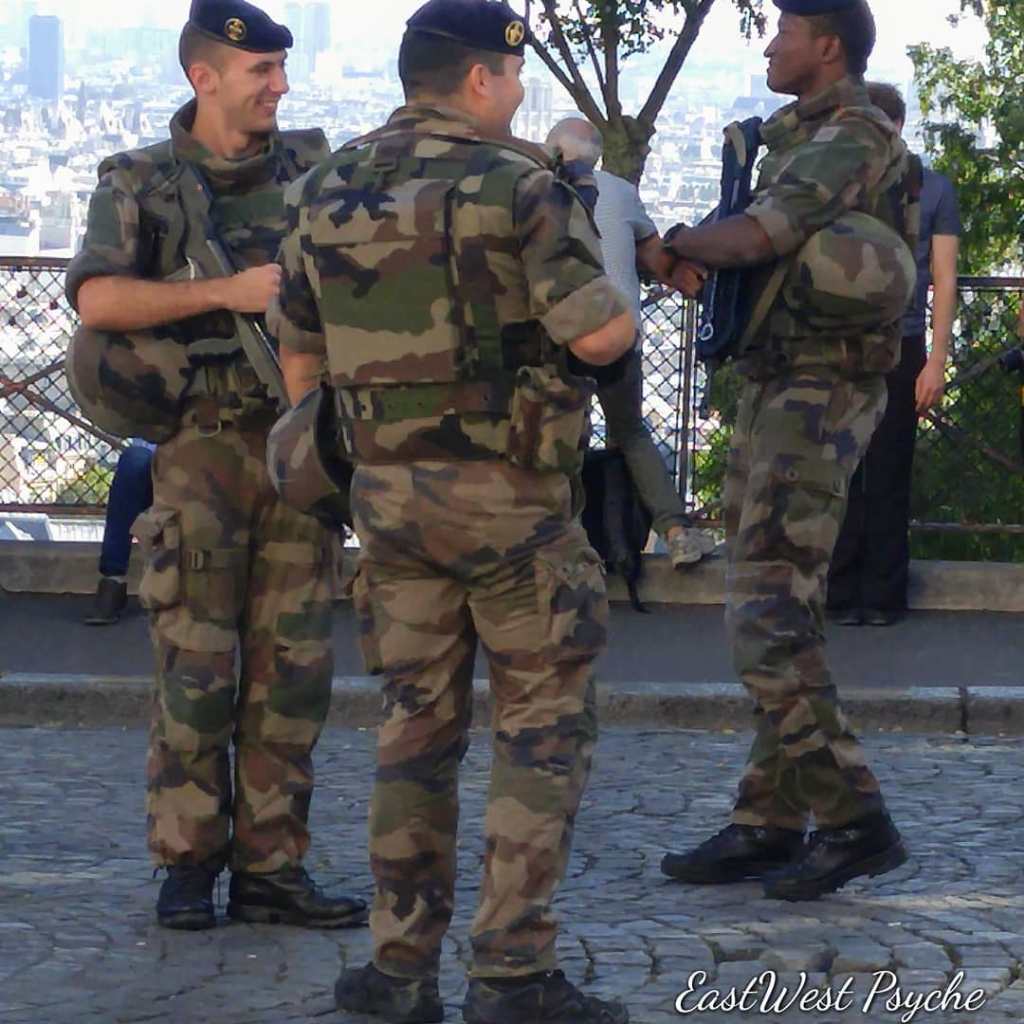
Life goes on in the cafés, parks, and pétanque courts — though these days in France are also anxiety-ridden for many as the country has had multiple terrorist attacks. Its former imperialism and present politics have made it a target for extremists; the nation has also struggled to integrate immigrant communities, and has a troubled refugee policy at uys southern borders. Heightened security, as in much of Europe but perhaps even more, defines the current social environment.
70314740_481680645722805_3575216474672857088_o

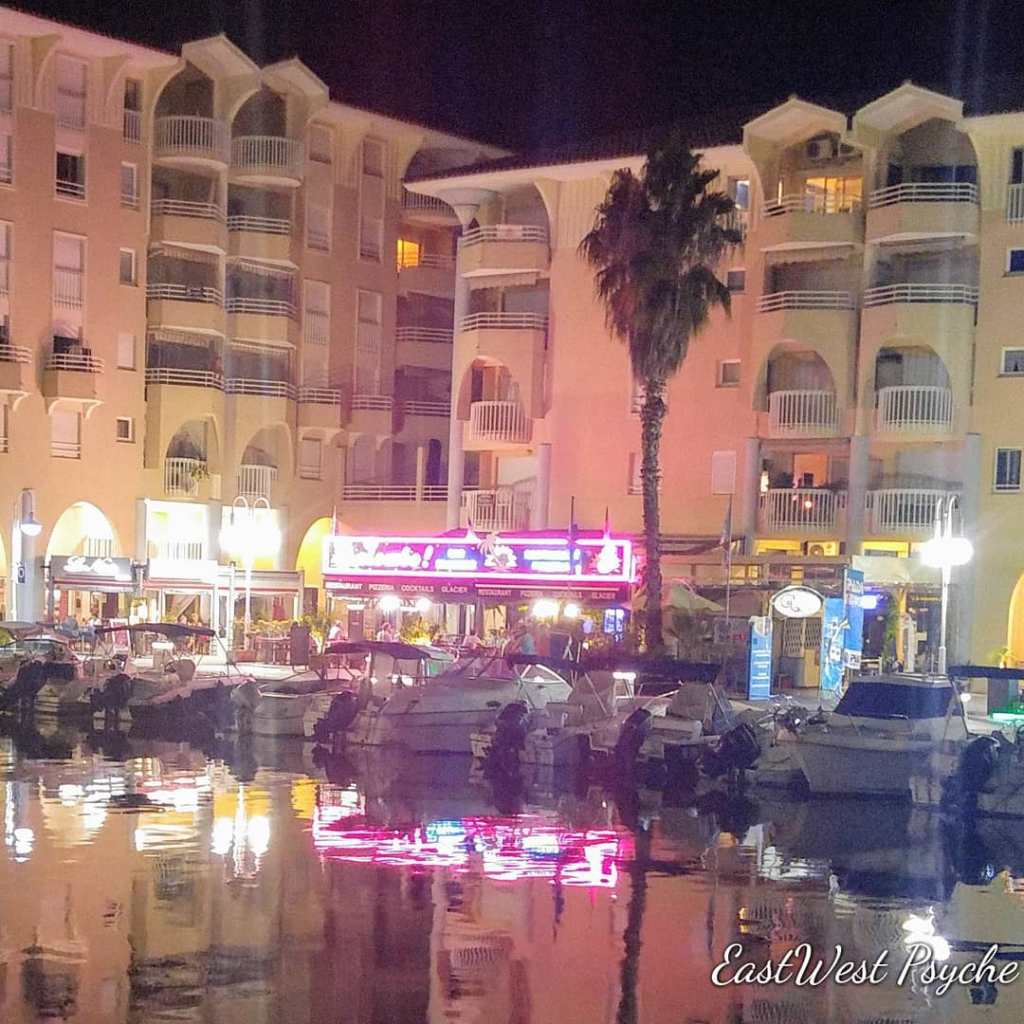
Despite difficulties at its southern border, the French Riviera continues to live in the imagination of many. It is at once an area of summer privilege and year-round provincialism — a unique cultural blend with a keen sense of its many neighboring countries.

~EWP
Malta

69284354_480475179176685_6139177367584636928_o

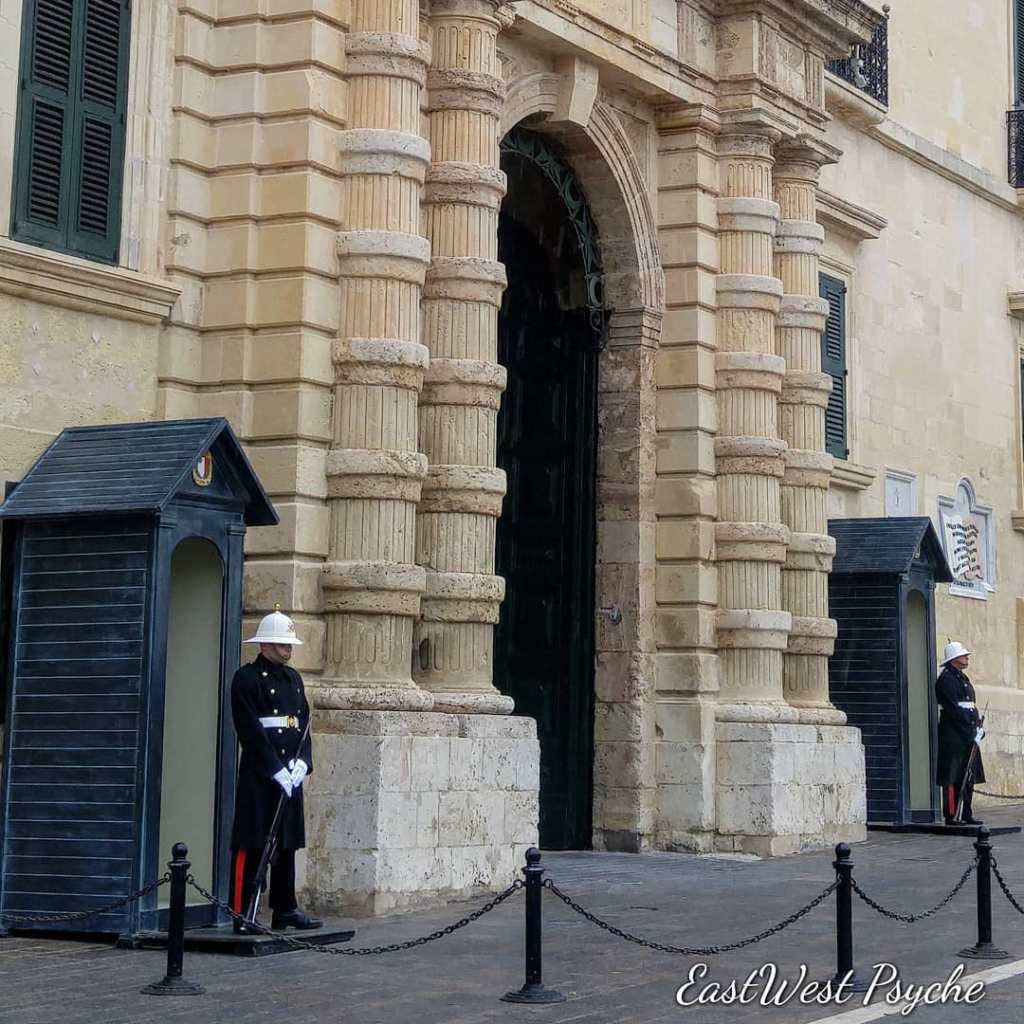
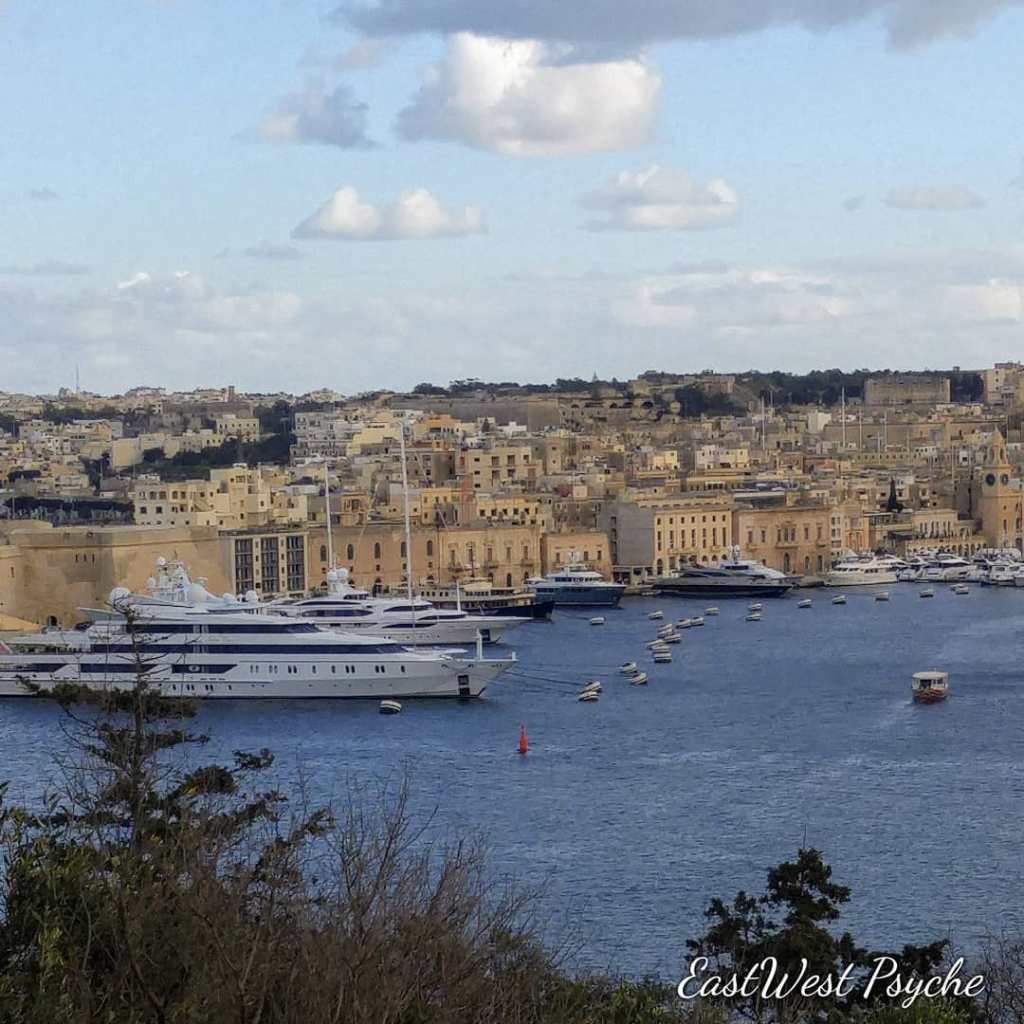
Malta, a beautiful island community with an incredibly diverse cultural milieu. Strategically positioned in the very centre of the Mediterranean, it has always attracted visitors, traders, immigrants — and conquerors. Maltese is the only Semitic language in Europe, a remnant of both its Arabic / Northern African and Sicilian influences. It also has a long relationship and shared religion with nearby Italy, and has been variously ruled by Greeks, Phoenicians, Carthagenians, Romans, Arabs, Normans, Aragonese, French, and British.

69751469_480478125843057_8579482578631786496_o

Malta has been independent since 1964, with a parliamentary system; the country adopted a policy of neutrality in 1980. An EU member since 2004, it held presidency in 2017; its capital of Valletta was European capital of culture in 2018. Despite its complex history of successive rulers and their varied cultural influences, Malta today maintains a strong European focus.

69786688_480479959176207_2897666593246937088_o

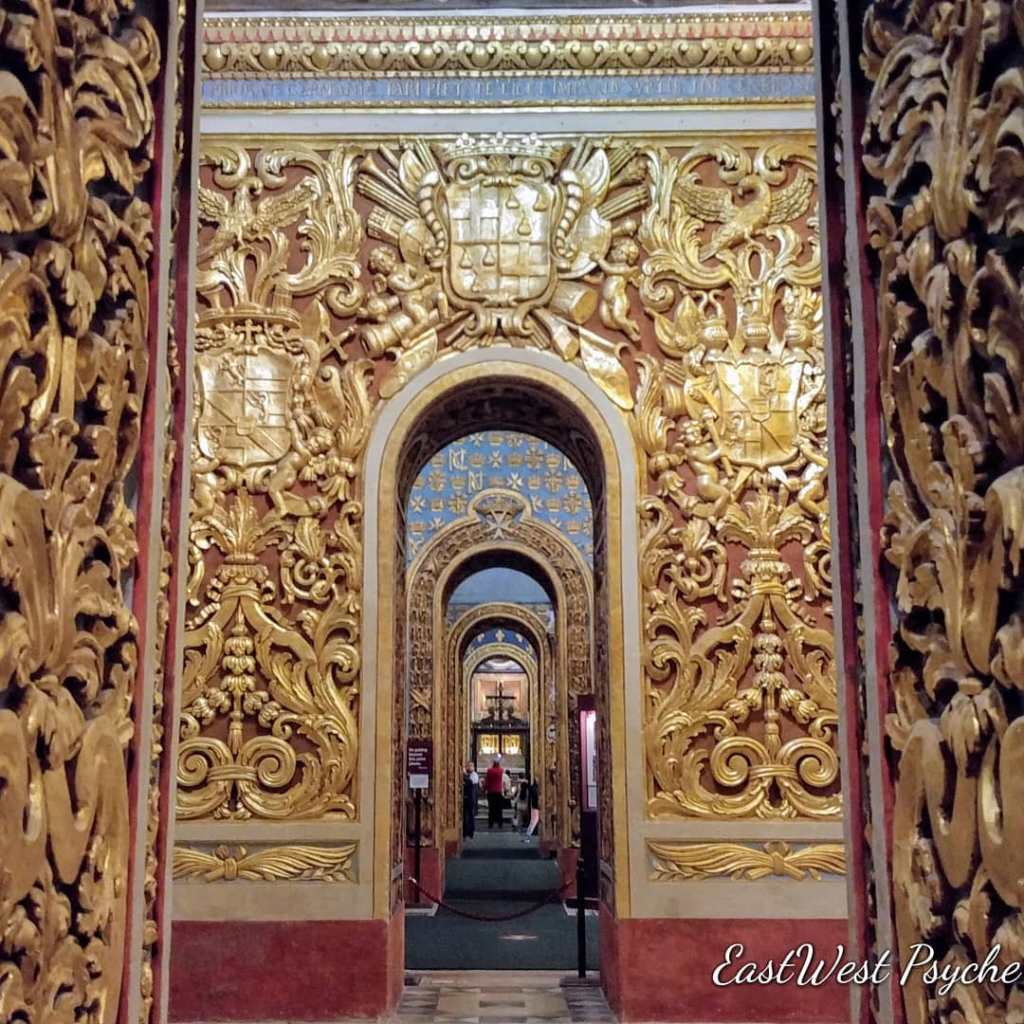
Malta has as its state religion Roman Catholism, with 93.9% of the population identifying as such. Considered an Apostolic See, with a chivalric lay order unique to this island nation — the Sovereign Military Order of Malta, or Knights of Malta — the religion remains a defining cultural feature.

69335265_480482802509256_304413834397876224_o

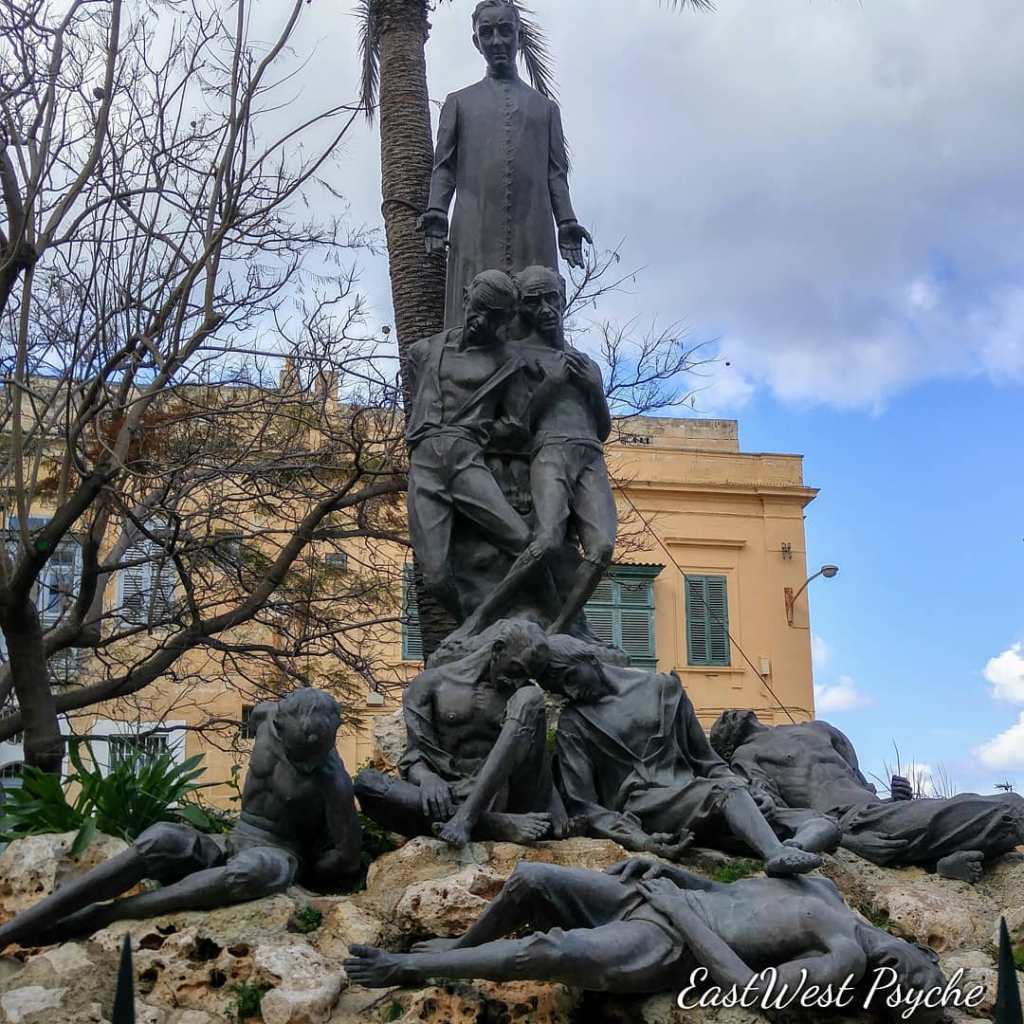
A history of multiple conquerors also means a history of trauma, and Malta is no exception. The last such before independence was British rule, from which Malta retains its parliamentary system of governance and English as a second official language. The island society also retains scars, as portrayed in the Sette Giugno monument and annual observance of the same name / date: a 1919 event in which British soldiers shot into a crowd, sparking riots that ultimately became a movement for independence.

69283066_480484959175707_1018268043584733184_o

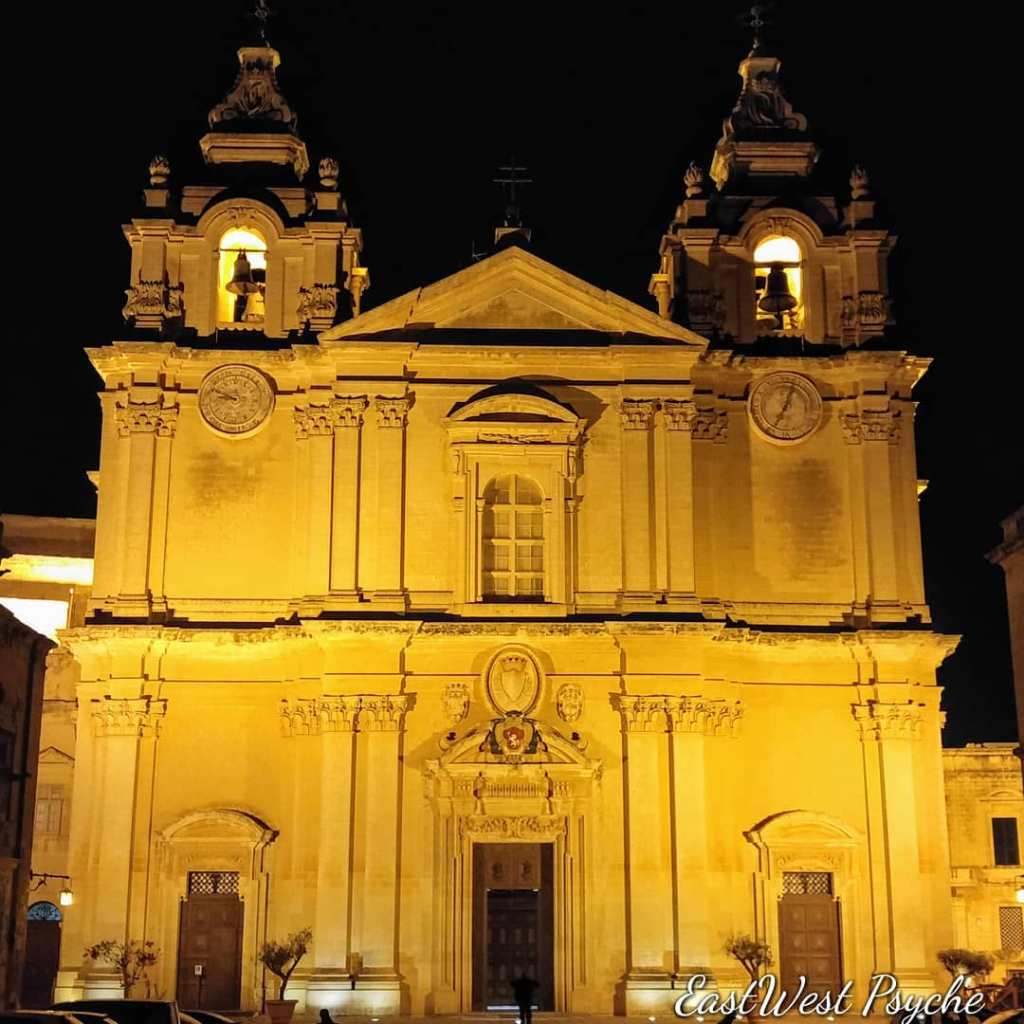
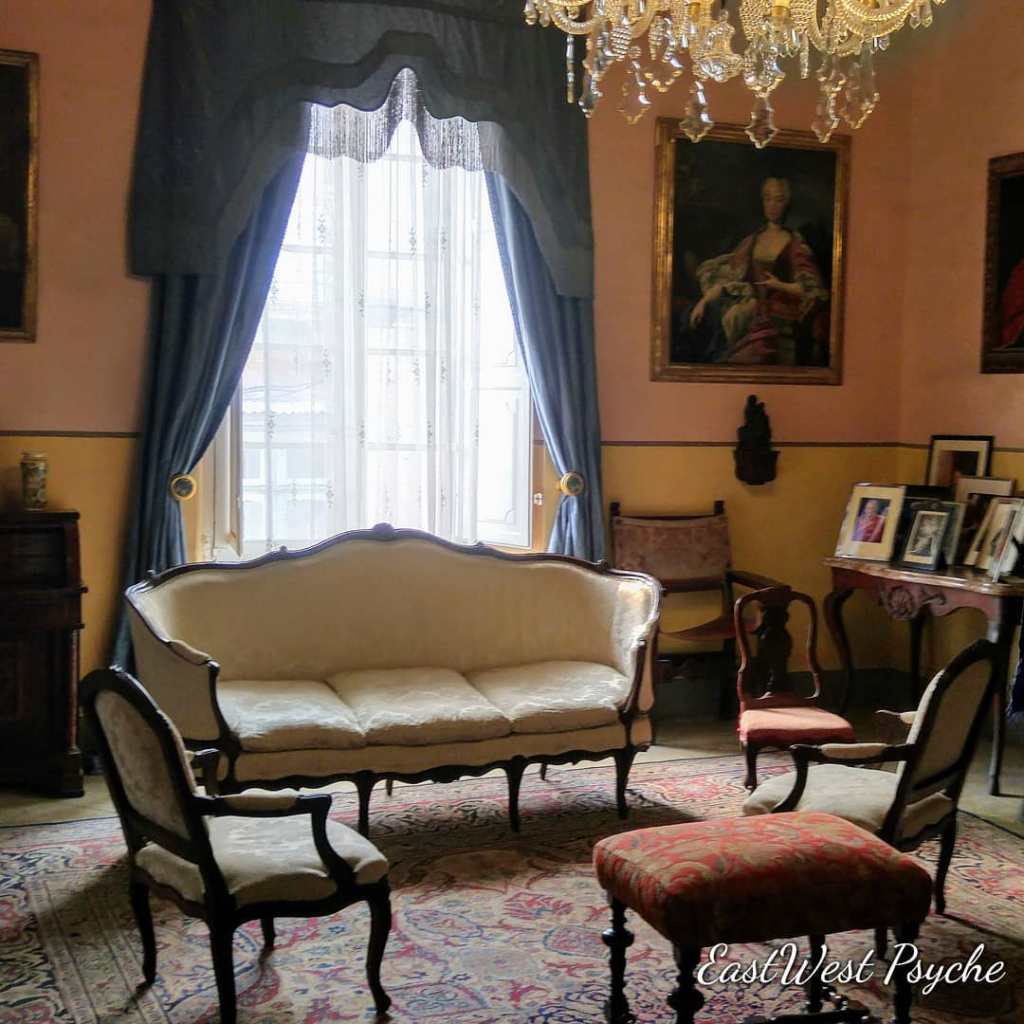
Malta’s diverse history has also resulted in stunning and architecture with varied influences. Valletta, the current capital, is well known for same; Mdina, the former capital now largely abandoned, is a stunningly intact medieval city of great beauty. Founded as “Maleth” by Phoenicians in the 8th century, renamed “Melite” by Romans, it was Arabs who gave its current name; it lost capital status in 1530 but was a centre for nobility long after.

69262788_480487289175474_7614075734100803584_o

Landed aristocracy wielded power in Malta for many centuries, despite the island’s changing hands from one ruler to the next. A peerage system was established by 1283, with a fiefdom set up by the reigning Sicilian monarchy. The whole of Malta was ceded to the Order of St John, the so-called Knights of Malta, in 1530. Nobility, complete with titles, remains in Maltese society even today.

69591806_480490205841849_6691857951121997824_o

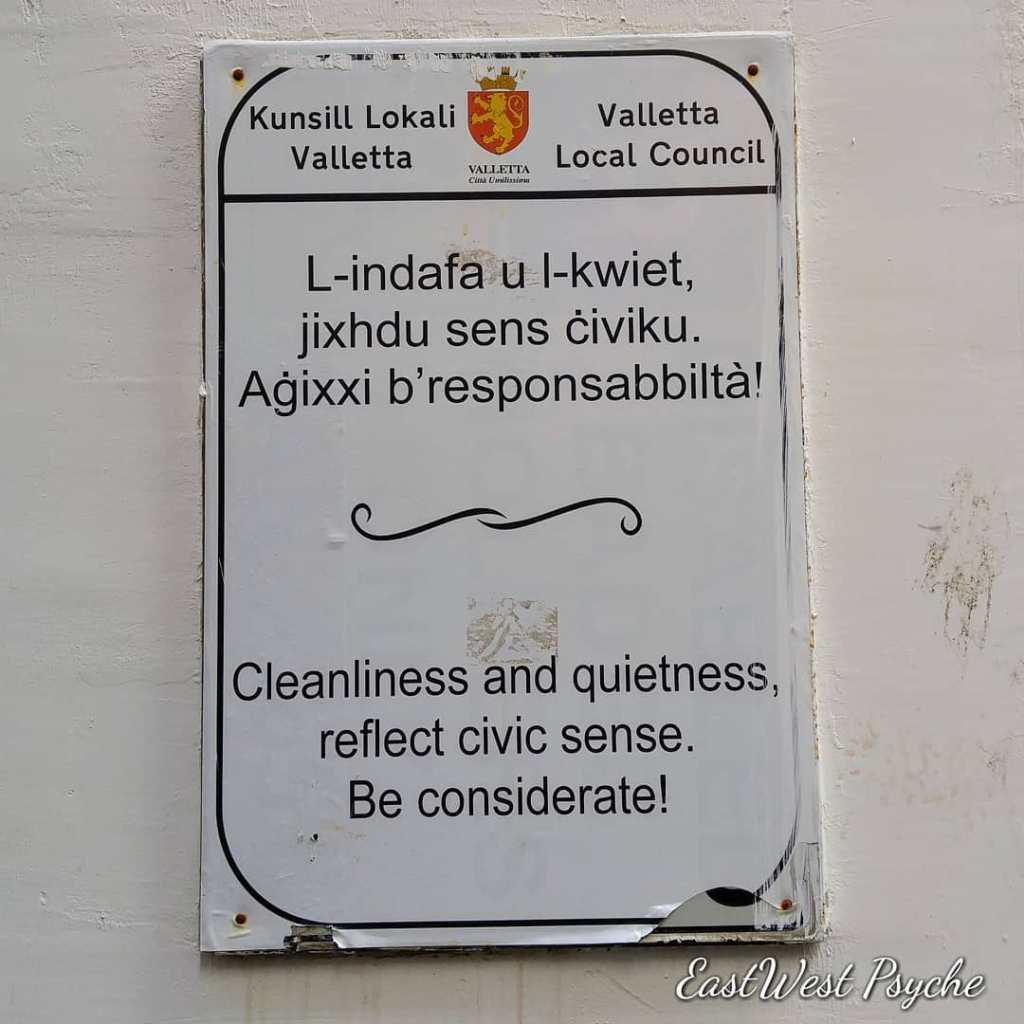
Order and civility, holdovers from Knights of Malta and recent British rule, remain key values — along with a general conservatism — in Maltese society today.

70003470_480492849174918_8995382317945978880_o

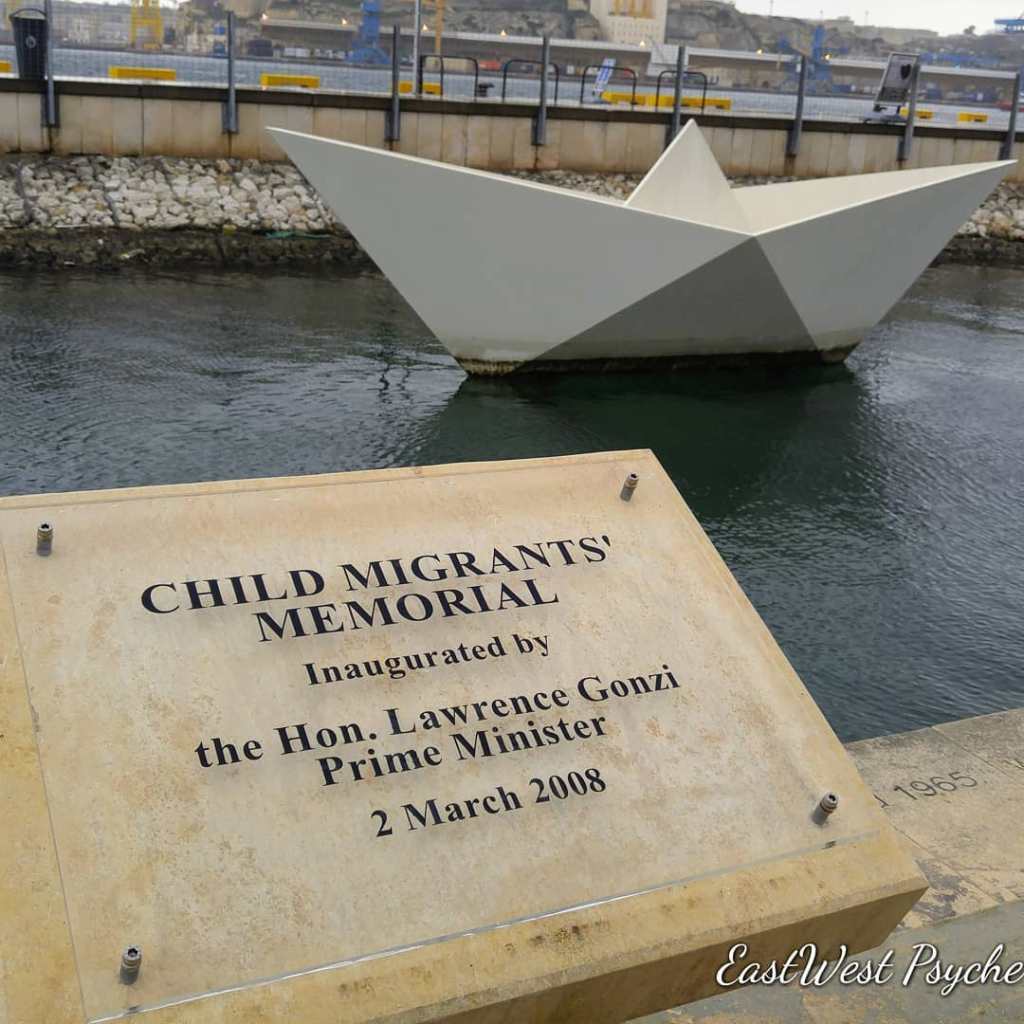
One of the major disruptions today to the conservative Maltese way of life is the tremendous influx of migrants and refugees. That same geographic positioning that has made the island so attractive to traders and conquerors throughout history has also made it a primary destination for those forced to leave their homelands, and Malta struggles to manage this enormous influx of newcomers. Their history has taught them to expect ‘invasions’ — at the same time as it has made them wary of outsiders.

~EWP

Norway

69445807_478326446058225_486616118144794624_o

Norway, along with other Scandinavian countries, is among the most progressive of nations. The Socially Progess Index, in fact, once ranked it at #1 and routinely in the top ten, based on areas of basic human needs, foundations of wellbeing, and opportunities, and the country has provided the world with The Nordic Model of Social Responsibility. In addition, Norway’s GDP, largely based on an abundance of natural resources, is consistently strong, and its government among the most transparent and trusted.

68973381_478329362724600_3427213267452297216_o

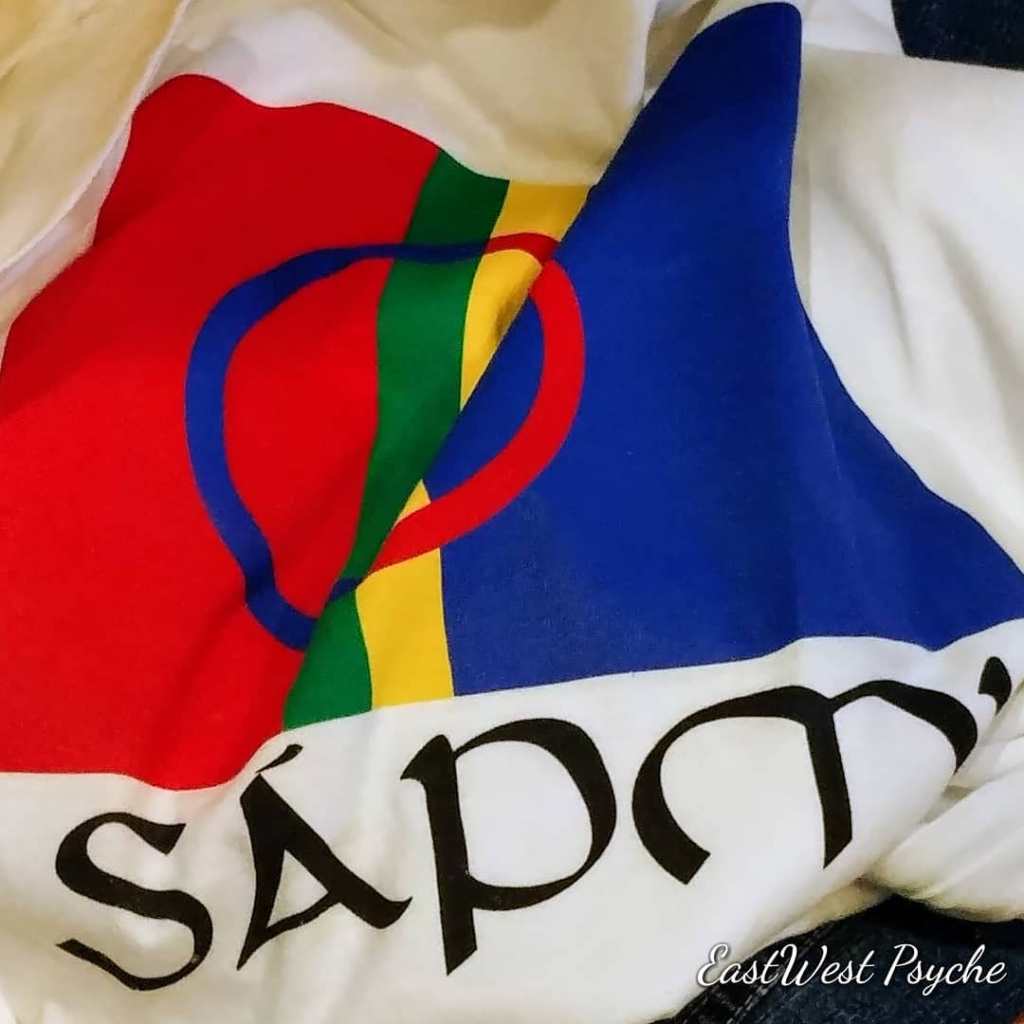
Norway’s indigenous Sámi, inhabiting northernmost areas near/in the Arctic Circle to include not only Norway but also Sweden, Finland, and Russia’s Murmansk Oblast, have historically suffered the same discrimination and maltreatment as native peoples around the world. Today, there are multiple initiatives in Norway as elsewhere to right past wrongs and provide the Sámi and their culture with full recognition.

69355481_478331802724356_3486306850599600128_o

Norway has long been a model for renewable energy and environmental protection, ranked 3rd globally by some measures. However, as a major producer of both oil and gas, the country also bears responsibility for carbon emission and is working on carbon-capture technologies, though not yet in place. Waste management also bears a poor record — so their eco-practices still have room for improvement.

69592641_478334306057439_2371460085042905088_o

The value of family and children is universal; in Norway, it is also policy. Child and Parental Leave benefits are quite strong; the “work-life balance” is termed “family-work balance” and as such is highly prioritised. Flexible parental leave, daycare as a right, free education — including all public universities — and universal healthcare, flexible work hours and holiday leave, and numerous facilities for family recreation all support this cultural value.

69208016_478336996057170_6376145097150431232_o

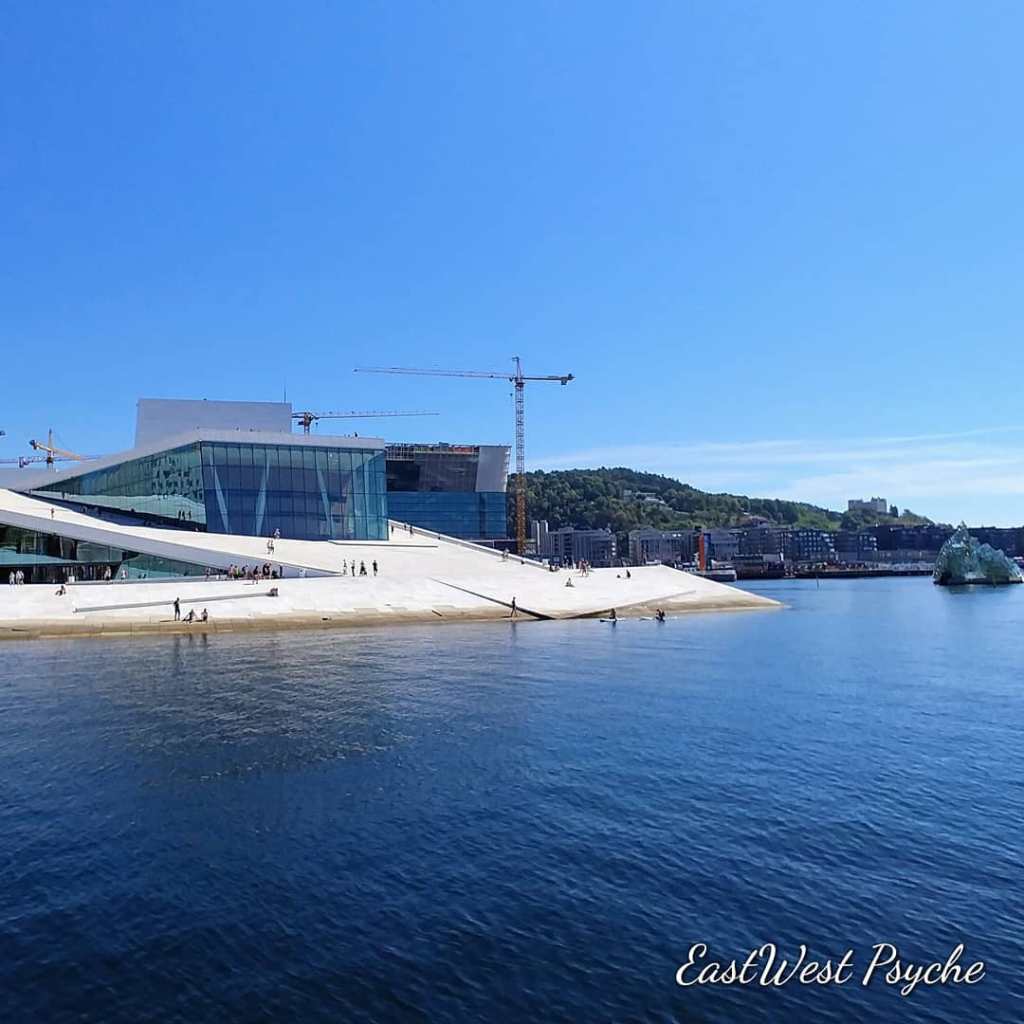
The arts are also highly valued in Norwegian culture, often in combination with architectural design as well as environment, as in the Oslo Opera House seen here (housing Norwegian National Opera and Ballet as well as the national opera theatre). Nature in Norway is free for everyone to walk in, including the national pastime of mountain-climbing, and this structure was built on that principle — as one is encouraged to stroll its rooftop.

68986513_478341286056741_1255407000611717120_o

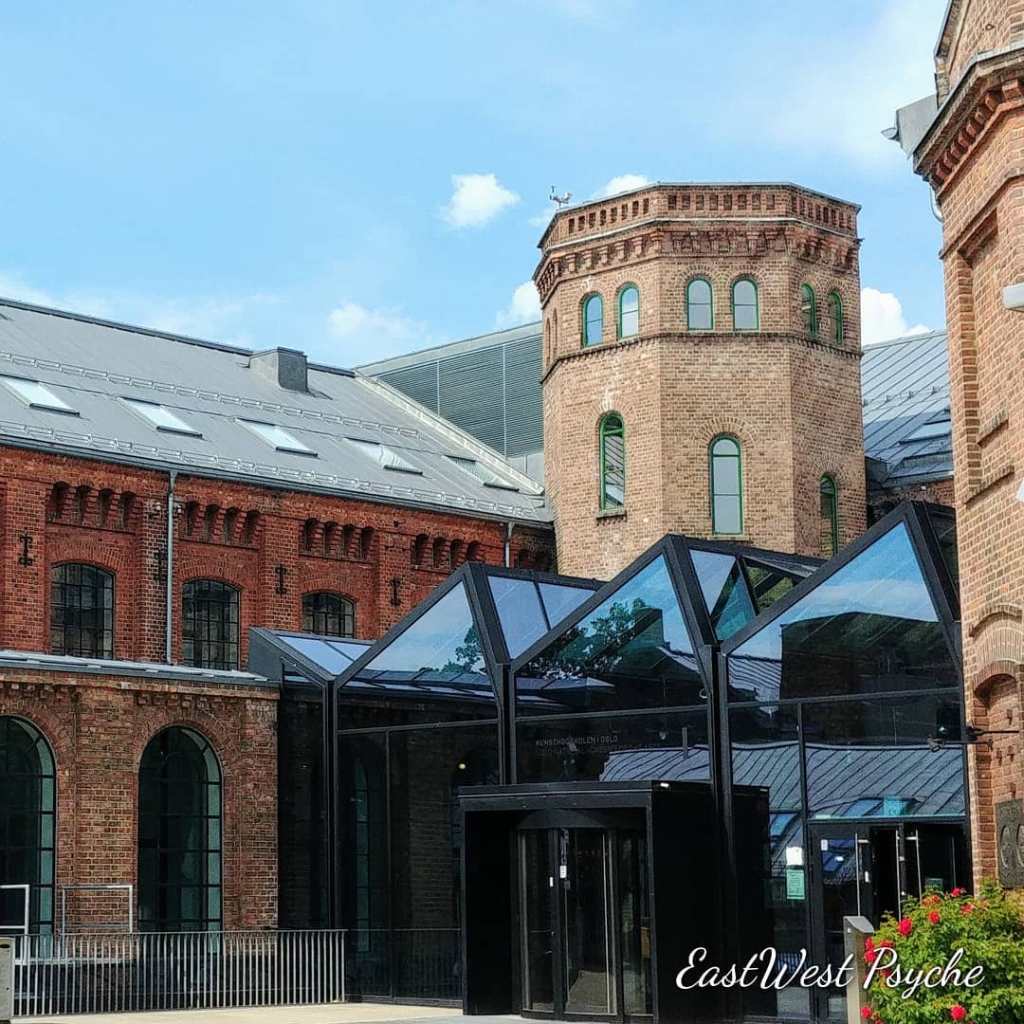
Alternative and indie art forms are also highly encouraged in today’s Norwegian culture — especially in hipster, edgy Oslo, where such opportunities abound. Here, in the repurposed Christiana Seildugsfabrik (c.1856), a former sail-making factory, is the Visual Arts faculty of the Oslo National Academy of the Arts.

69325835_478345269389676_7749473066278715392_o

Religion historically played a major role in Norwegian culture, particularly Lutheranism; today, 71.5% report such affiliation (though many are also non-practicing), which is now independent but until 2012 was the state religion. In earlier times, Norse paganism was practiced, with Christianity introduced only as of the 10th century. The indigenous Sámi of arctic regions continue to follow their native shamanic / animistic tradition today.

69064874_478346126056257_1236504381390585856_o

Norwegians are often thought of as terse, unemotional — and without humor. Naturally, this is an unfounded stereotype — and humor, though often subtle and even sly, and terribly ironic … lurks ’round every corner.

~EWP

Lithuania

68884199_476797242877812_344901322866163712_o

Lithuania: from Grand Duchy for 500+ years to Commonwealth with Poland, to Russian Empire, then 22 years as an independent republic — only to be absorbed by the Soviet Union. Independent again since 1991, the country is by a considerable margin the largest Baltic state — and, like its 2 sisters, strongly aligns with Europe, never having joined post-Soviet CIS.

68747285_476802322877304_2123918691455205376_o

Lithuania’s ethnic makeup, in a population of only 2.76 million despite its land mass (165th globally for population density), is still 84% native Lithuanian, with substantial Polish and Russian minority groups. Upon becoming an independent republic in 1918, the new constitution provided for the protection and well-being of minorities. Also included was a provision for women’s right to vote.

69054722_476805289543674_1997725813495037952_o

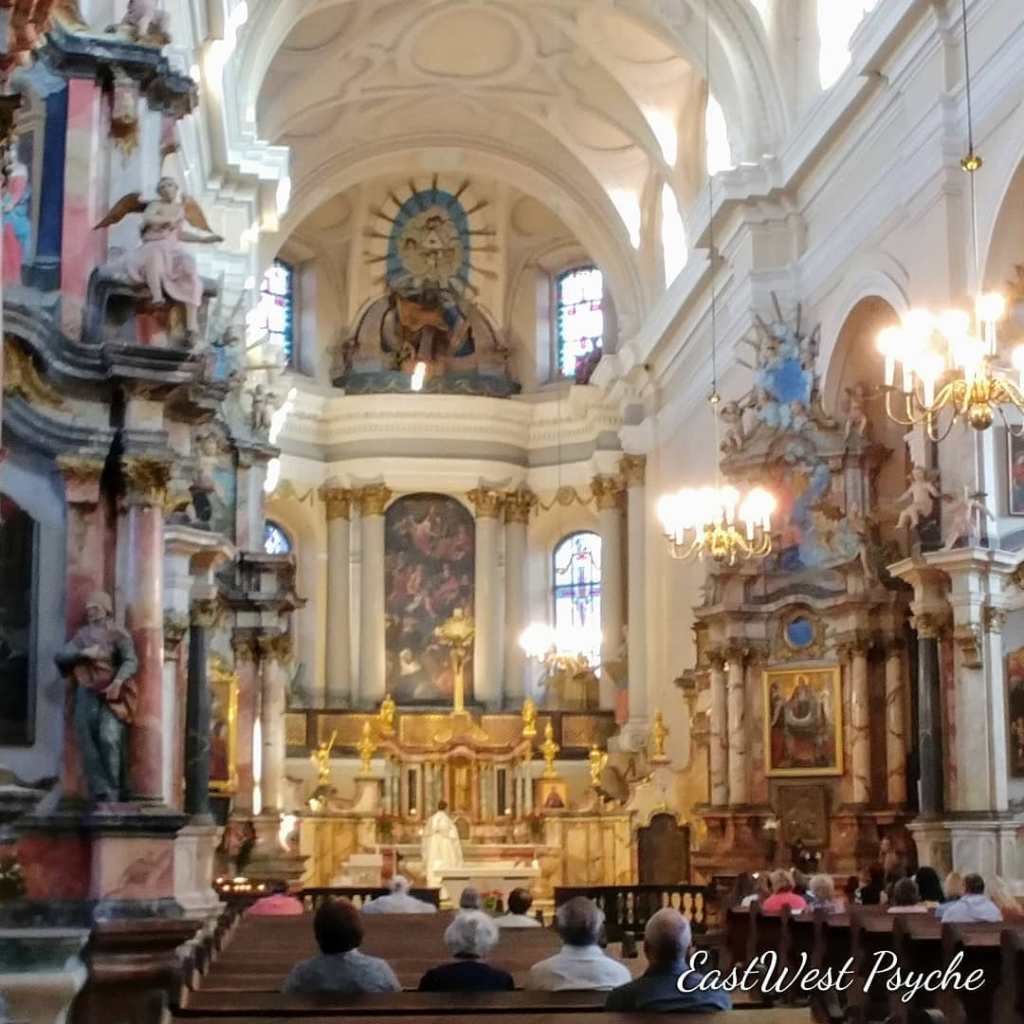
Lithuanians are predominantly (77%) Catholic; religious freedom, however, is guaranteed by the 1918 constitution. In reality, this pluralism goes back much further: in the 19th century, 10 different religions were present in Vilnius, including a significant Jewish community. As in most post-Soviet countries, a system which emphasized secularism, Lithuania today has a strong separation of church and state and many are non-practicing.

69618743_476811852876351_2804089499364098048_o

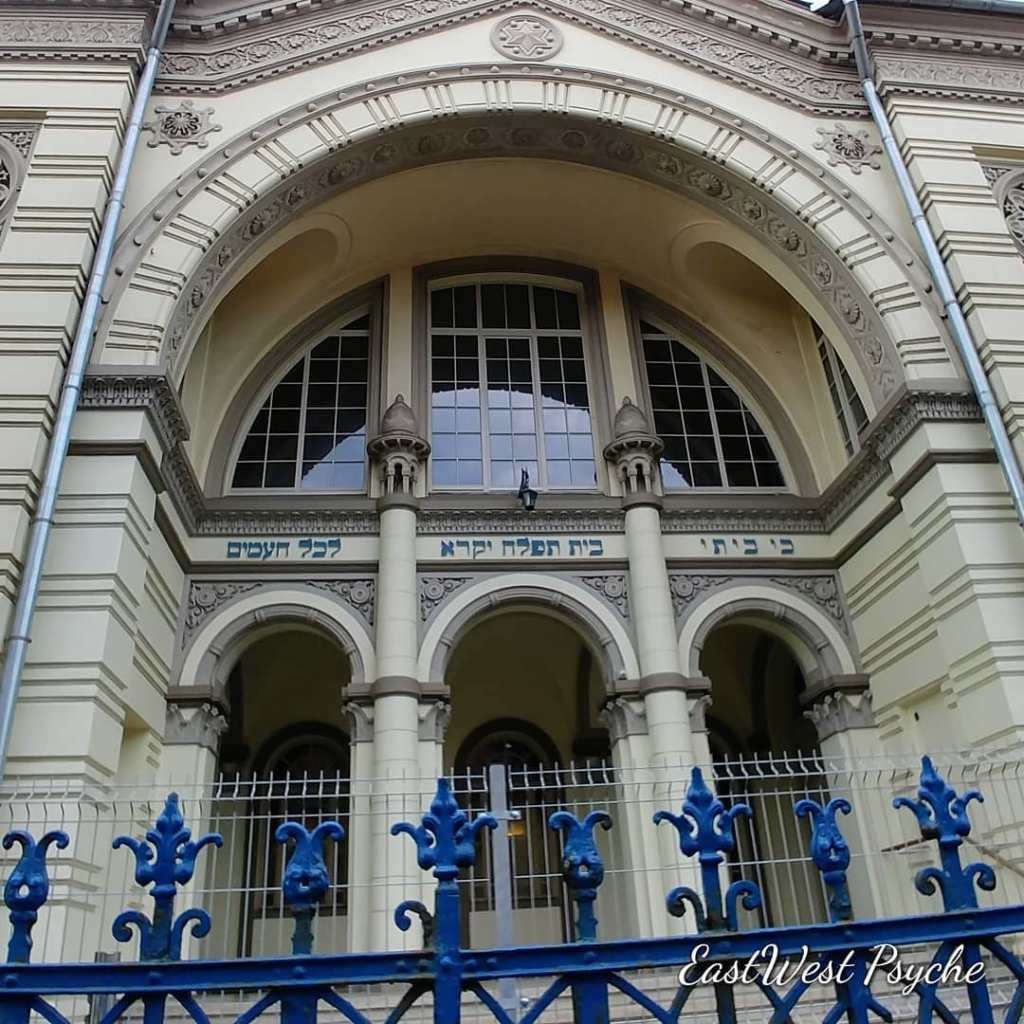
In 1941, Lithuania had a Jewish community of 250,000, 10% of its total population and more than 50% that of the capital, which had more than 100 synagogues and schools. Nazi German occupiers (1941-1945), along with local collaborators, saw to the murder of 206,800 Jews. Today, 1 synagogue remains in Vilnius, under high security — including a temporary closure earlier this month as a result of antisemitic threats.

69032065_476815206209349_2432597952364019712_o

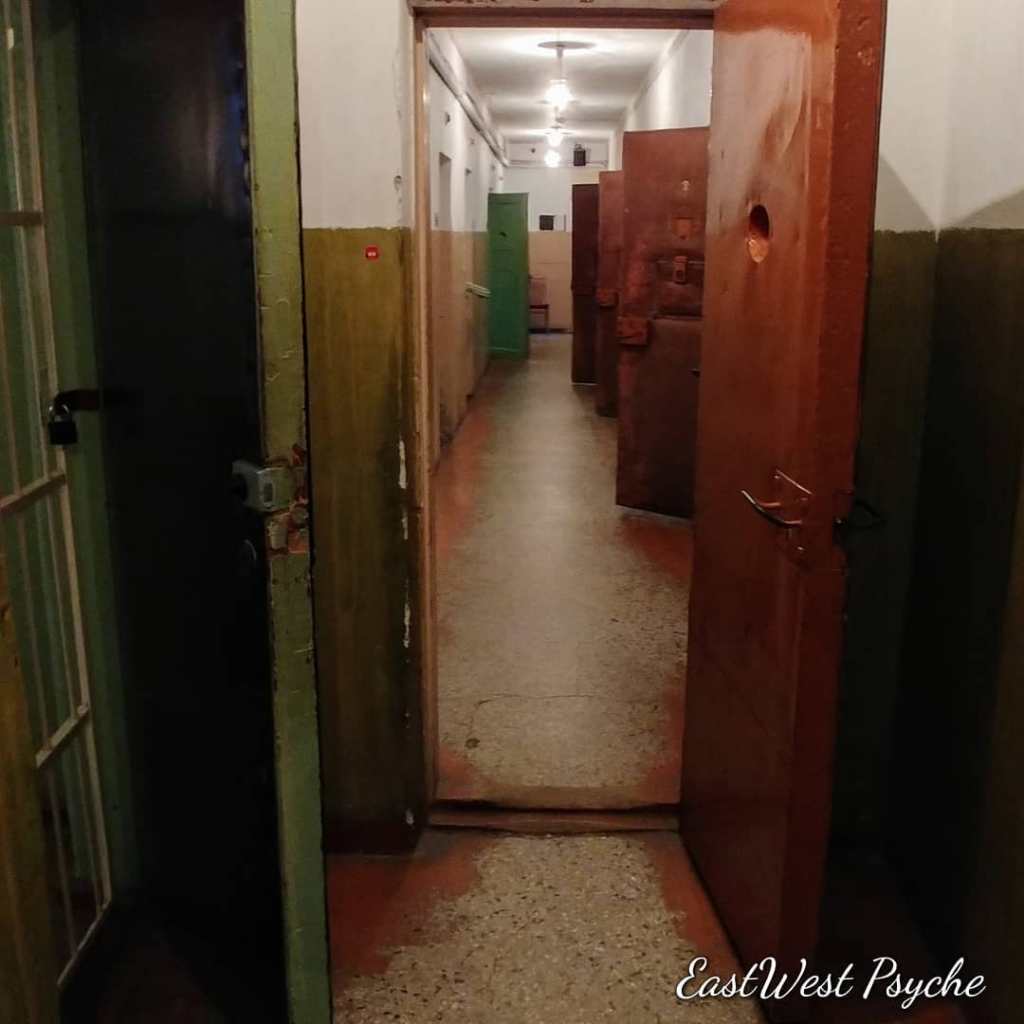
Lithuania lost its short-lived independence to the Soviet Union in 1940, only to be occupied by Nazi Germany 1941-45. From concentration camps and the decimation of the country’s substantive Jewish population, to deportations and the horrors of the Siberian gulags, the society continues to heal from these traumas today. This building was used by Gestapo — and then KGB.

69515719_476820652875471_3463744597119729664_o

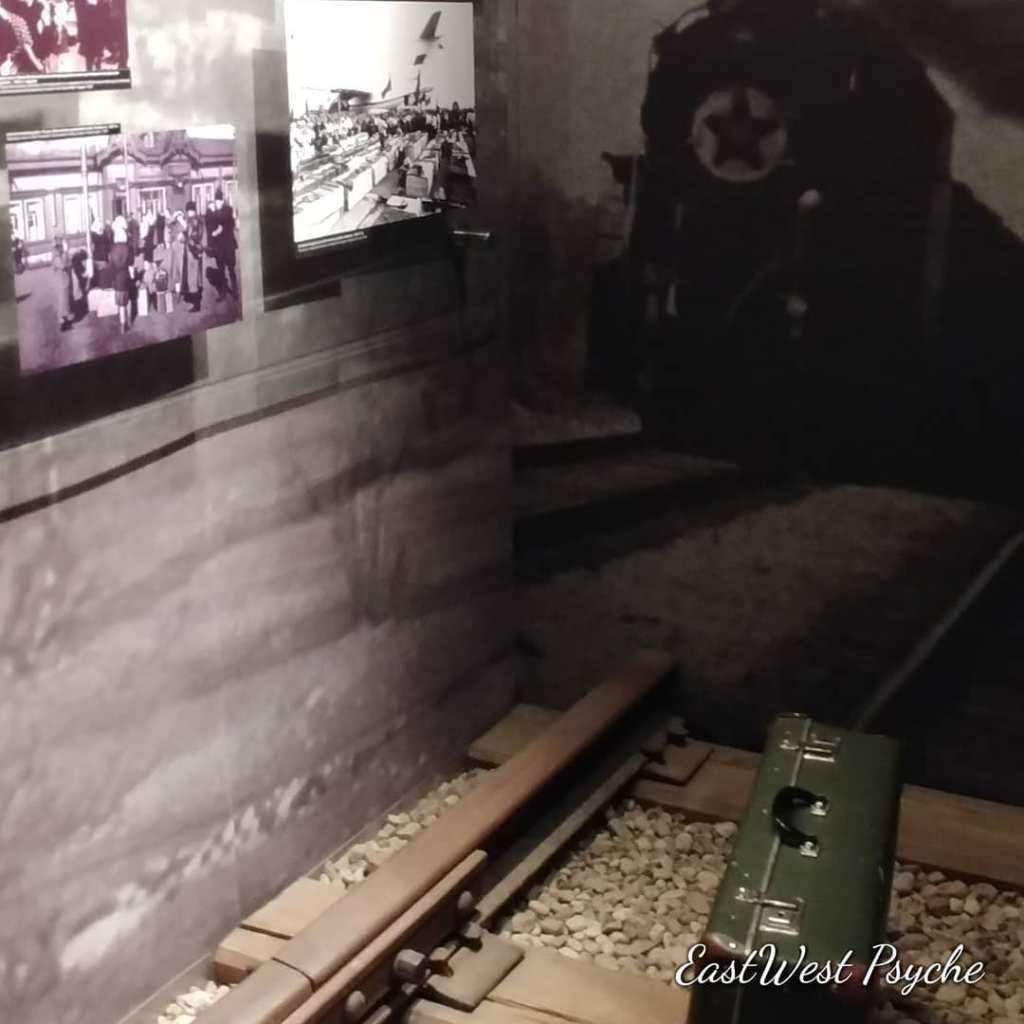
From 1941-1953, Lithuania suffered no fewer than 35 mass deportations at the hands of the Soviets — in which an estimated 300,000 citizens were sent to Siberian gulags or remote satellite countries.Many more were imprisoned in-country, and ultimately 1/3 of the population fell victim to this terror. Far from dissidents, women and children made up 70% of the deportees; more than 50,000 never returned. Today, Lithuania continues to live with this legacy.

69386870_476825879541615_1570807202438971392_o

Today, as Lithuania continues to heal from its brutal past, it can rely on its 800+ years of sovereign statehood. Though blindsided for half of the 20th century, the nation knows self-governance well, a former empire that dominated much of eastern Europe for the 14th-16th centuries. As a nearly intact ethnic group living in this area for 12,000 years — they know who they are, and today their struggle for independence is inspiring others — currently, Hong Kong.

69037380_476830306207839_9156701306763608064_o

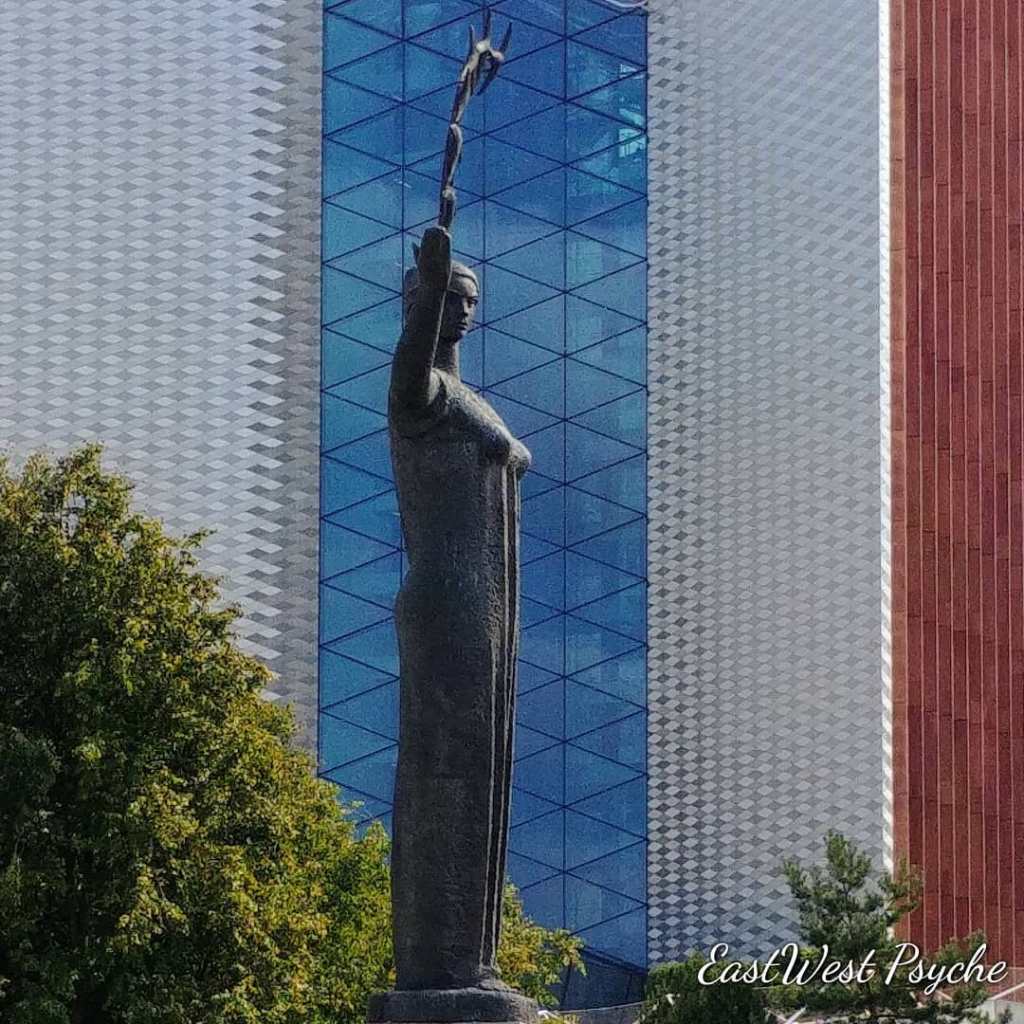
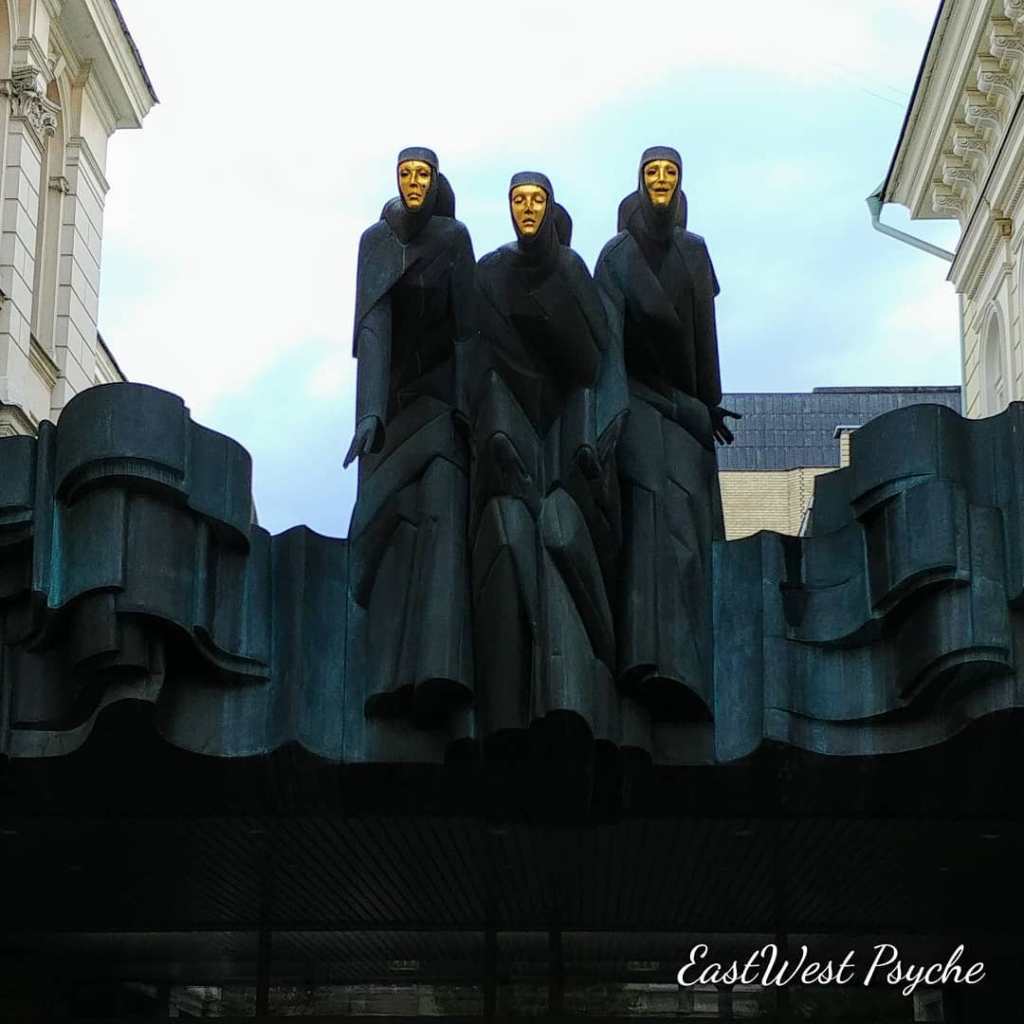
A strong feature of Lithuania’s culture is the high value placed on the arts. Literature, architecture, fine arts both visual and performance, music — all have thrived through many centuries of existence, reflecting the deeper heritage of the people. In Soviet times, all expression of art was forbidden, deemed dangerous in its ability to strengthen cultural and thus national identity — and the country became known for its subversive protest music. Today, Lithuanian culture and love for all arts thrives — as does the country itself.

~EWP