Category: Uncategorized

Czechia

68702228_470882146802655_3517580667850326016_o

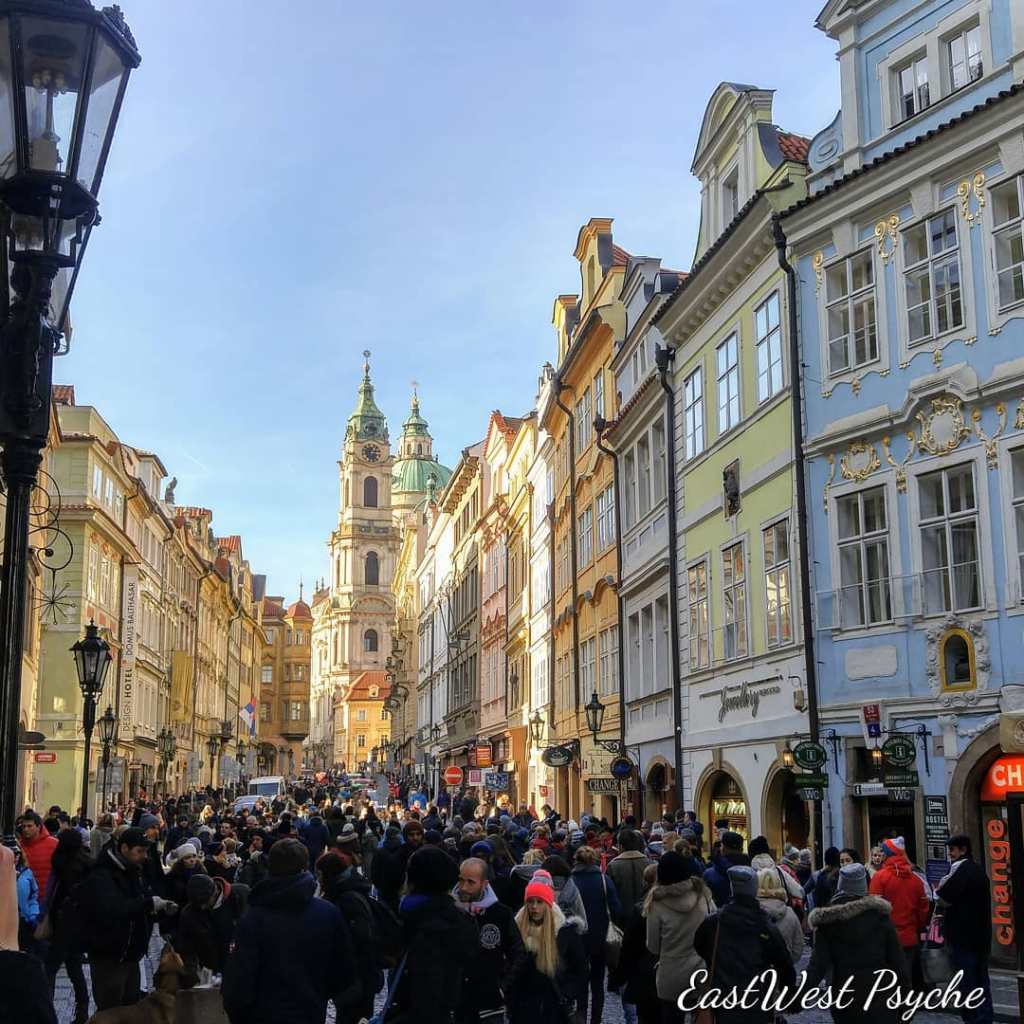
The Czech Republic, now also known as Czechia and part of the former Czechoslovakia, has had a tumultuous recent history. Partly occupied by Nazi forces in WWII and Communist rule from 1946, the country regained its democracy in 1989 and separated from Slovakia in 1993. The capital of Prague, having escaped heavy bombing in WWII, is one of the region’s loveliest — and most visited — today.
67925794_470884770135726_1417698198226468864_o

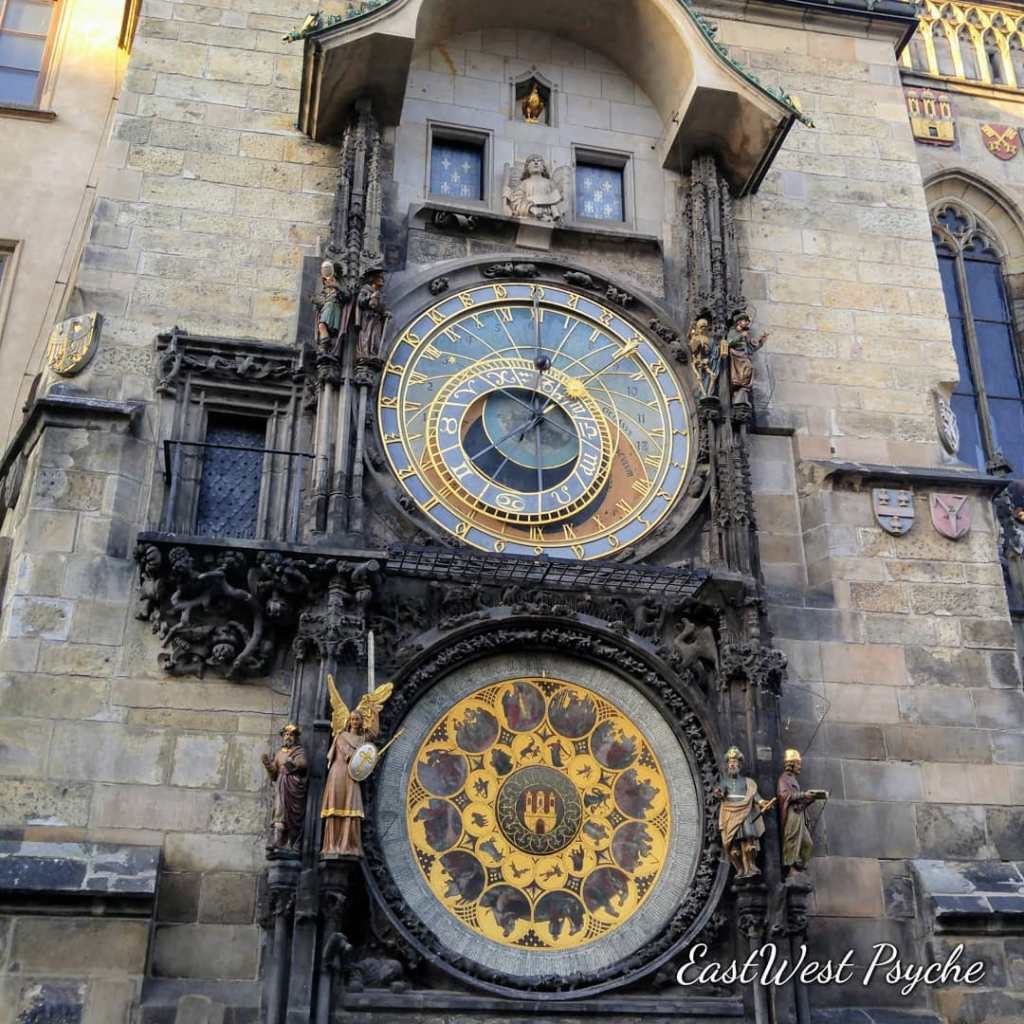
The astronomical clock for which Prague is famous is more than just an artefact; c.1410, it is the oldest such still functioning today. It reflects solar and lunar cycles as well as time, and depicts Czechia’s religious heritage in the form of the Christian apostles. The structure also symbolises cultural beliefs in viewing the birth of a male baby as fortuitous — and the fate of the city intricately connected to that of the clock.
67938807_470887960135407_5047261041579261952_o

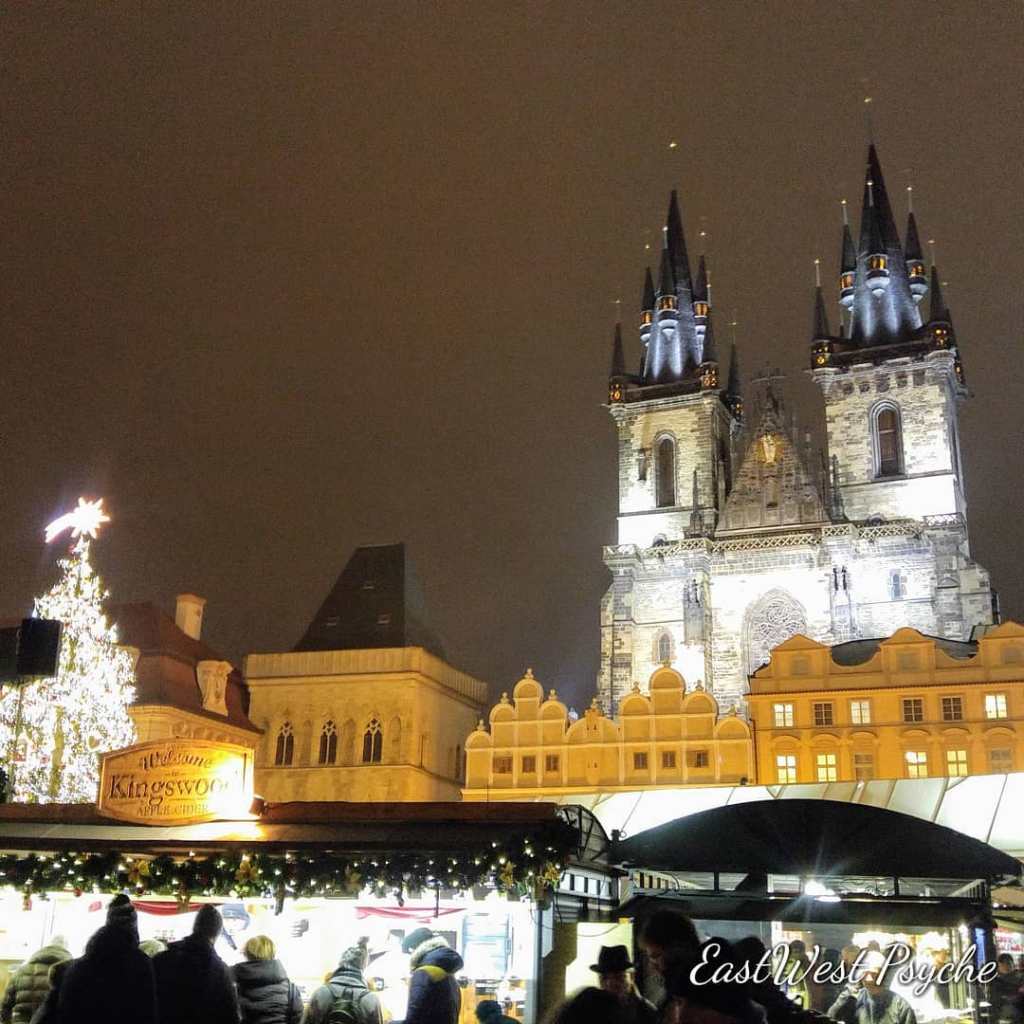
The fairytale appearance of Prague’s Old Town Square, never more than at the Christmas holiday period, has complemented many a film and warms the heart. As in any society, a central gathering place is more than just a landmark — it is the market, the central cathedral or mosque, the space in which to socialise and to share information and ideas, and as such is the beating heart around which the town evolves and revolves.
68582213_470892063468330_2450028007687979008_o

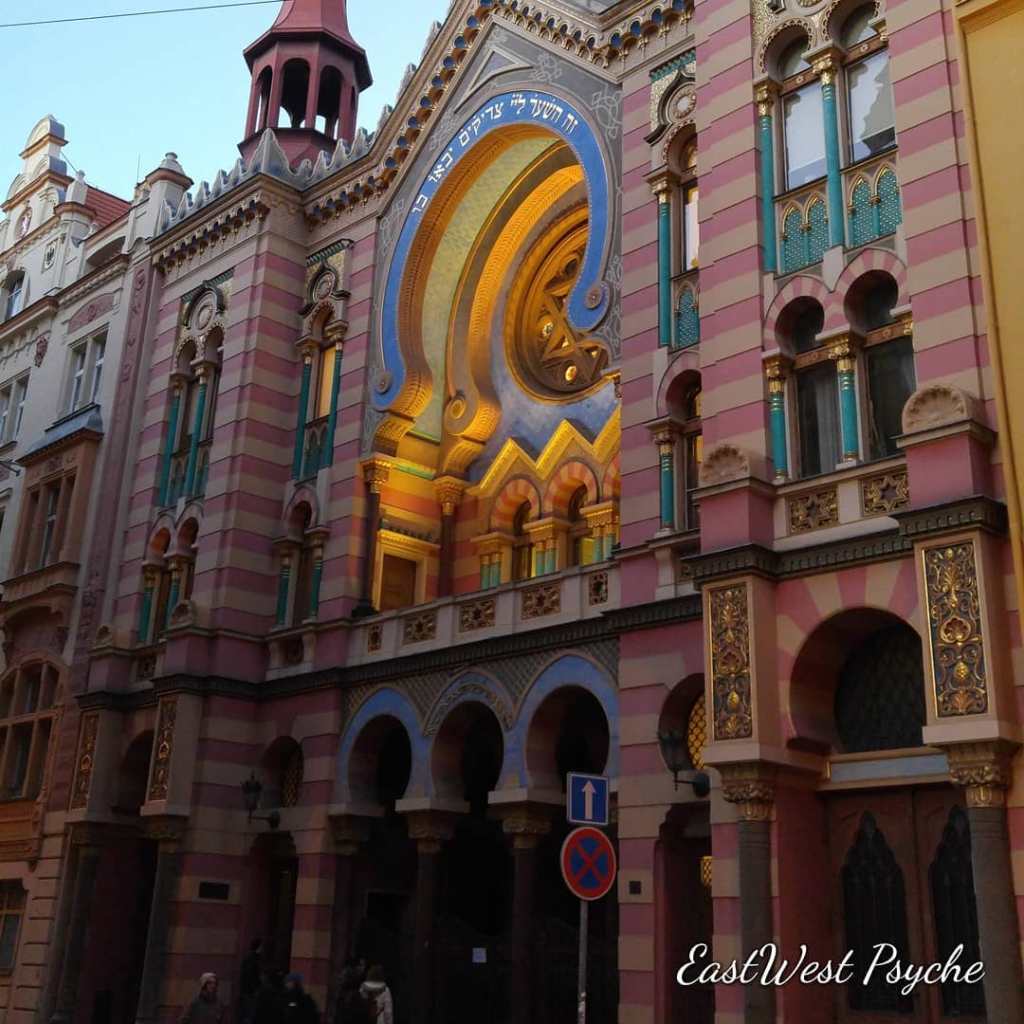
Czechia was once home to a large Jewish community, which contributed greatly to the national culture. The 1930 census registered over 350k Jews; during WWII, Nazi occupiers and Czech collaborators together sent the vast majority to concentration camps where few survived. Despite this atrocity, there is once more a vibrant Jewish life in Czechia, primarily in Prague with an estimated 7,000-15,000 members — though most don’t register as such, having learnt the terrible lessons of the past.
68793074_470898240134379_552177166125629440_o

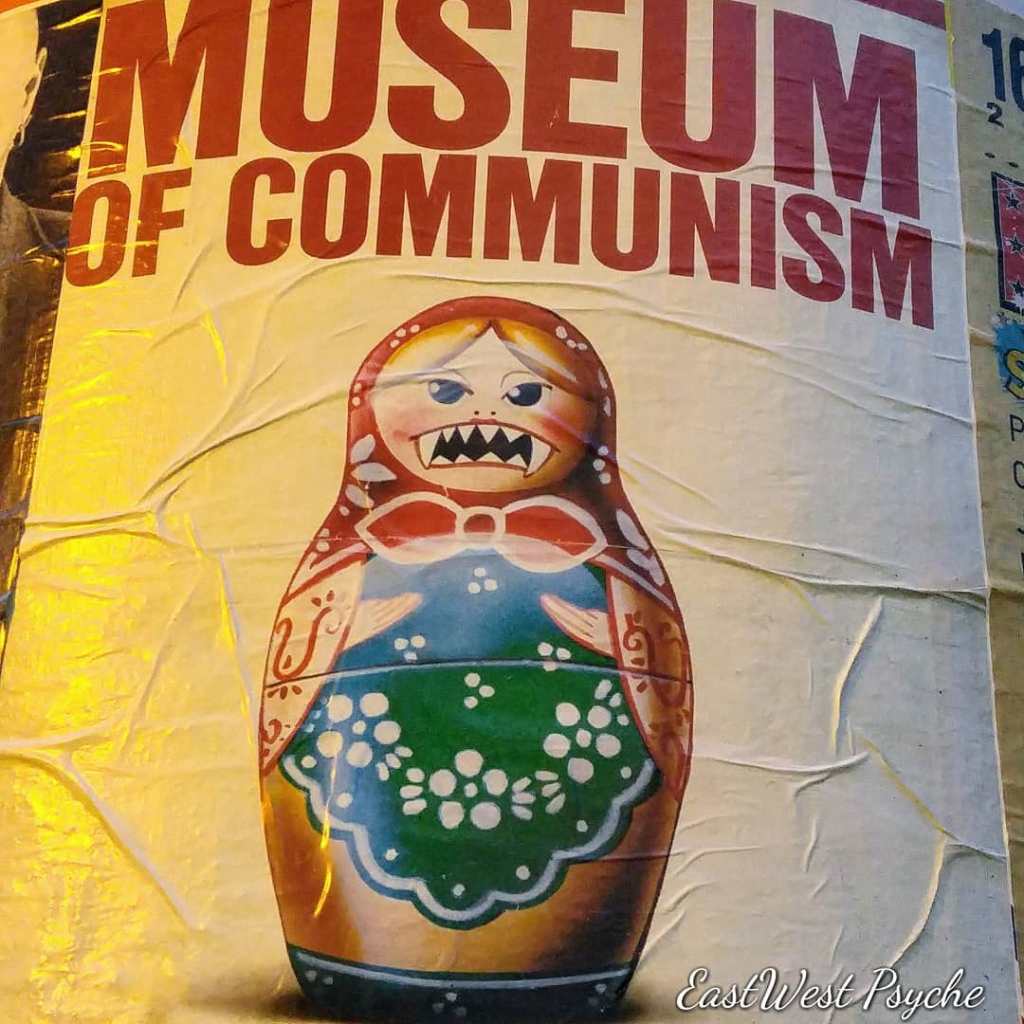
Czechia also suffered under several decades of Communist rule, from 1946 to 1988 — a matter not entirely resolved today. An all too common tale, current political and social instability in the country have created a nostalgia for the stability, if authoritarian repression, of their Communist past; one poll found that only 1 in 4 Czechs claim to be content with their democracy. The Communist Party of Bohemia and Moravia [KCSM] still exists today, largely unrecalcitrant and undergoing somewhat of a revival in membership, though it lost half of its political seats in the most recent election.
67820065_470906763466860_2473345870469267456_o

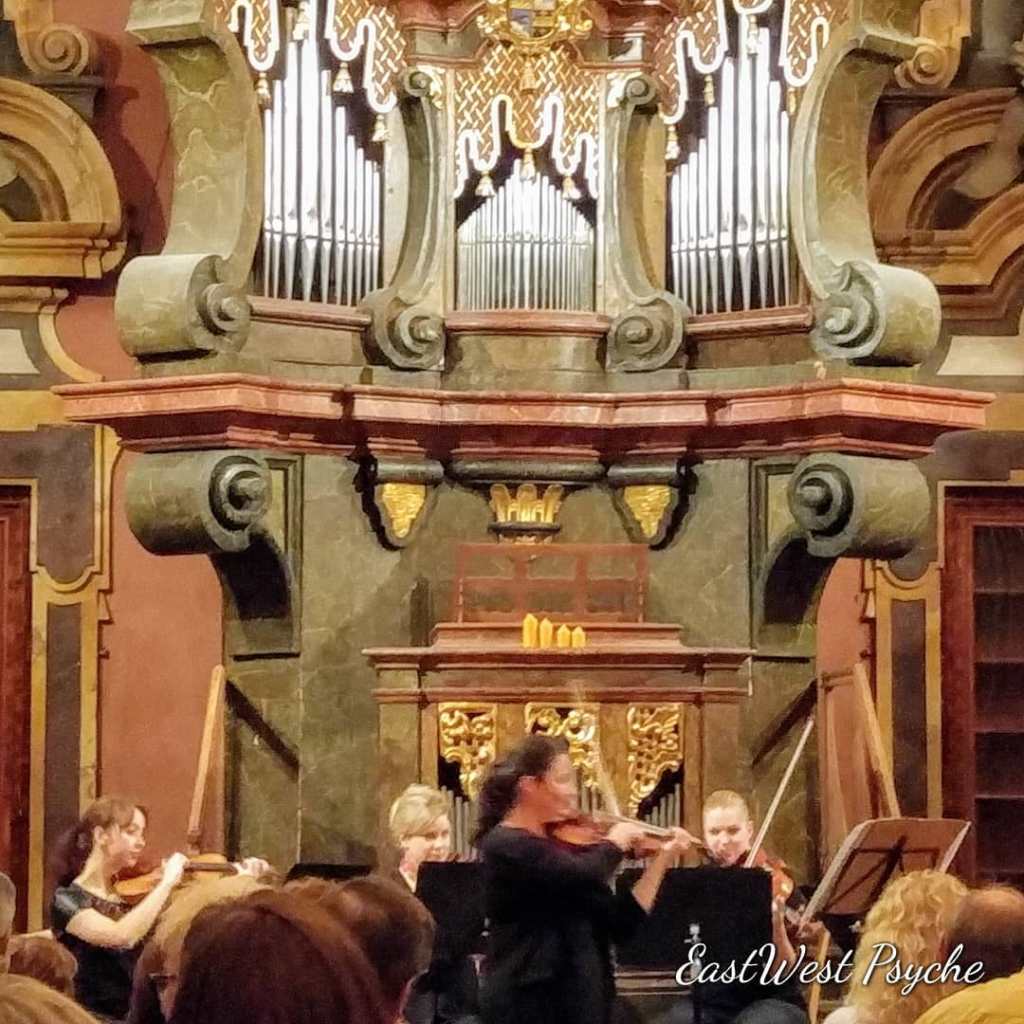
Though perhaps not to the extent of their neighbors, Austria and Germany, Chezhia is also recognised for its contribution to the fine arts, especially visual and musical. Traditional Bohemian and Moravian influences can be found in the work of native composers Janáček and Dvořák; the Academy of Performing Arts in Prague is highly regarded, as is the Prague Conservatory and the Academy of Fine Arts, and the cultural value placed on the arts is readily apparent.
68492118_470911420133061_3695192391767031808_o

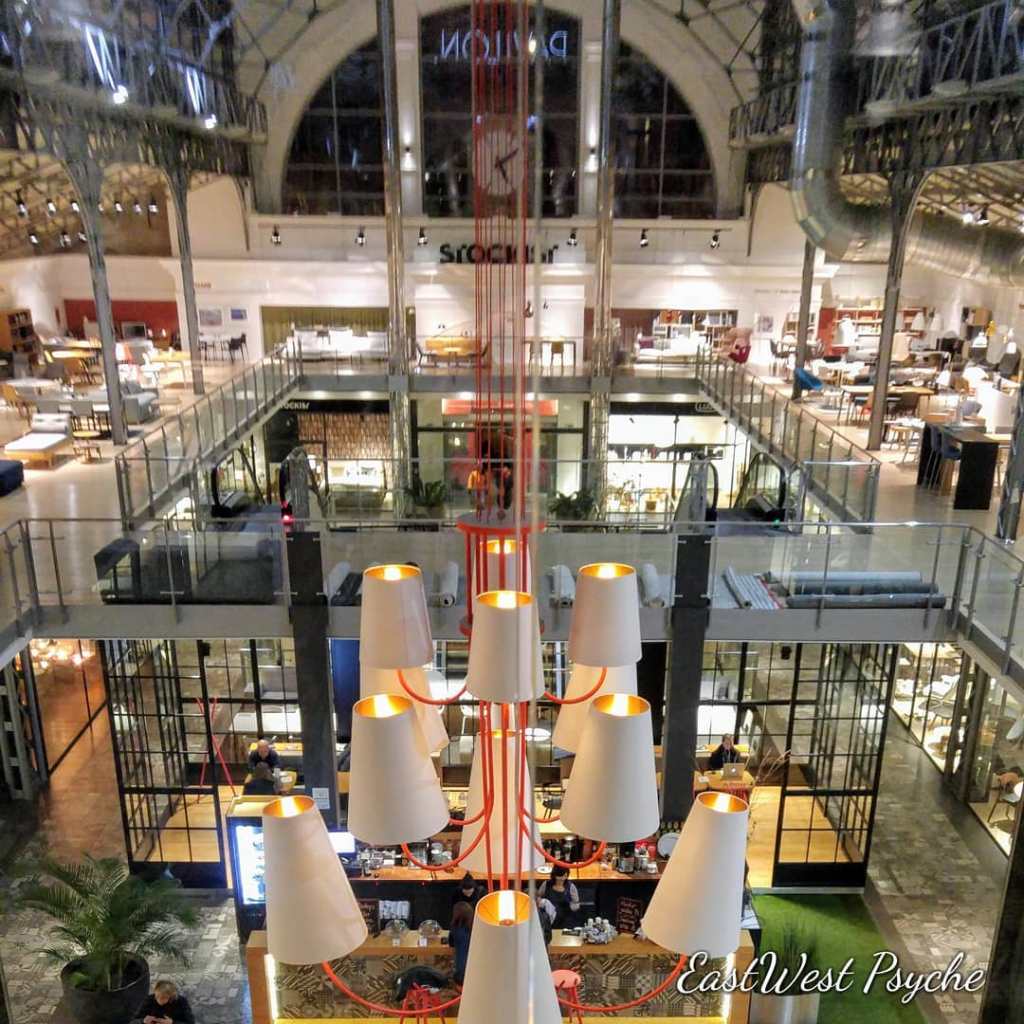
Czech design also abounds, as seen in this Prague interior design centre. Long famous for glass, porcelain, and jewellery work, the young designers of today have an edgy, indie feel and are eager to create their own, avant-garde style — after all, this is the culture that gave us the word, ‘bohemian’.
67732824_470913390132864_8466697016611700736_o

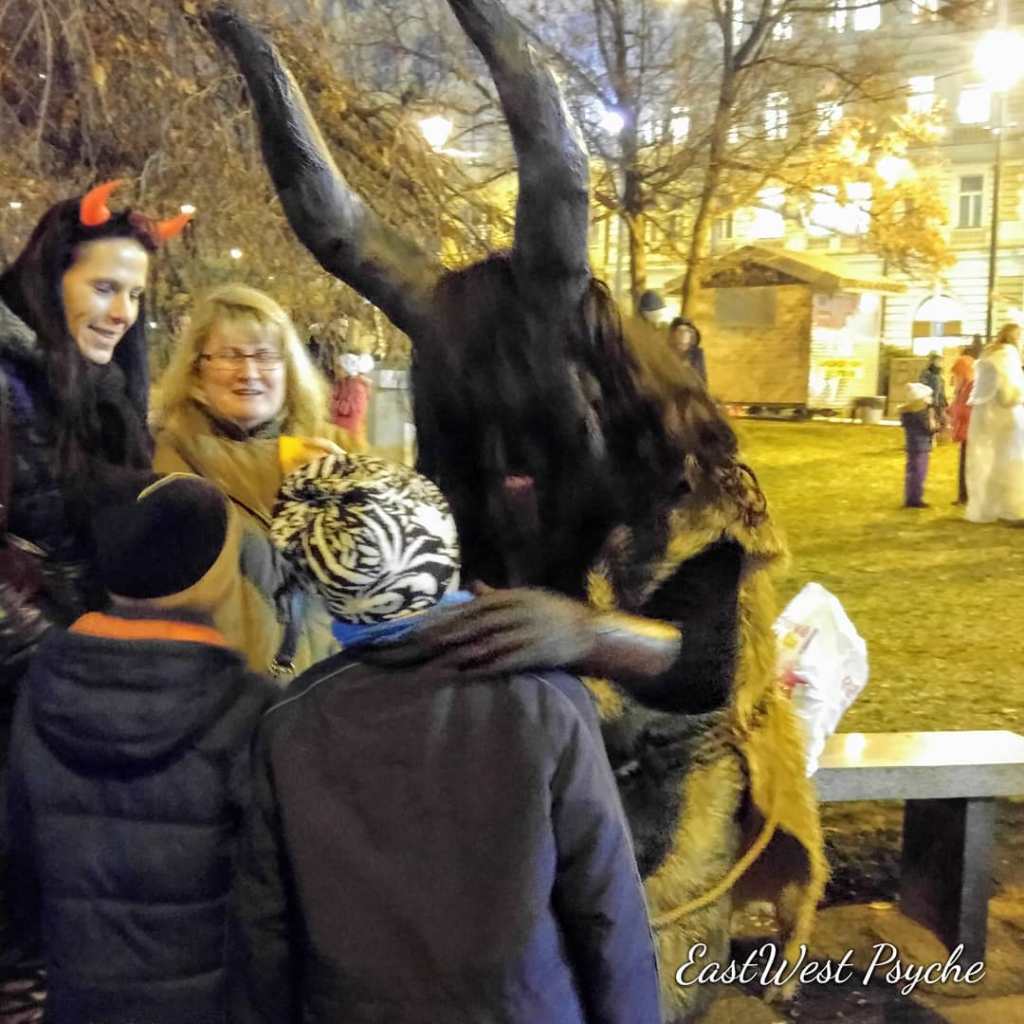
Though ‘bohemian’ in its modern, trendy self, Czechia adheres to some of its traditions still — including that of the Krampas, Christmas lore found throughout Central Europe. Nevermind a stocking filled with coal; if you’ve been a naughty child, the Krampas will come to punish you. A terrifyingly Satanical combination of goat and demon, this is straight out of the hyper-religious Middle Ages — but today all in good seasonal fun.

~EWP
Italy

68751344_470620140162189_497383407882338304_o

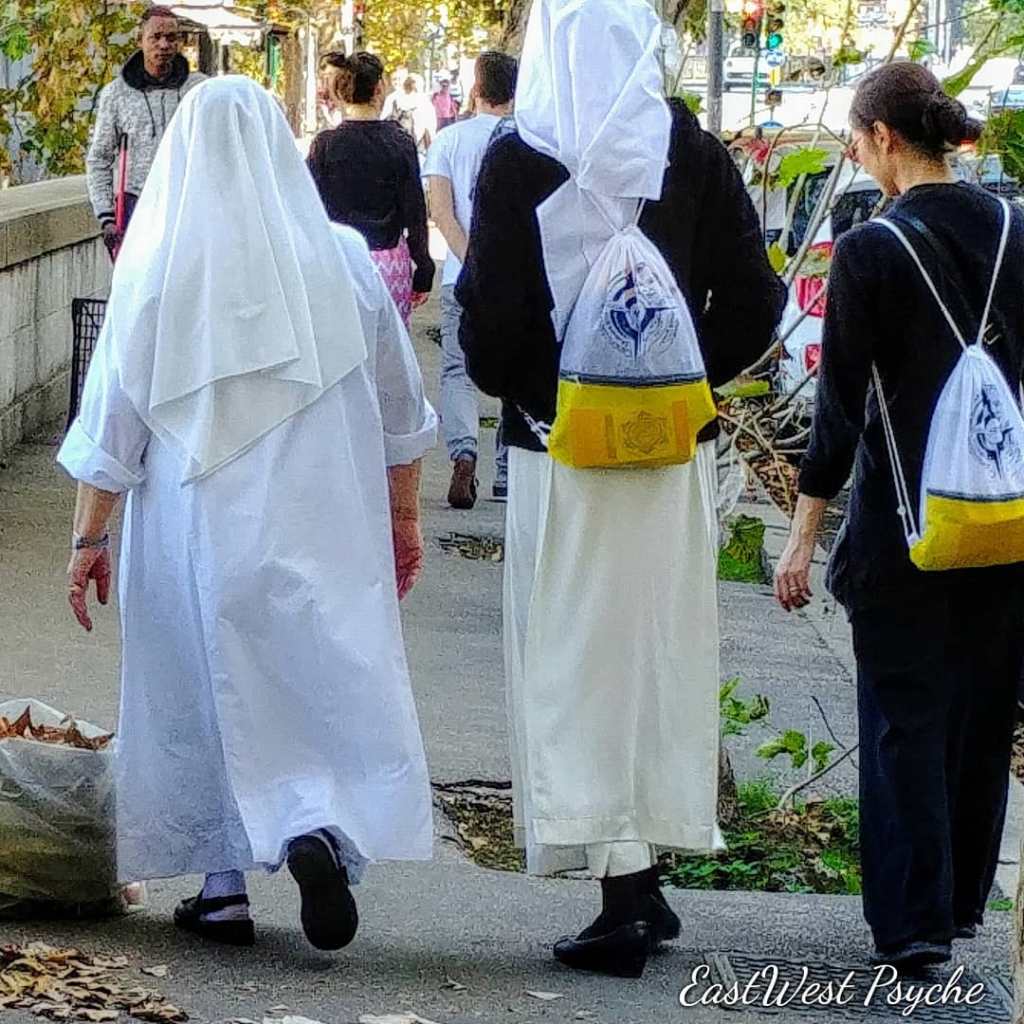
Italy has had a powerful effect on western civilisation, from the wide reach of the Roman Empire and the later empires of both Venice and Genoa, to the Renaissance and its art, music, literature, to the fashion centre that is Milan. Today it remains a country of beauty, of contrasts, and often, of surprises. In light of its fascist history in the earlier 20th century, the nation’s current far right government has given the rest of Europe a measure of concern, and careful observation.

68832646_470622406828629_3012320788163330048_o

The Vatican, of course, exists as a separate nation-state located in the centre of Rome, and the people of Italy remain predominantly religious today — but such identity is waning; only 71.4% of Italians claim to be Christian, 93% of those Roman Catholic. The remainder include Islam at 3.1% with Buddhism, Hinduism, Sikhism and Judaism collectively constituting only 1% — and the remaining 24.5 unaffiliated.

69149203_470623976828472_5185993497466896384_o

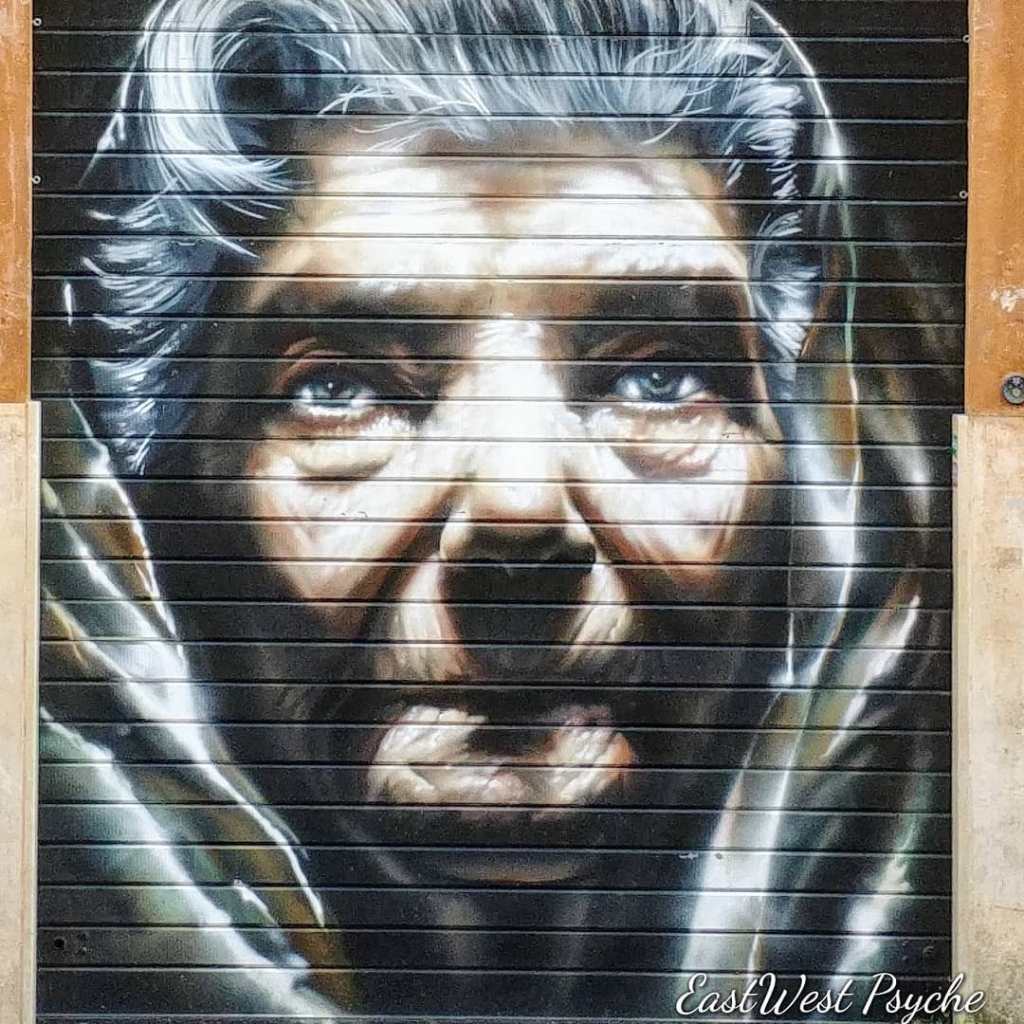
Art has long been one of the most significant features of Italian culture, widely appreciated. In addition to the numerous museums, large and small, throughout the country, street art also abounds — and who better to honor than the Italian nonna…?

69034739_470625030161700_199514102916186112_o

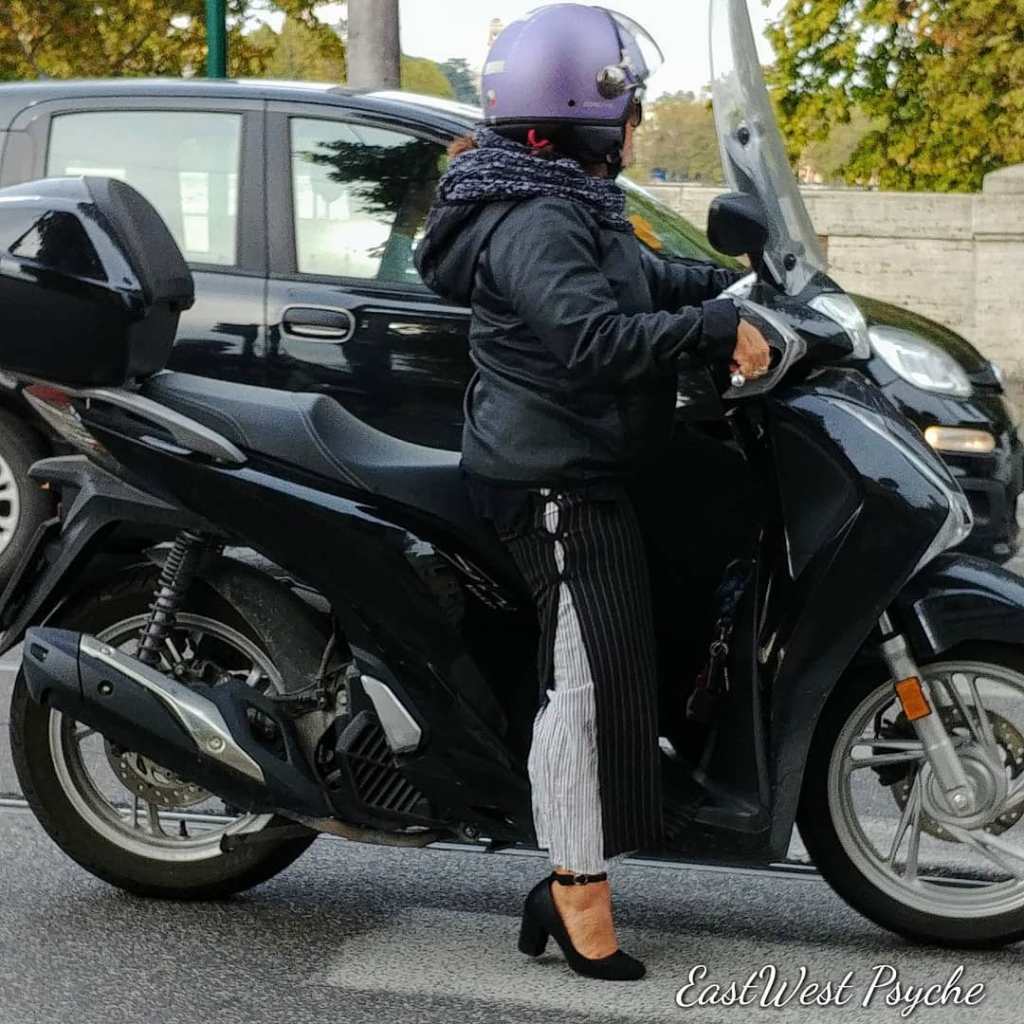
The Italian woman at any age is to be admired; typically independent, strong of character, and often whipping around town on a motorcycle…she will nonetheless retain her sense of fashion.

68273448_470627563494780_8871180509514825728_o

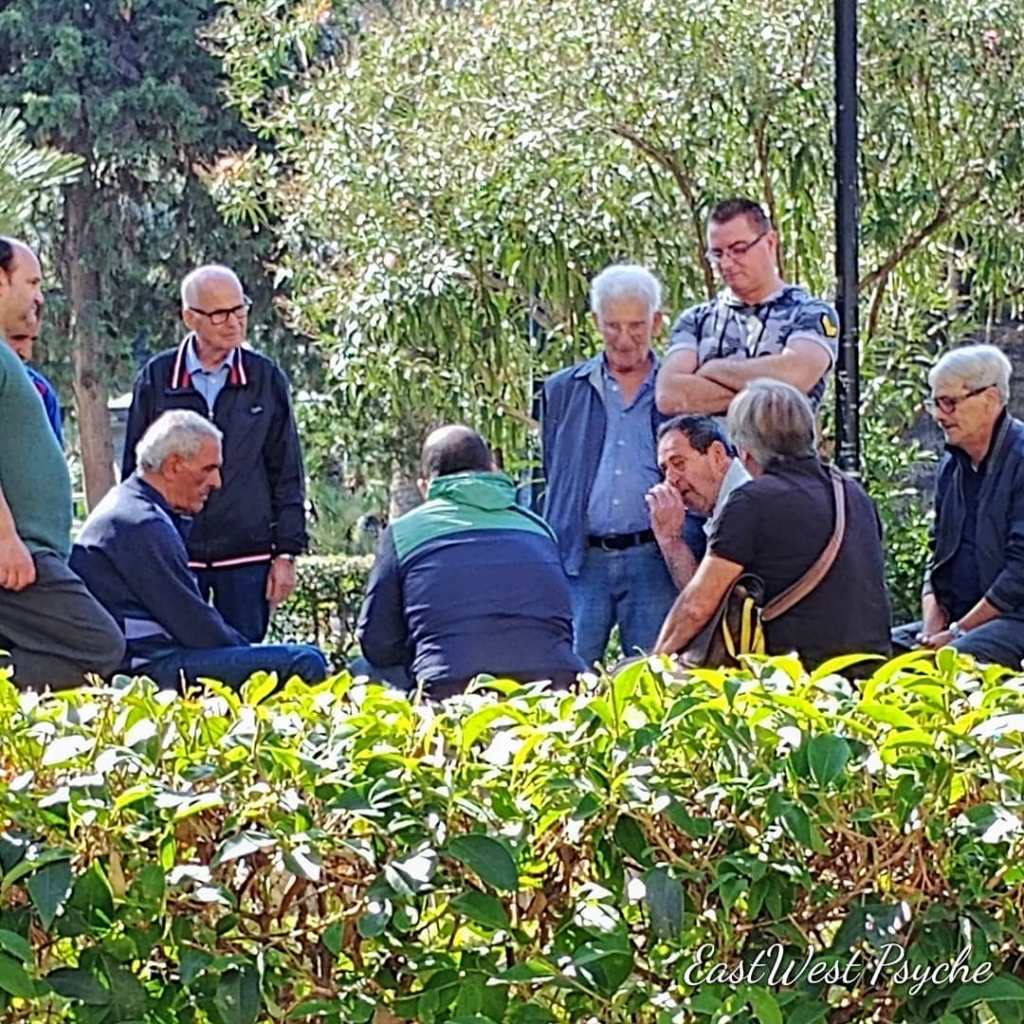
One of the more common afternoon sights throughout Italy is that of the nonni in the park — and sometimes younger men, too. Playing cards, board games, or bocce, or arguing about politics, this is male socialisation and bonding at its best — or at least its most ubiquitous.

68871177_470628833494653_6387202533403656192_o

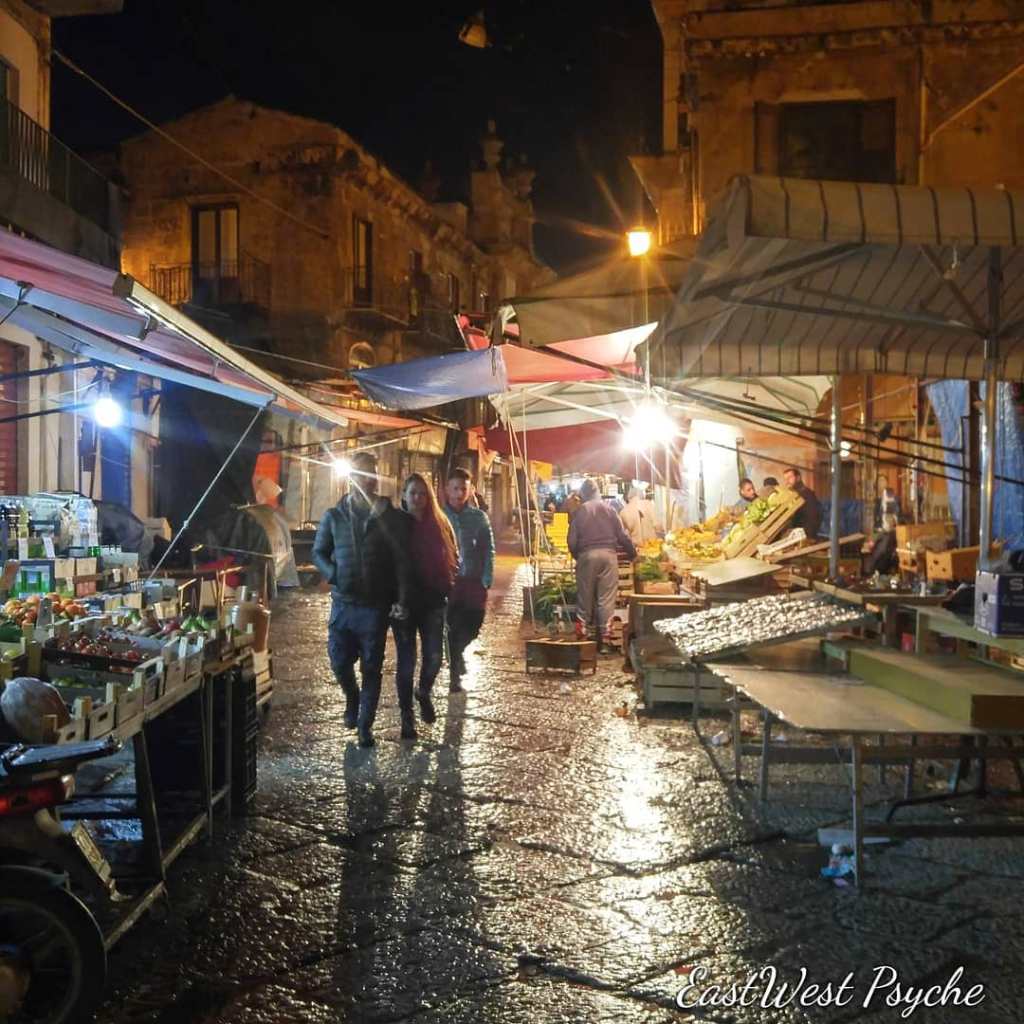
The open markets are another common and endearing sight in every corner of Italy. Early morning or late at night, fruits and vegetables or flopping fish, they serve not only a practical purpose but a public space that encourages community, and at times, tradition.

68494021_470633980160805_6812326750073126912_o

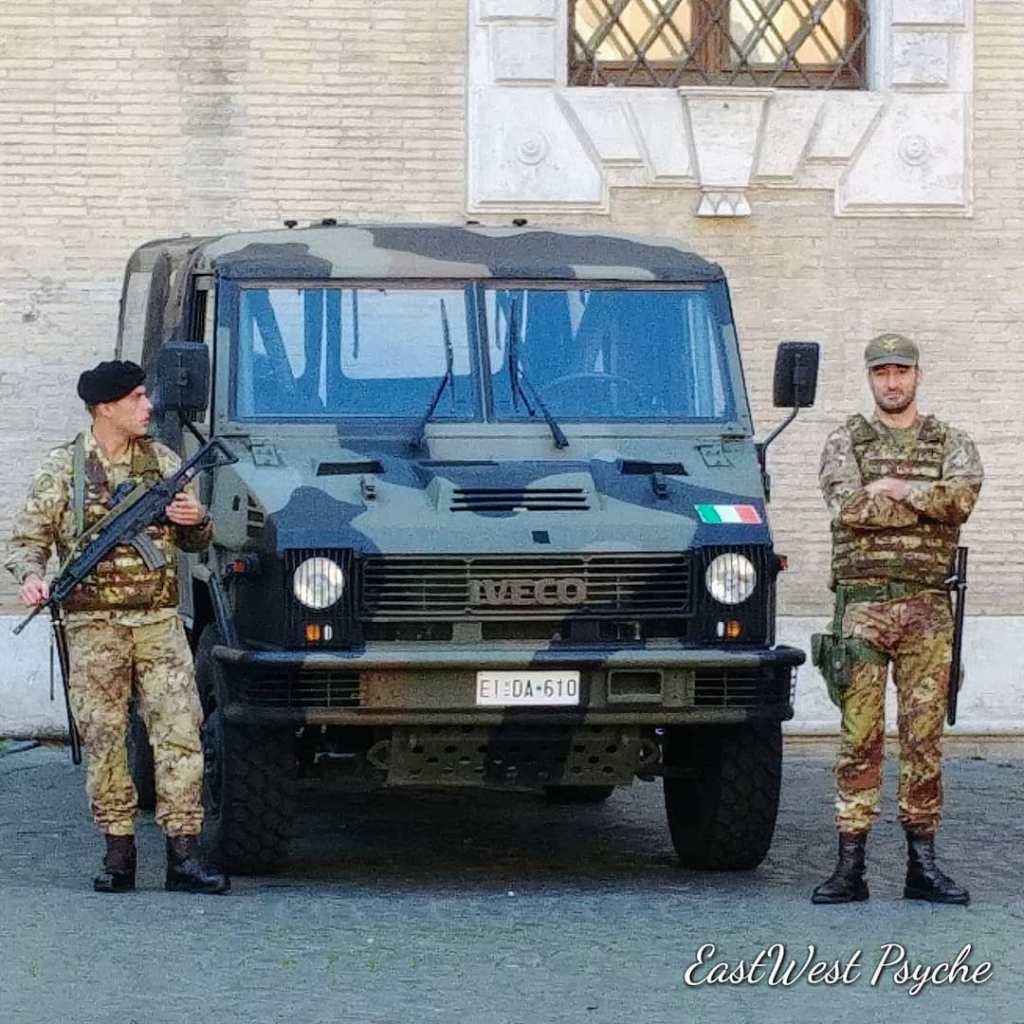
In the public spaces of Italy these days also comes the need for security. Italy has been oddly immune thus far from the terrorist attacks in other European nations, but maintains a high degree of national security even so. Hot issues that have resulted in the election of a far right government include immigration, though at 8.2% foreign population, this is not particularly high but only includes those residing legally, and what is being termed a refugee ‘crisis’, for which Italy is a primary entry point into Europe and has recently increased its refusals. The 2008 adoption of new ‘urban security rules’, identifying a host of publicly unacceptable behaviors, is viewed by some as going too far — and a reason to fight back. 

68258881_470637363493800_6816882825610919936_o

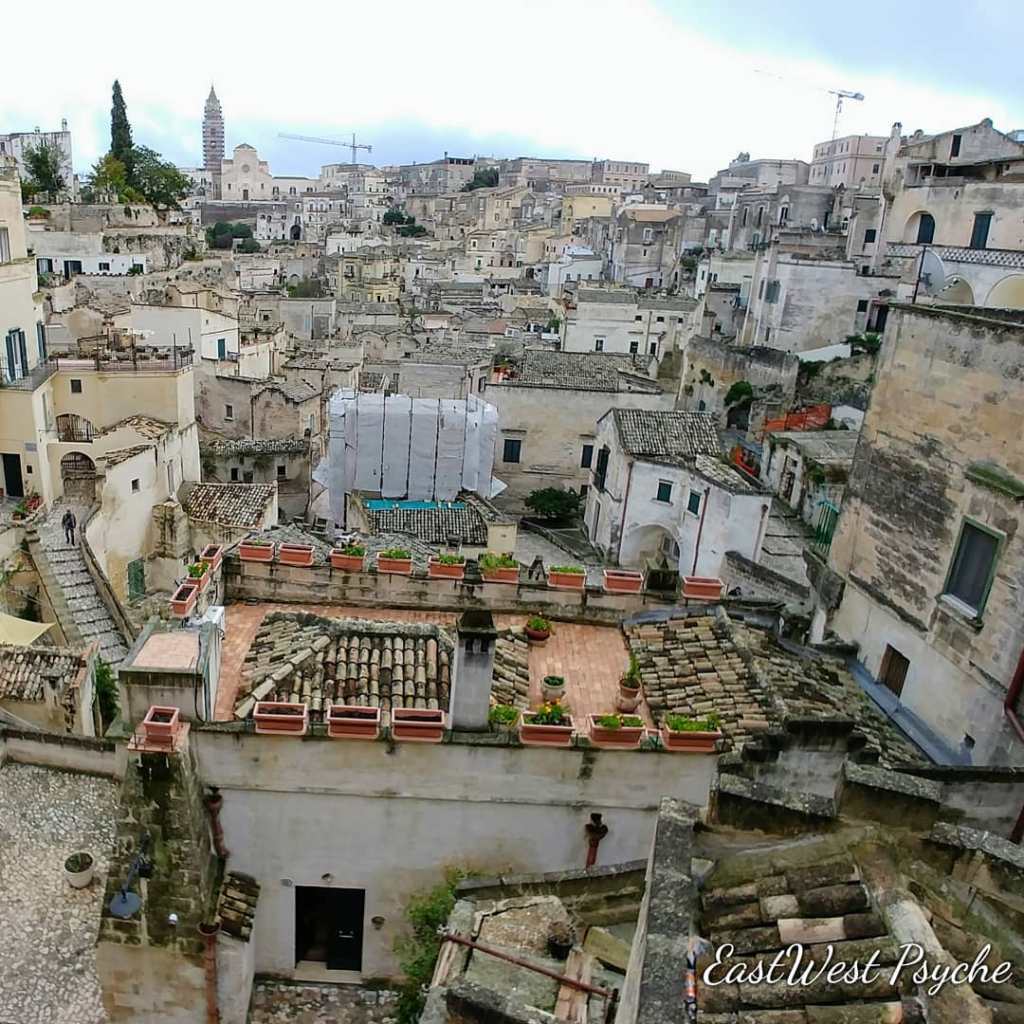
Italy’s antiquity is another defining factor both of the landscape and the culture. Living a modern life surrounded by reminders of an ancient and, as might be perceived, glorious past, can create both a deep sense of rootedness and a resistance to change — or a melancholy and sense of loss. Or perhaps today’s youth reimagine the past — as in Matera, southernmost Italy, an ancient town (10th millennium BCE) carved into rockface that was abandoned in 1952 due to poverty … today a UNESCO site, 2019 European Capital of Culture — and a location for the next Bond film.

68844716_470638443493692_3753883231536021504_o

In Italy, ancient and modern live side by side — tradition and trendy, grandmother and grandchild. Italians seem comforted by their past just as they embrace the new — and perhaps this is how it should be.

67828204_470640913493445_8619852531025051648_o

The countryside of Italy, in addition to its exceptionally long coastline, is yet another defining cultural feature. From vineyards to lemon and olive and almond groves, and so much more, Italy is an agricultural paradise — and Italians, with one of the most widely recognised cuisines in the world, don’t take this for granted. The local products are celebrated, expressed and explored in artisanal ways that adhere to the artistic as well as culinary expertise of this people, and the land is cherished still.

~EWP

Iceland (II)

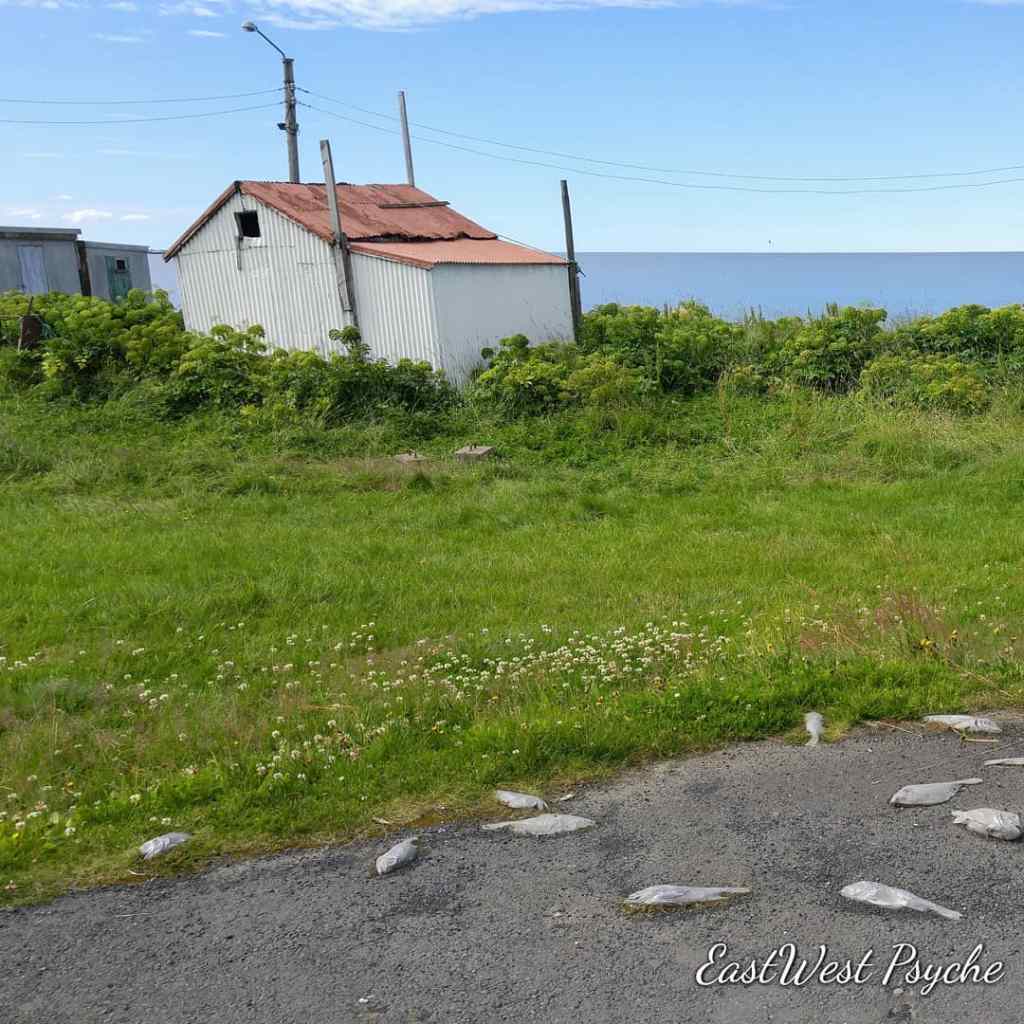
While a majority of Iceland’s population lives in the capital city of Reykjavik today, most lived in coastal villages until the mid-20th century; the island’s economy has always been tied primarily to farming but secondarily to the sea — notably, in the export of cod and, controversially, whale. This meant a challenging existence for most, and in 1870-1914, 20-25% of the island’s total population emigrated, most to North America.

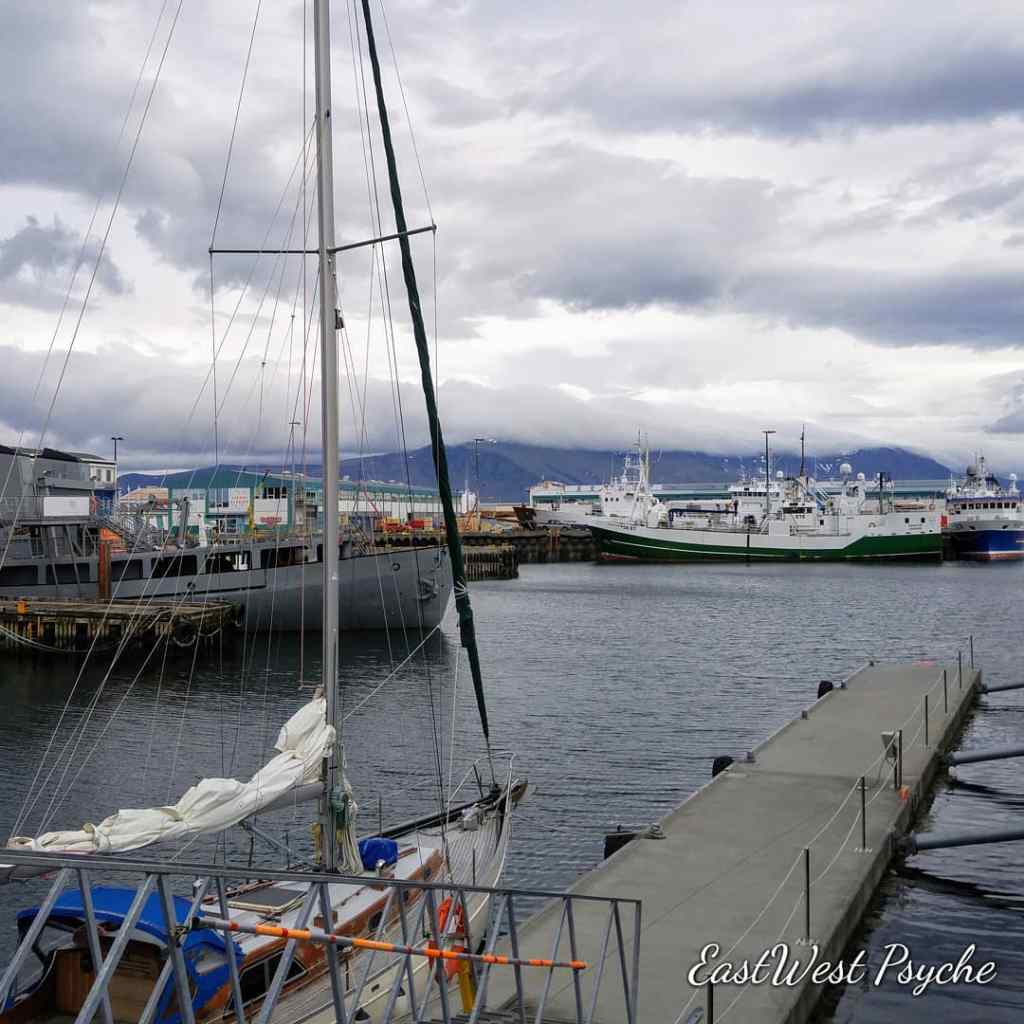
As with all islands, the culture of Iceland is oriented to the sea, even as ir was farming that traditionally formed the backbone of the economy. Women have always joined the men at sea; Þuríður Einarsdóttir (1777-1868), well known to Icelanders, was considered one of the greatest fishing boat captains of her time, while Halldóra Ólafsdóttir (mid-1700s) headed all-women crews. Though traditional gender roles might have applied in the home, images of strong women taking on many of the same roles as men are woven into the fabric of Iceland’s history and culture.

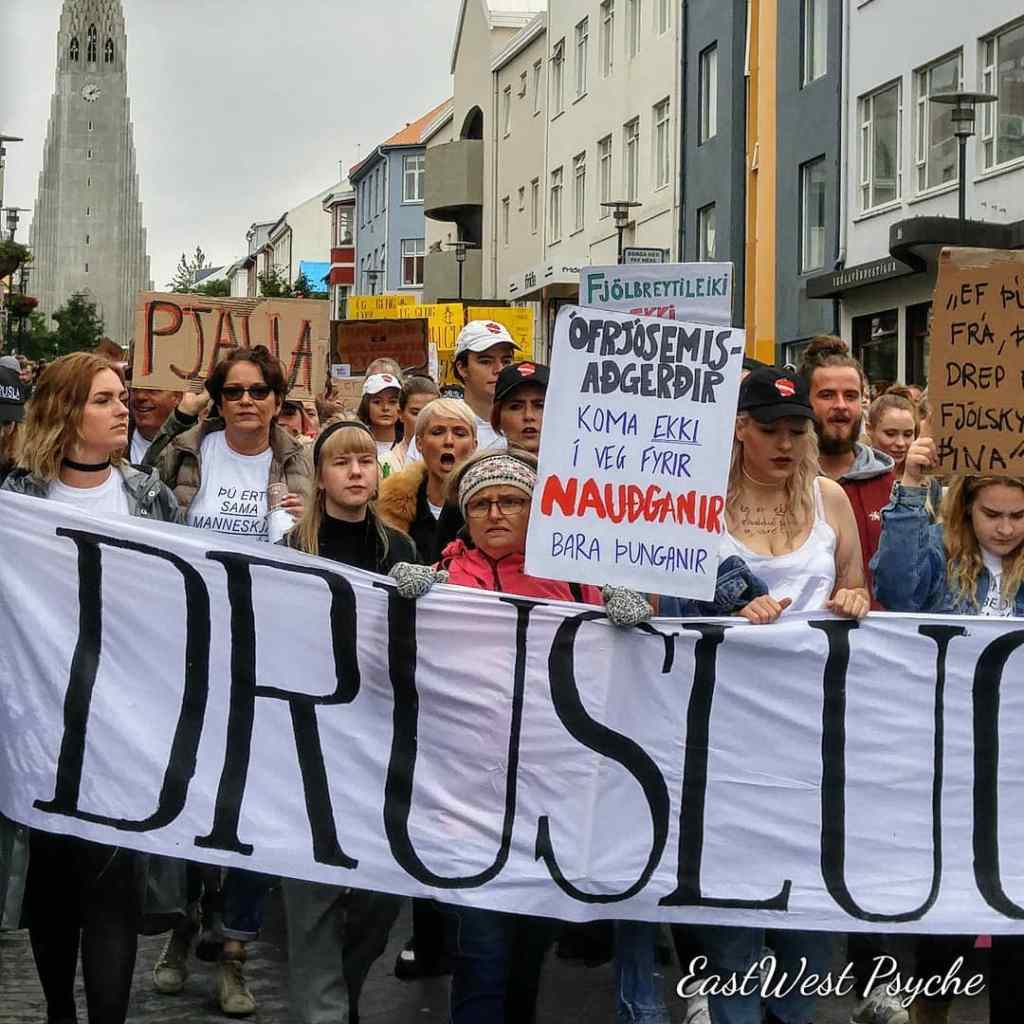
From fishers and farmers to bankers and prime ministers, Iceland leads the world in gender equality. Many women also opt for single motherhood — with a partner but don’t want marriage, or not partnered but want a child — without social stigma. World Economic Forum’s annual Global Gender Gap Index has found Iceland #1 for overall equality between women and men every year since 1999. Seen here: the annual Drusluganga, “Slutwalk,” a demonstration against gender-based violence begun in Singapore and now global.

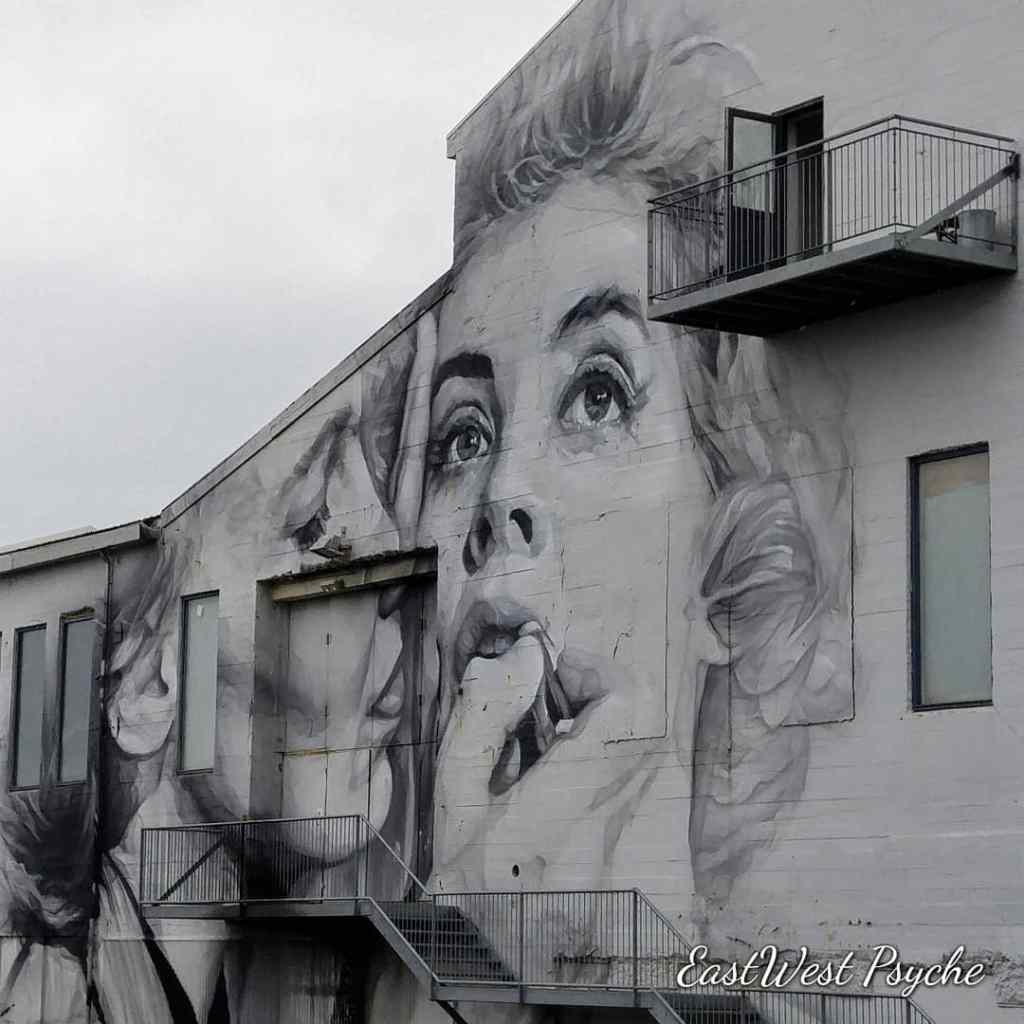
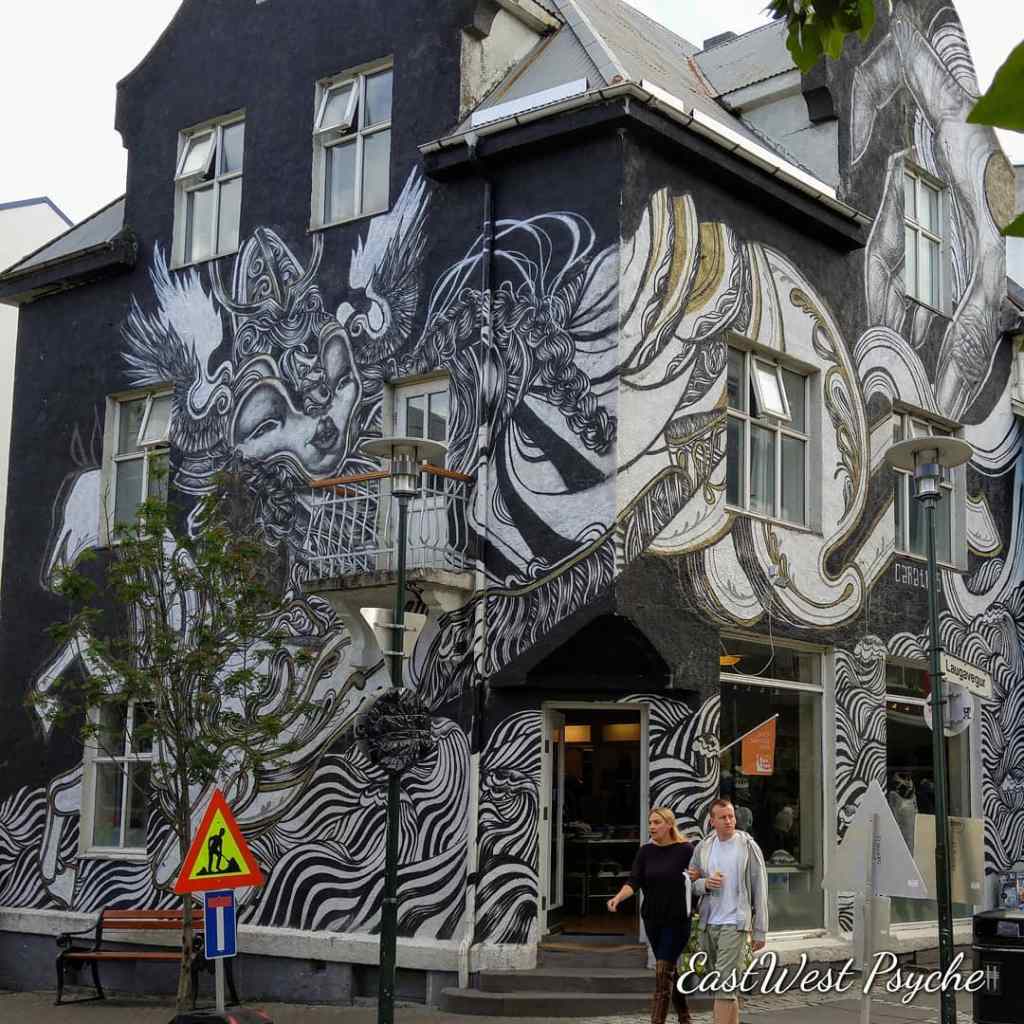
Iceland is also very progressive when it comes to LGBTQIA rights. The country was among the first to grant civil union and now marriage rights, ability to adopt, gender identity change on government ID, and much more. In 2009, Iceland elected Jóhanna Sigurðardóttir, an openly gay woman, as prime minister — the world’s first; the following year, while in office, she married her partner. [Street art in Reykjavik]

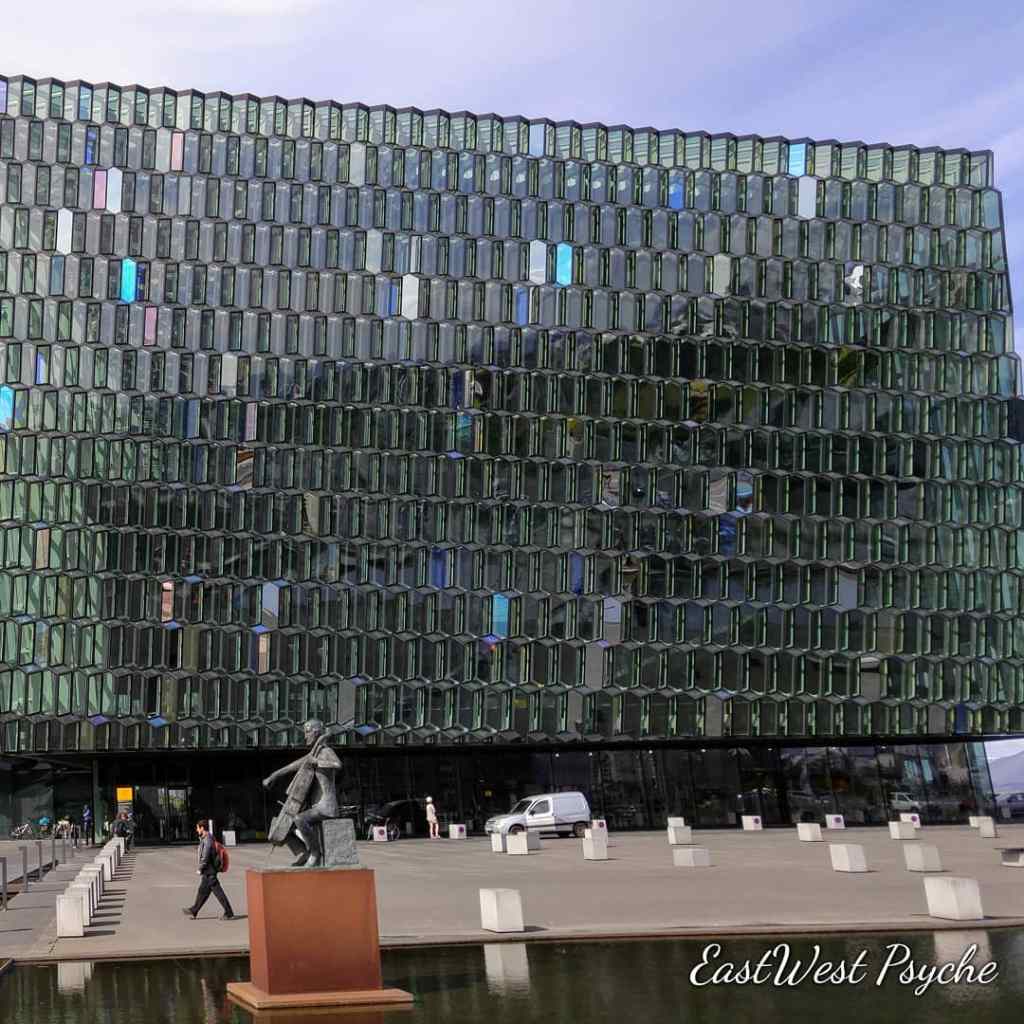
The Harpa Concert Hall, opened in 2011, embodies Iceland’s sophisticated passion for the arts. The nation supports the arts in all forms, including government grants to artists. The capital city of Reykjavik holds many galleries, small theatres, and other spaces for exhibition and performance. Literature is perhaps the nation’s greatest art form throughout its history; famous for its eddas and sagas, and its Christmas tradition of book-giving, the nation has more published authors per capita than any other.

In addition to classical forms or art and culture, Iceland is well known for its edgy, experimental, indie art — whether visual, performance, music, or literature. Considering the overall progressive worldview of this small island nation, and its adventurous Viking foundations, it’s no surprise that artists would be encouraged to push boundaries. And taking into account their general belief in Huldufolk — naturally, there’s a strong element of fantasy.

[Be sure also to see, Iceland (I).]

~EWP

Iceland (I)

Iceland, the small island with a big story: starting with Alþing, the world’s first parliament — begun in 930 CE, meeting until 1798 at Þingvellir, today a national park. Perhaps as a direct result, Iceland is one of the world’s most progressive societies today, with an extremely high political participation rate. Settled by Vikings and later by Irish monks, the island is Europe’s most northern country at the arctic circle, and this isolation is a factor of its culture. With a hardscrabble existence for much of its history and periods of mass emigration, Iceland has fostered a Nordic-influenced but entirely unique culture of independence and self-sufficiency.

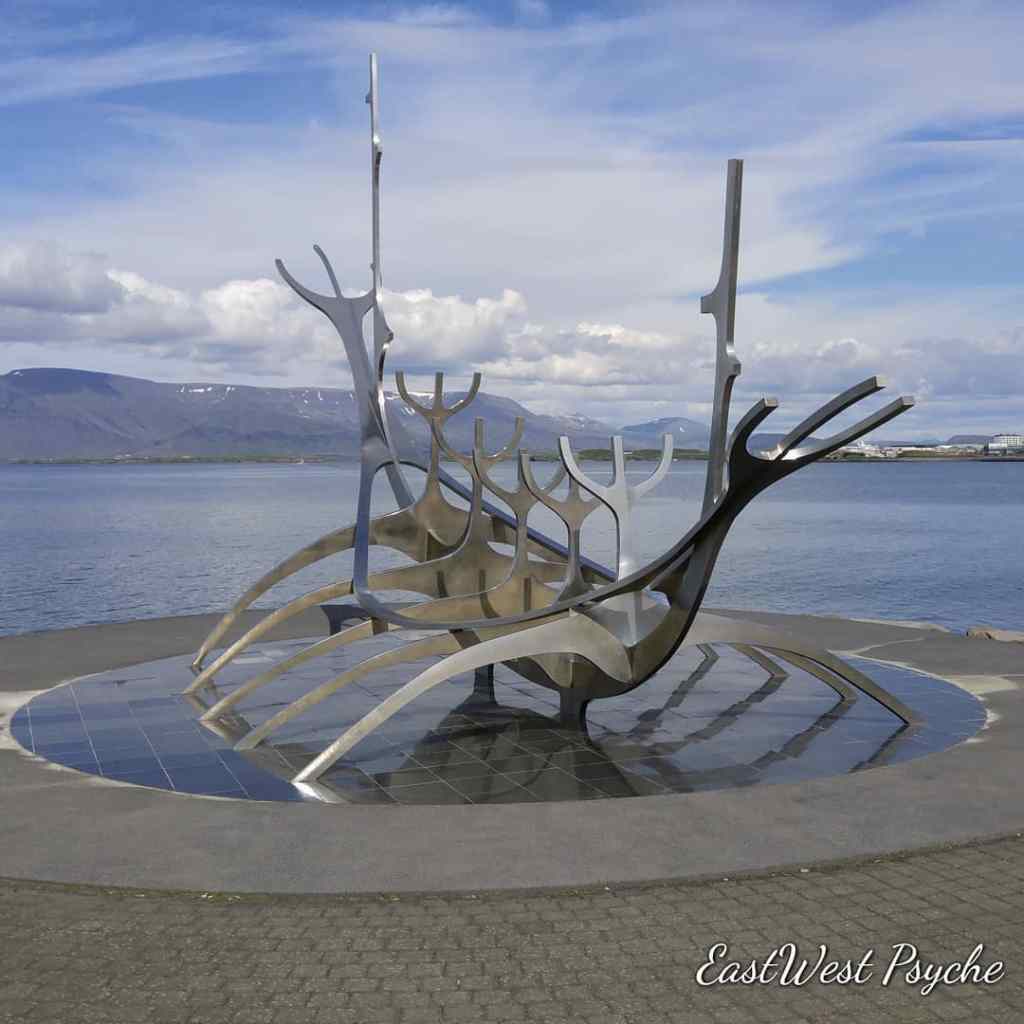
Long after the Nordic region of Europe was settled, Vikings finally reached Iceland. This remains a strong element of the Icelandic culture today: bold, courageous, at times fierce, hardy, self-motivated, and adventurous, which no doubt is reflected in their progressive ideals. Icelanders also maintain a strong awareness of the greater world and their place in it, as an explorer might; this is at odds with the insular nature typically associated with islands, especially one so isolated. Seen here, in Reykjavik: Sólfarið, The Sun Voyager, by artist Jón Gunnar Árnason (1931–1989).

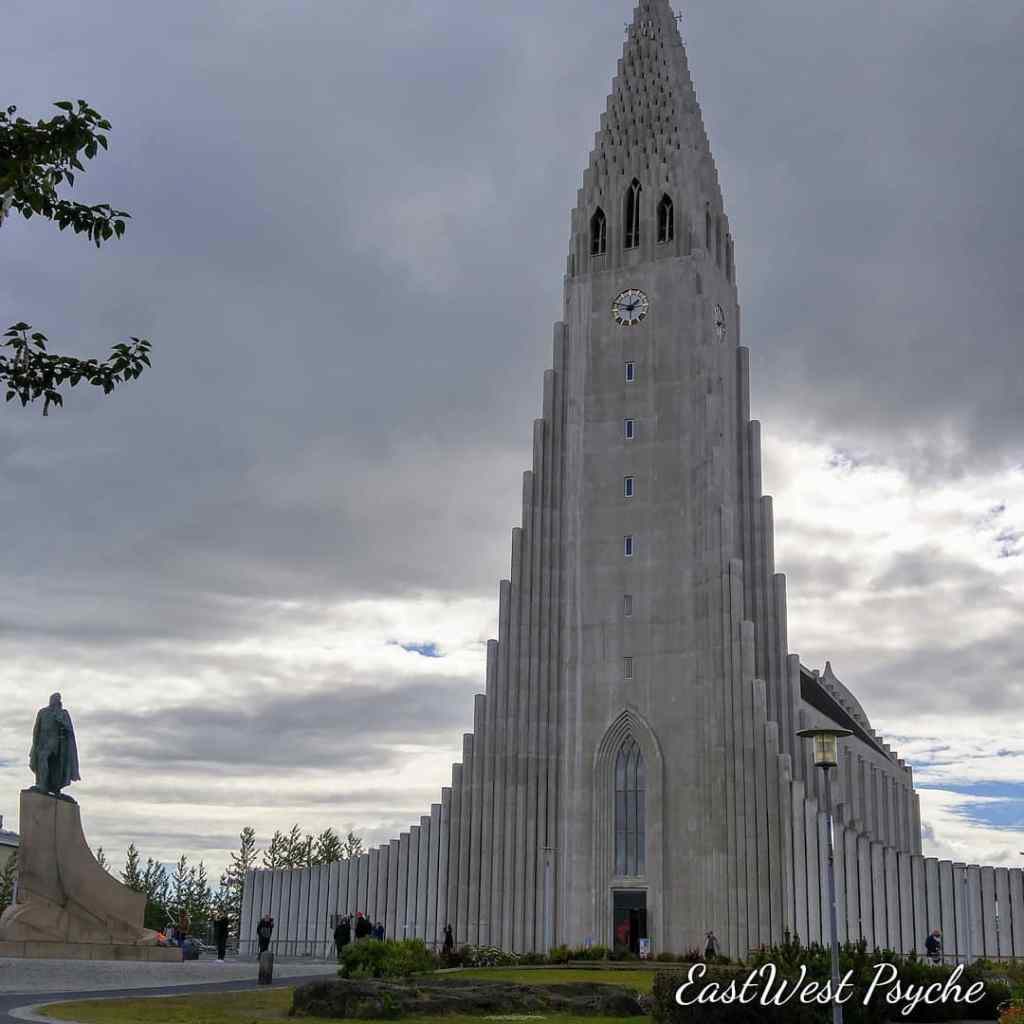
Iceland’s national cathedral, Hallgrímskirkja, elevated above Reykjavik in its modern design akin to a rocket — statie of Leif Eriksson adjacent. Though Iceland is a secular nation by constitution, 80% identify as Lutheran — and nearly 5% align with Asatru, based on the ancient Norse mythology. The government recognises the high priest of Asatru as being of equal status with leaders of other religions — including the Lutheran Bishop of Iceland.

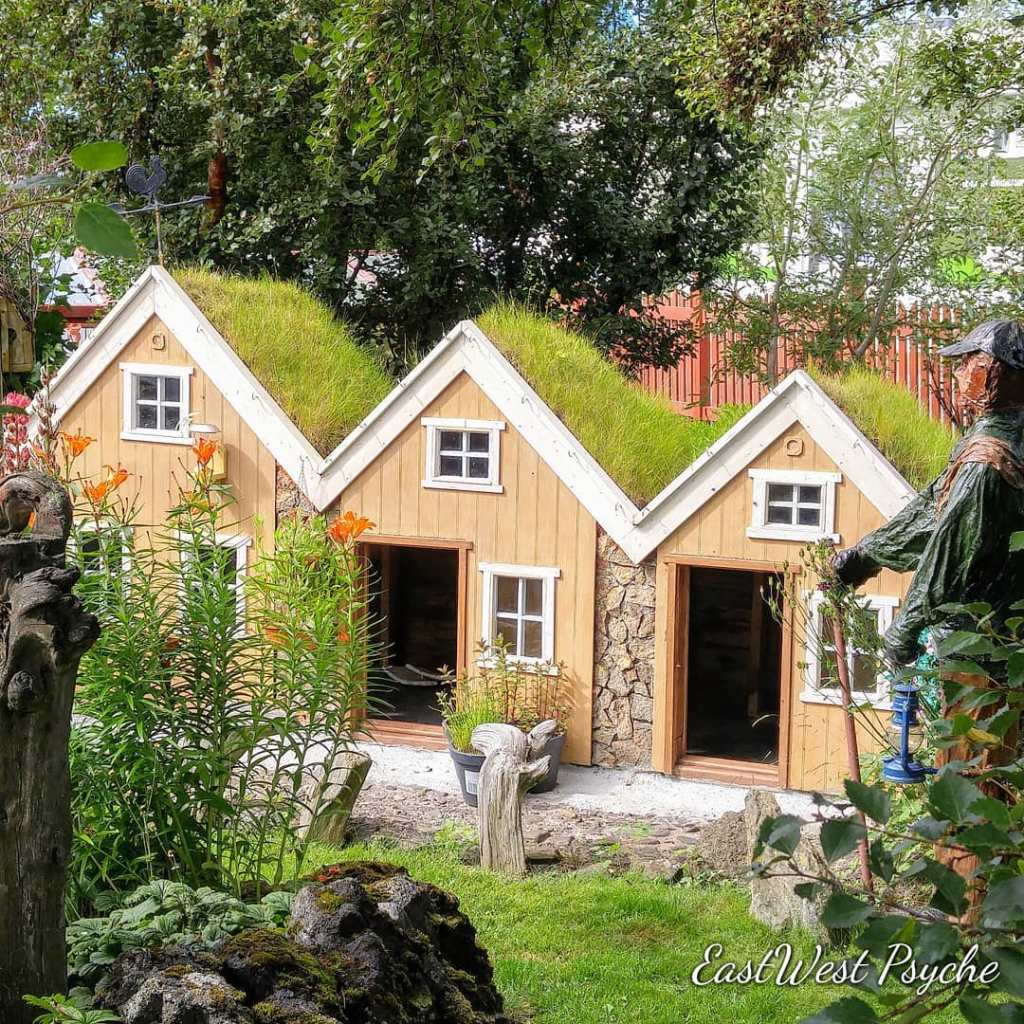
Beneath their professed religious ideologies, a majority of Icelanders also claim a belief in the huldufolk — the hidden ones, mystical beings often equated with elves, who live in nature — or in a world parallel to our own. When pressed, most people of Iceland say they’re not sure whether they believe — but better to be safe. The government’s highway department has been known to alter road plans when citizens protest on the basis of huldufolk dwelling sites. These turf houses are a garden feature in Reykjavik — and a reminder of the ‘small folk’ living among the humans.

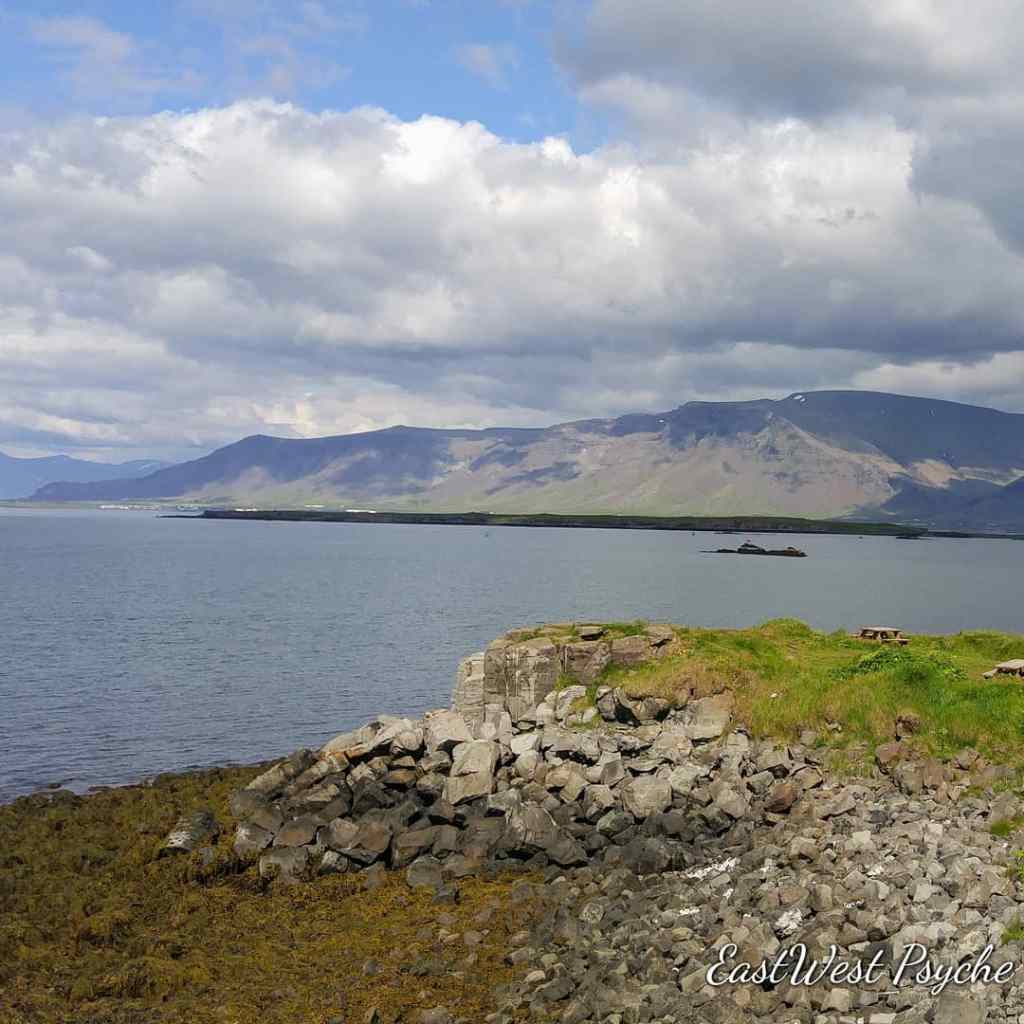
Nature plays a major role in the culture of Iceland. Formed by volcano, with dramatic landscape, geothermal energy sources, and active eruptions — as well as numerous glaciers, Iceland is a land of fire and ice; nature is impossible to ignore. The Huldufolk, mystical ‘hidden ones’, are strongly associated with the landscape. Icelanders’ livelihoods have always been tied to the land and sea. As a result, Icelanders are also extremely environmentally conscious, and lead the wirld2in eco-friendly policies and practices.

[Be sure to see also, Iceland (II).]

~EWP