Category: Uncategorized

Latvia

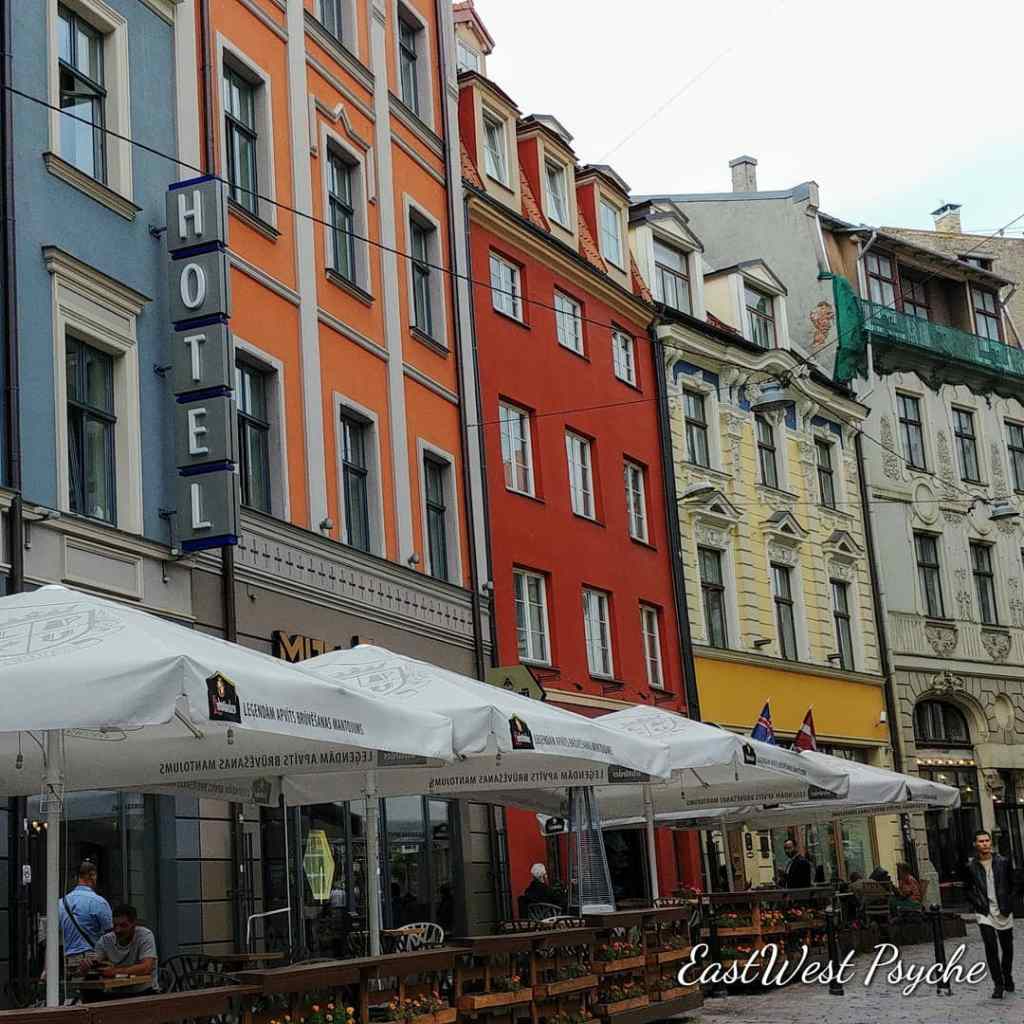
Latvia, an important trading point historically, has had a series of outside rulers over centuries, akin to its Baltic cousins of Estonia and Lithuania. Like the other two, in 1918 Latvia declared its independence from Germany — only to lose it again to USSR in 1940 and to Nazi invasion 1941-44, when recaptured by the Soviets. Latvia has been independent once more since 1991. Having avoidied major destruction during WWII, the “old town” area of Its capital city, Riga, is now a UNESCO World Heritage site.
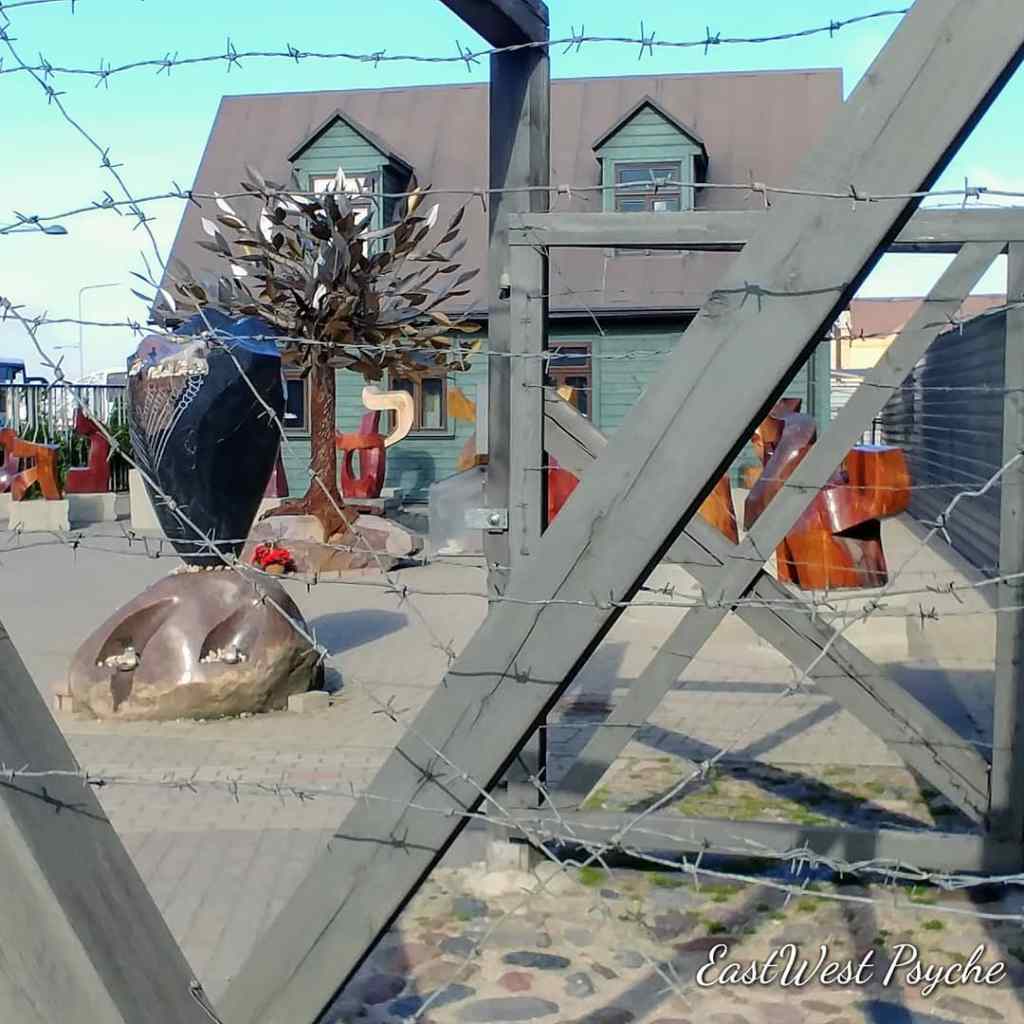
Latvia suffered enormous loss in WWII at the hands of the Nazi occupiers and their Latvian collaborators; already a small population with less than 2 million, 90,000 citizens were murdered — 75,000 of them Jewish. Another 20,000 Jews deported from nearby countries to Latvia were also killed there. Seen here: Riga Ghetto and Holocaust Museum.
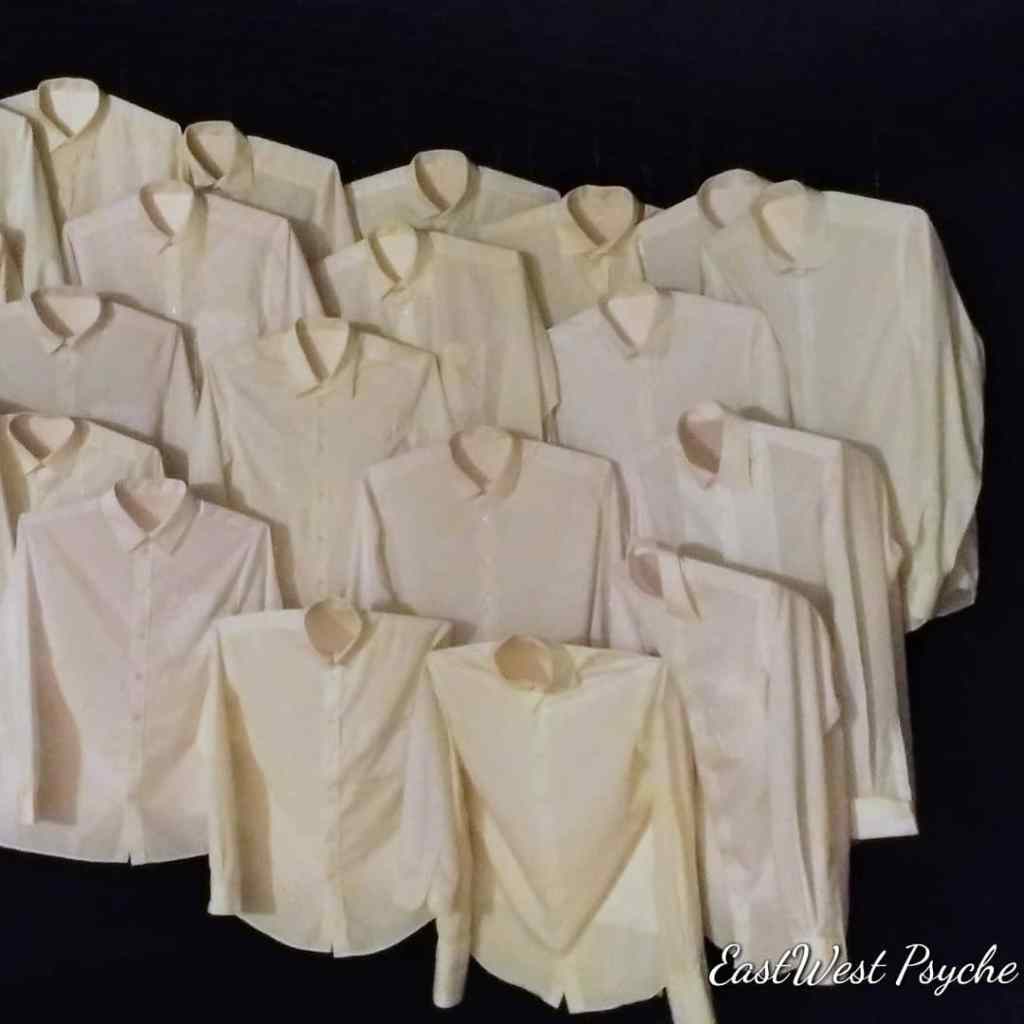
Reeling from the trauma of WWII with high loss of life, Latvia was subsequently treated severely by Stalin’s Soviet Union, with local collaborators. Nearly 100,000 ‘dissidents’were sent to gulags in Eastern Siberia, most never to return; many more were killed or tortured. Residents today tell of losing grandparents and others — and of their ongoing distrust of the large Russian minority living in Latvia today. Seen here is an exhibition in memory of those exiled or killed outright, in the Museum of the Occupation of Latvia.
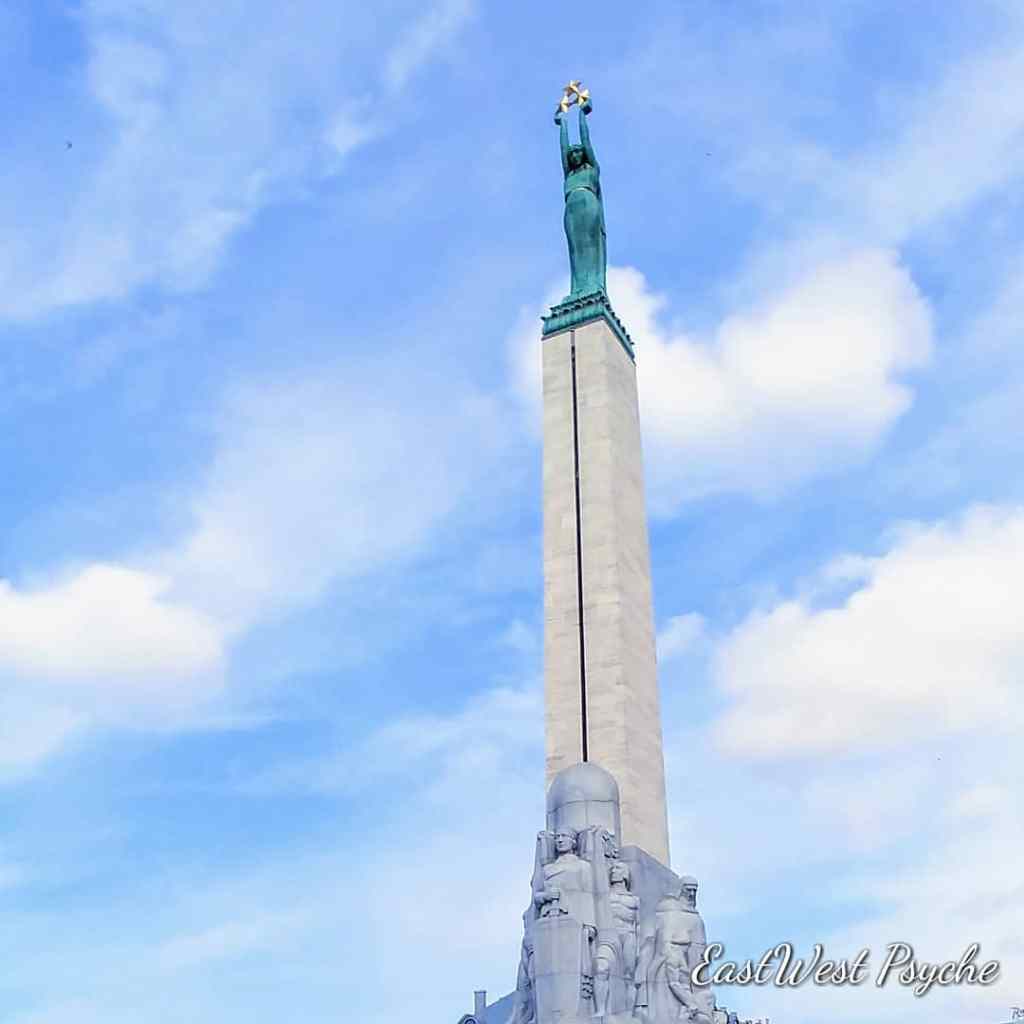
Today Latvia is thriving in its independence, with a booming economy from 1991 until the 2008 global economic crisis from which the country is still recovering. Its people revel in their freedoms and as such have become one of Europe’s more progressive nations; unlike the Eastern European nations formerly of the Soviet bloc that maintain a formal relationship with Russia as part of the Commonwealth of Independent States (CIS), Latvia along with its Baltic cousins has aligned firmly with Europe. This is not without its complexities; seen here in Riga is not an independence monument but the Victory Memorial to the Soviet Army — in honor of the Soviet recapture of Latvia from Nazi Germany.
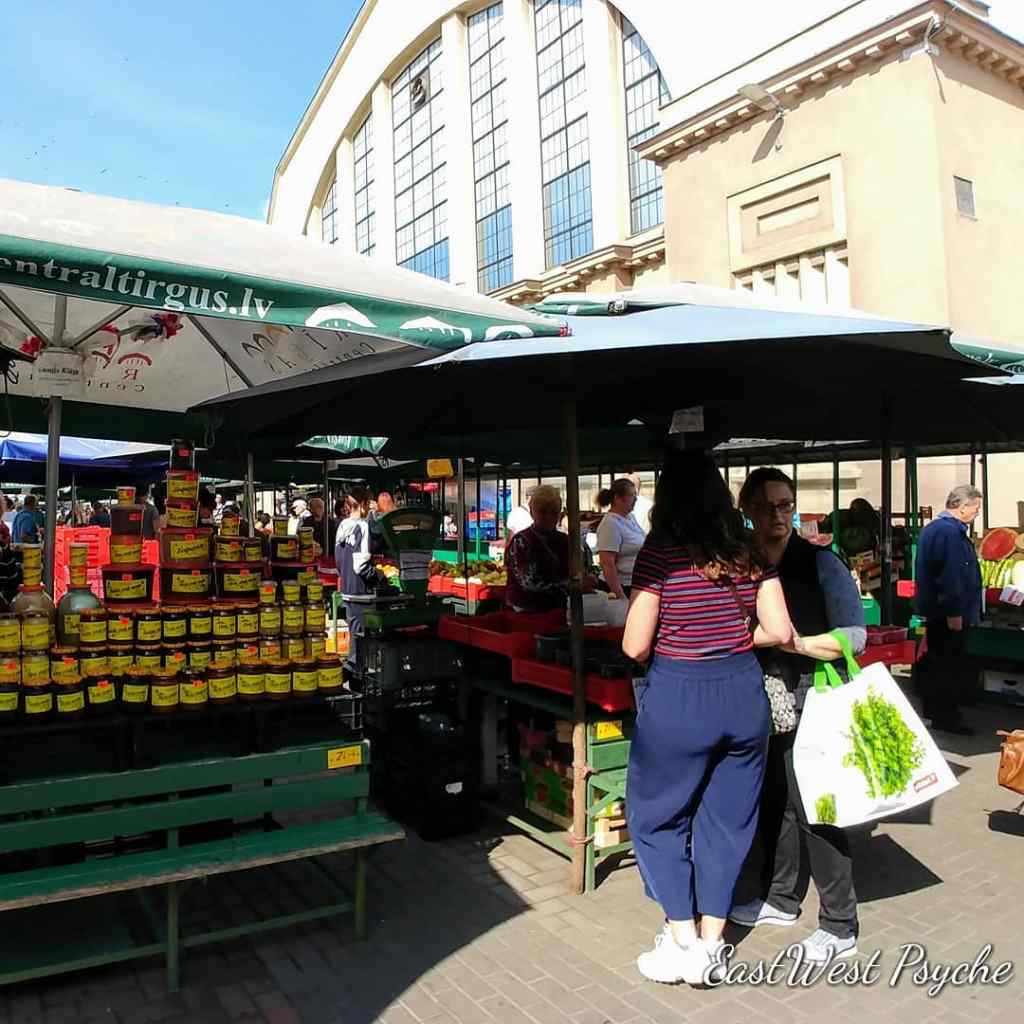
The daily life and customs of Latvia can be seen in the life of its markets. Despite its struggles following the 2008 global economic crisis, life continues at a high quality and Latvian community continues to build from strength to strength. The country shares a good partnership with its Baltic cousins, Estonia and Lithuania, and with the EU as well as the international community. Seen here: Riga Central Market, one of the largest in Europe.
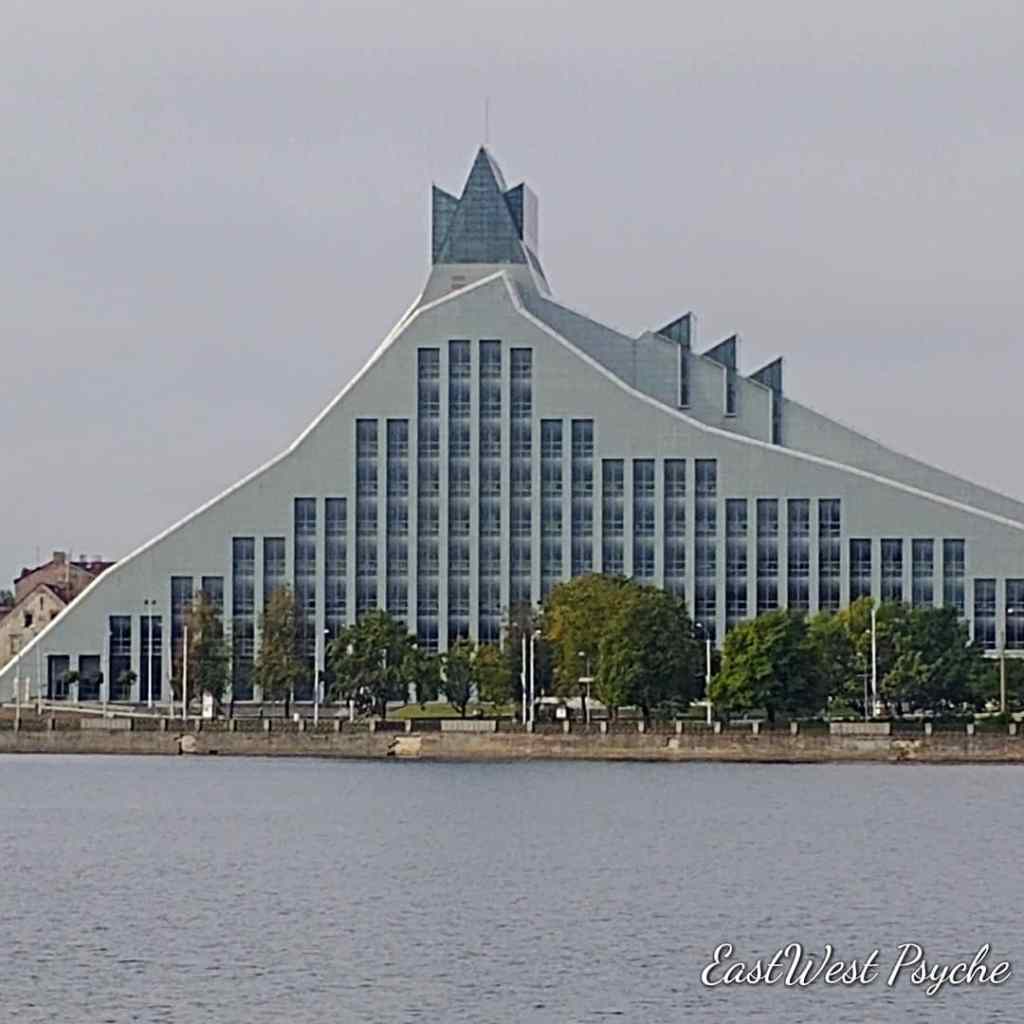
In keeping with its strong quality of life index, Latvia places high value on intellectual as well as artistic pursuit. Investment in future generations, as a primary feature of the country’s sustainability, is well exhibited. Seen here: the gloriously ultra-modern National Library of Latvia in Riga.

~EWP
Turkey (II)

67404376_460296801194523_2089625598094737408_o

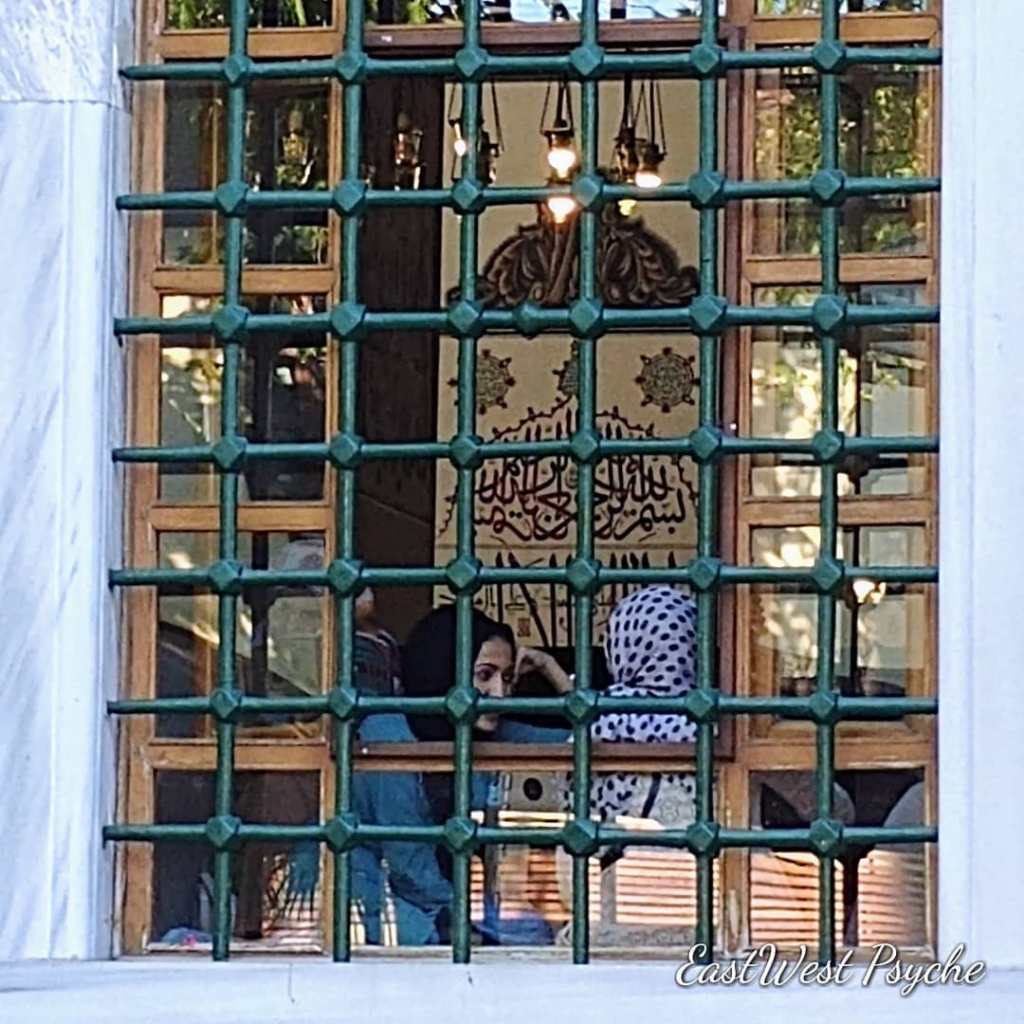
A Muslim-majority nation, Turkey is nevertheless a nation of contrasts in this, too. Secular by constitution since the time of Ataturk, there is a wide spectrum when it comes to religious devotion; even as numerous new mosques are being built, primarily by the current government in its conservative and religious ideology, many citizens identify with but don’t practice their faith; others are not of Muslim faith at all. These contrasts can easily be seen in the broad custom of drinking alcohol, in the many women who don’t wear headscarves, in the more liberal clothing overall (and piercings and tattoos), and in the women who demand their place in the workforce – and in the government. These young women chatting in the mosque are in ‘deeply conservative’ Bursa, birthplace of Ottoman ideals.

67457741_460297071194496_8290987078443859968_o

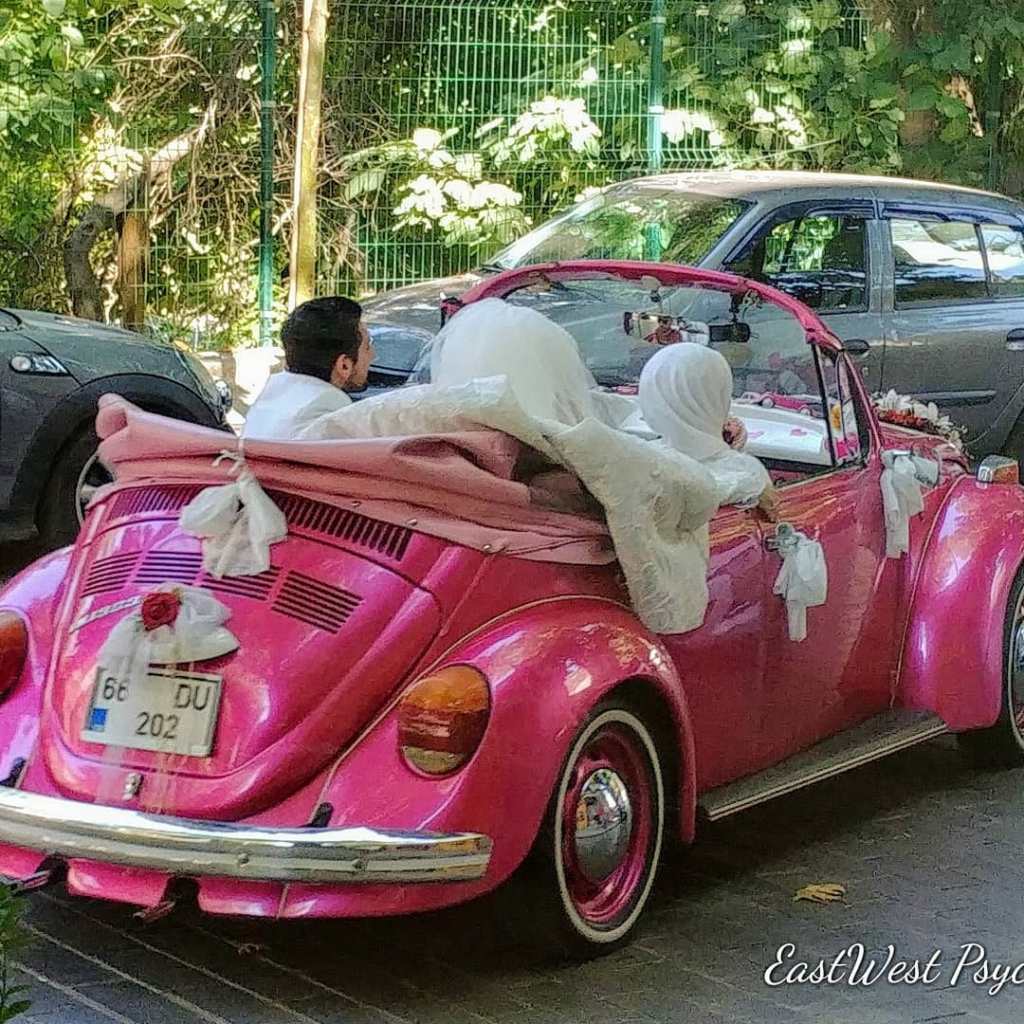
Modern-day Muslims in Turkey break with all manner of convention. Here, in the charming village of Kuzguncuk, Anatolian side of Istanbul, a wedding party travels in very western – and unconventional – style.

67313730_460297384527798_8302944967475593216_o

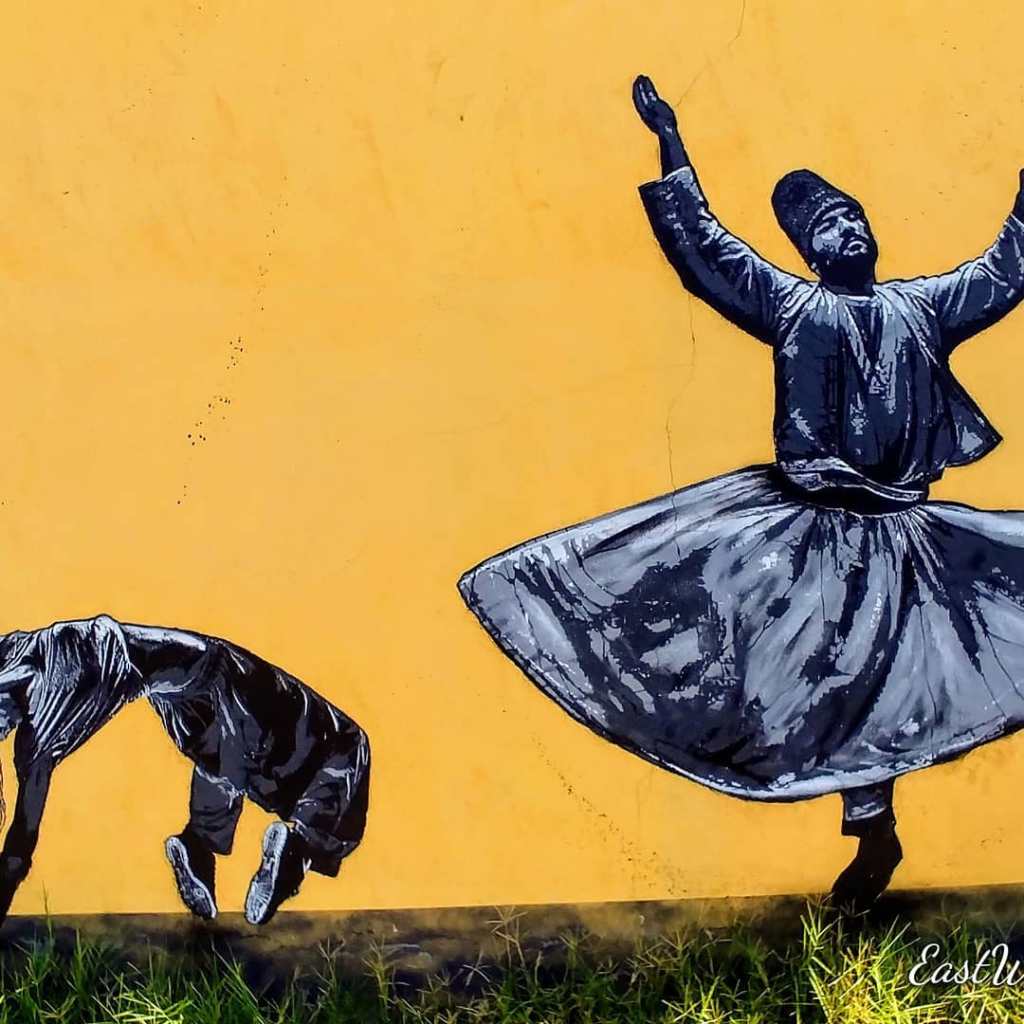
One of Turkey’s deepest religious traditions is Sufism, a mystical and meditative form of Islam. Ataturk’s reforms in 1925, toward a modern Turkey, saw the disbanding of the Sufi sect, though the practice merely went underground. Today it is seeing a revival of interest with millions of followers worldwide – and persecution, often severe, by the ultra-conservative sects. There is argument regarding where it originated; Turkey claims Rumi, known as Mevlana, as their own, though his birthplace is disputed; Konya, one of the most conservative cities in the nation, has an especially strong connection to Sufism. This street art, part of a larger work, is in fact found in Izmir.

67205101_460297651194438_7597250405877153792_o

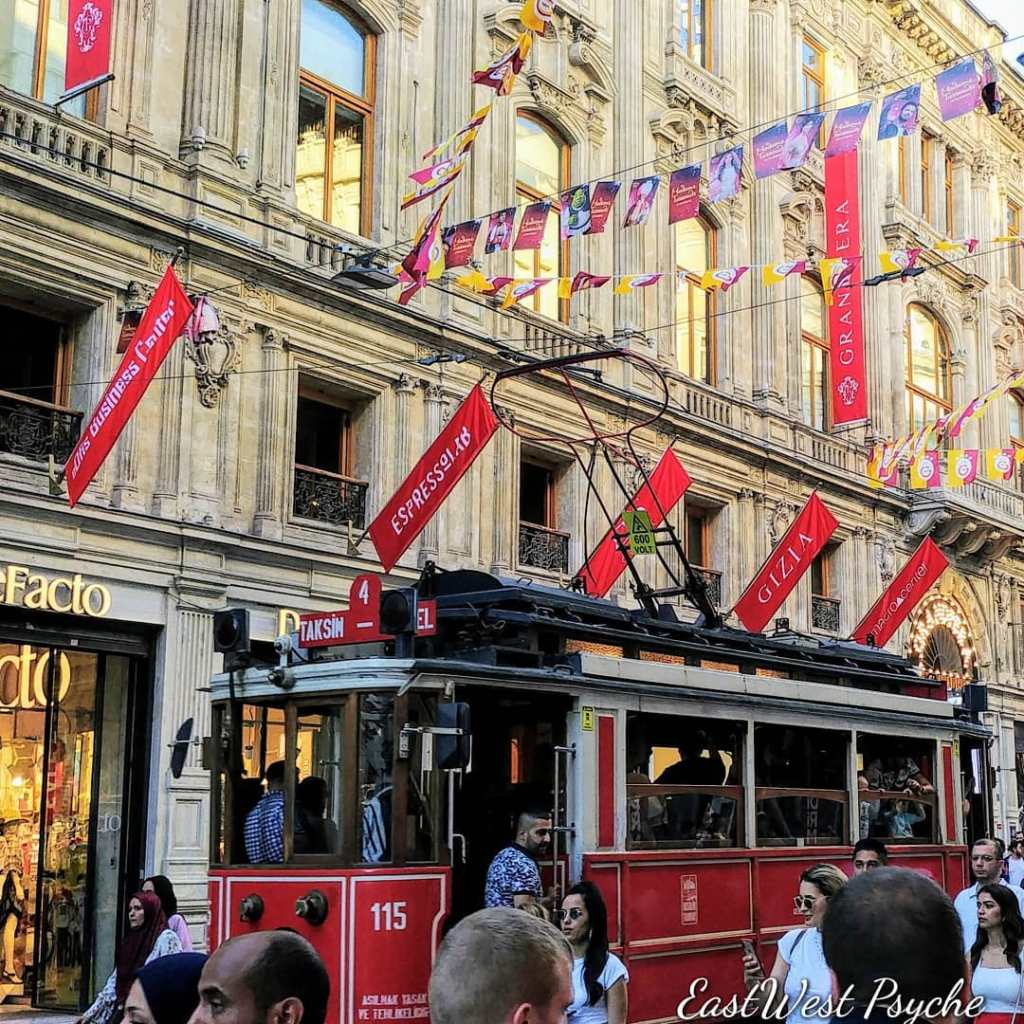
If streets could talk…. Istiklal Street in Beyoğlu is one of the iconic areas of Istanbul – like a boardwalk, it’s a place to see and be seen. At the north end is Taksim Square, site of many demonstrations and the attempted military coup of 2016, while to the south, the street ends just before Galata Tower. Filled with neo-classical and art nouveau buildings, the street is a macrocosm of the city; in addition to shops and eateries, there are a number of historic landmarks.

67336320_460297941194409_5979010267520958464_o

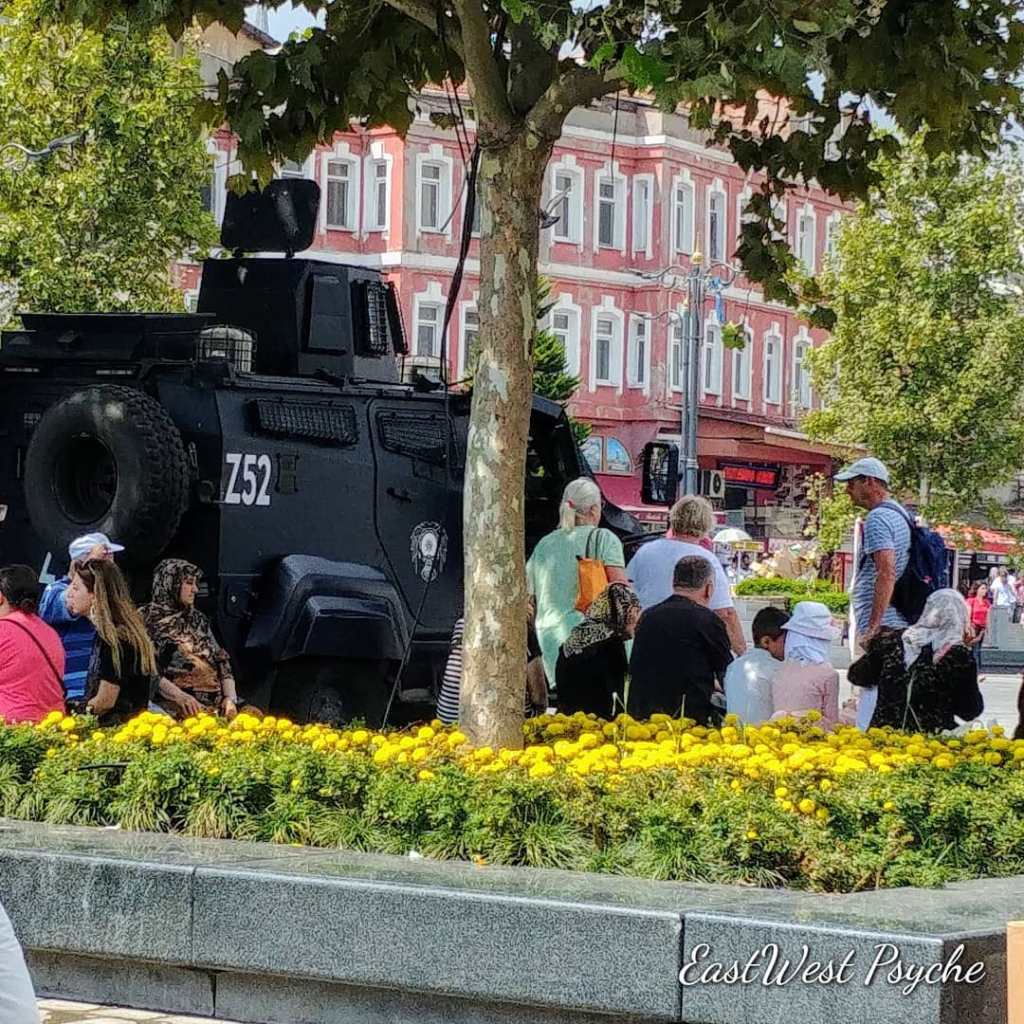
Since Turkey’s 2016 failed coup attempt, tanks and soldiers can be seen in Istanbul’s public spaces – though this is also true of many cities throughout Europe. The state of emergency declared at that time was extended several times more due to other incidents, and was only lifted in July 2018. Some, including Human Rights Watch (January 2019), say that nothing much has changed since that time, in terms of military presence and limitations of freedom.

67541710_460298204527716_3585264353093353472_o

Beyoğlu has long been an area of the city for immigrants; initially, it was outside of the Galata walls constructed by the Venetians and Genoese, physically marginalised just as it was home to those on the margins. The neighbourhood of Tarlabaşı, in Beyoğlu district, serves as a home for immigrants and refugees today – referred to by some as Istanbul’s ‘slum’. Turkey is a very multicultural city and this is well reflected in Beyoğlu; the country has also taken in 3.7 million Syrian refugees, more than any other, and in a special agreement with Europe.

67406471_460298744527662_5627811483216773120_o

Turkey is keenly aware of its place in the world, today and in history as the Ottoman Empire; however, it is often confused about its place in Europe. One of the first countries to join the founding nations of the Council of Europe in 1949, and in application to the European Economic Community (now European Union) since 1987, it has all but given up hope. The vast majority of the nation is physically in the Asian continent; however, the Caucasus, further east, has long been conceptualised as ‘European’ and there is some movement toward EU admission. Turkey of course is also a Muslim-dominant nation, though secular by constitution; however, several Balkan states are also Muslim. The issue continues – but the people of Turkey have given up their European hopes.

[Be sure to also see Turkey (I).]

~EWP

Turkey (I)

67096443_460293877861482_6923494848884375552_n

Istanbul – for 7 centuries known as Constantinople, and for another millennium prior, Byzantium – a city, inherently, of contrasts. Anatolian and European, rich and poor, devout and secular, conservative and progressive. She is big enough, grand enough, to contain all these contradictions – and many more. Her story, her history has been writ so large that most other cities pale in comparison. Today, Istanbul is a ghost of her past glory, though still one of the world’s grandest and most cosmopolitan cities – and while no longer the administrative capital of Turkey, she is its historic and cultural (and economic) heart.

67057229_460294307861439_3549860417981382656_o

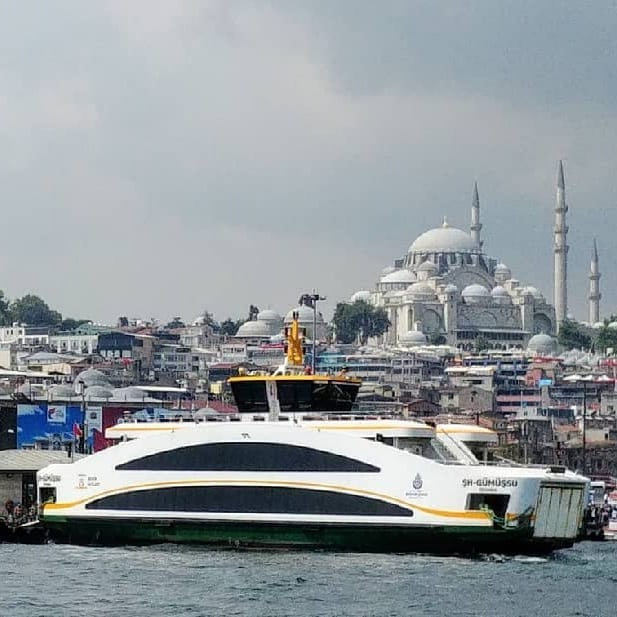
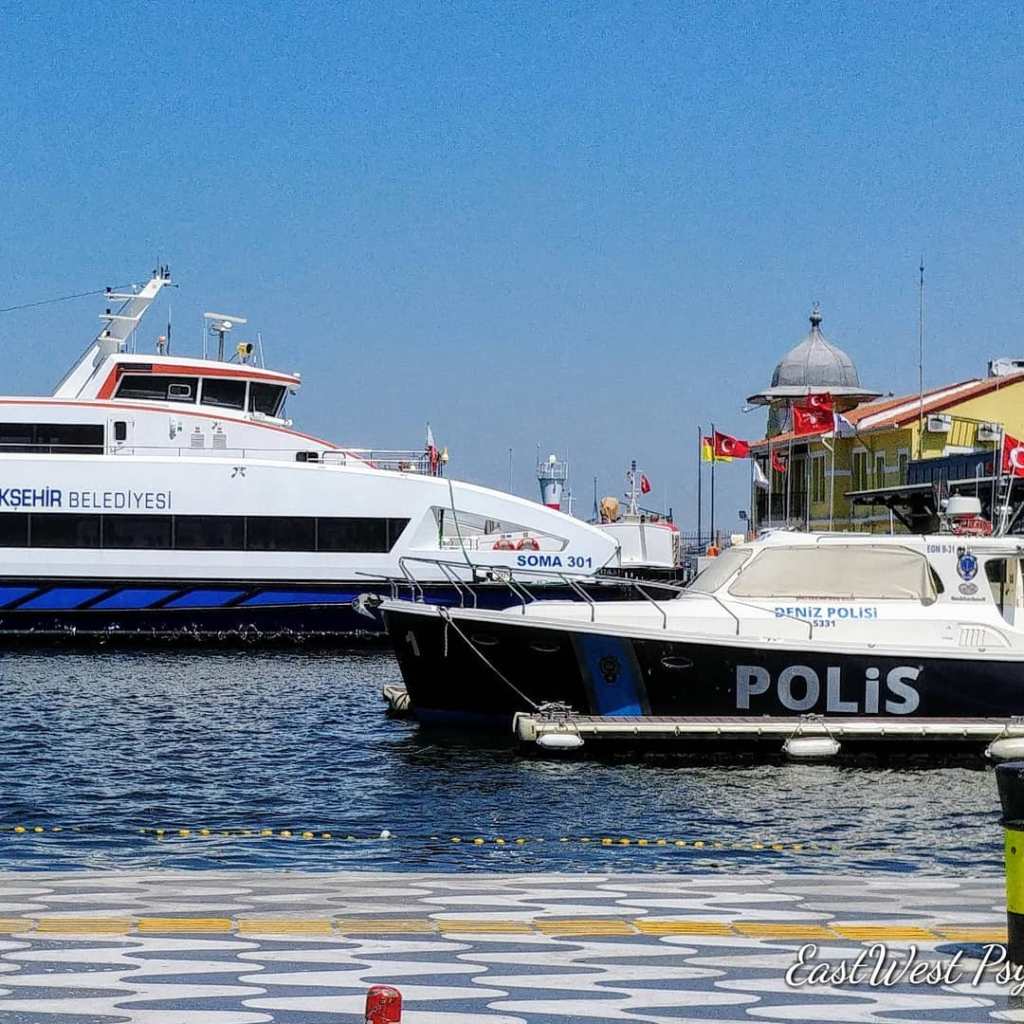
Turkey has a very long coastline and much of its population lives near the sea, where travel by ferry is common. The relationship to the sea is a strong element of Turkish culture; Istanbul is divided by the Bosphorus, which in turn is a passage between the Black Sea and Sea of Marmaris; the northern coast, a subculture all its own, is oriented entirely to the Black Sea and takes cues from Russia as well as Ukraine. The Aegean Sea symbolises all that is shared by, as well as what separates, Turkey and Greece; the southwestern region views itself as a Mediterranean culture.

67114664_460294751194728_217057566851596288_o

Turkey is also a highly agrarian nation, and travel across the country in summer exhibits the vast amount and fertility of its farmland. Fresh foods abound, very much part of the Turkish diet, and the people are well connected to the land as well as sea.

67305415_460295117861358_2658829685323988992_o

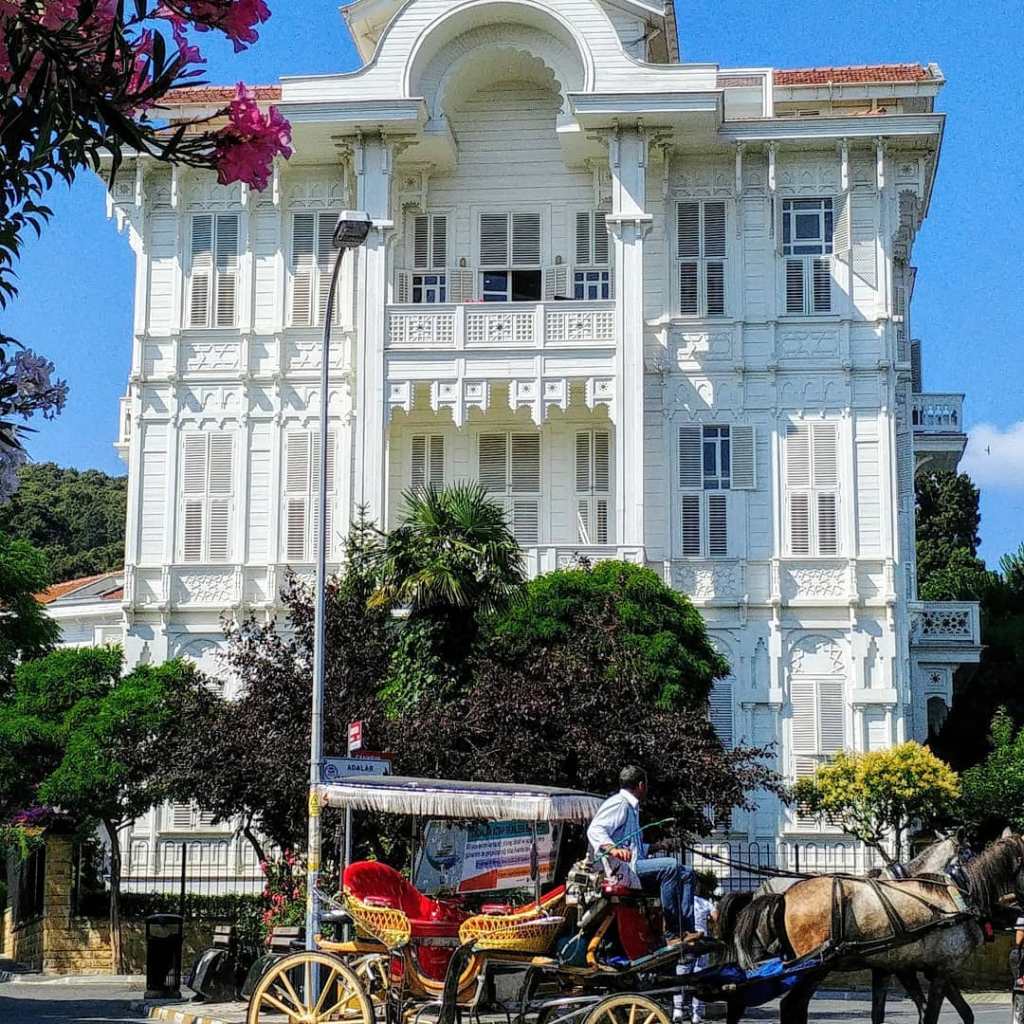
Princes Islands, an archipelago south of Istanbul in the Mediterranean Sea, are a prime example of the multicultural nature of this country. Today a summer resort area, the islands have been home to Greek, Jewish, Ottoman, and Armenian communities, among others. Residents today are primarily Turkish – though the architecture speaks of their shared past.

67283998_460295451194658_4007703815770865664_o

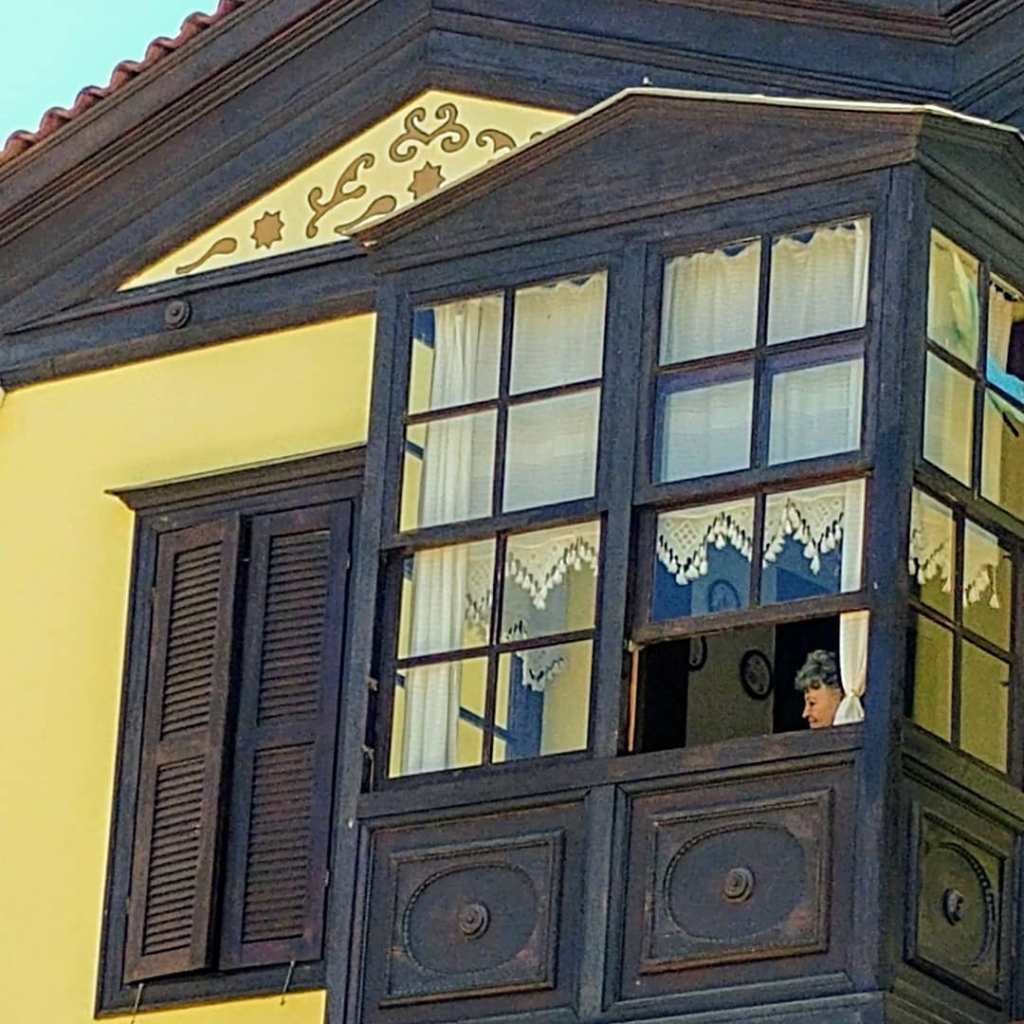
Ottoman influence can easily be seen in architecture today, whether in Bursa, or in Princes Islands, summer getaway for Istanbulites — or in Çeşme (seen here), the once-Greek seaside community near Izmir, former Smyrna. In fact, this style can be seen throughout Eastern Europe – a direct result of 5 centuries and wide reach of Ottoman rule.

67293109_460295841194619_1166986654917853184_o

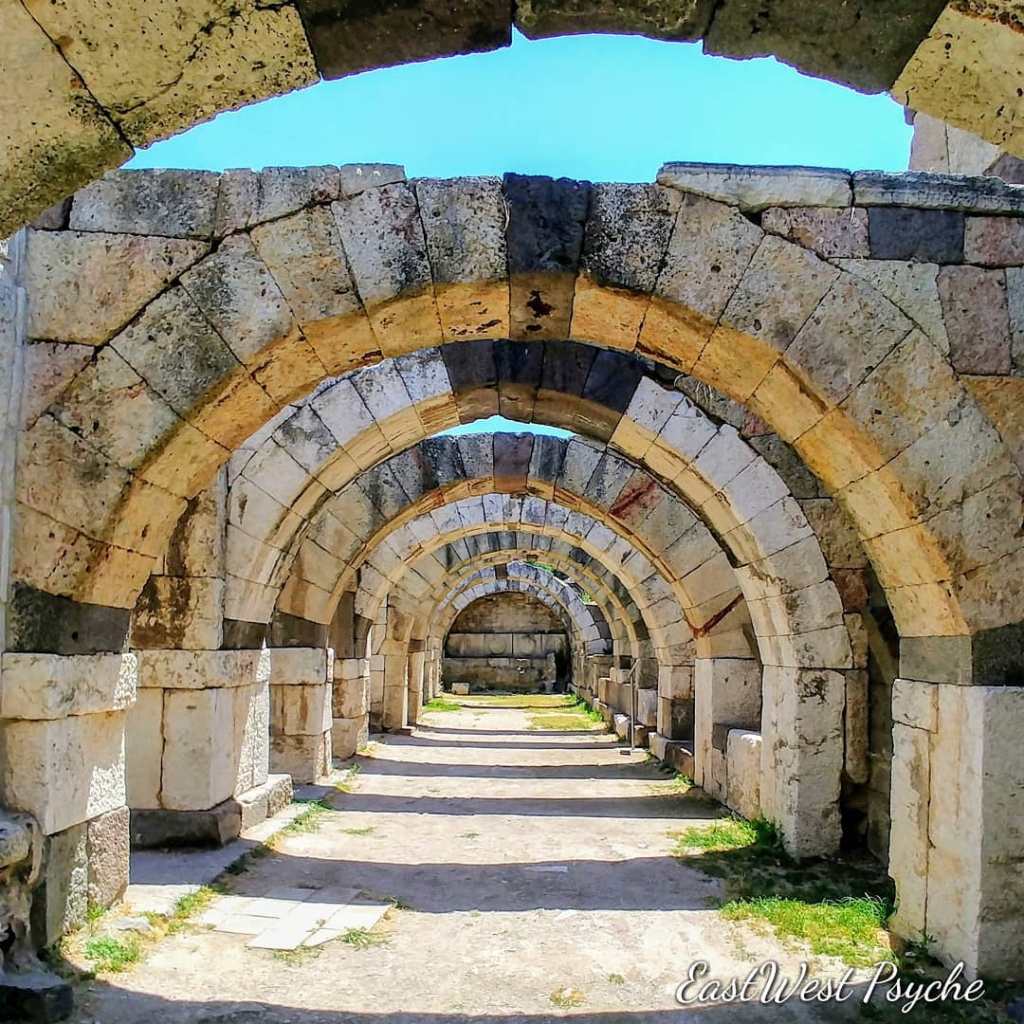
There is a good deal of cultural ‘sharing’ between Turkey and Greece, even as antipathy between the two nations continues. The Ottoman Empire ruled over Greece for 4-5 centuries; during both Byzantine eras, Greece ruled over quite a lot of Asia Minor. The vast archaeology in Turkey also reflects this, such as this merchants’ agora in the former Smyrna, now Izmir – first Greek, then Roman.

67110413_460296101194593_7745712345669697536_o

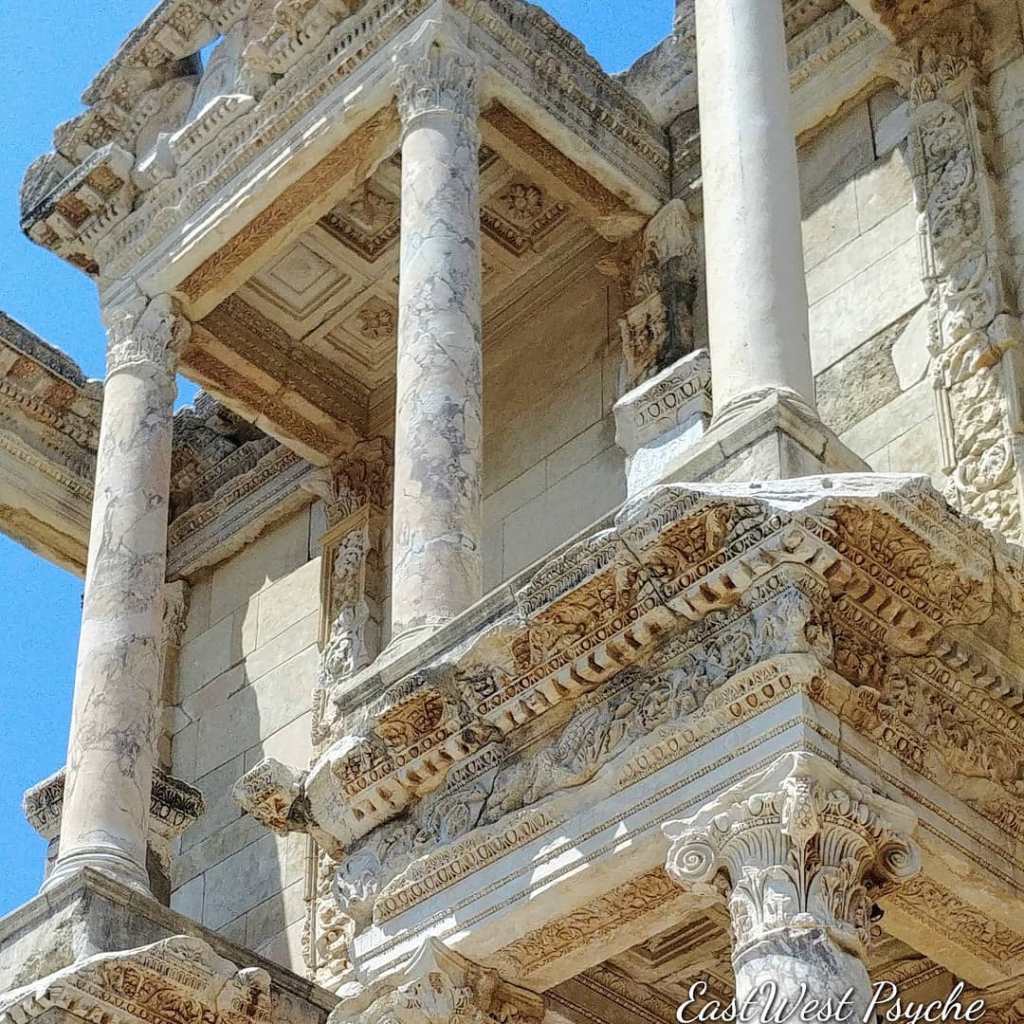
Efes, or Ephesus, is another stunning example of Greek influence in the region. Founded in the 10th century BCE and once the most important Greek city in Asia Minor – and the most significant port in the Mediterranean, it is also rumoured to have been built by ‘amazons’ or female warriors who served Artemis, the Greek goddess of the hunt, wild animals, and the moon.

67395602_460296397861230_5578681326548025344_o

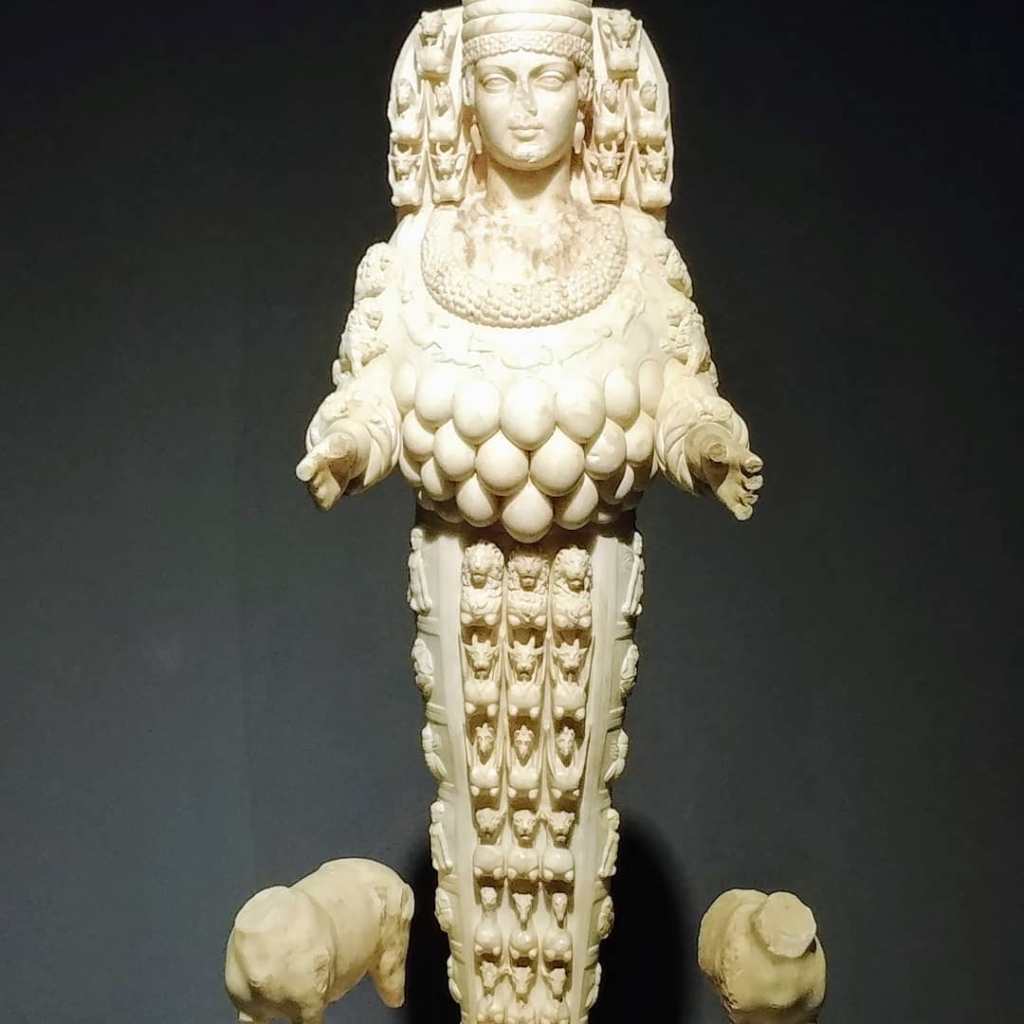
Ephesus’ original name identifies it as the place of the Mother Goddess. The most stunning work extracted from the Temple of Artemis, part of this archaeological site, looks not much like other representations of the Greek deity, nor its Roman copies – but in fact is of Cybele, Anatolian fertility goddess often associated with Artemis. Once again, the syncretisation of Greek, Roman, and Anatolian cultures is evidenced nowhere better than in Turkey.

[See Turkey (II) for more.]

~EWP

Bulgaria

67372074_459988311225372_5745226573305348096_o

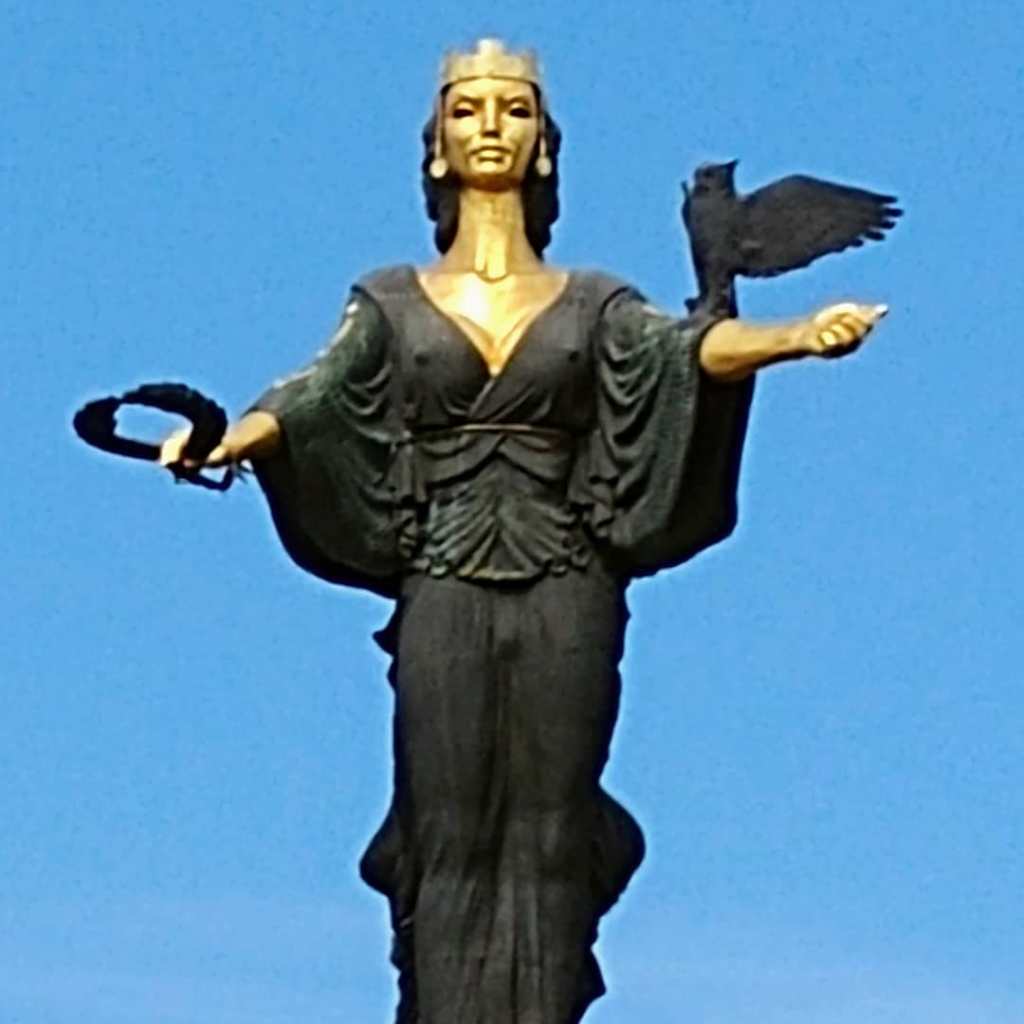
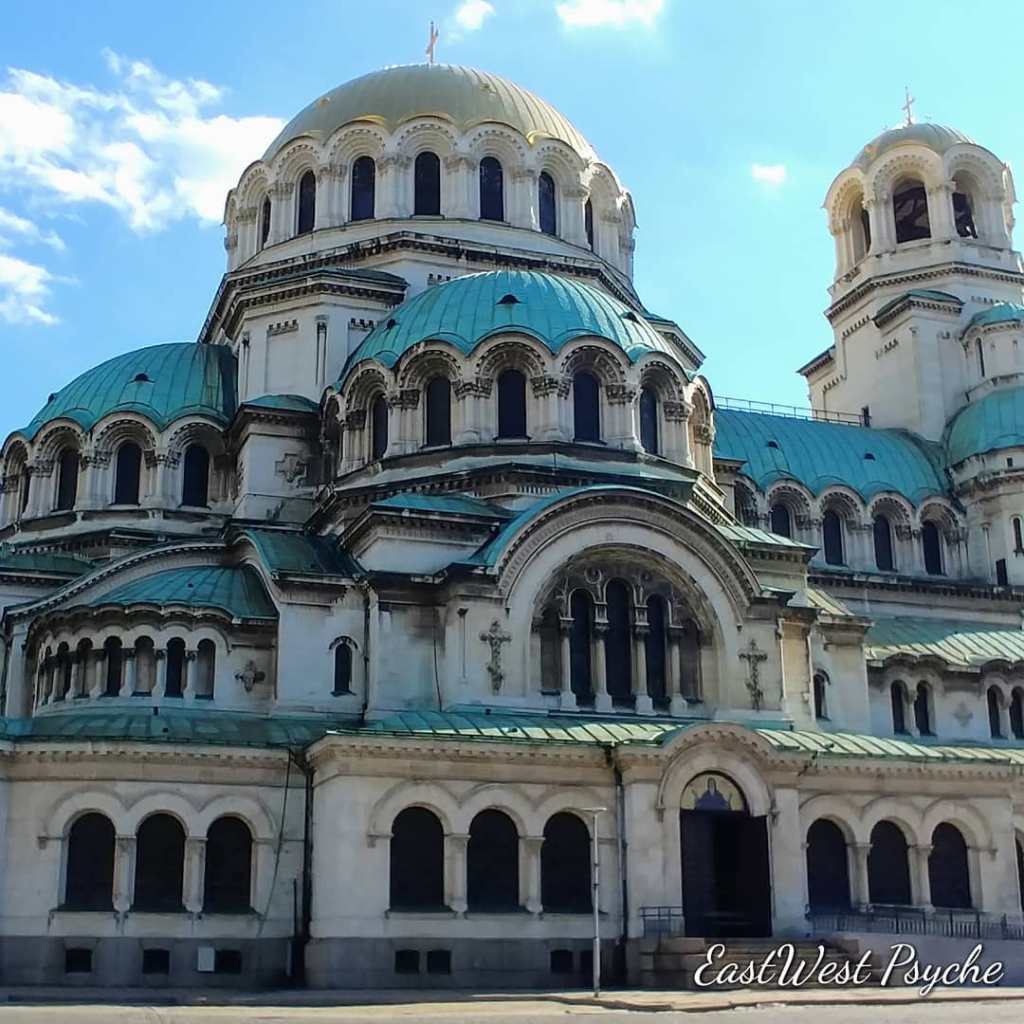
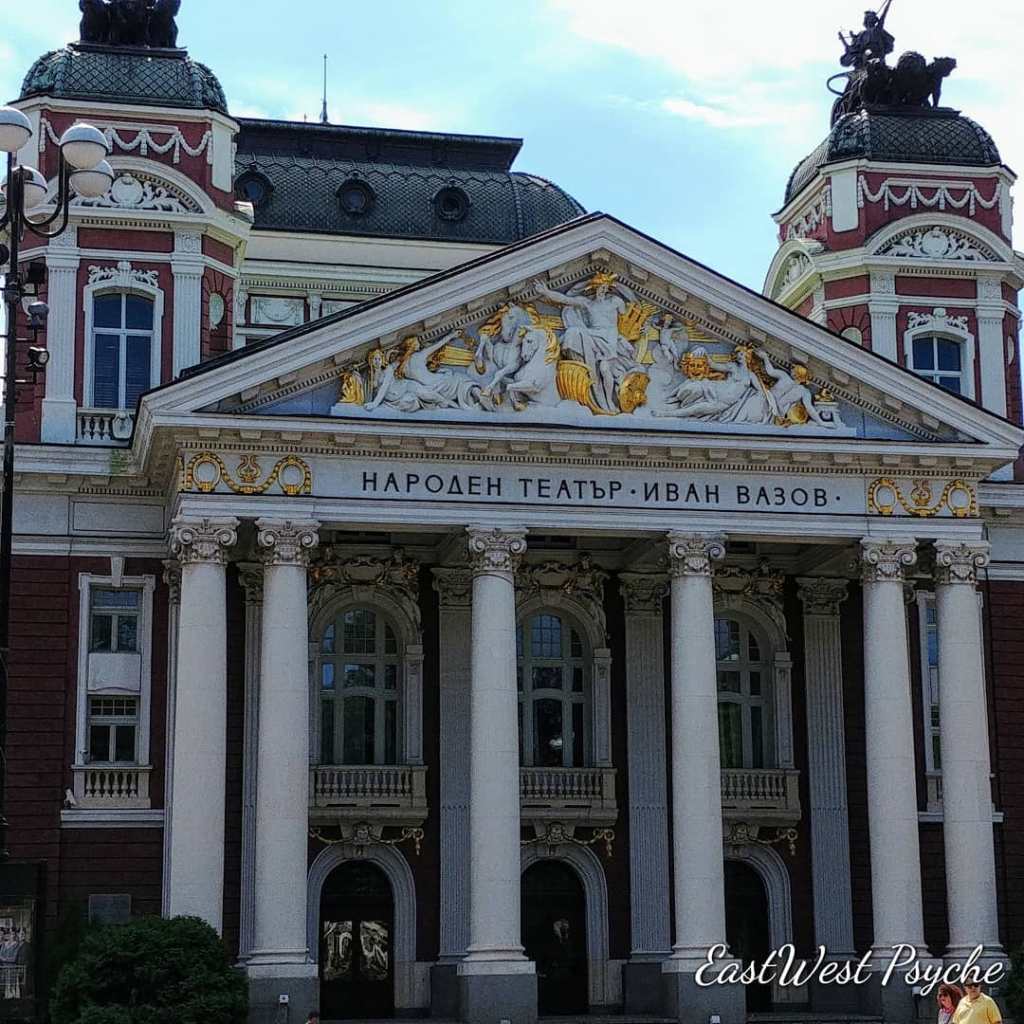
Bulgaria — Greek+Slavic as part of the Balkans, once Ottoman, early Persian — and new member of EU. An amalgam of cultures, ideas, and customs. Influenced, and influencer. Sofia (Bulgarian: Sofiya) is one of the world’s oldest capitals, founded in 8th century BCE, has gone by several names. The current honors St Sofia — though more apt, perhaps, to associate the city with the Greek sophia, a word meaning ‘wisdom’, and a female allegory of Christian mysticism: Hagia Sophia.

67401700_459998407891029_8576176948462485504_o

Bulgaria adopted Christianity as its state religion in 865 CE, developing its own form of Eastern Orthodoxy, the Bulgarian Orthodox Church. Today, there is no official religion; an estimated 55-60% claim orthodoxy, with Islam as the second highest at 8-12%. In October 2018, however, the government adopted a draft law which in various ways places restrictions on religious practice — and all faiths unanimously denounced this measure, as yet unresolved.

67132029_459998347891035_5279668130057027584_o

The Ottomans ruled Bulgaria for nearly the full 5 centuries of the empire itself, and the country maintains a decidedly Ottoman aspect today. Turks make up the largest minority, Islam its second religion. Ottoman ideals all but replaced earlier Bulgarian customs, the latter surviving only in isolated villages. Centralised governance, elevation of artisans, the previously independent Bulgarian church made subordinate to the Constantinople patriarchate, all and more became the norm.

67276015_460005321223671_6198357477143085056_o

By the late 19th century, Bulgaria awakened its national consciousness, rediscovering its customs and traditions and ultimately throwing off Ottoman rule. Echoes of the Enlightenment could be heard in the Bulgarian intellectual life; the arts flourished, and artisans formed guilds — and whispers of he French revolution stirred feelings for independence. Education became widely available — and was at the heart of this movement. Artistic development today is the highest it has ever been.

67252031_460018927888977_4475422520194891776_o

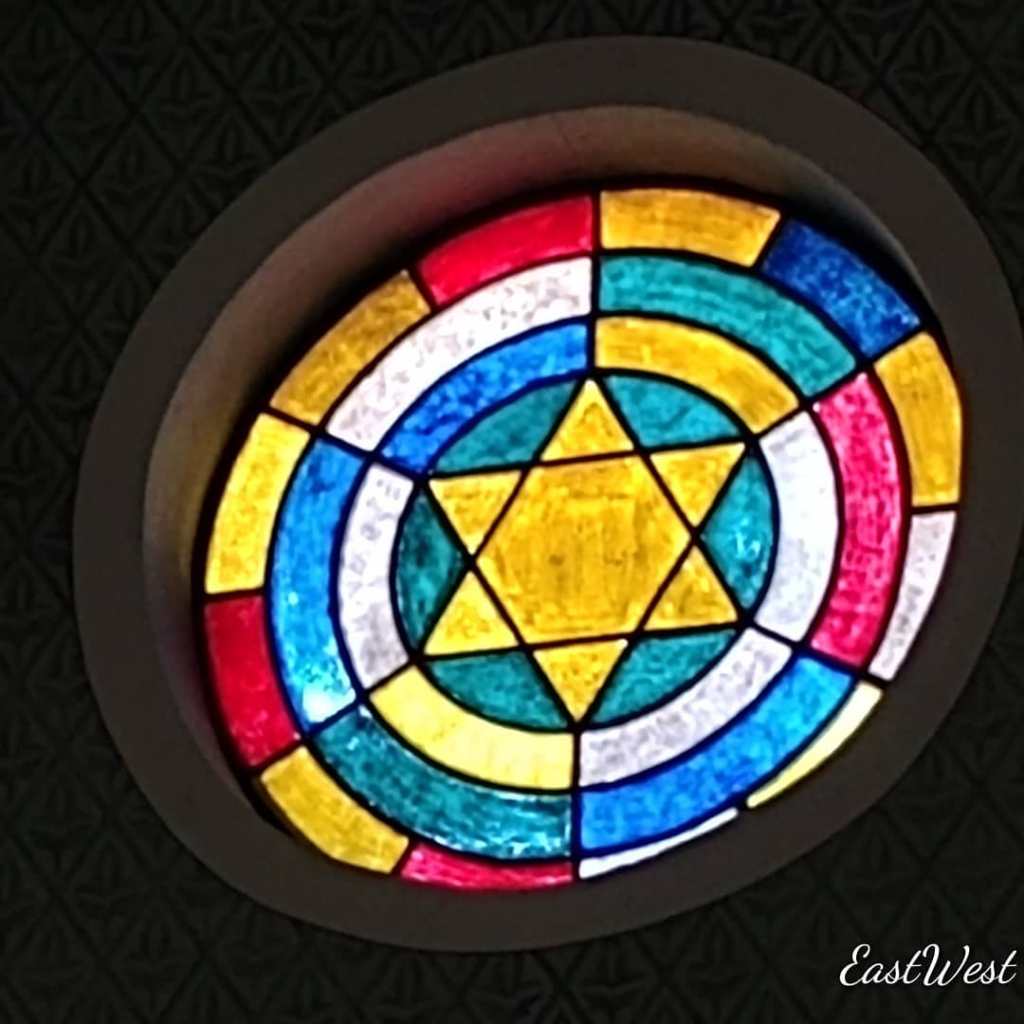
Bulgaria has had a Jewish community since the first century CE, with approximately 50,000 by the early 20th century. Though the Bulgarian government sided with the Axis powers including the Nazis during WWII, both citizens and government collaborated to protect their Jewish citizens, long integrated into Bulgarian society. Defying 2 orders for Jewish deportation, the government instead sent them to internal, benign ‘camps’ — and all were saved. Following the war, most left for Israel, and the remaining became largely secular in the later Communist years.

67141905_460023447888525_1894489119120162816_o

In Bulgaria’s revival of its traditions, long dormant during centuries of Ottoman rule, there is perhaps none more recognisable today than the Kukeri. Men dress in costumes as horned beasts and wear heavy cow bells, jumping and dancing to quite a cacophony — meant to scare away evil spirits and bring good fortune for the coming year. Agrarian societies the world over have, or had, spring rituals with a similar premise — entreating the gods and warding evil, for a bountiful harvest — though the form differs widely. In the Bulgarian diaspora, this ritual can also be found, such as in Thessaloniki, Greece.

~EWP