Category: Uncategorized

Greece: Islands

67321723_456790254878511_8367332119290052608_o

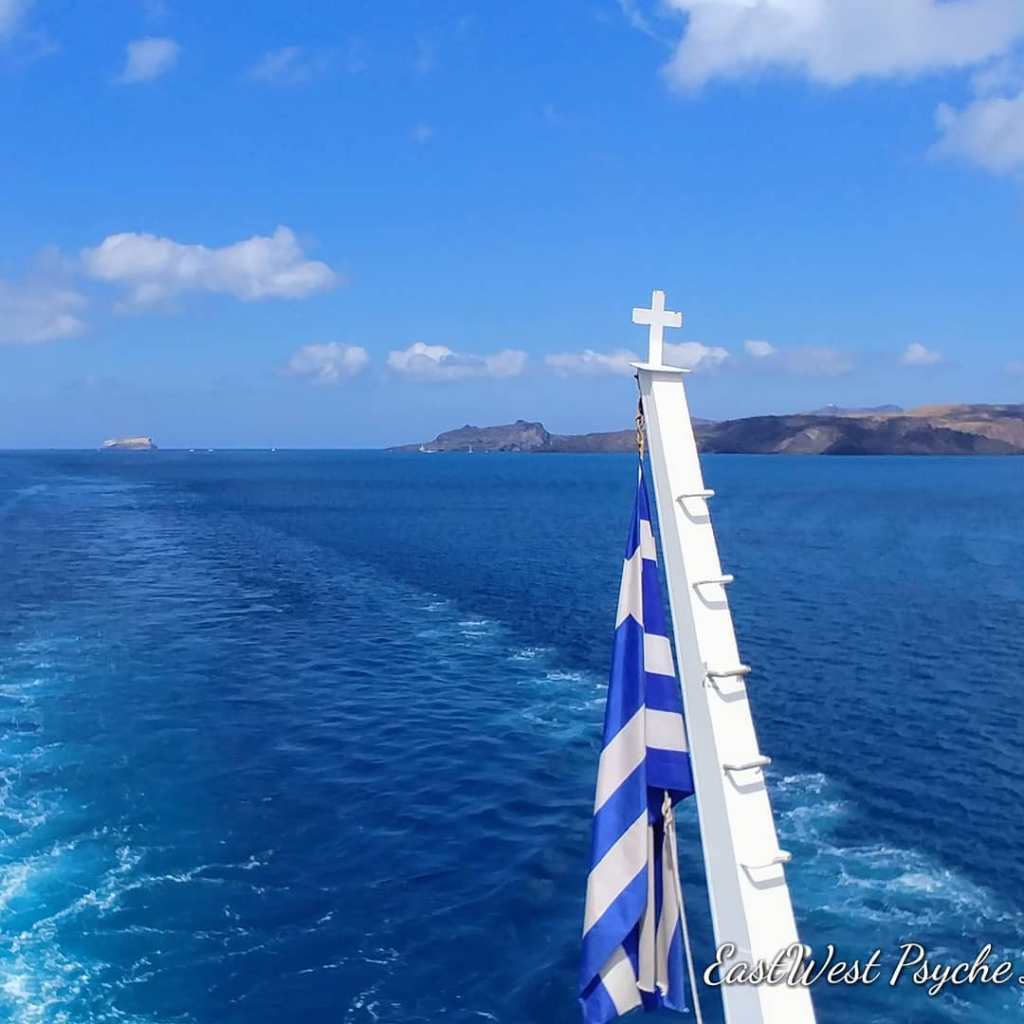
Greek is perhaps most celebrated for its islands. While popular vacation spots, each also represents a variant on Greek culture; it’s been said that there isn’t one Greek culture but many, with shared features but a good deal of distinction due to the country’s incredibly diverse landscape — with a certain measure of isolation as a result. Each island will at once feel familiar and yet with a culture of its own, creating endless opportunity for discovery.
67443204_456794288211441_8000153024397836288_o

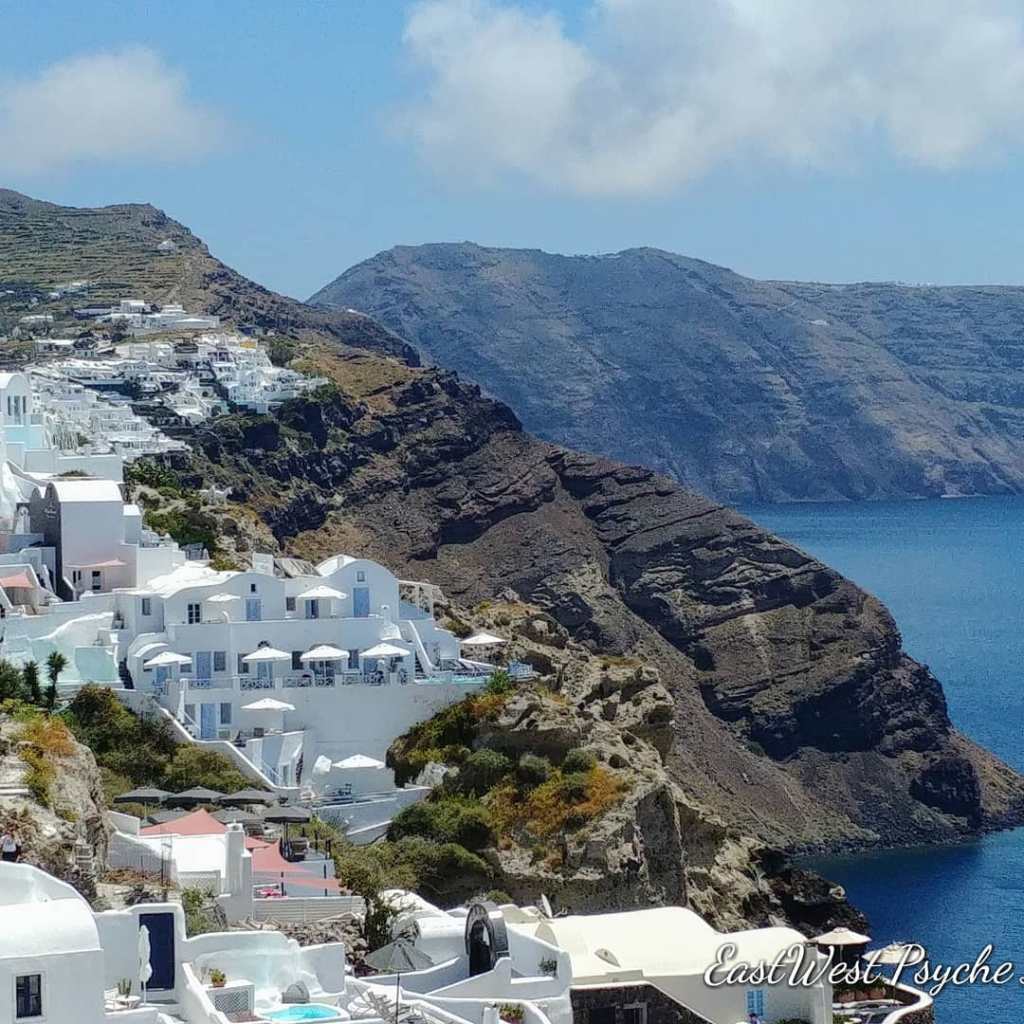
Santorini, earlier (and sometimes still) known as Thera or Fira, is the most well known Greek island after Mykonos. The volcanic explosion of the mid-second millennium BCE, when the island was already inhabited, was one of the most powerful the world has known, destroying a large portion of the island and sending tidal waves well over parts of Crete. Today, the island’s landscape is wildly dramatic as a result, its architecture fairytale — and the entire bay an active volcanic crater. What might living on the tip of an active volcano do to the psyche of an island people? –perhaps encourage one to live in/for the moment….
67033389_456798901544313_8115484943678701568_o

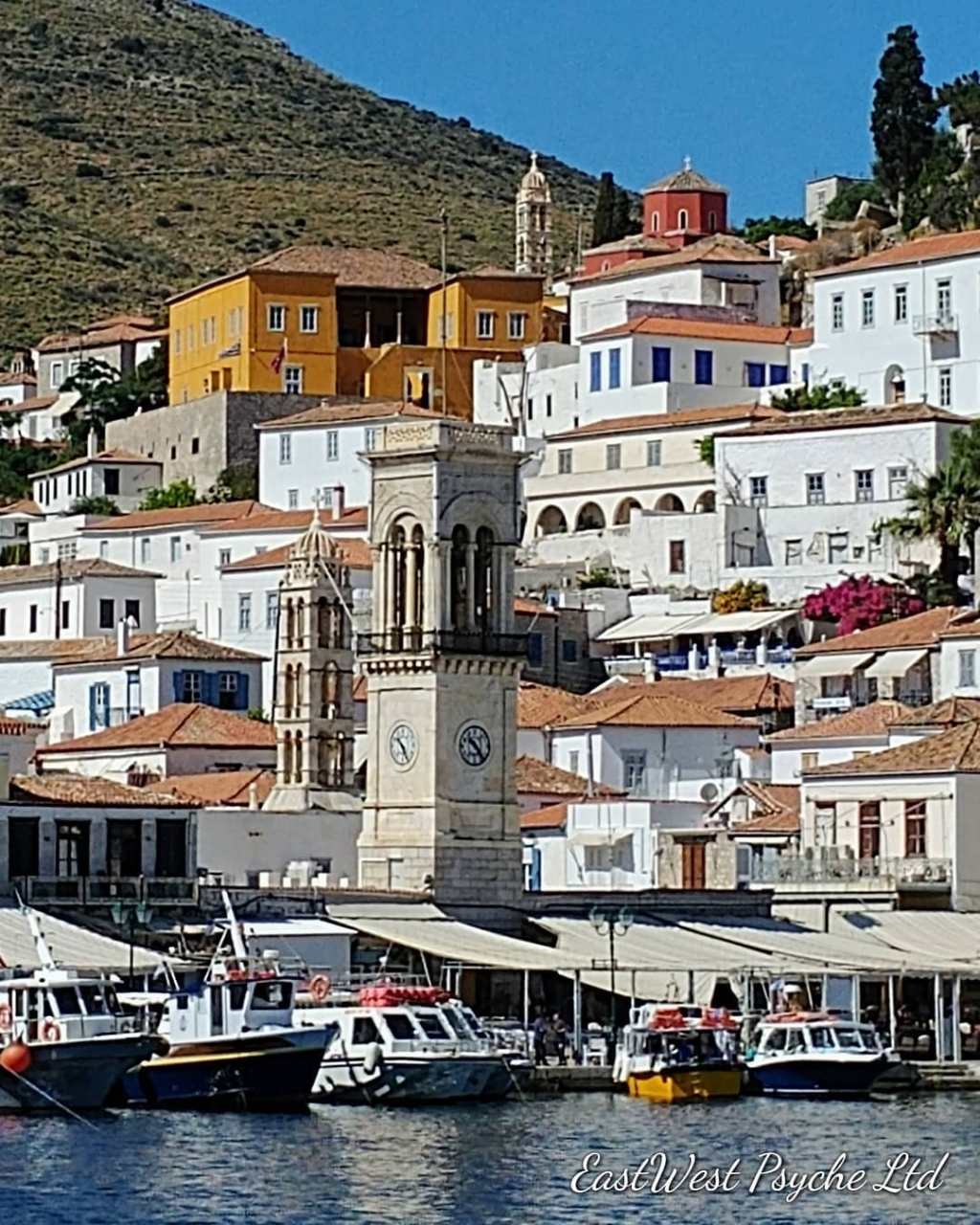
Hydra, near Athens in the Aegean Sea, was named for its historic natural springs. An easy and charming day trip, the island has had an important place in the country’s history, training ship captains and serving as a naval base in the nation’s war of independence in early 19th century. Before and for awhile after this period, the island was also known for its sponge diving. A possession of the Venetians from 12th to mid-16th centuries, it was then ruled by the Ottomans until 1821. As a location for new settlers, Hydra’s society became well accustomed to the integration of strangers.
66717189_456801214877415_136204158964334592_o

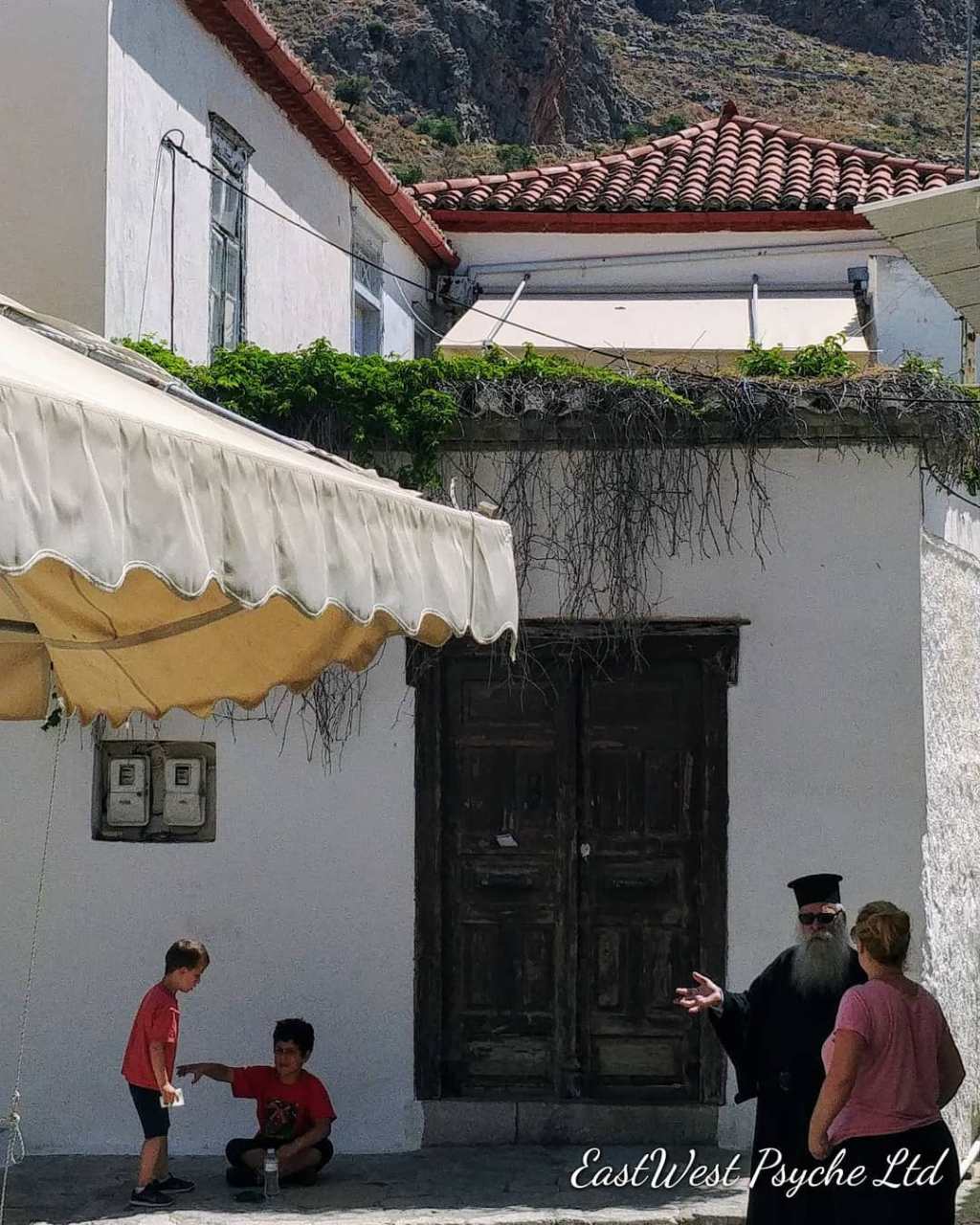
Greek island life [pictured: Hydra] shares certain features with small villages in the country’s mountainous regions: isolation from other communities, a need for self-reliance as a result, a strong family unit, and a life that cycles around nature and the seasons — as well as the Orthodox Church.
66710470_456804774877059_8036992316105293824_o

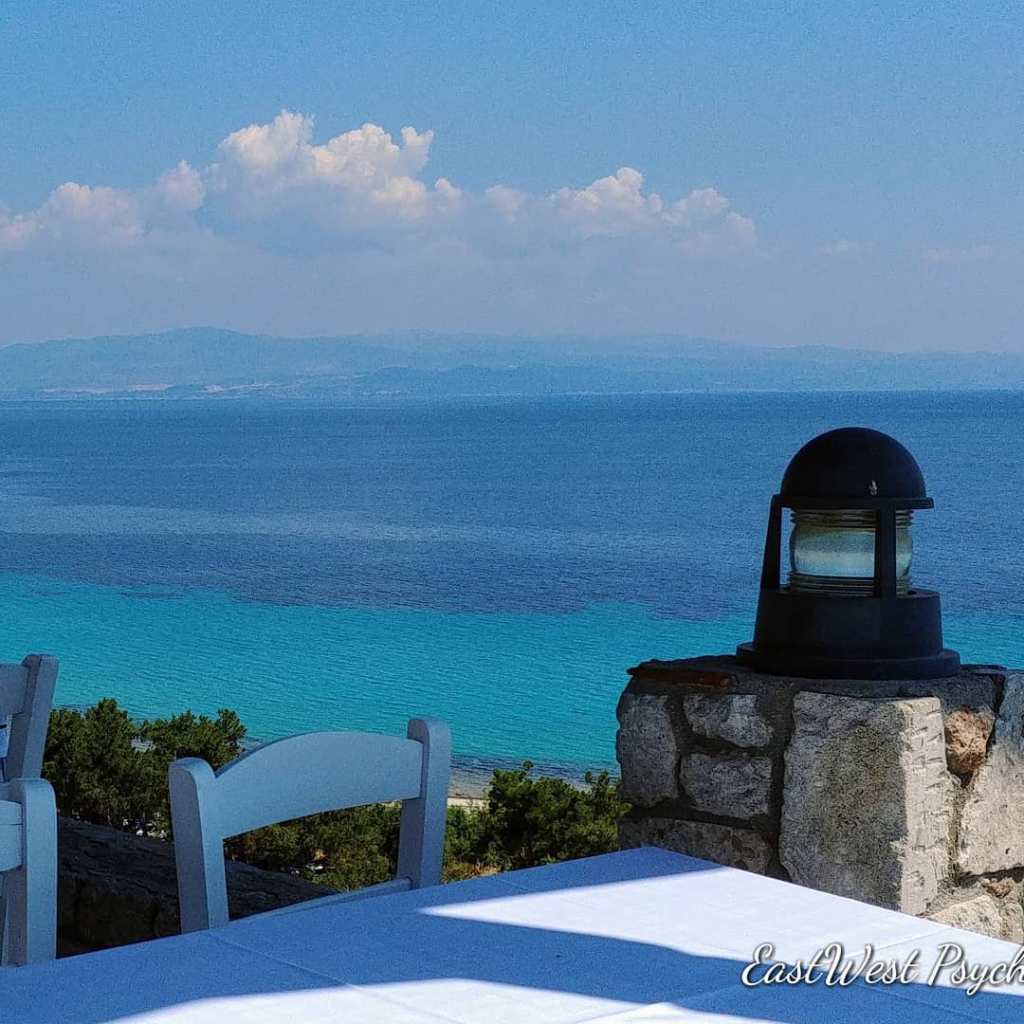
Though not an island, the region of Halkidiki to the east of Thessaloniki in the north provides yet another sub-culture of Greece. With its mainland area housing 2 large lakes, the Bulgarian border just to the north and Turkey not far to the east, and its 3 narrow peninsulas with their rugged terrain that embraces both coastal and mountain life — as well as a healthy tourism industry, the result is a unique hybrid culture.

~EWP
Greece: Part 2

67182416_456770821547121_2956465666191785984_o

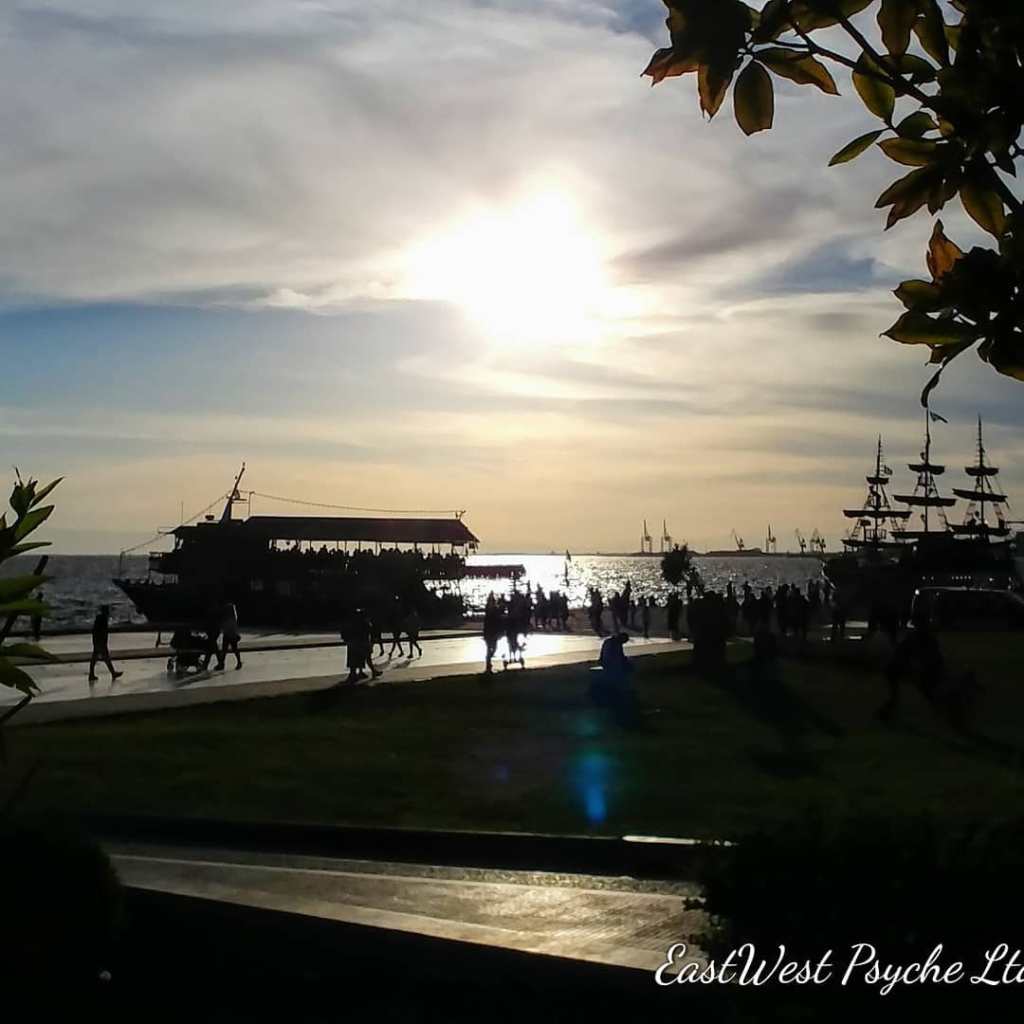
Thessaloniki, located in the north and Greece’s 2nd largest city, has a particularly fascinating and very multicultural history. Because of its proximity to Constantinople, the city held great significance in the Byzantine, Roman, 2nd Byzantine, and Ottoman eras — and on multiple trade routes as a result. From its inception Macedonian and of the Balkan region, the city didn’t become part of Greece until the early 20th century. Thessaloniki has always offered asylum to those in need or politically exiled, and as such maintains a liberal and global outlook today.

66621246_456775351546668_9054568393214001152_o

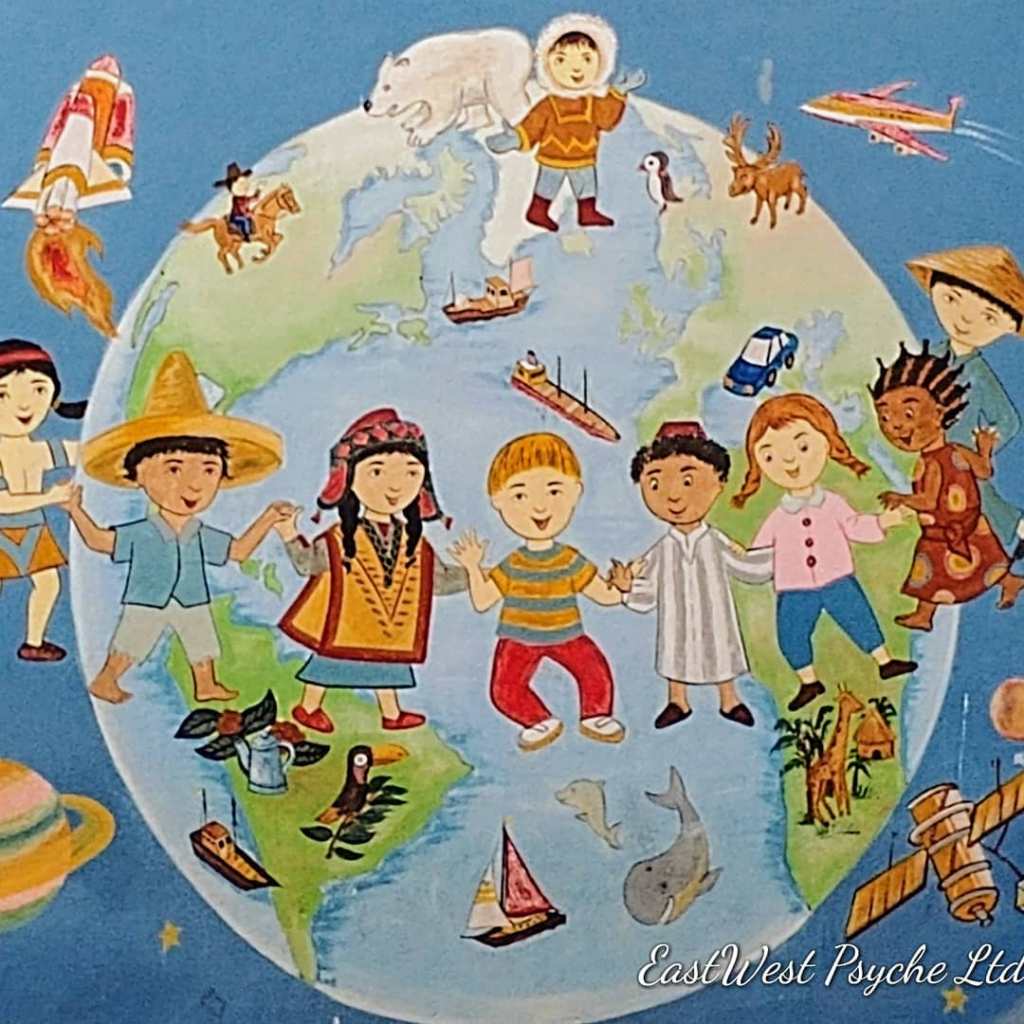
Thessaloniki’s fundamental welcoming of all peoples and their cultures is passed on to each generation; the photo is of a mural on an elementary school playground. The city borders Turkey to the east, with Istanbul (formerly Constantinople) not far away, and during the Ottoman era was known as its second capital; Bulgaria, Northern Macedonia, and Albania are all to its north, while the open sea lies south, and east. This city, even more than the rest of Greece, stands at the boundary of East and West — and during Ottoman rule, had such a large Jewish population that it was called “Jerusalem of the Balkans” and “Mother Israel.”

66737471_456780068212863_4888814677213052928_o

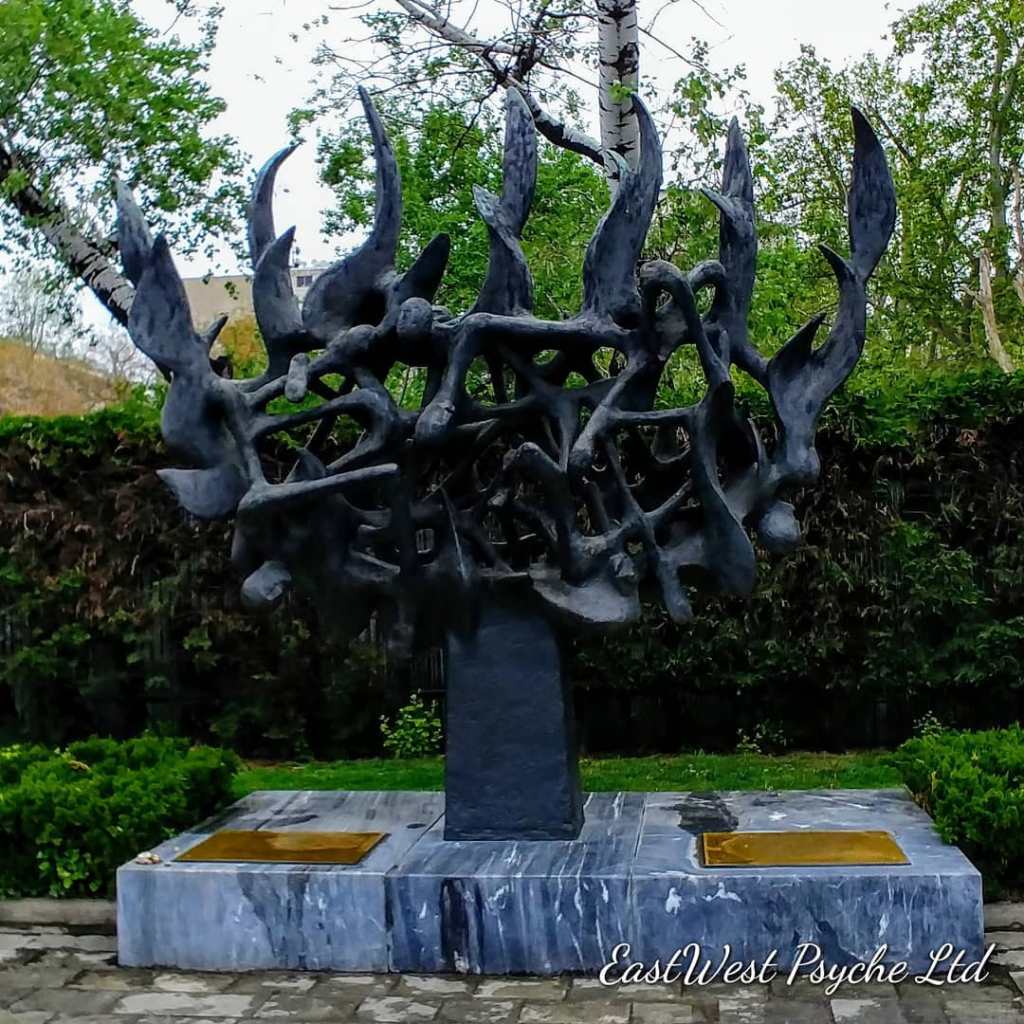
The Ottoman Empire welcomed the Jews who were expelled from Spain and elsewhere, many of whom settled in the (now) Greek city of Thessaloniki. By the early 20th century, the city’s Jewish population was the largest ethnic group, outnumbering Greeks, though a large number emigrated following a disastrous fire in 1917 which left many homeless. When the Nazis took up occupancy in the city, there were an estimated 55,000 Jewish residents remaining — 95% of whom were murdered in the camps. This Holocaust memorial and a Jewish museum serve as a reminder, and a large Holocaust museum is in the process of being built on the seafront — at the site of the old train station and deportation point.

67295123_456783081545895_3644064778952900608_o

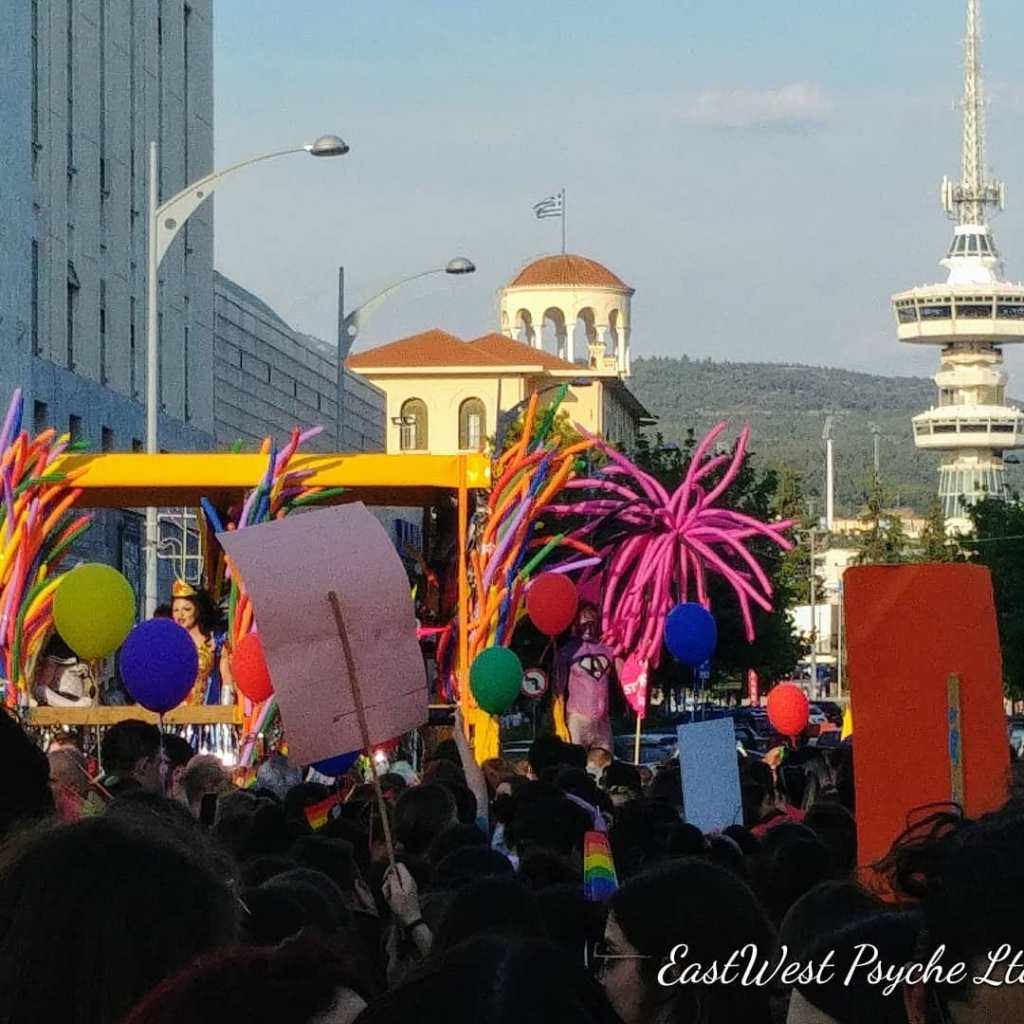
Thessaloniki’s broad tolerance and liberal ideals show up in other ways, too: the city is particularly welcoming toward the LGBTQIA community, with an annual Pride week including multiple venues and events. Though same sex marriage is not yet allowed in Greece and heatedly protested by the Orthodox Church, civil unions have been permitted since 2014. In 2020, Thessaloniki will host EuroPride, an annual event drawing people from all across the continent.

~EWP

Greece: Part 1

67246816_456727714884765_8988140526343553024_o

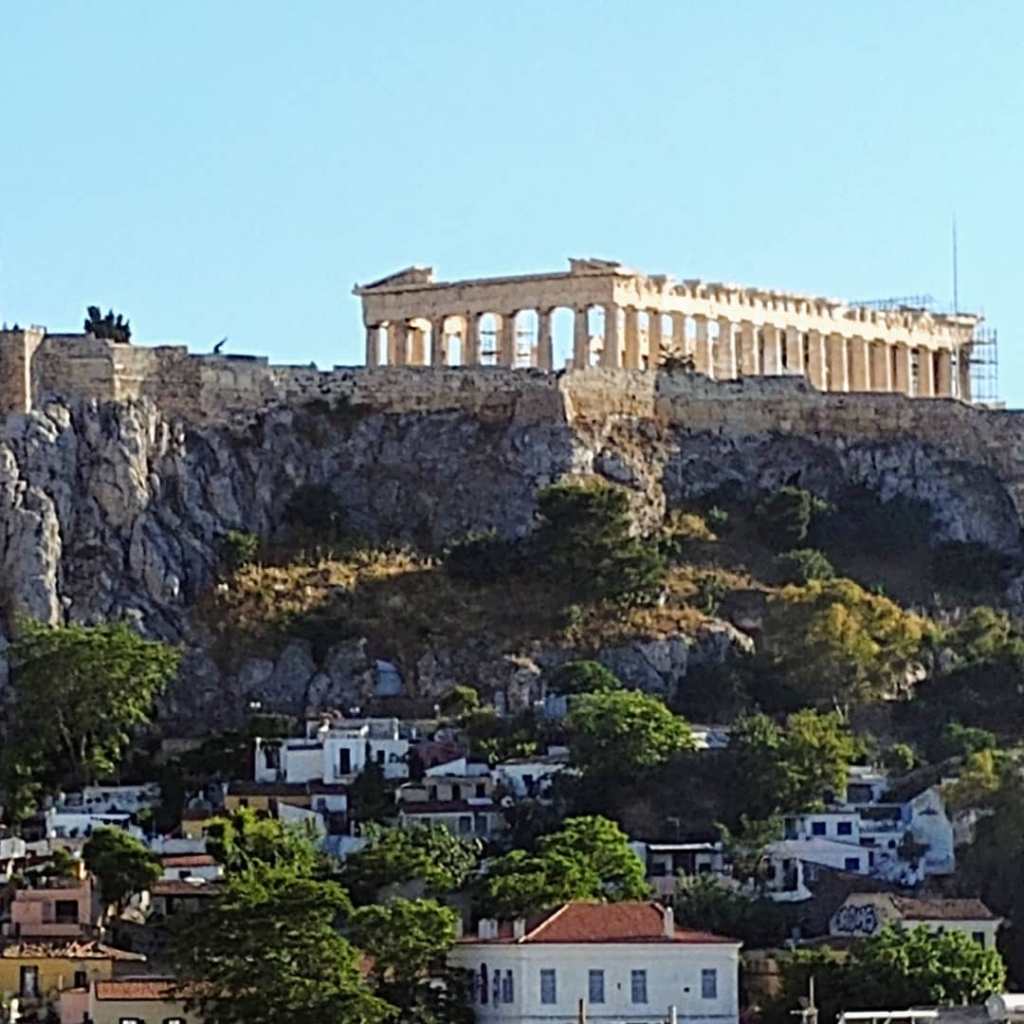
Much has been written about Greece — and her story is large. From ancient times when Athens was a mighty city-state, to the current unification of seemingly disparate cultures separated by geography and often custom but joined by common language (albeit in many dialects) and religion, and in the face of the ongoing economic crisis — she has contributed greatly to western civilisation as we know it.

66963529_456732478217622_43428664892719104_o

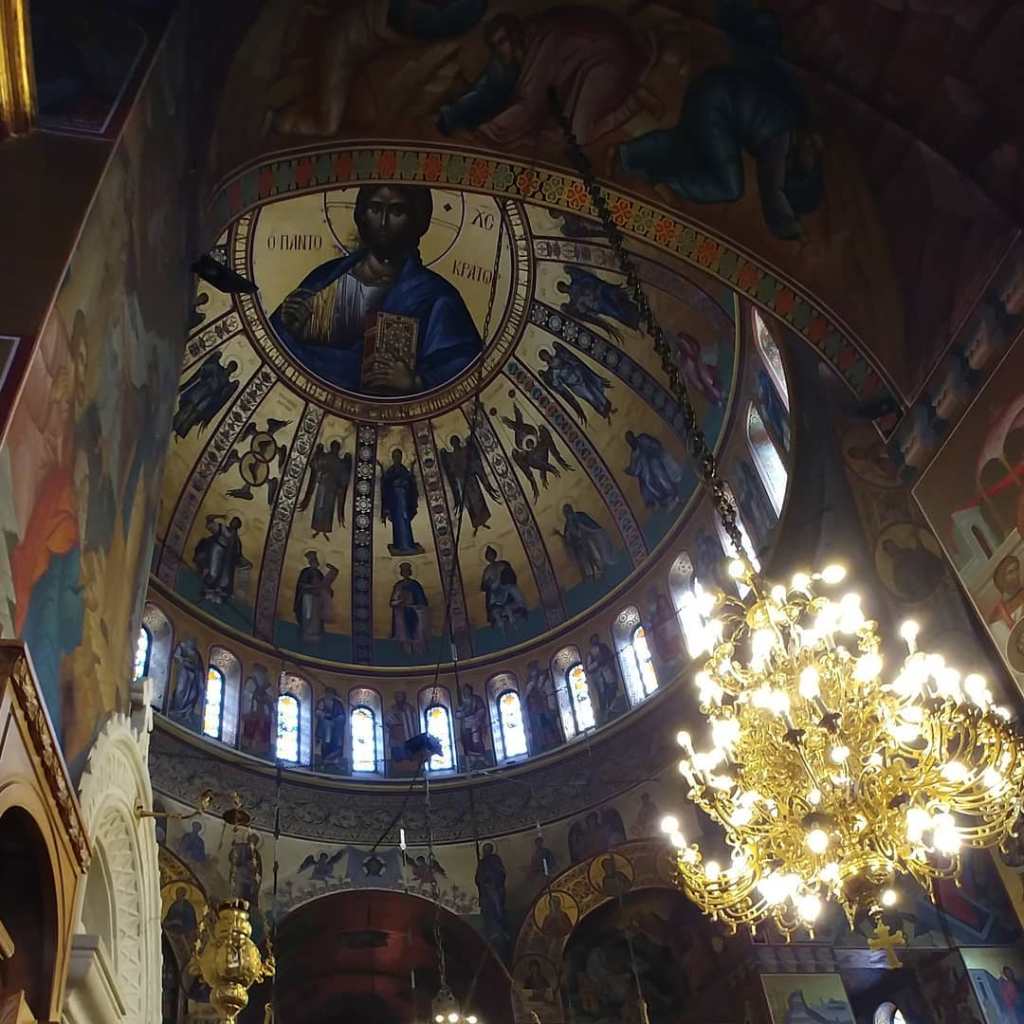
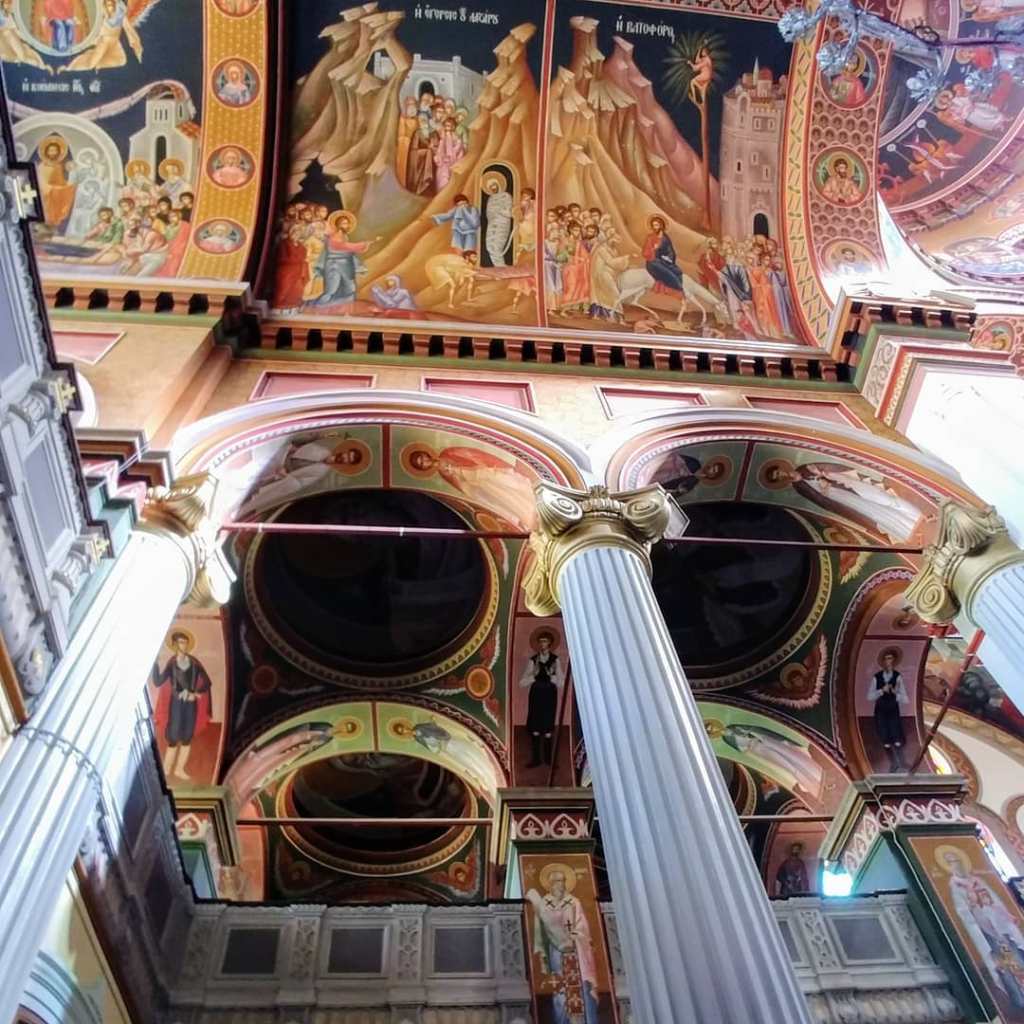
One of the unifying features of Greek culture is the Orthodox Church. When the Roman Empire collapsed in 476 CE, its eastern manifestation endured for another millennium, with Constantinople as its capital and the Eastern Orthodox Church as a guiding force. Today, though 98% of the population still identify as Orthodox and the diaspora find in it a community and cultural bond, an estimated 50% are non-practicing — with a clear generation gap. Since the 1980s, there has also been a revival of Hellenism — religious practice based on the ancient Greek pantheon.

67403790_456737688217101_3299607787633377280_o

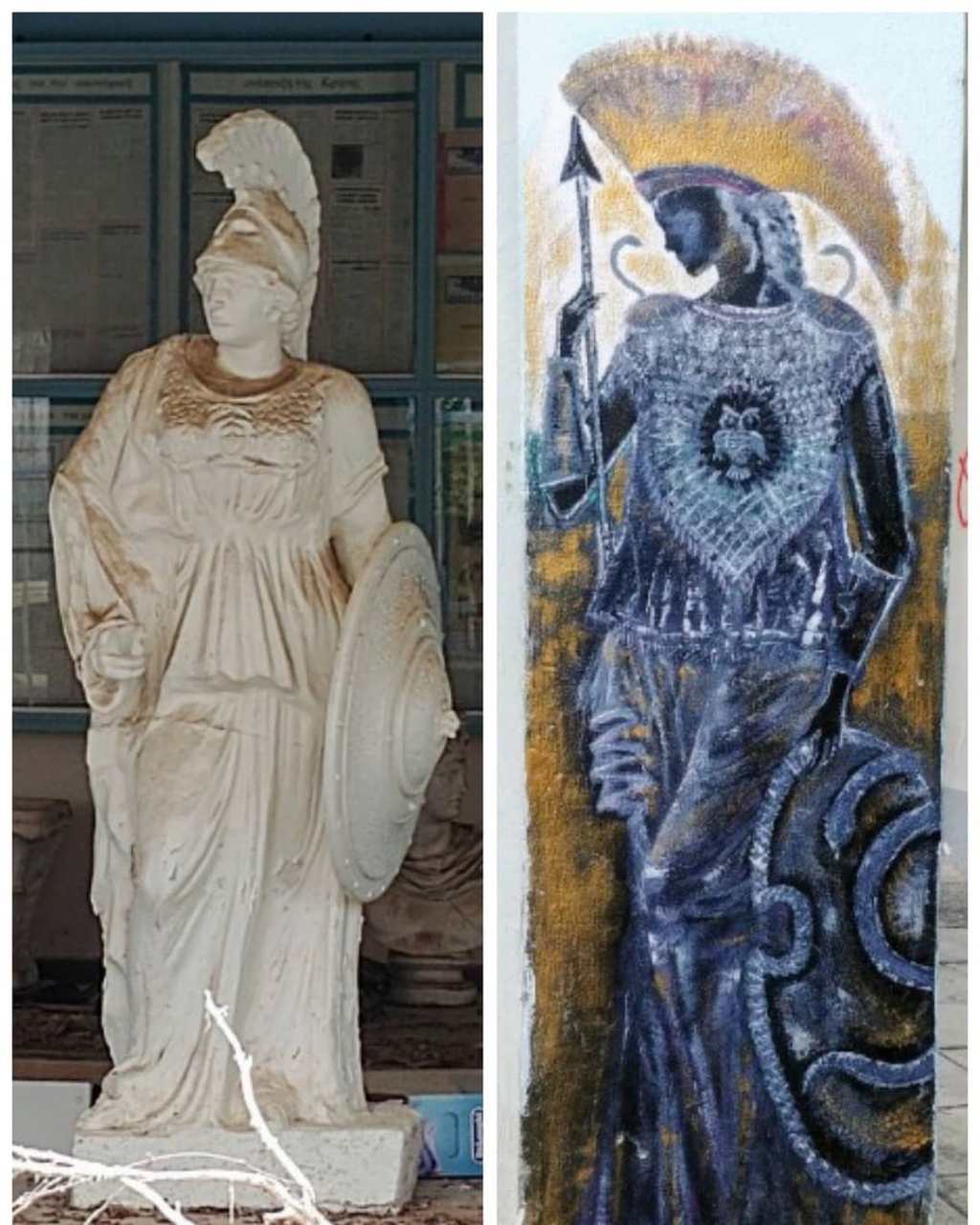
Though long abandoned for the Holy Roman Catholic and then Eastern Orthodox Church, the gods of old are today being dusted off and called to power once more, in the form of Hellenism. A growing movement, its revival begun in the 1980s, Hellenism won the right in 2017 to be officially recognised as a religion — the first non-monotheistic practice to achieve such status. With 2,000+ adherents in Greece and an untold number worldwide, Hellenism seeks to explore the pre-Christian beliefs –the deepest roots — of Greek culture.

66650905_456740884883448_2540907351007821824_o

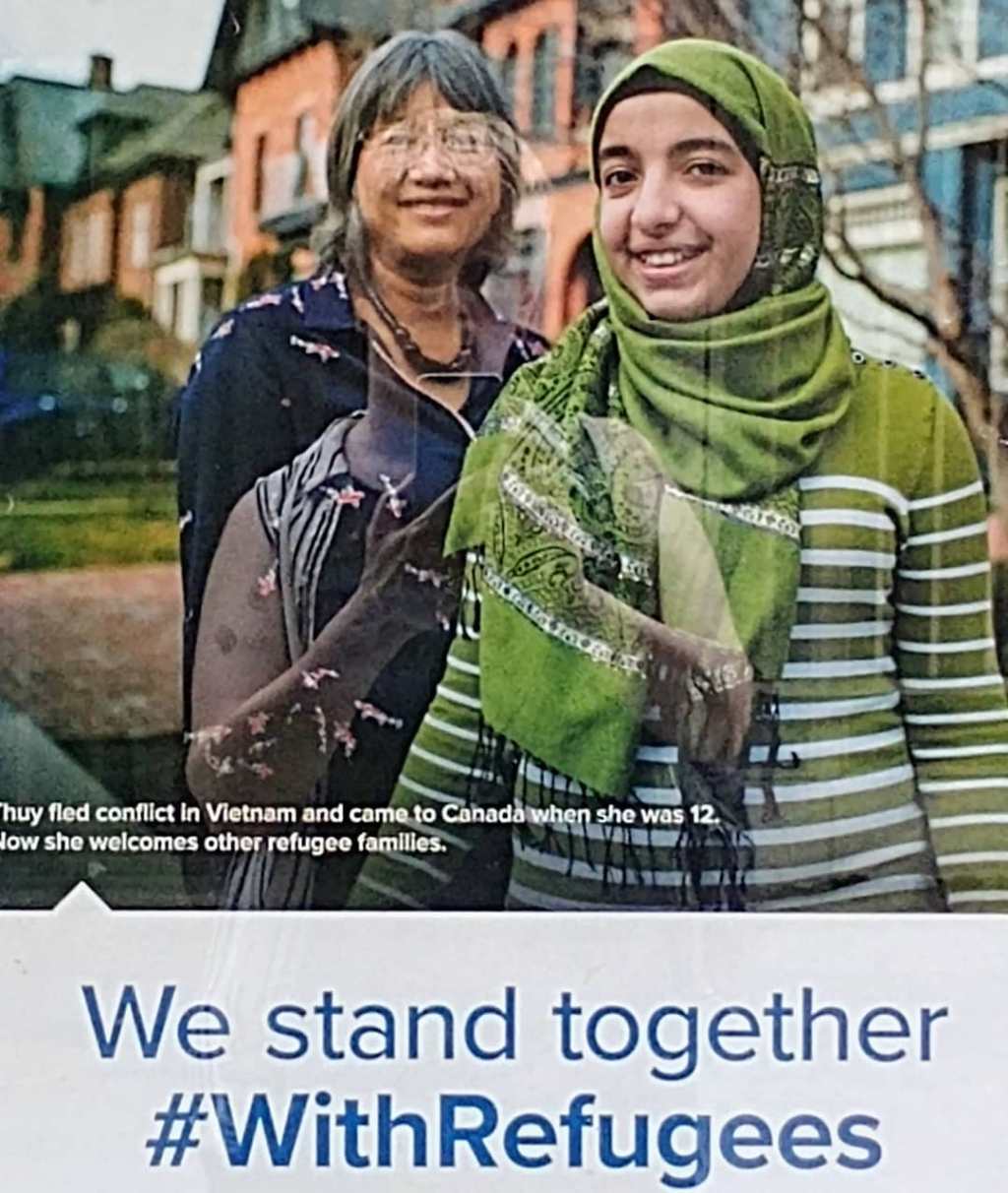
Another defining feature of Greece today, and indeed at many other times in its history going back to ancient Athens, is its acceptance of refugees. As of June 2019, the country hosts 60,000 asylum seekers; as nations across Europe began closing their doors to refugees as of 2016, with a recent call to return to Greece some of those initially accepted, the country now finds itself overburdened — its ongoing economic crisis only making things worse. Two weeks ago Greece voted in a new national government, with hopes of solving both of these issues.

67153941_456747544882782_8718392347949268992_o

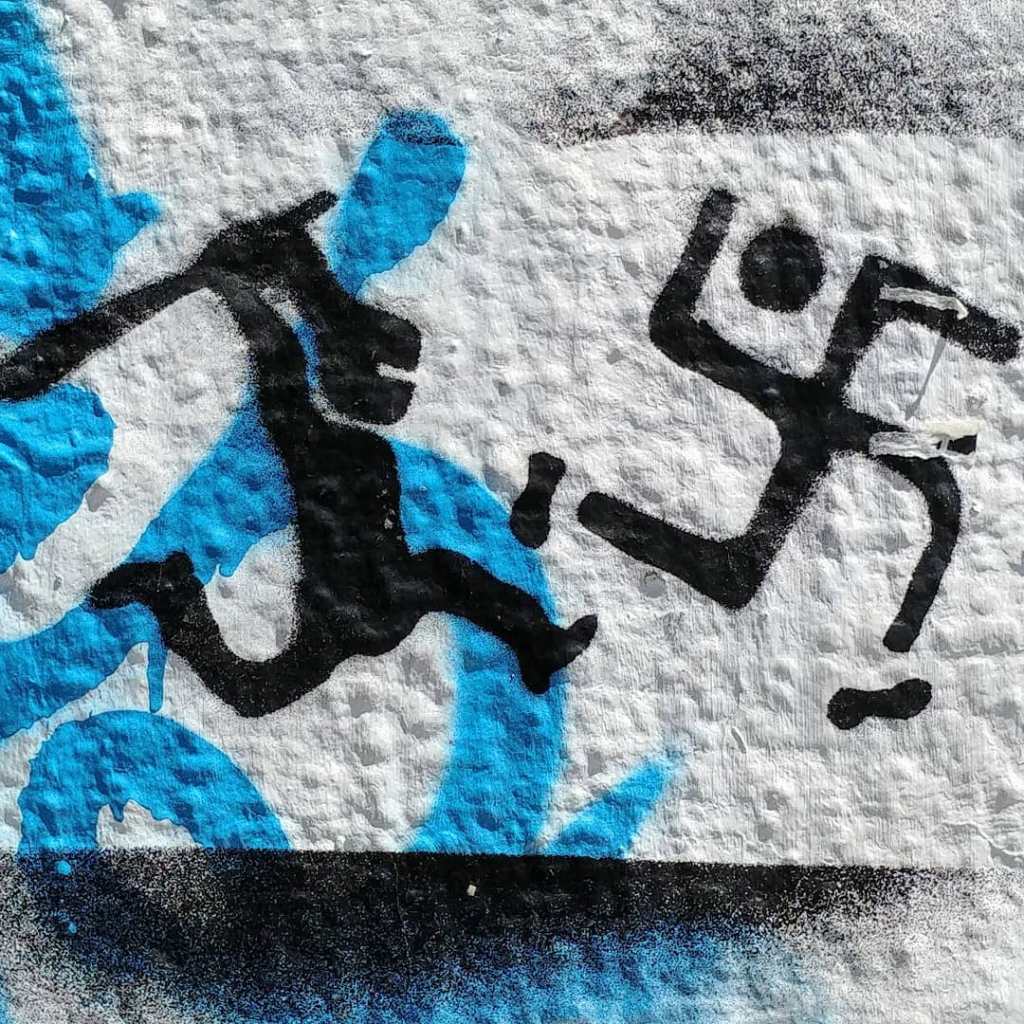
Golden Dawn, a militant far right group its opponents deem neo-fascist, was founded in 1993 — and to the alarm of many in the country and the EU at large, won seats in Greek Parliament as of 2012, fueled by fears over the country’s economic and refugee crisis. Several surveys conducted 2014-2018 found Greece to be the most anti-Semitic country in Europe at 69%, an identity that the country rejects. In local elections this May, the northern city of Ioannina elected the country’s first-ever Jewish mayor; and in a snap national election earlier this month, Golden Dawn lost all its Parliamentary seats in what’s being called “a shock exit.”

~EWP

Greece: Crete

67063687_456427768248093_1441197759599214592_o

The fascinating culture of Crete — beginning with those we call today the Minoans, one of the world’s oldest civilisations; multiple invasions and occupations over many centuries, the story of many Mediterranean islands; strong emphasis on hospitality (“philoxenia”) and freedom (“eleftheria”) as a result; heavily reliant on tourism today.

66661438_456430818247788_4743838378259120128_o

As Greece’s largest island and the Mediterranean’s fifth, Crete is naturally oriented to the sea. Evidence indicates its earliest culture, known today as Minoan, traded widely with surrounding nations and had a strong relationship with early Egypt. A strategic position has always made this island desirable to others, resulting in multiple occupiers — among which were the Venetians, who left behind this fortress and other structures and artifacts.

66848391_456437988247071_8578869106978062336_o

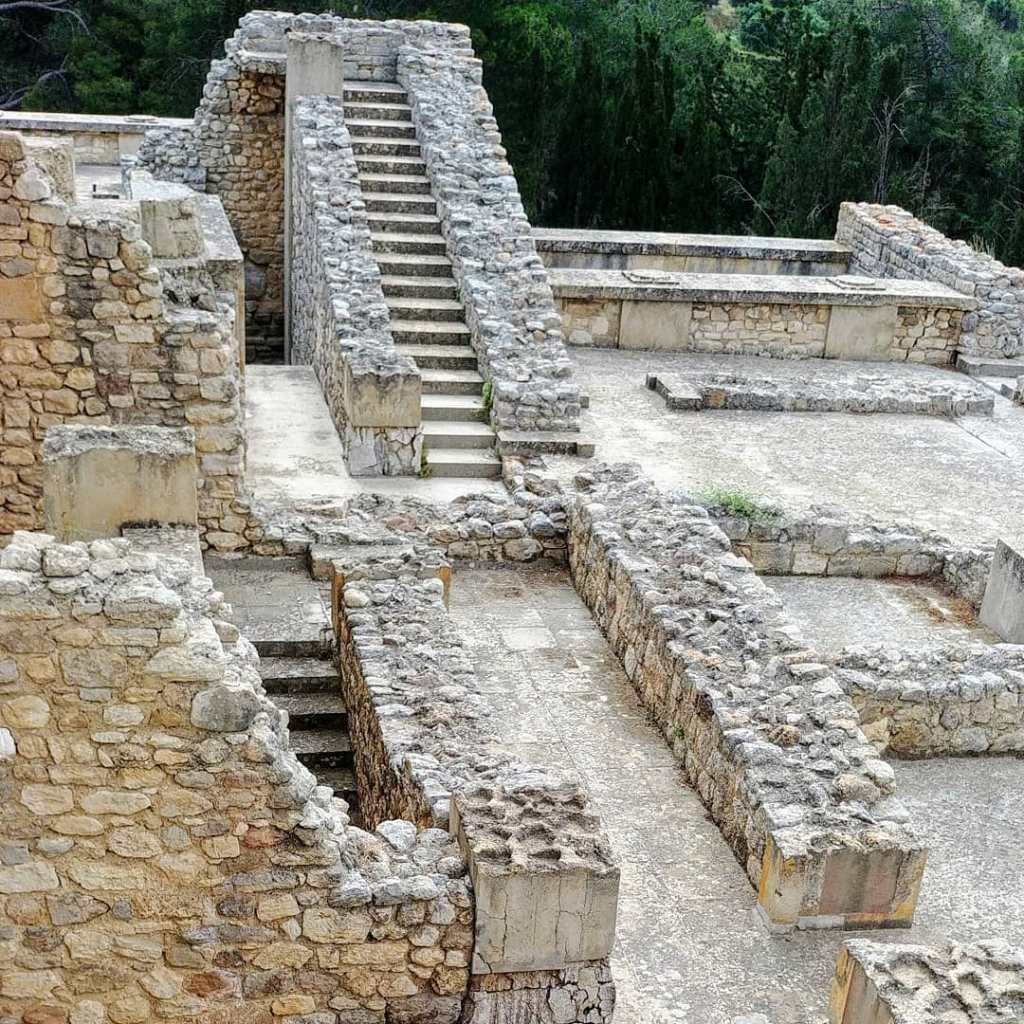
Evidence of Crete’s Minoan civilisation (c. 2700-1100 BCE) can be seen at Knossos, just south of Heraklion — and lesser known palace ruins in Phaistos, Malia, and Zakros. These complexes which may represent small cities were not only residential but had ceremonial, ritual, commercial, and athletic uses as well. Priestess images are common and women seem to have had prominence; the bull, including the minotaur legend as well as a bull-hopping sport, were also dominant, and the bull is still a common symbol on Crete today.

67025729_456441638246706_4433712911667429376_o

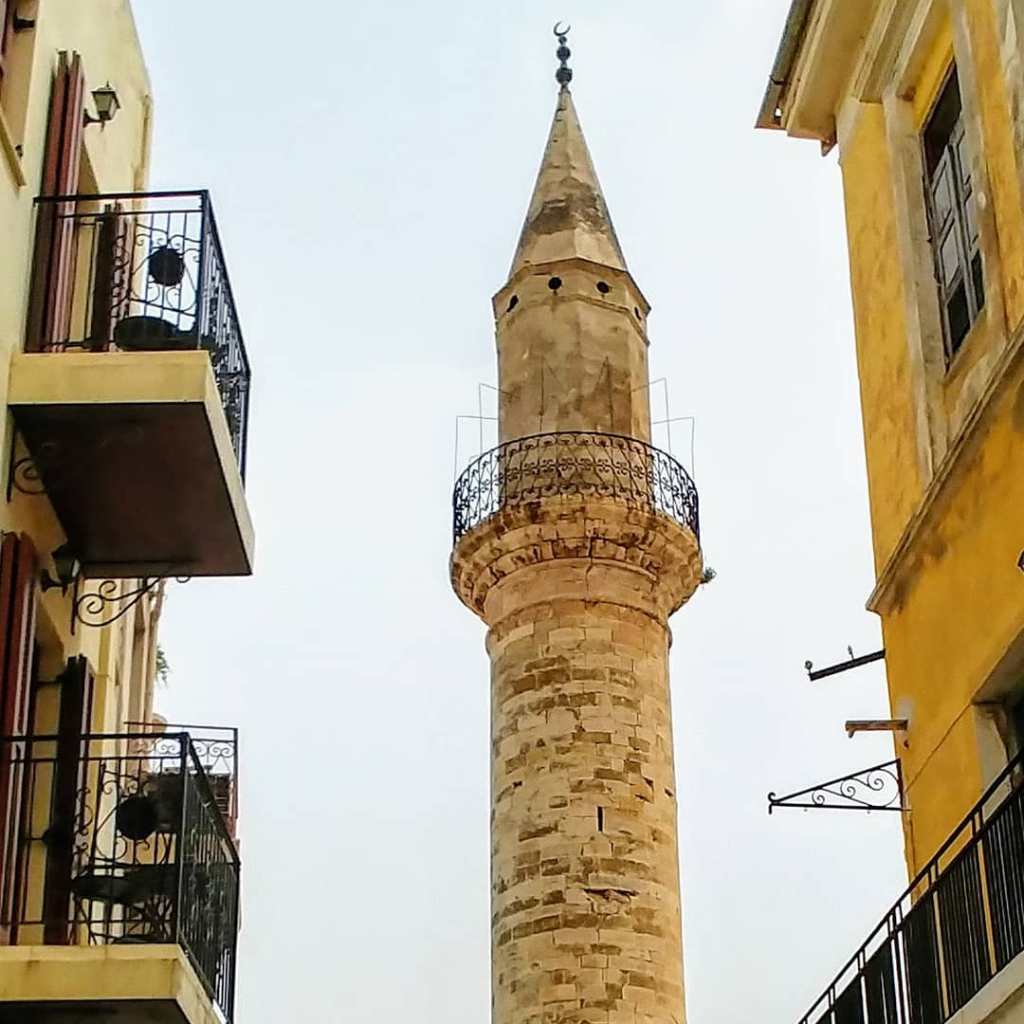
After 200 years of Venetian reign during which many churches were built, and a long war (1645-1669), the island of Crete was ceded to Ottoman rule in 1669 until 1889 — and many churches were converted to mosques. Another in the island’s very multi-layered culture. [Chania]

67171263_456443904913146_1516979635743621120_o

Crete didn’t actually become part of Greece until 1898, when the Ottoman occupation ended. While people of this island absolutely identify as Greek today, including the Greek Orthodox Church that so defines Greek culture, they also strongly view themselves as Cretan — and both Greece and Crete readily agree that the Cretan culture is distinctly its own.

67403477_456448938245976_6861240917131526144_o

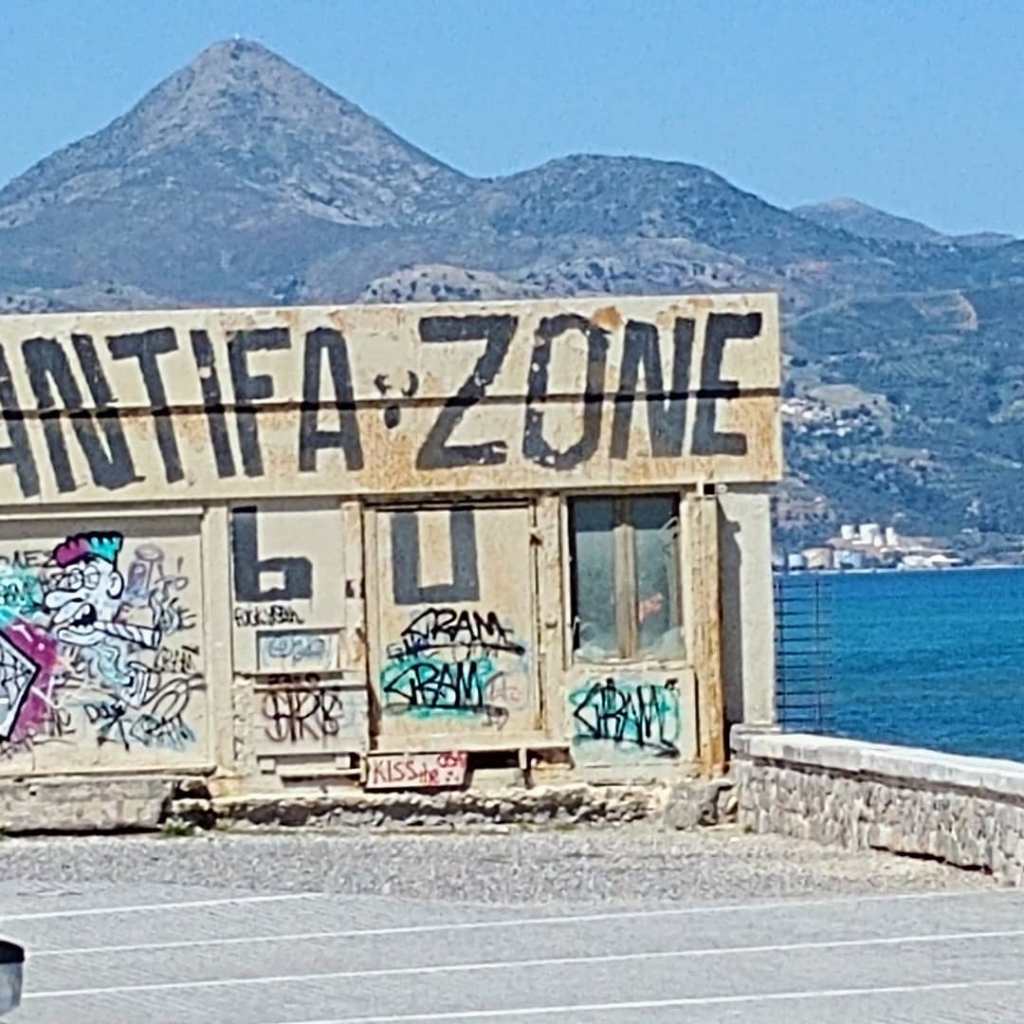
Today, Crete — where people are just as likely to toast when drinking with “eleftheria!” — “Freedom!” — as with a salutation, is powerfully vested in maintaining its independent spirit. After so many centuries of multiple occupations, followed by Nazi invasion in WWII, they have developed a ferocity of character and a need for liberty at all cost. When Golden Dawn, a neo-fascist group that managed to gain seats in Parliament as of 2012 until just last month, set up shop in Crete’s capital of Heraklion in 2018, local residents quickly organised and ran them off the island. [Heraklion]

67114756_456450271579176_3227428220819210240_o

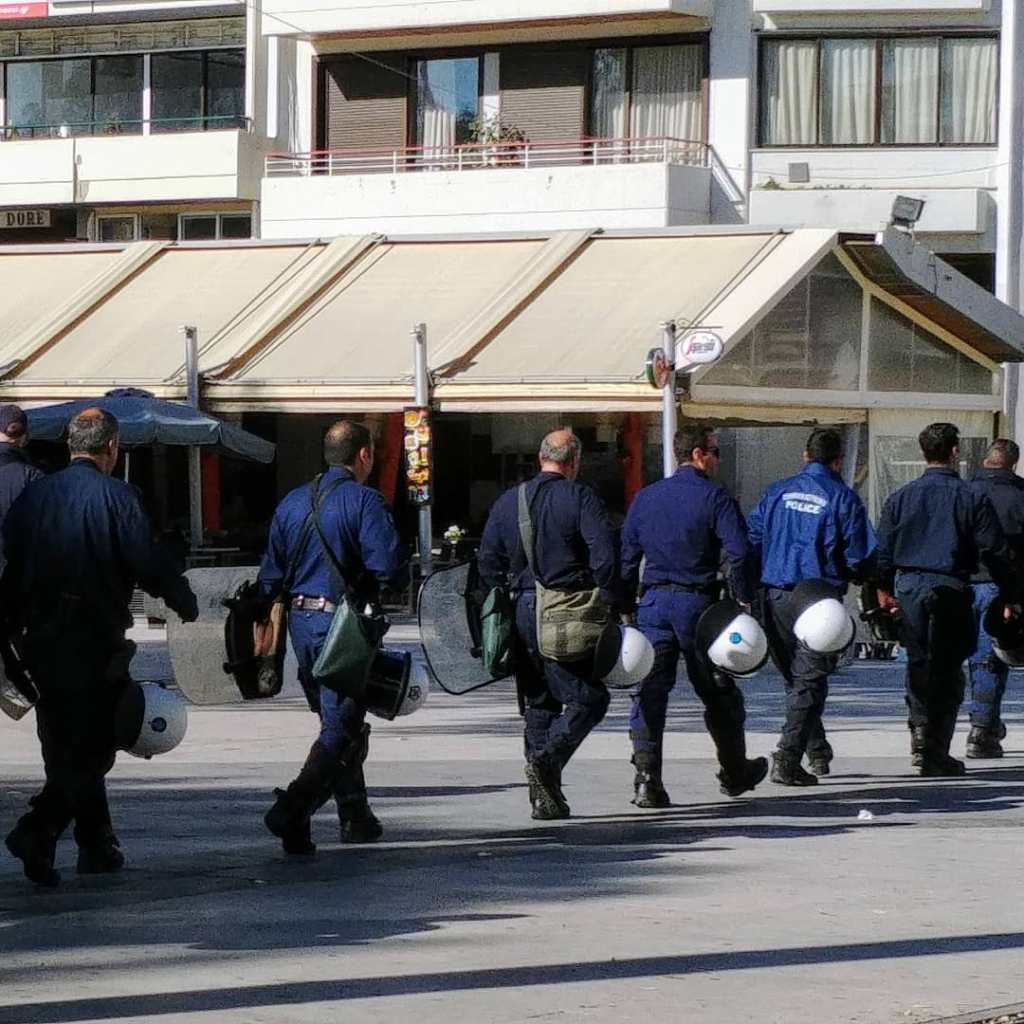
Crete also takes its security very seriously. These riot police maintain order during political demonstrations, and the island has a very low crime rate overall — as does Greece nationwide. [Heraklion]

~EWP