Category: Uncategorized

Estonia

66627567_456360281588175_8732327206132383744_n

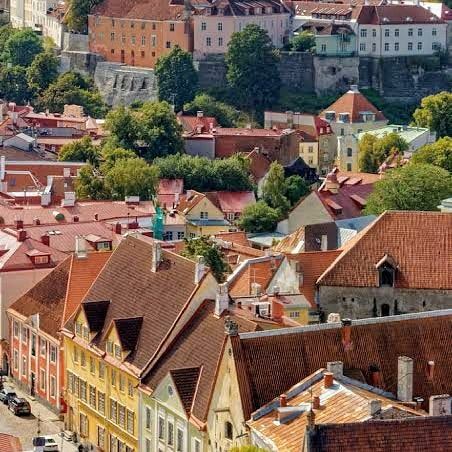
Estonia, with its beautiful Old Town in Tallinn, like the other Baltic states has had few years of its own sovereignty, but rather a series of rulers and shifting boundaries. A revival of national identity took place in the 19th century, and independence was declared by all 3 Baltic states in 1918 — only to lose it again in 1940, this time to the Soviet Union — not to be regained until 1991.
66637199_456366298254240_6217732714565468160_n

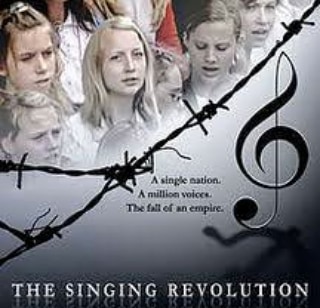
One of the remarkable aspects in Estonia’s road to independence, for which a documentary has been made, is the country’s ‘Singing Revolution’. Estonians have a custom of music festivals; though these continued during Soviet years, the singing of folk songs — nevermind the Estonian anthem — was forbidden, even in the home. In the late 1980s, song became a means of protest; people began building national pride and confidence through song — and through nonviolent means were the first to break away from the USSR.
66781310_456372011587002_8811884903990820864_o

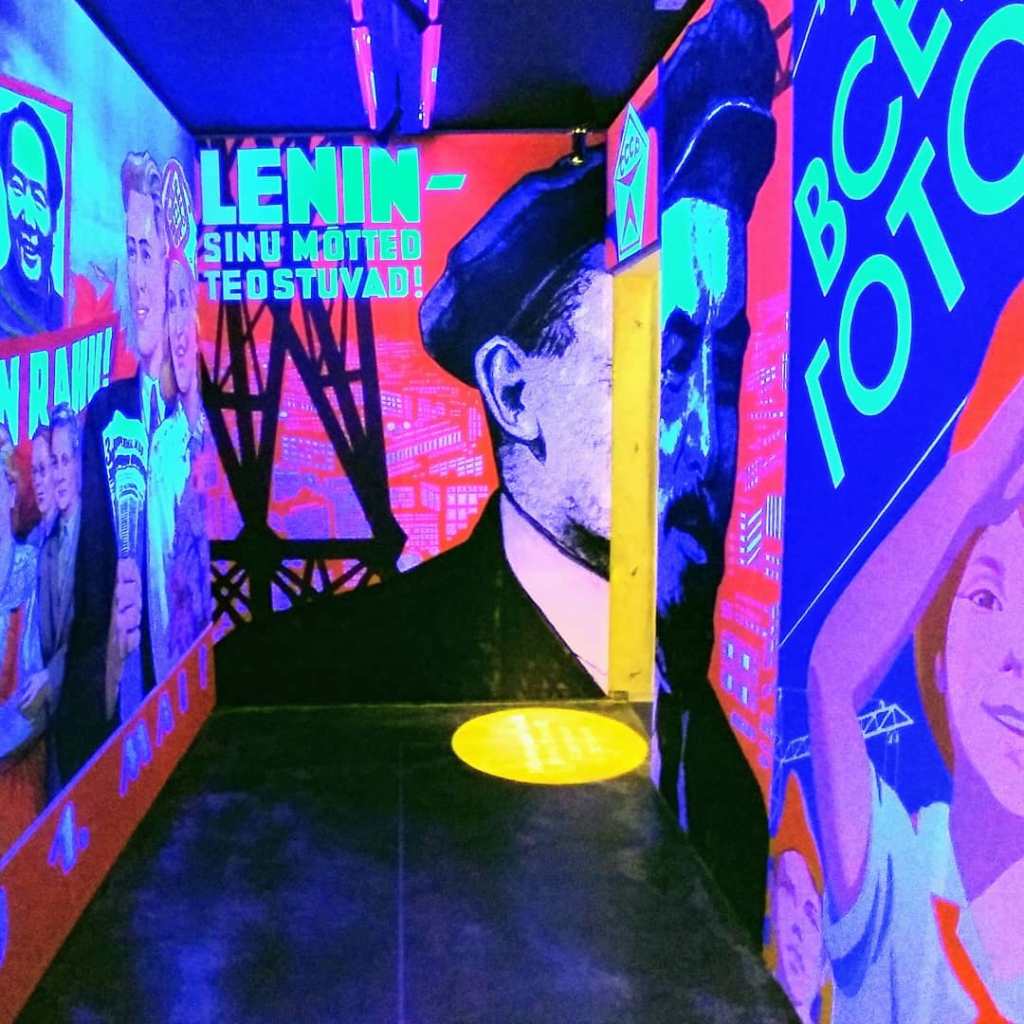
Tallinn’s Museum of Occupations and Freedom, attempts to educate future generations — and share with the world — just how easy it is for a country to lose its independence, and how difficult to win it back again. Conceived and begun in 1998, just 7 years after Estonia begame free from the USSR, it opened in 2003. The building is ultra-modern, emphasising a view not only of the past but toward the future; a branch includes former KGB cells.
66856959_456378241586379_8850358628322902016_o

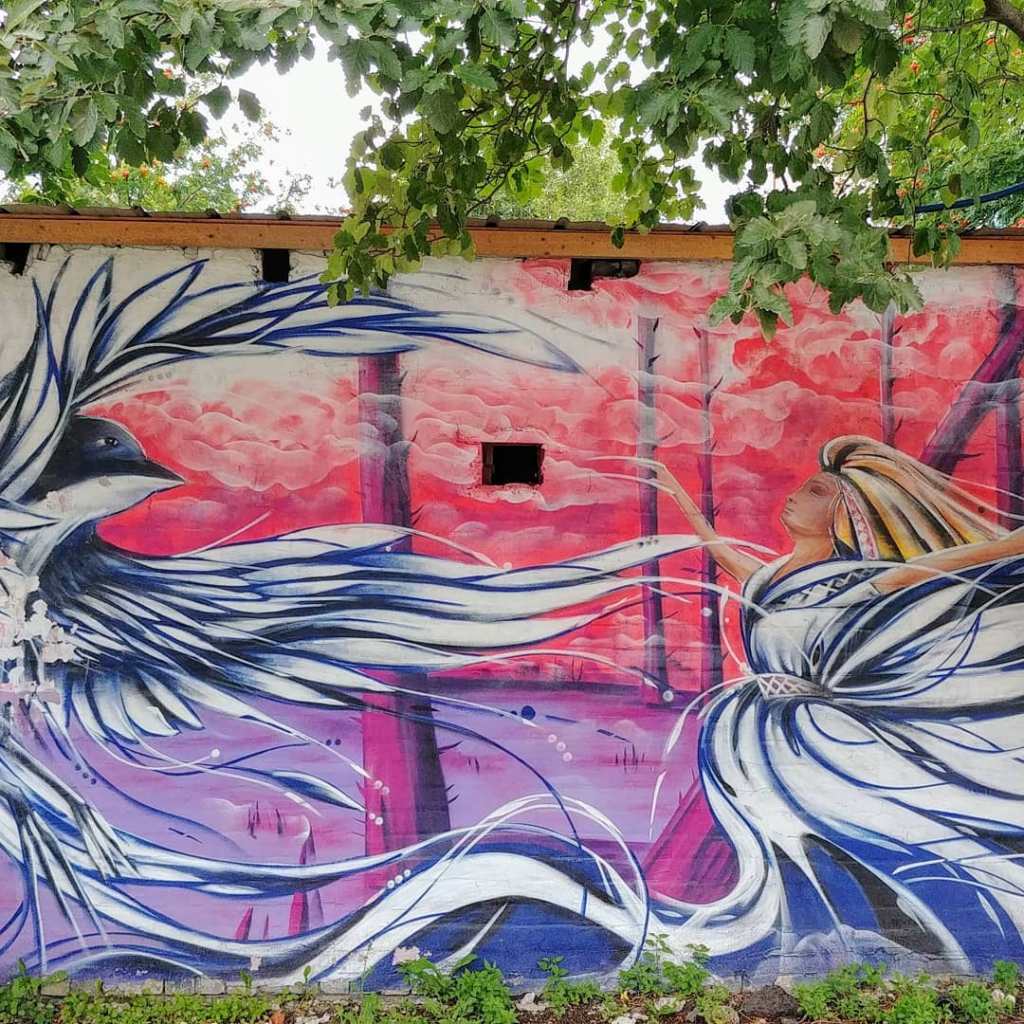
Estonia today places a strong emphasis on the arts, embracing alternative and street art as well. The Ministry of Culture provides artist residency grants; Estonian Academy for the Arts educates emerging artists; the Center for Contemporary Arts, founded in 1992 immediately after the nation regained its independence, develops the art scene in a myriad of ways; art venues abound. In September of this year, Kai Art Centre will open — in a former submarine factory.
66624364_456383071585896_6915135446661988352_o

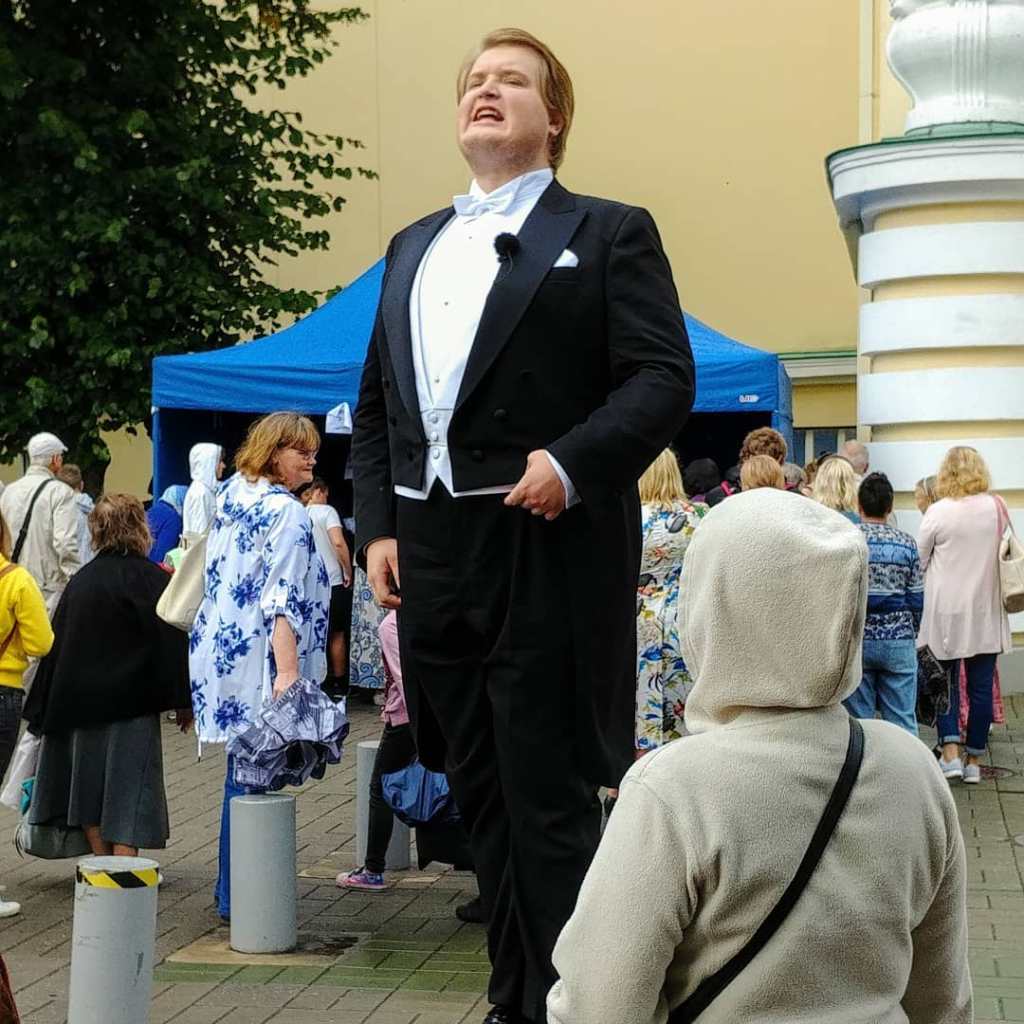
Art also goes to meet the people of Estonia. Seen here is a summer music festival in front of the Estonia Theatre in Tallinn, including performances also by the orchestra and the ballet company.

~EWP
Russia: St Petersburg

66640961_455817848309085_1218676861203120128_o

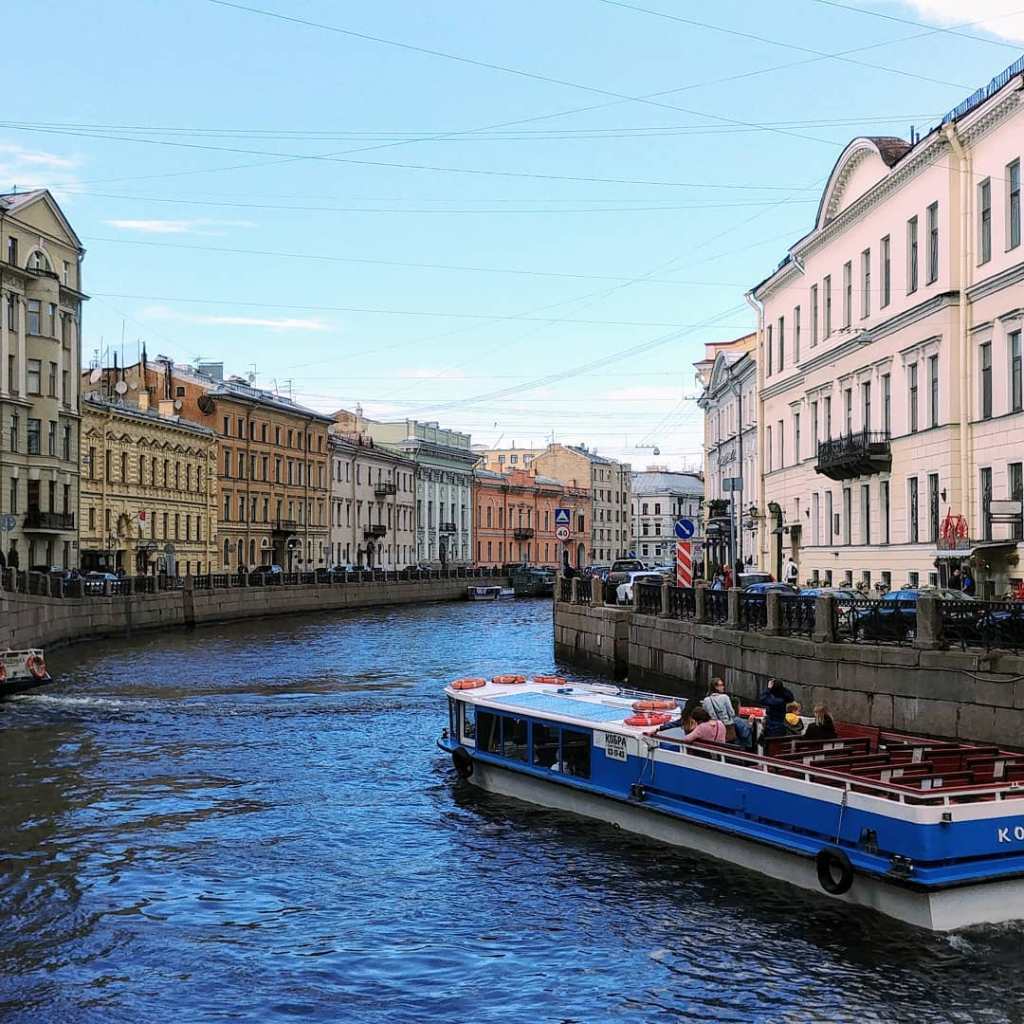
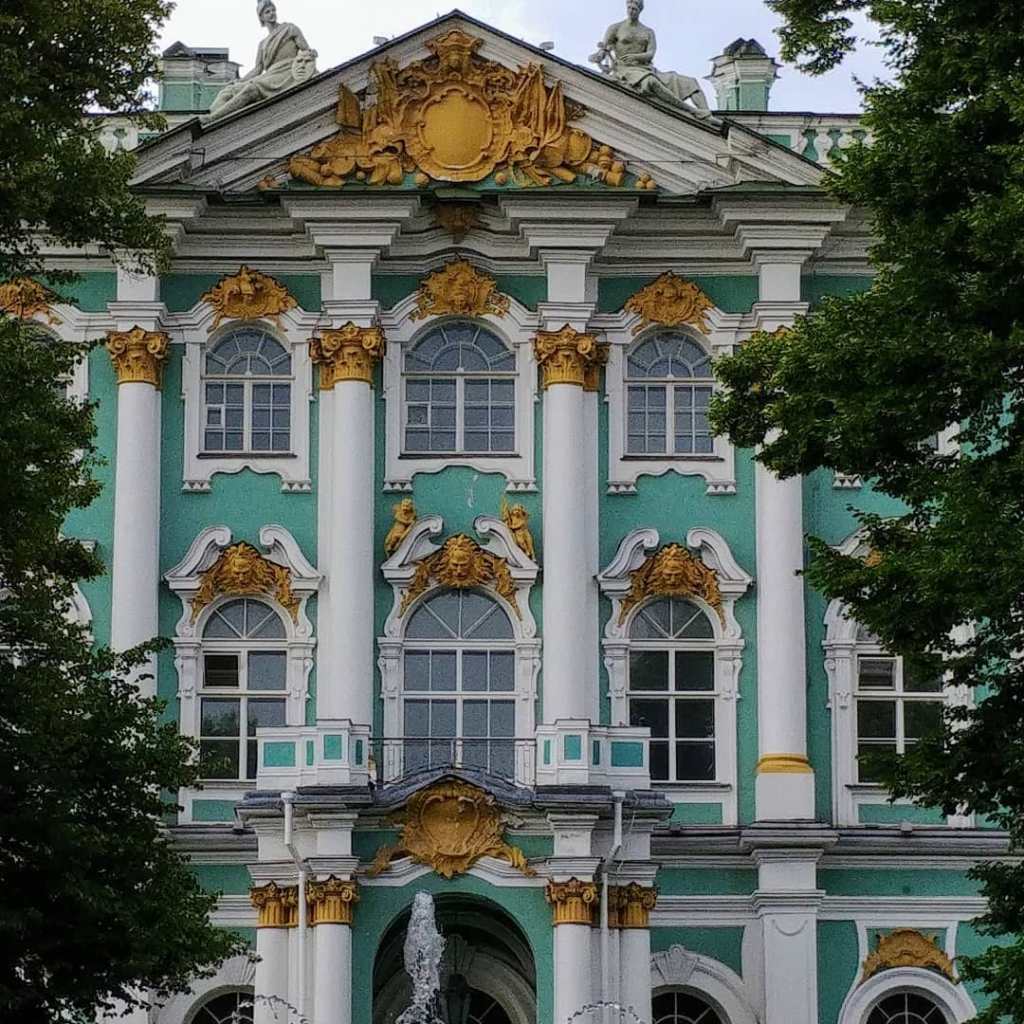
St Petersburg, the pearl of Russia and its former Imperial — and still cultural — capital. The Hermitage Museum is one of the city’s iconic landmarks, and the city overall is reminiscent of a grande old dame — past her prime, but still wearing her ballgowns and furs. There’s a distinct sense of living in the past, even as the younger generation embraces technology, alternative art, underground music — and subversive ideas.

66609544_455834598307410_3868903267471720448_o

The pace of life in St Petersburg, despite the fact that it’s Russia’s second-largest city, is far more relaxed than Moscow; life is gentler in this northern city, and far darker come winter. Perhaps because of its proximity to the Arctic Circle, the people of St Petersburg have adopted (or adapted to) an annual cycle of light and leisure, followed by dark — and introspection.

66722028_455840864973450_2478769804278759424_o

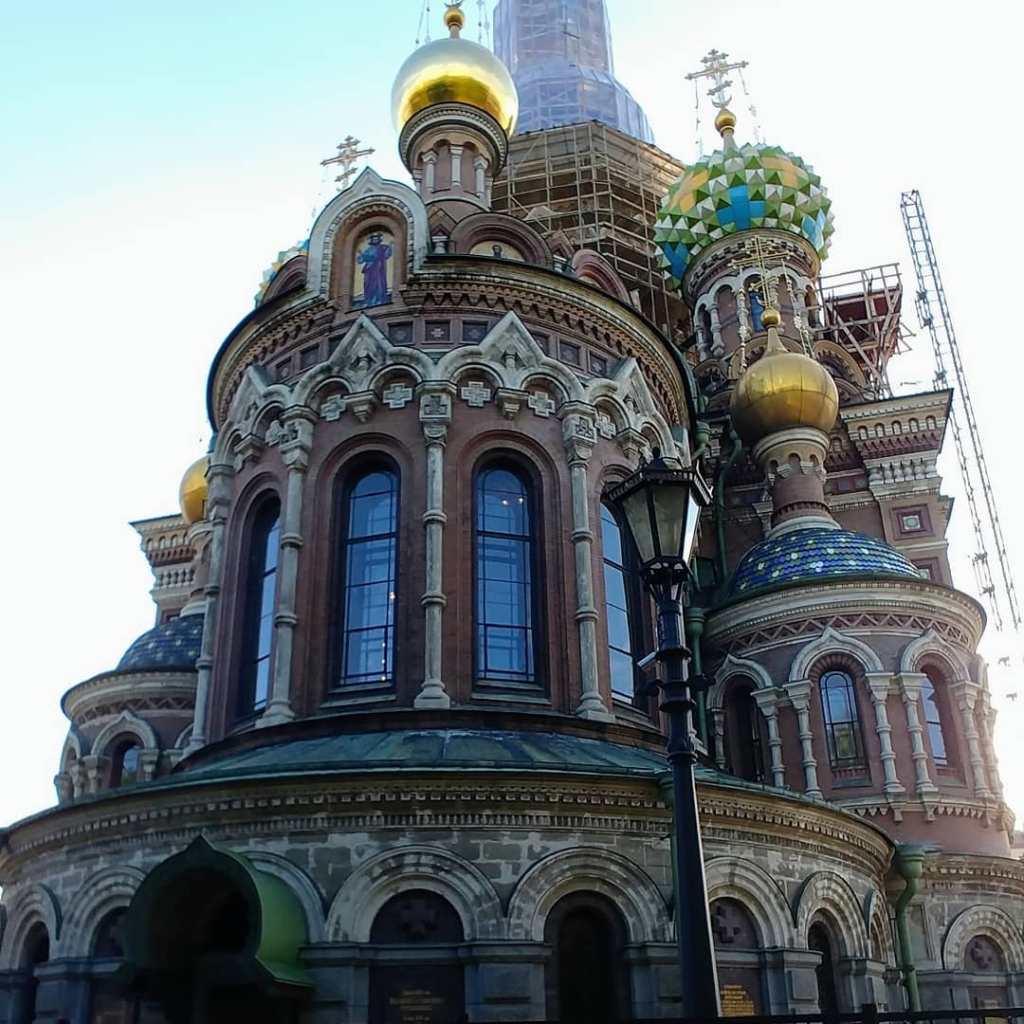
Another of St Petersburg’s most iconic images is the Church of the Resurrection of Christ, more commonly known as Savior on the Spilled Blood — a somewhat ghoulish name for such a fairytale design, in acknowledgment of a failed assassination attempt against Tsar Alexander II. During Soviet years it was used variously as a warehouse and a morgue; now restored, it serves as a reminder of a glorious (if lavish) past — but not a particularly religious present.

66669598_455847868306083_2253447723917246464_o

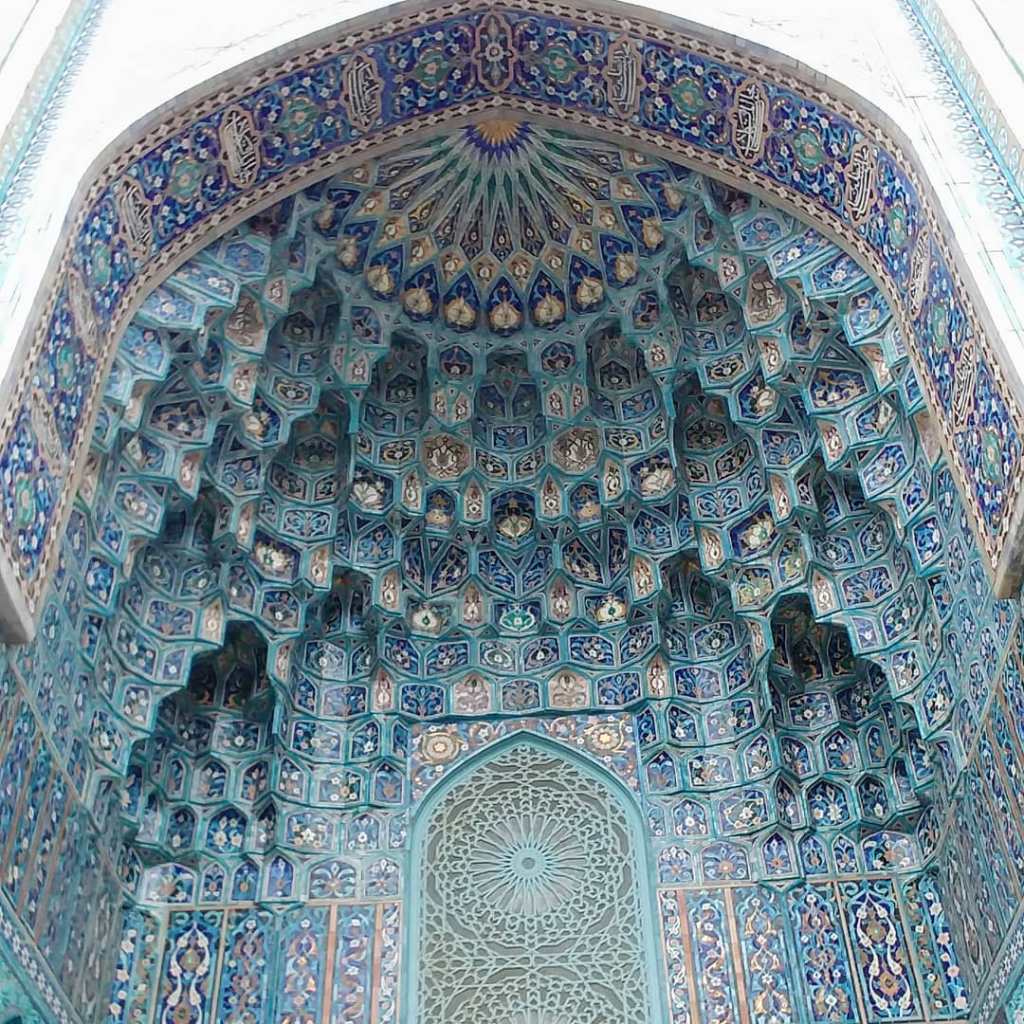
The Great Mosque of St Petersburg was built in 1913 — the Soviet Union, which disavowed all religion while not expressly forbidding it, founded just 9 years later. Muslims and Orthodox Christians in the country have experienced periods variously of conflict and of cooperation.

66873797_455862058304664_7992941361990991872_o

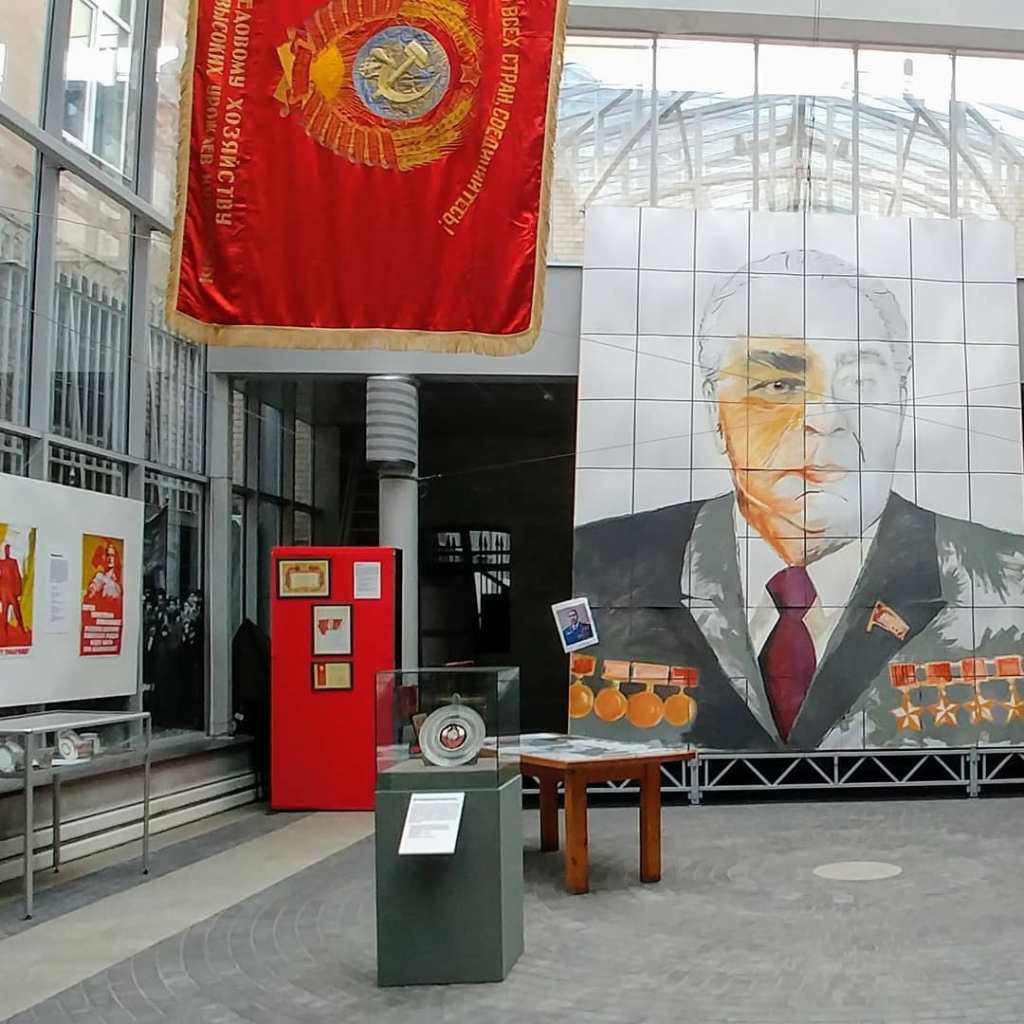
Museum of the Political History of Russia, in St Petersburg. With its memorial to Lenin and the revolutions of the Bolsheviks, historic posters and other memorabilia of subsequent Soviet times, and poignant displays of those who were persecuted during same — including the Stalin-induced famine in Ukraine, it provides a comprehensive and surprisingly objective view. One of its exhibitions: “Soviet Epoch: Between Utopia and Reality.”

66757453_455870174970519_7789597333657747456_o

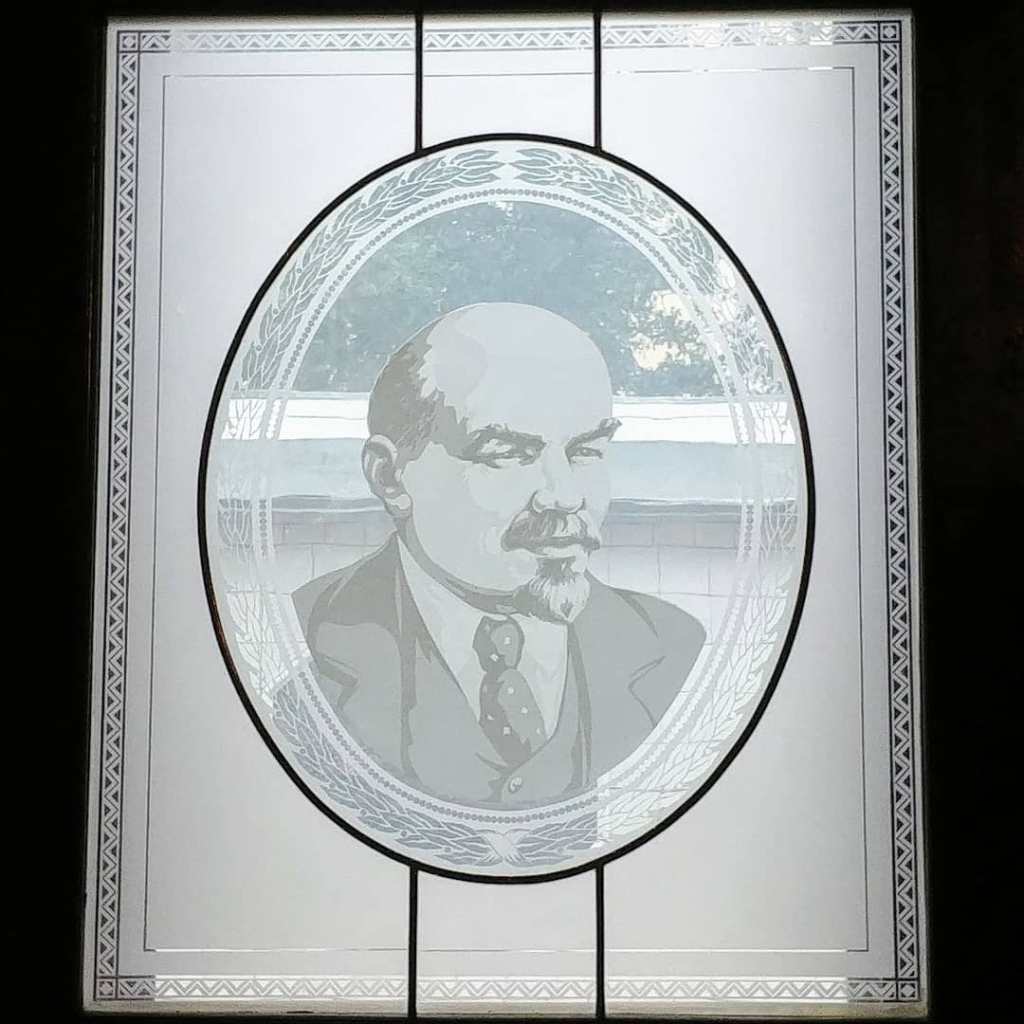
For decades after his death, and indeed his body still lies in state: Lenin was celebrated as the father of the revolution(s) and the modern, post-imperial / elitist Russia. His socialist ideology saw governance by direct democracy, national self-determinism, and economic and social equality. Today, the continued existence of the ‘Lenin personality cult’ is hotly debated among social and political theorists, though his image remains largely untarnished.

66760931_455876981636505_6140724887251058688_o

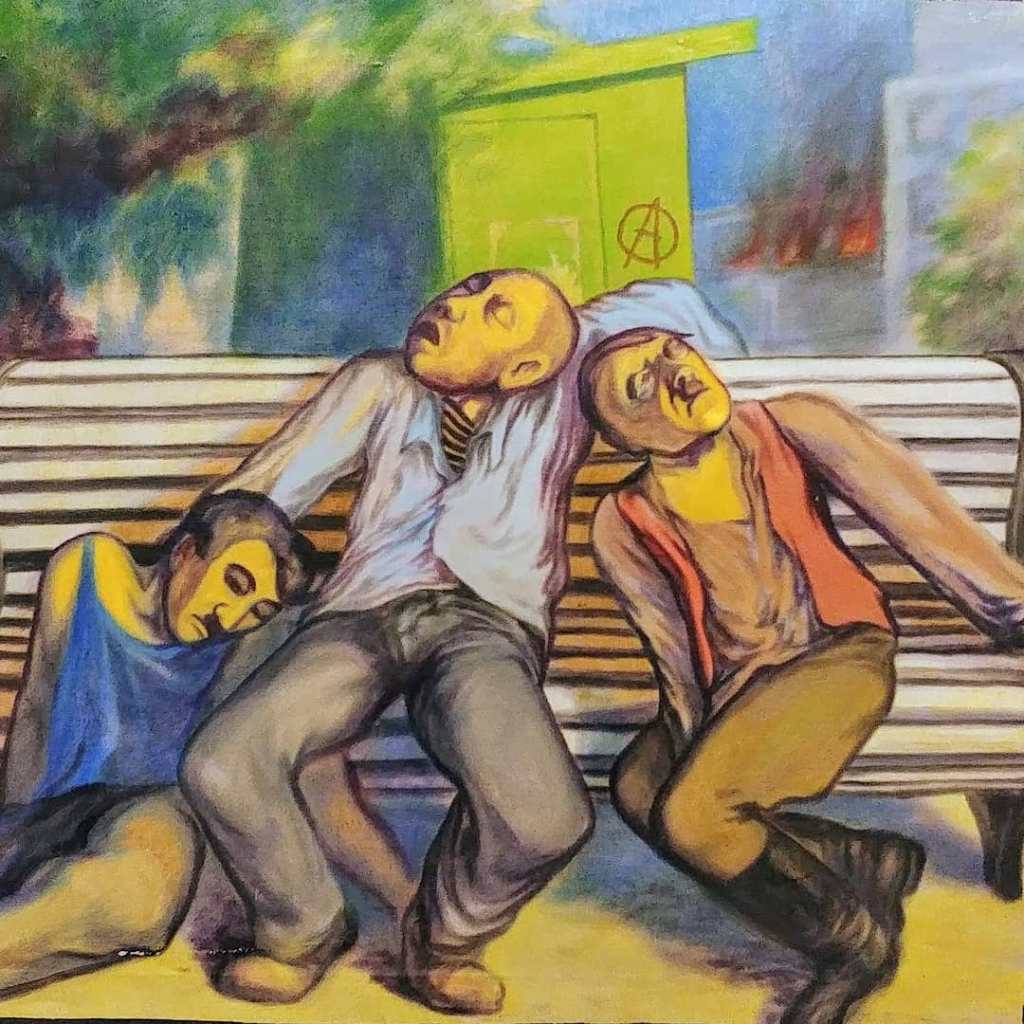
Contemporary art in St Petersburg is often critical of former Soviet policy and practices. Here Hitler and a young Stalin can be seen sleeping off a presumed night of drinking in the park, the Anarchy symbol looming above. Articles are still being written today, in The Moscow Times as well as international sources, exhorting Russia to admit to its collusion and secret pact with Nazi Germany in the early years — but, while Hitler is portrayed as a villain, Stalin is thought of as a hero who defended his people against evil.. And the argument continues.

66687226_455881174969419_262073131965874176_o

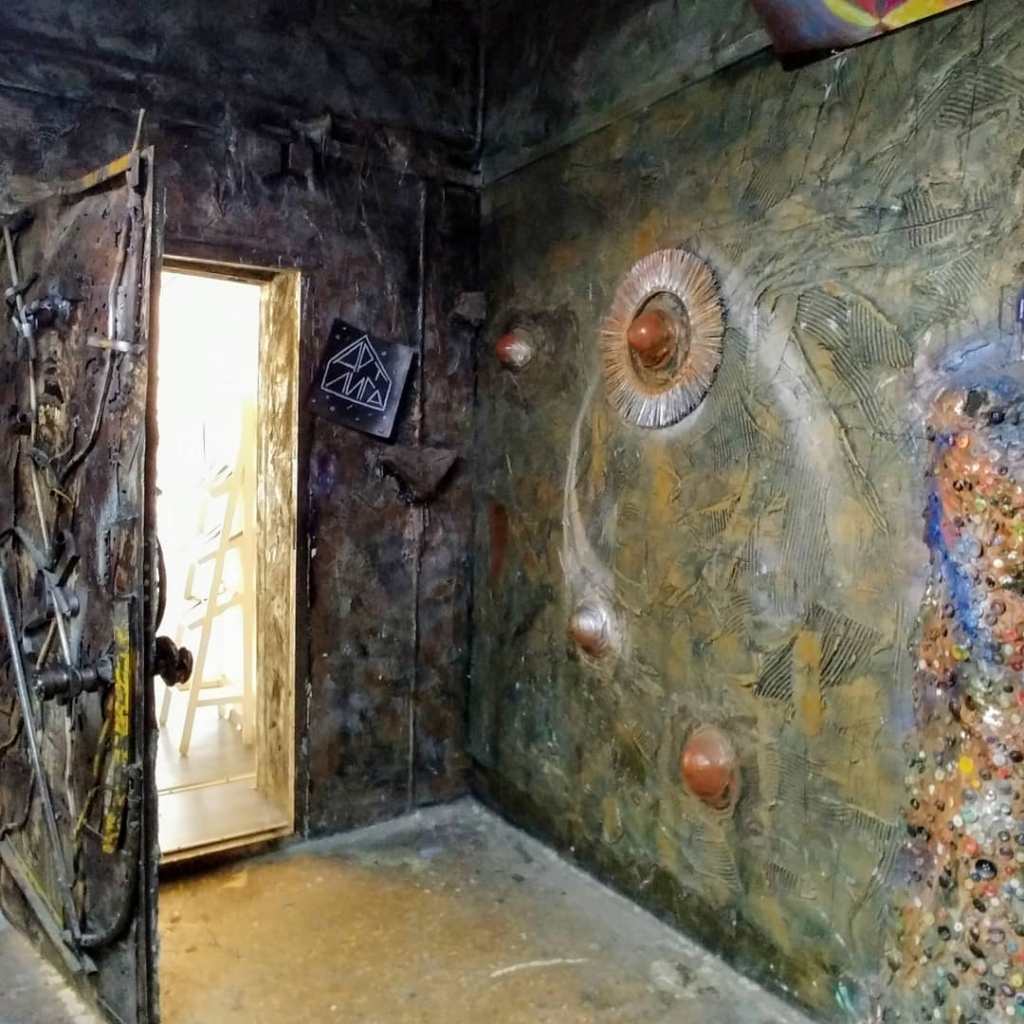
Plenty of alternative art in St Petersburg, and art collectives, too. While one might not refer to the city (or anywhere in Russia currently) as “liberal,” Putin having just declared the death of liberalism, St Petersburg comes close to that edge. As Russia seems to retreat into the past, and St Petersburg at first glance never left it, this may come as a surprise. But the contemporary and experimental art, Internet and café discussions, and youth culture overall show another face of this city — one which aligns culturally just a bit more with Europe than with the East — or the North.

~EWP

Russia: Moscow

67104410_455713571652846_6608569043374833664_o

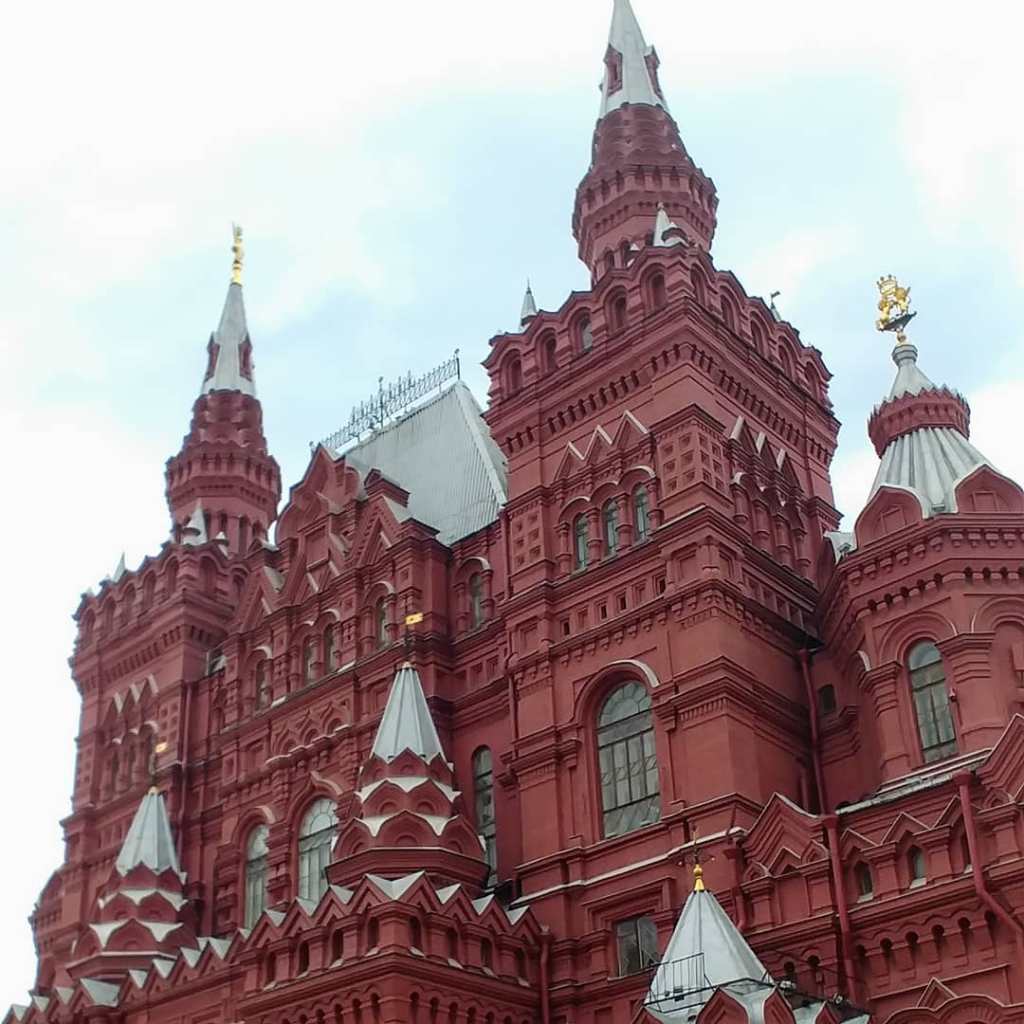
Moscow’s iconic ‘Red’ Square isn’t named for communism, nor the red bricks of the State Historical Museum, nor executions (nor even market butchering) — though it encompasses all that and much more. The word means ‘beautiful’ in Russian and the square, like central plazas in numerous cities, historically served as the city’s focal point and marketplace. Highly touristic today, nevertheless one can take in much of the country’s history and culture in the many buildings at this site.

67151027_455718961652307_4706862785764524032_o

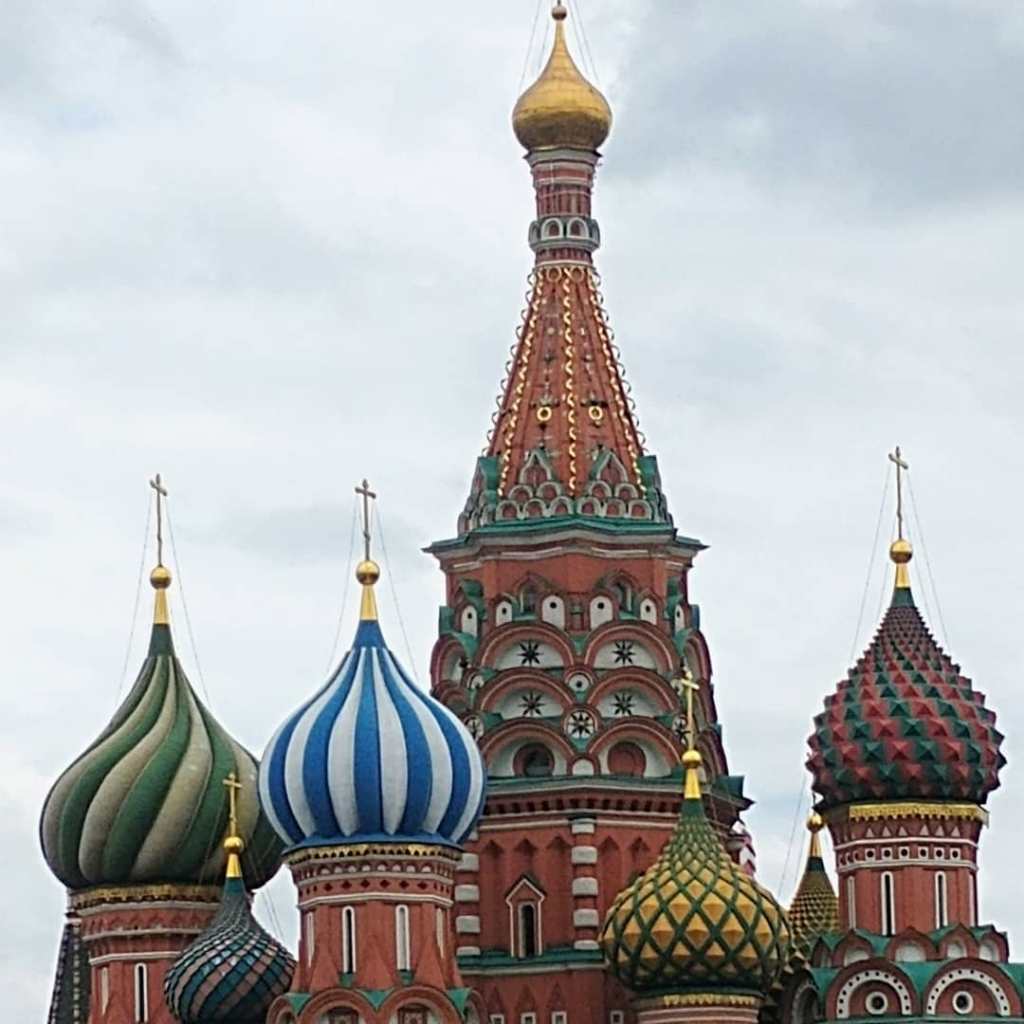
One of Moscow’s most iconic buildings is St Basil’s Cathedral in Red Square. The city and indeed the country are dotted with churches; since 1997, however, freedom of religion has been guaranteed. Only 42% identify today as Orthodox Christian, while another 25% cite ‘spiritual but not religious’ — and there is a resurgence in Siberian shamanism, illegal during Soviet times.

66651670_455723311651872_1643936532551172096_o

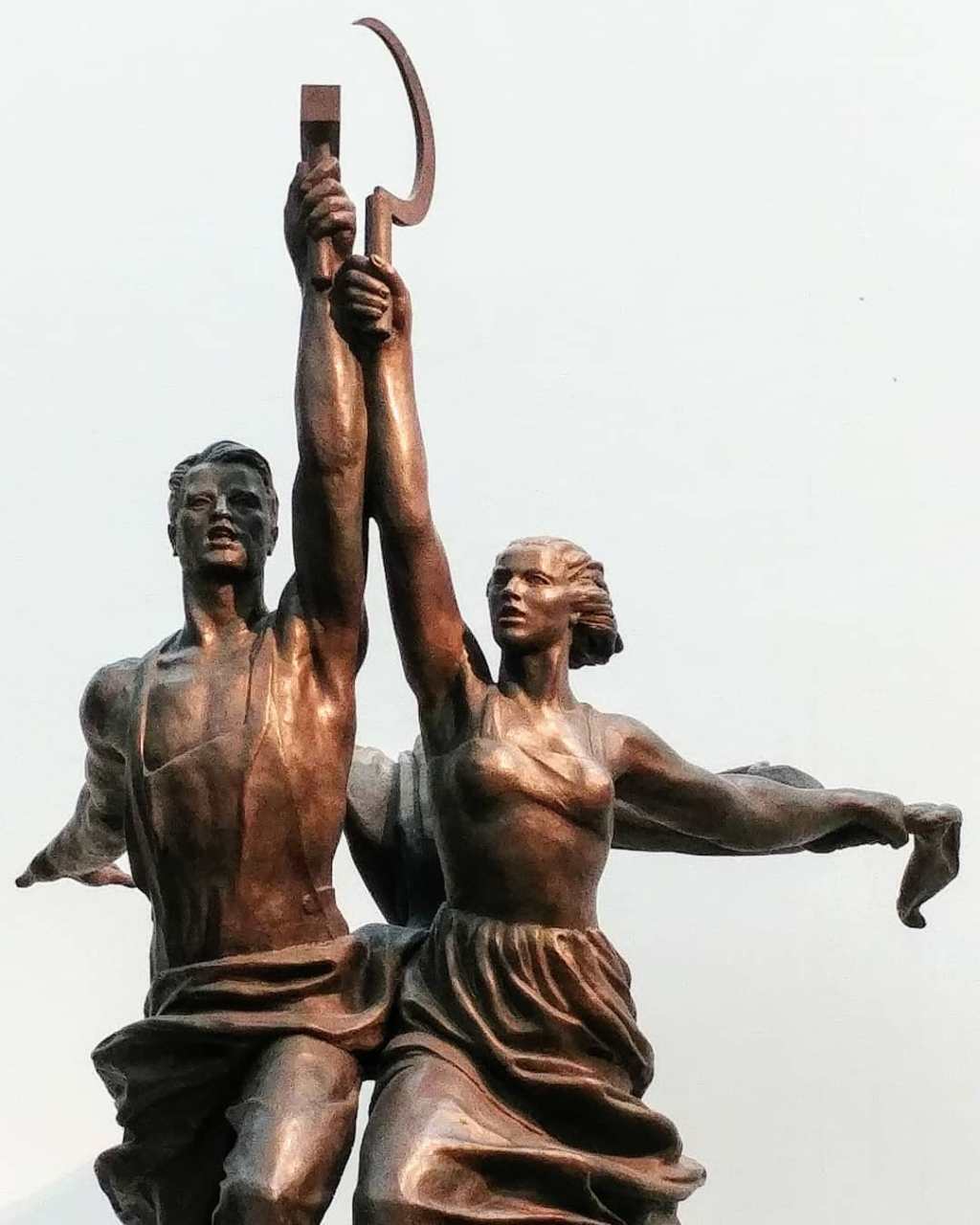
A large part of Russia’s modern-era story has been communism as a social and political force. A very mixed legacy today, with condemnation of the executions, gulags, and secret police — and a recent survey that indicated Stalin as one of its greatest leaders. In Russia, capitalist since the fall of the Soviet Union in 1991 but with a strong legacy of communism — and totalitarianism, a parliamentary democracy is in place — while ideology and power structures of the past remain firmly entrenched.

66475978_455731764984360_683002054645383168_o

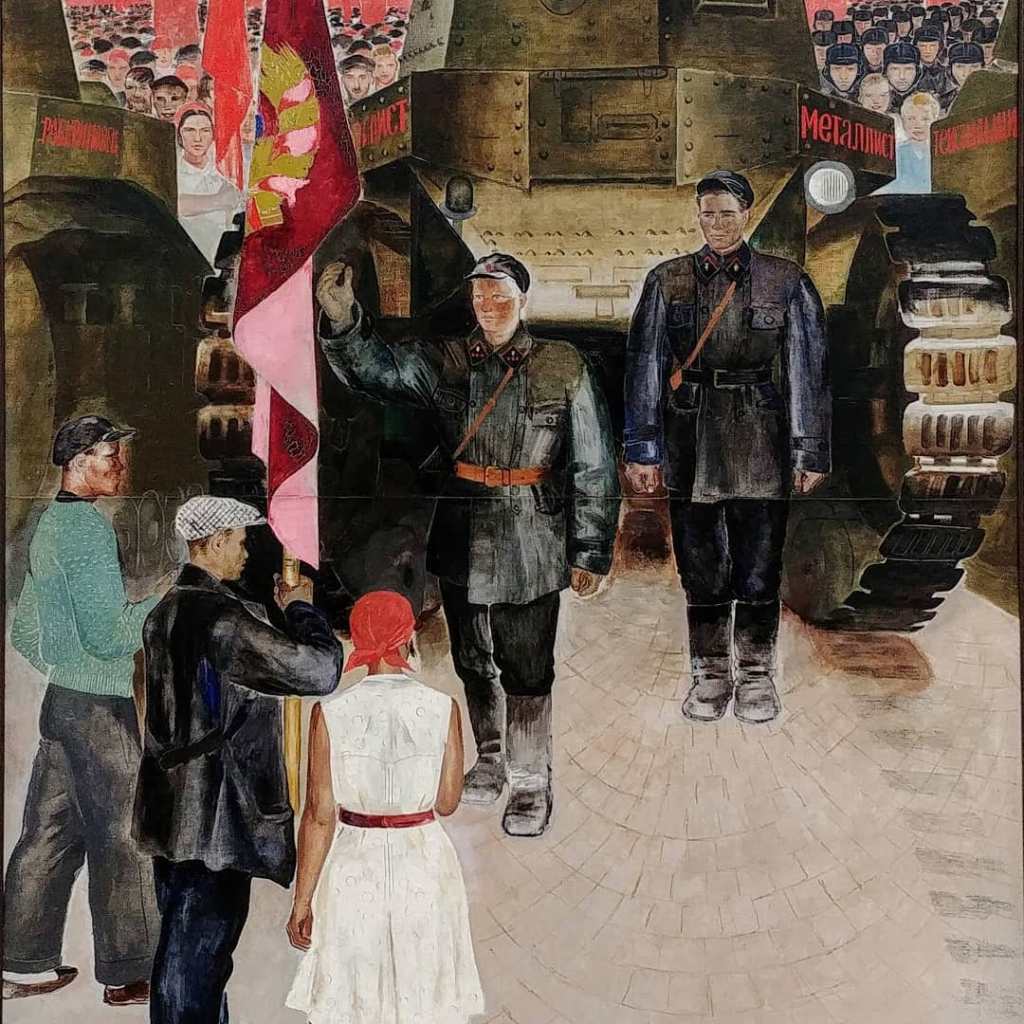
In today’s Moscow, art freely questions or criticises the nation’s Soviet past. This, seen at New Tretyakov Gallery in Muzeon Park of Arts, seems to show protesters confronting the military — with the crowds surging behind.

66482722_455734671650736_3077908301732642816_o

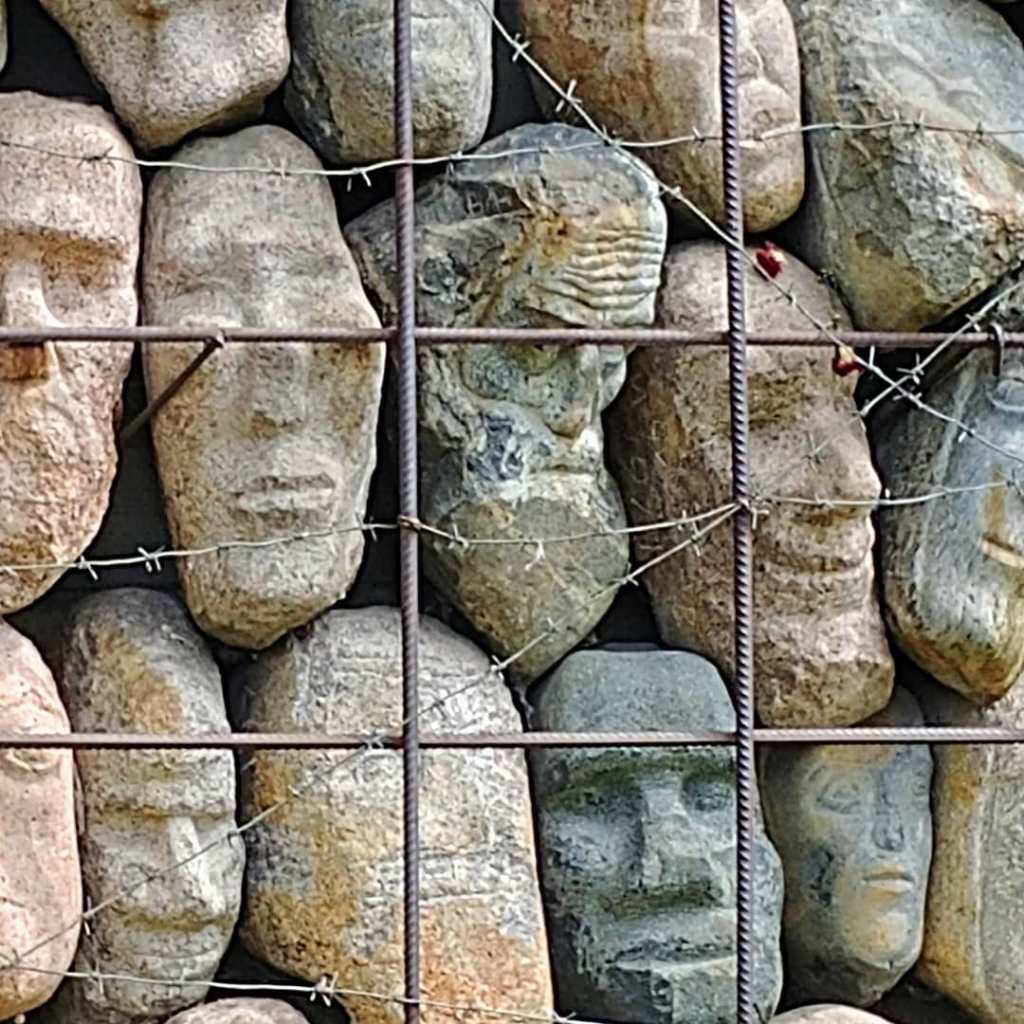
Moscow’s Muzeon Park of Arts, adjacent to Gorky Park, is filled with sculpture both new — and Soviet. Often called the ‘Soviet graveyard’, it hosts (boasts?) numerous Soviet-era, militaristic sculptures, many of them grouped together beside New Tretyakov Gallery in a sort of cemetery plot. Nearby are the Monument to Victims of Totalitarian Regimes, several protest pieces such as this cage of screaming heads — and a series of erotic sculptures. Perhaps the Russian psyche is in similar confusion about its past?

66857967_455744328316437_8590039689849733120_o

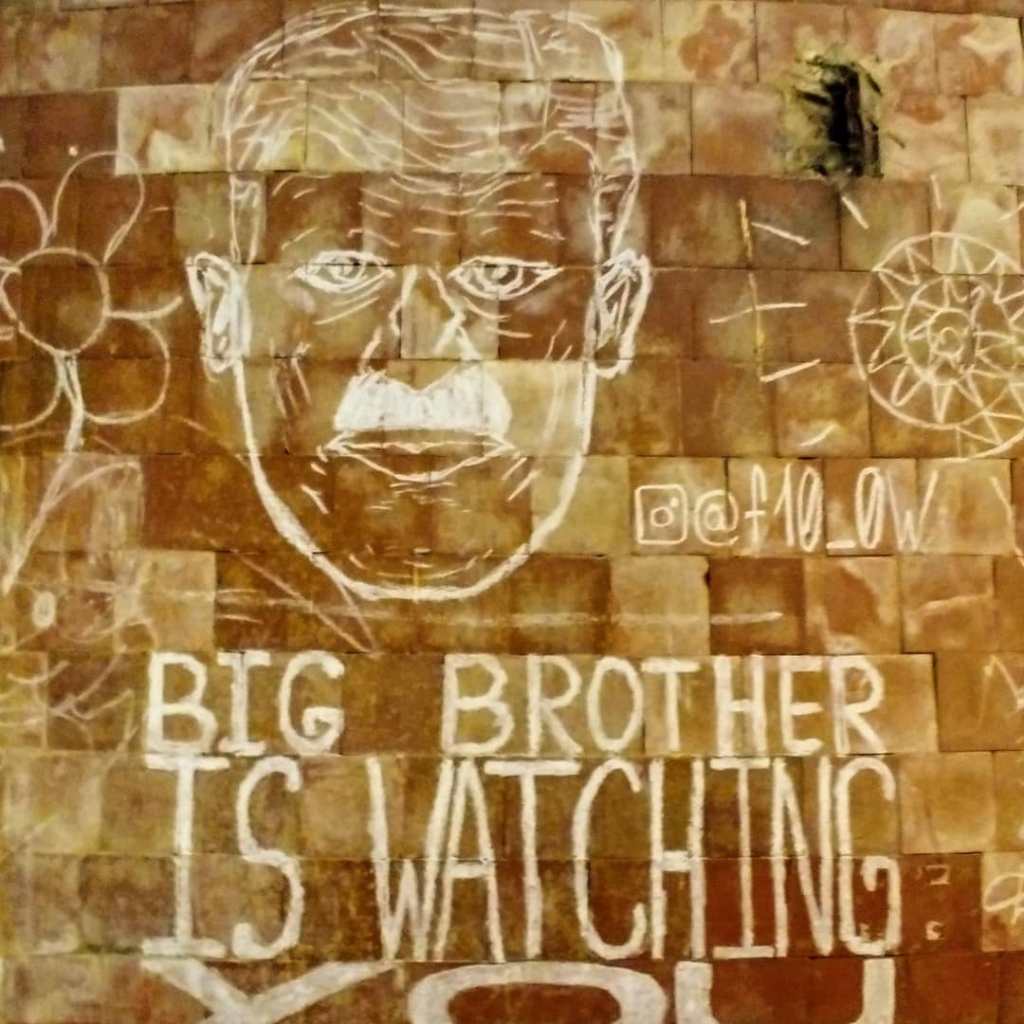
In the studios of Winzavod, a contemporary art complex in a 19th-century brewery of Moscow, much of the art tends toward alternative — and political, and controversial. There is much talk, in today’s Russia, of whether the surveillance of Soviet years has ever gone away. Considering their recent past, a generalised distrust is expected; and, there is evidence that would suggest this is not mere paranoia.

67059922_455749648315905_7983470259023642624_o

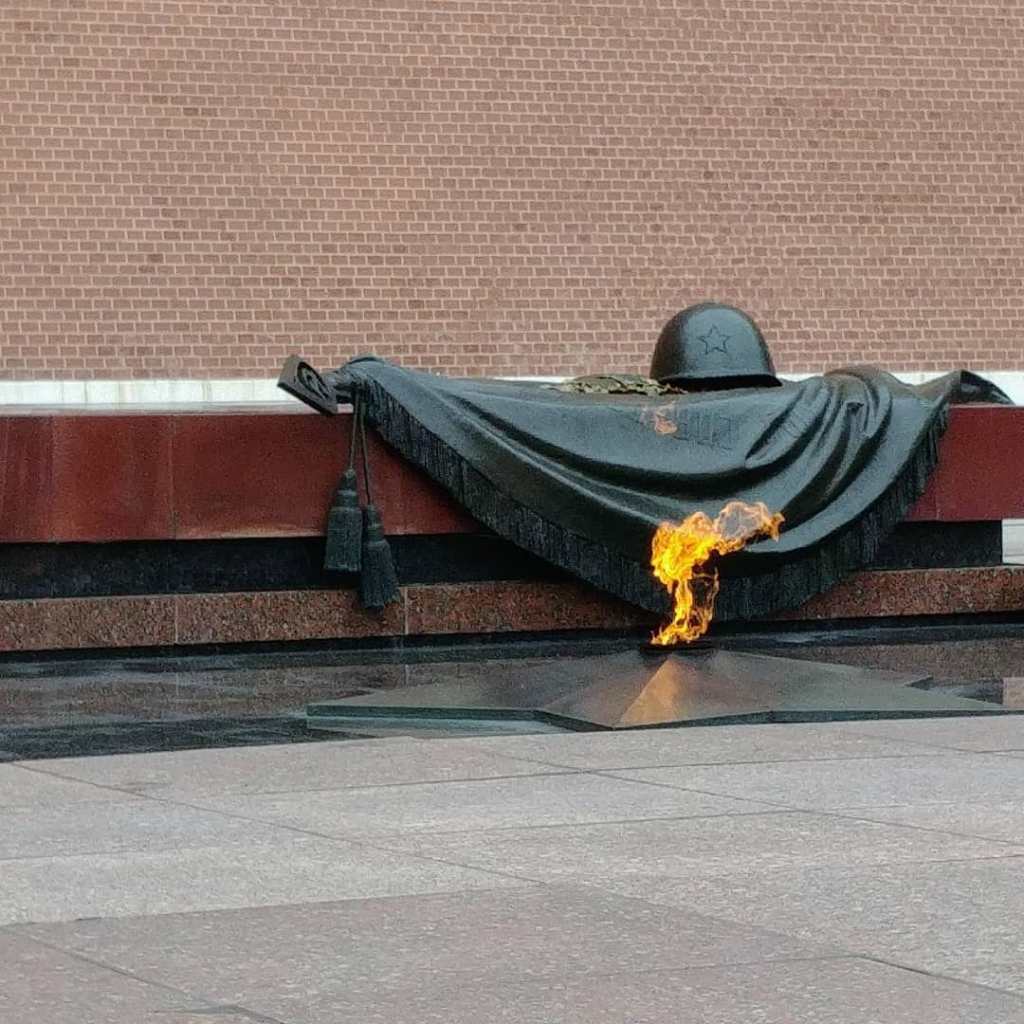
Tomb of the Unknown Soldier, with an eternal flame and continuous military guard, serves as a poignant reminder of the millions of Russian soldiers dead or missing by the end of WWII. A secret nonaggression pact existed between the Soviet Union and Nazi Germany to ‘divide the spoils’ in Eastern Europe; in 1941, Hitler invaded the country, thereby nullifying the pact and creating an enemy. It is assumed that, as his anti-Semitic fervor became all-consuming, the German leader couldn’t resist attacking his former ally — as Russia had long been home to a large Jewish community.

67077662_455754871648716_9098301871935717376_o

Moscow’s Jewish Museum and Tolerance Center, opened in late 2012, provides a remarkable memorial and education facility. There is criticism among the people, and rightly so, that no such facility of this scale has been built to those ‘dissidents’ who lost their lives in the Soviet executions and gulag system. (The first, the ‘Wall of Grief’, was inaugurated in 2017.) Nevertheless, Russia has integrated Jewish citizens since the 7th century with a population of more than 5 million by 1897; this was not always free or safe, with restricted movement in the Pale of Settlement under Catherine the Great and multiple pogroms beginning in the 1880s — causing mass emigration 1880-1928 … including 240,000 to Europe.

~EWP

Bosnia and Herzegovina

66369758_454799631744240_6498955254573301760_o

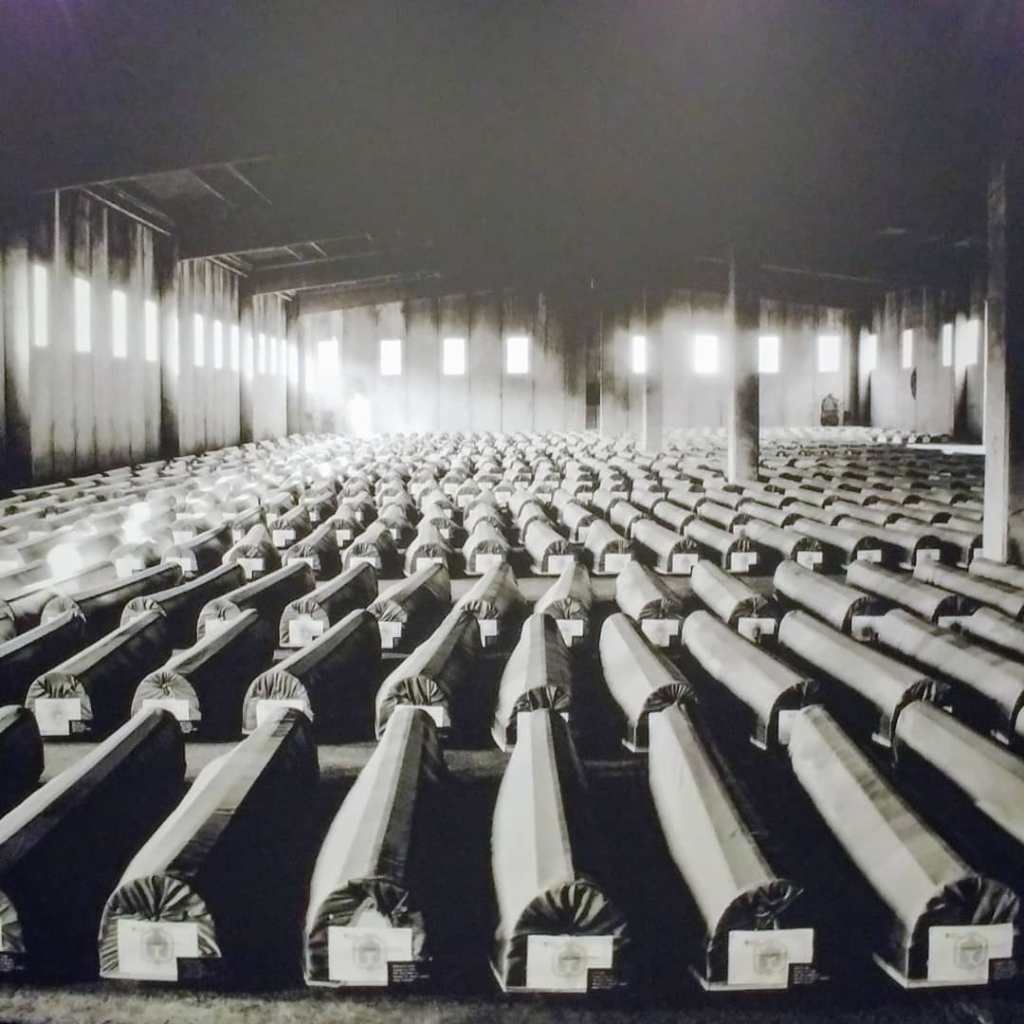
Yesterday was the 24th anniversary of the Srebrenica massacre — and Bosnia remembers. The world has largely forgotten, or never knew, about the largest attempted genocide since the Holocaust — but justice has never yet been granted, and Bosnia cannot forget. In Sarajevo, several museums and many more exhibitions, demonstrations, pleas to the Hague have fearlessly focused on this travesty and on the war itself — and wounds run deep. Courageously, they carry on.

66341738_454801981744005_7288091921107386368_o

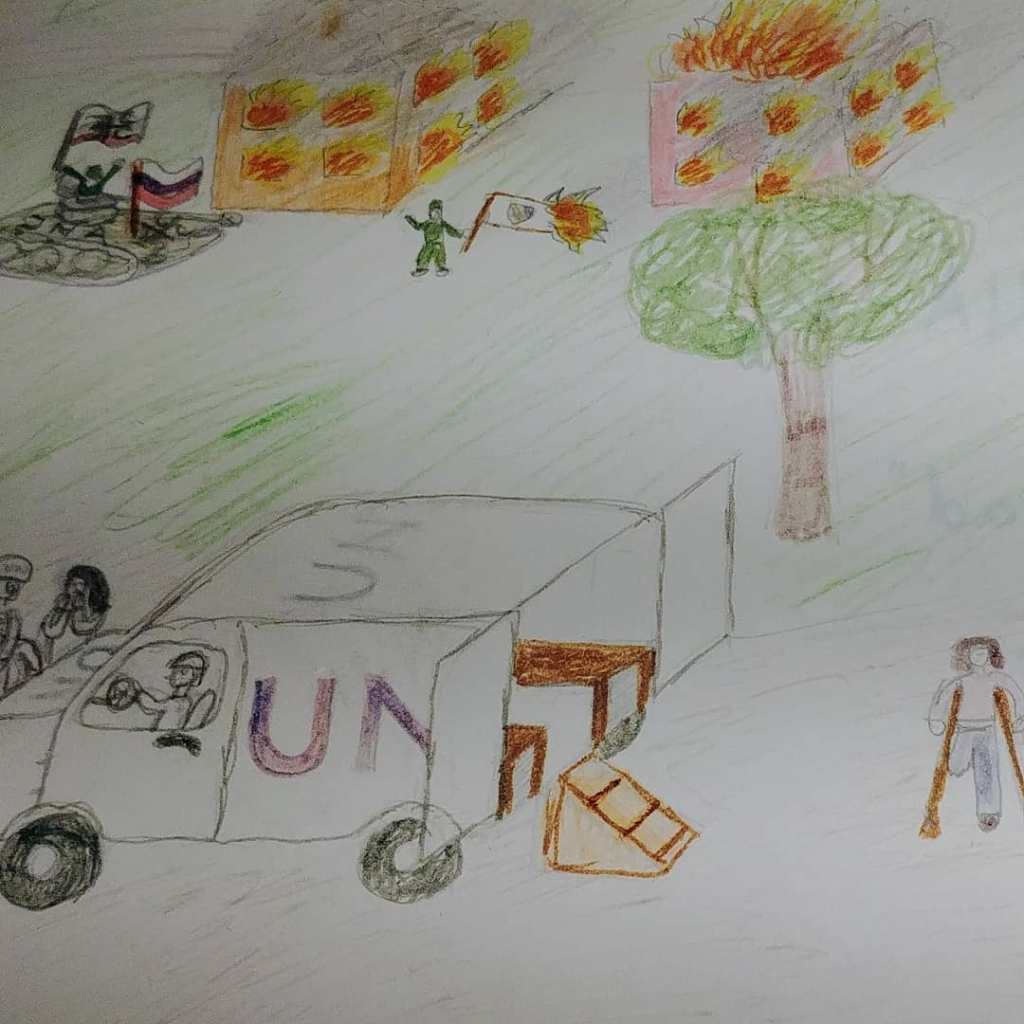
The children of Bosnia remember. In the aftermath of war, in an attempt to heal the trauma, children — now grown — were encouraged to draw their experiences. Those drawings, along with artifacts of a stolen childhood and memorials to those children who did not survive, can be seen at the War Childhood Museum in Sarajevo.

67189595_454805988410271_7131932304703750144_o

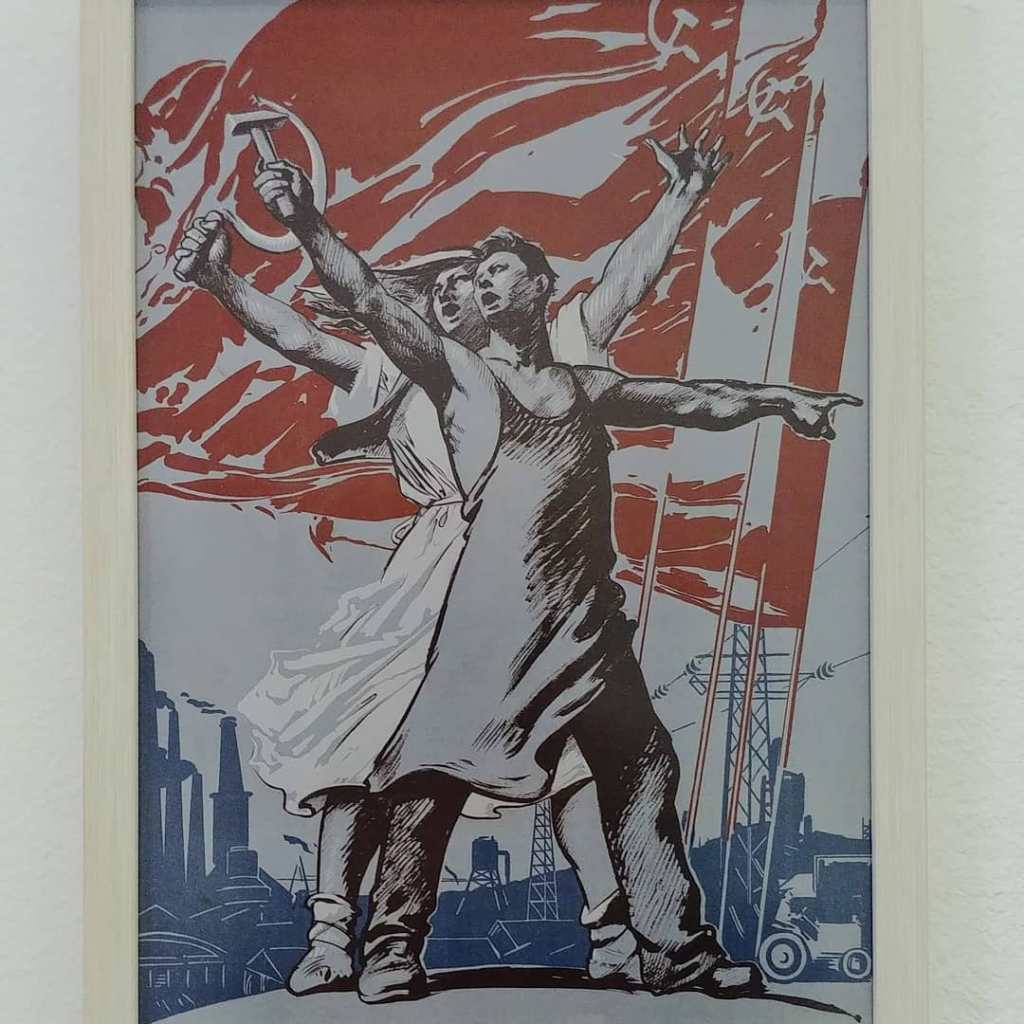
A primary factor in the Bosnian War was the age-old ideological fight between Christians and Muslims, seen playing out in the global arena once more today — Bosnia, primarily Muslim, and Serbia, almost exclusively Christian, a dynamic again in the Kosovo War just a few years later. Tensions had existed between these communities for years, and finally erupted; Europe has always been uneasy with the idea of a Muslim presence. But — was this the only reason?

66632455_454817615075775_5043382965283848192_o

Another undeniable factor in the Bosnian War was the breakup of the former Yugoslavia immediately prior, the chaos and power vacuums that ensued creating the ‘perfect storm’ for conflict — over territory, styles of government, and old ethnic and religious tensions. The question was, and still is: Where was the international community?

66622963_454824301741773_4628581496351883264_o

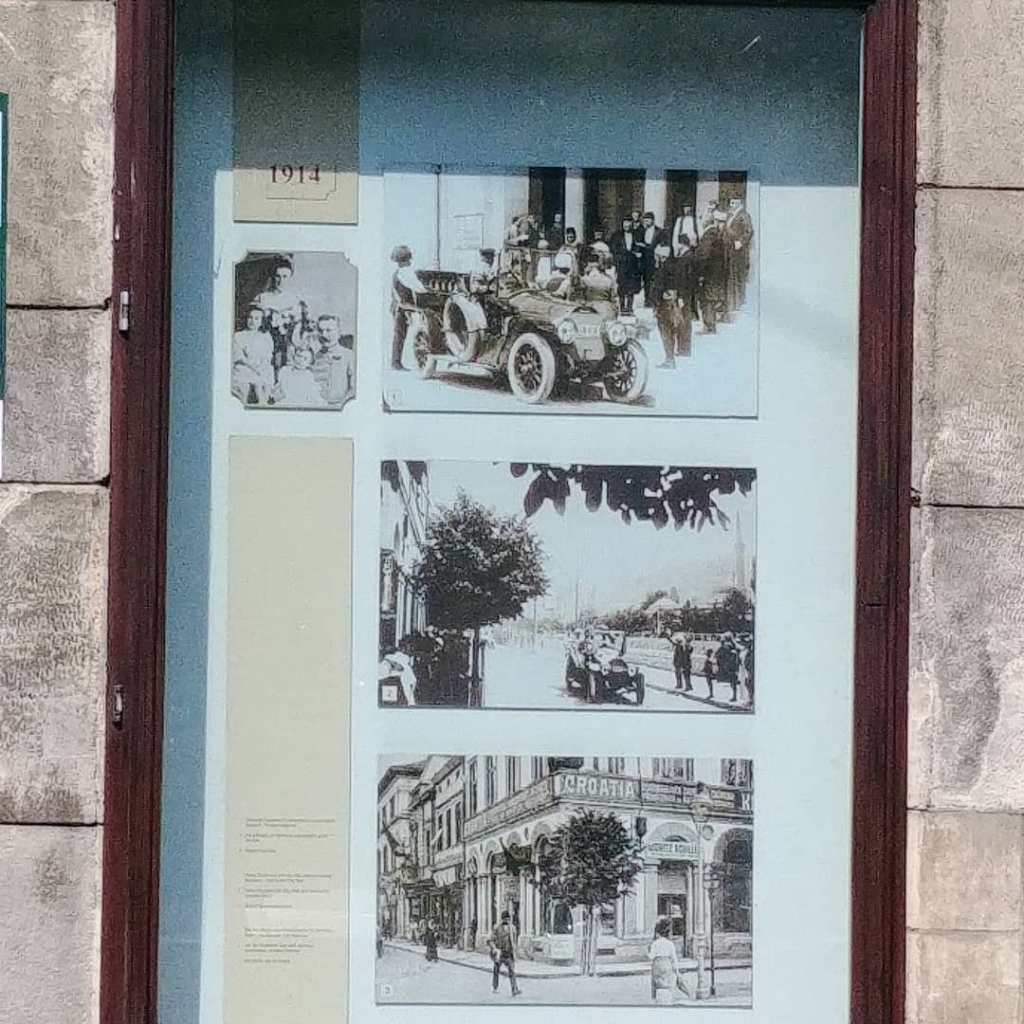
Bosnia, specifically Sarajevo, was also the site of the assassination, of Austro-Hungarian Archduke Ferdinand, which sparked World War I — at the same time sparking what was to become a century of turmoil, conflict, trauma for this small nation.

67178402_454833751740828_8172463599030108160_o

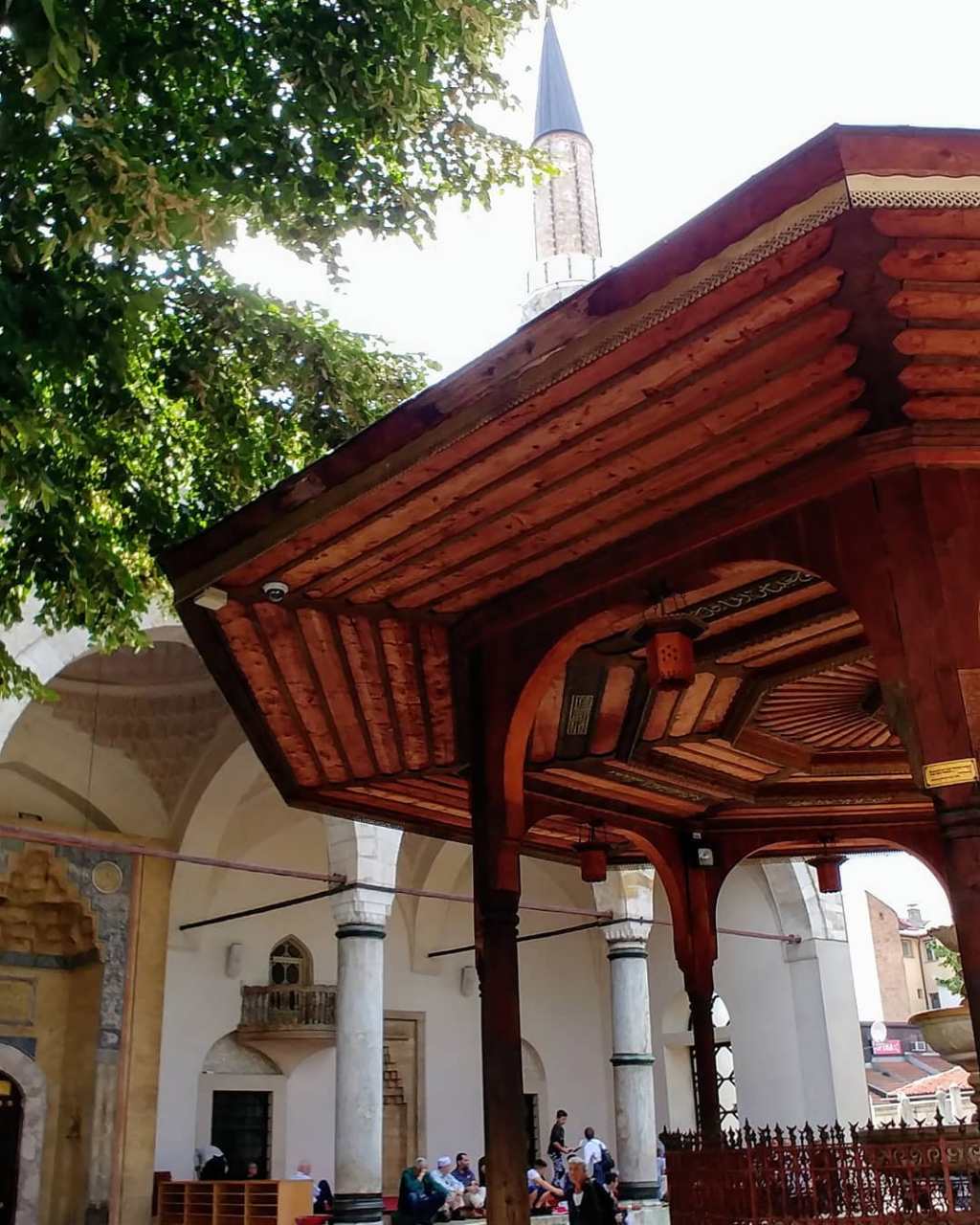
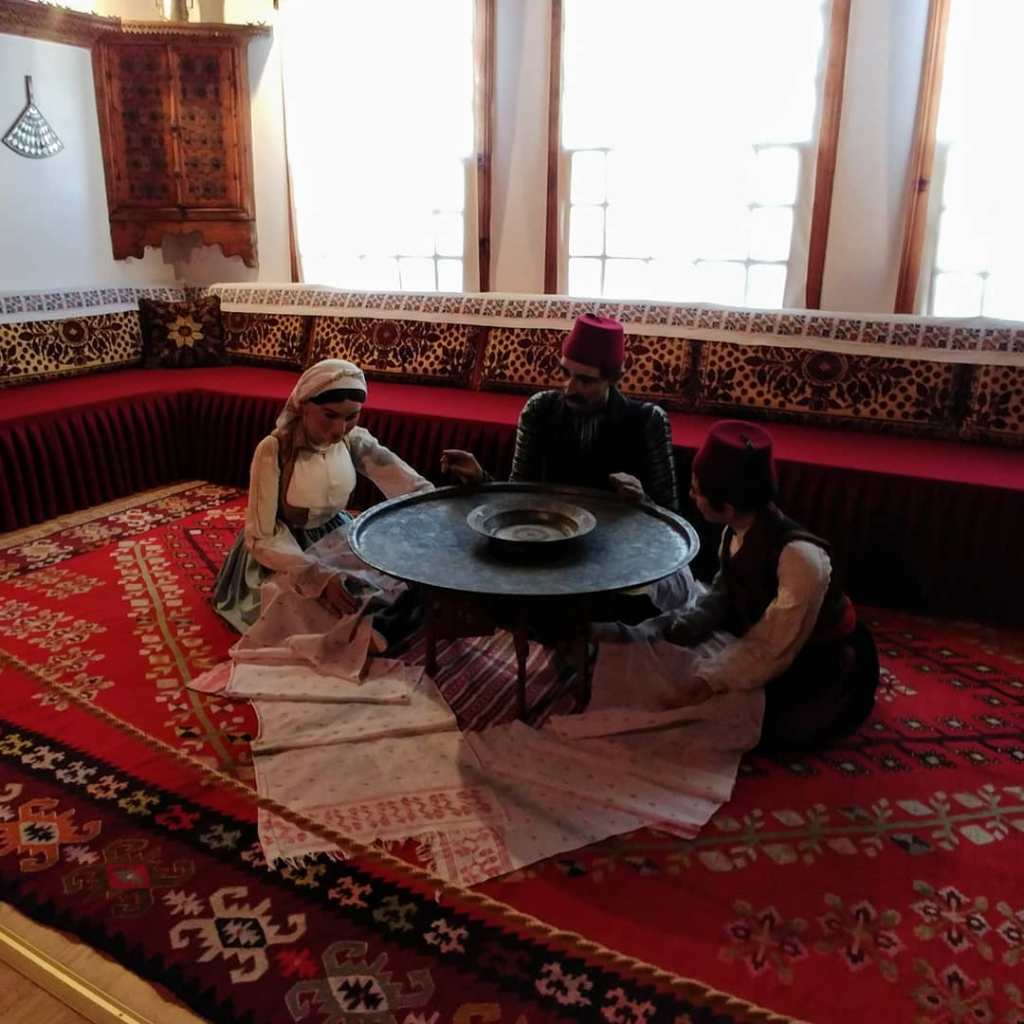
Yet another, even deeper layer to the story of Bosnia: several hundred years of rule by the Ottoman Empire. Rather than ignore this history like so many others, however, Bosnia takes pride in it — and with the exception of Turkey, remains the most ‘Ottoman’ of cultures today.

66390572_454835301740673_4782392414184669184_o

Today, even as Bosnia struggles to recover fully from the war of the 1990s — post-conflict societies often taking up to 5 generations to do so — Sarajevo continues to modernise, and is a bright and shining example of resilience to us all.

66424041_454836501740553_1341871830515843072_o

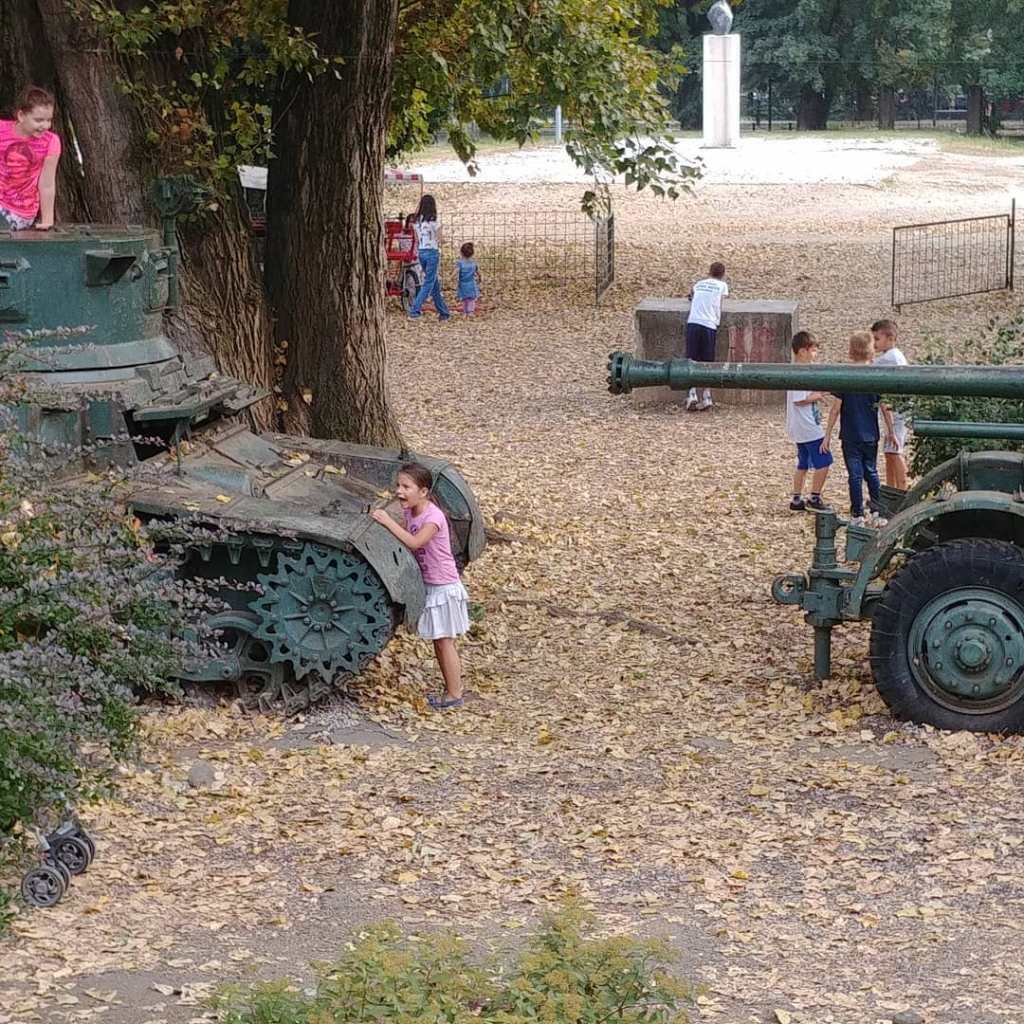
The future of Bosnia’s children looks bright; may the relics of their nation’s devastating war be seen as mere playthings to this new generation.

~EWP