Category: Uncategorized

Shanghai, China

66511904_454455318445338_647821457832804352_o

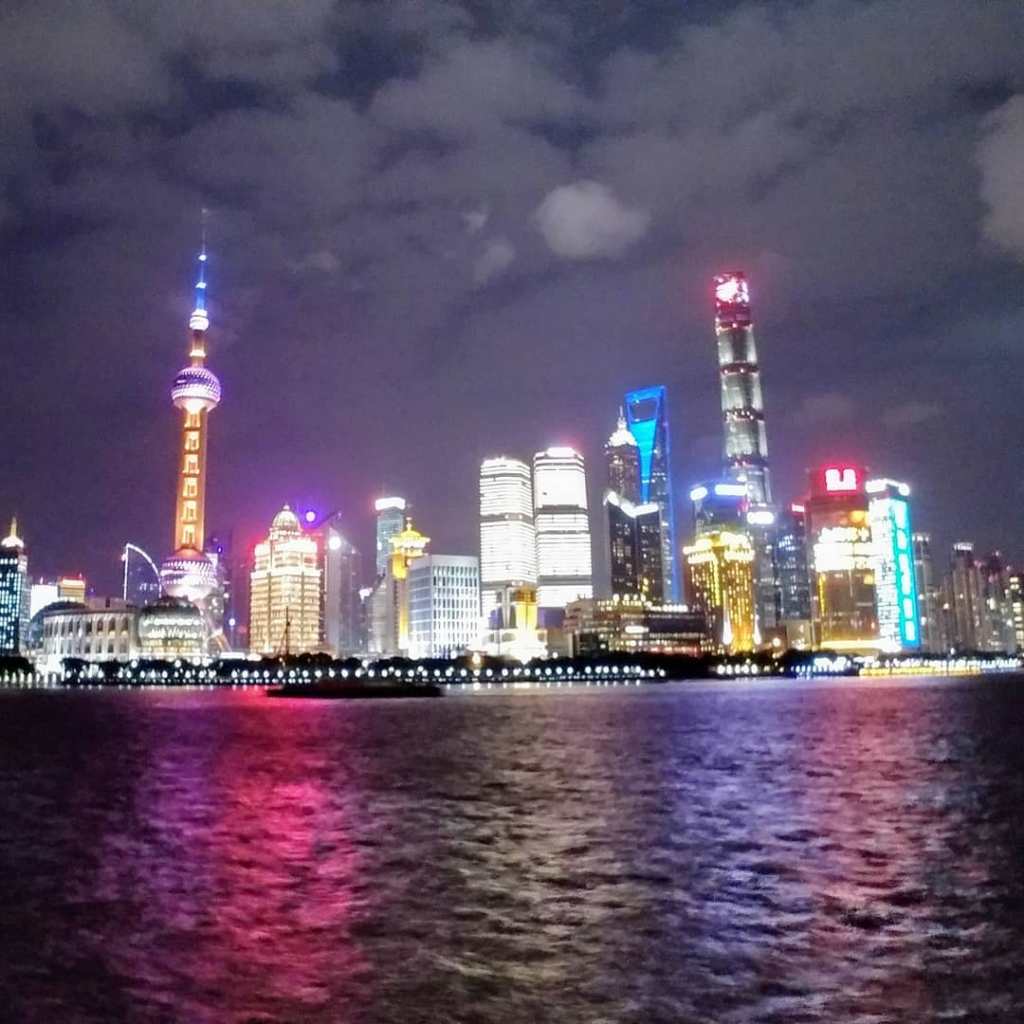
Shanghai, that shining city — and oh, that iconic view. China’s ‘second capital’, Shanghai has long been the nation’s economic powerhouse — its strength based in finance, including the largest of China’s 3 stock markets linked as of 2014 with that of Hong Kong, as well as in tourism.
66584231_454461518444718_1388378178778562560_o

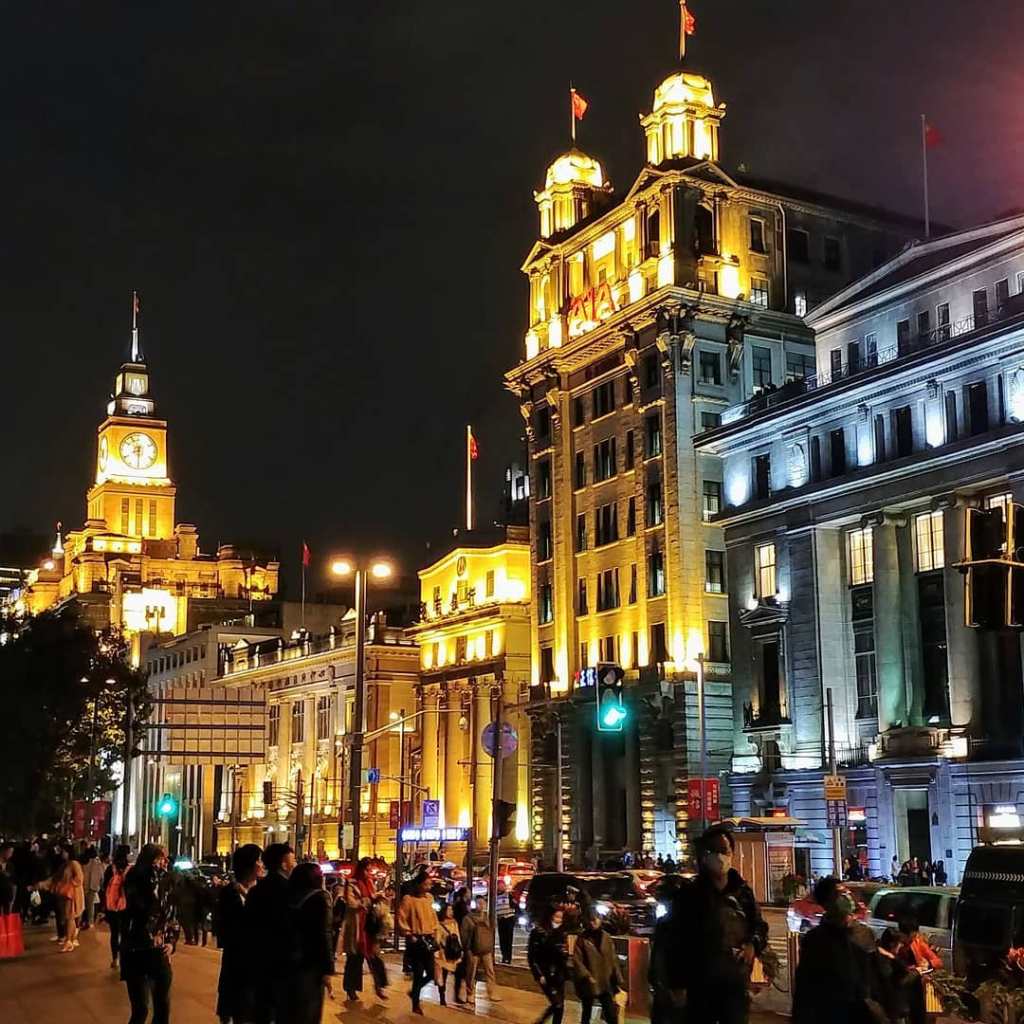
Along the Bundy, Shanghai’s neoclassical architecture from its colonial past provides a stately feel. In fact, the city has one of the world’s finest arrays of art deco architecture, a celebration of the city’s multiculturalism in the 1920s-1940s. Today’s Shanghai continues to display innovation in its modern buildings, some of which could even be considered ‘cutting edge’ — and a far cry from the austerity of Beijing.
66358162_454467598444110_5244100011230232576_o

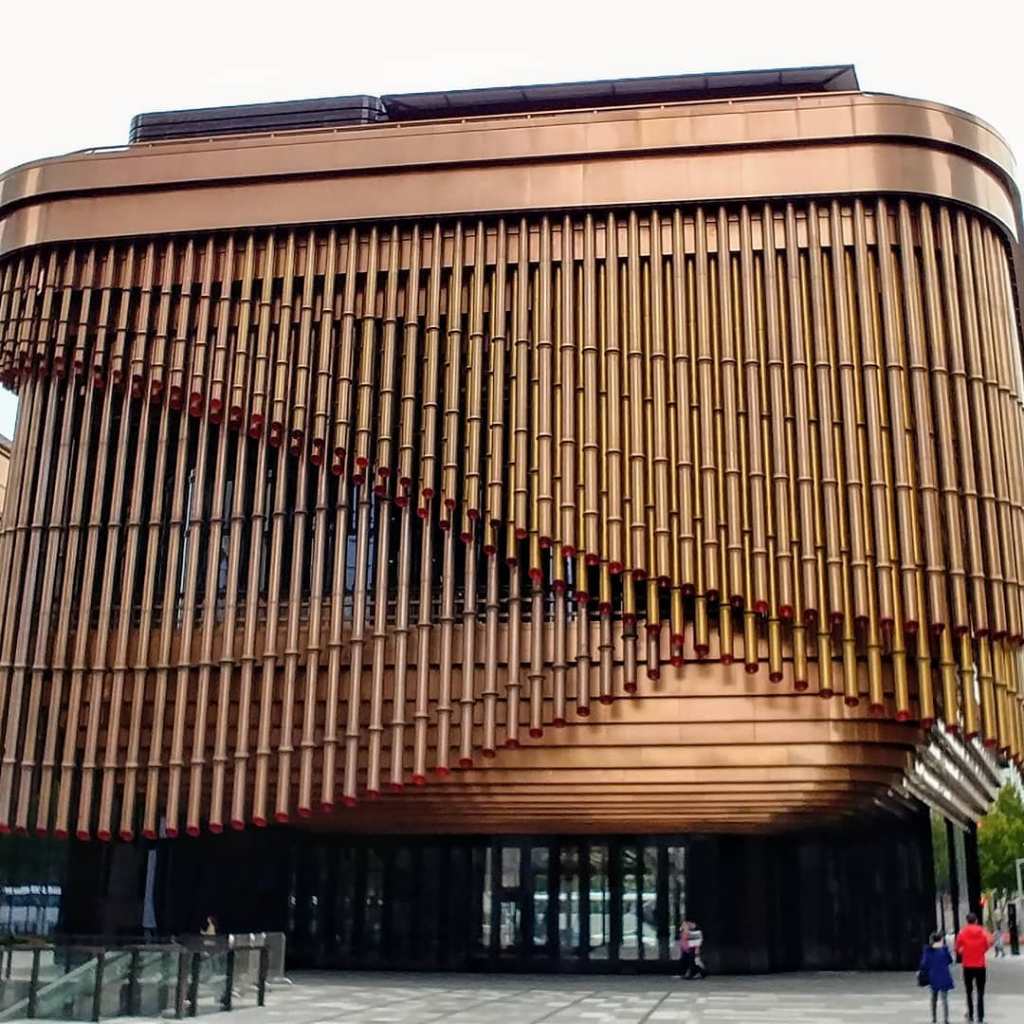
One such example of Shanghai’s innovation is the Fosun Foundation building, part of the Bund Finance Center. Three layers of steel pipes veil the structure, rotating to suggest a theatre curtain. The building is a nexus for art and culture, with a stated emphasis on innovation — not a value commonly associated with today’s China.
66475645_454470711777132_1063633785972588544_n

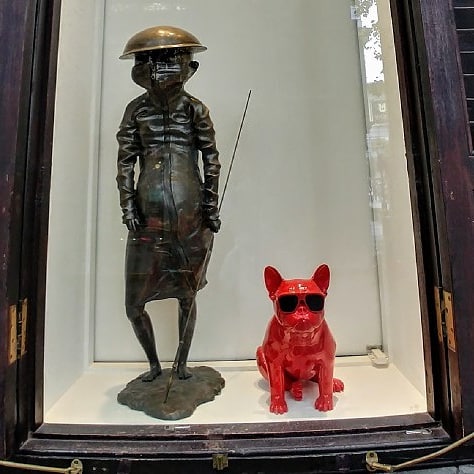
A sense of humor is on display in Shanghai, too, and even a sense of irony, a characteristic not generally associated with Asian cultures. The city has a strong emphasis on the arts, and exhibits here its willingness to have a gentle laugh — at itself. In a face-saving culture, this is not inconsequential.
66674643_454473421776861_9045235558128812032_o

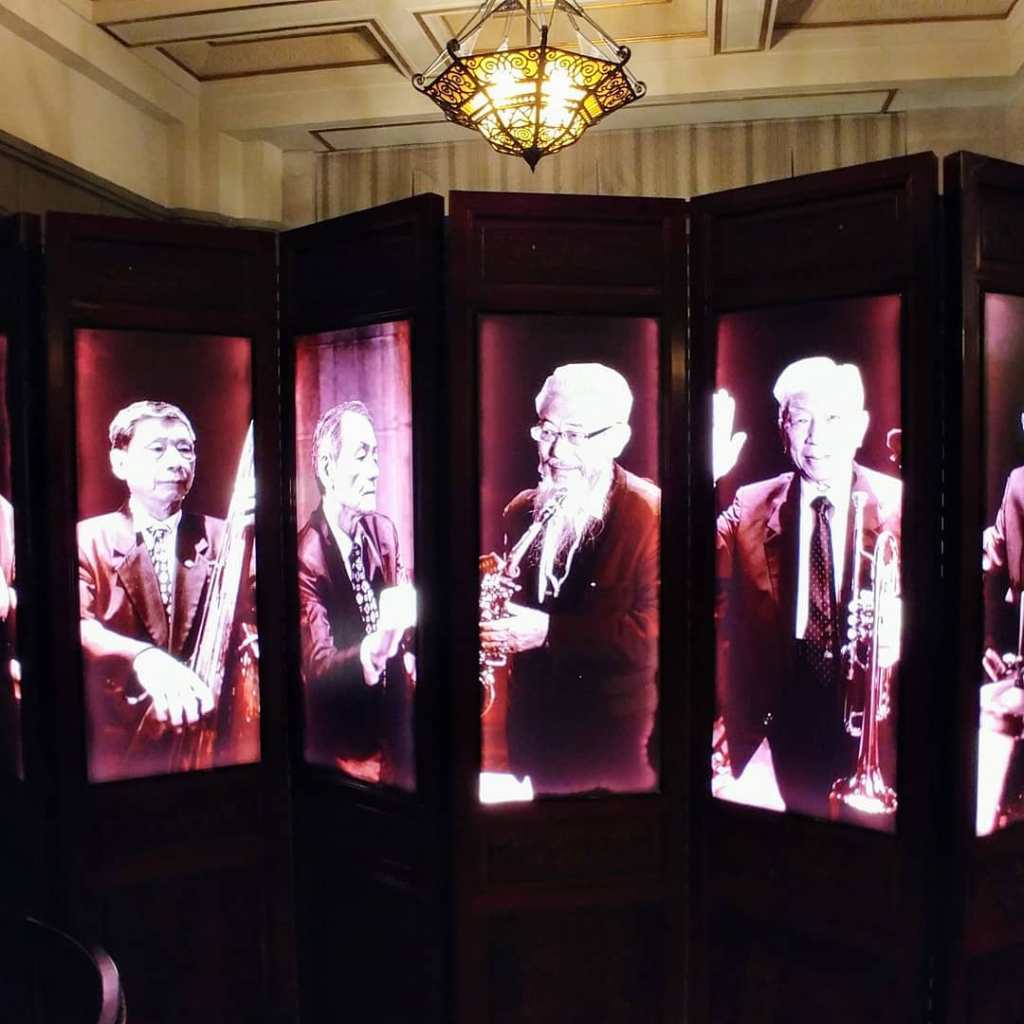
Shanghai is also a city of music, from its world class Symphony founded in 1879, and its Grand Theatre , one of the world’s best, to its underground music scene, considered one of the most cutting edge. The city also has a long love affair with jazz — including some musicians who’ve been playing it almost since jazz began.
20171105_121223_2

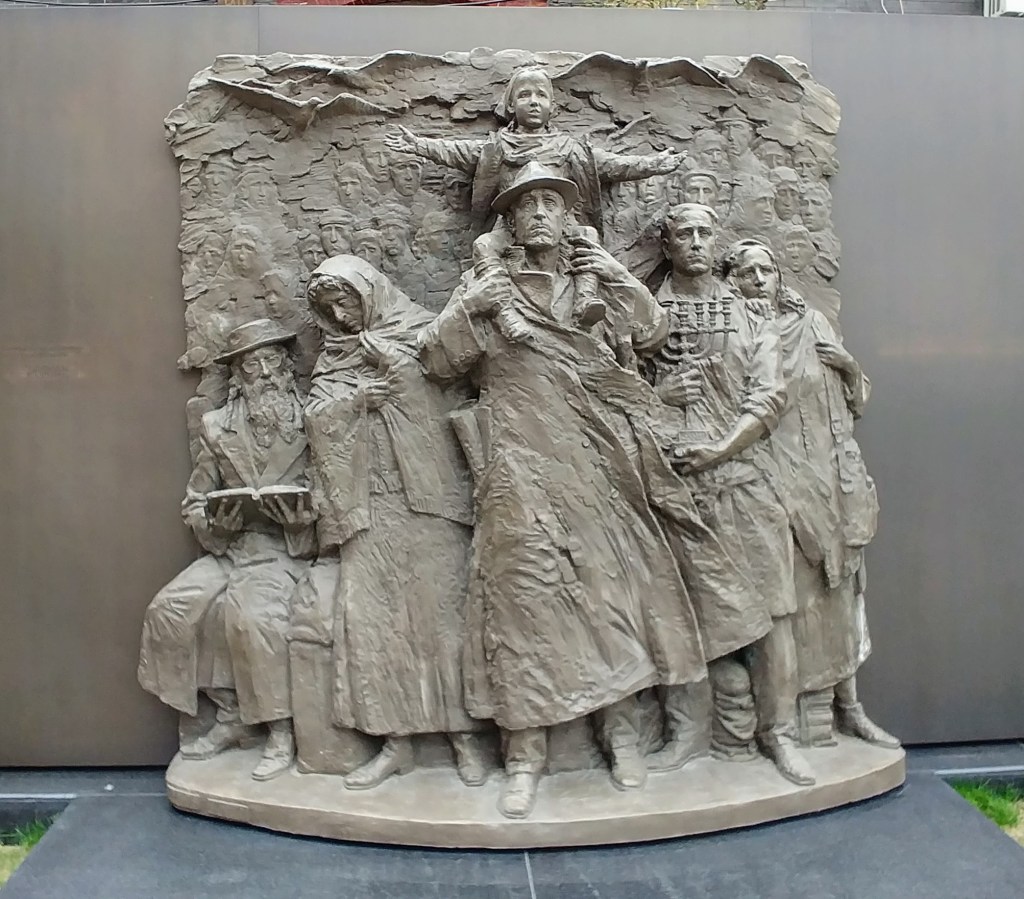
Another way that Shanghai broke the mold was in taking in Jewish refugees fleeing Europe in the 1930s, when other countries increasingly refused to do so. In fact, the city was the only place that would allow them to enter without documentation, recognizing the desperate nature of their circumstances. Shanghai had an existing Jewish community of a few thousand people who immigrated in the 19th century — and saved the lives of an estimated 20,000 more.

64824129_454485781775625_7098071547046264832_o

Shanghai is known the world over for its shopping opportunities, from the famed Nanjing Road and its night shopping to the luxury brands on Huaihai Road, to its Yuyuan Market or Bazaar seen here. Though highly touristic today, it is a longstanding market area, just outside beautiful Yu Garden and in the heart of Old Shanghai — and near the Old City God Temple. The traditional buildings reveal not only souvenirs but antiques, local products, and other windows into Shanghai culture.

~EWP
Cote d’Ivoire

66463380_454178135139723_8140067730163236864_o

Cote d’Ivoire, former French colony which gained independence in 1960, ranges from rainforests to beaches — with a diverse society of more than 60 ethnic groups, today commonly intermingled. The past few decades have seen a military coup, a failed coup attempt, a civil war and second outbreak of widespread violence, and an act of al-Qaeda terrorism — with a relatively safe and peaceful country today.

66421674_454180321806171_8004710835102416896_o

Cote d’Ivoire’s 2016 terrorist attack by al-Qaeda took place in Grand-Bassam, a beach resort community 40 minutes east of Abidjan, the nation’s economic capital. This is an historic building complex in Grand-Bassam, next to the folk museum; the area is filled with artisans and horse stables.

66529317_454181648472705_4454467937398423552_o

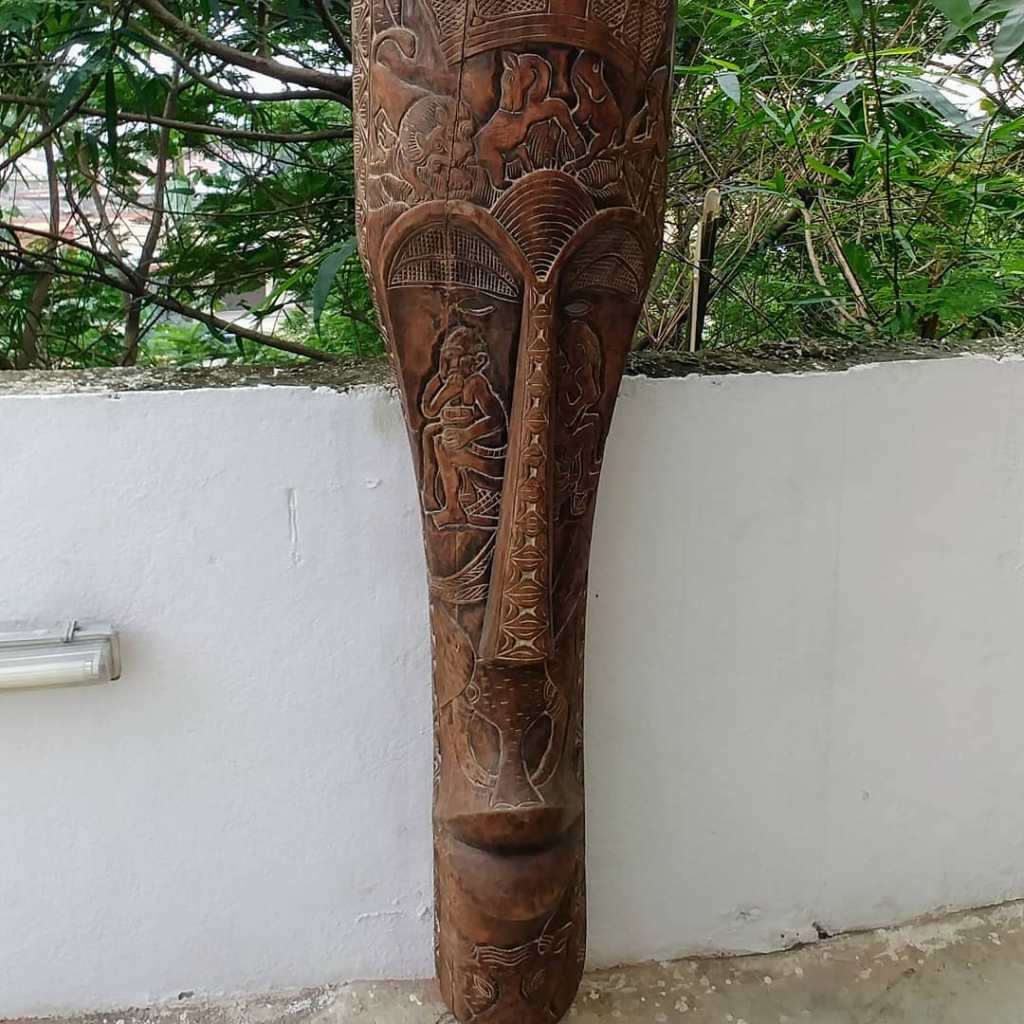
Traditional arts and handcrafts abound in Cote d’Ivoire, filled with animistic imagery and cultural symbols, each of the 60 ethnic groups with its own distinct style.

66660588_454182465139290_1198522125871218688_o

Modern art can also be found in Cote d’Ivoire — especially in Abidjan art cafĂ©s and restaurants.

66414787_454184488472421_8641790708576944128_o

Tension between the nation’s Christians (50%) and Muslims (40%) broke into widescale violence in the 2000s; today, following civil war and periods of disputed election conflict, the people of Cote d’Ivoire are more united than divided — with Muslim marrying Christian and no expectations of conversion, in which the children are exposed to both religions and given freedom to decide for themselves.

66188960_454185358472334_4108241144675041280_o

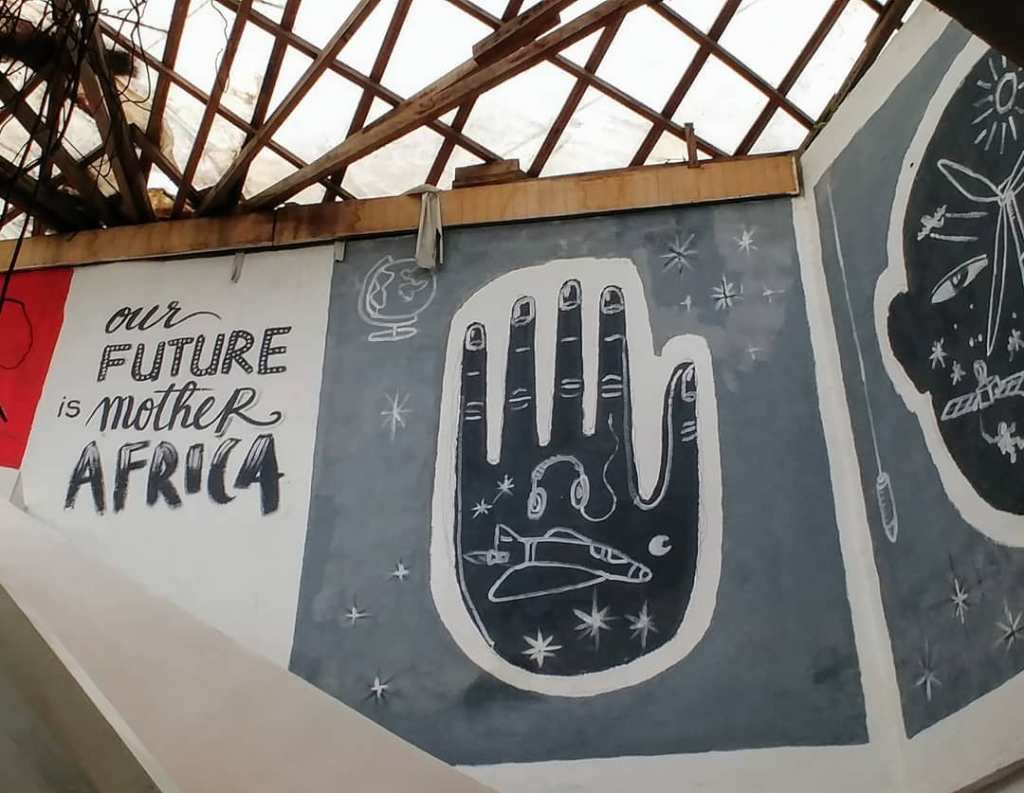
The future of Cote d’Ivoire — and indeed of all 54 African nations — is in the hands of Mother Africa herself.

~EWP

Argentina

66496078_453934078497462_5230223564602343424_o

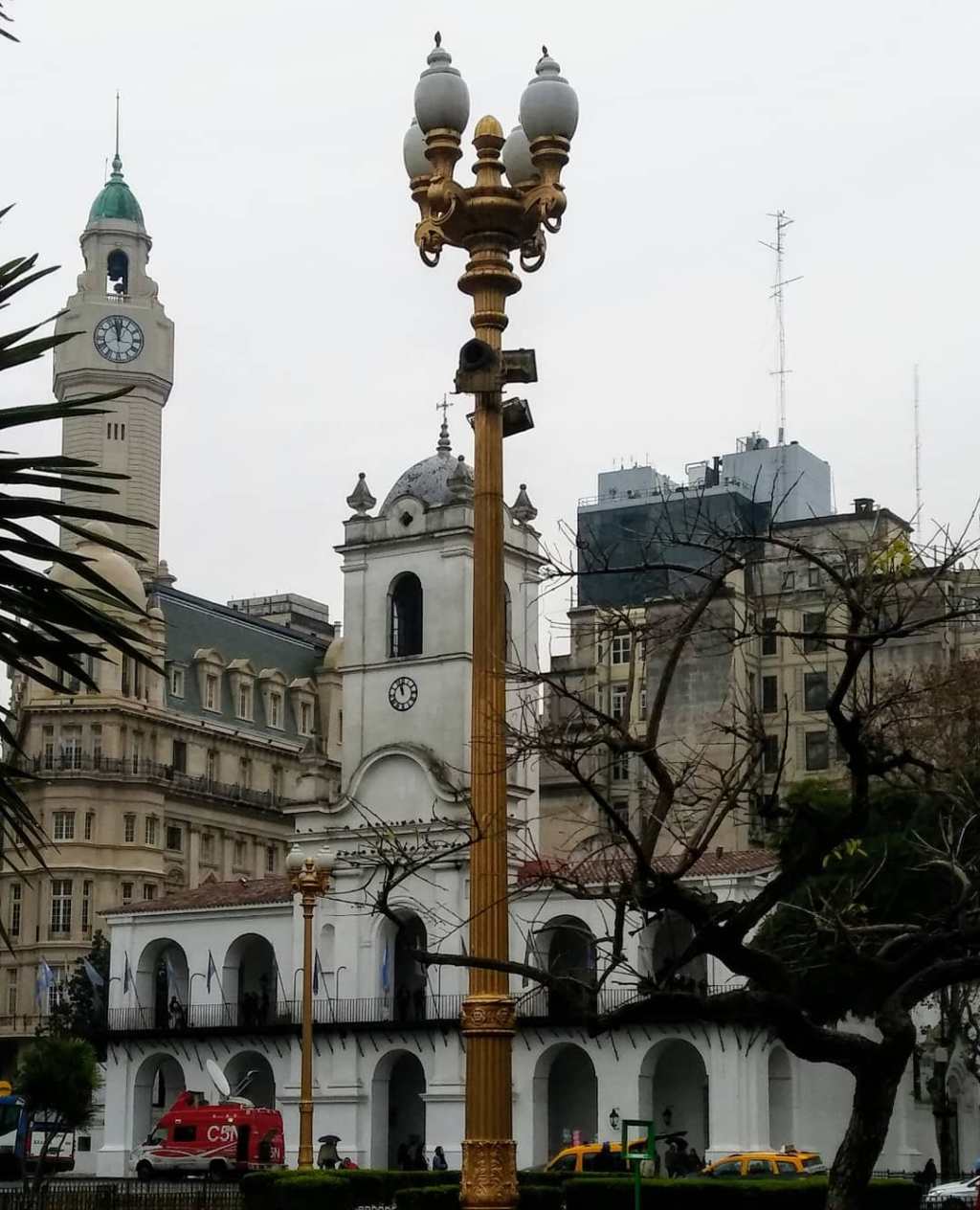
Argentina has long played a pivotal role in South America. Leading the independence movement from Spain after centuries of colonialism, the country then tended toward ‘strongman’ leadership — ultimately to a military dictatorship in the 1970s which saw thousands of accused dissidents disappear. Though now a democracy, this legacy continues today: beautiful Buenos Aires sees businesses with locked doors during working hours, admitting customers one at a time; when asked, people just shrug and admit to generalised distrust — including of police. On further inquiry, ordinary citizens state that in times of uncertainty a ‘strong’ government is necessary — which is precisely how dictatorships are invited in.

66423240_453937338497136_8014542599358513152_o

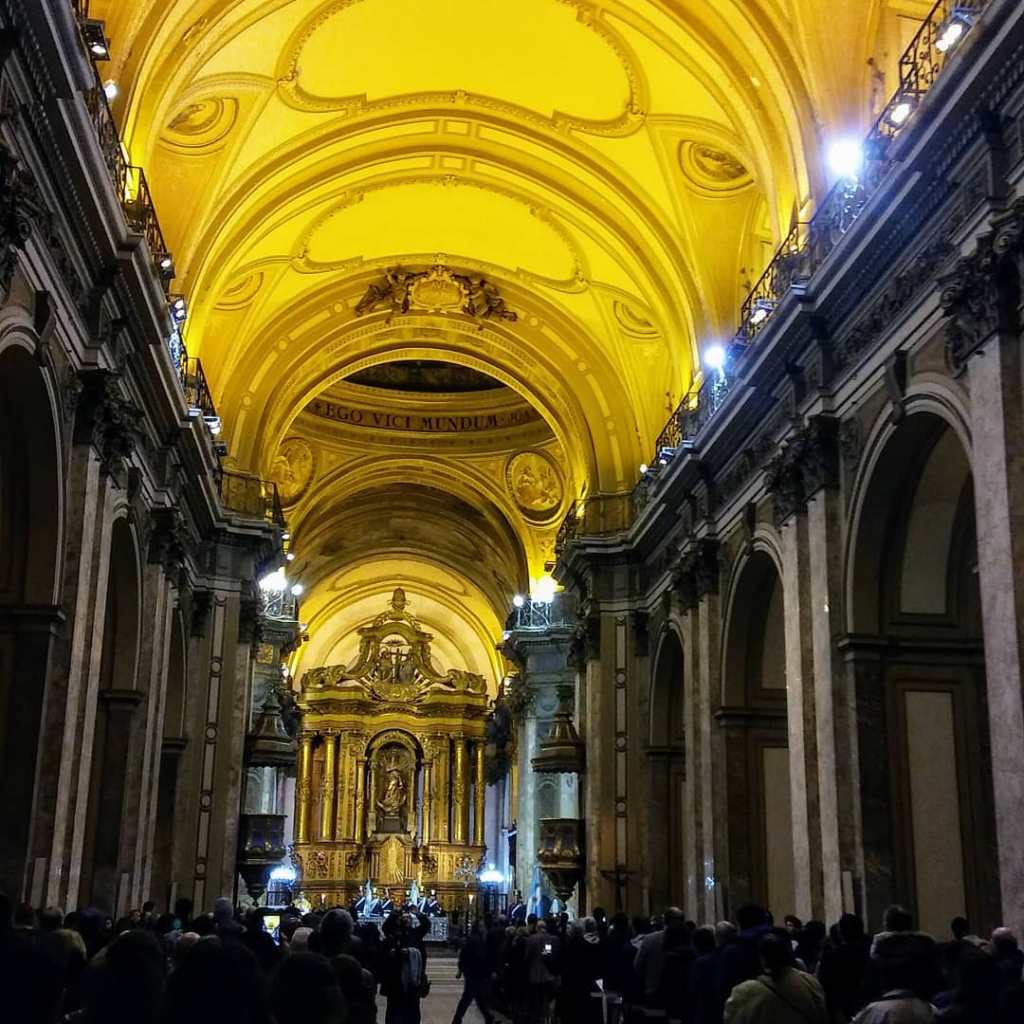
The church remains important in Argentinian life. Spanish colonisers introduced Catholicism; the largest immigrant group today is Italian, with Spanish a close second and most Argentinians of European origin. While 80% identify as Roman Catholic today, a majority are non-practicing; yet, the religion remains a major influence in government and in the society overall. It is of note that the country also has the largest Jewish population in the continent.

66429415_453941448496725_7682896572064989184_o

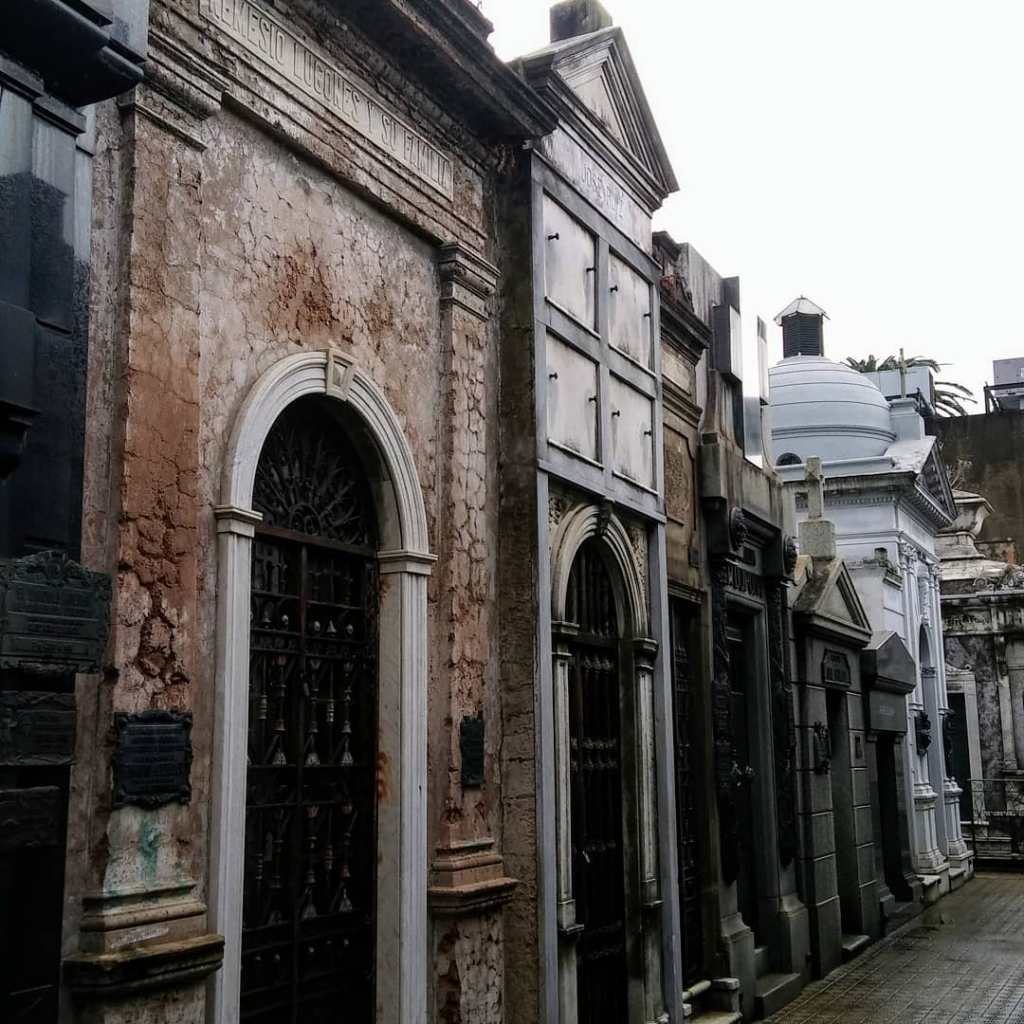
The Recoleta Cemetery in Buenos Aires is one of the most unusual and famous of its kind in the world; built like a small town, each mausoleum looks more like a home for the deceased. Some are historic, others quite modern and often ornate; some of the interred, notably former First Lady Eva PerĂłn, are well known while others are represented in charming ways. There are more than 6000 such ‘houses’ and a map — including street names. A city — like no other — within a city.

66222435_453945615162975_482278841125961728_o

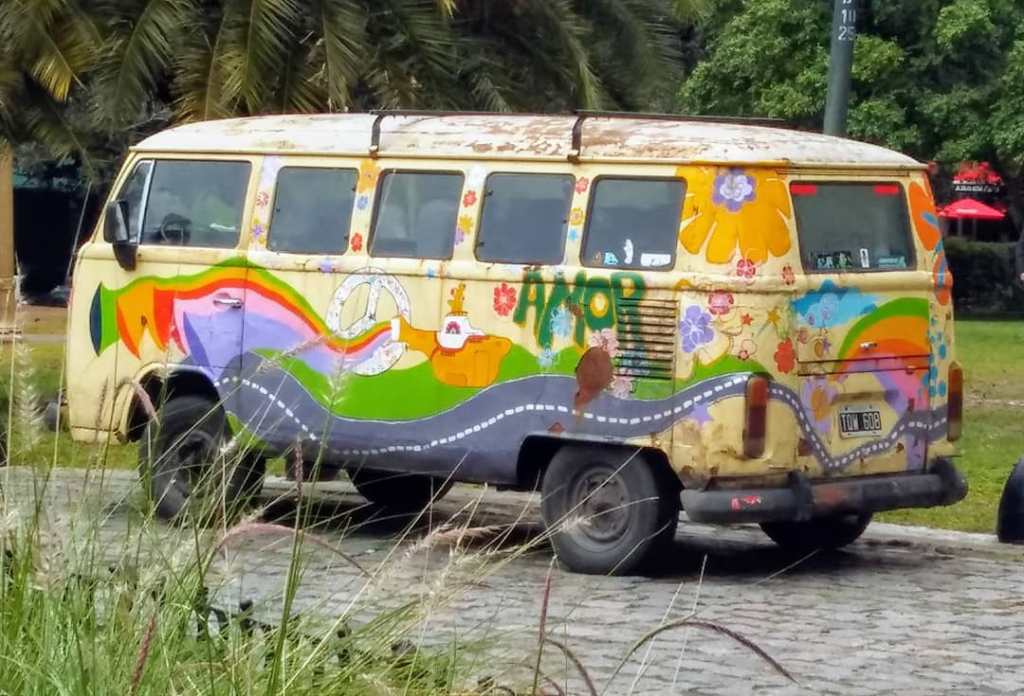
The artist community in Buenos Aires is alive and well. Known for its street art and for the tango, the parks are also filled with sculpture and galleries and museums abound. What’s less well known is that the nation had its own counterculture or ‘hippie’ movement in the 1960s, still in evidence today. September, the beginning of spring, has a Day of Peace and the Day of the Student [a nod to protests]; ‘rock nacional’, a music unique to Argentina, originated from the 1960s movement. Many independent culture centres throughout the country are part of this legacy.

66270248_453949911829212_5881601341255581696_o

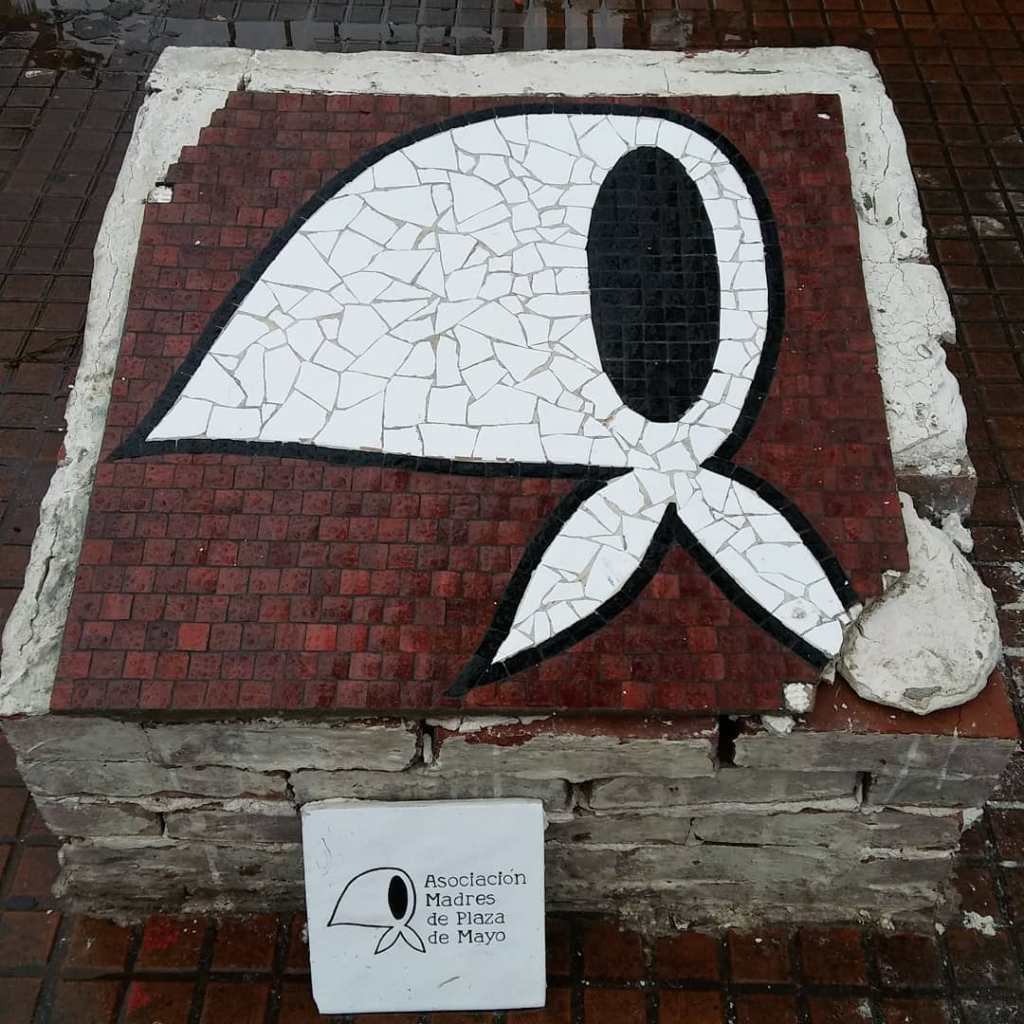
In Argentina’s dictatorship era, 1973-1983, thousands of accused dissidents disappeared, never heard from again. Their mothers, and other women in support, created a unique women’s association which continues to demand answers as to the victims’ whereabouts, and accountability, from the government. Now they have issued a warning to the world: that in this era of ‘alternative facts’ and political spin, the same thing could all too easily happen again. Wearing white headscarves as their symbol, the Madres continue to demonstrate.

~EWP

Australia

66438113_453692465188290_3510324964848828416_o

Sydney’s iconic Bondi Beach is an ideal representation of Australia’s orientation to the sea, with its major cities all on the coast. A very large island — or is it a continent? –the debate continues, and even the awkward term of “island continent” has been employed on occasion. The interior, widely considered uninhabitable, presented no significant problem for the indigenous people, in their deep — and unique — understanding of the land.

66267093_453694945188042_8033477134481620992_o

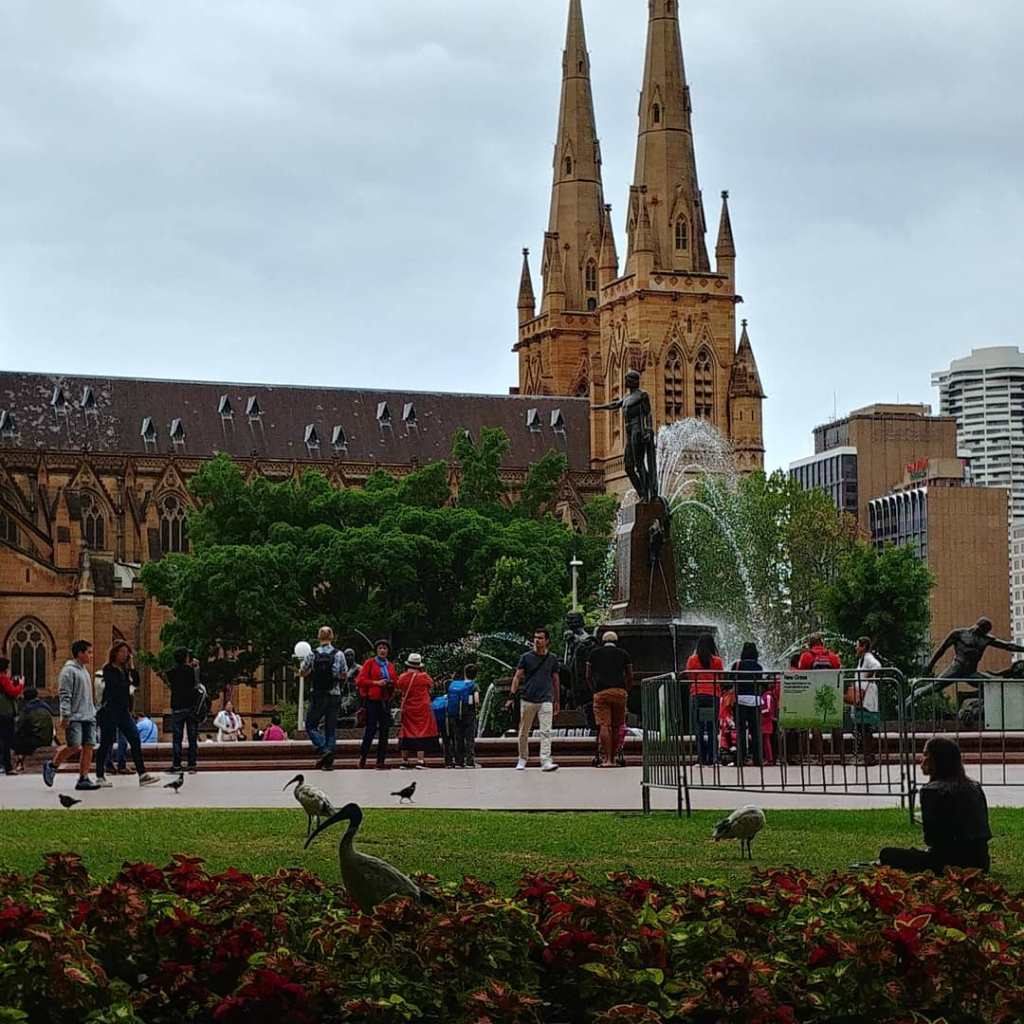
Sydney is also known for its greenery, and life orients not only to the sea but to the city’s many parks — for human and ibis alike. There are an estimated 10,000 white ibises, locally known as ‘bin chicken’, ‘dumpster diver’, or ‘tip turkey’ for their proclivity to rubbish and considered a nuisance by many. Seasonal visitors but non-native, they began breeding and taking up residence only in the 1980s — possibly as a zoo program gone wrong.

66215737_453696745187862_462666585933348864_o

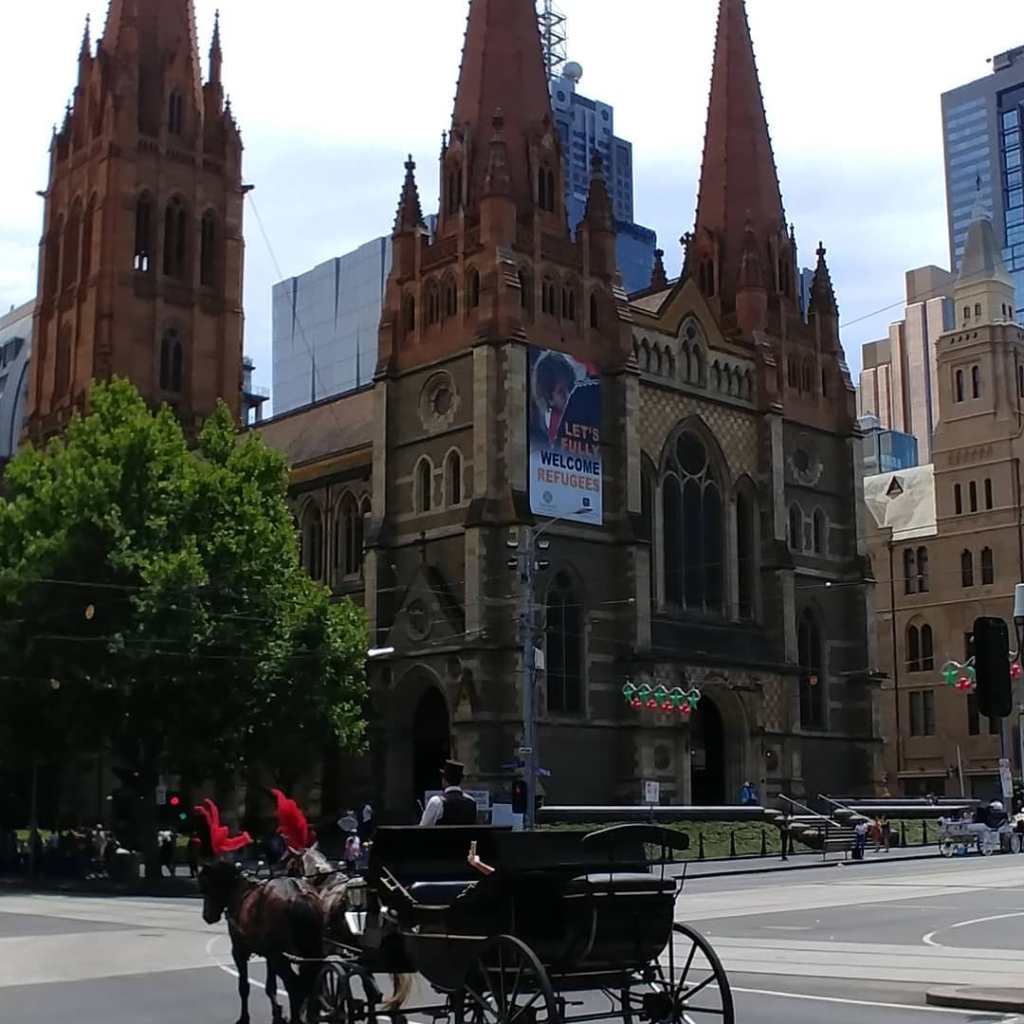
Graceful Melbourne. Strongly focused on the arts, with a well-defined city centre and a cafĂ© culture, one could be forgiven for viewing it as Vienna’s cousin — albeit much younger, warmer, and oriented to the sea. It is a youthful city with an outdoors and fitness identity, by which it also begs comparison to Vancouver — but it is, ultimately, uniquely its own.

66200938_453698158521054_6580427751931510784_o

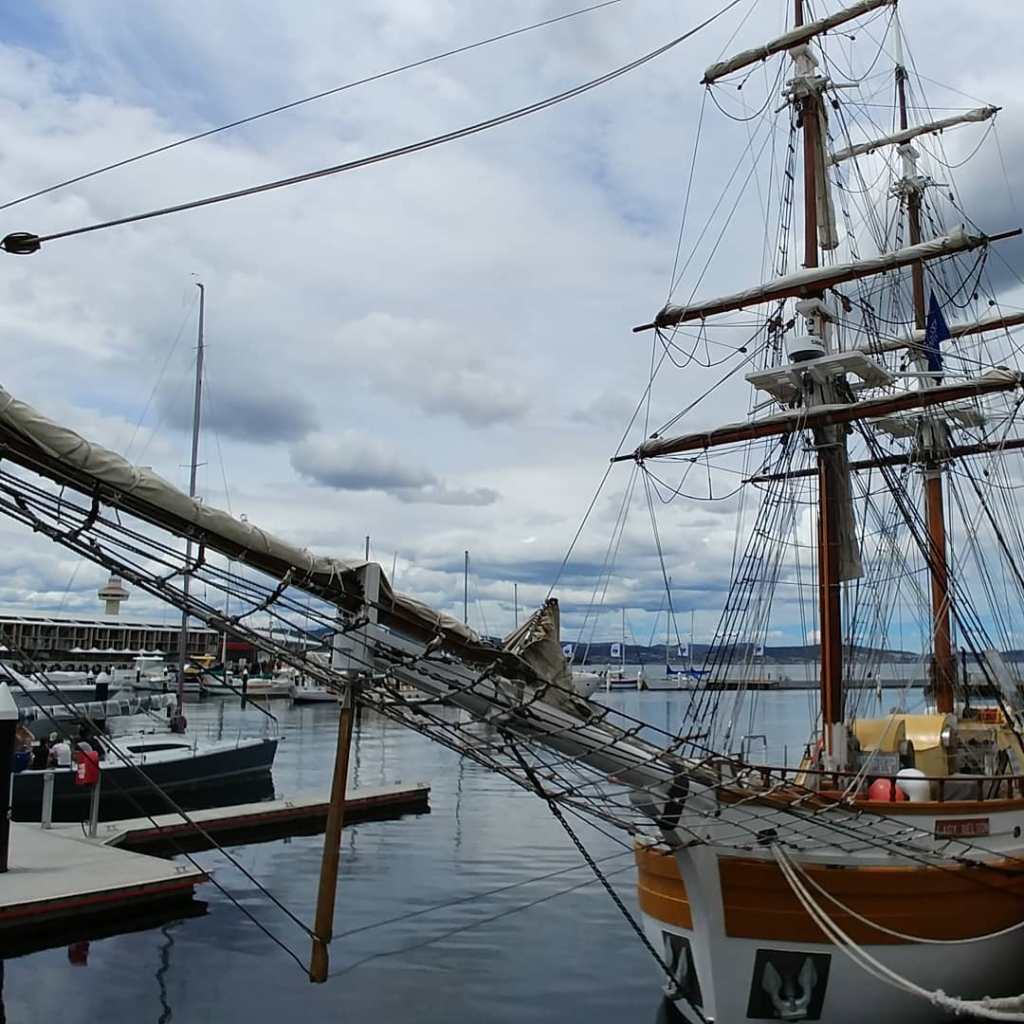
In a sense, Tasmania — in particular, Hobart — tells to story of Australia. While the island retains its own, proudly individualistic and self-sufficient character, it is deeply rooted in both Australia’s indigenous roots and penal colony immigrants. Hobart strongly reflects its colonial past, while embracing a youthful and artistic, at times countercultural, present.

66219546_453699878520882_8811454385059004416_o

This poignant sculpture tells a particular tale of female prisoners sent to the island from Ireland — often for the crime of being poor. “Footsteps Towards Freedom” pays tribute to these destitute women, one governor now referring to them as “the founding mothers of Tasmania.” The former women’s prison is outside of the city and can be visited.

66328972_453716665185870_7955477143952031744_o

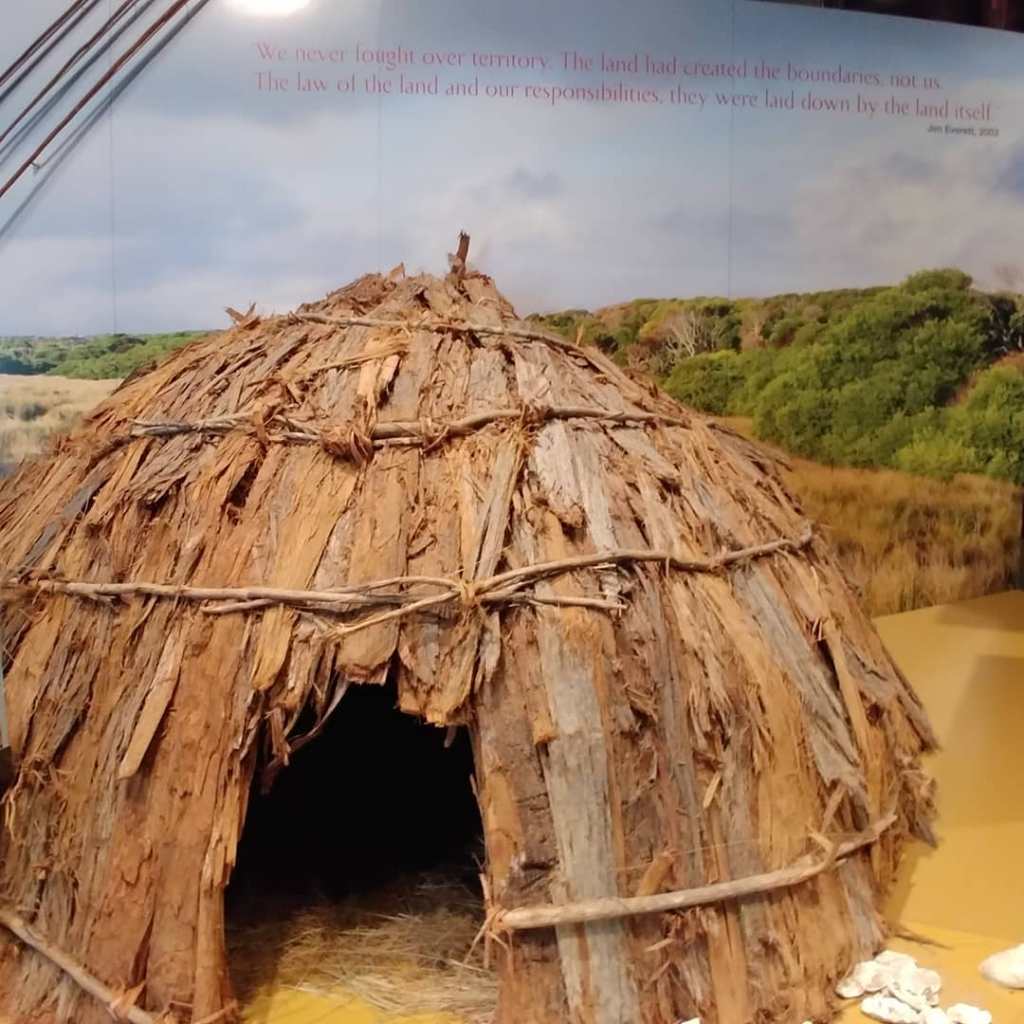
The indigenous people of Australia, including Tasmania, are the deepest roots of the country — and possibly of the world, as they are widely considered one of the earliest societies. “Heritage” in Tasmania and elsewhere has often been criticised as non-indigenous and colonial; however, indigenous rights have improved significantly in the past 5 years under the current liberal government in Tasmania.

~EWP