Category: Uncategorized

“Northern Cyprus”

66152533_452401385317398_1397902320297050112_o

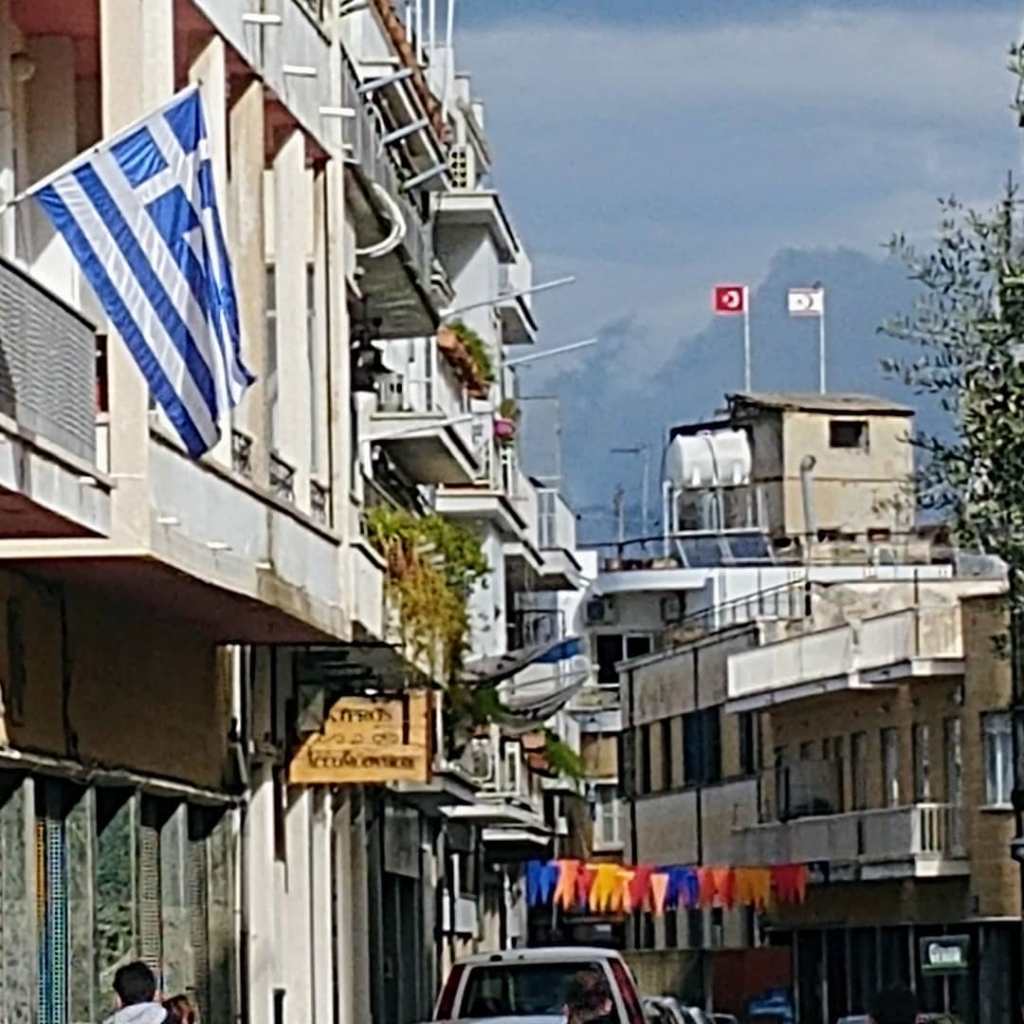
The story of Cyprus is a tragic one. Following 3 centuries of Ottoman rule and 1914-1960 by the British, the early 1960s saw Greece making moves to take over the island — and in 1974 the Turkish army moved in. The island has been divided since — including its capital city of Nicosia, seen here at its primary border crossing. The heavily guarded border has been opened to crossing by both Greek and Turkish Cypriots, as well as foreigners, since 2003 — with 2 new crossing points opened last year.
65970773_452405388650331_4847988612177854464_o

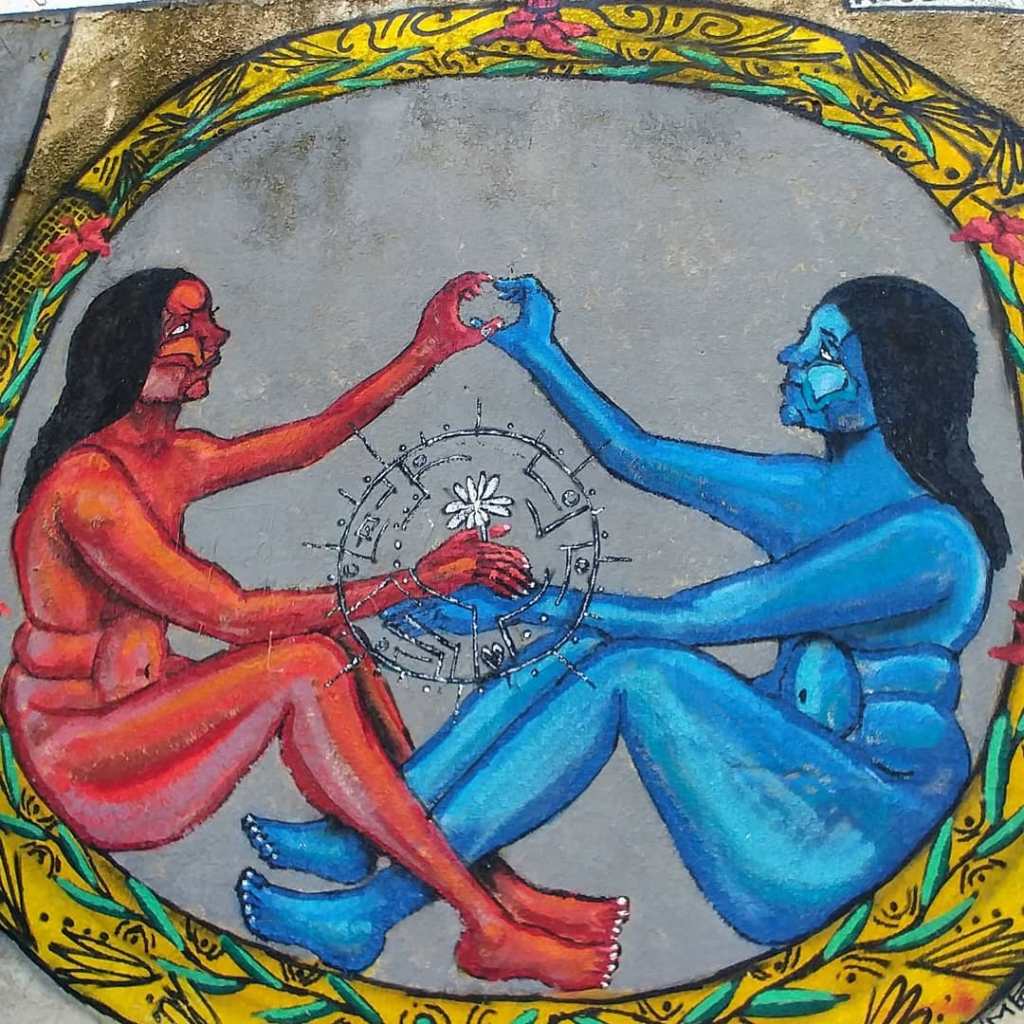
A majority of Turkish and Greek Cypriots still long for peace between the two sections of Cyprus. “Northern Cyprus,” however, as called by Turkey — a still-contested area, the sovereignty of which is unrecognized by the rest of the world — has now seen an influx of immigrants from Turkey. Complicating matters further are the numerous unresolved property disputes resulting from the partitioning, and the still-missing persons, on both sides, from the 1974 conflict. Seen here: street art on the Turkish side of the Nicosia, or Lefkosa, dividing wall.

66166045_452407465316790_8934318482976145408_o

Famagusta, “Northern Cyprus” — the most heavily affected, traumatic and controversial, in the ongoing conflict. Once a major resort area, whole sections have been barricaded off since the 1974 conflict, the buildings — condominiums, private homes, restaurants, luxury hotels — left to decay. A ghost town.
66029377_452409351983268_3978827986135678976_o

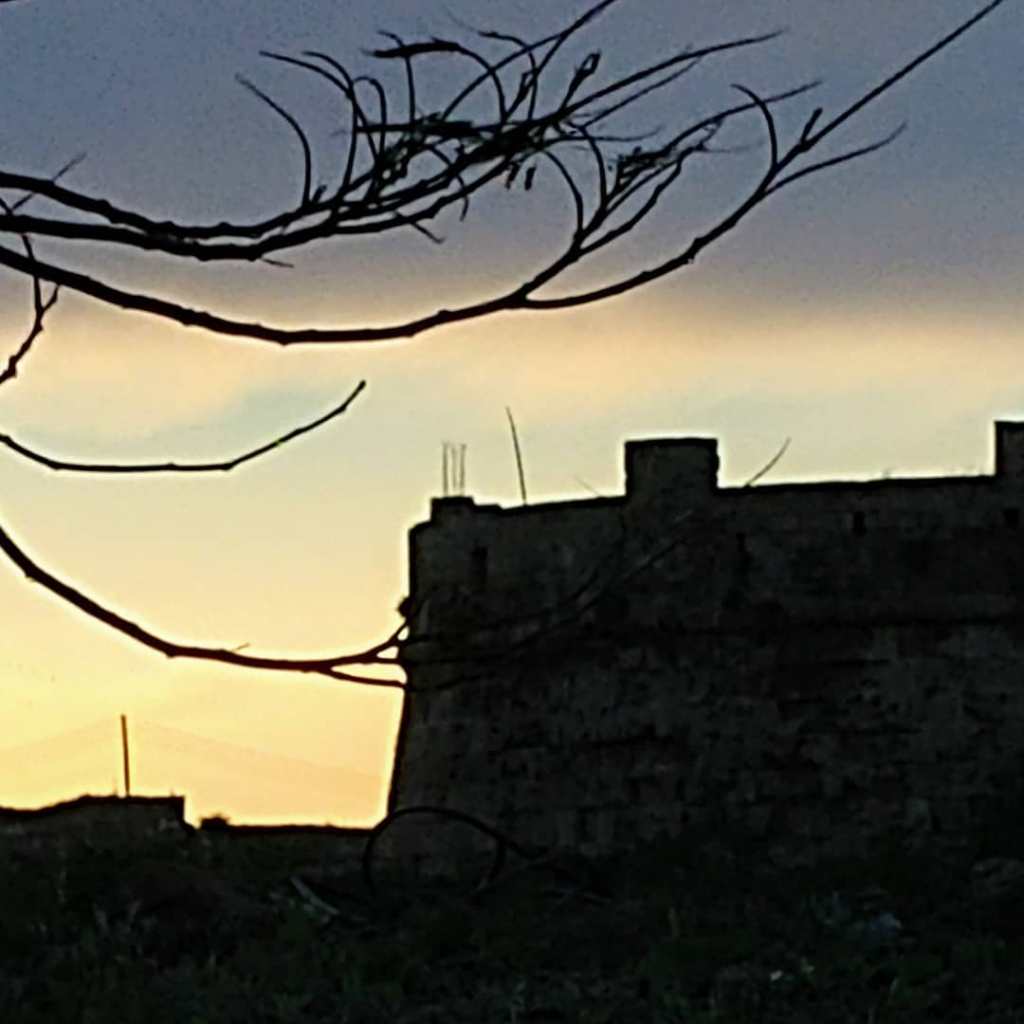
The fortified castle in Famagusta, “Northern Cyprus,” a legacy of the Venetians and Genovese, saw Turkish Cypriots hiding there during the 1960s aggression of Greece toward possible annexation. It was used by the Turkish army during the 1974 invasion, and remains the home of many Turkish Cypriot families today.
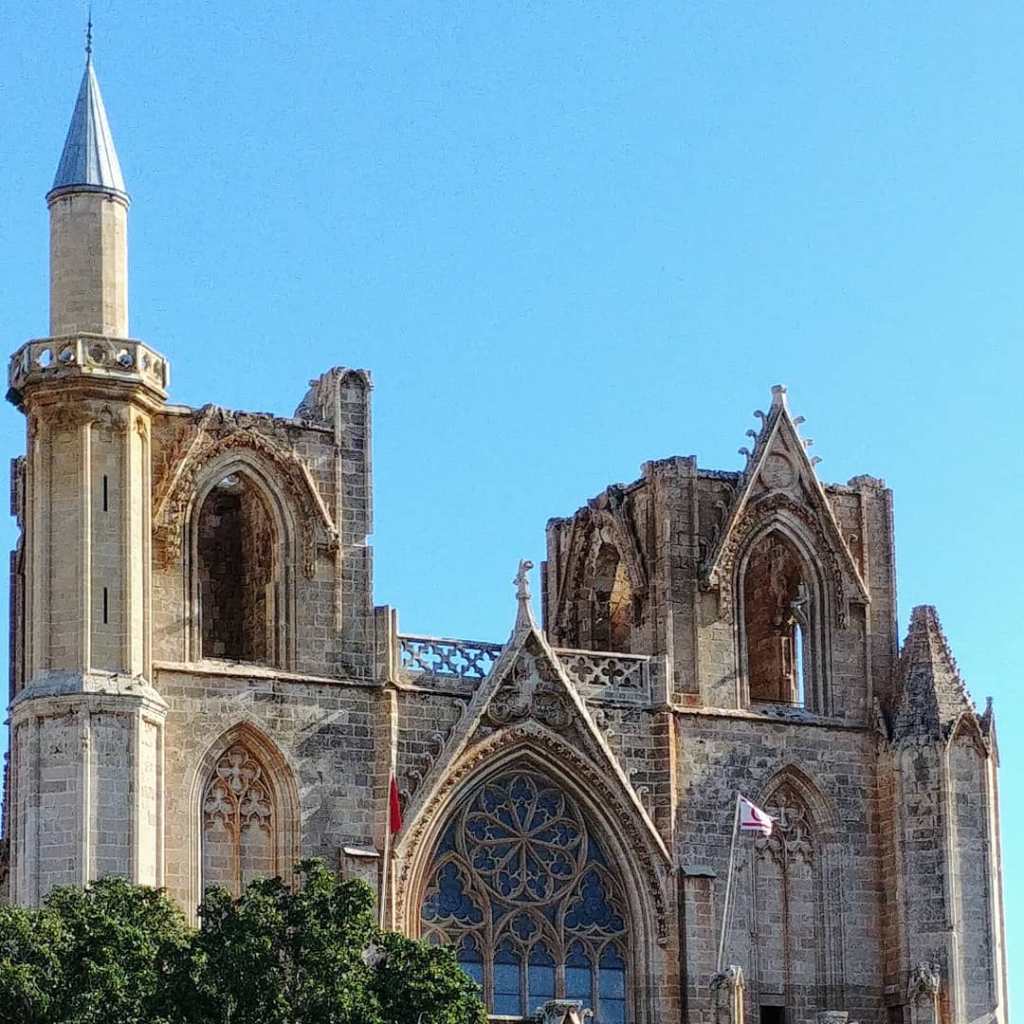
66124685_452410651983138_5281099578232274944_o

Cathedrals converted into mosques — and, vice versa: this has all too often been the story of Europe and its conquests. [Famagusta, “Northern Cyprus”]

66475468_452412595316277_2276983315770638336_o

Famagusta, “Northern Cyprus” — a bronze victory monument in a hotly contested area, the sovereignty of which is unrecognized by none of the world’s nations other than Turkey. Even so: it is a monument to those Turkish Cypriots (and Turkish soldiers) who lost their lives during the 1974 conflict, and as such…remains poignant.

[A separate post on Republic of Cyprus yet to come.]

~EWP

Belarus

66014356_452349648655905_1433948456098988032_o

Soviet-not-Soviet Belarus. Following the fall of USSR, the country celebrated its independence — while, unlike Ukraine to the south, maintaining a friendly relationship with Russia. President and former Soviet army officer Alexander Lukashenko, the nation’s first and in office since 1994, oversees a country that still denies dissidence, peaceful demonstrations, and free press — often deemed “Europe’s last dictatorship.”

66381930_452354565322080_5623644617615343616_o

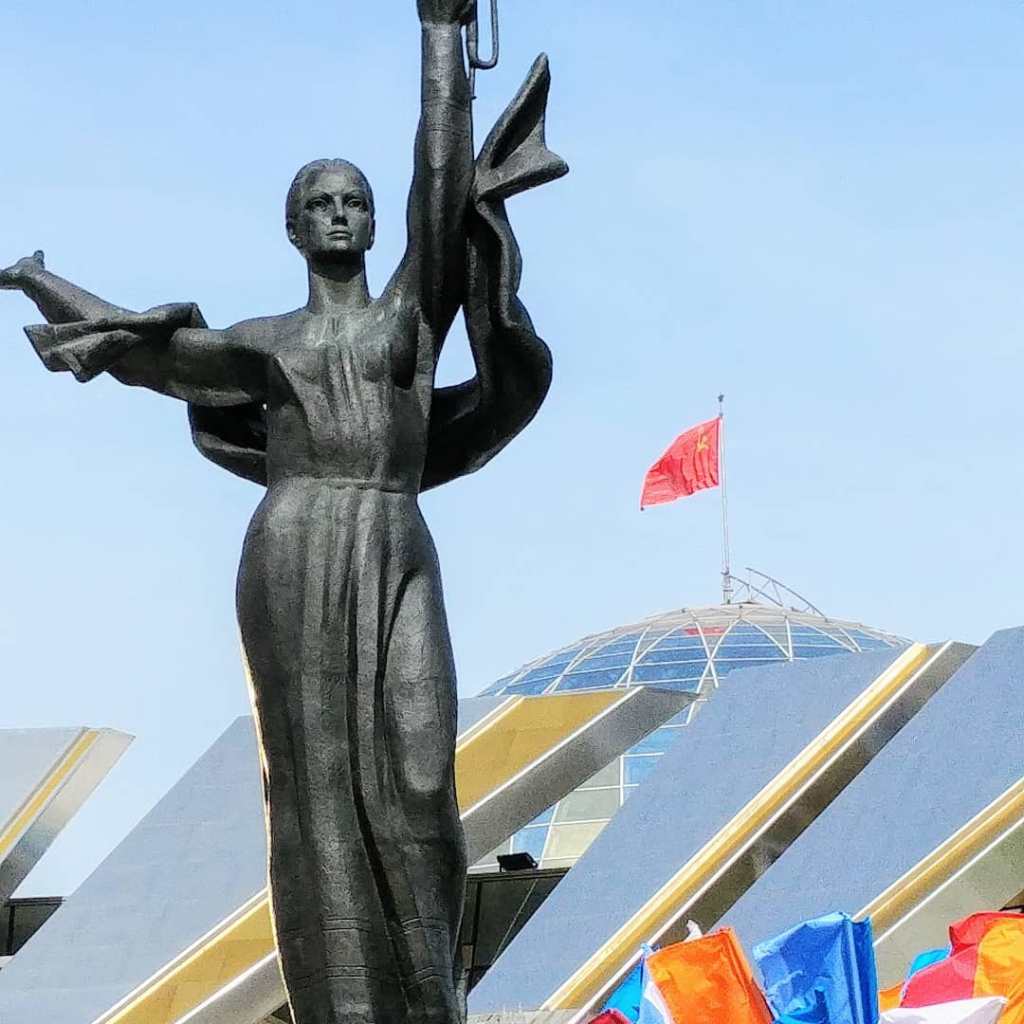
The Great Patriotic War Museum in Minsk is an ode to the nation’s endeavors, as a Soviet state, with the Allied Forces. Sitting on a hill overlooking the city, with its enormous bronze statue of a woman holding a trumpet, arms raised in victory, it speaks volumes about the value Belarus places on nationalism.

66269728_452356955321841_6424499376567091200_o

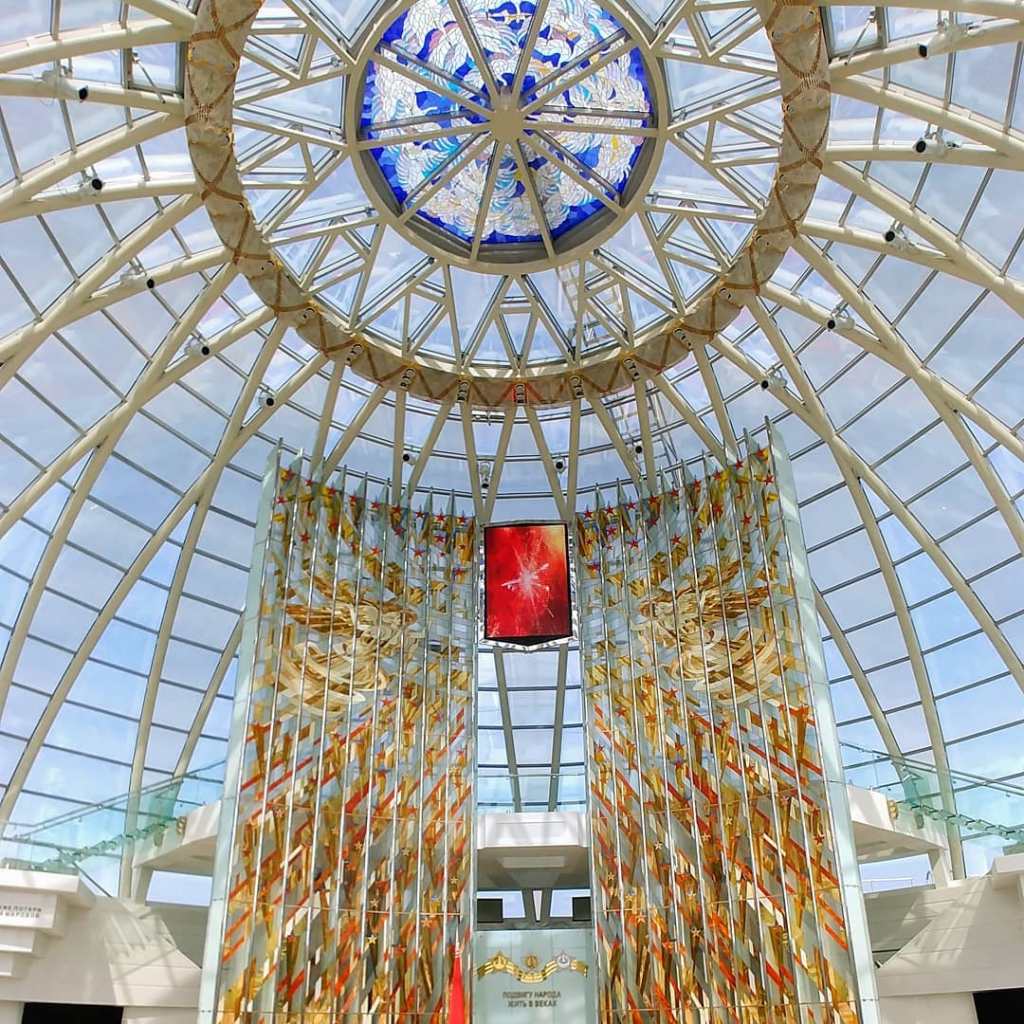
Belarus memorializes her dead: Inside the dome of the Great Patriotic War Museum in Minsk, meant to resemble the Reichstag, is a tribute to all Belarussian soldiers who gave their lives in the war effort. The culmination of a large and often horrifying collection of memorabilia, it is a triumphant emergence into the light of tomorrow.

66320984_452360945321442_5881168026300055552_o

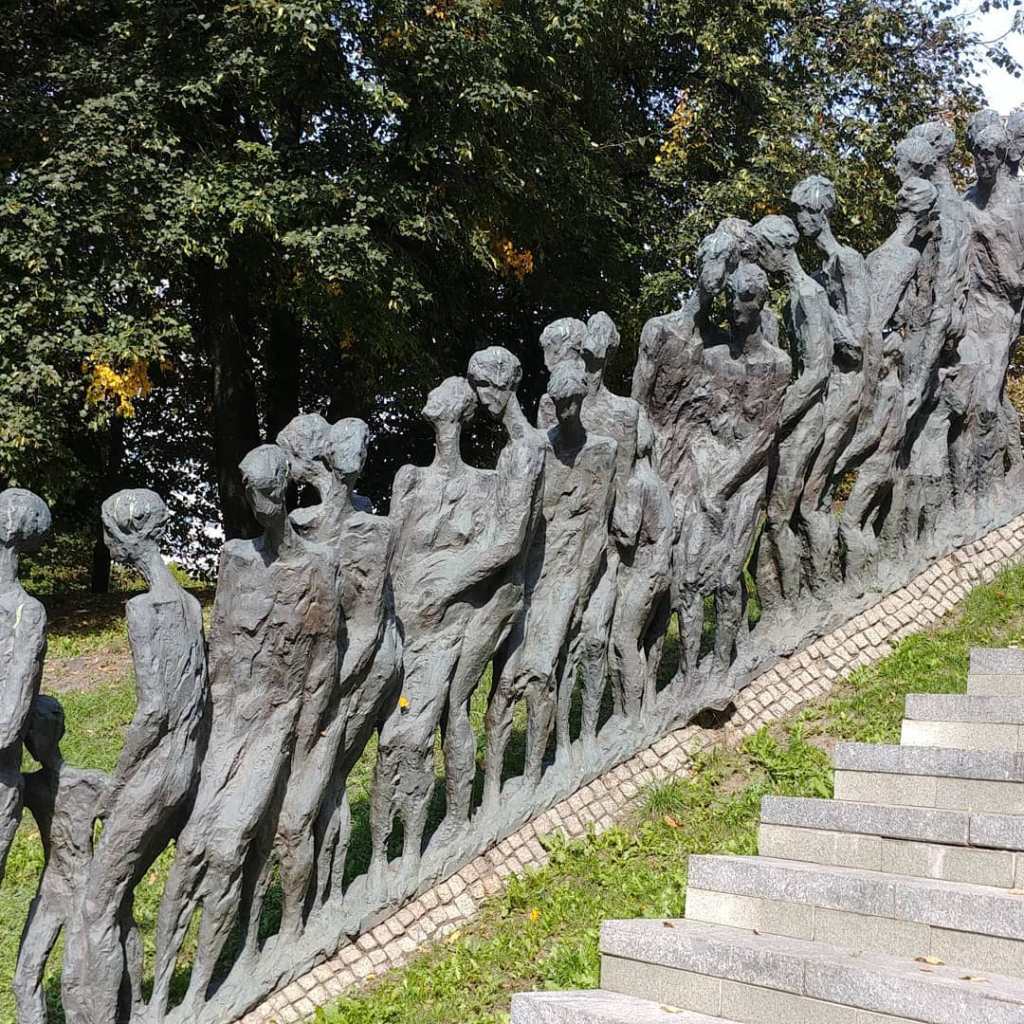
One cannot speak of Belarus without also remembering her Jewish dead. Yama, or The Pit, is a memorial sculpture in Minsk set on a site of mass execution where 5,000 people lost their lives. In total, an estimated 800,000 — 80% — of the nation’s Jewish citizens were murdered by. the Nazis.

65953244_452365021987701_879133617412898816_o

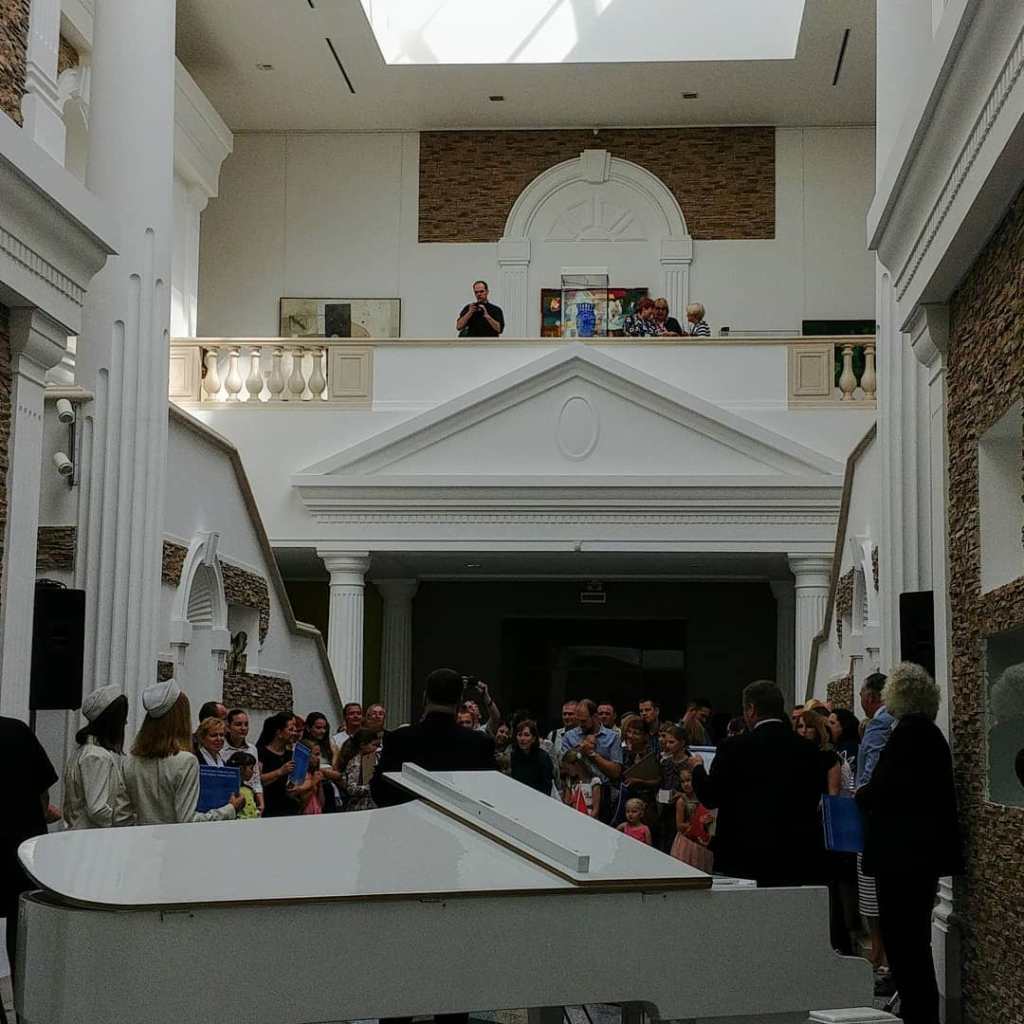
Despite its repressive past (some would also say, present), Belarus continues to enjoy a rich artistic heritage. The fine arts are all well represented, from visual to performing to literary and more, both classical and contemporary — and even alternative, including the political.

65964122_452365981987605_1367410792684584960_o

In today’s Belarus, despite the pro-Soviet president and close relations with Russia, dark-themed restaurants and bars can be found that mock and reject the secret police and prison camps of the Soviet past. Coupled with the nation’s opening to tourism in just 2017, it is another indication of change.

~EWP

Cuba

66033229_452292455328291_3628798369238876160_o

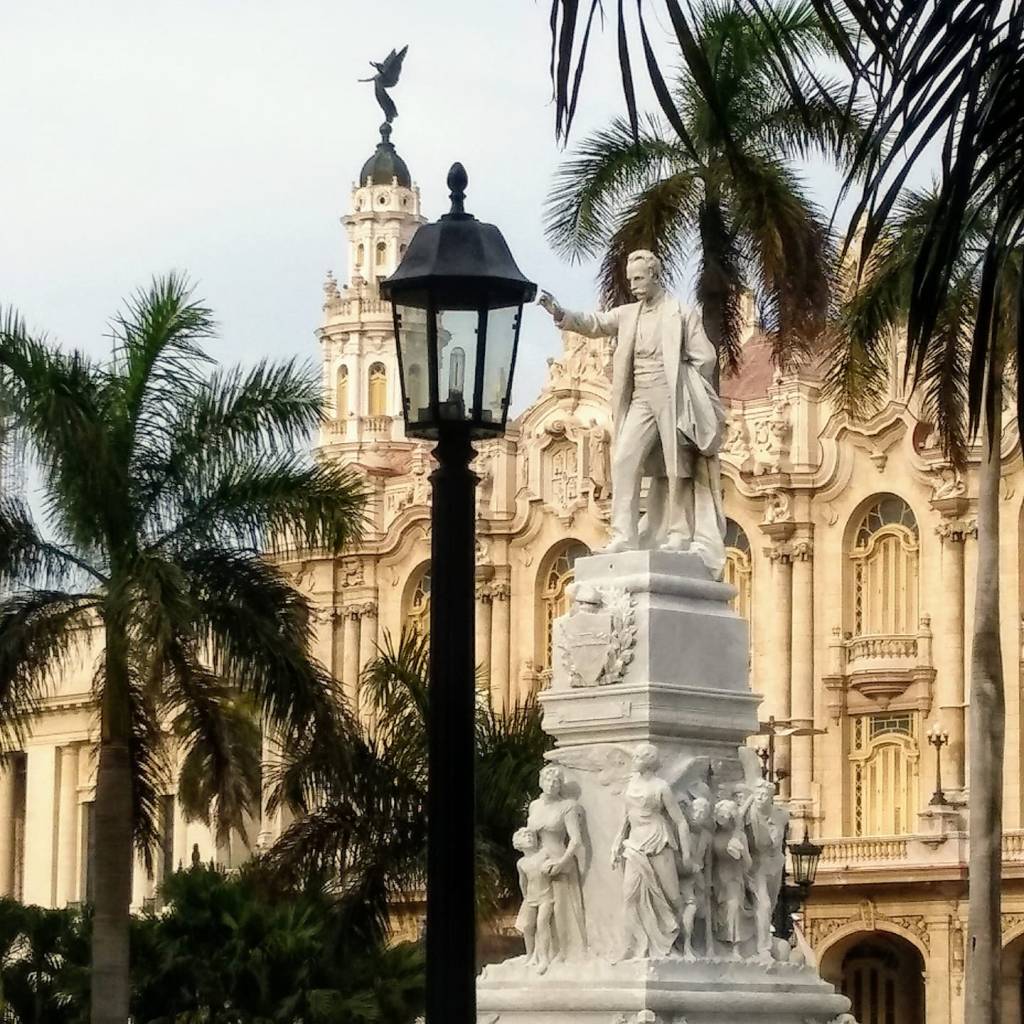
Cuba. (More precisely, Havana.) This island nation basks in its former glory and present, handmade society-of-the-people. Despite suffering caused by the longstanding stalemate with the US, loss of financial backing with the collapse of the USSR, and multiple natural catastrophes, they carry on. Excelling in areas such as health care and women’s rights, even as the goal of equality has in reality left many impoverished — Cuba now opens to incremental capitalism, largely in the form of small-scale entrepreneurship.

65942976_452299818660888_5623740631609245696_o

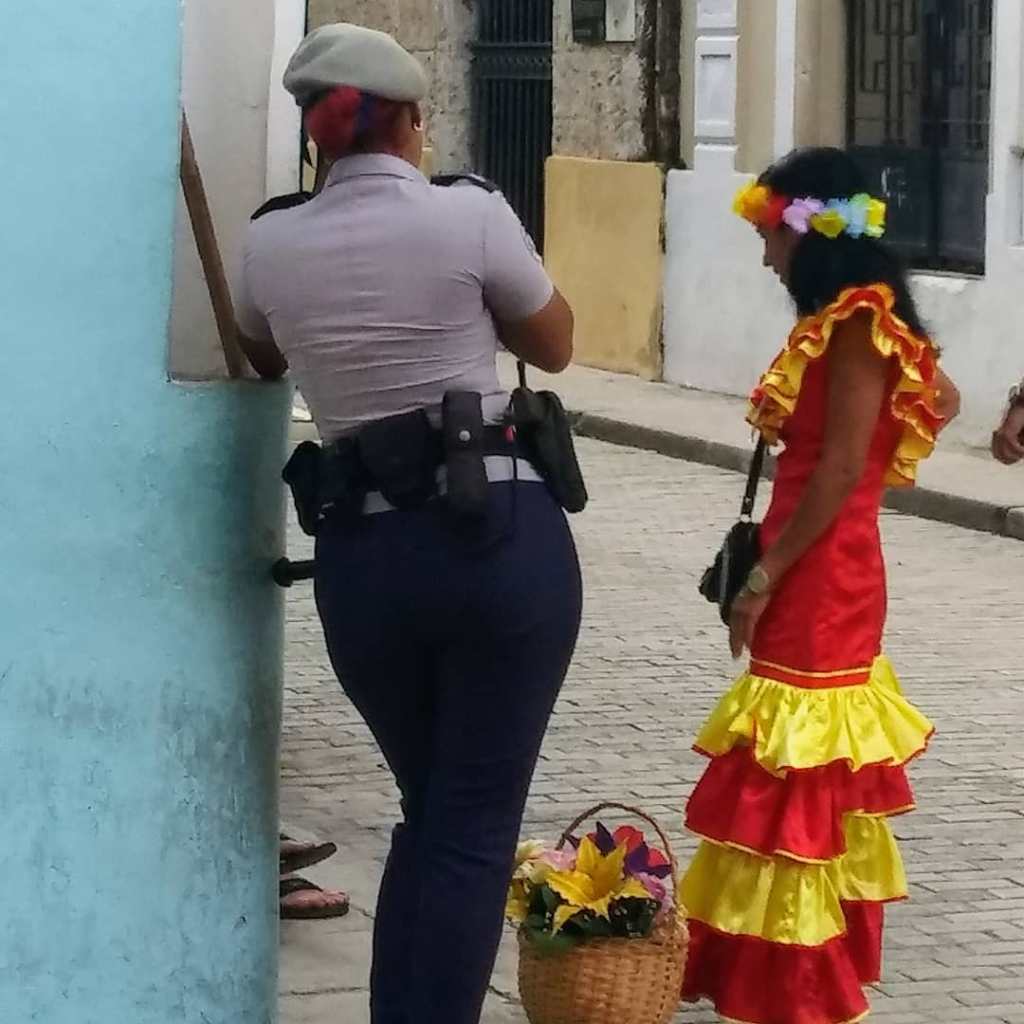
Women represent 53.2% of MPs in Cuba’s current parliament, second only to that of Rwanda globally. La Federación de Mujeres Cubanas was established in 1960 by the late Vilma Espin, former revolutionary and wife of Raul Castro, and works to ensure gender equality and improved health for all Cuban women. Holding its 10th Congress in March of this year, FMC has a present membership of more than 4 million — approximately 90% of all females in Cuba over 14 years of age.

66180019_452307545326782_1251555858056216576_o

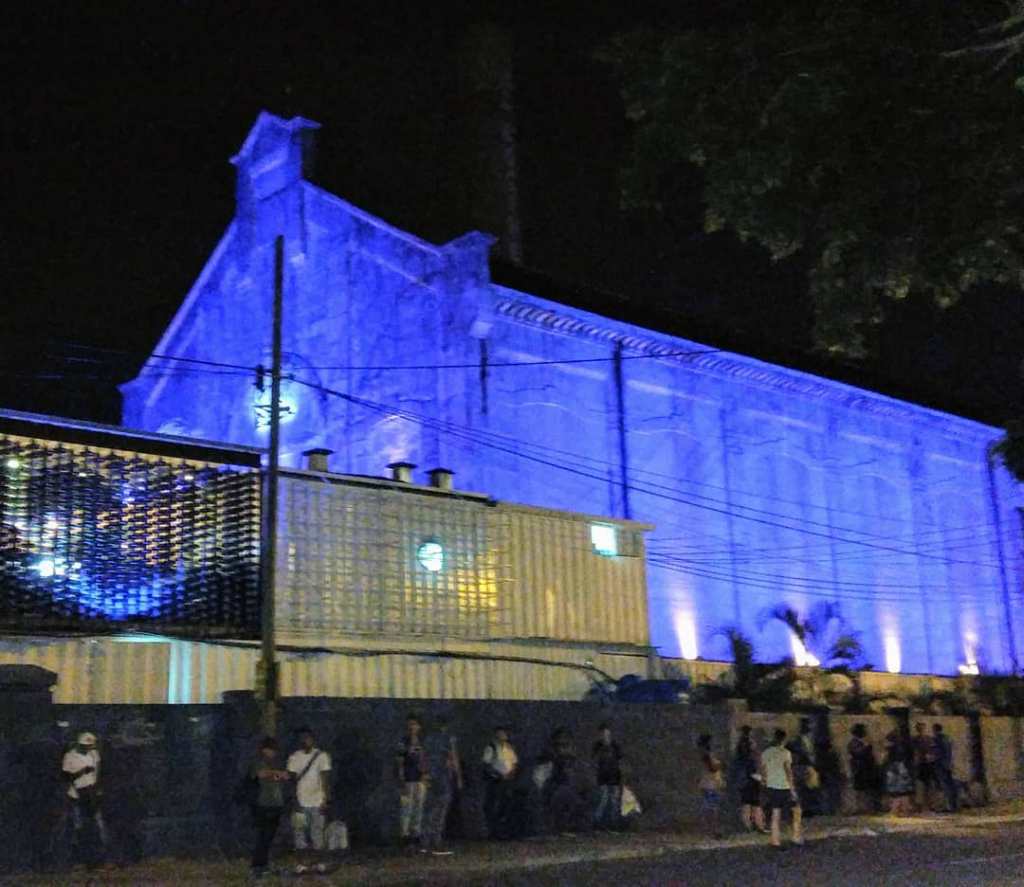
Fabrica de Arte Cubano, one of Havana’s hottest art and nightlife venues, open since 2014 in a former factory. With multiple spaces for art exhibition, dining and drinking, performance and dancing, and a good mix of locals with visitors, its youth-led premise represents the new Cuba — and its hope for tomorrow.

66361843_452325665324970_5844734291174490112_o

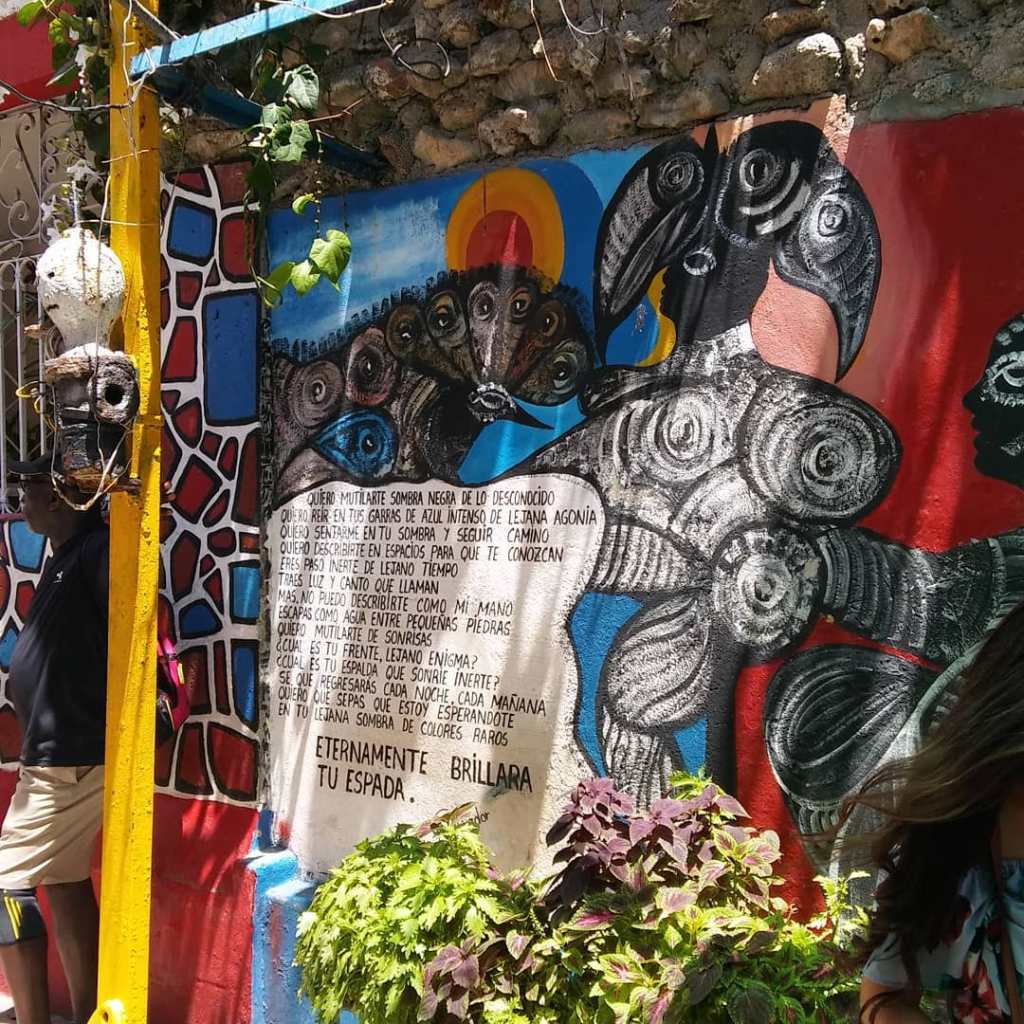
Callejon de Hamel in Havana tells yet another of Cuba’s stories: that pd the Afro-Cuban community, in its art, music — and practice of Santería. This religious practice combines elements from the Yoruba people of West Africa, brought to the Caribbean region as slaves, with aspects of Catholicism as imported by the Spanish conquistadores. An animistic tradition for worship of a pantheon known collectively as ‘orisha’, it is deeply tied to nature, to Cuban culture — and, to a longing for homeland.

~EWP

Albania

66458075_451302058760664_7506656355759947776_o

The communist totalitarian government of Albania was ousted nearly 3 decades ago, yet Albanians still struggle to overcome their past — something which can take a few generations.One such attempt is the conversion of this former surveillance center in Tirana into a museum — to educate, reveal, transform, heal.

65859440_451305818760288_7356431581000499200_o

“Bunker Art” in Tirana’s city centre converts a former military bunker, remnant of Albania’s communost past, into an underground museum which uses art to acknowledge the past and to educate visitors — employing art as a medium of transformation and healing.

65881611_451307998760070_1095654326237396992_o

Albania today remains one of the poorest countries in Europe and struggles to strengthen its economy. One improvement project in Tirana is the renovation of its central market, typically the heart of any society.

65923571_451310385426498_1145960380527280128_o

Albania also continues to struggle with organized crime, its mafia reportedly active in many parts of Europe — an issue which still tarnishes the country’s international image. Its people, however, want only what all people everywhere desire: a brighter tomorrow for their children. [Photo: Tirana.]

~EWP